In 2026, Your Car Will Charge Faster Than Your Smartphone
- Electric-Cars
- Published: 07 Jan, 2026
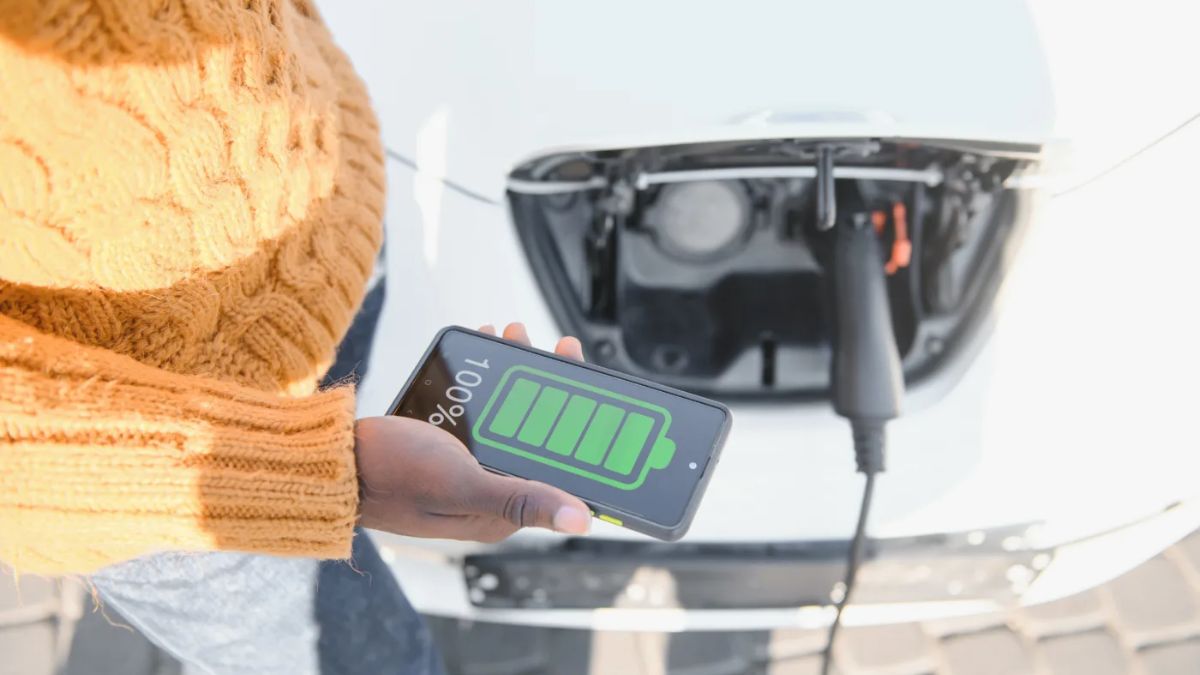
Book a Test Drive
Free doorstep test drive at your convenience
For years, one of the biggest concerns about electric vehicles (EVs) has been charging time. Drivers worried about long waits, limited charging points, and battery anxiety. But 2026 is set to change everything. With ultra-fast charging technology, solid-state batteries, and next-generation charging infrastructure, the idea that “EVs take too long to charge” is about to become outdated. In fact, by 2026, your car may charge faster than your smartphone.
Just like fashion brands in India reinvent collections every season to match new trends, the automotive industry is rapidly evolving. Choosing yesterday’s technology in a world moving toward speed, efficiency, and sustainability could leave buyers behind—just as ignoring innovation in a top fashion brand would make a wardrobe feel outdated.
Ultra-Fast Charging: Minutes, Not Hours
Today, premium EVs already support 150 kW to 350 kW fast charging, allowing 80% charge in 20–30 minutes. By 2026, next-generation chargers are expected to exceed 500 kW. This means:
- 300–400 km range in under 10 minutes
- Full charge in 12–15 minutes for most cars
- Highway charging stops shorter than coffee breaks
At the same time, smartphone batteries still require 45 minutes to over an hour for a full charge, even with fast chargers. The irony is clear: your car will soon power up faster than the device in your pocket.
Battery Technology Is Evolving Rapidly
The secret behind this charging revolution lies in battery innovation. Automakers are moving toward:
- Solid-state batteries: Safer, lighter, and capable of faster energy transfer
- Silicon-anode cells: Higher energy density with quicker charging
- Advanced thermal management: Prevents overheating during ultra-fast charging
These advancements not only reduce charging time but also improve battery lifespan. In simple terms, faster charging no longer means faster battery degradation. This makes EVs more practical for daily commuters, long-distance travelers, and even commercial users.
Infrastructure Is Finally Catching Up
Charging infrastructure has long been a barrier to mass EV adoption. By 2026, this will change significantly. Governments and private companies are investing heavily in:
- Highway ultra-fast charging corridors
- High-capacity urban charging hubs
- Smart charging at malls, offices, and residential complexes
In India, public charging stations are expected to multiply, ensuring that EV owners can charge quickly without long detours. Just as fashion brands in India have expanded from metro cities to tier-2 and tier-3 markets, EV infrastructure is spreading beyond major urban centers.
Convenience Will Redefine Car Ownership
Imagine stopping at a highway charging station, plugging in your car, and having enough charge for the next 300 km before you finish a cup of tea. This level of convenience will transform how people think about mobility.
For daily city users, a quick 5-minute top-up during grocery shopping may provide enough range for the entire day. For long-distance travelers, multiple short stops will replace long waiting times. By 2026, charging an EV could become more convenient than refueling a petrol car during peak hours.
Environmental Impact Meets Lifestyle Aspirations
Consumers are increasingly aware of sustainability, not just as an environmental issue but as a lifestyle choice. Just as people now prefer eco-friendly fabrics from a top fashion brand, car buyers want vehicles that reflect responsibility and modern values.
Faster charging makes EVs even more attractive to those who want convenience without compromising on environmental impact. Reduced emissions, lower carbon footprint, and cleaner cities will further accelerate the shift away from fossil fuel vehicles.
Why Choose a Fast-Charging EV in 2026?
If you are planning a car purchase in 2026, charging speed alone makes EVs a compelling option.
Why choose next-gen EVs?
- Time Efficiency: Charge in minutes, not hours—often faster than smartphones.
- Lower Running Costs: Electricity remains cheaper than petrol or diesel.
- Future-Ready Technology: Software updates, AI integration, and smart connectivity.
- Better Resale Value: Demand for advanced EVs will keep prices strong.
- Sustainable Choice: Reduced emissions and long-term environmental benefits.
Just as investing in timeless designs from fashion brands in India ensures long-lasting value, choosing fast-charging EVs secures relevance in a rapidly evolving auto market.
Conclusion
The idea that electric cars are slow to charge is becoming a thing of the past. By 2026, advancements in battery technology, ultra-fast charging infrastructure, and smart energy management will make EV charging quicker than ever—often faster than charging your smartphone.
The automotive world is undergoing the same transformation seen in industries like fashion brands in India, where innovation and sustainability define what remains relevant. Just as consumers trust a top fashion brand for quality and future trends, car buyers must look toward technologies that promise efficiency, convenience, and environmental responsibility.
In 2026, owning a car that charges faster than your phone won’t be a luxury—it will be the new standard.
Frequently Asked Questions (FAQs)
Q1: Will EVs really charge faster than smartphones in 2026?
Yes. With 500 kW ultra-fast chargers and new battery technologies, EVs can gain hundreds of kilometers of range in under 10 minutes, often faster than a phone’s full charge.
Q2: Is fast charging safe for batteries?
New battery chemistries and advanced cooling systems are designed to handle ultra-fast charging without damaging battery life.
Q3: Will India have enough fast-charging stations by 2026?
Yes. Government initiatives and private investments are rapidly expanding charging networks across highways and cities.
Q4: Are fast-charging EVs expensive?
While premium models exist, mass-market EVs with fast-charging capabilities are expected to become more affordable by 2026.
Q5: Should I wait until 2026 to buy an EV?
If charging speed is your main concern, waiting could be beneficial. However, today’s EVs are already efficient and economical for most users.
Book a Test Drive
Free doorstep test drive at your convenience
Popular Brands


Latest Electric Car News
Hyundai EV Compact SUV India Launch: Expected Price, Range & Key Details
Hybrids vs. EVs: Which Is Better for You?
Delhi EV Policy 2026 in Effect from July 1
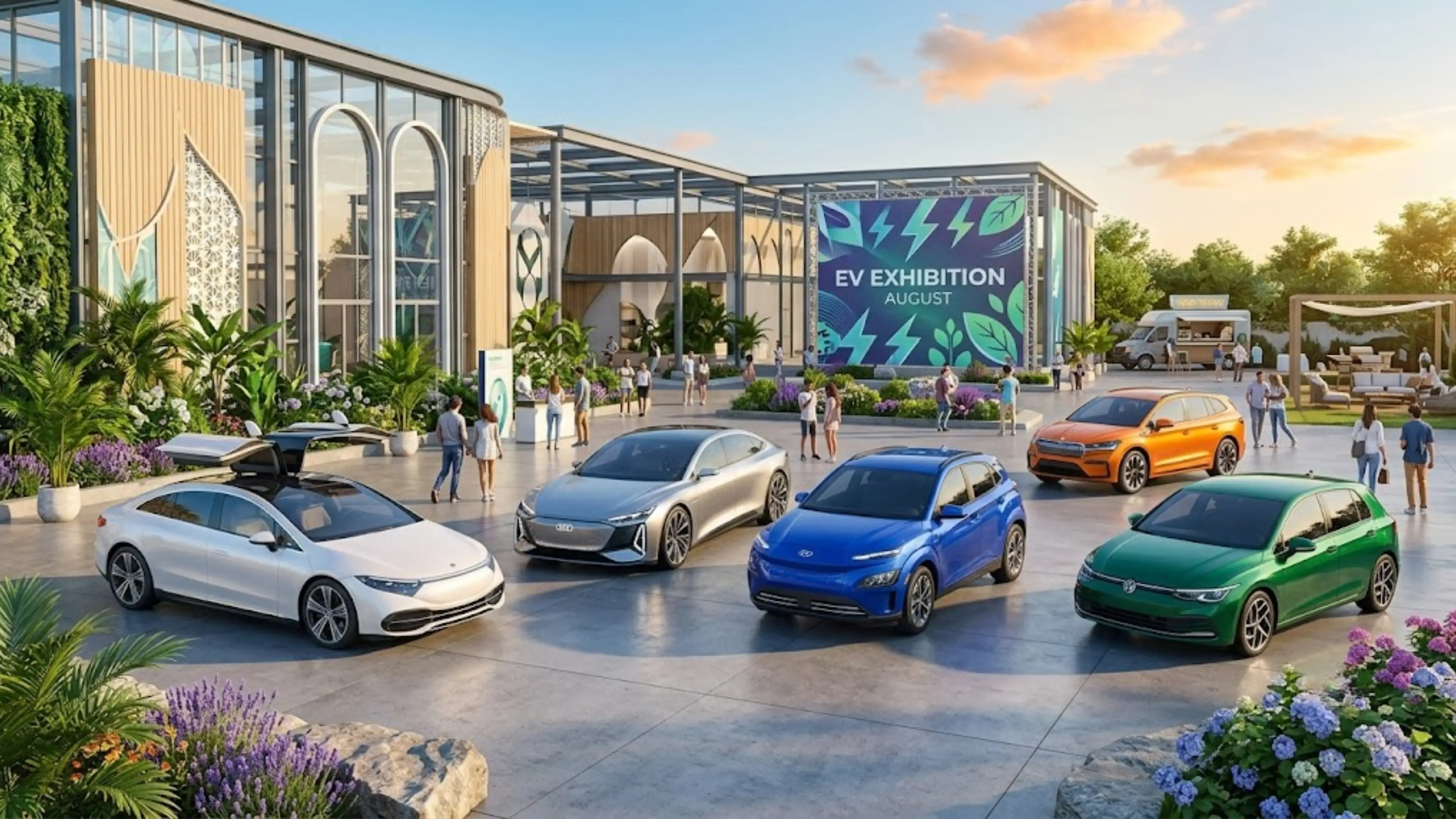
Upcoming Electric Cars in August 2026 in India
What to Do If Your Car Battery Is Dead
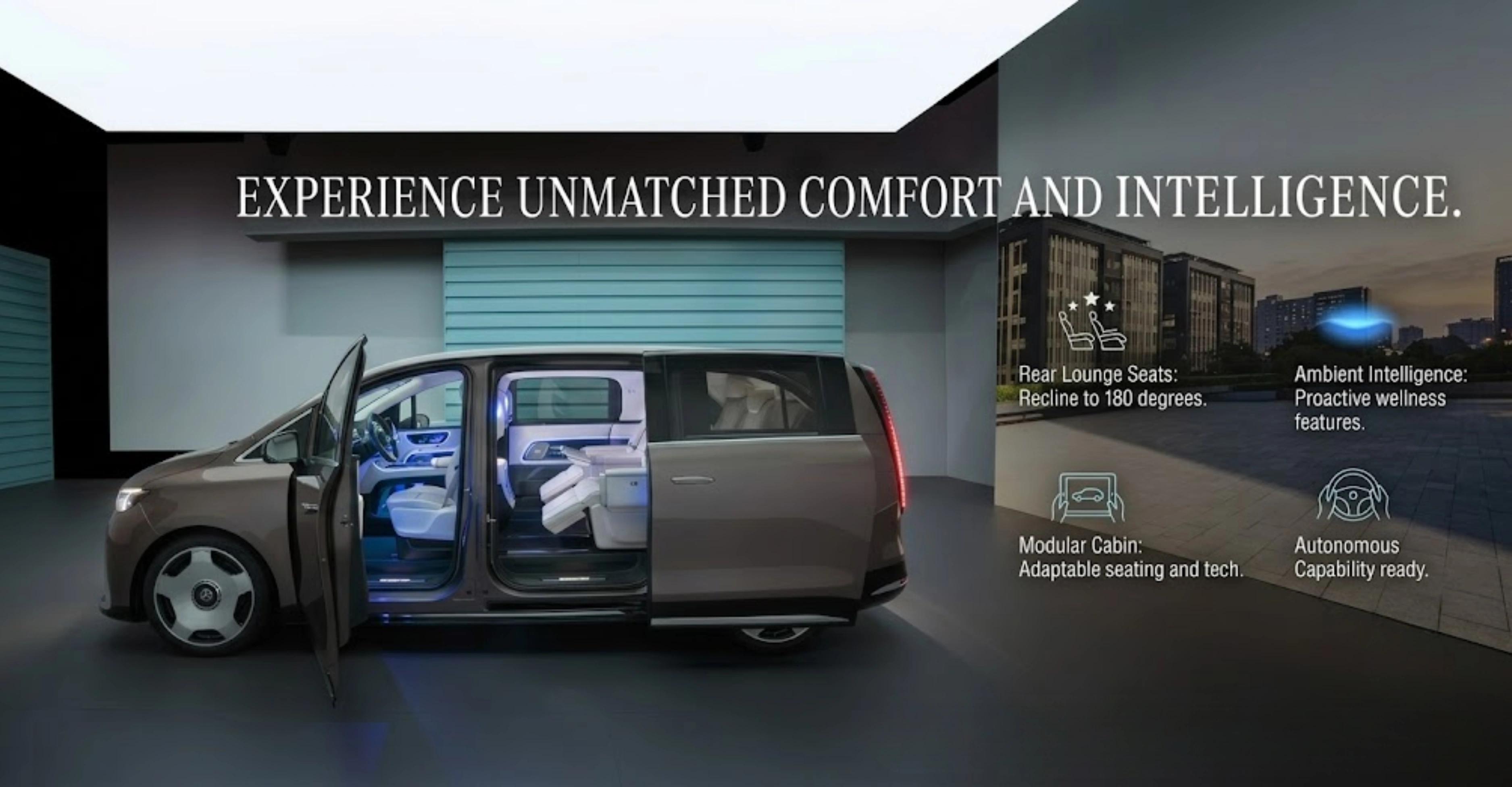
Mercedes-Benz VLE Unveiled: 8-Seater EV with 700+ KM Range
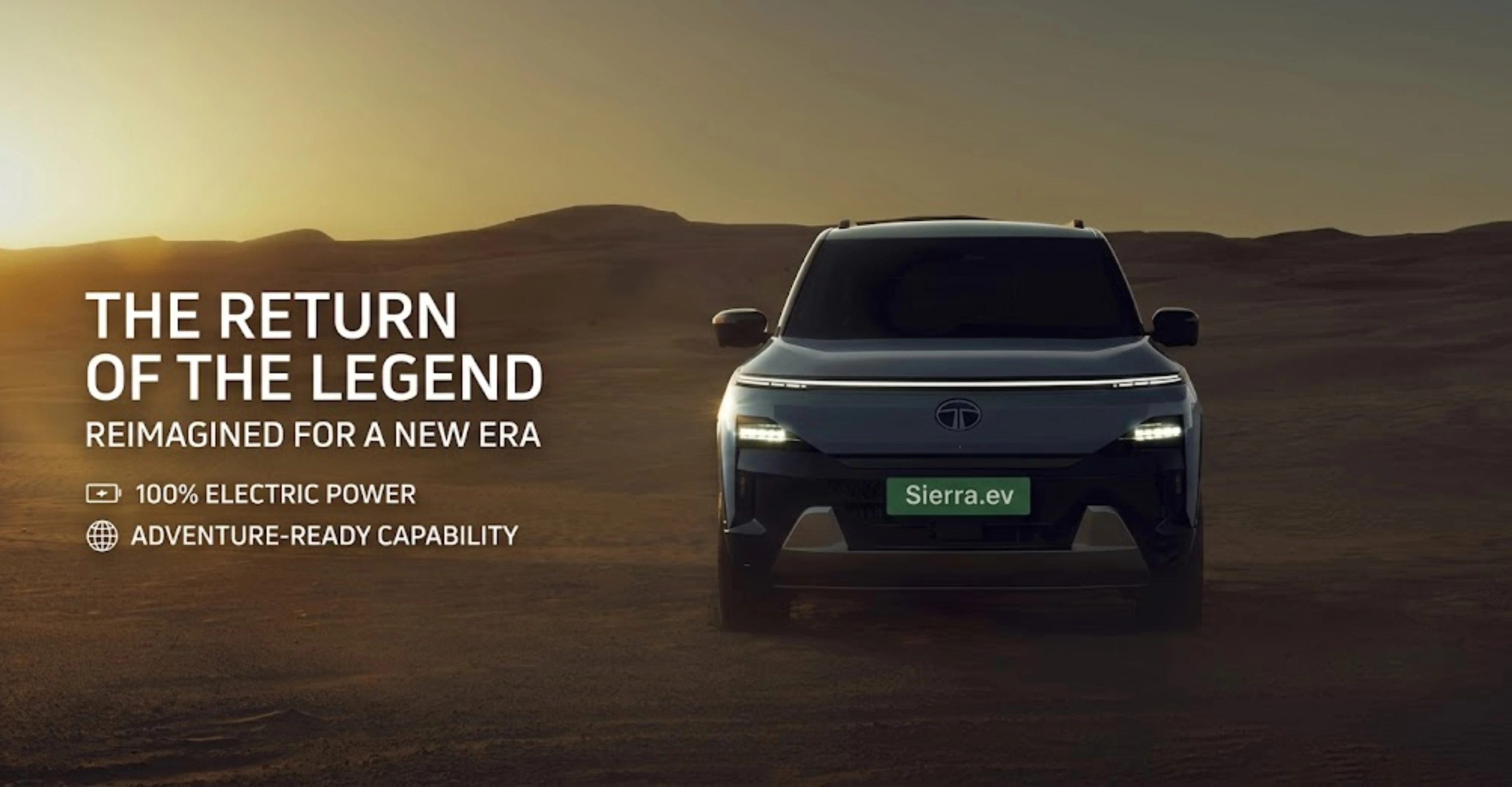
Tata Sierra EV First Look: 600+ KM Range, Triple Screens & More
Top Accessories You Should Buy for Your Tata Harrier EV
Is an EV Car Coming for ₹5 Lakh? A Major Shift in the Indian Auto Market
Top Upcoming SUVs and Electric Cars in April 2026 That Could Change the Market
Bookings Open for the Mercedes-Benz CLA Electric – A New Competitor Enters India’s EV Market
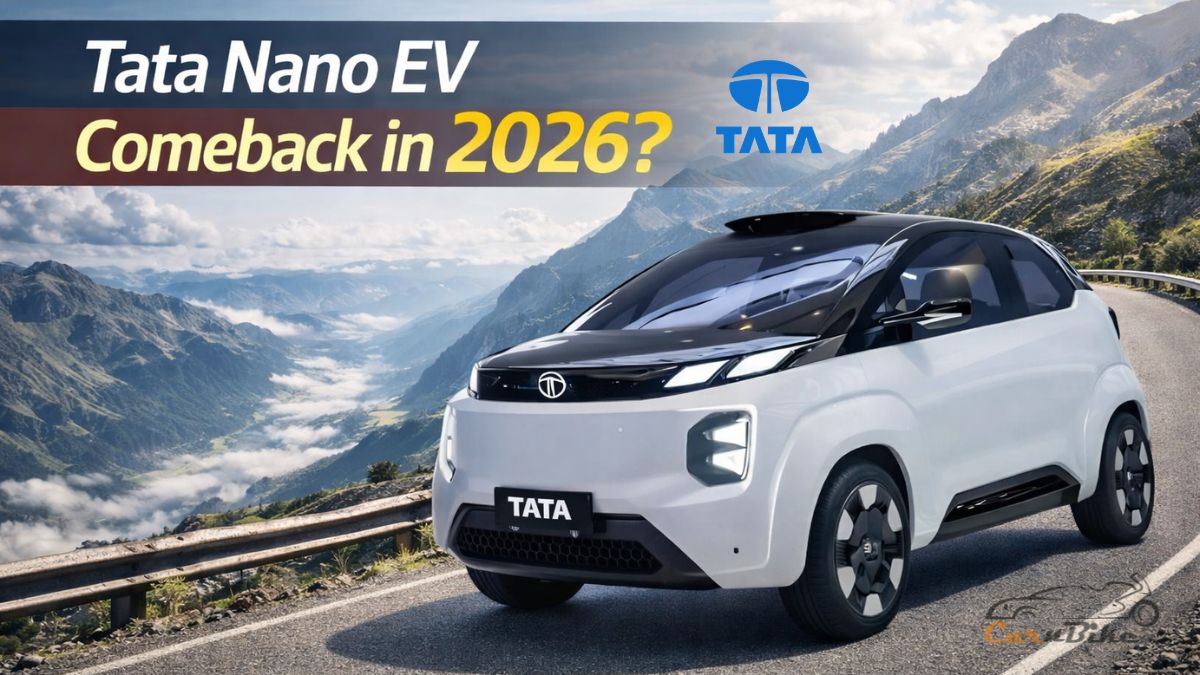
Tata’s New Budget Electric Car Coming in 2026 – Is the Nano EV Making a Comeback?
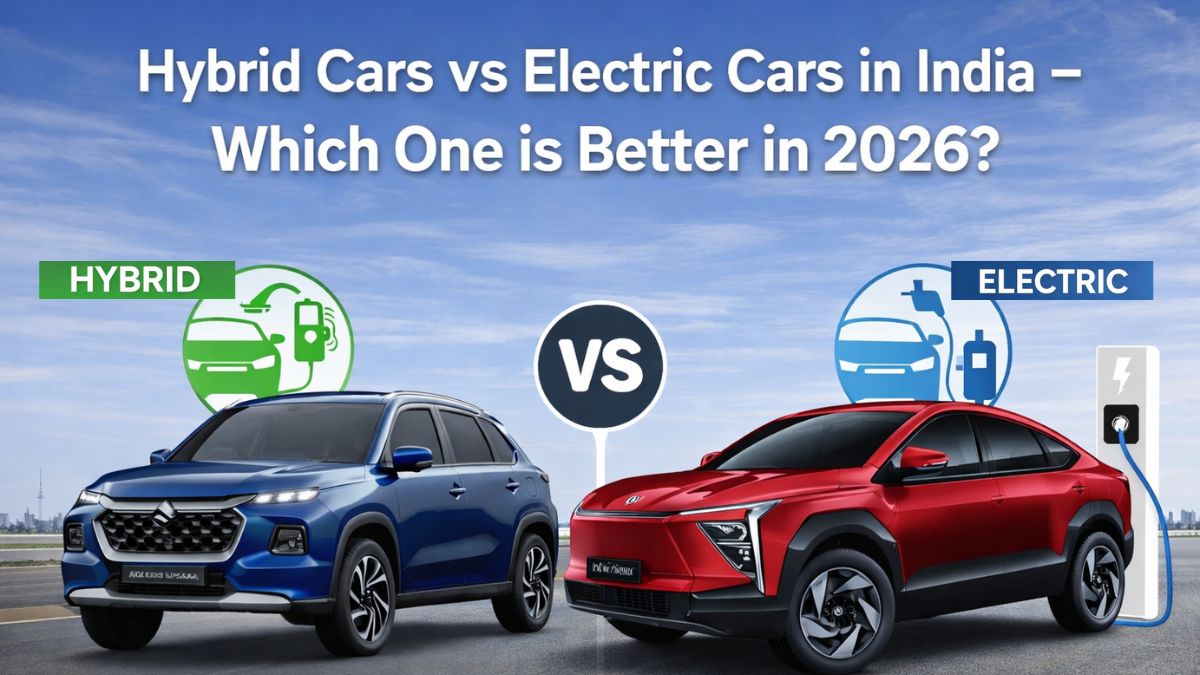
Hybrid Cars vs Electric Cars in India 2026: Which Is Better?
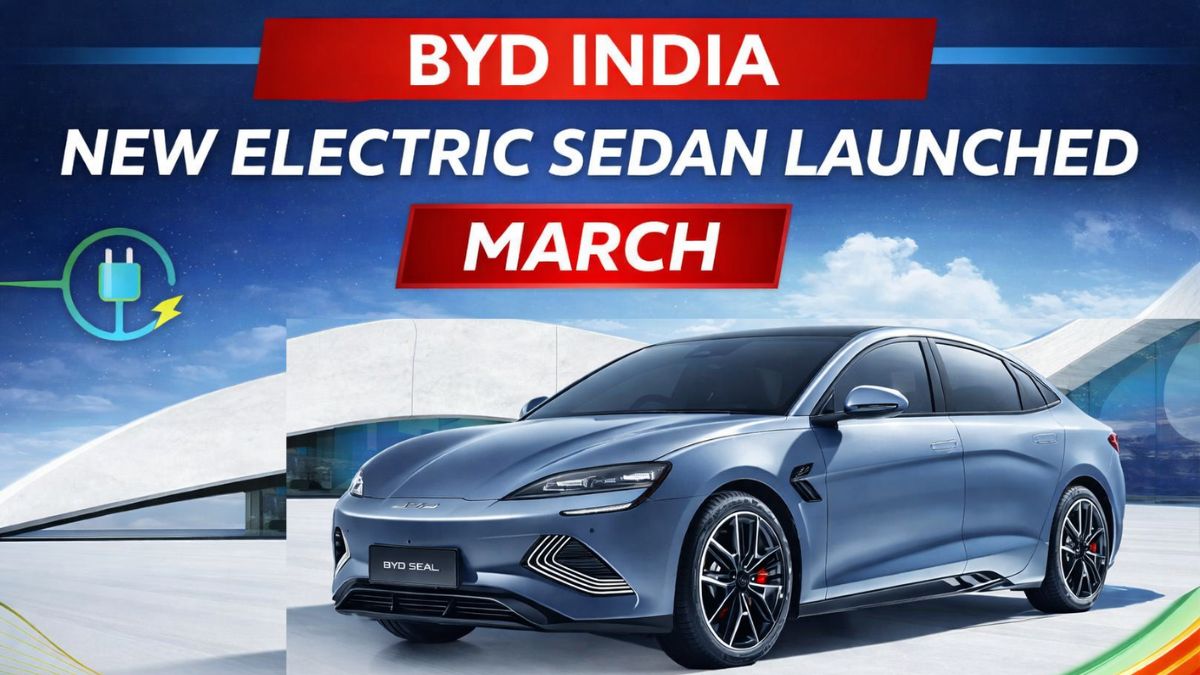
BYD India New Electric Sedan Launched – Price & Range Revealed
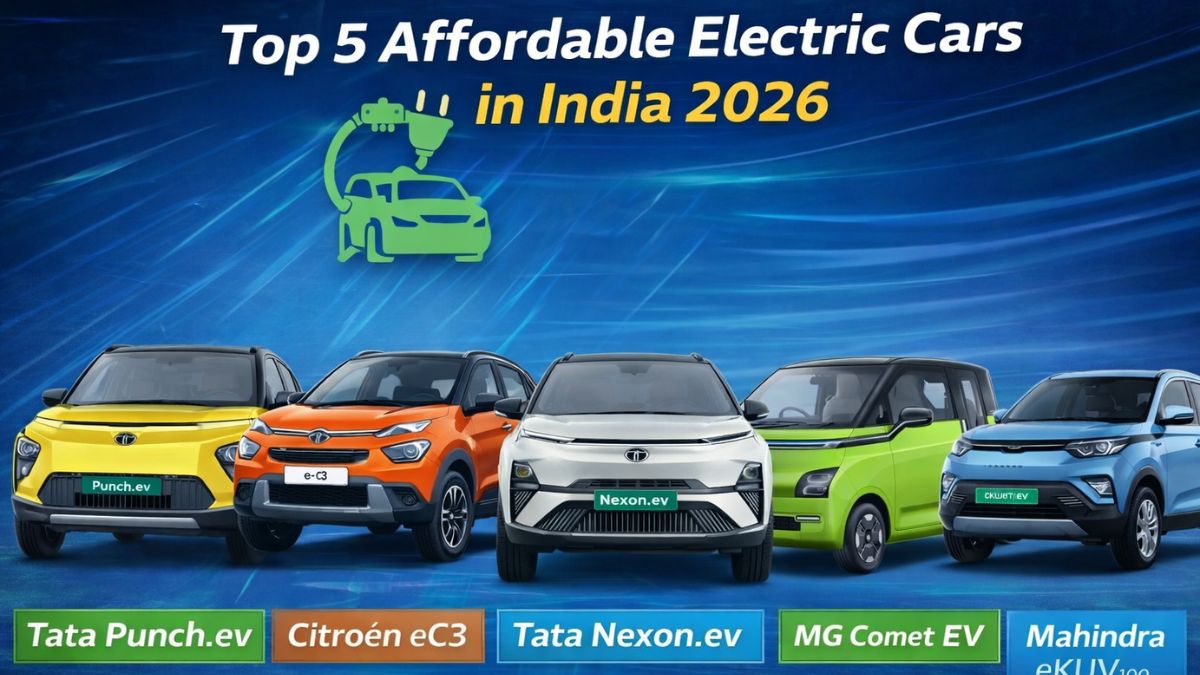
Top 5 Affordable Electric Cars in India 2026 (Best Budget EVs with Long Range)
Tata vs MG EV Comparison – Which One Is Better in 2026?
Tata EV Lineup 2026 REVEALED – Full Price Breakdown
Tesla India Booking Date LEAK – Big Update!
Hyundai Creta EV Launch Leak: Price Shock Incoming?
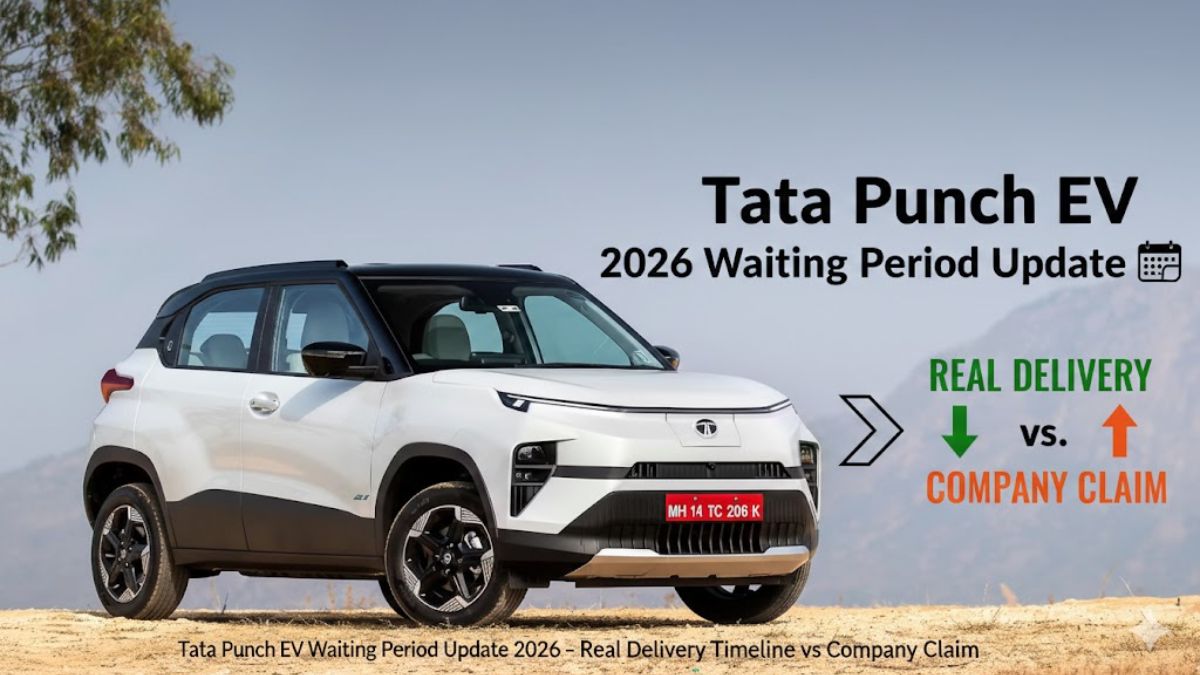
Tata Punch EV Waiting Period Update 2026: Real Delivery Timeline vs. Company Claims