Hyundai EV Compact SUV India Launch: Expected Price, Range & Key Details
- Electric-Cars
- Published: 14 Aug, 2026
- Updated: 14 Aug, 2026
Book a Test Drive
Free doorstep test drive at your convenience
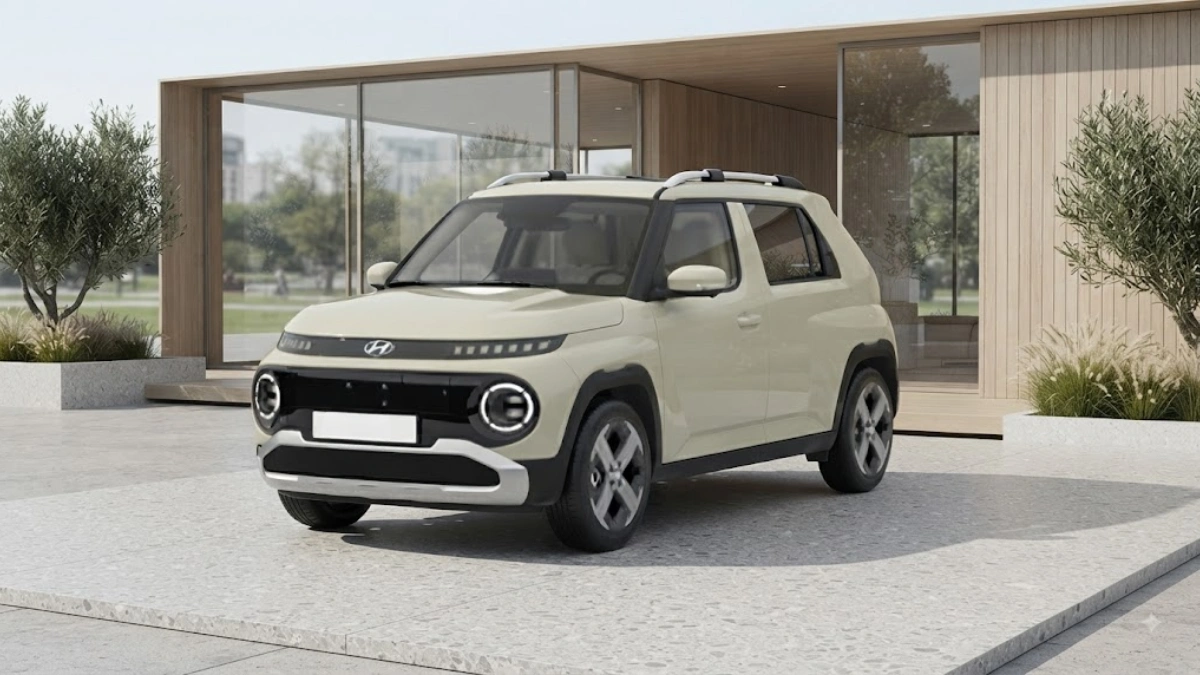
Hyundai is gearing up for one of its most important launches in years — a compact, dedicated electric SUV built specifically for Indian roads and Indian buyers. Internally codenamed HE1i, this sub-4-metre EV is expected to become Hyundai's most affordable electric SUV in India, sitting below the Creta Electric and taking direct aim at the Tata Punch EV and Mahindra XUV 3XO EV. Here's a detailed look at everything we know so far.
Hyundai EV Compact SUV: Expected Launch Timeline in India
Hyundai has officially confirmed that a localised, made-for-India compact electric SUV is part of its FY2026–27 product roadmap, though the company hasn't revealed the final name, exact date, or specifications yet. Test mules of the HE1i have been spotted testing multiple times, with camouflaged prototypes seen both in India and South Korea, confirming that development is well underway.
Multiple reports point to a launch timeline of around Diwali 2026, though some more recent updates suggest it could slip to late 2026 or early 2027, with Hyundai targeting a market entry before the end of the current financial year, by March 2027. The SUV is expected to be manufactured at Hyundai's Sriperumbudur facility in Tamil Nadu, which also opens the door for exports thanks to the India-EU Free Trade Agreement signed earlier this year.
Expected Price and Positioning in India
Pricing estimates currently range fairly widely, since Hyundai hasn't locked in final numbers. Early listings suggest a bracket of Rs 12 lakh to Rs 17.5 lakh, while some pre-launch reports peg it slightly lower, around ₹12–15 lakh (ex-showroom).
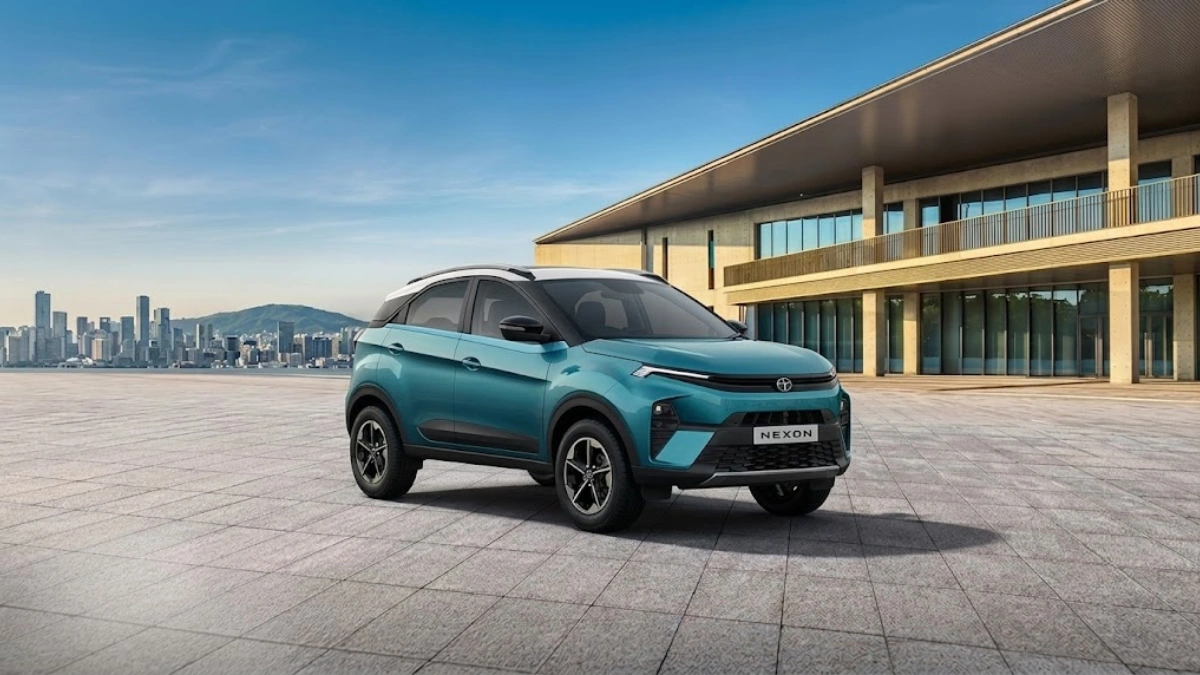
What's clear is Hyundai's intent: to compete directly in the mass-market EV space currently dominated by the Tata Nexon EV and Mahindra XUV 3XO EV, with the Tata Punch EV named repeatedly as its most direct rival. To hit this price point, Hyundai is leaning heavily on localisation — the SUV will reportedly use locally sourced LFP batteries to keep costs down, and heavy local manufacturing is expected to help Hyundai price it aggressively against established rivals.
Battery Packs, Performance, and Expected Range
This is where reports get genuinely interesting, and also where estimates vary quite a bit depending on the source and how recent it is.
The HE1i is expected to be based on Hyundai's E-GMP(K) platform and closely related to the globally sold Hyundai Inster EV. Earlier reports suggested two battery pack options mirroring the Inster — a 42 kWh Standard Range pack delivering a claimed 300 km, and a 49 kWh Long Range pack offering 355 km on the WLTP cycle. The Inster's global specs pair the smaller pack with a 97 hp, 147 Nm motor, and the larger pack with a 115 hp motor, also making 147 Nm.
However, more recent reports suggest Hyundai may go even further for the India-spec version, potentially offering 42 kWh and 51.4 kWh battery packs, with the larger pack delivering a claimed range of over 500 km and the smaller one around 440 km. Other estimates are more conservative, suggesting a real-world usable range of approximately 250 km to 350 km, depending on the variant — a reminder that claimed range (WLTP/ARAI) and real-world range typically differ quite a bit in Indian conditions.
On charging, the SUV is expected to support DC fast charging of up to 120 kW, enabling a 10% to 80% charge in around 30 minutes. Performance-wise, earlier reports also mentioned a single front-mounted electric motor with a sub-10-second 0–100 km/h time, though final power figures for India remain unconfirmed.
Exterior Design and Styling Cues
Spy shots so far reveal a design that's unmistakably boxy and upright, clearly inspired by the Inster EV sold in Europe. Expect a tall, boxy silhouette with flat body panels, top-mounted LED DRLs positioned high on the front fascia, and split headlamps placed lower near the bumper. True to modern EV design language, the grille is expected to be fully closed off.
Other visible design cues from spy shots include a flat roofline running nearly parallel to the ground, a raked rear windshield, a chunky rear bumper, and unusually short rear overhangs for the segment. On the sides, expect flared wheel arches and diamond-cut, petal-style alloy wheels, along with functional roof rails — a practical touch that hints at genuine outdoor usability rather than just styling. Test mules have also shown <cite name="20-1">17-inch alloy wheels and camera-based ORVMs</cite> on certain prototypes.
Expected Interior, Comfort & Tech Features
While the cabin remains heavily camouflaged in current spy shots, Hyundai is expected to borrow some interior elements from the Exter, one of its most popular compact SUVs in India. This likely includes a large touchscreen infotainment system with wireless Android Auto and Apple CarPlay, automatic climate control, a digital instrument cluster, and possibly even ventilated seats and a sunroof on higher variants — features that would be a big deal in this price segment.
On the safety and driver-assistance front, an ADAS module has already been spotted on test mules, and reports mention Level 2 ADAS as part of the expected package. Convenience tech like V2L (Vehicle-to-Load) and V2V (Vehicle-to-Vehicle) charging capability is also being talked about, which would let owners power external devices or even charge another EV directly from the car's battery.
Key Competitors: How It Stacks Against the Competition
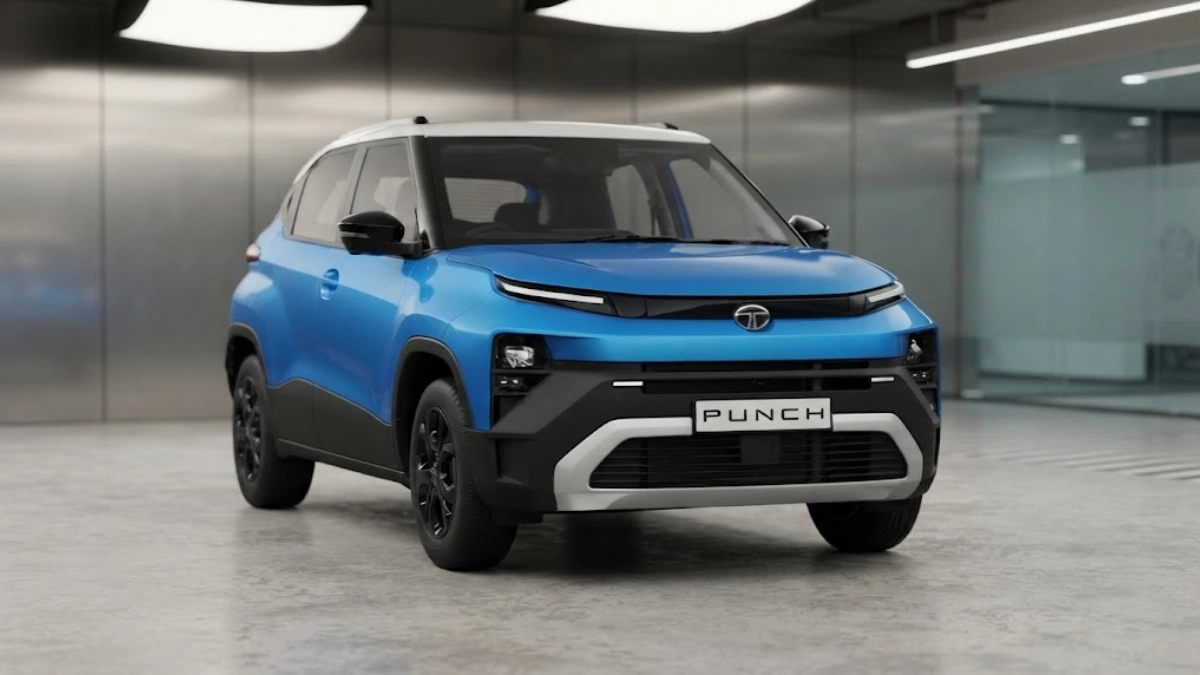
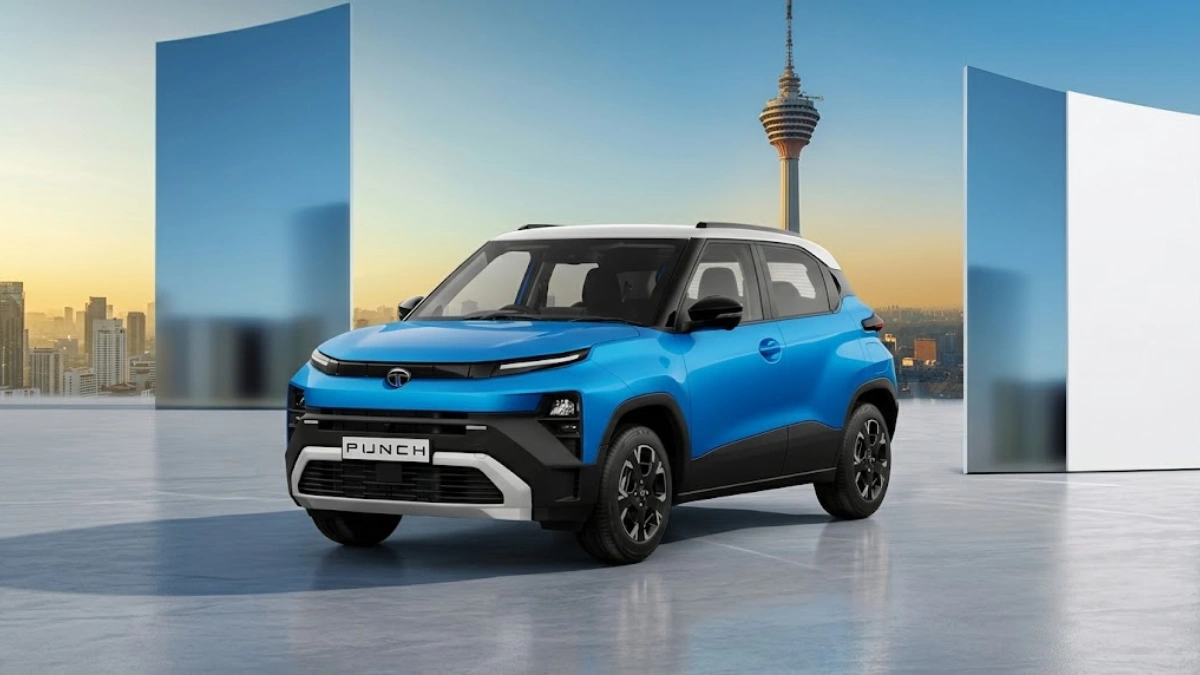
The HE1i is entering one of the most competitive corners of the Indian EV market. Its primary rival is expected to be the Tata Punch EV, currently available with 30kWh and 40kWh battery packs offering claimed ranges of up to 375km and 468km respectively. Beyond the Punch EV, Hyundai will also be squaring up against the Tata Nexon EV and Mahindra XUV 3XO EV in the broader sub-4m EV space. Reports also note that the HE1i could share components with the recently revealed Kia Syros EV, its sibling-brand rival, which will make for an interesting in-house comparison once both arrive.
Given how strong Tata and Mahindra's grip on this segment currently is, Hyundai will need sharp pricing, real-world range that holds up, and a genuinely spacious cabin to make a real dent — simply badging it "Hyundai" won't be enough on its own.
Our Opinion
On paper, this looks like one of Hyundai's most important products for India in years. A dedicated, locally built EV platform, competitive range figures, fast charging support, and Exter-like feature loading could make it a genuinely strong first EV for a lot of Indian buyers — especially if Hyundai manages to keep pricing close to the ₹12–15 lakh mark rather than drifting toward ₹17–18 lakh.
That said, there's still a fair amount of uncertainty. Range figures have shifted across reports over the past few months, the exact battery configuration for India isn't locked in, and the launch timeline itself has moved from "Diwali 2026" to "early 2027" in more recent updates. Our advice: treat every spec here as directional until Hyundai does an official reveal, and wait for ARAI-certified range and final pricing before making any purchase decisions. If the final product stays close to what's been spied on and reported, though, this could be a genuine game-changer in the sub-4m EV space.
Book a Test Drive
Free doorstep test drive at your convenience
Popular Brands


Latest Electric Car News
Hyundai EV Compact SUV India Launch: Expected Price, Range & Key Details
Hybrids vs. EVs: Which Is Better for You?
Delhi EV Policy 2026 in Effect from July 1
Upcoming Electric Cars in August 2026 in India
What to Do If Your Car Battery Is Dead
Mercedes-Benz VLE Unveiled: 8-Seater EV with 700+ KM Range
Tata Sierra EV First Look: 600+ KM Range, Triple Screens & More
Top Accessories You Should Buy for Your Tata Harrier EV
Is an EV Car Coming for ₹5 Lakh? A Major Shift in the Indian Auto Market
Top Upcoming SUVs and Electric Cars in April 2026 That Could Change the Market
Bookings Open for the Mercedes-Benz CLA Electric – A New Competitor Enters India’s EV Market
Tata’s New Budget Electric Car Coming in 2026 – Is the Nano EV Making a Comeback?
Hybrid Cars vs Electric Cars in India 2026: Which Is Better?
BYD India New Electric Sedan Launched – Price & Range Revealed
Top 5 Affordable Electric Cars in India 2026 (Best Budget EVs with Long Range)
Tata vs MG EV Comparison – Which One Is Better in 2026?
Tata EV Lineup 2026 REVEALED – Full Price Breakdown
Tesla India Booking Date LEAK – Big Update!
Hyundai Creta EV Launch Leak: Price Shock Incoming?
Tata Punch EV Waiting Period Update 2026: Real Delivery Timeline vs. Company Claims