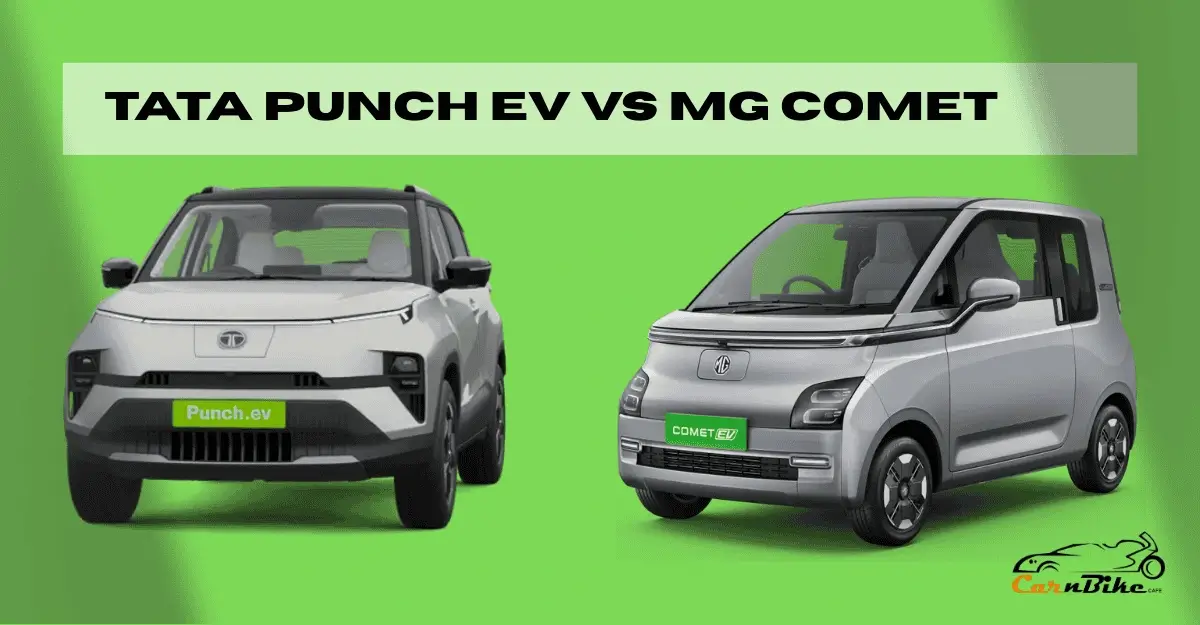
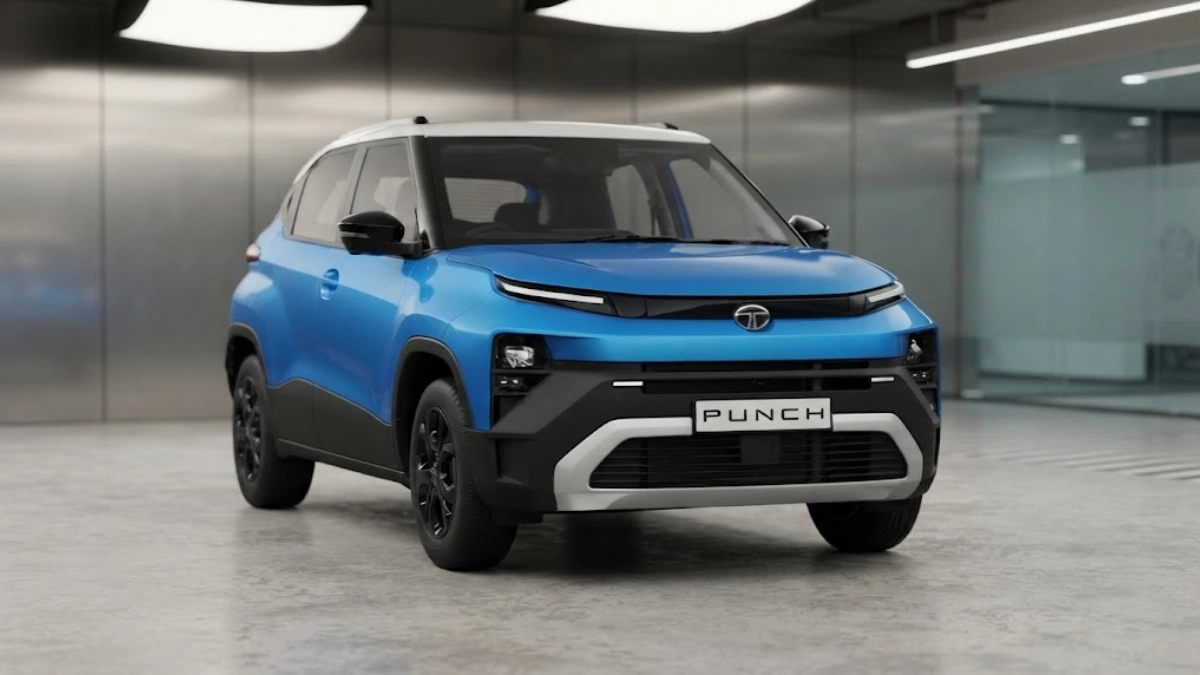
Tata Punch Becomes India's Best-Selling SUV in July 2026 with 21,313 Units Sold
- Cars
- Published: 07 Aug, 2026
- Updated: 07 Aug, 2026
Book a Test Drive
Free doorstep test drive at your convenience
Tata's smallest SUV just had its biggest month. The Punch — including its electric sibling, the Punch EV — topped India's SUV sales charts in July 2026, comfortably beating the Hyundai Creta, Tata's own Nexon, and the Mahindra Scorpio N. The timing couldn't be better either: the milestone month also happened to be when Punch crossed the 8-lakh cumulative sales mark since its 2021 launch.
Tata Punch July 2026 Sales Highlights
Tata sold 21,313 units of the Punch (petrol, CNG and EV combined) in July 2026, making it the company's best-selling passenger vehicle for the month and India's fifth best-selling car overall across all body styles. Within the SUV segment specifically, it was the outright number one — ahead of the Hyundai Creta, Tata Nexon, and Mahindra Scorpio N.
The month also carried extra significance: Tata Motors had dispatched 7,97,479 units of the Punch from its October 2021 launch through the end of June 2026, and the remaining 2,521 units needed to cross the 8-lakh mark were sold in the first few days of July — making the Punch the fastest compact SUV in India to reach that milestone, doing it in roughly 57 months.
Tata Punch Sales Performance in July 2026
The Punch's 2026 run has been unusually consistent. It crossed the 20,000-unit mark four times this year alone — in March, May, June, and July — with July turning out to be its best-performing month over the last twelve months at 21,313 units.
Here's the month-by-month trend building up to July:
| Month (2026) | Punch Sales | YoY Growth |
| February | 18,748 units | +29% |
| March | 20,977 units | +18% |
| April | 19,107 units | +53% |
| May | 20,208 units | +54% |
| June | 21,006 units | +101% |
| July | 21,313 units | +97.62% |
The model registered 97.62% year-on-year growth in July, gaining over 10,500 units compared to July 2025 — making it the fastest-growing model among India's top-selling cars for the month, and one of the strongest growth rates recorded across the entire industry.
Top 10 Best-Selling SUVs in July 2026
Based on July 2026 wholesale and retail data, here's how India's SUV pecking order shaped up, led decisively by Tata's smallest model:
| Rank | SUV | July 2026 Sales | Notes |
| 1 | Tata Punch (incl. Punch EV) | 21,313 units | India's best-selling SUV; +97.62% YoY |
| 2 | Maruti Fronx | 19,473 units | +51.28% YoY; Maruti's crossover-SUV performer |
| 3 | Hyundai Creta (incl. Creta Electric) | 18,088 units | +7.04% YoY; boosted by the new Creta Electric |
| 4 | Tata Nexon (incl. Nexon EV) | 17,471 units | +36.23% YoY |
| 5 | Mahindra Scorpio (incl. Scorpio N) | 16,009 units | +16.45% YoY |
| 6 | Maruti Brezza | Facelift launched July 24, 2026 | New generation just hitting showrooms |
| 7 | Kia Seltos | Averaging 10,000+ units/month through 2026 | Steady, consistent performer |
| 8 | Mahindra XUV 3XO (incl. EV) | Historically 7,000+ units/month | Recently gained an electric variant |
| 9 | Kia Sonet | Established mid-volume performer | Ageing but still relevant in the segment |
| 10 | Hyundai Venue | Established mid-volume performer | Long-standing sub-4m SUV competitor |
A quick honesty note: exact July 2026 unit figures for the Brezza, Seltos, XUV 3XO, Sonet and Venue weren't individually broken out in the wholesale/retail reports available at the time of writing (several trackers group sub-4m SUV data differently, and Maruti's Brezza facelift only launched mid-month). The ranking above reflects verified numbers where available and consistent segment-performance trends where exact figures weren't disclosed.
Why Tata Punch Became India's Best-Selling SUV
A few things came together to make July the Punch's best month in over a year:
· Broadest powertrain spread in its segment — petrol, CNG, and electric, all under one body style, meaning the Punch competes across three very different buyer budgets and use-cases simultaneously.
· First-mover advantage in the CNG-AMT space — the Punch is the first SUV in India to offer a CNG-AMT combination, a genuinely differentiated feature that rivals haven't matched yet.
· A well-timed turbo-petrol addition — the 1.2-litre turbo-petrol engine (120bhp/170Nm) gave buyers who wanted more driving engagement a reason to stay within the Punch range rather than looking elsewhere.
· Pre-festive inventory build-up — like the rest of the industry, dealers have been stocking up ahead of India's festive season, and the Punch's strong retail pull made it a priority model for channel filling.
· Price positioning — starting at roughly Rs 5.70 lakh for petrol and Rs 6.80 lakh for CNG, the Punch undercuts most rivals while still delivering genuine SUV styling and a raised seating position.
Tata Punch vs Its Closest Rivals
The Punch operates in a slightly unusual competitive space — it's priced and sized more like a premium hatchback but styled and marketed as a full SUV, which puts it in indirect competition with two different sets of rivals:
Within the sub-4m/compact SUV segment: Maruti Brezza, Hyundai Venue, Kia Sonet, Mahindra XUV 3XO, Skoda Kylaq, and Toyota Taisor. Most of these sit at a higher starting price point than the Punch, giving Tata's model a genuine value edge at entry level.
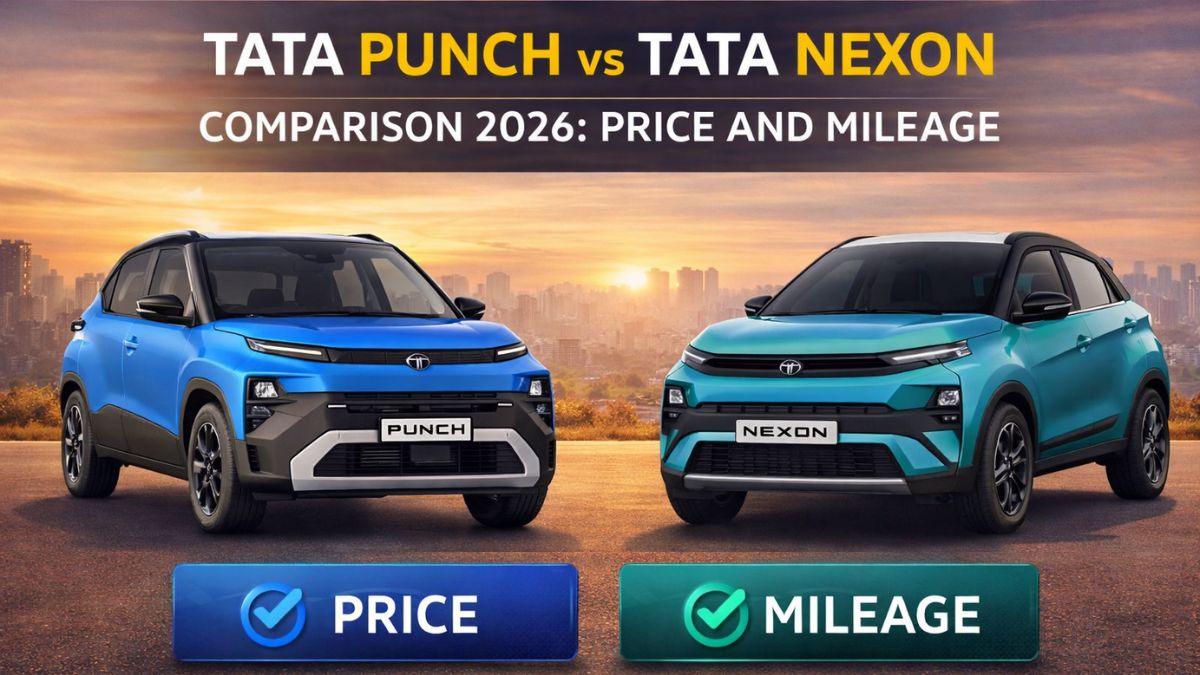
Within the broader July 2026 sales charts: The Punch outsold the Hyundai Creta (18,088 units), Tata's own Nexon (17,471 units), and the Mahindra Scorpio N (16,009 units) — all larger, pricier SUVs — to top the segment for the month.
The Maruti Brezza is arguably the closest like-for-like rival on paper (similar price band, similar mainstream family-SUV positioning), but its July 24, 2026 facelift launch meant it wasn't selling at full capacity for the entire month, giving the Punch a clearer run at the top spot.
Which Tata Punch Variants Are Driving Sales?
The Punch's biggest strength continues to be sheer variant and powertrain choice — it's currently sold in roughly 32 variants across five powertrain options:
· Naturally aspirated 1.2-litre petrol — the volume-driving base engine, available with manual and AMT gearboxes
· 1.2-litre turbo-petrol — a newer addition producing 120bhp/170Nm with a six-speed manual, aimed at buyers wanting more performance
· i-CNG (twin-cylinder) — Tata's factory-fitted CNG setup, also available with an AMT gearbox — the first CNG-AMT combination in an Indian SUV
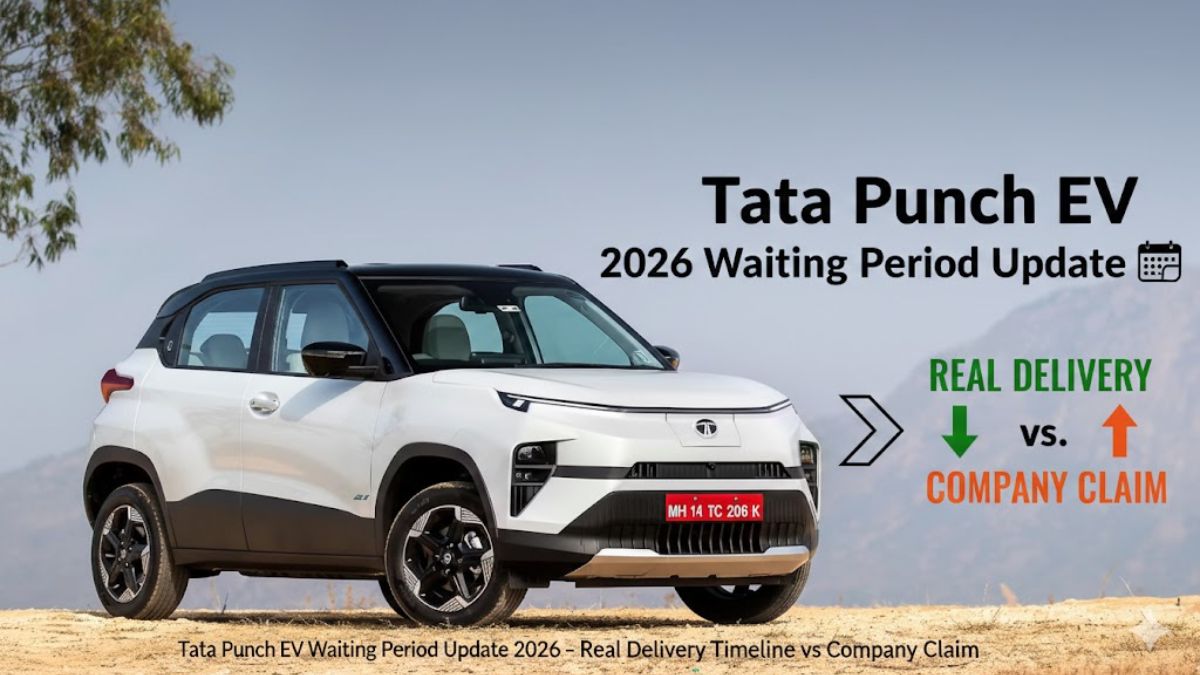
· Punch EV — offered with 30kWh (365km claimed range) and 40kWh (468km claimed range) battery options following the February 2026 update, with a Battery-as-a-Service option to lower upfront costs
Tata doesn't publish separate monthly wholesale figures for the Punch and Punch EV, so the 21,313-unit figure represents the combined total across all powertrains. That said, industry trend data suggests the CNG and turbo-petrol variants have been key contributors to the model's growing appeal beyond first-time buyers, while the EV variant continues to draw urban, environmentally conscious customers who might otherwise have considered the Nexon EV.
Tata Punch Market Share in the Compact SUV Segment
The Punch's growth trajectory has been genuinely rare for the segment. It reached the 1-lakh cumulative sales mark within just 10 months of its October 2021 launch — becoming the first SUV in India to hit that milestone that quickly. From there:
· 4 lakh units — June 2024
· 5 lakh units — January 2025
· 6 lakh units — July 2025
· 7 lakh units — February 2026
· 8 lakh units — early July 2026
That last jump — from 7 lakh to 8 lakh — took under five months, its fastest lakh-unit addition yet. For comparison, the Maruti Brezza took around 80 months to reach a similar cumulative milestone, underlining just how much faster Punch's growth curve has become in its fifth year on sale. The Punch currently accounts for roughly 32% of Tata Motors' total passenger vehicle dispatches, and was the best-selling SUV in India during Q1 FY2027 (April-June 2026), with 60,321 units dispatched in that quarter alone.
Month-on-Month & Year-on-Year Sales Analysis
Month-on-month: July's 21,313 units were only marginally higher than June's then-record 21,006 units — roughly 1.5% sequential growth — suggesting the Punch has now settled into a genuinely elevated, sustainable monthly run-rate rather than posting a one-off spike.
Year-on-year: The picture is far more dramatic. July 2026's 21,313 units represent 97.62% growth over July 2025, adding more than 10,500 incremental units in just twelve months — nearly doubling the model's own volume. June 2026 had shown an even sharper YoY jump of 101%, meaning the Punch has now posted triple-digit or near-triple-digit annual growth for two consecutive months.
This combination — strong sequential stability plus explosive annual growth — is arguably the healthiest possible sales pattern for a five-year-old model, since it suggests both a genuinely larger buyer base (not just pulled-forward demand) and a mature enough production/supply chain to sustain it.
Key Reasons Behind Tata Punch's Growing Popularity
· Affordable SUV styling — the Punch gives buyers the raised seating position, wheel-arch cladding, and street presence associated with an SUV, without moving too far from hatchback-level pricing.
· Widest powertrain choice in its price band — few rivals let a buyer choose between petrol, turbo-petrol, CNG, and EV within the same body shell.
· Strong safety credentials — a 5-star Global NCAP rating has been a genuine trust-builder, especially among first-time car buyers and families.
· Tier-2 and Tier-3 city appeal — the Punch's compact dimensions, ground clearance, and affordable running costs (especially the CNG variant) have made it particularly popular outside metro markets.
· Festive-season dealer stocking — with Onam, Ganesh Chaturthi and the broader festive quarter approaching, dealers have prioritised inventory for high-demand models like the Punch.
· The Punch EV's expanding appeal — the improved 468km-range variant and BaaS financing option have widened the EV's addressable buyer base within the same nameplate.
Expert Analysis – Can Tata Punch Maintain Its Lead?
The Punch's July performance looks less like a one-off and more like the continuation of a genuine structural trend. Three consecutive months above 20,000 units (May, June, July) with steadily rising year-on-year growth rates suggests underlying demand, not just a favourable comparison base.
That said, a few factors are worth watching heading into the festive quarter. The freshly launched Maruti Brezza facelift will be selling at full monthly capacity for the first time in August, and Maruti's scale advantages in distribution and financing could make it a sharper competitor than before. Similarly, Kia's refreshed Syros and steady Seltos demand, along with Hyundai's push behind the Creta Electric, mean the SUV segment overall is getting more crowded at the top, even if the Punch's specific micro-SUV niche remains relatively uncontested.
The bigger structural tailwind favouring Tata is the growing share of SUVs (across all sizes) in India's overall PV mix — micro-SUVs, sub-4m SUVs and mid-size SUVs combined now account for more than half the domestic passenger vehicle market. As long as that shift continues, and as long as Tata keeps expanding Punch's powertrain and variant choices faster than rivals match them, there's no obvious reason the model's lead should erode quickly. The bigger question is whether Tata can keep supply flowing fast enough to meet festive-season demand without stretching waiting periods to a point where buyers switch to a readily available rival.
Should You Buy Tata Punch in 2026?
Good fit if you want:
· A compact SUV with genuine flexibility across petrol, CNG, or EV powertrains under one model line
· Strong resale value and easy service access, given how widely sold the model already is
· A 5-star safety rating at a relatively affordable price point
· Lower running costs via CNG, or lower long-term costs via the EV variant with its BaaS option
Consider alternatives if you want:
· More outright cabin space or a larger SUV footprint (the Nexon, Creta, or Scorpio N would suit better)
· The very latest infotainment and ADAS tech at a similar price (worth cross-shopping the new Brezza facelift or Kia Syros)
· A diesel option, since the Punch doesn't currently offer one, unlike some segment rivals
For most first-time SUV buyers prioritising value, flexibility, and safety over outright size, the Punch remains a genuinely strong pick in 2026 — and its sales numbers reflect that a large and growing number of Indian buyers agree.
Conclusion
July 2026 turned into a landmark month for the Tata Punch — not just topping India's SUV sales charts with 21,313 units, but doing so while simultaneously crossing the symbolic 8-lakh cumulative sales milestone in record time. Its combination of affordable SUV styling, an unmatched powertrain spread, and genuine safety credentials has turned what started as a compact runabout into one of the most consistently strong-selling models in the country. With festive season demand approaching and fresh competition from the updated Maruti Brezza on the horizon, August and the following months will be a real test of whether Punch can hold on to its newly claimed crown — but based on its current trajectory, Tata has every reason to be confident.
Book a Test Drive
Free doorstep test drive at your convenience
Popular Brands





Latest Car News
Tata Sierra Dark Edition vs Regular Sierra: What Is Different?
Tata Altroz vs Maruti Suzuki Brezza: Which One Should You Buy in 2026?
Wagon R vs Swift: Which Is Cheaper to Maintain?
BMW 7 Series Facelift Interior Updates: Know Everything

How to Check Oil Level in Car: Step-by-Step Guide
Latest Cars Under ₹5 Lakh in India in September 2026

Maruti Alto K10 September Offers: Get Up to ₹62,500 Savings on Purchase

Tata Tigor Facelift Under ₹6 Lakh: A New Budget Sedan Is Coming
Hyundai Creta August 2026 Sales: With 16,288 Units Becomes India's Best-Selling Mid-Size SUV
Maruti Baleno Facelift Booking Price: Expected Booking Amount, EMI & Loan Calculation

Kia Sorento 6 Seater vs 7 Seater: Which One Should You Choose?

Kia Sorento AI Assistant Explained: Features, Commands, and Indian Language Support
What Is the Difference Between Tata Curvv and New Curvv Series X?
Tata Car Sales August 2026: Model-Wise Sales & Growth Report

Car Sales Report of August 2026: Tata Motors, Maruti, Mahindra Lead Growth
Pajero 2026 vs Fortuner: Which SUV Could Be Better?
Volvo EX90 Booking Price: Expected Booking Amount, EMI & Loan Calculation
Next Generation Tata Nexon 2027: Expected Launch, Price, Design & Features
MG Hector Tomahawk EV Variant-Wise Price & Features Comparison
Maruti Baleno Facelift vs Toyota Glanza: Complete Comparision