Hybrid Cars vs Electric Cars in India 2026: Which Is Better?
- Electric-Cars
- Published: 05 Mar, 2026
Book a Test Drive
Free doorstep test drive at your convenience
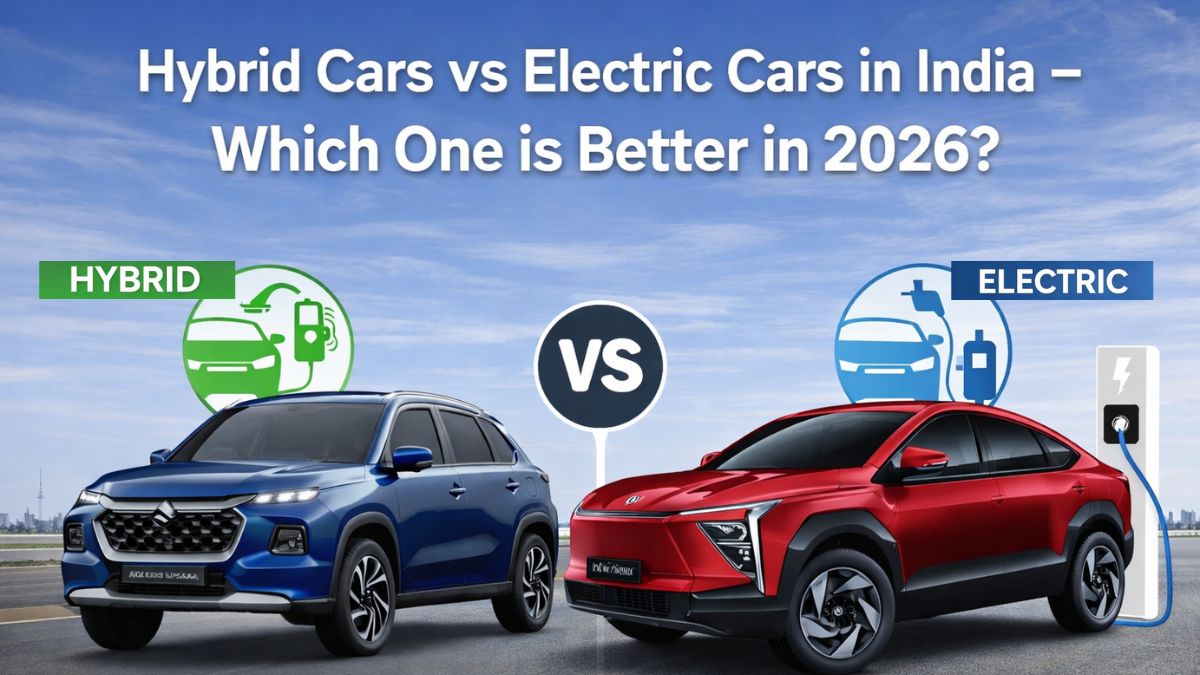
Electric cars are gaining popularity in India, but hybrid vehicles are also becoming a smart alternative. So which one actually makes more sense in 2026?
With rising fuel prices, stricter emission norms, and increasing awareness about sustainability, Indian car buyers are exploring new powertrain technologies. While fully electric vehicles promise zero emissions and ultra-low running costs, hybrid cars combine petrol engines with electric motors for better efficiency without charging worries.
The debate around Hybrid Cars vs Electric Cars in India 2026 has become one of the most important topics for new car buyers. Some prefer the convenience of hybrids, while others believe EVs are the future.
In this detailed electric car vs hybrid comparison, we’ll explore running costs, infrastructure, driving experience, and long-term ownership benefits to help you decide which option suits Indian roads and lifestyles better.
What Are Hybrid Cars?
Hybrid cars use two power sources: a traditional petrol engine and an electric motor powered by a battery.
The vehicle intelligently switches between the petrol engine and electric motor depending on driving conditions. In city traffic, the electric motor may power the car alone, while the petrol engine assists during high speeds or heavy acceleration.
Unlike EVs, hybrid vehicles do not require external charging. Their battery is automatically charged using regenerative braking and the engine itself.
Popular hybrid models in India include:
- Toyota Urban Cruiser Hyryder Hybrid
- Maruti Suzuki Grand Vitara Hybrid
- Toyota Camry Hybrid
These vehicles deliver excellent fuel efficiency while maintaining the convenience of a petrol car.
What Are Electric Cars (EVs)?
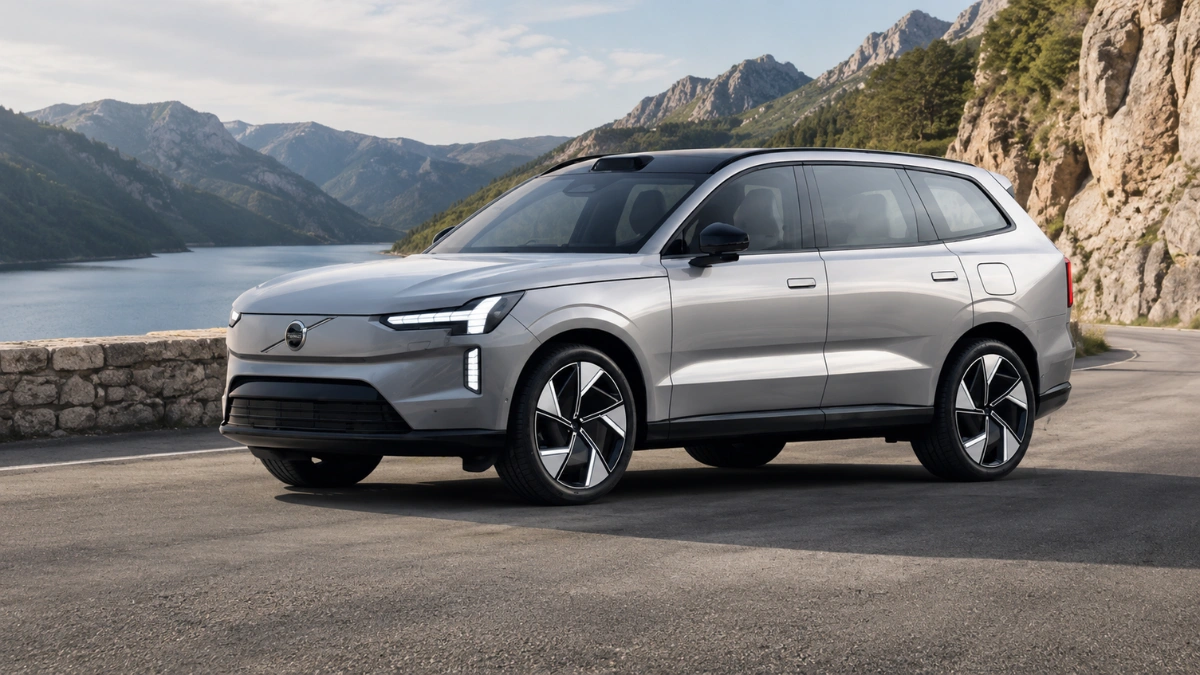
Electric vehicles (EVs) are powered entirely by electricity stored in batteries. They do not have a petrol or diesel engine.
EVs produce zero tailpipe emissions and offer instant torque, making them quick and smooth to drive. However, they require charging from home chargers or public charging stations.
Popular EVs in India include:
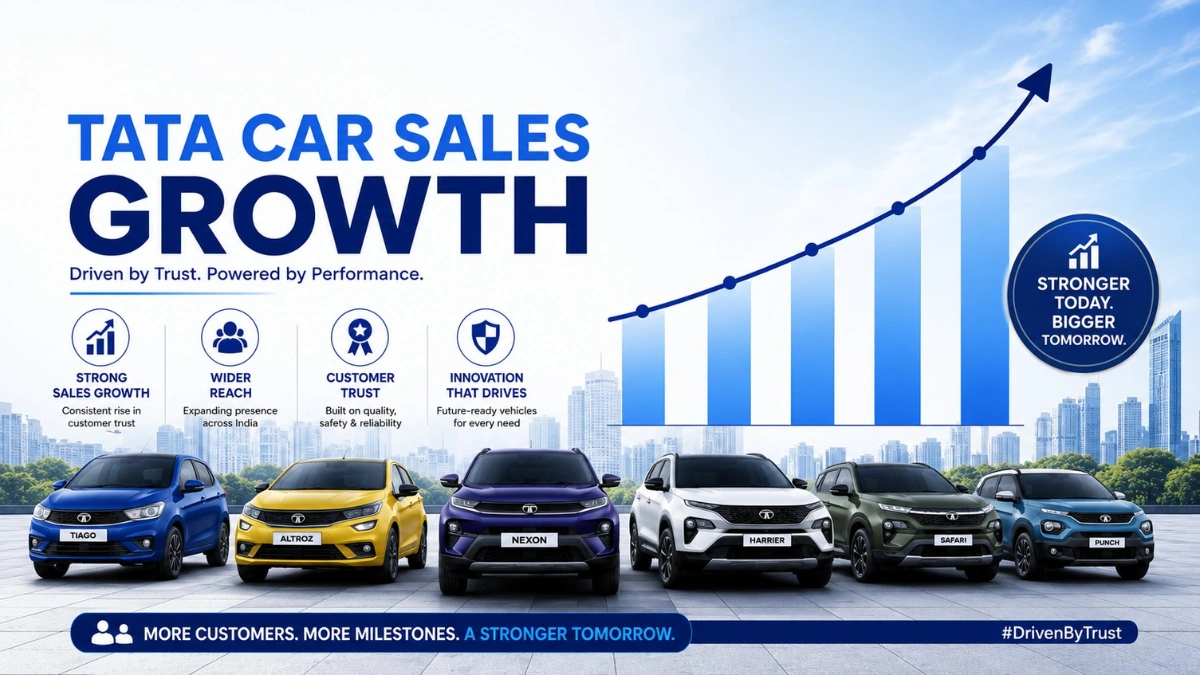
- Tata Nexon EV
- MG ZS EV
- BYD Atto 3
EV adoption is rising rapidly, especially in metro cities where charging infrastructure is improving.
Hybrid vs Electric: Key Differences
Here is a quick overview of the hybrid vs EV India comparison:
| Feature | Hybrid Cars | Electric Cars |
|---|---|---|
| Fuel Source | Petrol + Electric | Battery Only |
| Running Cost | Moderate | Very Low |
| Charging Time | Not Required | 30 min – 8 hours |
| Range | 700–900 km | 300–500 km |
| Maintenance | Medium | Low |
This electric car vs hybrid comparison shows that hybrids offer convenience, while EVs provide maximum efficiency.
Running Cost Comparison
Running cost is one of the biggest reasons buyers compare Hybrid Cars vs Electric Cars in India 2026.
Hybrid Car Running Cost
Hybrid cars still consume petrol, but the electric motor improves mileage significantly.
For example:
- Hybrid SUVs often deliver 20–28 km/l mileage.
- With petrol at ₹100 per litre, cost per km becomes roughly ₹3.5 – ₹5.
Electric Car Running Cost
Electric cars are far cheaper to run.
Charging an EV battery usually costs around ₹6–₹8 per unit of electricity.
For most EVs, the cost per km becomes:
₹1 – ₹1.5 per km
This makes EV vs hybrid running cost India heavily tilted toward electric vehicles.
However, real savings depend on how frequently you drive and where you charge.
Charging vs Refueling Convenience
Convenience is a major factor in the Hybrid Cars vs Electric Cars in India 2026 decision.
Hybrid Cars
Hybrids work just like normal petrol cars.
You simply refuel at any petrol pump, which is widely available across India.
Advantages include:
- No charging wait time
- Ideal for long highway trips
- No dependency on charging infrastructure
Electric Cars
EVs must be charged regularly.
Options include:
- Home charging (6–8 hours)
- Fast charging stations (30–60 minutes)
Charging networks are expanding rapidly in India, but coverage is still uneven in smaller cities.
This means EVs are currently more practical in urban areas.
Real-World Driving Experience
Driving experience differs significantly in hybrid vs EV India.
Hybrid Cars
Hybrid vehicles feel similar to petrol cars but smoother.
Benefits include:
- Quiet electric mode in city traffic
- Seamless switching between engine and motor
- Long highway range
However, acceleration may feel less instant compared to EVs.
Electric Cars
Electric cars deliver instant torque, which means quick acceleration.
Advantages include:
- Silent driving experience
- Smooth power delivery
- Strong acceleration
Cars like the Tata Nexon EV feel surprisingly quick compared to petrol SUVs.
Maintenance & Ownership Cost
Another key part of the Hybrid Cars vs Electric Cars in India 2026 debate is long-term ownership.
Hybrid Cars
Hybrids still have:
- Petrol engine
- Gearbox
- Electric motor
This means maintenance is slightly higher than EVs.
However, hybrid systems are known for reliability.
Electric Cars
EVs have fewer moving parts, which reduces maintenance.
There is:
- No engine oil
- No clutch
- No exhaust system
This makes EV servicing simpler and cheaper.
Battery replacement is expensive, but most manufacturers offer 8-year battery warranties.
Government Incentives and Policies
India is strongly pushing EV adoption through incentives.
EV Benefits India 2026
Government support includes:
- FAME II subsidy (for select models)
- Lower road tax
- Reduced GST (5%)
Many states also offer additional benefits.
Hybrid vehicles currently do not receive major subsidies, which affects their price competitiveness.
This is an important factor in the Hybrid Cars vs Electric Cars in India 2026 discussion.
Best Hybrid Cars in India 2026
Some of the best hybrid cars India currently available include:
Toyota Urban Cruiser Hyryder
A popular strong hybrid SUV delivering excellent mileage and comfortable driving.
Maruti Suzuki Grand Vitara Hybrid
One of the most efficient SUVs in India with advanced hybrid technology.
Toyota Camry Hybrid
A premium hybrid sedan known for smooth performance and impressive efficiency.
These vehicles are ideal for buyers who want fuel efficiency without charging concerns.
Best Electric Cars in India 2026
Here are some of the most popular EVs available today:
Tata Nexon EV
One of India’s best-selling electric SUVs with good range and strong safety ratings.
MG ZS EV
A premium EV offering advanced features and a comfortable cabin.
BYD Atto 3
A high-tech electric crossover with long range and powerful performance.
These EVs highlight how rapidly the Indian electric market is evolving.
Pros and Cons
Hybrid Cars – Pros
✔ No charging required
✔ Long driving range
✔ Better fuel efficiency than petrol cars
✔ Ideal for long highway travel
Hybrid Cars – Cons
✘ Still dependent on petrol
✘ Higher purchase price
✘ Limited government incentives
Electric Cars – Pros
✔ Lowest running cost
✔ Zero emissions
✔ Smooth and silent driving
✔ Lower maintenance
Electric Cars – Cons
✘ Charging infrastructure still developing
✘ Longer charging time
✘ Higher upfront cost
Which Option Is Better for Indian Buyers?
The answer to Hybrid Cars vs Electric Cars in India 2026 depends largely on your usage pattern.
Choose a Hybrid Car if:
- You travel long distances frequently
- You live in areas with limited charging stations
- You want fuel efficiency without range anxiety
Choose an Electric Car if:
- Most driving is within the city
- You have home charging access
- You want the lowest running cost possible
For urban commuters, EVs are becoming the smarter choice. But for highway travelers, hybrids still offer unmatched convenience.
Conclusion
The debate around Hybrid Cars vs Electric Cars in India 2026 reflects a major transition happening in the automotive industry.
Hybrid cars provide a balanced solution, combining fuel efficiency with traditional convenience. Electric vehicles, on the other hand, represent the future of mobility, offering ultra-low running costs and cleaner transportation.
As charging infrastructure improves and EV technology advances, electric cars will likely become the dominant choice in the coming years. However, hybrids remain an excellent option for buyers who want efficiency without changing their driving habits.
Would you choose a hybrid car or a fully electric car in 2026? Share your opinion below!
FAQs
1. Are hybrid cars better than electric cars in India?
Hybrid cars offer better convenience and range, but EVs provide lower running costs and zero emissions.
2. What is cheaper to run: hybrid or EV?
In most cases, EVs are cheaper. EV vs hybrid running cost India usually favors electric vehicles due to lower electricity prices.
3. Are EV charging stations common in India?
Charging infrastructure is expanding quickly, especially in metro cities and highways.
4. Do hybrid cars need charging?
No. Hybrid vehicles charge their batteries automatically using regenerative braking and the petrol engine.
5. Which is better for long drives in India?
Hybrid cars are generally more practical for long trips because they can refuel instantly at petrol stations.
Book a Test Drive
Free doorstep test drive at your convenience
Popular Brands


Latest Electric Car News
Hyundai EV Compact SUV India Launch: Expected Price, Range & Key Details
Hybrids vs. EVs: Which Is Better for You?
Delhi EV Policy 2026 in Effect from July 1
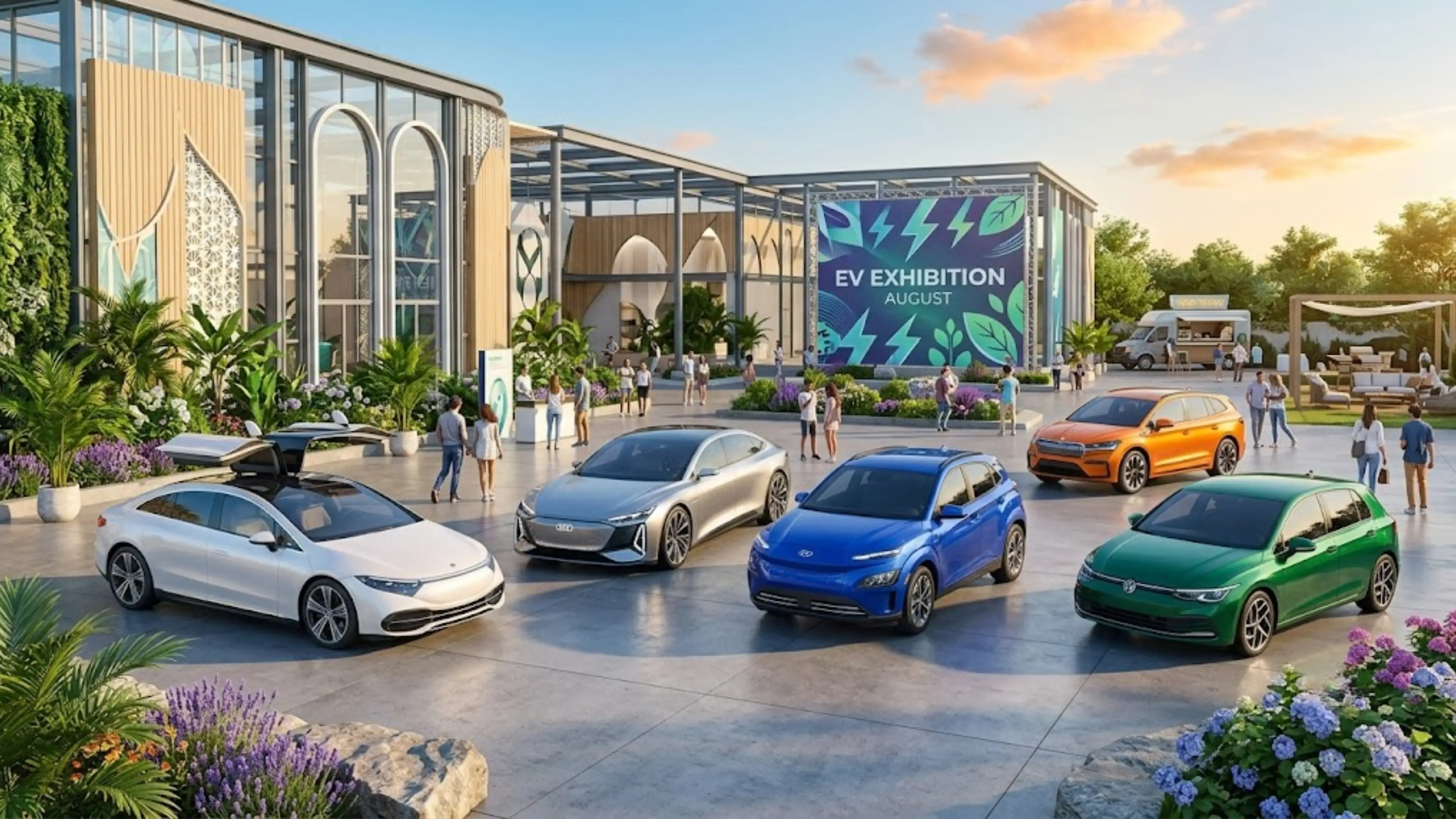
Upcoming Electric Cars in August 2026 in India
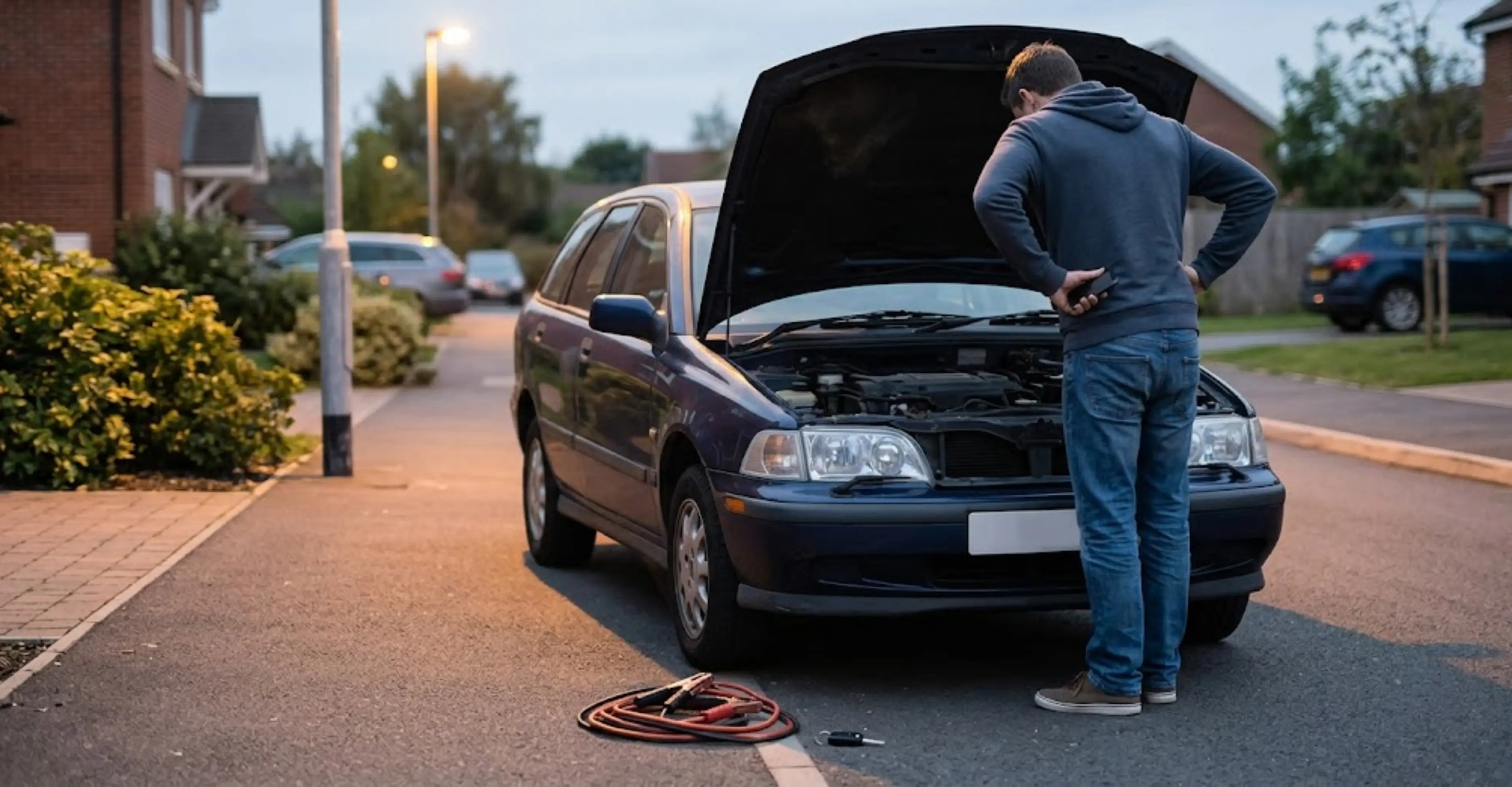
What to Do If Your Car Battery Is Dead
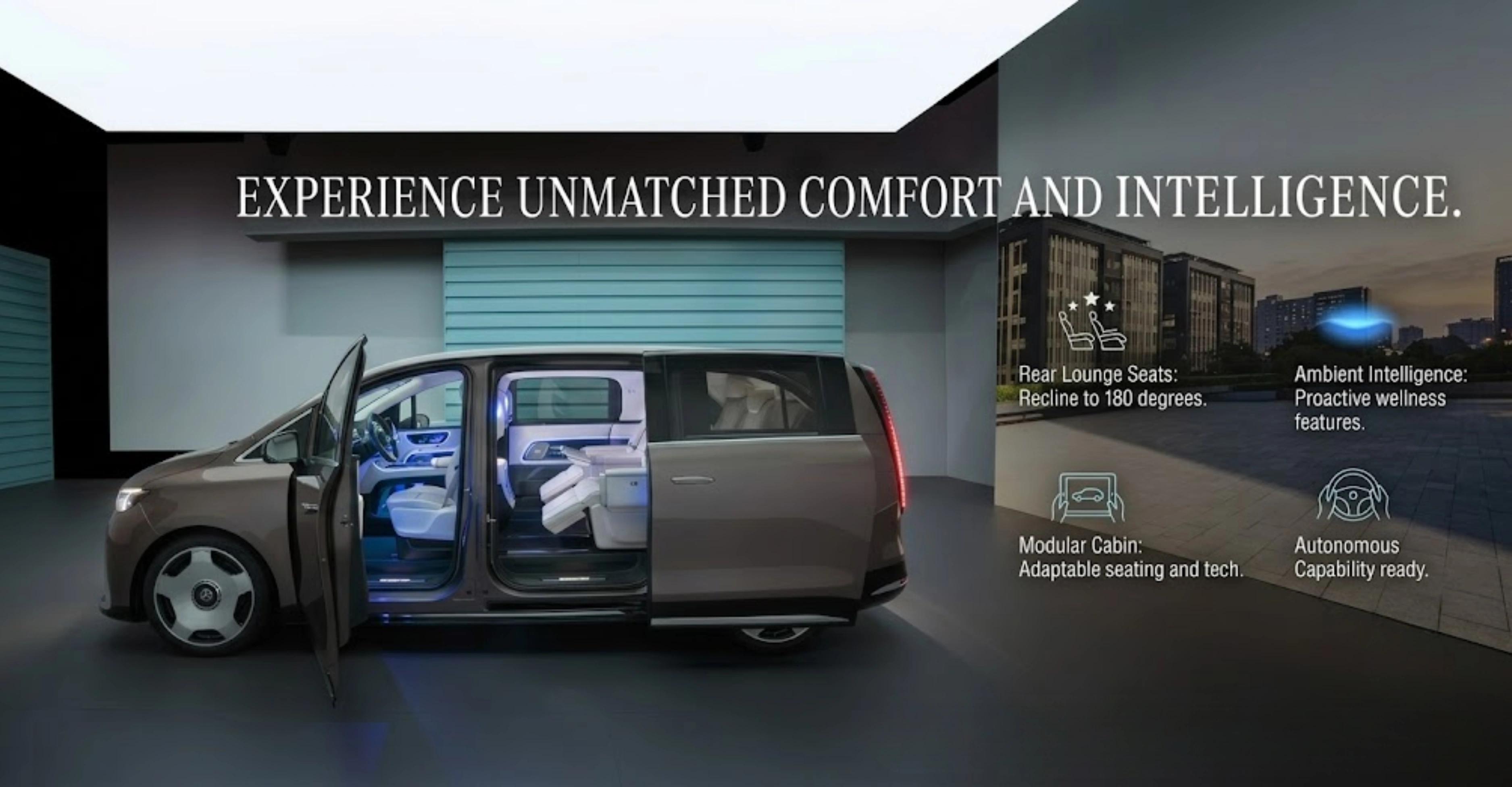
Mercedes-Benz VLE Unveiled: 8-Seater EV with 700+ KM Range
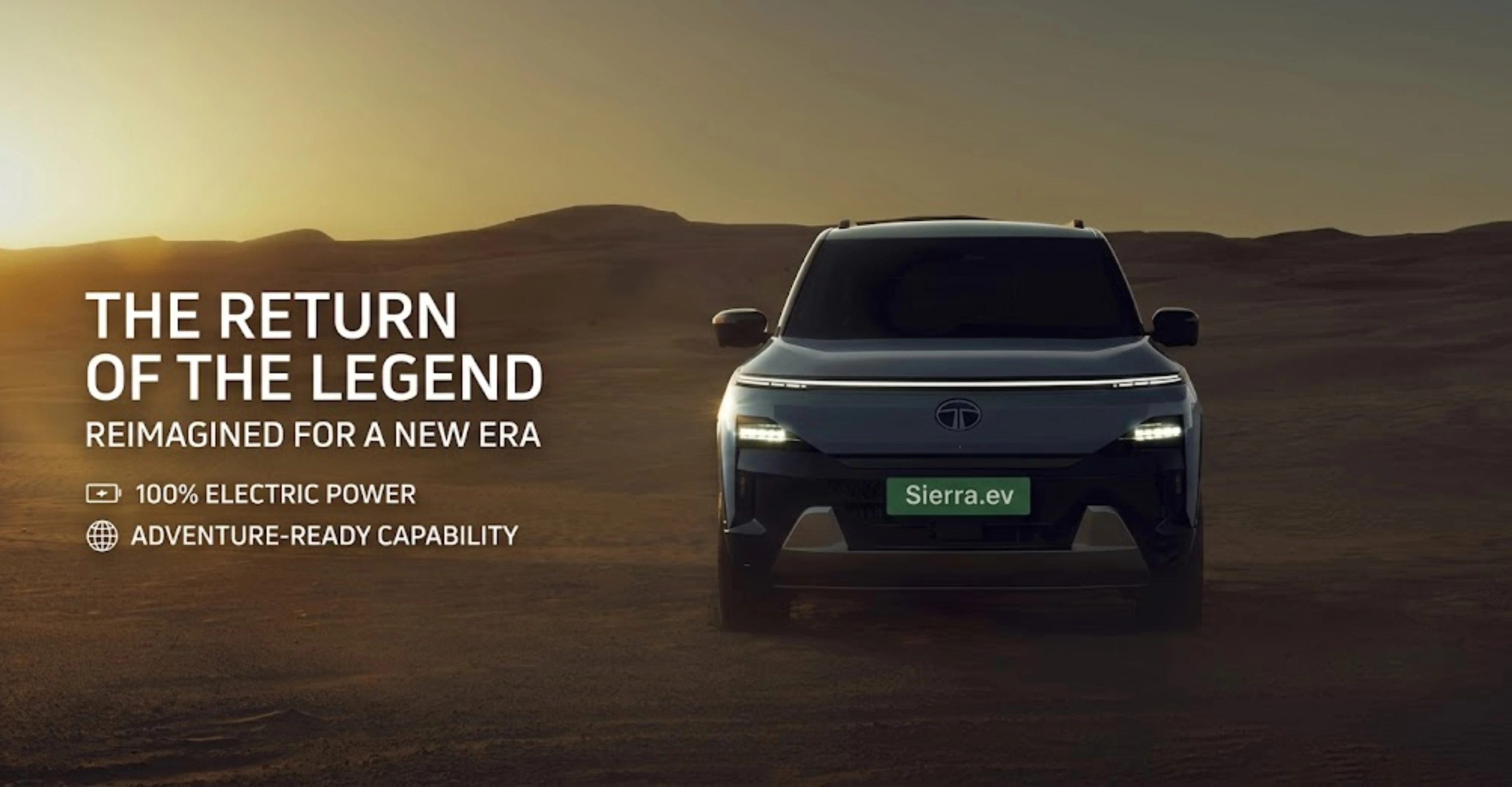
Tata Sierra EV First Look: 600+ KM Range, Triple Screens & More
Top Accessories You Should Buy for Your Tata Harrier EV
Is an EV Car Coming for ₹5 Lakh? A Major Shift in the Indian Auto Market
Top Upcoming SUVs and Electric Cars in April 2026 That Could Change the Market
Bookings Open for the Mercedes-Benz CLA Electric – A New Competitor Enters India’s EV Market
Tata’s New Budget Electric Car Coming in 2026 – Is the Nano EV Making a Comeback?
Hybrid Cars vs Electric Cars in India 2026: Which Is Better?
BYD India New Electric Sedan Launched – Price & Range Revealed
Top 5 Affordable Electric Cars in India 2026 (Best Budget EVs with Long Range)
Tata vs MG EV Comparison – Which One Is Better in 2026?
Tata EV Lineup 2026 REVEALED – Full Price Breakdown
Tesla India Booking Date LEAK – Big Update!
Hyundai Creta EV Launch Leak: Price Shock Incoming?
Tata Punch EV Waiting Period Update 2026: Real Delivery Timeline vs. Company Claims