What to Do If Your Car Battery Is Dead
- Electric-Cars
- Published: 25 Jun, 2026
Book a Test Drive
Free doorstep test drive at your convenience
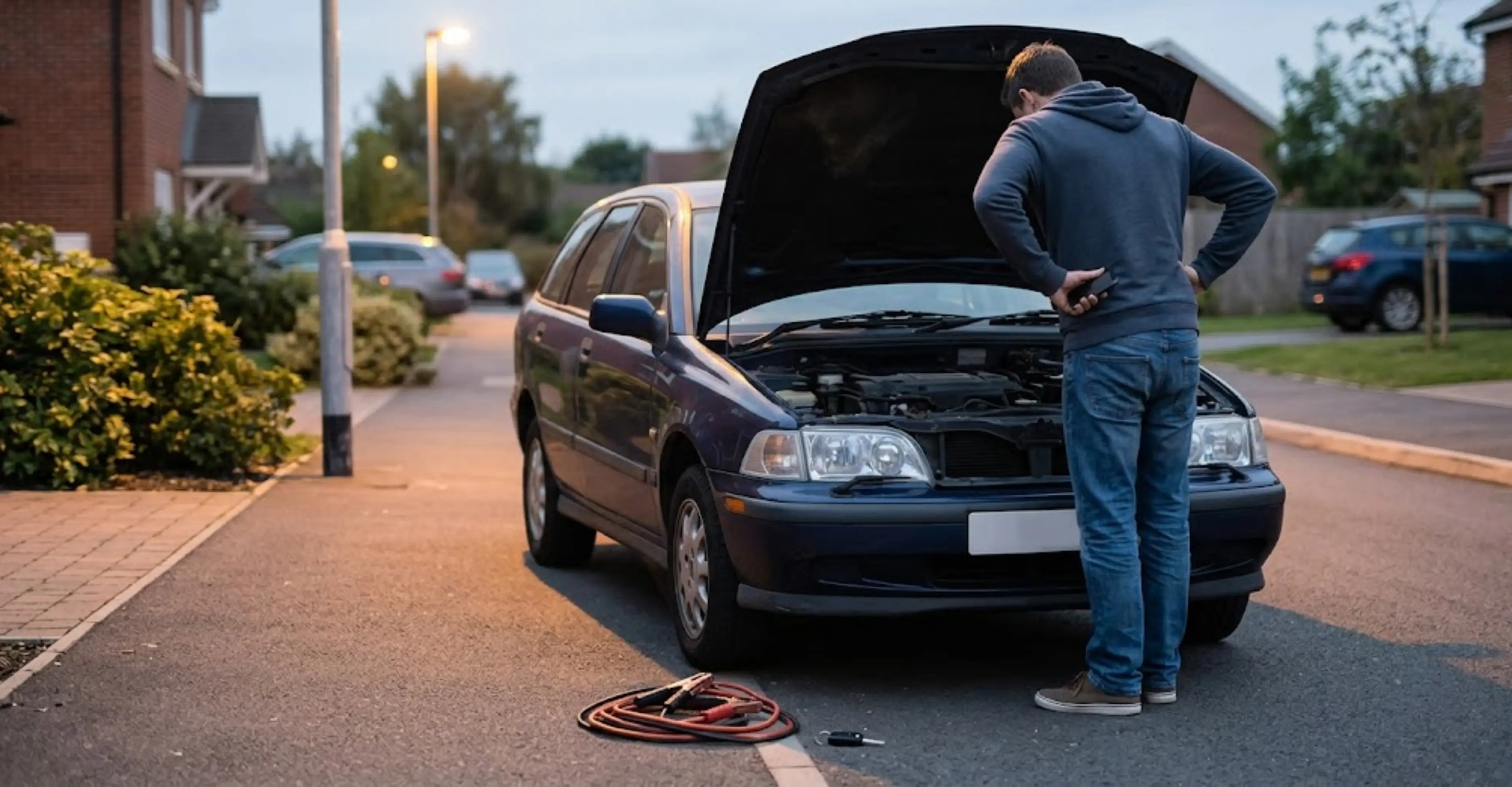
Few things are more frustrating than turning your key or pressing the start button and getting nothing — or worse, that slow, laboured crank that tells you the battery is on its way out. A dead car battery is one of the most common automotive problems in the world, and yet most drivers handle it poorly, either damaging their electrical system through incorrect jump-starting or repeatedly nursing a dying battery instead of replacing it.
This guide covers everything — how to confirm it's actually the battery, how to safely revive the car, when to replace versus recharge, and how to prevent it from happening again.
First: Understand What a Car Battery Actually Does
Before jumping into solutions, it helps to understand the battery's role. Your car battery does three main things: it provides the initial burst of power to start the engine (cranking power), it runs all electrical systems when the engine is off (lights, alarm, infotainment memory), and it stabilises the voltage to the electrical system while the engine is running.
Once the engine is running, the alternator takes over and both powers the car and recharges the battery. This is why short trips are bad for batteries — the engine doesn't run long enough for the alternator to fully replenish what the starter motor consumed.
Step 1: Confirm It's Actually the Battery
Not every starting problem is a dead battery. Before you do anything, take 60 seconds to diagnose correctly.
Signs that point clearly to the battery:
- You turn the key and hear a rapid clicking sound (the starter solenoid clicking because it's not getting enough power)
- You hear nothing at all when you turn the key
- The engine cranks very slowly, like it's struggling through mud
- Dashboard lights come on but the engine won't fire
- Electrical components (windows, radio, lights) are weak or unresponsive
Signs that might mean something else:
- The engine cranks at normal speed but doesn't start — this is more likely a fuel or ignition problem, not the battery
- The car starts fine but stalls immediately — fuel system or sensor issue
- You hear a single loud click — could be a faulty starter motor, not the battery
If you have a voltmeter or multimeter, check the battery terminals directly. A healthy, fully charged 12V car battery reads between 12.6V and 12.8V with the engine off. Anything below 12.0V is significantly discharged. Below 11.8V, the battery may not have enough power to crank the engine at all.
Step 2: Identify Why the Battery Died
Batteries don't usually go flat without a reason. Identifying the cause before you restart the car prevents the same thing from happening again an hour later.
The most common causes are:
Leaving lights on is the single most frequent culprit — headlights, interior cabin lights, or boot lights left on overnight drain even a healthy battery completely. A parasitic electrical drain is a subtler version of the same problem, where something in the car's electrical system (a faulty module, a poorly installed accessory, a stuck relay) draws current continuously even when the car is off. Old age is another major factor — car batteries typically last 3 to 5 years, and as they age they lose their ability to hold a full charge. Extreme temperatures accelerate this process significantly, both in the Indian summer heat and in cold hill-station winters. Short trips, as mentioned earlier, never allow the alternator to fully recharge the battery. And a failing alternator itself can leave a battery perpetually undercharged even if the battery is healthy.
If the battery died because you left the lights on, you're probably fine to jump-start and drive. If it died overnight with no obvious reason, the battery itself or a parasitic drain needs investigation before you assume a jump-start has fixed anything.
Step 3: Jump-Starting the Car Using Jumper Cables
Jump-starting is the most immediate solution when you're stranded. Done correctly it takes about 10 minutes and is completely safe. Done incorrectly it can damage your car's electronics, harm the donor car, or in rare cases cause a battery fire.
What You Need
- A set of good quality jumper cables — at least 2.5 metres long, with heavy gauge wire (10 AWG or thicker) and solid clamp contact. Cheap, thin cables from petrol stations are a false economy and can overheat.
- A donor vehicle with a healthy, fully charged battery of similar voltage (12V to 12V — don't use a 24V truck to jump a 12V car).
The Correct Connection Sequence — Follow This Exactly
Connecting (always connect positive first, then negative):
Start by parking the donor car close enough that the cables reach both batteries comfortably, but ensure the two vehicles are not touching each other. Turn off both vehicles. Connect the red (positive) clamp to the positive terminal of the dead battery first. Connect the other red (positive) clamp to the positive terminal of the donor battery. Connect the black (negative) clamp to the negative terminal of the donor battery. Finally, connect the last black (negative) clamp to an unpainted metal surface on the dead car's engine block or chassis — not to the negative terminal of the dead battery. This last point matters because connecting to the dead battery's negative terminal can ignite hydrogen gas that batteries emit when discharged.
Starting the sequence:
Start the donor vehicle and let it run for 3 to 5 minutes at a gentle rev — around 1,500 RPM if possible — to push charge into the dead battery. Then attempt to start the dead vehicle. If it doesn't start within 5 seconds of cranking, stop and wait another 5 minutes with the donor running before trying again. Continuous cranking overheats the starter motor.
Disconnecting (always remove negative first, then positive):
Once the dead car starts, remove the clamps in exact reverse order — black from engine block first, black from donor negative second, red from donor positive third, red from previously dead battery last. Do not let the clamps touch each other or any metal surface while still connected to the other end.
After the Jump-Start
Drive the car for at least 30 to 45 minutes — not just around the block. The alternator needs sustained running time to recharge the battery. Highway or arterial road driving is better than city stop-start driving for this purpose. Avoid turning the engine off and on repeatedly in the next hour.
Step 4: Using a Portable Jump Starter (Power Bank)
If you're alone with no donor vehicle available, a portable lithium jump starter is the modern solution. These devices — roughly the size of a thick paperback book — contain enough charge to start a standard petrol or diesel car without a second vehicle.
The connection process is the same: red to positive terminal, black to unpainted metal or negative terminal (check your specific device's instructions — some modern units are polarity-protected and clamp directly to both terminals). Switch the device on, wait 30 seconds, then crank the engine.
Good quality portable jump starters in India are available from brands like NOCO, Imazing, and Michelin, ranging from ₹3,000 to ₹8,000. For anyone who drives regularly or lives in areas where roadside assistance is slow, this is one of the most practical investments in your car kit. Keep it charged — leaving it uncharged in the glove box defeats the entire purpose.
Step 5: Using a Trickle Charger or Battery Charger at Home
If the car is at home and you have time — typically overnight — a dedicated battery charger is a better solution than jump-starting because it fully restores the battery rather than just giving it enough charge to start once.
Connect the charger's red clamp to the positive terminal and black clamp to the negative terminal. Switch on the charger and set it to the correct voltage (12V) and the appropriate charge rate — most modern smart chargers handle this automatically. A standard 5-amp charger will take 8 to 12 hours to fully charge a flat battery. A trickle charger at 1–2 amps takes longer but is gentler on the battery chemistry and is the preferred method for older or partially degraded batteries.
Modern smart chargers (also called CTEK chargers or multi-stage chargers) are particularly useful — they automatically cycle through bulk charging, absorption, and maintenance modes, and can actually help recover mildly sulfated batteries that have degraded from repeated partial discharge. Brands like CTEK, Amaron Smart Charge, and Exide's smart chargers are widely available in India between ₹2,500 and ₹8,000.
Step 6: Know When to Replace the Battery, Not Recharge It
This is the step most car owners skip, and it's the reason they find themselves stranded again three weeks later. A battery that has died once needs to be tested, not just recharged and forgotten.
Clear signs the battery needs replacement, not just a charge:
A battery older than 4 years that has gone flat should be replaced almost as a rule — recharging buys you time, not reliability. If the battery dies again within a few days of being charged, its internal capacity has degraded beyond useful life. If a load test (available free at most battery shops and many petrol stations) shows the battery dropping below 9.6V under load, it cannot deliver reliable cranking power. Visible physical damage — a swollen or bulging case, corroded terminals beyond surface cleaning, or a cracked casing — means immediate replacement. If the car needs a jump-start more than once in a month, the battery is telling you something clearly.
Getting a battery tested in India:
Most Exide, Amaron, and Luminous battery dealers will test your battery for free. Many car service centres and even roadside mechanics have basic load testers. The test takes 3 minutes and gives you a definitive answer on whether the battery still has usable capacity.
Step 7: Replacing the Battery
If replacement is needed, here is how to do it correctly.
Choosing the right battery:
Every car has a specified battery group size, cold cranking amps (CCA) rating, and reserve capacity. You'll find this information in your owner's manual or on a sticker on the existing battery. Do not replace it with a smaller capacity battery — you can go equal or slightly higher in capacity, but not lower. In India, the dominant brands are Exide and Amaron, both of which have good availability, warranty support, and a dealer network. Luminous and SF Sonic are also reliable options. Prices for standard car batteries range from ₹3,500 to ₹9,000 depending on capacity and brand.
The replacement process:
Turn the car off and remove the key. Disconnect the negative terminal first — always negative first when removing, to prevent accidental shorts. Then disconnect the positive terminal. Remove any hold-down bracket securing the battery. Lift the old battery out carefully — it's heavy, often 15 to 20 kg, and the acid inside is corrosive. Clean the terminal clamps with a wire brush or baking soda solution if there is any white or bluish corrosion. Place the new battery in, secure the hold-down bracket, connect the positive terminal first, then the negative terminal. Apply a small amount of petroleum jelly or terminal grease to both terminals to prevent future corrosion.
After replacing the battery, some modern cars require a battery registration procedure — particularly European brands like BMW, Mercedes-Benz, Audi, and Volkswagen. This tells the car's ECU that a new battery has been fitted so it can recalibrate the charging strategy. Without this step, the alternator may overcharge the new battery using a charging profile designed for the old, degraded one. A dealer or a workshop with a compatible diagnostic tool can complete this in minutes.
Handling Battery Problems in Specific Indian Conditions
India presents some specific challenges for car batteries that are worth addressing directly.
Extreme summer heat is the biggest battery killer in Indian conditions — particularly in cities like Delhi, Nagpur, and Hyderabad where summer temperatures regularly exceed 45°C. Heat accelerates the internal chemical degradation of the battery and causes water loss from the electrolyte in non-sealed batteries. If you park outdoors in summer, check your battery's water level (if it has accessible cells) every two months and top up with distilled water only — never tap water.
Monsoon flooding is another specific concern. If your car has been partially submerged, do not attempt to start it immediately — water in the electrical system combined with a restart can cause serious damage. Disconnect the battery first, let the car dry, and have it inspected before attempting to start.
Prolonged parking is common during long vacations or when a family has multiple cars. A car parked for more than 3 to 4 weeks without being started will typically have a discharged battery on return. If you know the car will sit idle, either connect a trickle charger to maintain the charge, or disconnect the negative terminal to prevent parasitic drain during storage.
Cleaning Corroded Battery Terminals
Corrosion — the white, blue, or greenish powder that accumulates on battery terminals — increases electrical resistance and can cause starting problems even when the battery itself is healthy. It's one of the most overlooked maintenance items.
Mix one tablespoon of baking soda in a cup of warm water. With the battery disconnected, apply the solution to the corroded terminals using an old toothbrush. The baking soda neutralises the acid deposits and the fizzing action lifts the corrosion. Rinse with a small amount of clean water, dry thoroughly, and reconnect. Apply a thin coat of petroleum jelly or dedicated terminal protector spray to both terminals before reconnecting — this dramatically slows future corrosion.
Do this once every six months as routine maintenance and you'll eliminate a surprising number of mysterious electrical gremlins.
Long-Term Prevention: Making Your Battery Last
The single best thing you can do for battery life is take longer drives regularly. City drivers who exclusively make short 5–10 km trips never allow the alternator to fully recharge the battery, and the battery slowly degrades through repeated partial discharge cycles. One 45-minute highway drive per week makes a measurable difference to long-term battery health.
Beyond that, turn off all electrical loads — AC, headlights, audio system — before turning off the engine. This reduces the initial drain on the battery during the next cold start. Get the battery and charging system tested at every annual service, not just when a problem appears. Keep the terminals clean and greased. And if the car will sit unused for more than two weeks, either connect a smart trickle charger or disconnect the negative terminal.
Most car batteries in India fail between the 3 and 5 year mark. If yours is approaching that age, proactive replacement before a roadside failure is far cheaper than an emergency breakdown and tow.
Quick Reference: What to Do in Each Scenario
Stranded alone, no tools: Call roadside assistance (most insurance policies in India include this). Do not push-start a modern automatic — it doesn't work and can damage the transmission.
Stranded alone, have a portable jump starter: Follow the connection sequence above, start the car, drive for 45 minutes minimum before switching off.
Stranded with another car nearby: Jump-start using cables following the exact sequence above. Drive for 45 minutes before switching off.
Car won't start at home, have time: Connect a smart battery charger overnight, then test the battery the next morning before deciding whether to replace.
Battery has died more than once recently: Skip straight to replacement — repeated failure is a clear signal the battery's capacity is gone.
Car is a modern European model: After any battery replacement, ensure battery registration is completed with a diagnostic tool before extended driving.
A dead battery is an inconvenience, not a crisis — as long as you know what to do. The key habits are simple: keep jumper cables or a portable starter in the car at all times, get the battery tested once a year, replace it proactively at the four-year mark rather than waiting for a failure, and take it seriously the first time it goes flat. The car that starts reliably every morning is not lucky — it's maintained.
Book a Test Drive
Free doorstep test drive at your convenience
Popular Brands


Latest Electric Car News
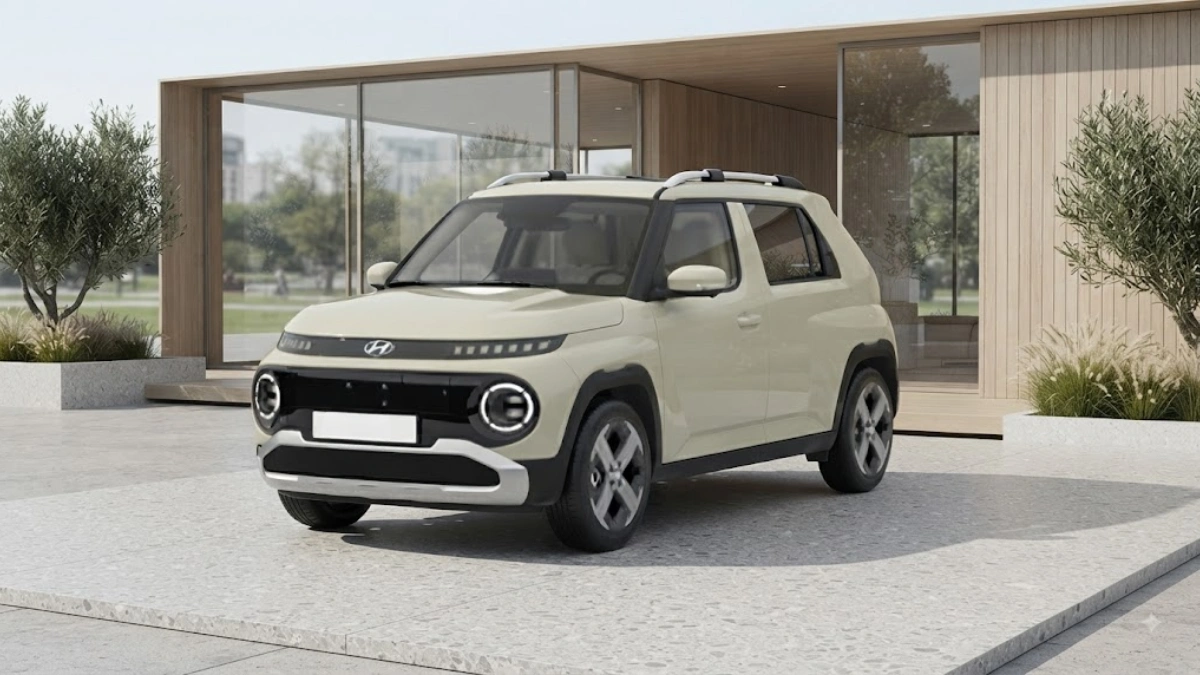
Hyundai EV Compact SUV India Launch: Expected Price, Range & Key Details
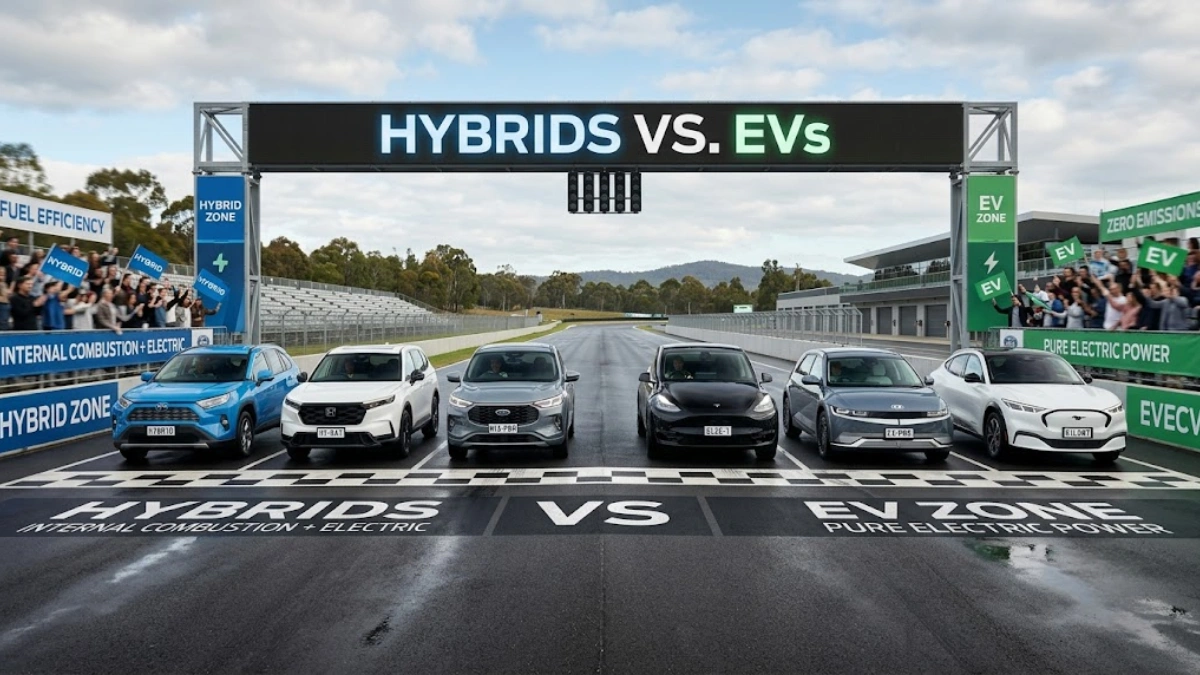
Hybrids vs. EVs: Which Is Better for You?
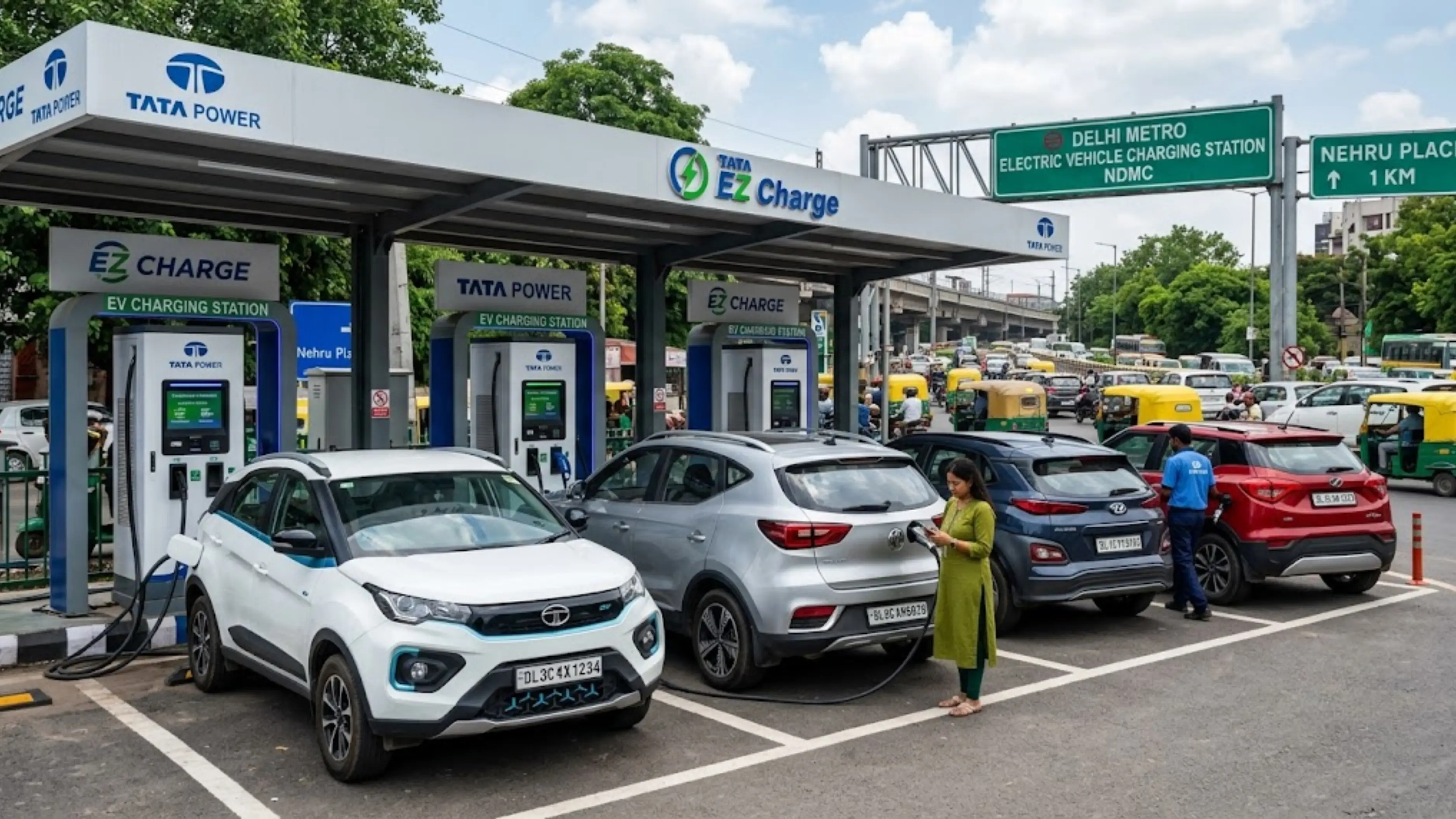
Delhi EV Policy 2026 in Effect from July 1

Upcoming Electric Cars in August 2026 in India
What to Do If Your Car Battery Is Dead

Mercedes-Benz VLE Unveiled: 8-Seater EV with 700+ KM Range

Tata Sierra EV First Look: 600+ KM Range, Triple Screens & More
Top Accessories You Should Buy for Your Tata Harrier EV
Is an EV Car Coming for ₹5 Lakh? A Major Shift in the Indian Auto Market
Top Upcoming SUVs and Electric Cars in April 2026 That Could Change the Market

Bookings Open for the Mercedes-Benz CLA Electric – A New Competitor Enters India’s EV Market

Tata’s New Budget Electric Car Coming in 2026 – Is the Nano EV Making a Comeback?
Hybrid Cars vs Electric Cars in India 2026: Which Is Better?

BYD India New Electric Sedan Launched – Price & Range Revealed

Top 5 Affordable Electric Cars in India 2026 (Best Budget EVs with Long Range)

Tata vs MG EV Comparison – Which One Is Better in 2026?

Tata EV Lineup 2026 REVEALED – Full Price Breakdown

Tesla India Booking Date LEAK – Big Update!

Hyundai Creta EV Launch Leak: Price Shock Incoming?

Tata Punch EV Waiting Period Update 2026: Real Delivery Timeline vs. Company Claims