Delhi EV Policy 2026 in Effect from July 1
- Electric-Cars
- Published: 30 Jun, 2026
Book a Test Drive
Free doorstep test drive at your convenience
Delhi has just rolled out one of the most ambitious state-level electric vehicle policies in the country, and it directly affects anyone planning to buy a vehicle in the capital from this point forward. The Delhi Electric Vehicle Policy 2026 comes into effect on July 1, 2026, and will remain operational until March 31, 2030. Whether you're a first-time EV buyer, a fleet operator, or someone still driving an ageing petrol or diesel vehicle, this policy reshapes the financial and regulatory landscape around vehicle ownership in the city in a meaningful way. Here's a detailed breakdown of what's changing, who benefits, and what you need to plan for.
Why Delhi Introduced This Policy
The Delhi Cabinet approved this policy as part of a broader push toward cleaner mobility and tackling persistent air pollution, with the roadmap aimed at accelerating electric vehicle adoption, expanding charging infrastructure, and gradually transitioning several vehicle categories to zero-emission mobility. Chief Minister Rekha Gupta has been vocal about the scale of this commitment, stating that "no state in the country has provided this level of support for EV adoption" and calling it a transformative initiative for the city.
The policy isn't an isolated state effort either. Gupta emphasized that pollution in Delhi is a challenge requiring coordinated action across the entire National Capital Region, and she thanked the central government for extending support to the initiative, framing it as a collaborative push between Delhi and the Centre rather than a standalone state measure.
The financial scale backing this is substantial. Chief Minister Gupta confirmed the government will invest around ₹15,000 crore over the next four years to strengthen the city's electric mobility ecosystem, while a separate breakdown shows the Delhi government has approved a direct financial commitment of over ₹7,000 crore over the next four years for implementation, covering purchase incentives, scrapping benefits, charging infrastructure development, and foregone revenue from tax exemptions.
The Headline Benefit: 100% Road Tax and Registration Fee Exemption
The single biggest incentive in this policy is a complete waiver on two of the largest upfront costs of buying a car. The policy provides a 100 percent exemption on road tax and registration fees for electric vehicles, with the benefit applicable to four-wheelers priced up to ₹30 lakh ex-showroom. This is a significant threshold, since it covers the vast majority of EVs currently sold in India, from affordable hatchbacks all the way up to premium electric SUVs.
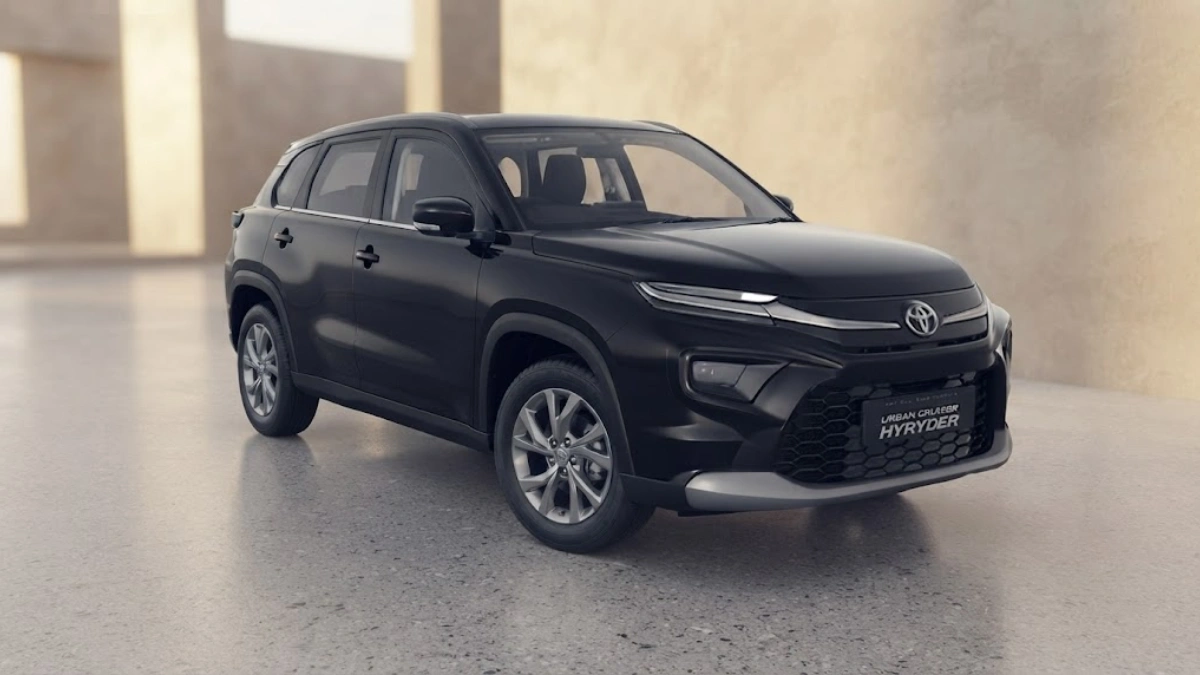
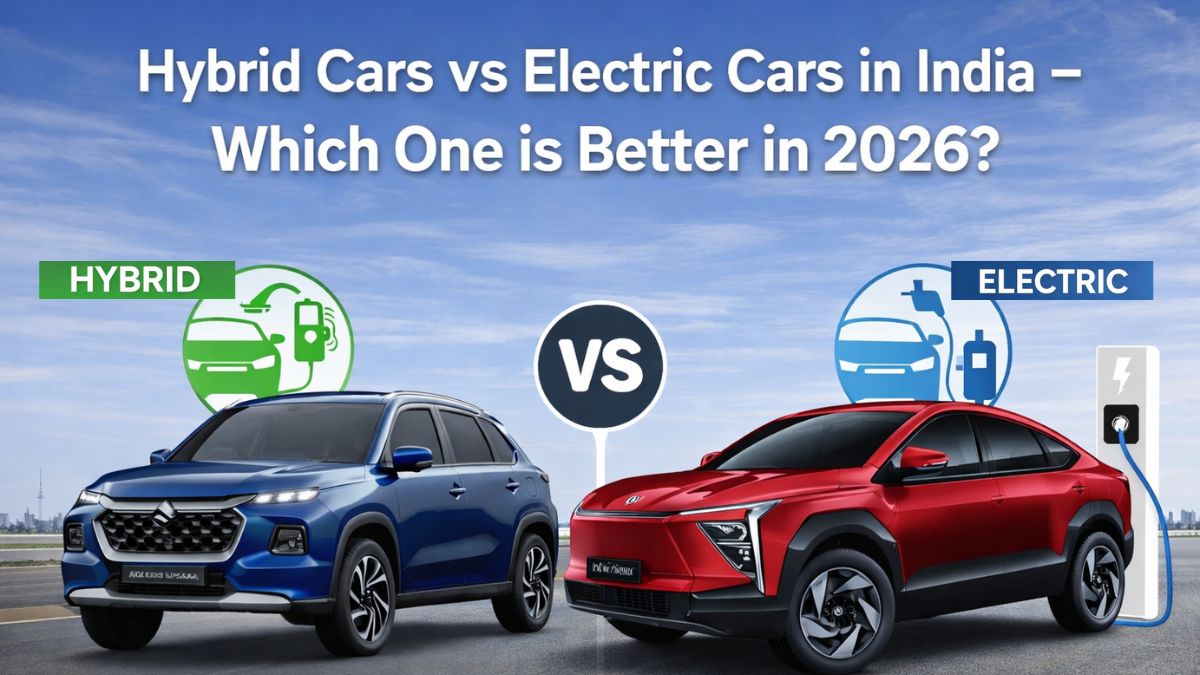
However, there's an important clarification that buyers need to be aware of before assuming their vehicle qualifies: the government has clarified that these benefits are available only for pure battery electric vehicles, with hybrid vehicles not eligible for the exemption. This is reinforced elsewhere too — there is no subsidy for hybrid vehicles under the Delhi EV Policy at all. So if you've been considering a strong hybrid like a Grand Vitara or Urban Cruiser Hyryder expecting Delhi-specific tax relief, that benefit simply doesn't extend to hybrid powertrains under this policy — only fully electric vehicles qualify.
Purchase Incentives by Vehicle Category
Beyond the tax waiver, the policy lays out direct cash incentives for buyers across different vehicle segments, and these vary depending on the category and, in some cases, the year of purchase.
Electric two-wheelers: Buyers get up to ₹30,000 for purchasing an electric two-wheeler. This isn't a flat figure across the policy's lifespan, though — it tapers over time. Electric two-wheelers will receive incentives of up to ₹30,000 in the first year, ₹20,000 in the second year, and ₹10,000 in the third year, so buying early in the policy window gets you the maximum benefit.
Electric three-wheelers: Three-wheeler buyers can receive up to ₹50,000 in purchase incentive.
Electric four-wheelers (N1 goods vehicles): Buyers of electric N1 category goods vehicles are eligible for up to ₹1 lakh in incentive, and this is specifically detailed as applying to N1 category electric commercial trucks up to 3.5 tonnes GVW, who get a purchase incentive of up to ₹1 lakh during the first year.
All of these payouts are designed to be frictionless from an administrative standpoint. All eligible incentives are transferred directly into beneficiaries' bank accounts through the Direct Benefit Transfer (DBT) system, removing the need for buyers to navigate subsidy claim paperwork through dealerships or local transport offices.
Scrappage Incentives for Replacing Old Vehicles
A major pillar of this policy is encouraging Delhi residents to retire older, more polluting vehicles in favor of electric replacements, and the scrappage incentive structure reflects that priority clearly.
Scrappage incentives range from ₹5,000 to ₹1 lakh depending on the vehicle category, broken down specifically as: ₹10,000 for two-wheelers, ₹25,000 for three-wheelers, ₹50,000 for N1 trucks, ₹15,000 for Gramin Seva vehicles, and ₹1 lakh for owners scrapping a BS-IV or older four-wheeler and purchasing an EV in its place.
This heavily favors four-wheeler owners with old BS-IV vehicles, since the ₹1 lakh scrappage benefit, when combined with the tax exemption, meaningfully lowers the effective cost of switching to an EV from an old, high-emission car. Gupta has specifically stressed that the policy places special emphasis on replacing older BS-IV and ageing vehicles through these scrappage incentives.
The Phased Ban on New ICE Vehicle Registrations
Perhaps the most consequential long-term aspect of this policy isn't the incentives at all, but the registration restrictions that will kick in over the coming years, effectively phasing out new combustion-engine vehicle sales in specific categories.
From January 1, 2027, only new electric autorickshaws and N1 goods carriers will be registered in Delhi. Then, a little over a year later, from April 1, 2028, registration of new petrol and CNG-powered two-wheelers will be discontinued entirely, with only electric two-wheelers eligible for registration going forward.
It's important to be clear about what this does and doesn't affect. Existing ICE vehicles already on the road are not impacted by these provisions — this is purely a forward-looking restriction on new vehicle registrations, not a mandate to scrap or retire currently owned petrol, diesel, or CNG vehicles. If you already own a two-wheeler or three-wheeler, you're not required to give it up; you simply won't be able to register a new combustion-engine equivalent once these dates pass.
Mandatory Electrification of School Bus Fleets
The policy also extends its reach into institutional and commercial fleets, with school transport singled out as a specific target. School operators will be required to electrify their fleets, with at least 10% of buses converted to EVs within two years of notification, 20% within three years, and 30% by March 31, 2030.
This is a meaningful commitment given how widespread diesel-powered school bus fleets currently are across Delhi, and it signals that the policy's ambitions extend well beyond private vehicle ownership into the commercial and institutional transport ecosystem as well.
Charging Infrastructure Expansion
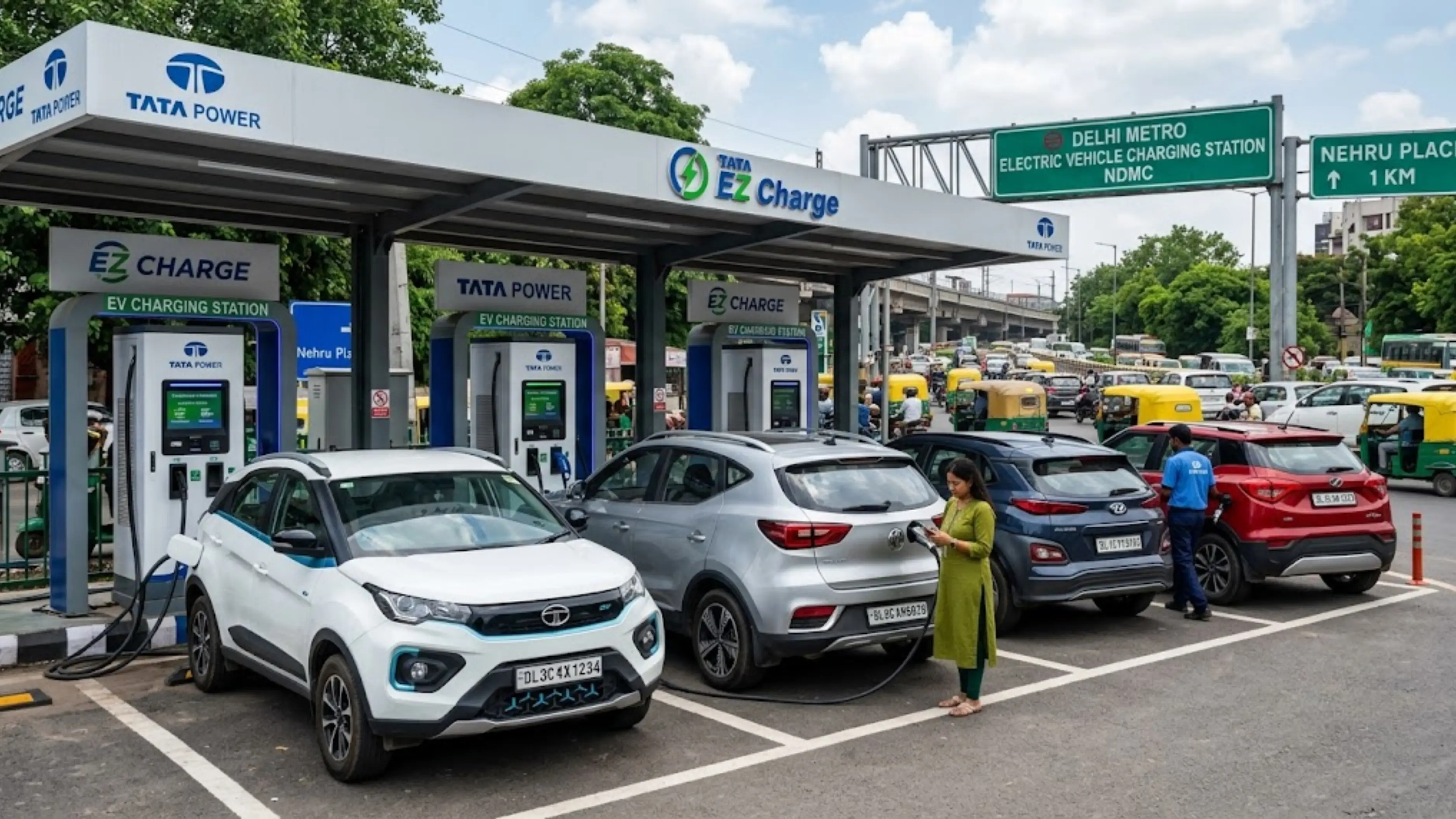
None of these incentives matter much if EV owners can't reliably charge their vehicles, and the policy addresses this directly with a large infrastructure commitment. The Delhi government plans to develop more than 30,000 EV charging points across the city during the policy period, a scale of expansion that, if delivered as planned, would substantially ease one of the biggest practical concerns EV buyers currently have: charger accessibility, particularly for residents without dedicated parking or home-charging setups in dense residential areas.
What This Means If You're Planning to Buy a Vehicle
For prospective EV buyers in Delhi, the math has shifted considerably from July 1 onward. A buyer purchasing a battery-electric four-wheeler priced under ₹30 lakh now avoids road tax and registration fees entirely, and if they're simultaneously scrapping an old BS-IV vehicle, they stand to gain an additional ₹1 lakh on top of that. For two-wheeler and three-wheeler buyers, the combination of purchase incentive plus scrappage benefit (where applicable) creates a strong financial case to switch sooner rather than later, especially since the two-wheeler incentive specifically decreases each year the policy is in effect.
If you're considering a hybrid vehicle instead of a fully electric one, it's worth recalibrating your expectations: none of these tax exemptions or purchase incentives apply to hybrids under this particular policy, regardless of how efficient or environmentally friendly the hybrid powertrain may be. The policy draws a hard line specifically in favor of battery electric vehicles.
For owners of older petrol, diesel, or CNG vehicles in categories nearing the 2027 and 2028 registration cutoffs — particularly three-wheeler and two-wheeler users — there's a practical planning window here. Existing vehicles remain legal to use, but anyone planning a near-future upgrade within an affected category should factor these registration cutoff dates into their timeline, since waiting until after the deadline removes the option of buying a new combustion-engine replacement in that category altogether.
Final Thoughts
The Delhi EV Policy 2026 is a genuinely comprehensive piece of regulation, combining direct financial incentives, tax relief, scrappage support, infrastructure investment, and phased registration restrictions into a single coordinated framework running through March 2030. Its scale, backed by a combined investment figure running into thousands of crores, makes it one of the most assertive state-level EV pushes in India to date. For residents and businesses in Delhi, the practical takeaway is straightforward: if an EV purchase or fleet upgrade was already on your radar, the financial case for moving now, rather than later, has just gotten considerably stronger — provided you're choosing a fully electric vehicle rather than a hybrid, since the latter sits outside the scope of these benefits entirely.
Book a Test Drive
Free doorstep test drive at your convenience
Popular Brands


Latest Electric Car News
Hyundai EV Compact SUV India Launch: Expected Price, Range & Key Details
Hybrids vs. EVs: Which Is Better for You?
Delhi EV Policy 2026 in Effect from July 1
Upcoming Electric Cars in August 2026 in India
What to Do If Your Car Battery Is Dead
Mercedes-Benz VLE Unveiled: 8-Seater EV with 700+ KM Range
Tata Sierra EV First Look: 600+ KM Range, Triple Screens & More
Top Accessories You Should Buy for Your Tata Harrier EV
Is an EV Car Coming for ₹5 Lakh? A Major Shift in the Indian Auto Market
Top Upcoming SUVs and Electric Cars in April 2026 That Could Change the Market
Bookings Open for the Mercedes-Benz CLA Electric – A New Competitor Enters India’s EV Market
Tata’s New Budget Electric Car Coming in 2026 – Is the Nano EV Making a Comeback?
Hybrid Cars vs Electric Cars in India 2026: Which Is Better?
BYD India New Electric Sedan Launched – Price & Range Revealed
Top 5 Affordable Electric Cars in India 2026 (Best Budget EVs with Long Range)
Tata vs MG EV Comparison – Which One Is Better in 2026?
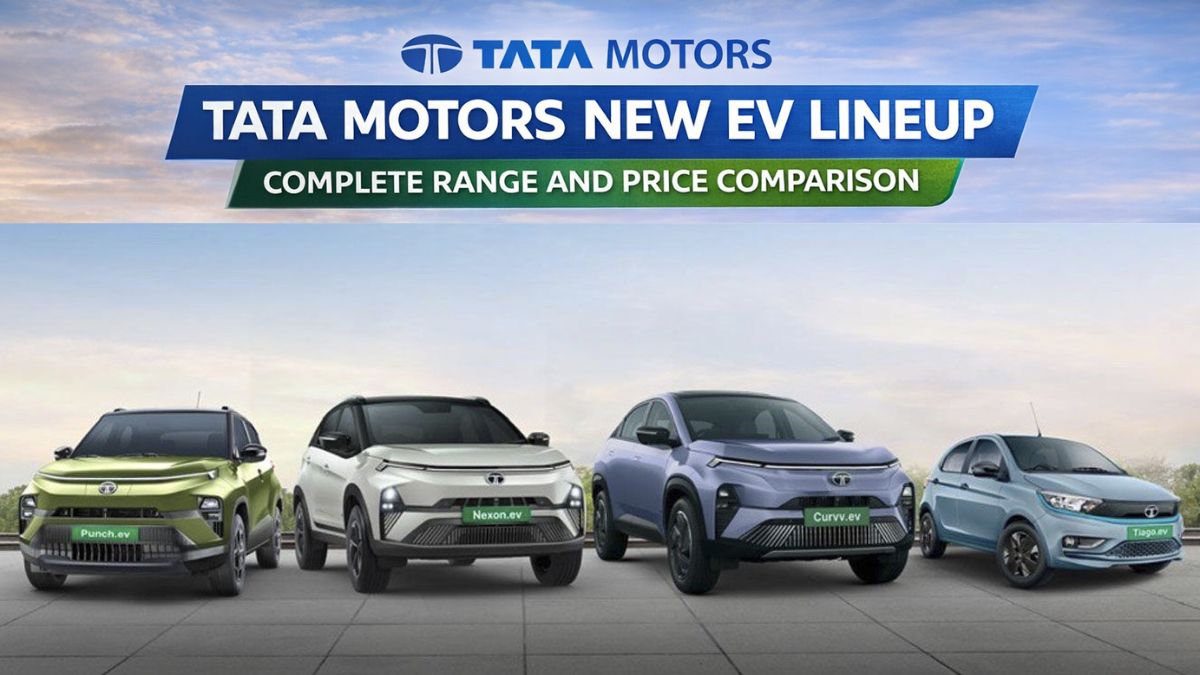
Tata EV Lineup 2026 REVEALED – Full Price Breakdown
Tesla India Booking Date LEAK – Big Update!
Hyundai Creta EV Launch Leak: Price Shock Incoming?
Tata Punch EV Waiting Period Update 2026: Real Delivery Timeline vs. Company Claims