Tata EV Lineup 2026 REVEALED – Full Price Breakdown
- Electric-Cars
- Published: 18 Feb, 2026
Book a Test Drive
Free doorstep test drive at your convenience
India’s EV market is no longer experimenting — it’s accelerating.
And right at the center of this electric storm stands one name: Tata.
Now, a Big Update has surfaced that could reshape the entire EV price war.
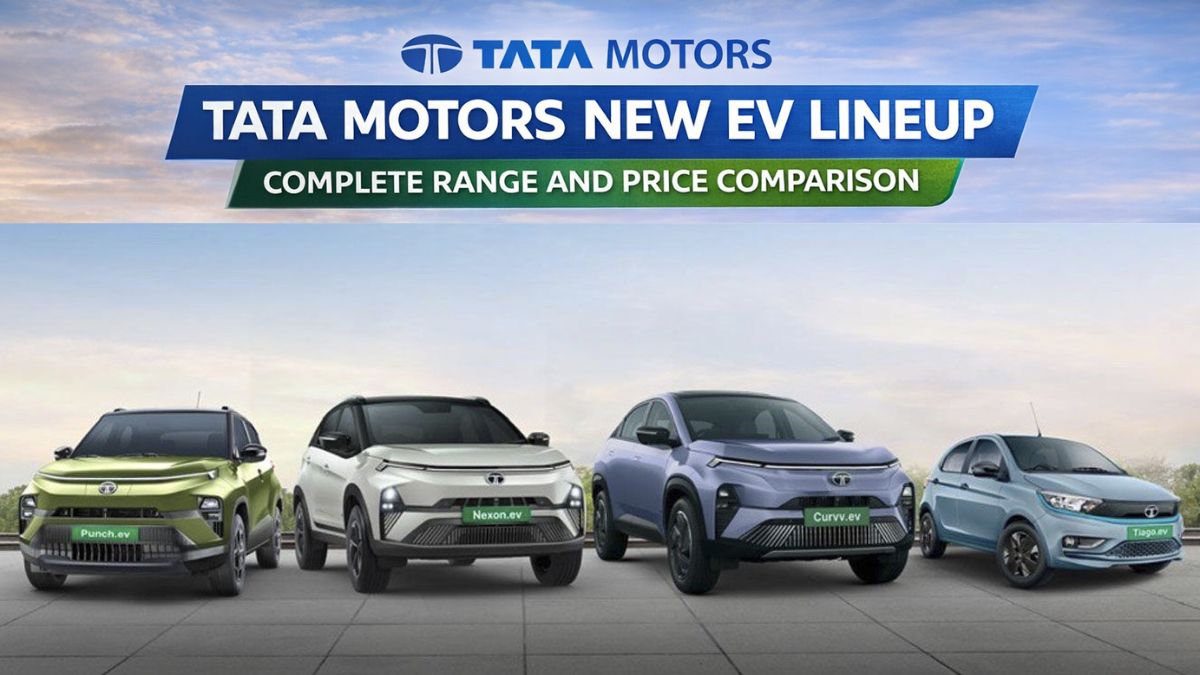
Tata Motors has officially expanded and revealed key details of its new and upcoming electric vehicle lineup. From affordable hatchbacks to premium electric SUVs, the brand is preparing a complete portfolio assault between 2025 and 2026.
Here’s the complete range and price comparison.
Confirmed & Upcoming Launch Timeline
Tata’s EV strategy for 2025–2026 is aggressive and clearly structured.
Currently on Sale:
- Tata Tiago EV
- Tata Tigor EV
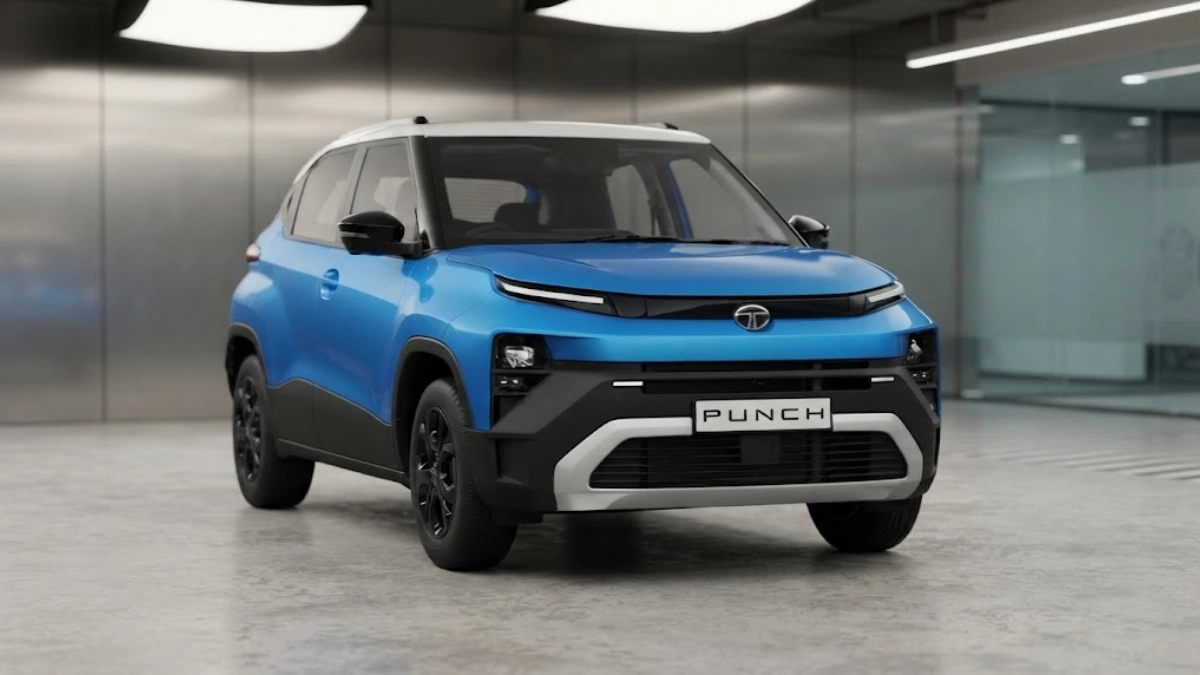
- Tata Punch EV
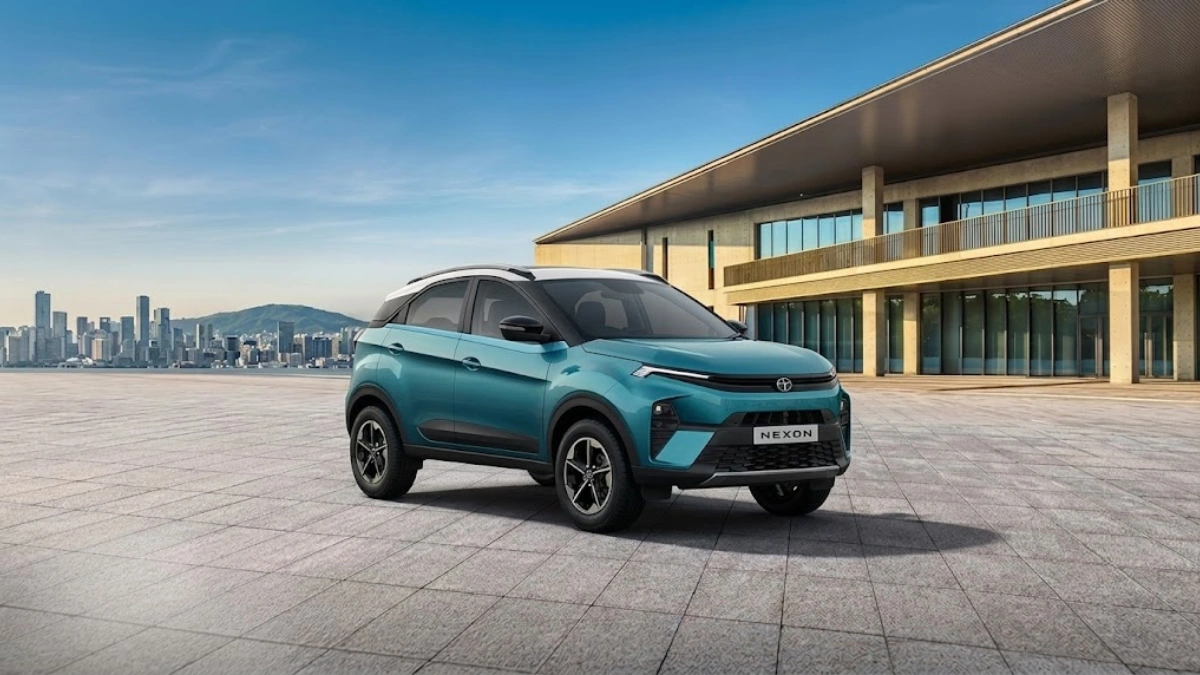
- Tata Nexon EV
Officially Revealed / Launching Soon:
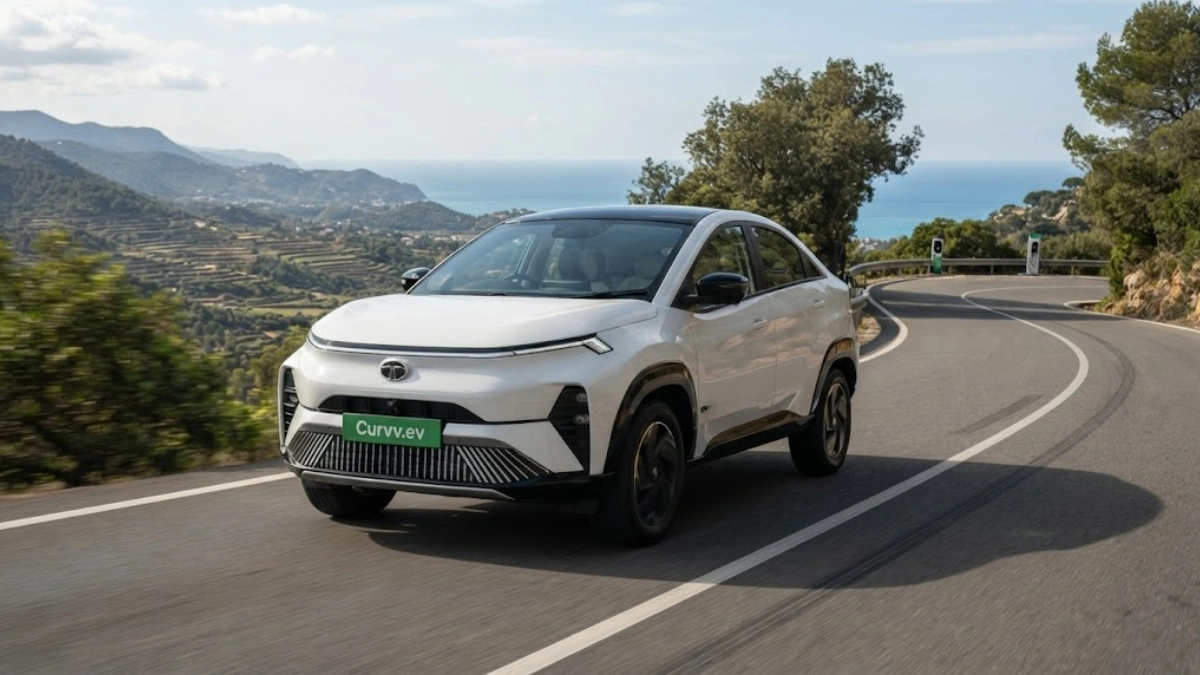
- Tata Curvv EV – Confirmed 2025 launch
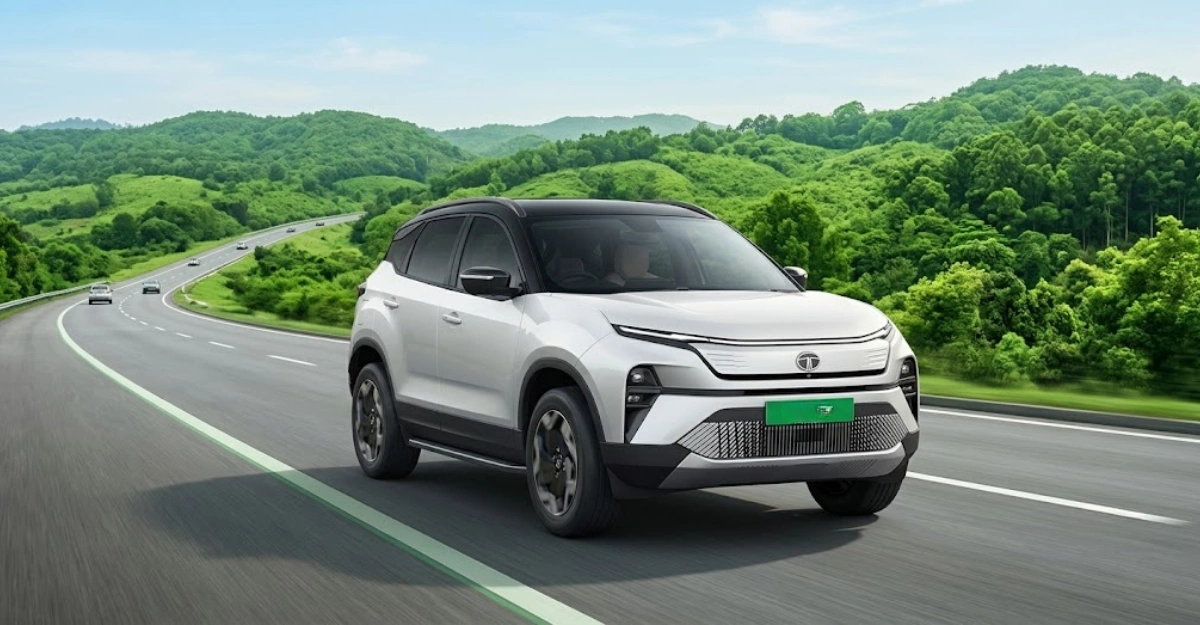
- Tata Harrier EV – Expected late 2025
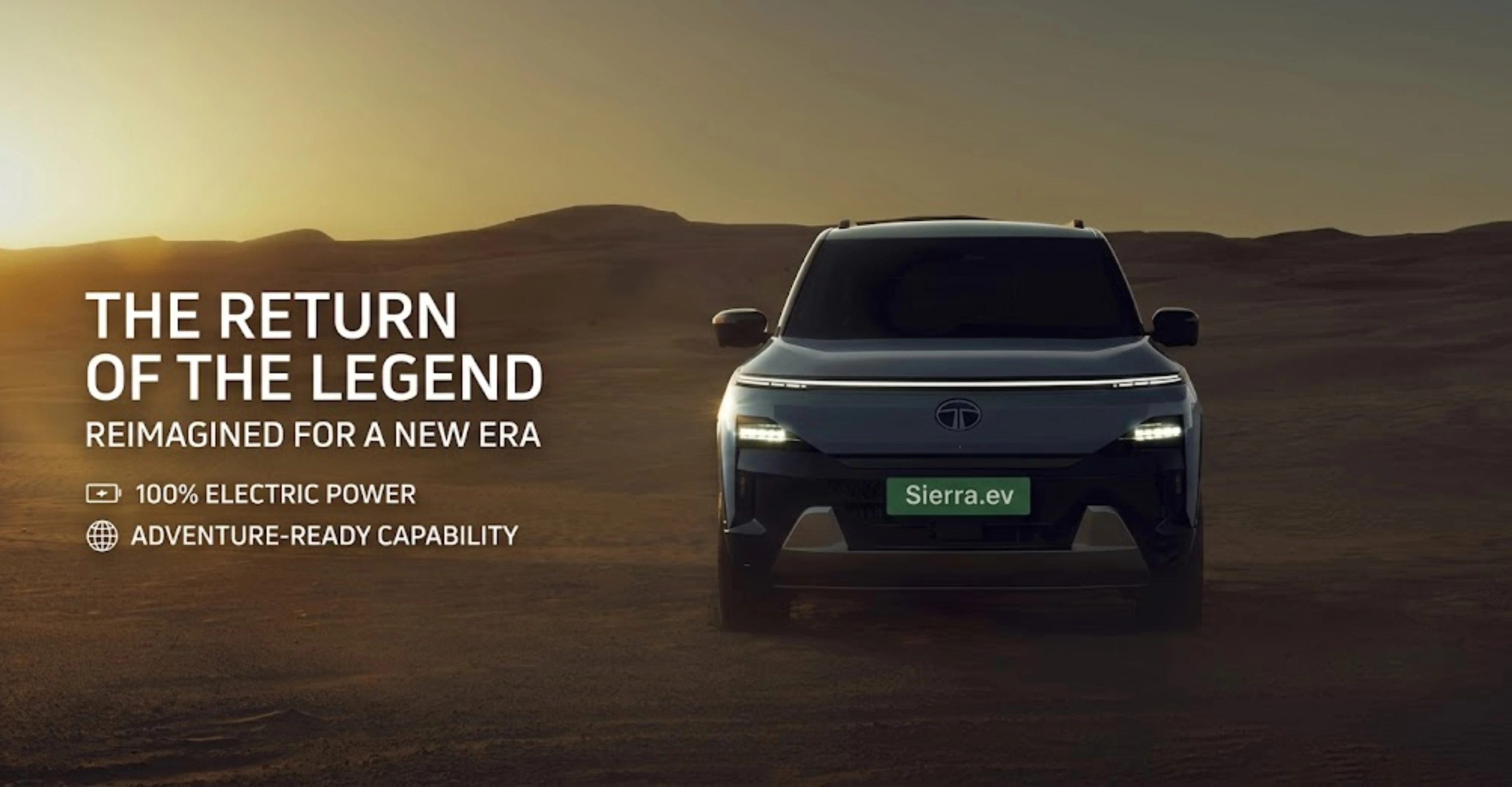
- Tata Sierra EV – Expected 2026
This lineup covers nearly every mainstream segment in India — from ₹8 lakh to over ₹30 lakh.
Complete Price Comparison – Entry to Premium
Here’s how Tata’s EV range stacks up in pricing:
Tiago EV: ₹8.7 – ₹12 lakh
Tigor EV: ₹12 – ₹13.5 lakh
Punch EV: ₹11 – ₹15 lakh
Nexon EV: ₹14.5 – ₹19.5 lakh
Curvv EV (Expected): ₹18 – ₹22 lakh
Harrier EV (Expected): ₹25 – ₹30 lakh
Sierra EV (Expected): ₹28 – ₹32 lakh
The shocking part? Tata is not stopping at budget EVs anymore. It is clearly entering the premium electric SUV space.
Battery, Range & Performance Details
Most current Tata EVs run on the brand’s Ziptron technology.
Tiago EV:
- 19.2 kWh / 24 kWh battery
- 250–315 km claimed range
Punch EV:
- 25 kWh / 35 kWh battery
- 315–421 km claimed range
Nexon EV:
- 30 kWh / 40.5 kWh battery
- 325–465 km claimed range
Curvv EV (Expected):
- Around 50 kWh battery
- Close to 500 km claimed range
Harrier EV (Expected):
- 60+ kWh battery
- 500+ km range
- Possible dual-motor AWD setup
The Harrier EV, in particular, could be Tata’s most performance-focused electric SUV yet.
Features & ADAS – Big Technology Upgrade
Tata initially built its EV reputation on safety and value. Now, technology is taking center stage.
Expected highlights in upcoming models include:
- 12.3-inch infotainment system
- 360-degree camera
- Digital driver display
- Panoramic sunroof
- Ventilated seats
- Connected car tech
On the ADAS front, especially in Curvv EV and Harrier EV:
- Adaptive Cruise Control
- Lane Keep Assist
- Blind Spot Monitoring
- Autonomous Emergency Braking
This is a direct response to global competitors offering advanced driver assistance systems.
Tata EV vs Key Rivals
Tata’s electric cars compete with:
- MG ZS EV
- Hyundai Kona Electric
- Mahindra XUV400
The Nexon EV currently dominates the mid-range segment in sales.
Curvv EV is expected to challenge MG ZS EV more directly.
Harrier EV may compete with premium electric SUVs like BYD and Hyundai’s higher-end offerings.
Tata’s biggest advantage remains pricing and its wide service network across India.
Who Should Buy Which Tata EV?
Urban daily commuters: Tiago EV makes perfect financial sense.
Compact SUV buyers: Punch EV offers strong value and practicality.
Family-focused buyers: Nexon EV balances safety, range, and affordability.
Style-conscious SUV buyers: Curvv EV brings coupe-SUV appeal.
Premium SUV aspirants: Harrier EV and Sierra EV target buyers upgrading from diesel SUVs or entry-level luxury cars.
If you want a proven EV ecosystem with a strong dealership network, Tata offers confidence.
Pros & Cons
Pros:
- Wide price coverage across segments
- Strong after-sales network
- Competitive pricing
- Improving battery range
- ADAS features in premium models
Cons:
- Charging speeds still evolving
- Interior fit-finish varies by model
- Premium EV resale value yet to stabilize
- Increasing competition in every segment
Expert View – Strategy Behind the Expansion
From a market strategy perspective, Tata Motors is not just launching cars — it is building dominance.
The brand moved first in the affordable EV segment and created trust. Now it is moving upward into premium territory before global brands fully localize.
If Tata scales battery manufacturing and reduces dependency on imports, its pricing power could strengthen further.
In simple terms, this is a calculated expansion — not an emotional one.
FAQs – What Buyers Are Searching
1. What is the cheapest Tata electric car?
The Tata Tiago EV is currently the most affordable option.
2. When will Tata Harrier EV launch?
It is expected to launch in late 2025.
3. What is the expected price of Tata Curvv EV?
The expected price range is ₹18–22 lakh.
4. Does Tata offer ADAS in EV models?
ADAS features are expected in premium upcoming models like Curvv EV and Harrier EV.
Final Verdict – Market Impact Prediction
Tata is no longer just participating in the EV race — it is shaping it.
With strong presence in entry and mid segments and serious expansion into premium territory, Tata could maintain EV leadership for the next 3–5 years.
If launch timelines are met and pricing remains aggressive, competitors will be forced to respond quickly.
The Indian EV market is entering its most competitive phase yet — and Tata Motors appears fully prepared.
Book a Test Drive
Free doorstep test drive at your convenience
Popular Brands


Latest Electric Car News
Hyundai EV Compact SUV India Launch: Expected Price, Range & Key Details
Hybrids vs. EVs: Which Is Better for You?
Delhi EV Policy 2026 in Effect from July 1

Upcoming Electric Cars in August 2026 in India
What to Do If Your Car Battery Is Dead
Mercedes-Benz VLE Unveiled: 8-Seater EV with 700+ KM Range
Tata Sierra EV First Look: 600+ KM Range, Triple Screens & More
Top Accessories You Should Buy for Your Tata Harrier EV
Is an EV Car Coming for ₹5 Lakh? A Major Shift in the Indian Auto Market
Top Upcoming SUVs and Electric Cars in April 2026 That Could Change the Market
Bookings Open for the Mercedes-Benz CLA Electric – A New Competitor Enters India’s EV Market
Tata’s New Budget Electric Car Coming in 2026 – Is the Nano EV Making a Comeback?
Hybrid Cars vs Electric Cars in India 2026: Which Is Better?
BYD India New Electric Sedan Launched – Price & Range Revealed
Top 5 Affordable Electric Cars in India 2026 (Best Budget EVs with Long Range)
Tata vs MG EV Comparison – Which One Is Better in 2026?
Tata EV Lineup 2026 REVEALED – Full Price Breakdown
Tesla India Booking Date LEAK – Big Update!
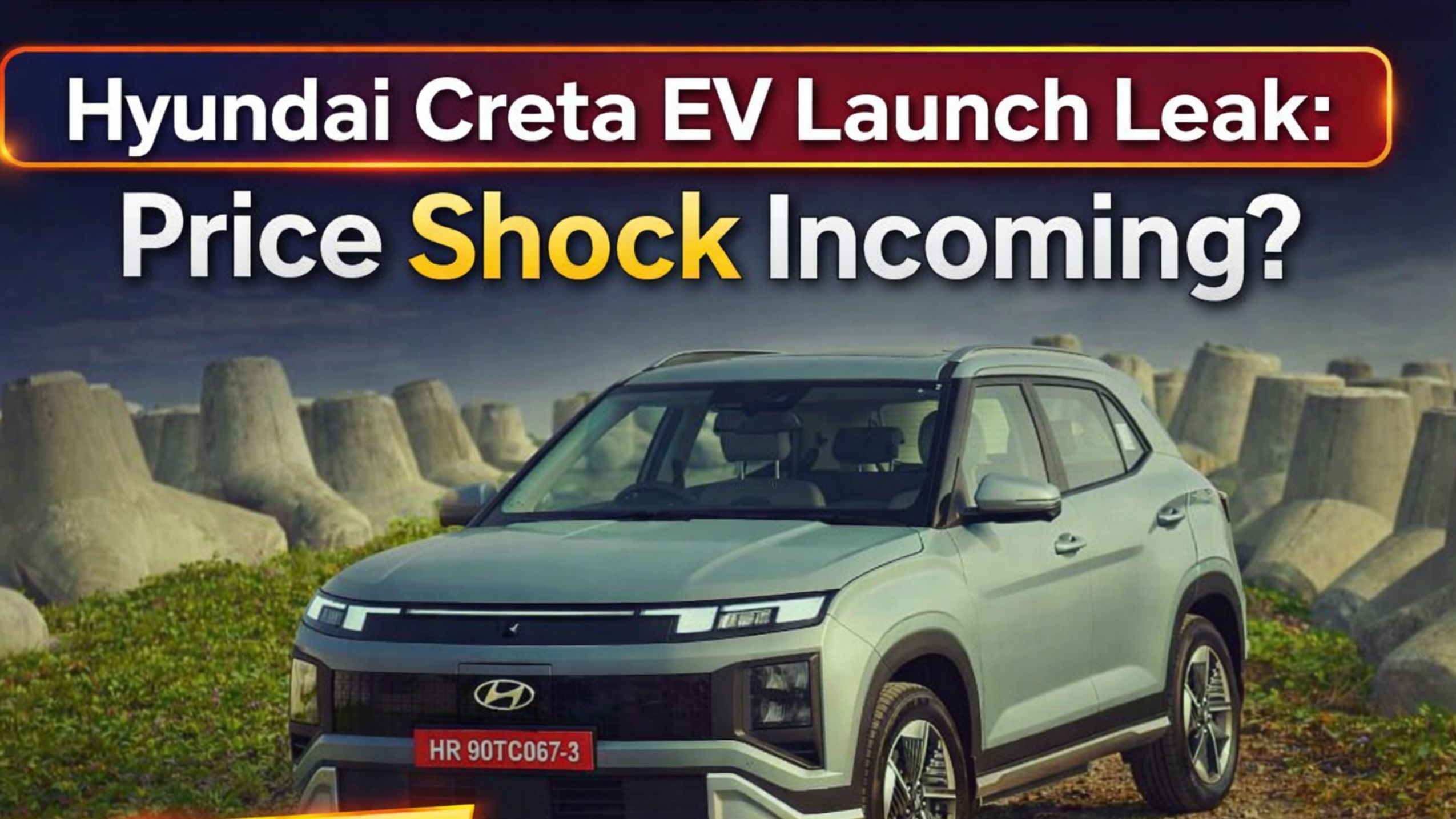
Hyundai Creta EV Launch Leak: Price Shock Incoming?
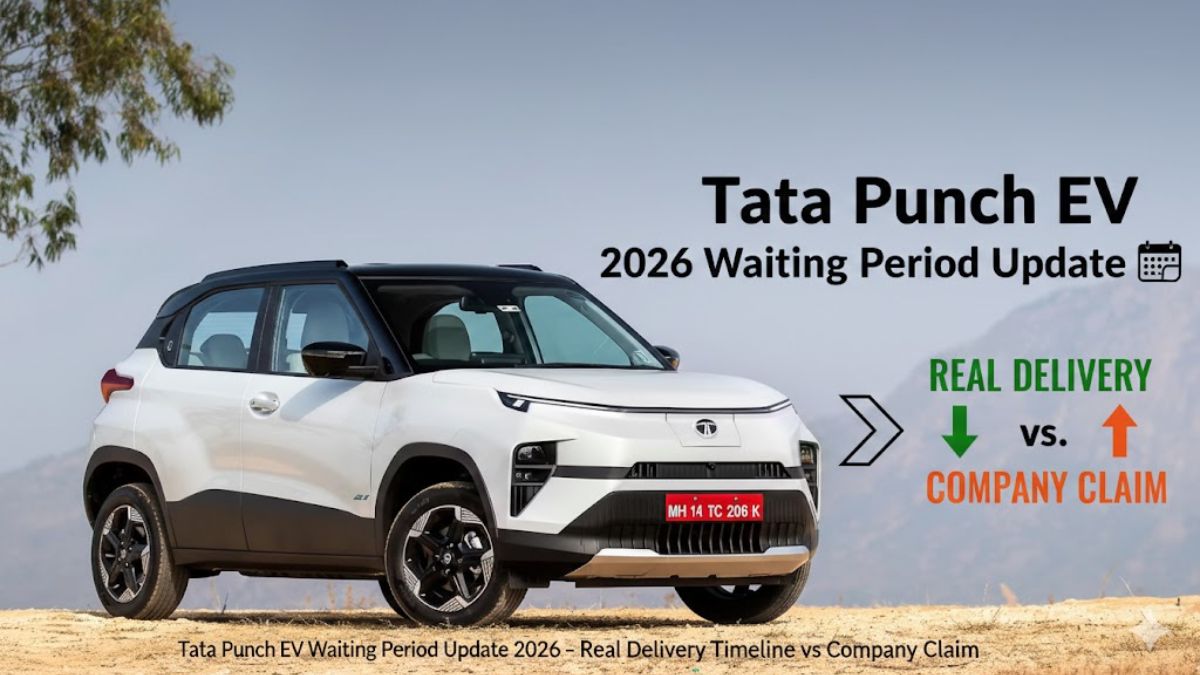
Tata Punch EV Waiting Period Update 2026: Real Delivery Timeline vs. Company Claims