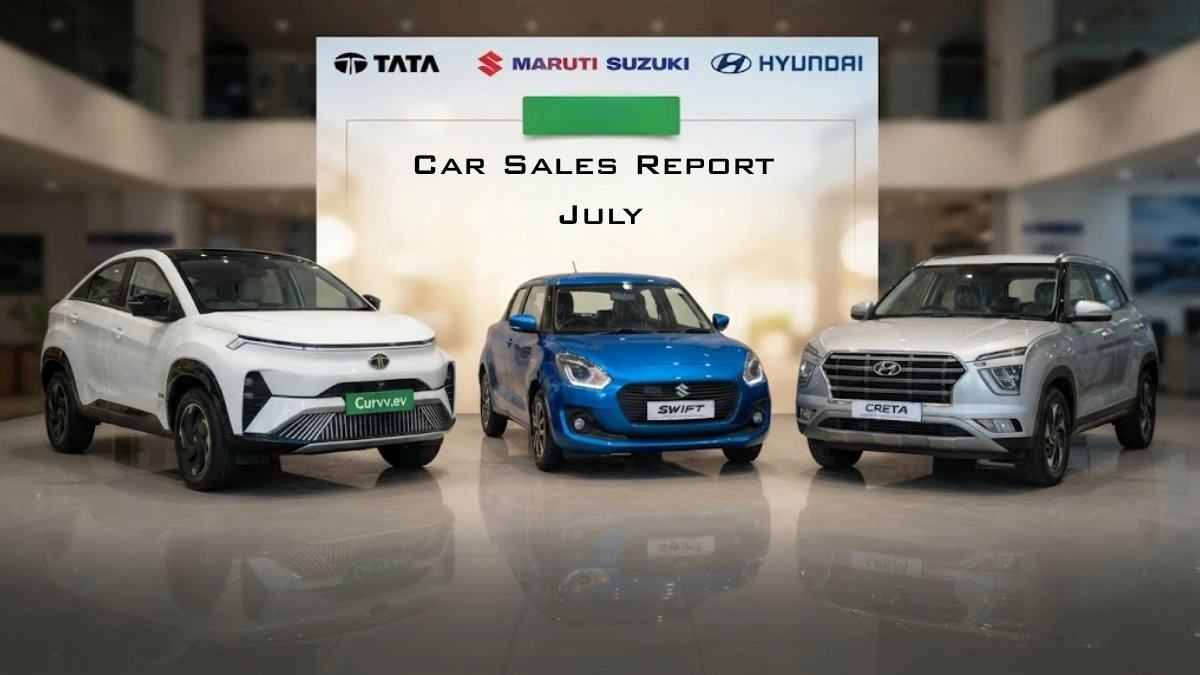
Is the EV Revolution About to Kill Petrol Cars?
- Electric-Cars
- Published: 14 Jan, 2026
Book a Test Drive
Free doorstep test drive at your convenience
The global automotive industry is undergoing its biggest transformation in over a century. Electric vehicles (EVs), once considered niche products for early adopters, are now entering the mainstream at a rapid pace. Governments are setting deadlines to phase out petrol and diesel cars, automakers are investing billions in electric platforms, and consumers are increasingly curious about sustainable mobility. This has led to a crucial question: Is the EV revolution about to kill petrol cars?
While the answer isn’t a simple yes or no, the shift toward electrification is undeniably reshaping the future of transportation.
The Rise of Electric Vehicles
Over the past decade, EV technology has advanced dramatically. Battery ranges have increased, charging infrastructure has expanded, and prices are gradually becoming more competitive. Major manufacturers like Tesla, BYD, Volkswagen, Hyundai, Tata Motors, and Mahindra have committed to all-electric futures, while new startups are entering the market with innovative models.
Governments across the world are also pushing for electrification through subsidies, tax benefits, and stricter emission norms. Countries such as the UK, Germany, Norway, and parts of the US have announced future bans on new petrol and diesel car sales. India, too, is promoting EV adoption through FAME incentives and state-level policies. These measures are accelerating the transition and making EVs more accessible to everyday buyers.
Why Petrol Cars Are Under Pressure
1. Environmental Concerns
Petrol vehicles emit carbon dioxide and other harmful pollutants that contribute to climate change and air pollution. As awareness about sustainability grows, both policymakers and consumers are looking for cleaner alternatives. EVs, with zero tailpipe emissions, are seen as a key solution to reduce urban pollution.
2. Rising Fuel Costs
Petrol prices remain volatile due to global oil markets and geopolitical factors. Electric charging, especially at home, is significantly cheaper per kilometer. Over time, EVs can offer substantial savings on running costs compared to petrol cars.
3. Technological Shifts
Automakers are now focusing their R&D budgets on electric drivetrains rather than improving internal combustion engines (ICE). This means future innovations will primarily benefit EVs, leaving petrol cars technologically behind.
4. Regulatory Pressure
Stricter emission standards are making it more expensive to produce petrol vehicles. Compliance requires complex exhaust systems and advanced engine tuning, which increases manufacturing costs and, ultimately, vehicle prices.
Why Petrol Cars Won’t Disappear Overnight
Despite the rapid growth of EVs, petrol cars are unlikely to vanish in the near future. Several challenges still limit complete electrification:
1. Charging Infrastructure
In many regions, public charging networks are still inadequate. Long-distance travel remains inconvenient compared to the quick refueling of petrol vehicles, especially in rural or underdeveloped areas.
2. Battery Costs and Lifespan
Although battery prices have fallen, EVs still carry a higher upfront cost than equivalent petrol cars in many markets. Concerns about battery degradation and replacement costs also make some buyers hesitant.
3. Electricity Source
In countries where electricity is largely generated from fossil fuels, EVs may not always be as “green” as they appear. The true environmental benefit depends on the energy mix used to produce power.
4. Market Diversity
Commercial vehicles, performance cars, and remote-area transport still rely heavily on petrol or diesel. For certain use cases, internal combustion engines remain more practical and cost-effective.
Industry Trends: A Gradual Phase-Out
Rather than an abrupt end, the future points to a gradual decline of petrol cars. Many automakers have announced timelines to transition to electric-only lineups between 2030 and 2040. Some are also exploring hybrid technologies as a bridge between petrol and full electric.
Second-hand petrol cars will likely remain in circulation for decades, especially in developing markets. Additionally, advancements in synthetic fuels and hydrogen could extend the life of combustion engines in niche segments.
Why Choose Electric Vehicles Over Petrol Cars?
Choosing an EV is not just about following a trend—it’s about embracing a smarter, cleaner future:
- Lower Running Costs: Electricity is cheaper than petrol, and EVs require minimal maintenance due to fewer moving parts.
- Eco-Friendly Driving: Zero tailpipe emissions help reduce air pollution and carbon footprint.
- Government Incentives: Tax benefits, subsidies, and reduced registration fees make EVs financially attractive.
- Future-Proof Technology: With constant software updates and innovation, EVs are built for long-term relevance.
- Smooth Driving Experience: Instant torque, silent operation, and advanced features provide superior comfort.
For urban commuters and environmentally conscious buyers, EVs already offer compelling advantages over petrol cars.
The Road Ahead
The EV revolution is not about instantly killing petrol cars—it’s about redefining mobility. Over the next 10–20 years, electric vehicles are expected to dominate new car sales, while petrol vehicles gradually fade from prominence. However, in many parts of the world, both technologies will coexist for a long time.
Consumers will ultimately drive this transformation. As EVs become more affordable, charging becomes faster and more widespread, and renewable energy grows, the transition will accelerate naturally.
Conclusion
So, is the EV revolution about to kill petrol cars? Not immediately—but it is undeniably reshaping the automotive landscape. Petrol cars are no longer the future; they are becoming part of the past. Electric vehicles are setting new standards for sustainability, cost efficiency, and innovation. While internal combustion engines will survive for years in certain markets and applications, the long-term direction is clear: the era of petrol dominance is slowly coming to an end.
The EV revolution isn’t just changing what we drive—it’s changing how we think about mobility itself.
FAQs
1. Will petrol cars be banned completely?
Many countries plan to ban the sale of new petrol cars in the future, but existing vehicles will continue to be used for years.
2. Are EVs really cheaper than petrol cars?
While the upfront cost may be higher, EVs are significantly cheaper to run and maintain over time.
3. Can EVs replace petrol cars for long-distance travel?
With expanding fast-charging networks and improving battery range, EVs are becoming more suitable for long journeys, though petrol cars still have an edge in remote areas.
4. Are EVs environmentally friendly if electricity comes from coal?
Even in coal-dependent regions, EVs generally produce fewer lifetime emissions than petrol cars. The benefits increase as renewable energy adoption grows.
5. Should I buy a petrol car today?
If your usage requires long-range convenience and charging infrastructure is limited in your area, a petrol car may still be practical. However, if sustainability and lower running costs matter, an EV is a future-ready choice.
Book a Test Drive
Free doorstep test drive at your convenience
Popular Brands


Latest Electric Car News
Hyundai EV Compact SUV India Launch: Expected Price, Range & Key Details
Hybrids vs. EVs: Which Is Better for You?
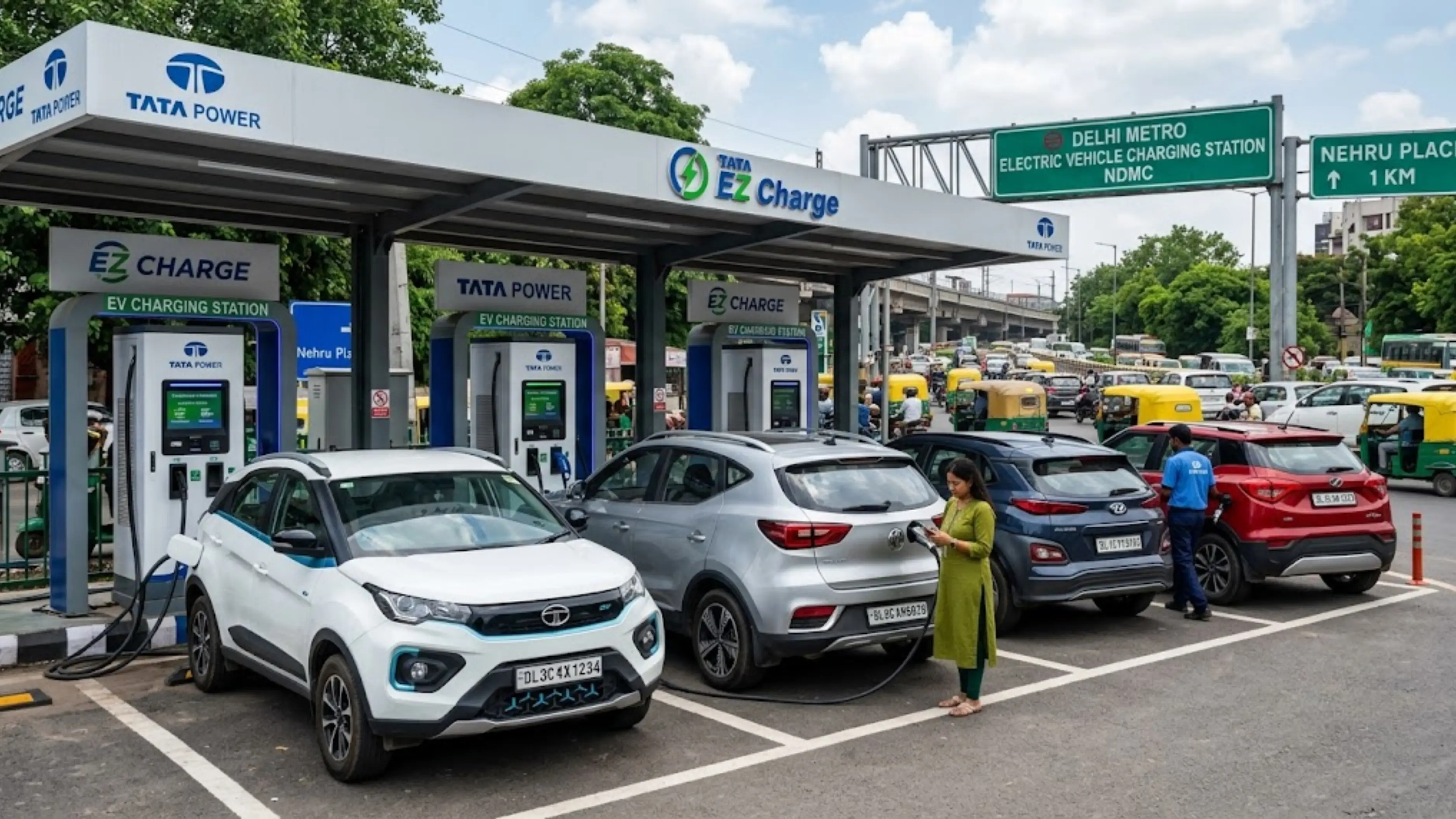
Delhi EV Policy 2026 in Effect from July 1
Upcoming Electric Cars in August 2026 in India
What to Do If Your Car Battery Is Dead
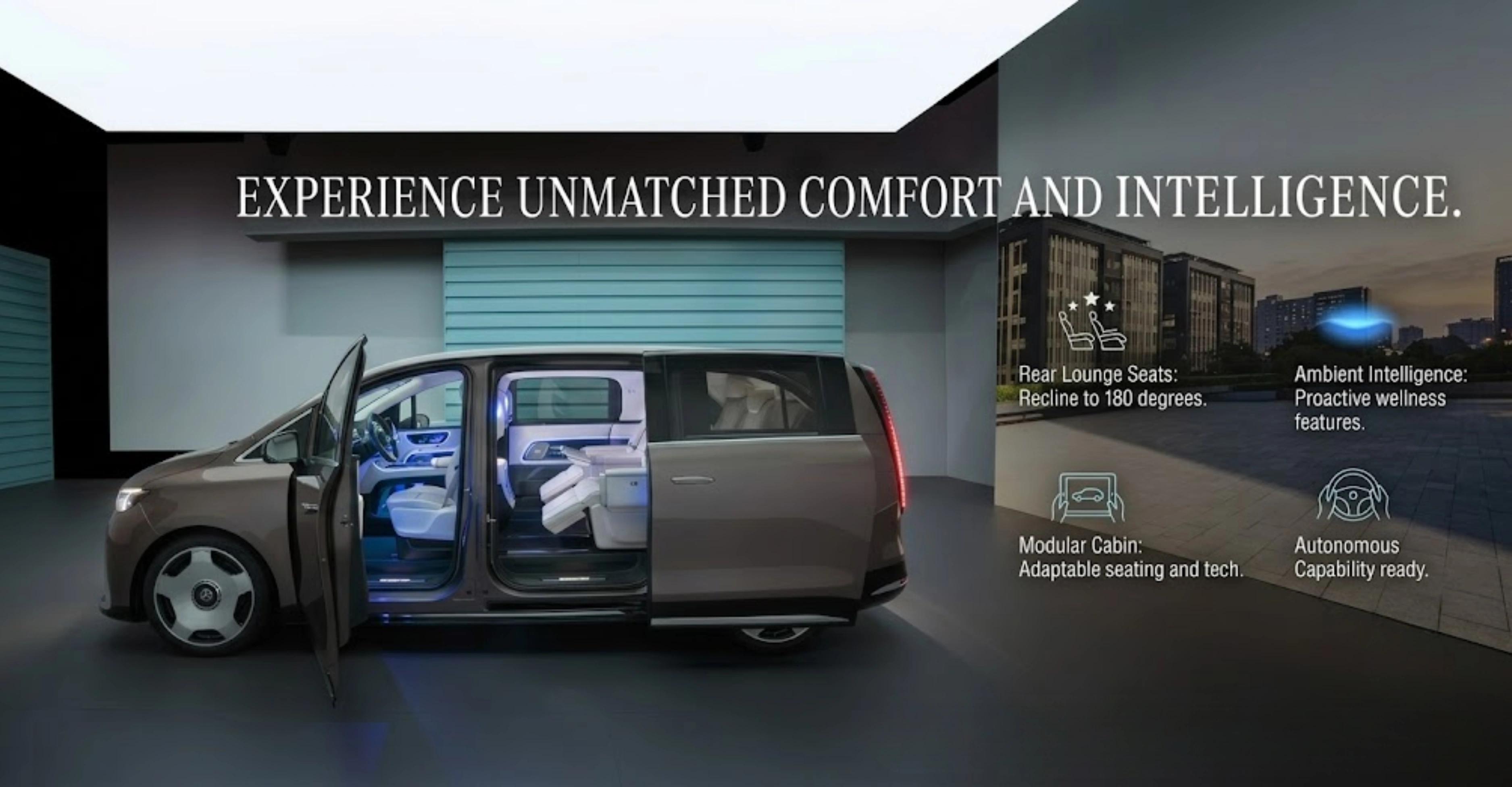
Mercedes-Benz VLE Unveiled: 8-Seater EV with 700+ KM Range
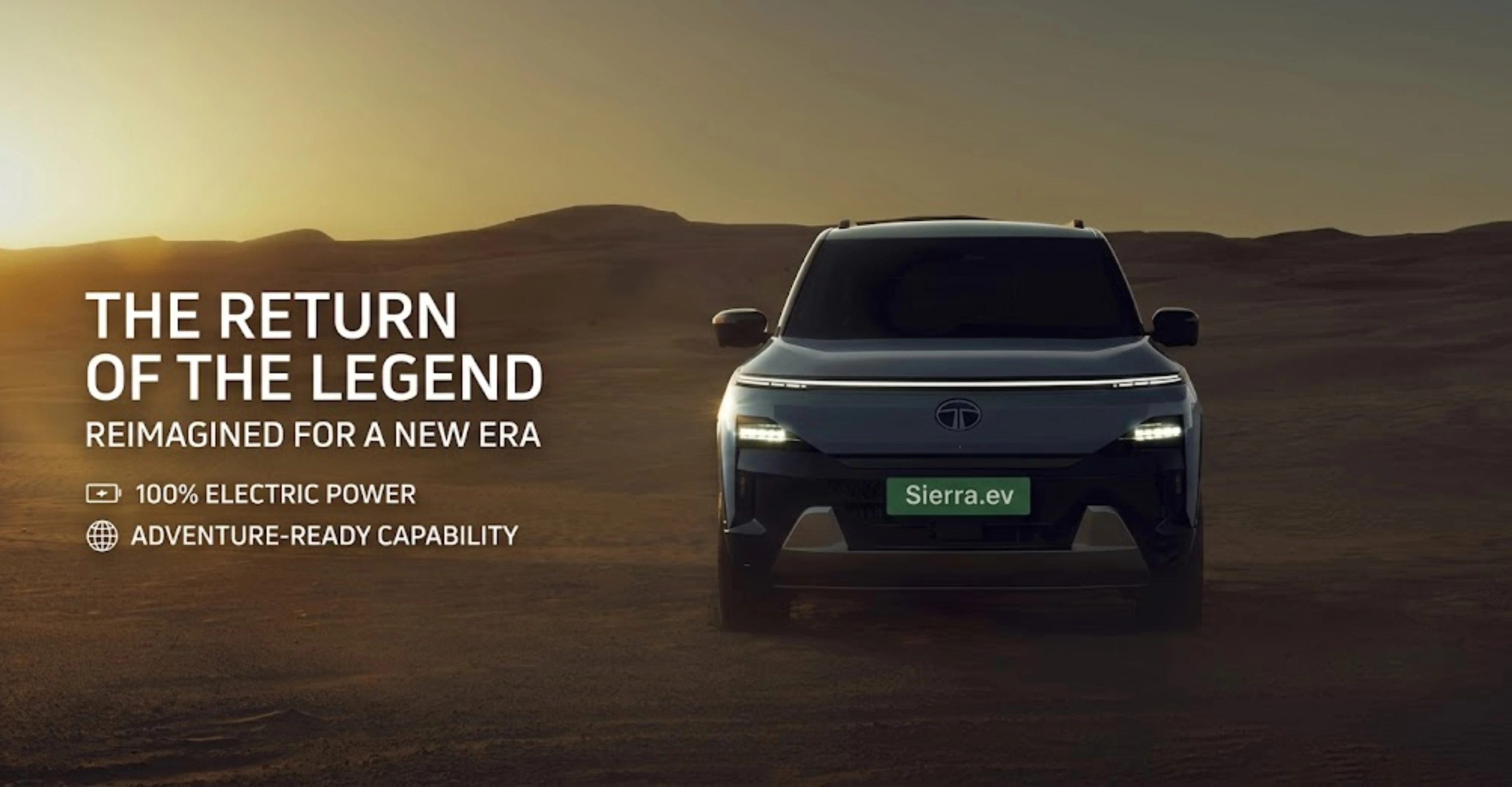
Tata Sierra EV First Look: 600+ KM Range, Triple Screens & More
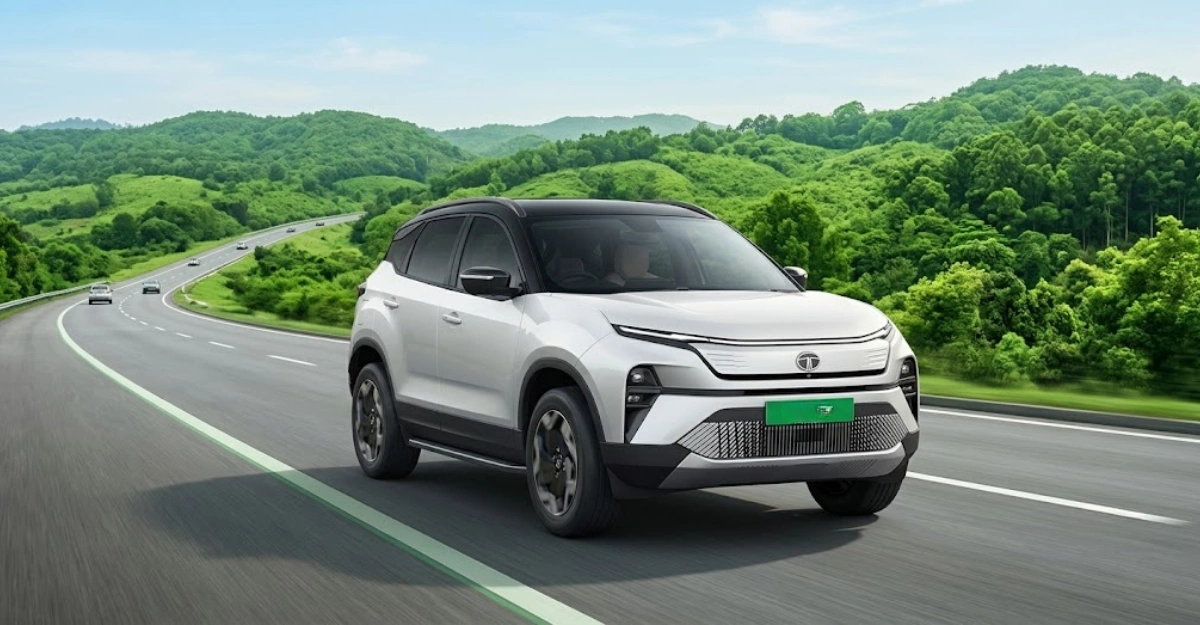
Top Accessories You Should Buy for Your Tata Harrier EV
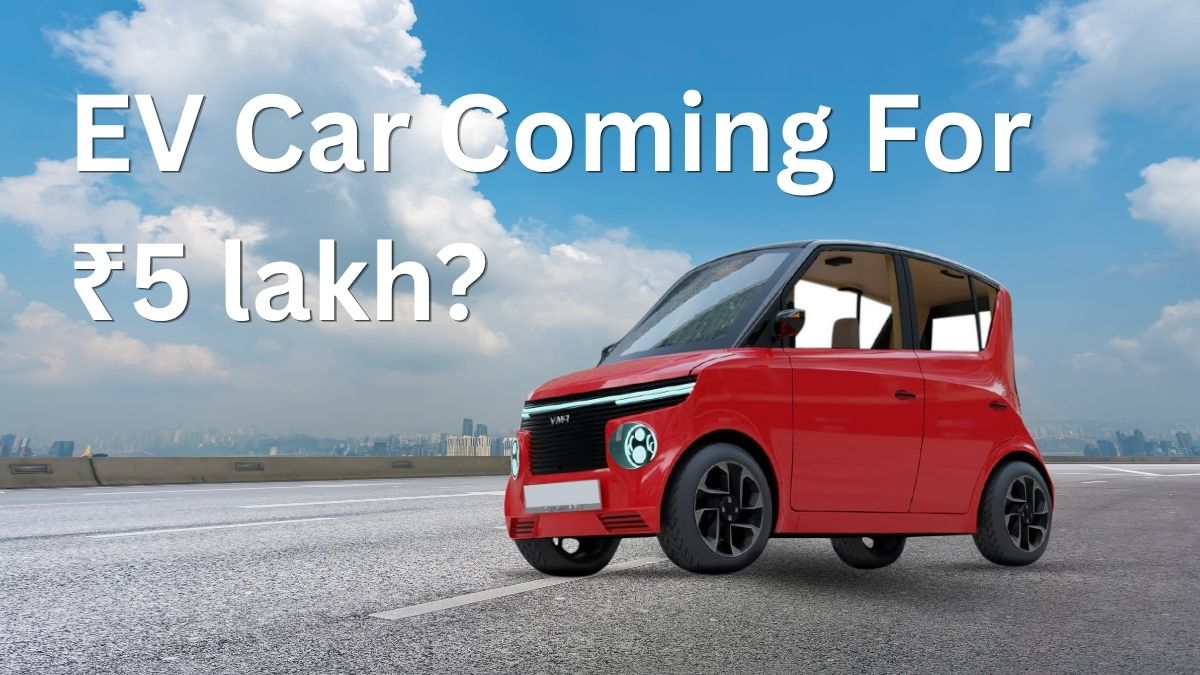
Is an EV Car Coming for ₹5 Lakh? A Major Shift in the Indian Auto Market
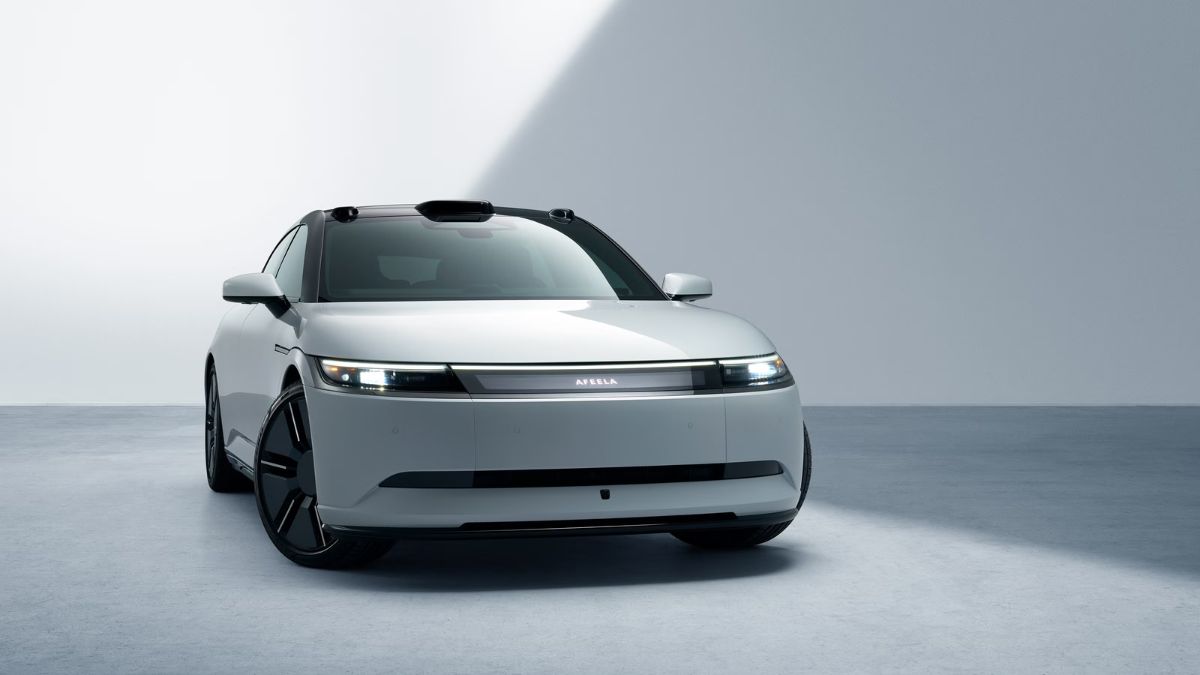
Top Upcoming SUVs and Electric Cars in April 2026 That Could Change the Market
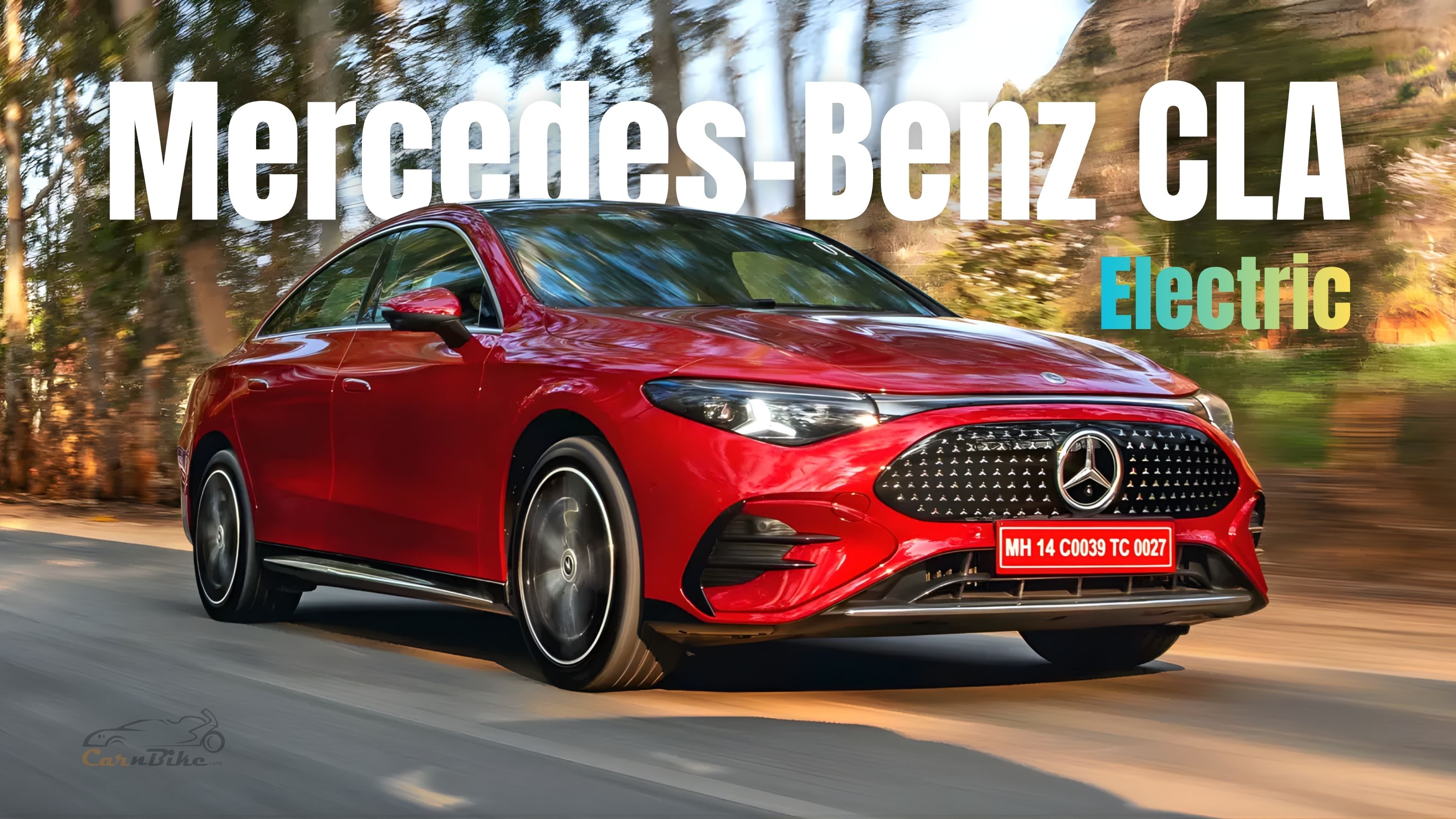
Bookings Open for the Mercedes-Benz CLA Electric – A New Competitor Enters India’s EV Market
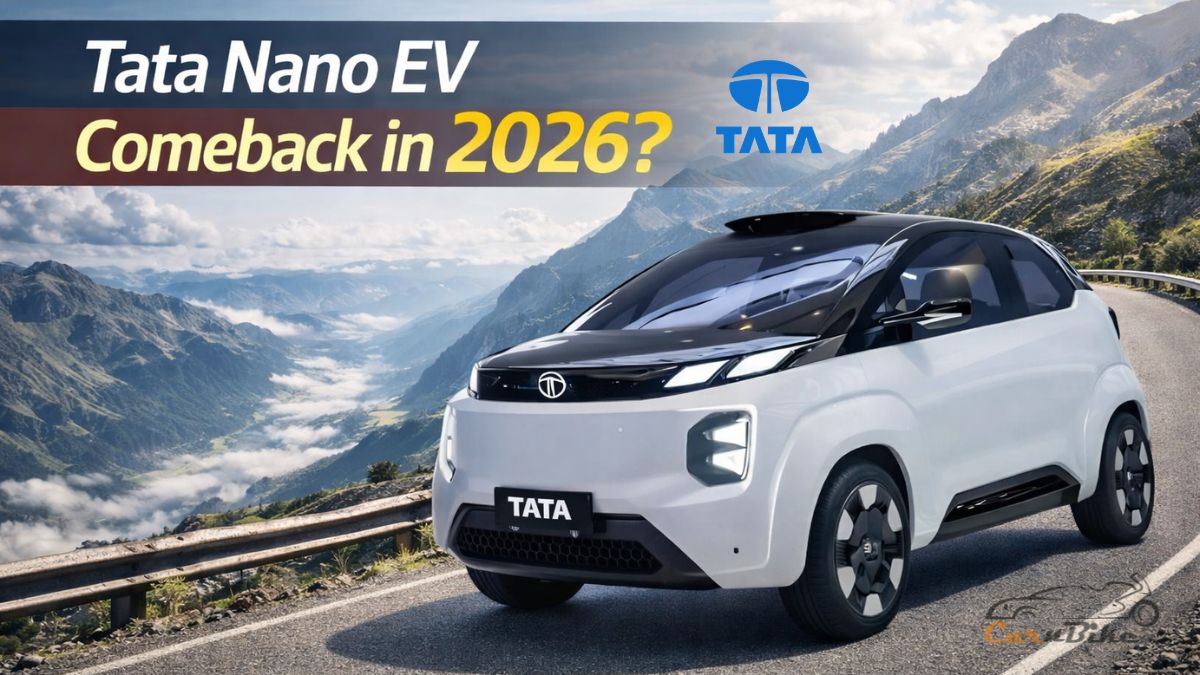
Tata’s New Budget Electric Car Coming in 2026 – Is the Nano EV Making a Comeback?
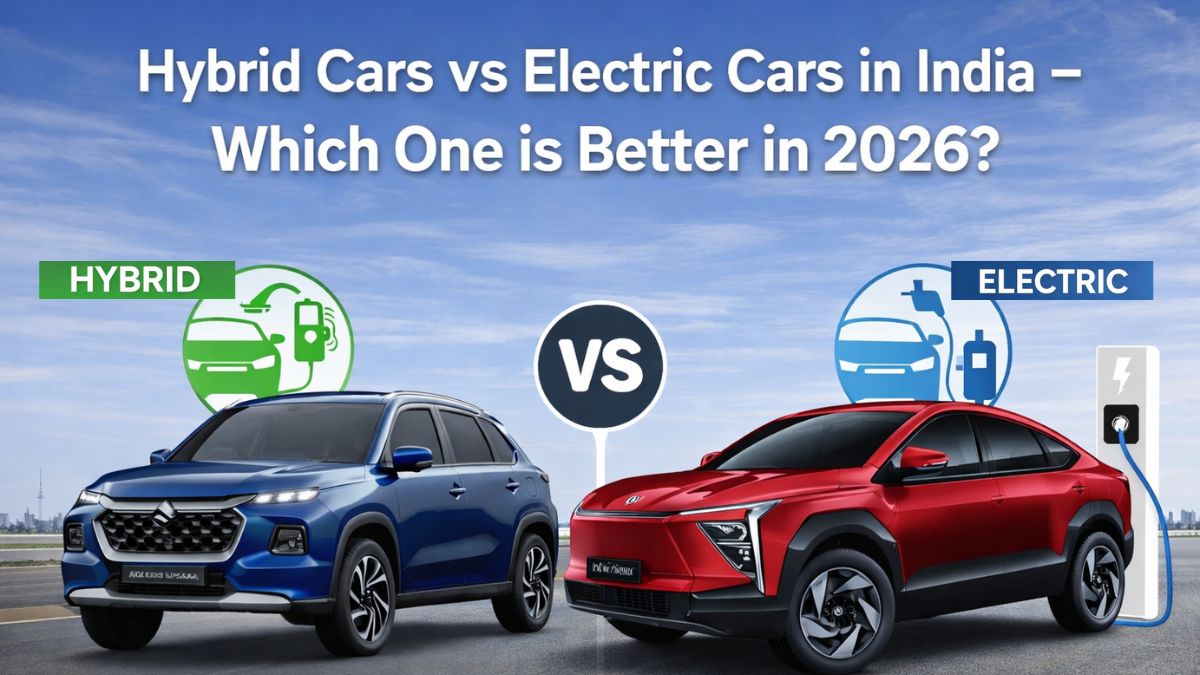
Hybrid Cars vs Electric Cars in India 2026: Which Is Better?
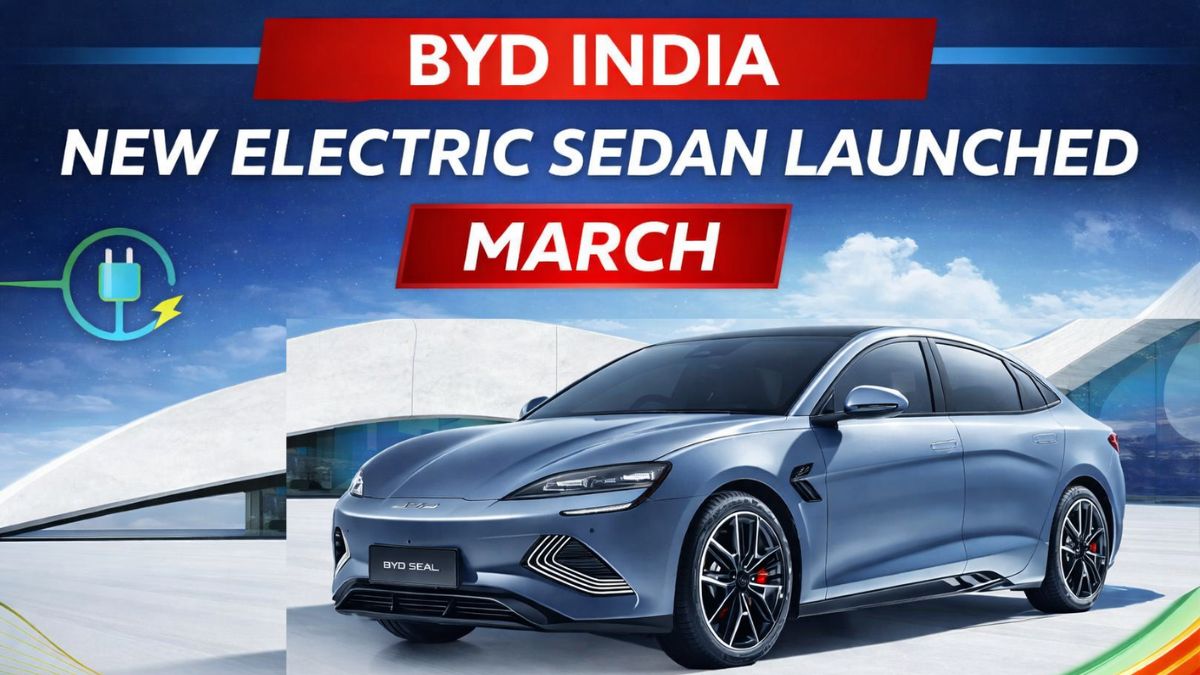
BYD India New Electric Sedan Launched – Price & Range Revealed
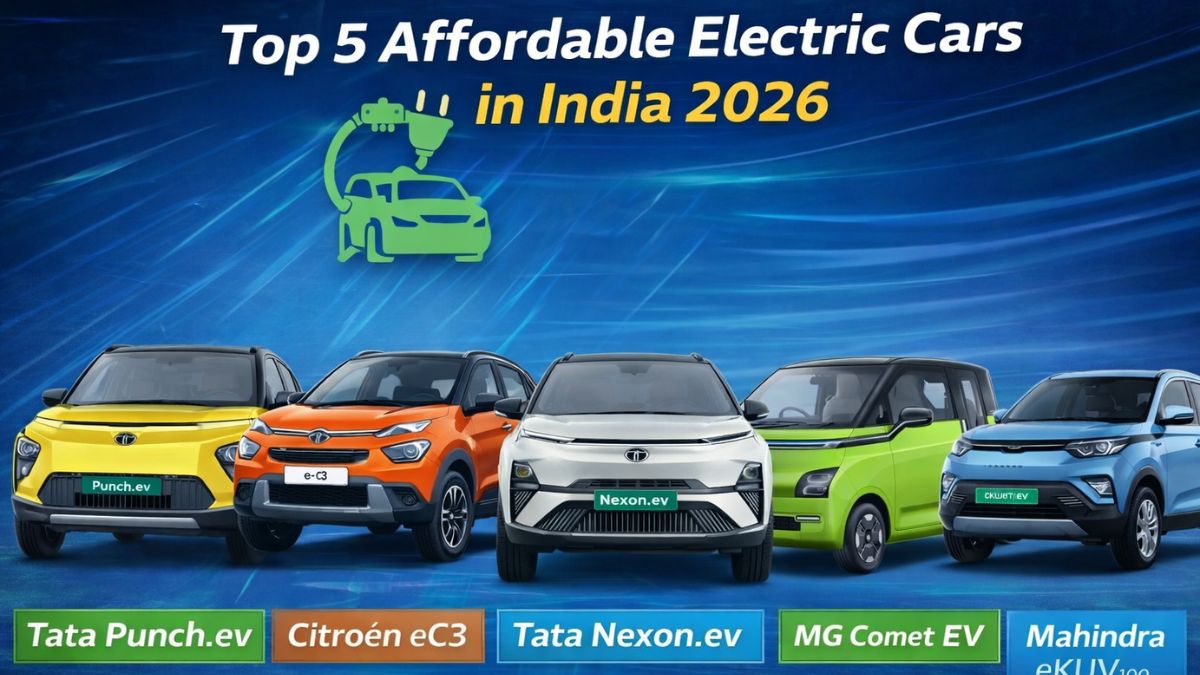
Top 5 Affordable Electric Cars in India 2026 (Best Budget EVs with Long Range)
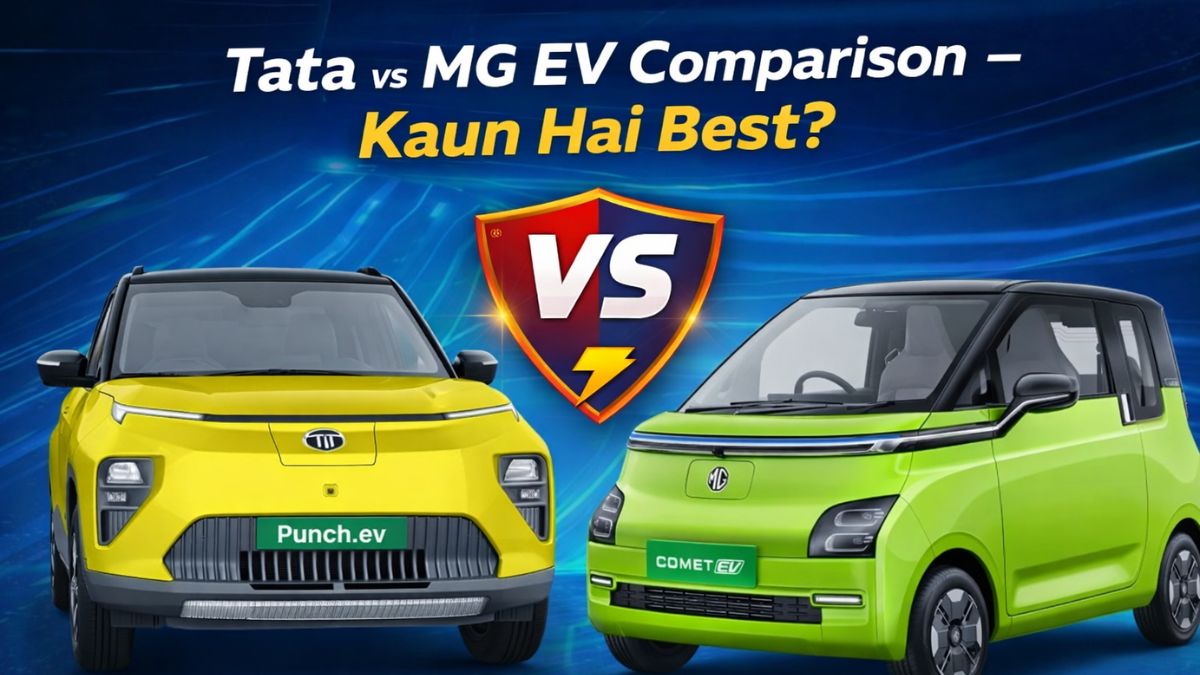
Tata vs MG EV Comparison – Which One Is Better in 2026?
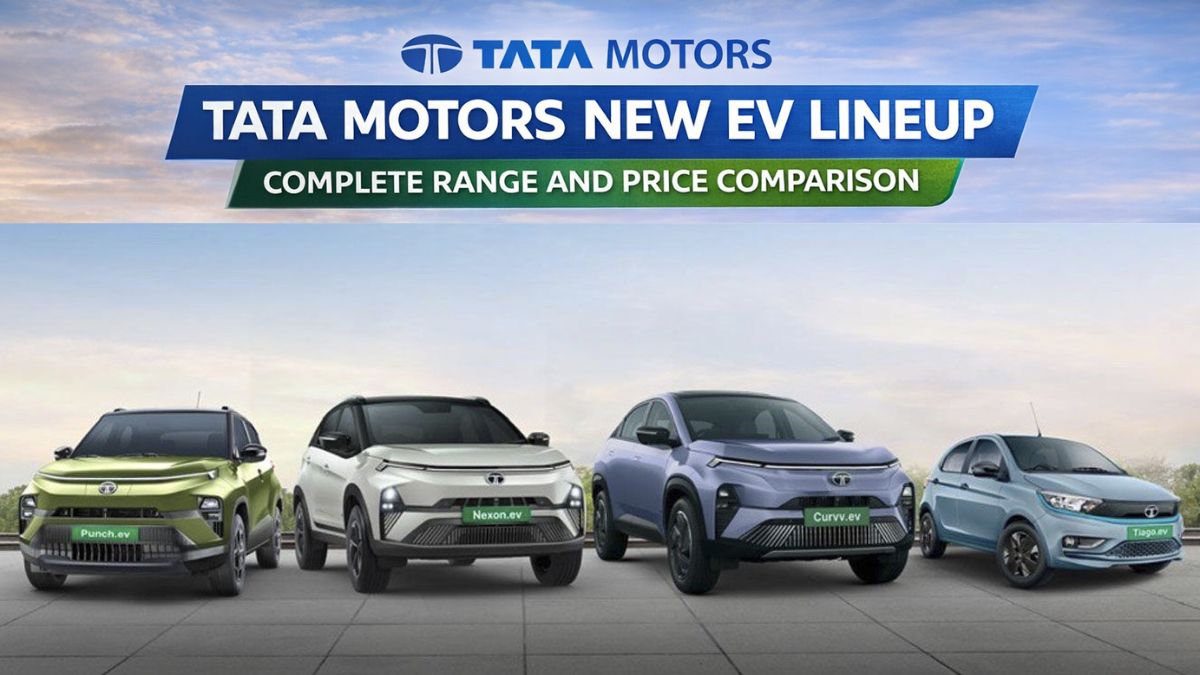
Tata EV Lineup 2026 REVEALED – Full Price Breakdown

Tesla India Booking Date LEAK – Big Update!
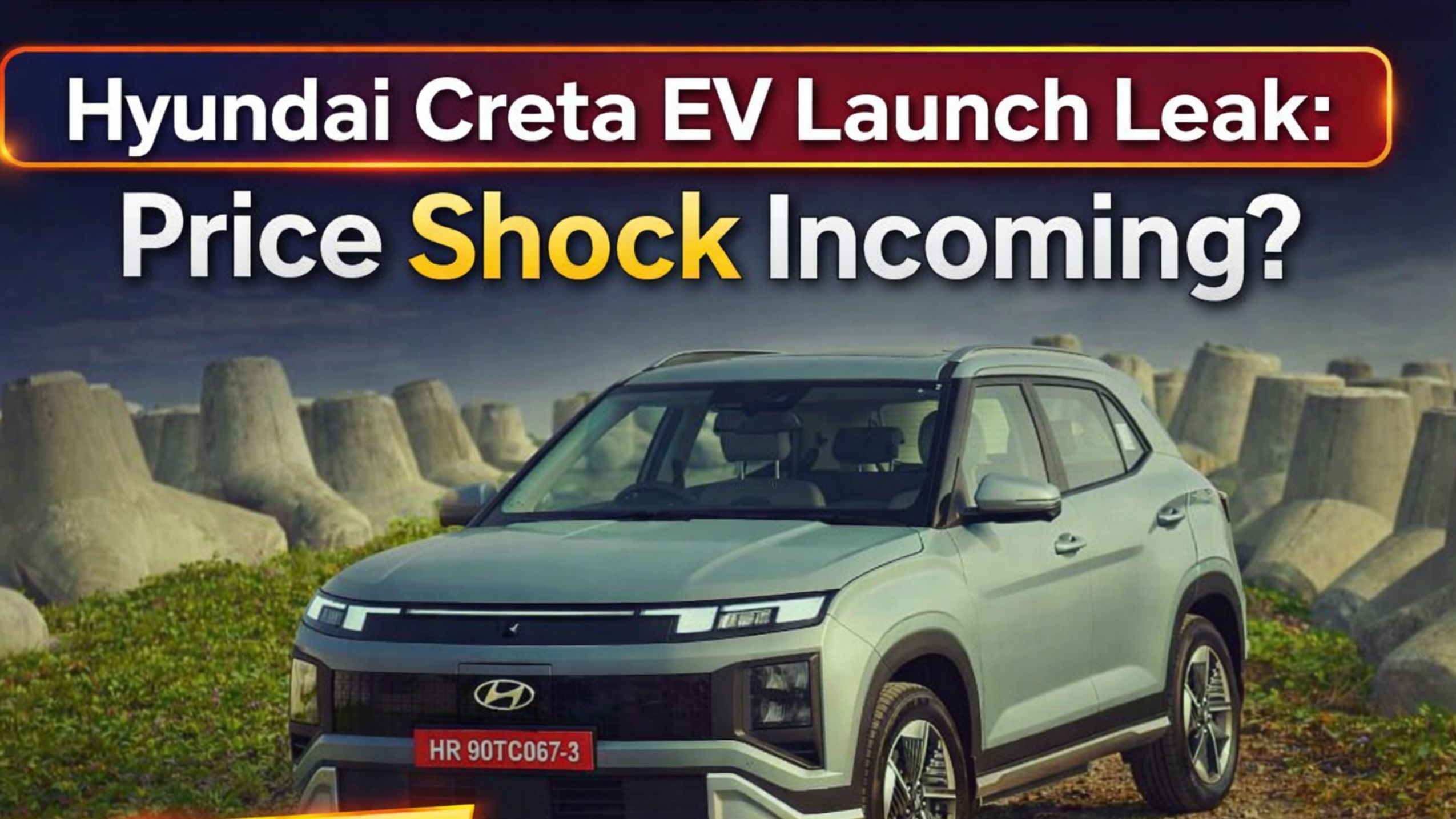
Hyundai Creta EV Launch Leak: Price Shock Incoming?
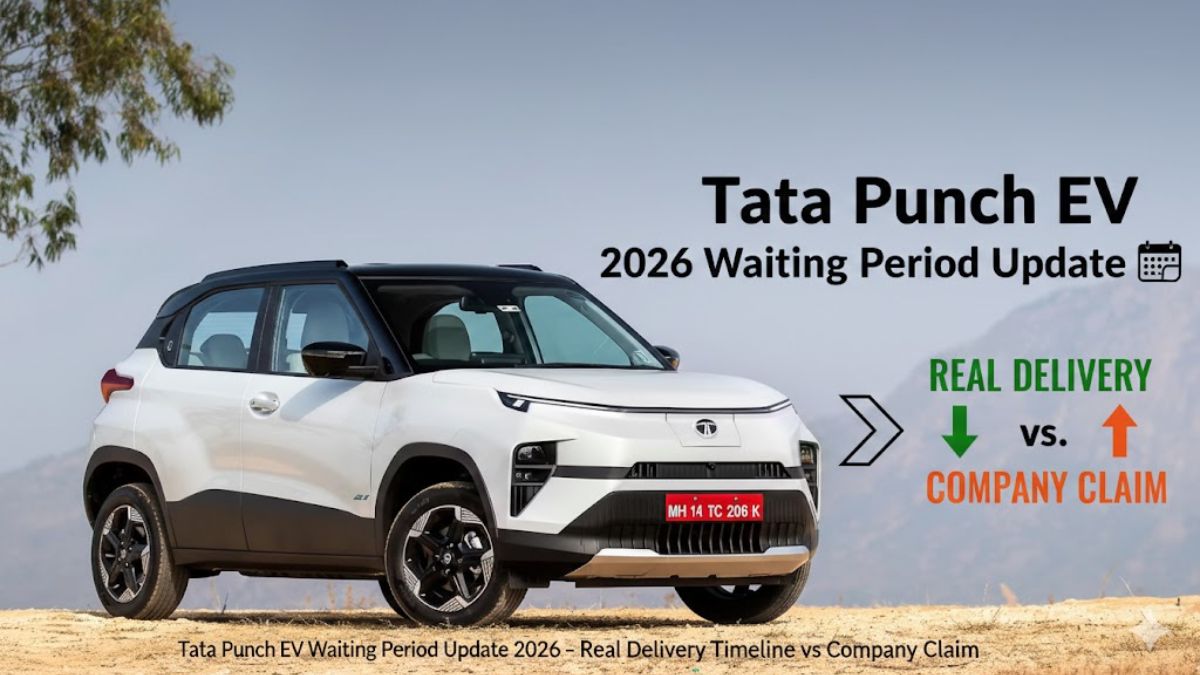
Tata Punch EV Waiting Period Update 2026: Real Delivery Timeline vs. Company Claims