Hybrids vs. EVs: Which Is Better for You?
- Electric-Cars
- Published: 17 Jul, 2026
Book a Test Drive
Free doorstep test drive at your convenience
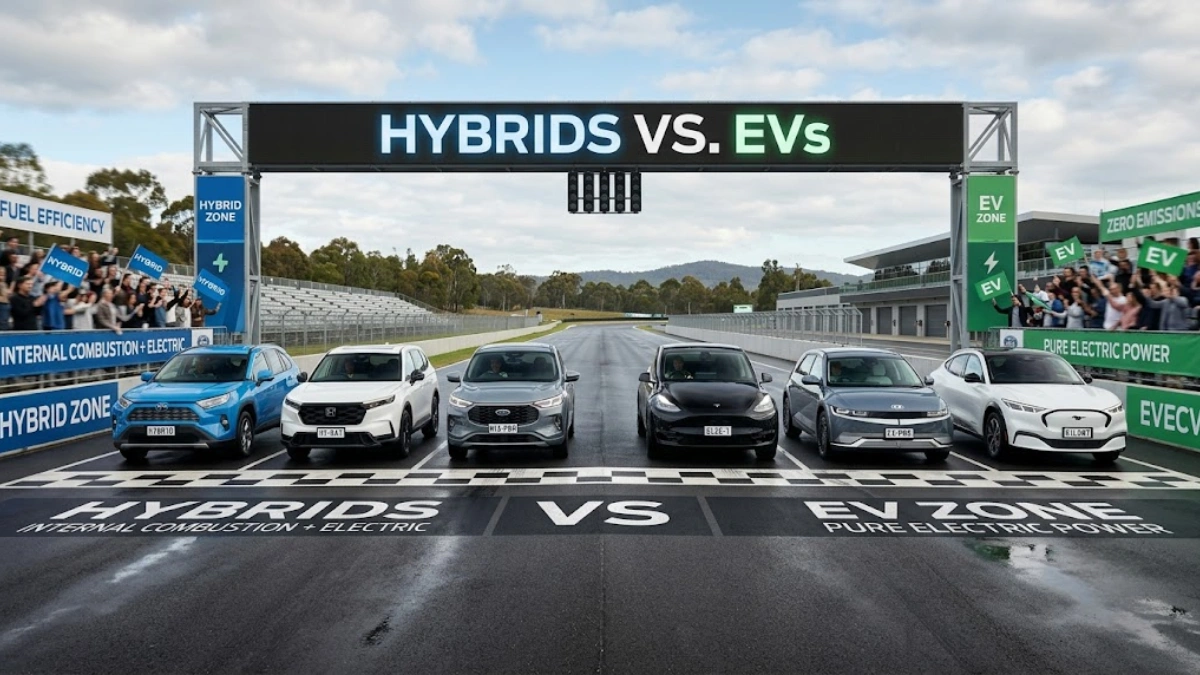
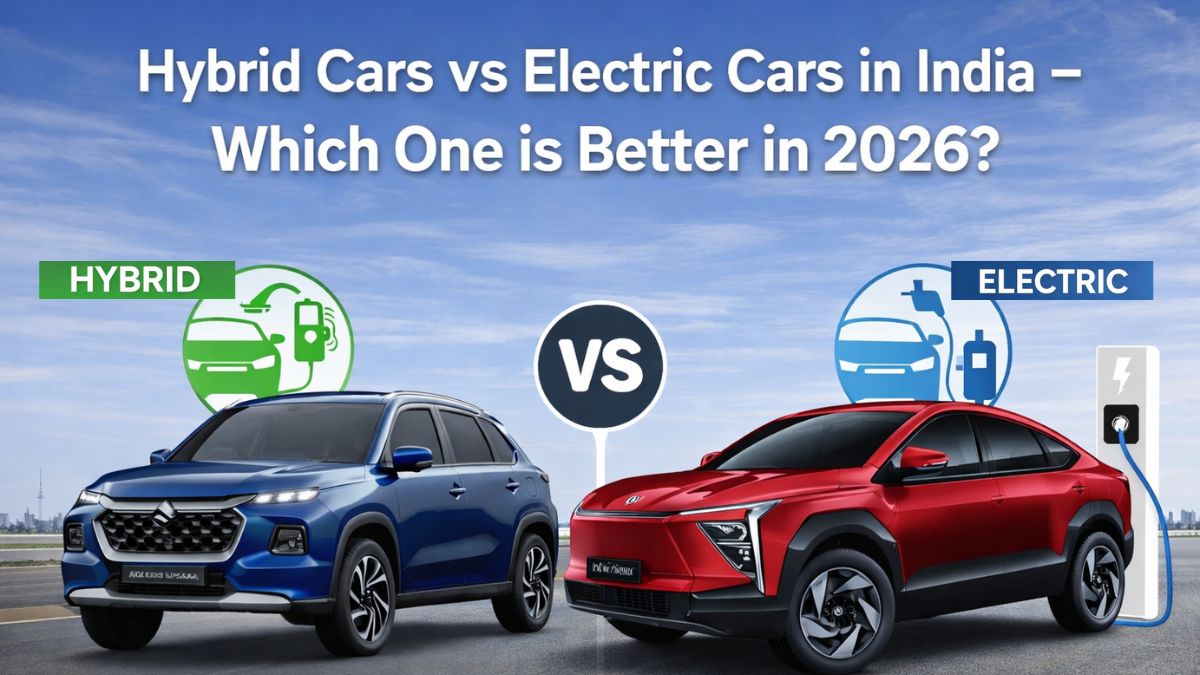
If you're cross-shopping a hybrid against an EV in India in 2026, you're not just choosing a powertrain — you're choosing a tax bracket, a warranty structure, and a daily routine that are all quite different from each other. Most comparison articles online repeat the same generic "EVs are cheaper to run, hybrids are more convenient" line without ever pointing to a number you can actually verify. This guide fixes that. Every claim below is tied to an actual policy, warranty document, or 2026 market figure.
1. The Tax Gap Is Bigger Than Most Buyers Realize
This is the single most important — and least discussed — factor in the hybrid vs. EV decision in India, and it changed significantly with GST Reform 2.0 (effective September 22, 2025).
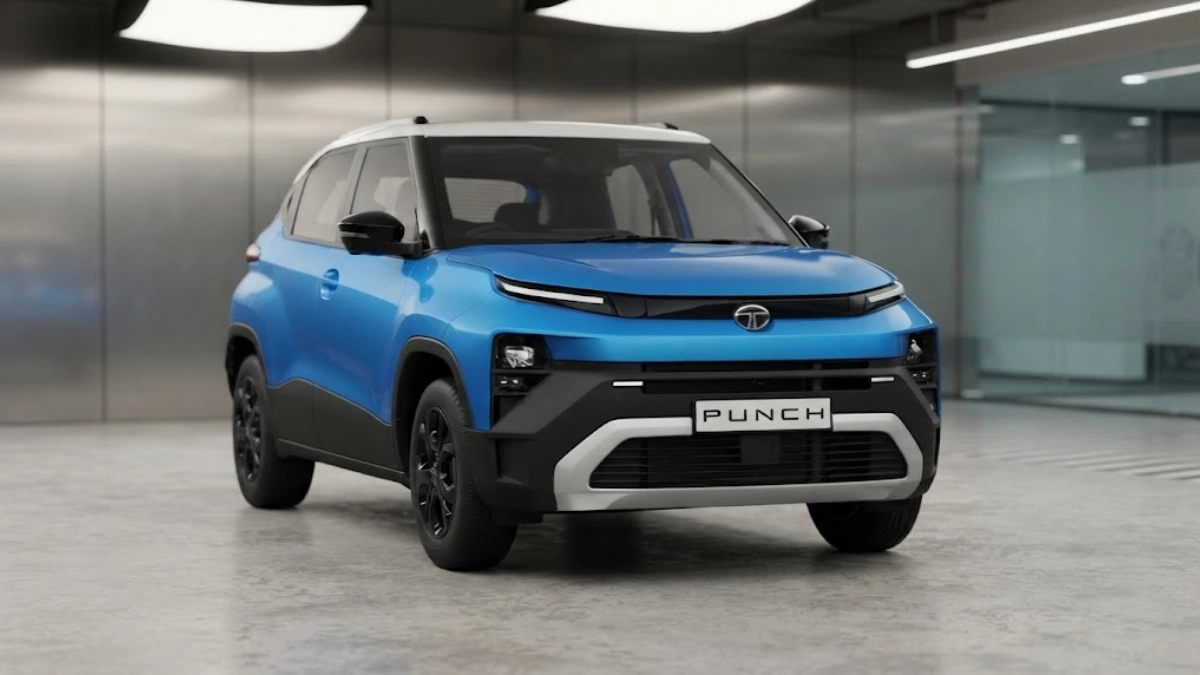
Electric Vehicles: EVs attract just 5% GST with zero compensation cess, whether they're two-wheelers, three-wheelers, or four-wheelers — a deliberate policy decision to accelerate EV adoption. This includes mainstream models like the Tata Nexon EV, Tata Punch EV, MG ZS EV, Hyundai Ioniq 5, and Mahindra BE 6.
Hybrids: Here's the part most buyers don't expect — mild and strong hybrids like the Toyota Camry Hybrid or Maruti Grand Vitara Hybrid do not qualify for the EV tax rate at all. Instead:
· Small hybrids under 4 metres with engines up to 1200cc (petrol) or 1500cc (diesel) now attract 18% GST, down from 28% earlier.
· Mid-size and large hybrids — think Toyota Innova Hycross Hybrid, Honda City Hybrid, Toyota Hyryder Hybrid, and Maruti Grand Vitara Hybrid — fall under the 40% GST slab, versus 43% (28% GST + 15% cess) before the reform.
In practical terms: a strong hybrid SUV like the Grand Vitara or Hyryder is taxed at roughly 8x the rate of an EV in the same segment. This is arguably the biggest single number in this entire comparison, and almost no generic blog mentions it.
2. Real Battery Warranties — Not Estimates
Instead of a vague "batteries last 8-10 years" claim, here's what manufacturers are actually promising in writing right now:
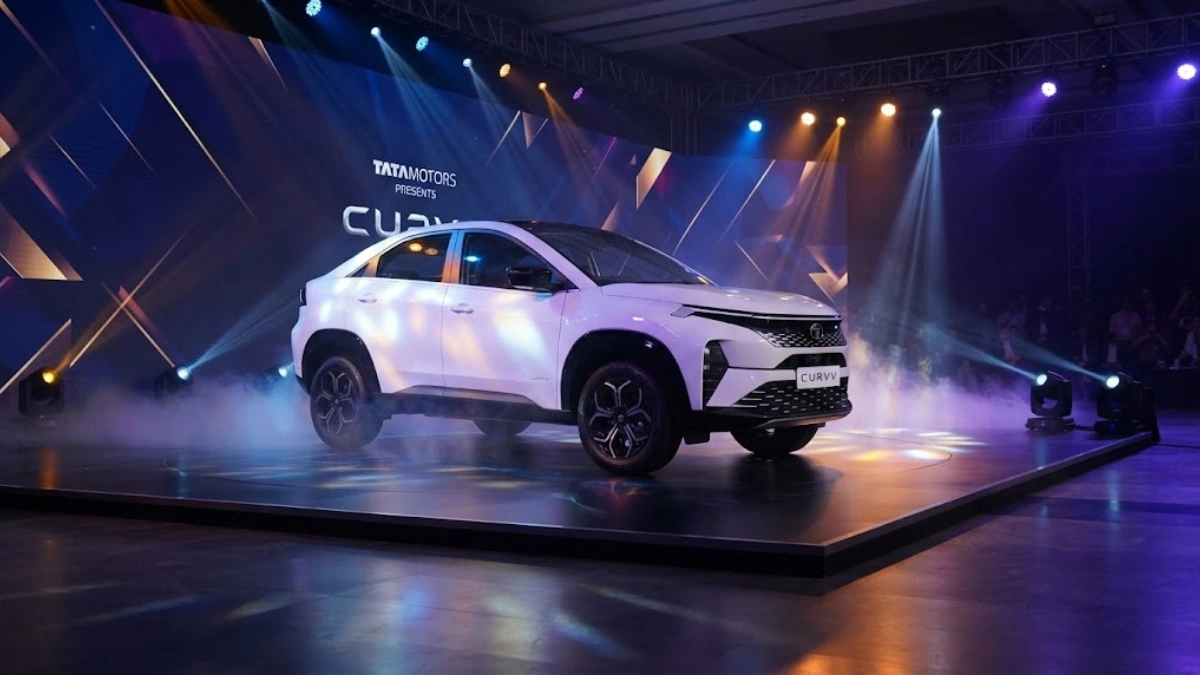
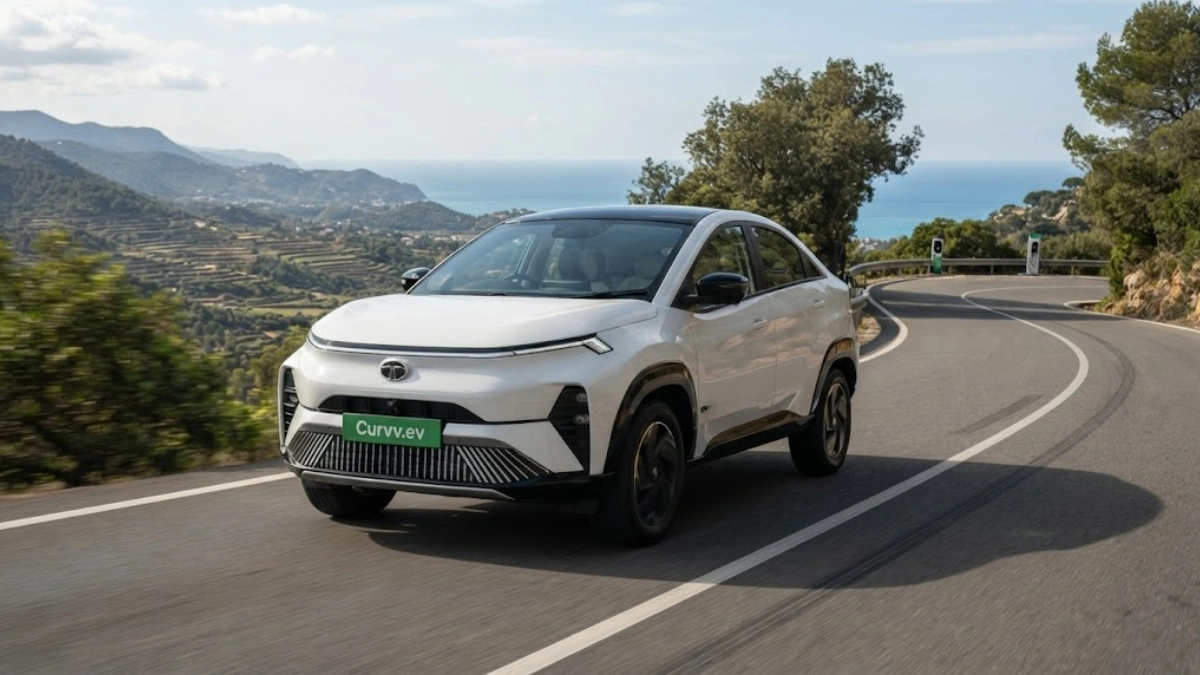
Tata Nexon EV / Curvv EV (45kWh, LFP chemistry): These now come with a 15-year/unlimited kilometre "lifetime" warranty as standard for the first owner — double the previously offered 8-year/1,60,000km warranty. However, there's a catch most buyers miss: this lifetime coverage requires the vehicle to remain connected to Tata's telematics system and be serviced only at authorized Tata EV centers, and it reverts to the standard 8-year/160,000km warranty if the car is resold. Second owners get 8 years or 1.6 lakh km from the date of first registration.
Older Tata EVs / most other EVs in India: Most electric vehicles in India still offer battery warranties ranging between 6 and 8 years or 120,000 to 160,000 km, making Tata's lifetime offer an outlier rather than the norm.
Maruti Grand Vitara Strong Hybrid / Toyota Hyryder Strong Hybrid: Both come with an 8-year or 1,60,000km warranty on the lithium-ion hybrid battery pack — now fairly standard for Toyota's self-charging hybrid tech. Worth noting: one long-term owner on the Team-BHP forum reported that this warranty wasn't clearly advertised on Maruti's website or brochure and had to be confirmed through an old internal communication — so always get it in writing at the dealership.
A cautionary data point on hybrid batteries: Not every hybrid battery story is a good one. Owners of Maruti's older Smart Hybrid (SHVS) mild-hybrid system have reported the lithium-ion battery failing without warning anywhere between 2-7 years, with a replacement cost around ₹65,000 and no manufacturer compensation. This is a mild-hybrid system, distinct from the strong-hybrid Grand Vitara, but it's a useful reminder that "hybrid" isn't one single technology with one single reliability record.
3. India's Charging Infrastructure: The Honest Numbers
This is where most EV buyers get surprised after purchase, so here are the actual 2026 figures instead of a "charging is improving" hand-wave.
· India had 27,737 public EV charging stations installed and 22,753 operational as of March 2026, per Ministry data tabled in Parliament — up from about 5,000 in 2022, a nearly six-fold expansion in three years.
· With 2.3 million EVs registered in 2025, that works out to roughly one charger per 235 EVs — far short of the global benchmark of one charger per 6 to 20 EVs recommended by the IEA.
· Of the installed stations, only about 22,753 are actually operational at any given time — an 18% non-functional rate that is the single biggest pain point for Indian EV owners today.
· Reliability also varies sharply by operator: Tata Power EZ Charge had the highest uptime at around 92% in testing, while smaller regional networks were closer to 70%.
· Geographically, it's uneven: Karnataka leads on density, with Bengaluru alone hosting over 4,200 stations, making it India's EV-charging capital.
· The government knows the gap is large: to hit a 30% EV penetration target by 2030, India will need an estimated 1.32 million public charging stations — more than 40 times the current installed base, per ORF projections.
What this means practically: if you live in Bengaluru, Delhi, Mumbai, or Pune, charging infrastructure is genuinely usable today. If you're in a Tier-2/3 city or plan long intercity drives outside the southern/western corridors, hybrid or PHEV flexibility still has a real, measurable advantage — this isn't fear-mongering, it's what the Parliament data shows.
4. Total Cost Snapshot — With Actual Numbers, Not Guesses
| Factor | Hybrid (e.g., Grand Vitara/Hyryder Strong Hybrid) | EV (e.g., Tata Nexon EV 45) |
| GST Rate | 40% (mid-size) or 18% (small hybrid) | 5% flat |
| Battery Warranty | 8 years / 1,60,000 km | Up to 15 years / unlimited km (T&Cs apply) |
| Public Refuel/Charge Points | Fuel stations: ubiquitous | ~22,753 operational chargers nationwide |
| Charging/Fuel Reliability | Near-100% (fuel network is mature) | ~82% operational rate; varies by operator |
| Ideal Use Case | Highway-heavy, multi-city driving | Urban commute with home/office charging |
5. So, Which One Should You Actually Buy?
Choose an EV if:
· You live in a metro with strong charging density (Bengaluru, Delhi-NCR, Mumbai, Pune) where operator uptime is high
· You have home or workplace charging access
· The 5% GST rate matters to your budget — it's a genuinely massive saving over a 40% hybrid tax slab
· You're comfortable with Tata's telematics/authorized-service conditions if chasing the 15-year warranty
Choose a Hybrid if:
· You regularly drive highways or intercity routes where the charging network is still thin outside major corridors
· You want a mature, well-documented 8-year battery warranty backed by two decades of hybrid reliability data (Toyota/Maruti)
· You're prepared to absorb the higher 18-40% GST slab in exchange for zero range anxiety
· You want a wide, non-specialized service network — any competent mechanic can handle the combustion side
Conclusion
The most important thing this data shows is that the hybrid vs. EV decision in India isn't primarily an engineering question anymore — it's a tax and infrastructure question. A 5% GST rate versus a 40% one is a bigger cost lever than any fuel-efficiency number. Similarly, Tata's 15-year lifetime warranty is a genuine differentiator, but read the fine print on telematics and resale before assuming every EV in the market offers it. And if you're outside India's charging-dense corridors, the 82% national charger uptime figure is worth sitting with before you commit. Verify GST slabs, warranty terms, and local charger density for your specific city before signing — these are the three numbers that will actually determine your ownership experience, not the marketing copy.
Frequently Asked Questions
Q: Do hybrids get any GST benefit in India?
Only small hybrids under 4 metres with sub-1200cc/1500cc engines benefit from the reduced 18% slab; mid-size and large hybrids like the Grand Vitara or Hyryder still fall under the 40% GST bracket, with no EV-style exemption.
Q: Which EVs currently get a lifetime battery warranty in India?
As of 2026, this is specific to Tata's Curvv EV and Nexon EV 45kWh (LFP battery) models, and it's conditional on staying on Tata's telematics network and servicing only at authorized centers.
Q: Is India's EV charging network reliable enough for daily use?
In major metros like Bengaluru, Delhi, and Mumbai, yes — uptime from top operators like Tata Power runs close to 92%. Nationally, only about 82% of installed public chargers are operational at any given time, so route planning still matters outside these cities.
Q: Do all hybrid batteries have long-term reliability records?
Not uniformly. Toyota-sourced strong-hybrid systems (Grand Vitara/Hyryder) carry a solid 8-year warranty and strong reputation, but Maruti's older mild-hybrid (SHVS) system has documented owner reports of battery failures within 2-7 years.
Book a Test Drive
Free doorstep test drive at your convenience
Popular Brands


Latest Electric Car News
Hyundai EV Compact SUV India Launch: Expected Price, Range & Key Details
Hybrids vs. EVs: Which Is Better for You?
Delhi EV Policy 2026 in Effect from July 1
Upcoming Electric Cars in August 2026 in India
What to Do If Your Car Battery Is Dead
Mercedes-Benz VLE Unveiled: 8-Seater EV with 700+ KM Range
Tata Sierra EV First Look: 600+ KM Range, Triple Screens & More
Top Accessories You Should Buy for Your Tata Harrier EV
Is an EV Car Coming for ₹5 Lakh? A Major Shift in the Indian Auto Market
Top Upcoming SUVs and Electric Cars in April 2026 That Could Change the Market
Bookings Open for the Mercedes-Benz CLA Electric – A New Competitor Enters India’s EV Market
Tata’s New Budget Electric Car Coming in 2026 – Is the Nano EV Making a Comeback?
Hybrid Cars vs Electric Cars in India 2026: Which Is Better?
BYD India New Electric Sedan Launched – Price & Range Revealed
Top 5 Affordable Electric Cars in India 2026 (Best Budget EVs with Long Range)
Tata vs MG EV Comparison – Which One Is Better in 2026?
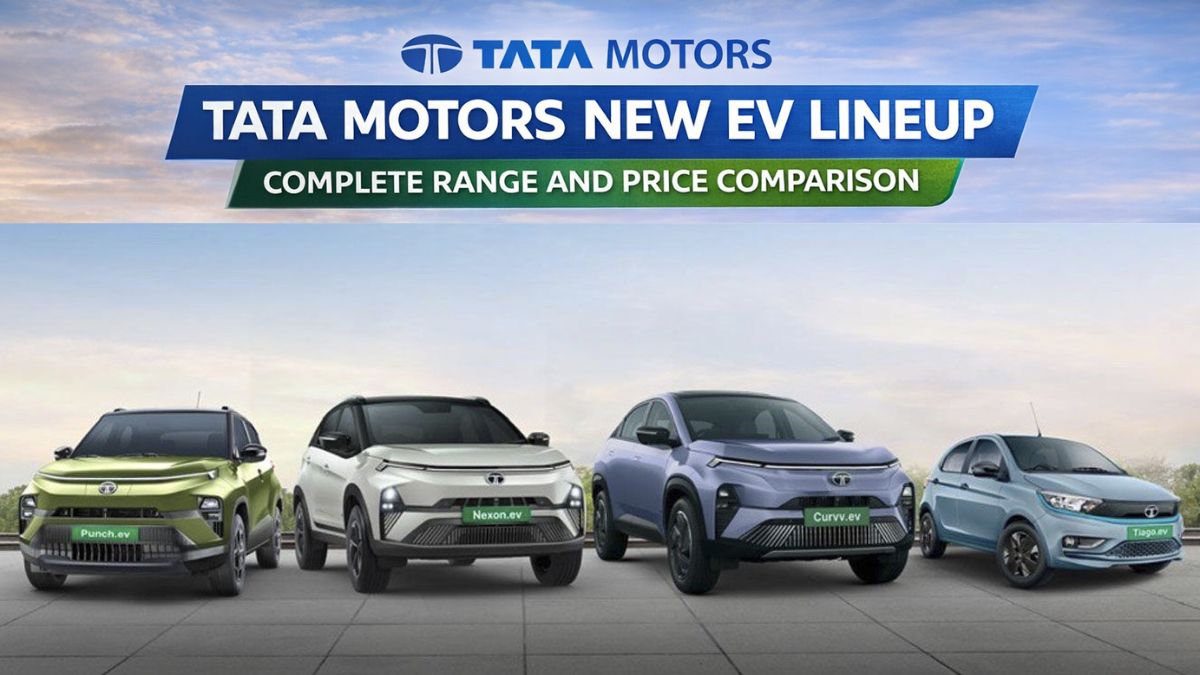
Tata EV Lineup 2026 REVEALED – Full Price Breakdown
Tesla India Booking Date LEAK – Big Update!
Hyundai Creta EV Launch Leak: Price Shock Incoming?
Tata Punch EV Waiting Period Update 2026: Real Delivery Timeline vs. Company Claims