
Cheapest Hybrid Cars in India: You Must Know
- Cars
- Published: 30 Jun, 2026
Book a Test Drive
Free doorstep test drive at your convenience
Hybrid technology has quietly become one of the most practical choices for Indian car buyers who want better fuel efficiency without committing to the charging infrastructure concerns that come with a fully electric vehicle. As fuel prices stay stubbornly high and city traffic continues to eat into mileage, more buyers are actively asking the same question: what's the cheapest hybrid car I can buy in India right now, and is it actually worth the premium over a regular petrol car? This guide breaks down the most affordable hybrid options currently on sale, how they compare, and what you should know before choosing one.
Understanding What "Hybrid" Actually Means in India
Before jumping into prices, it's worth clearing up some confusion, because the term "hybrid" gets used loosely in Indian car marketing and not every car badged as a hybrid works the same way.
A hybrid car sits as a middle ground between cars powered by internal combustion engines and pure electric vehicles, housing a regular engine alongside a small battery pack and an electric motor that kicks in during low speeds or low-stress driving conditions. Within this, there are distinct categories. A mild hybrid can provide a small torque boost during acceleration at low engine speeds but cannot operate the vehicle in a pure battery-only, zero-emissions mode, while a strong hybrid powers the car using the electric motor for short distances and recharges its battery using the engine or regenerative braking. Plug-in hybrids, as the name suggests, can be recharged by plugging into a home or public charger, sitting between strong hybrids and fully electric vehicles.
This distinction matters because the cars discussed in this guide are predominantly strong, self-charging hybrids. Most hybrids sold in India use self-charging technology and don't require plugging in, unlike electric cars and plug-in hybrids, with the Honda City e:HEV and Maruti Grand Vitara serving as good examples — and as of now, there isn't a single plug-in hybrid electric vehicle on sale in India.
The Cheapest Hybrid Cars in India Right Now
Based on current ex-showroom pricing, here is how the most affordable hybrid options stack up against each other.
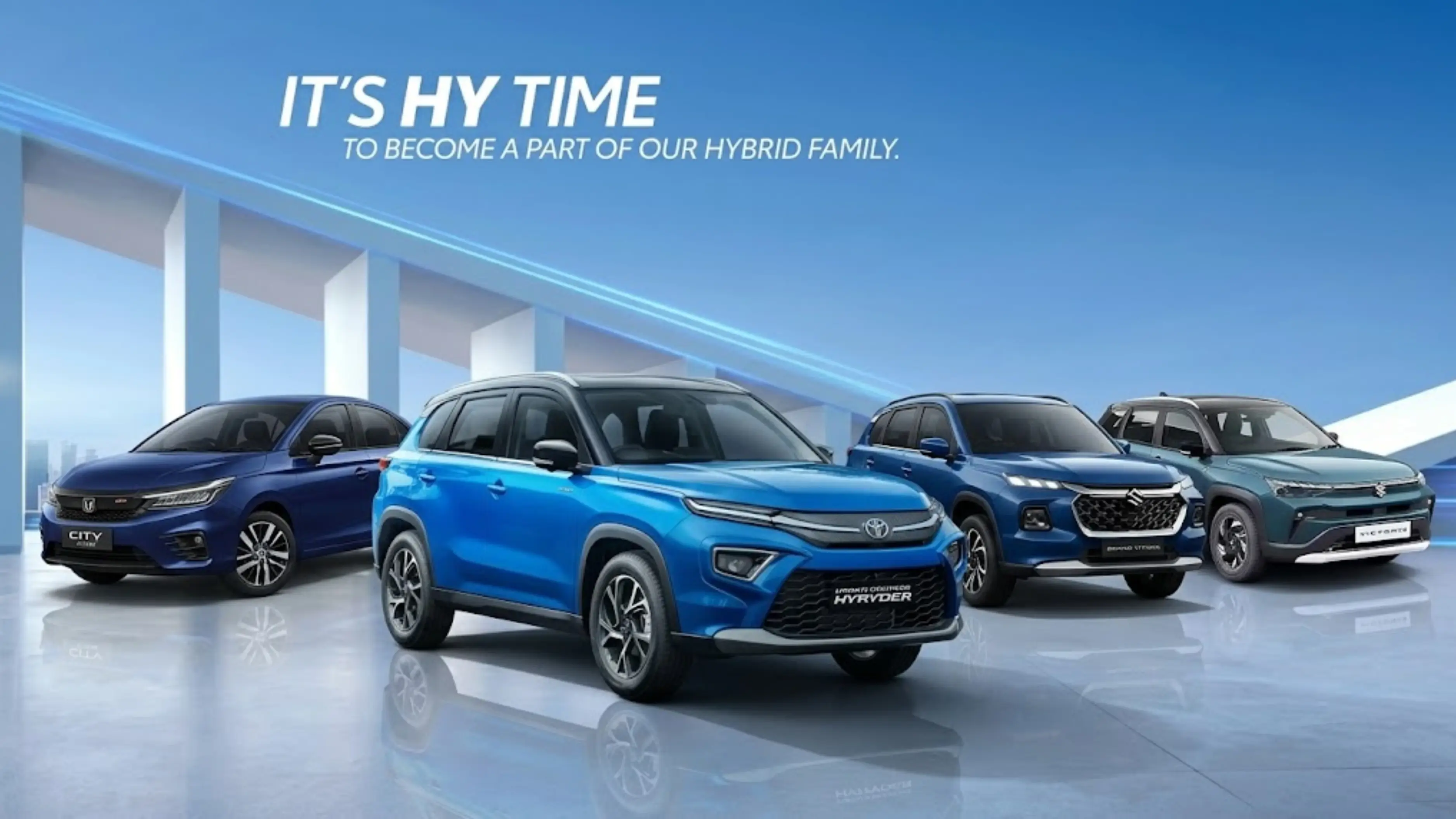
Maruti Suzuki Victoris — starting around ₹10.50 lakh The Victoris currently holds the title of the most budget-friendly hybrid car in the country. It starts at ₹10.5 lakh and is among the top 3 cheapest hybrid cars in India alongside the Hyryder and City. On the efficiency front, it delivers 28.65 kmpl, making it one of the most fuel-efficient hybrid options at up to 28 kmpl mileage in its segment. This positions the Victoris as a genuinely compelling entry point for buyers who specifically want strong-hybrid efficiency without paying a significant premium.
Toyota Urban Cruiser Hyryder — starting around ₹10.99 lakh Toyota's mid-size SUV remains one of the most recognized and trusted hybrid nameplates in India. The Hyryder starts at ₹10.99 lakh and delivers 27.97 kmpl of real-world efficiency, making it a near-equal competitor to the Victoris on both price and running costs. CarWale recommends the Hyryder as the top overall choice in the hybrid car category, largely because of Toyota's long-standing reliability reputation and dealer network, which matters for hybrid-specific servicing.
Maruti Suzuki Grand Vitara — starting around ₹10.77 lakh The Grand Vitara is essentially mechanically related to the Hyryder, born out of Maruti's collaboration with Toyota, but with its own styling and trim differentiation. It starts at ₹10.77 lakh and offers 27.97 kmpl, putting it almost on par with its Toyota sibling in terms of running costs. Multiple sources point to the Grand Vitara Hybrid offering the best overall balance of price, mileage, and features, making it one of the top choices for most buyers in this segment.
Honda City e:HEV — starting around ₹12 lakh Honda's strong hybrid sedan sits slightly above the SUV trio on price but offers a different body style for buyers who prefer a sedan over an SUV. The City starts at ₹12 lakh and remains one of the more refined hybrid powertrains available in this price bracket, known for its smooth, near-silent low-speed EV-only driving in city traffic.
Quick Price Comparison Table (At a Glance)
To summarize the entry-level pricing across these models:
- Maruti Suzuki Victoris: ₹10.50 lakh onwards
- Toyota Urban Cruiser Hyryder: ₹10.99 lakh onwards
- Maruti Suzuki Grand Vitara: ₹10.77 lakh onwards
- Honda City e:HEV: ₹12.00 lakh onwards
It's worth noting that prices of hybrid cars in India range broadly, from roughly ₹10.50–19.99 lakh at the affordable end all the way up to crores for luxury hybrid performance cars, so the models above represent the true entry point into hybrid ownership rather than the segment's full breadth.
Why These Hybrids Are Worth Considering
The appeal of these specific models goes beyond just the sticker price. Hybrid vehicles combine a petrol engine with an electric motor, delivering improved fuel economy especially in stop-and-go city traffic where the electric motor does most of the work, alongside reduced emissions, no range anxiety unlike fully electric vehicles, lower long-term maintenance costs thanks to regenerative braking and engine load sharing, and typically higher resale value due to growing buyer interest in the technology.
This last point is particularly relevant in the Indian context, where buyers are historically cautious about unproven technology. Routine maintenance for these hybrids is similar to regular petrol cars, and hybrid components like the battery pack typically come with warranties extending up to 8 years, which significantly reduces the long-term ownership anxiety that put off early adopters.
Things to Watch Out For Before Buying
Hybrid ownership in India isn't entirely without trade-offs, and it's worth going in with realistic expectations.
Higher upfront cost compared to petrol equivalents. Hybrid cars are more expensive to own due to the maintenance cost of the battery pack and powertrain compared to similarly priced petrol cars, and the purchase price itself typically carries a premium of ₹1.5–3 lakh over a comparable non-hybrid trim of the same model.
No government incentives yet. Unlike electric vehicles, which enjoy registration and tax benefits in several states, there are no incentives or subsidies available on hybrid cars in India as of now, which somewhat blunts the cost-of-ownership advantage on paper, even though running costs remain lower over time due to fuel savings.
Limited specialized service network. A genuine disadvantage of hybrid cars in India is the relatively limited service network for hybrid-specific components, although this is improving steadily as Toyota, Maruti, and Honda expand hybrid-trained technician coverage across more cities.
Slightly reduced boot space. Boot space tends to be marginally smaller due to battery placement, which is a minor but real consideration for buyers who prioritize cargo capacity for family trips or frequent long-distance travel.
Not fully "zero emission." Hybrids aren't as environmentally friendly as fully electric cars since they still consist of a combustion engine, which adds to overall pollution, even though they perform considerably better than pure ICE vehicles on this front.
Should You Buy a Hybrid Right Now?
For most Indian buyers, the answer leans toward yes, particularly if your daily driving is dominated by city traffic. Hybrids are especially worth it if you drive frequently in cities or want long-term fuel savings, since they save fuel, reduce running costs, and don't rely on charging infrastructure the way EVs do.
If your priority is the absolute lowest entry price into hybrid technology, the Maruti Suzuki Victoris currently leads the pack. If you'd rather lean on Toyota's longer hybrid track record and wider service network, the Urban Cruiser Hyryder is the safer long-term bet, with the Grand Vitara offering nearly identical value under the Maruti badge. And if you're set on a sedan rather than an SUV, the Honda City e:HEV remains the most credible hybrid option in that body style, even at a slightly higher starting price.
Final Thoughts
The cheapest hybrid cars in India today cluster tightly in the ₹10.5–12 lakh bracket, led by the Maruti Suzuki Victoris, Toyota Urban Cruiser Hyryder, Maruti Suzuki Grand Vitara, and Honda City e:HEV. All four deliver genuinely strong real-world mileage in the 27–29 kmpl range, putting them well ahead of comparable petrol-only cars on running costs, even after accounting for the slightly higher upfront price. As hybrid adoption grows and service networks mature further across Indian cities, this segment is likely to keep expanding, but for buyers looking to make the switch today, these four models represent the most sensible, budget-conscious entry points into hybrid ownership.
Book a Test Drive
Free doorstep test drive at your convenience
Popular Brands





Latest Car News
MG Hector Hawk SUV vs Tata Harrier: Expected Price, Features & Key Differences
Skoda Superb Diesel in India: Will the Diesel Engine Make a Comeback?
Tata Punch Becomes India's Best-Selling SUV in July 2026 with 21,313 Units Sold
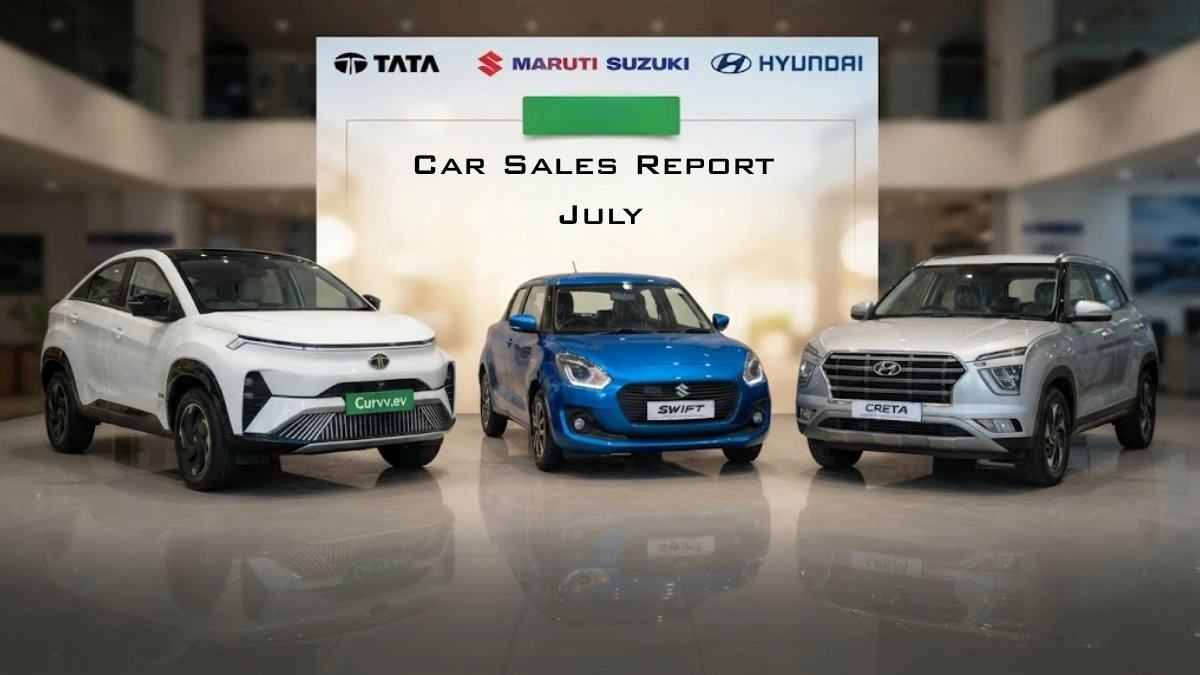
Car Sales Report July 2026: Maruti Remains No.1, Tata, Mahindra & Hyundai Record Strong Growth
Tata Curvv EV Discount August 2026: Save Big with Limited-Time Offers
Kia Sorento Booking in India: Launch Date, Price & Booking Process
Skoda Slavia Facelift Launch Date in India
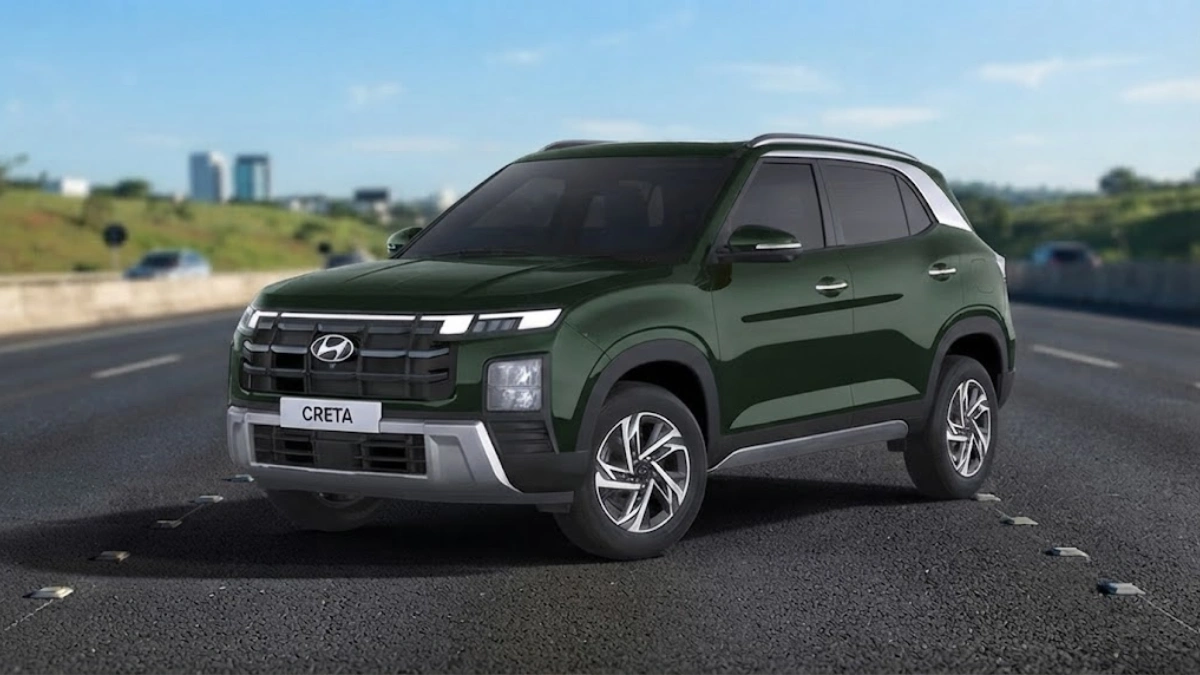
Hyundai Creta Next Gen Upgrades: Biggest Changes Expected
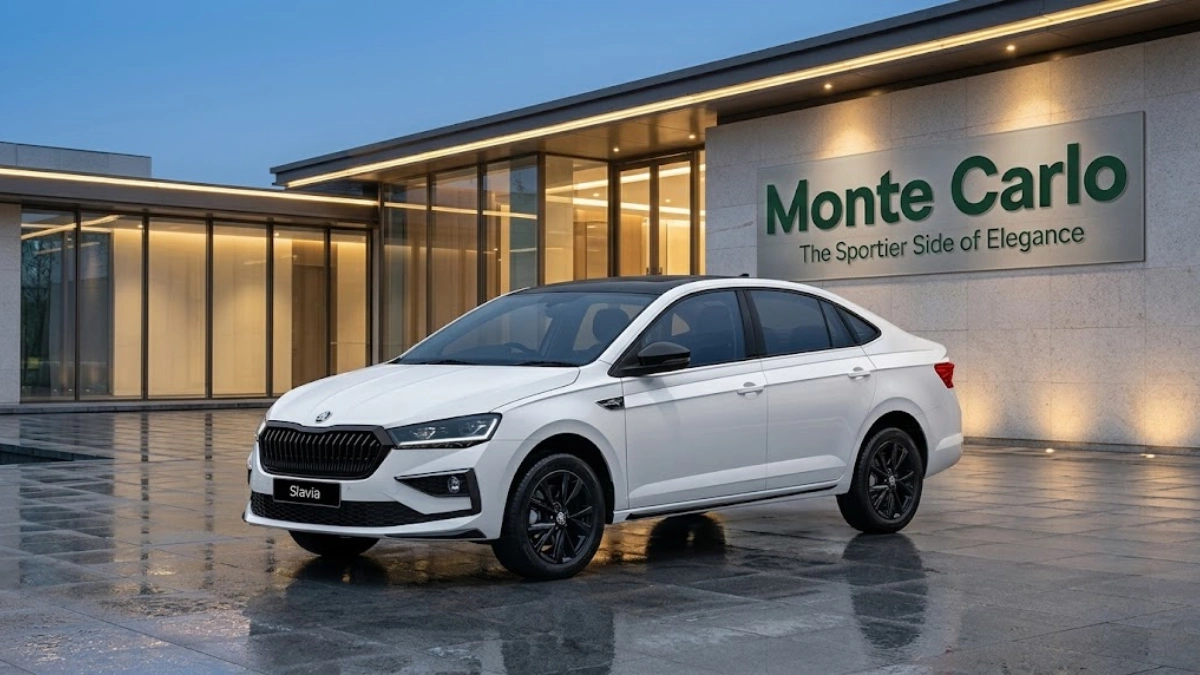
Limited Edition Skoda Slavia Monte Carlo Adds New Colours for 200 Buyers Only
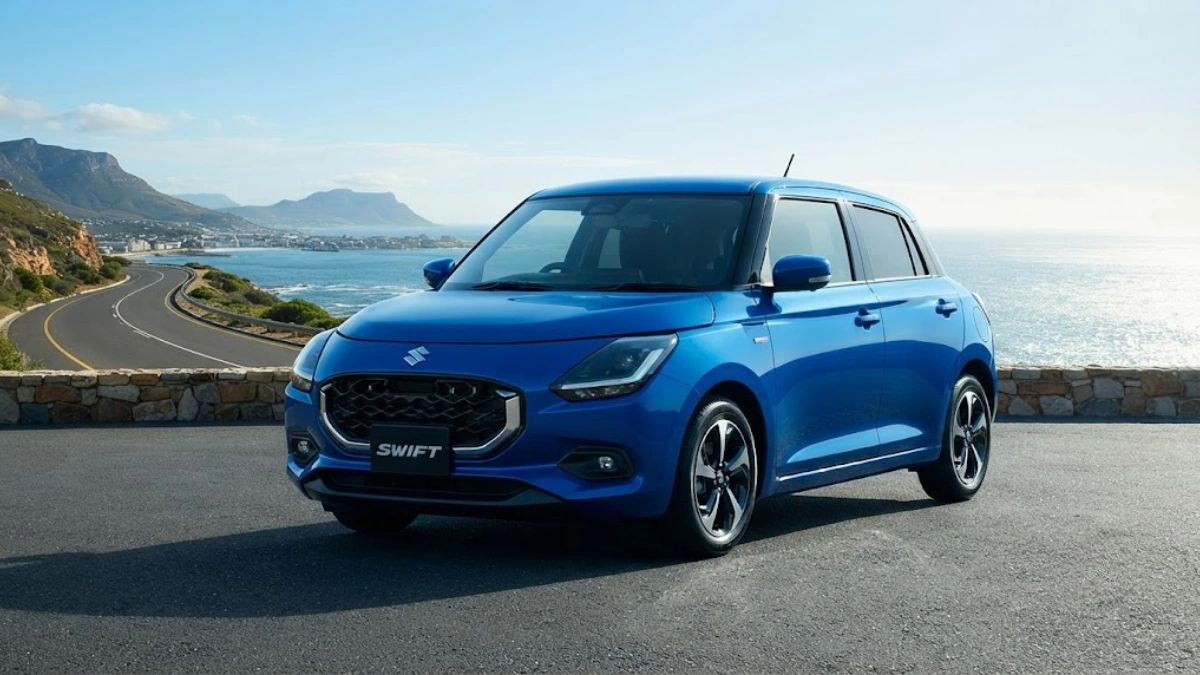
Suzuki Loses India Market Share as Buyers Demand More Features
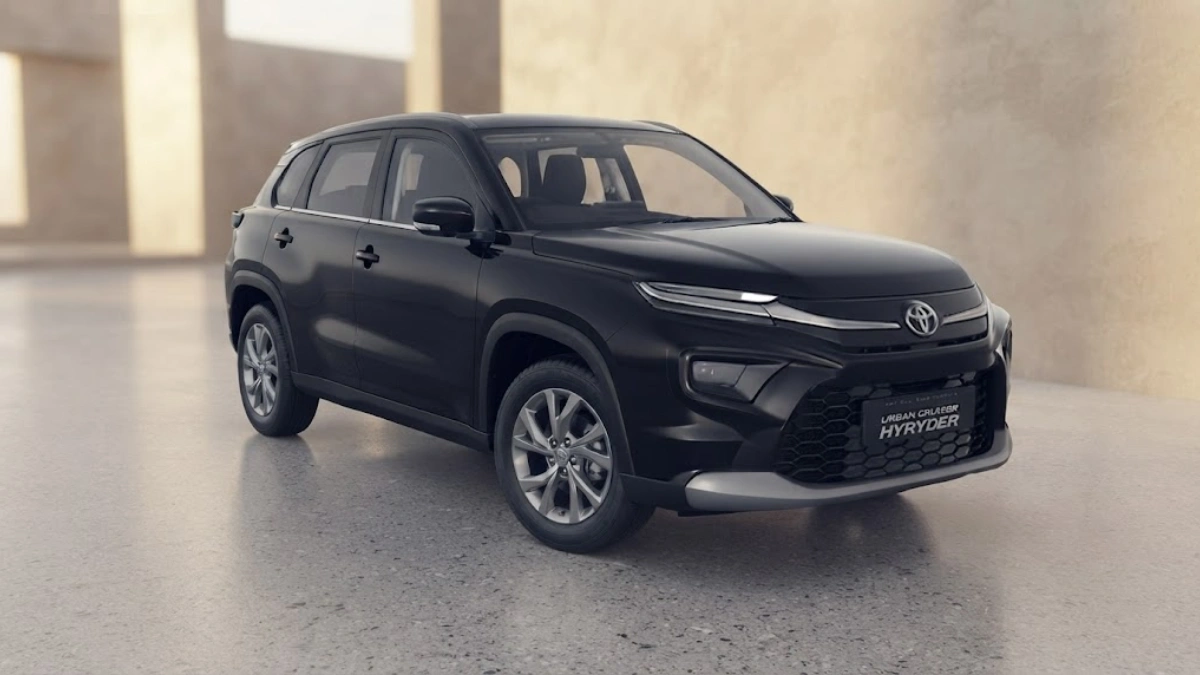
Hybrid Car Sales Decline 8% in June 2026: Complete Analysis
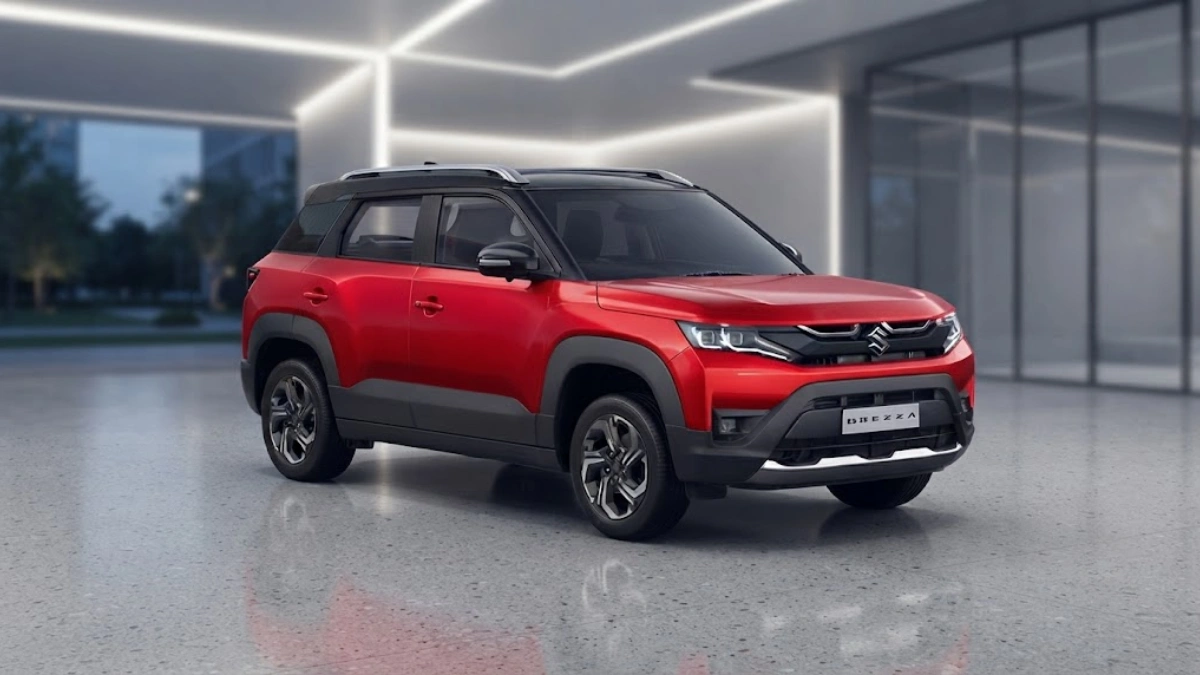
How to Book Maruti Brezza Facelift: Complete Booking Guide
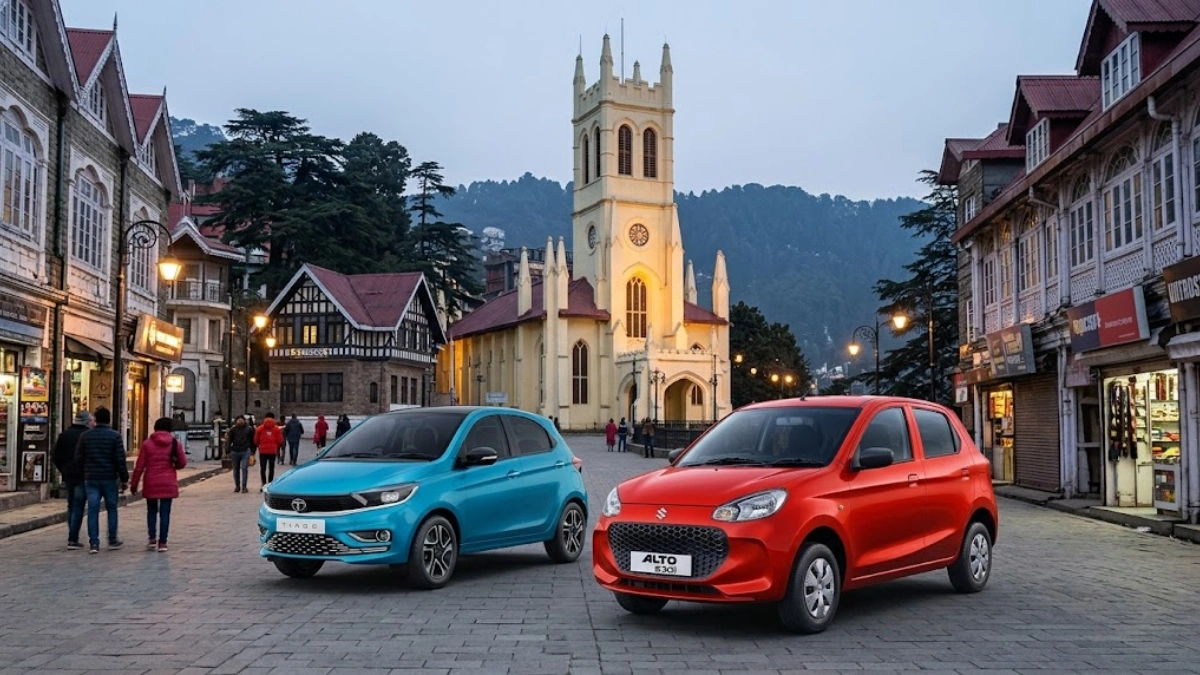
Alto K10 vs Tiago: Which Is Better?
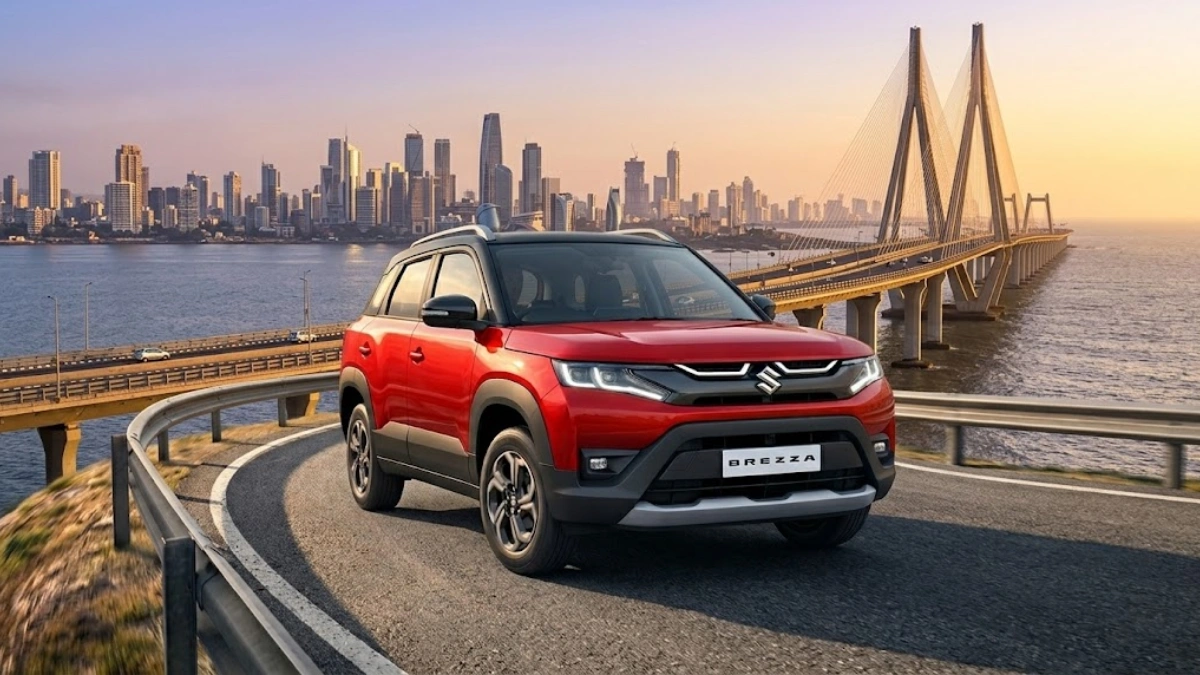
Maruti Brezza Facelift 2026: What's New Compared to the Current Model?
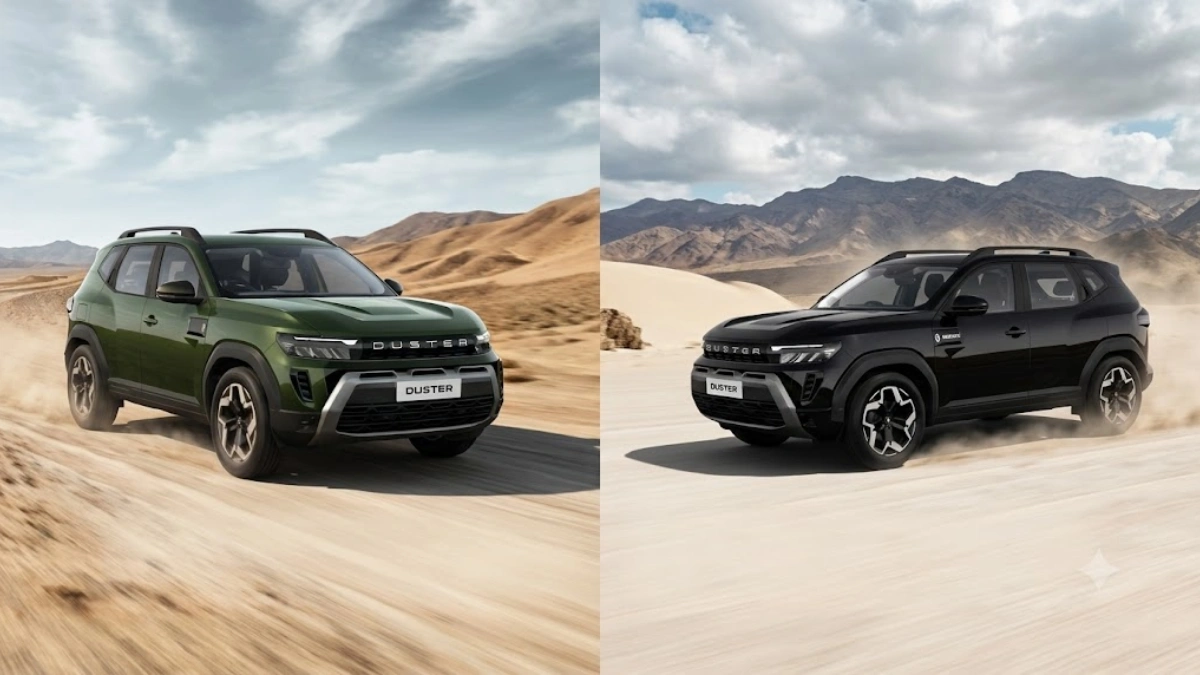
Renault Duster Adventure Edition vs Standard Duster: What's Different?
Skoda Slavia Facelift 2026 vs Volkswagen Virtus: Which Sedan Should You Wait For?
Volkswagen Tayron Life Launched in India at ₹41.99 Lakh
Volkswagen Announces 50% Reduction In Global Car Line-up
Tata Nexon Pure Plus : Know Everything Before Buying in July
Best Selling Cars of June 2026 in India