
Upcoming Cars in September 2026 in India: New Cars, Launch Dates & Expected Prices
- Cars
- Published: 19 Aug, 2026
- Updated: 19 Aug, 2026
Book a Test Drive
Free doorstep test drive at your convenience
September 2026 is shaping up to be one of the busiest months of the year for new car launches in India, spanning nearly every price bracket — from a sub-₹10-lakh hatchback facelift to a flagship electric SUV priced above ₹1 crore. The headline event is the Kia Sorento's India debut on September 4, 2026, which will become Kia's flagship petrol-and-diesel SUV and its first hybrid model for the Indian market. A day later, Maruti Suzuki is set to launch the Baleno facelift on September 5, 2026, giving its premium hatchback its first significant update since 2022.
At the luxury end, the BMW 7 Series facelift is expected around September 11, 2026, alongside its electric sibling, the i7 facelift, while the Volvo EX90 — Volvo's flagship electric seven-seater — is estimated to arrive around mid-September 2026. On the mainstream side, the Volkswagen Virtus facelift is currently pencilled in for around September 25, 2026, and Toyota is expected to round out its Urban Cruiser Ebella EV lineup with pricing for the more affordable E1 and E2 variants.
A quick caveat before we dive in: several of these dates and prices — particularly for the Volvo EX90, BMW facelifts, and Virtus facelift — are industry estimates rather than manufacturer-confirmed figures. We've flagged official confirmations versus expectations throughout this guide.
Kia Sorento
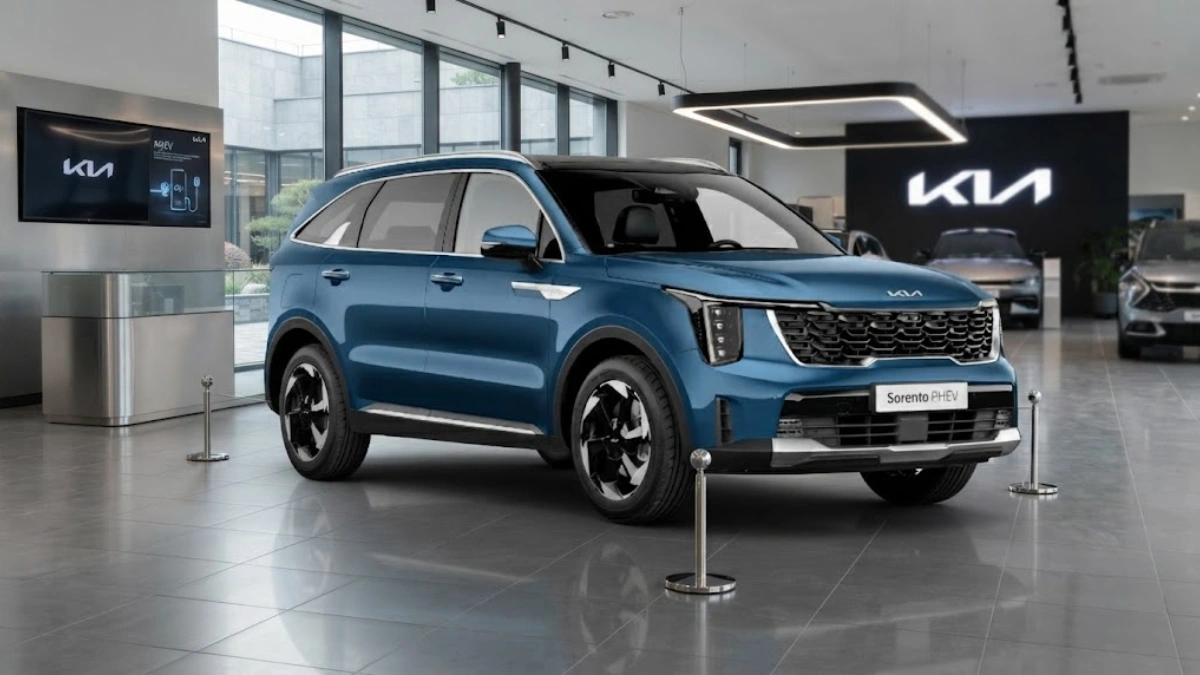
The Kia Sorento three-row SUV will officially go on sale in India on September 4, 2026, positioned above the Seltos as Kia India's flagship ICE SUV and the brand's first hybrid model for the Indian market. This is a genuinely significant launch for Kia Motors, which has until now built its India lineup almost entirely around compact and midsize offerings.
Powertrain: Kia will offer the Sorento with both hybrid and diesel powertrains in India. If the international-spec model is any indication, the India-spec Sorento could get a 1.6-litre four-cylinder turbo-petrol hybrid setup producing 238hp and 380Nm, alongside a 2.2-litre diesel engine making 202hp and 441Nm — the same diesel unit used in the Kia Carnival. Kia has also confirmed AWD and its new Live Gen AI in-car voice assistant for the India-spec car, which would make the Sorento the first Kia in India to combine a strong-hybrid drivetrain, all-wheel drive, and generative-AI-based assistance.
Space and features: The Sorento is expected in 6-seat and 7-seat configurations, with boot space rated at 179 litres with all three rows up, expanding to a cavernous 1,996 litres with the rows folded. The dashboard features dual 12.3-inch displays, a four-spoke steering wheel with an offset Kia badge, large vertical AC vents, a touch-capacitive centre console panel, and a rotary drive selector.
Price: Since the Sorento is expected to be locally assembled, industry expectations place its starting price at around ₹40 lakh (ex-showroom), though some estimates range as low as ₹30 lakh. At this price point, it will rival premium three-row SUVs like the Volkswagen Tayron, MG Majestor, Skoda Kodiaq, Toyota Fortuner, and Jeep Meridian.
Maruti Suzuki Baleno Facelift
Maruti Suzuki will launch the Baleno facelift in India on September 5, 2026, marking the premium hatchback's first substantial update since the second-generation model debuted in 2022.
Design: Spy shots point to a revised fascia with a new grille featuring a horizontal chrome bar connecting the headlights, a redesigned bumper without the front fog lamps seen on the current car, while the boomerang-shaped LED DRLs are expected to carry over unchanged. At the rear, expect a revised bumper and possibly refreshed internal lighting elements within the existing wraparound LED tail-lamp shape.
Interior: The dashboard layout looks set to remain largely familiar — the same 9-inch touchscreen, trapezoidal AC vents with silver inserts, and a three-spoke steering wheel — but Maruti is expected to introduce new upholstery, a single-pane sunroof, and ambient lighting, features that rivals already offer. Other equipment like automatic climate control, a 6-speaker system, powered ORVMs, and an auto-dimming IRVM should continue.
Engine: Powertrain options are expected to carry over unchanged: a 90hp, 1.2-litre naturally aspirated petrol with 5-speed manual or AMT gearboxes, plus a 77.5hp CNG variant offered only with the manual.
Price: Pricing is expected to see a modest increase over the current Baleno's ₹5.99 lakh–₹9.14 lakh (ex-showroom) range. It will continue to rival the Tata Altroz, Hyundai i20, and Toyota Glanza.
Volvo EX90
The Volvo EX90 — Volvo's flagship all-electric seven-seater and the electric successor to the XC90 — is expected to launch in India by September 2026. Design-wise, it carries Volvo's Thor's Hammer-style headlights and C-shaped tail-lamps reminiscent of the C40 Recharge, and achieves a slippery 0.29 drag coefficient.
Powertrain and range: The EX90 packs a 111kWh battery paired with twin motors for AWD, and its 2026 update switches from a 400V to an 800V architecture, improving acceleration, charging efficiency, and reducing overall weight. It can gain up to 250km of range with just 10 minutes of fast charging. The Twin Motor variant offers roughly 600km WLTP range, while the more powerful Twin Motor Performance variant delivers around 580km.
Tech and safety: The EX90 is loaded with ADAS hardware — eight cameras, a radar system, and LiDAR — allowing it to scan up to 250 metres ahead for collision risks, even at night. It's also among the first SUVs to offer LiDAR as standard, and supports V2L (Vehicle-to-Load) bidirectional charging.
Price: Estimates vary fairly widely — from around ₹1 crore to ₹1.3 crore ex-showroom — reflecting the fact that Volvo hasn't confirmed official India pricing yet. Its only direct rival at this price point in India would be the Kia EV9, which costs roughly ₹20 lakh more.
BMW 7 Series Facelift
BMW has already unveiled the facelifted 7 Series globally, bringing a comprehensive update to its flagship luxury sedan with a redesigned interior, exterior revisions, and upgraded onboard technology. The facelift borrows design elements from BMW's upcoming Neue Klasse models, most notably the Panoramic iDrive display and a new rhomboidal infotainment touchscreen.
Design: The car retains its overall silhouette, with changes concentrated at the front and rear. It continues with a split headlamp layout but now gets a revised lighting signature, with slim DRLs positioned above vertically-oriented headlamp units, plus a reworked bumper.
Powertrain: The 7 Series continues to be offered in petrol, diesel, plug-in hybrid, and fully electric (i7) forms. Production of the updated model began in July 2026.
India timeline and price: While BMW's own communication points to a late-2026 or 2027 India arrival, several automotive listings peg an India launch date around September 11, 2026, at an estimated price of roughly ₹1.80 crore (ex-showroom). For context, the outgoing 7 Series is currently priced at approximately ₹1.85 crore ex-showroom in India. Treat the September date as a plausible but unconfirmed estimate rather than a locked-in launch.
BMW i7 Facelift
The i7 facelift shares its underlying update with the 7 Series — same cabin overhaul, same exterior tweaks, same Neue Klasse-inspired tech — but arrives as BMW's fully electric flagship sedan.
Price and timeline: The i7 facelift is estimated to launch in India in September 2026 at a price of around ₹2.10 crore (ex-showroom), with some estimates pointing to a specific date of September 11, 2026. At this price, it will compete with the Mercedes-Benz S-Class, Mercedes-Benz EQS, and Mercedes-Benz AMG E 53.
As with the 7 Series facelift, official confirmation of the India launch date is still pending — buyers with a firm timeline requirement should keep checking BMW India's official channels closer to the month.
Volkswagen Virtus Facelift
Volkswagen India is preparing five major launches in 2026, and the Virtus facelift is expected to be one of the most important updates for the brand, likely arriving before Diwali. Estimates for the exact date range from late September through November, with one widely-cited estimate placing the launch around September 25, 2026.
Design: The facelift keeps the Virtus's clean, sharp sedan silhouette but adds a redesigned front grille, revised LED headlamps, updated front and rear bumpers, and new LED tail-lamps with a refreshed light signature. New alloy wheel designs are also expected.
Interior: The cabin borrows heavily from the updated Taigun — a similar dashboard layout, new colour themes, and better-quality materials. The existing 10.1-inch touchscreen and digital driver display may get a software refresh, while ventilated front seats should continue, with powered seat functions possibly added to higher variants.
Safety: The biggest upgrade is expected to be a Level 2 ADAS package, bringing features like adaptive cruise control and lane-keep assist.
Powertrain: The Virtus facelift is expected to retain its 1.0-litre and 1.5-litre turbo-petrol engines, with the 1.0 TSI likely gaining a new 8-speed automatic gearbox — the same transmission upgrade already seen on the Kushaq and Taigun facelifts.
Price: Estimates range from around ₹11.99 lakh to ₹11.80 lakh for the base variant, broadly in line with the current Virtus range.
Toyota Urban Cruiser EV
Toyota's Urban Cruiser EV — officially branded the Urban Cruiser Ebella — isn't a brand-new launch for September, but its lineup remains incomplete, which makes it relevant to anyone tracking upcoming EV pricing this month.
Where things stand: Toyota launched the Ebella with only its top-spec E3 variant priced at ₹23.60 lakh (ex-showroom), and prices for the more affordable E1 and E2 variants are expected to be announced soon — industry watchers expect this to happen in the coming weeks, which could well fall within September 2026.
Specs: The Ebella is offered with 49kWh and 61kWh battery packs delivering up to 543km of range (ARAI-claimed), with the E1 variant limited to the smaller 49kWh pack and the E2/E3 variants getting the larger 61kWh pack. Equipment includes a 10.1-inch touchscreen, 10.25-inch digital instrument cluster, wireless Android Auto/Apple CarPlay, a wireless charger, ambient lighting, a fixed glass roof, a 10-way power-adjustable driver seat, a 10-speaker JBL system, and ventilated front seats. On safety, it gets Level 2 ADAS, 7 airbags, electronic stability control, a 360-degree camera, and 150kW DC fast-charging capability.
Expected E1/E2 pricing: Based on earlier market estimates before the E3 launch, the lineup was expected to start from around ₹18 lakh (ex-showroom), which would put the E1 and E2 comfortably below the E3's ₹23.60 lakh. If you're specifically shopping for a value-oriented Ebella trim, September is worth watching.
September 2026 Car Launches by Budget
Upcoming Cars Under ₹10 Lakh
- Maruti Suzuki Baleno Facelift — expected to start close to the current model's ₹5.99 lakh floor, with a modest price increase for the new features.
Upcoming Cars Under ₹15 Lakh
- Maruti Suzuki Baleno Facelift (top variants, expected to approach the current model's ₹9.14 lakh ceiling plus a small premium)
- Volkswagen Virtus Facelift — estimated to start around ₹11.99 lakh
Upcoming Cars Under ₹20 Lakh
- Volkswagen Virtus Facelift (top variants, likely to stretch toward ₹18–19 lakh based on the outgoing model's range)
- Toyota Urban Cruiser Ebella E1/E2 — expected to slot in below the E3's ₹23.60 lakh, likely in the ₹18–20 lakh band
Upcoming Cars Under ₹30 Lakh
- Toyota Urban Cruiser Ebella E3 — already launched at ₹23.60 lakh (ex-showroom)
Premium Cars Above ₹50 Lakh
- Kia Sorento — estimated to start around ₹40 lakh
- BMW 7 Series Facelift — estimated around ₹1.80 crore
- BMW i7 Facelift — estimated around ₹2.10 crore
- Volvo EX90 — estimated between ₹1 crore and ₹1.3 crore
Upcoming SUVs in September 2026
The SUV segment sees the widest spread this month. The Kia Sorento leads the pack as a premium three-row petrol-hybrid/diesel SUV launching September 4, aimed squarely at the Toyota Fortuner and Skoda Kodiaq buyer. At the opposite, ultra-premium end, the Volvo EX90 brings a fully electric seven-seat flagship SUV to India, competing more with luxury EVs than with mainstream SUVs. Meanwhile, the Toyota Urban Cruiser Ebella — a compact electric SUV based on the Maruti e Vitara platform — continues to fill out its lineup with more affordable variants, making the segment relevant across a huge price spread this month, from roughly ₹18 lakh to well over ₹1 crore.
Upcoming Electric Cars in September 2026
Three EVs are relevant to September shoppers, spanning opposite ends of the market:
- Volvo EX90 — a flagship 111kWh, twin-motor, AWD electric SUV priced upwards of ₹1 crore, for buyers who want a genuine luxury EV flagship.
- BMW i7 Facelift — an updated flagship electric sedan estimated at ₹2.10 crore, competing with the Mercedes EQS.
- Toyota Urban Cruiser Ebella E1/E2 — a mainstream compact electric SUV with up to 543km range, expected to get its more accessible variants priced this month, making it the only genuinely mass-market EV launch in this list.
If your budget sits well below ₹1 crore, the Ebella's lower variants are really the only EV launch in September worth tracking closely.
Upcoming Hybrid Cars in September 2026
The standout hybrid launch is the Kia Sorento, which will be Kia's first hybrid model for the Indian market, likely using a 1.6-litre turbo-petrol engine paired with an electric motor. No other car in this list is confirmed as a hybrid — the Baleno facelift, Virtus facelift, and BMW 7 Series/i7 facelifts remain either purely petrol, purely electric, or (in the 7 Series's case) offered in a spread of powertrains where the plug-in hybrid variant is unlikely to be prioritised for India initially. If a hybrid specifically is your priority, the Sorento is the one launch this month worth test-driving.
Which September 2026 Car Launch Should You Wait For?
- If you want a value-for-money hatchback upgrade: Wait for the Baleno facelift on September 5 — the added sunroof, ambient lighting, and refreshed styling make it worth a look even if you weren't planning to buy a hatchback this month.
- If you're cross-shopping premium three-row SUVs: The Kia Sorento is worth waiting for specifically because it introduces a hybrid option that rivals like the Fortuner and Kodiaq don't currently offer.
- If you're set on the Skoda Slavia/Honda City/Virtus sedan segment: Hold off on the current Virtus until the facelift lands, since the new 8-speed automatic and Level 2 ADAS meaningfully close the gap with segment rivals.
- If you want an EV under ₹20 lakh: Wait for Toyota's E1/E2 Ebella pricing rather than settling for the E3 at ₹23.60 lakh, unless the top-spec features are essential to you.
- If your budget is above ₹1 crore: The Volvo EX90 and BMW i7 facelift are both worth waiting for, but given the unconfirmed dates and pricing, be prepared for the actual India launch to slip beyond September.
Should You Buy a Car Now or Wait Until September 2026?
This genuinely depends on which segment you're shopping in.
Wait if: you're looking at the Baleno, Virtus, or Sorento's respective segments — in each case, the incoming update adds enough (new gearbox, ADAS, hybrid powertrain, extra features) that buying the outgoing model right before a refresh usually means a weaker resale value and a shorter list of features for a similar price.
Buy now if: you need a car urgently and your preferred segment isn't touched by any of this month's launches, or if you're looking at the Toyota Ebella's E3 variant specifically and don't want to wait on the E1/E2 pricing timeline, which remains unconfirmed.
A general rule: if a launch date is officially confirmed by the manufacturer (as it is for the Sorento and Baleno facelift), it's usually safe to wait the few remaining days. If it's still an "expected" or "estimated" date from third-party sources (as with the Volvo EX90, BMW facelifts, and Virtus facelift), don't let an unconfirmed timeline delay a purchase you actually need to make now.
September 2026 Car Launch Calendar
Note: Only the Kia Sorento and Maruti Baleno facelift have manufacturer-confirmed launch dates as of this writing. All other dates and prices are industry estimates and subject to change.
Conclusion
September 2026 offers something for almost every kind of car buyer in India — a hybrid three-row SUV flagship from Kia, a refreshed everyday hatchback from Maruti, a sharper and more tech-loaded midsize sedan from Volkswagen, an expanded affordable EV lineup from Toyota, and two ultra-premium launches from BMW and Volvo at the very top of the market. The two dates worth marking firmly on your calendar are September 4 (Kia Sorento) and September 5 (Baleno facelift), since these are officially confirmed by their manufacturers. Everything else on this list — the BMW facelifts, the Volvo EX90, and the Virtus facelift — should be treated as likely but not guaranteed for September, so keep checking official brand channels as the month progresses before finalising your buying decision.
Book a Test Drive
Free doorstep test drive at your convenience
Popular Brands





Latest Car News
Upcoming Cars in September 2026 in India: New Cars, Launch Dates & Expected Prices
MG Hector Hawk SUV vs Tata Harrier: Expected Price, Features & Key Differences
Skoda Superb Diesel in India: Will the Diesel Engine Make a Comeback?
Tata Punch Becomes India's Best-Selling SUV in July 2026 with 21,313 Units Sold
Car Sales Report July 2026: Maruti Remains No.1, Tata, Mahindra & Hyundai Record Strong Growth
Tata Curvv EV Discount August 2026: Save Big with Limited-Time Offers
Kia Sorento Booking in India: Launch Date, Price & Booking Process
Skoda Slavia Facelift Launch Date in India
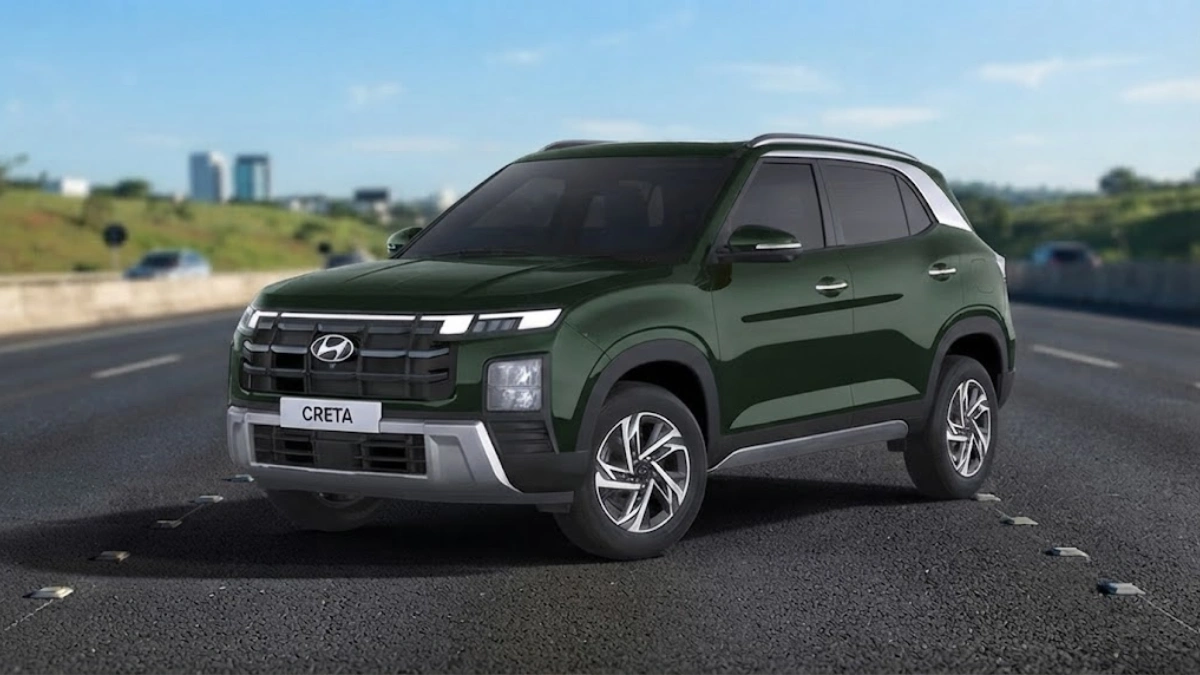
Hyundai Creta Next Gen Upgrades: Biggest Changes Expected
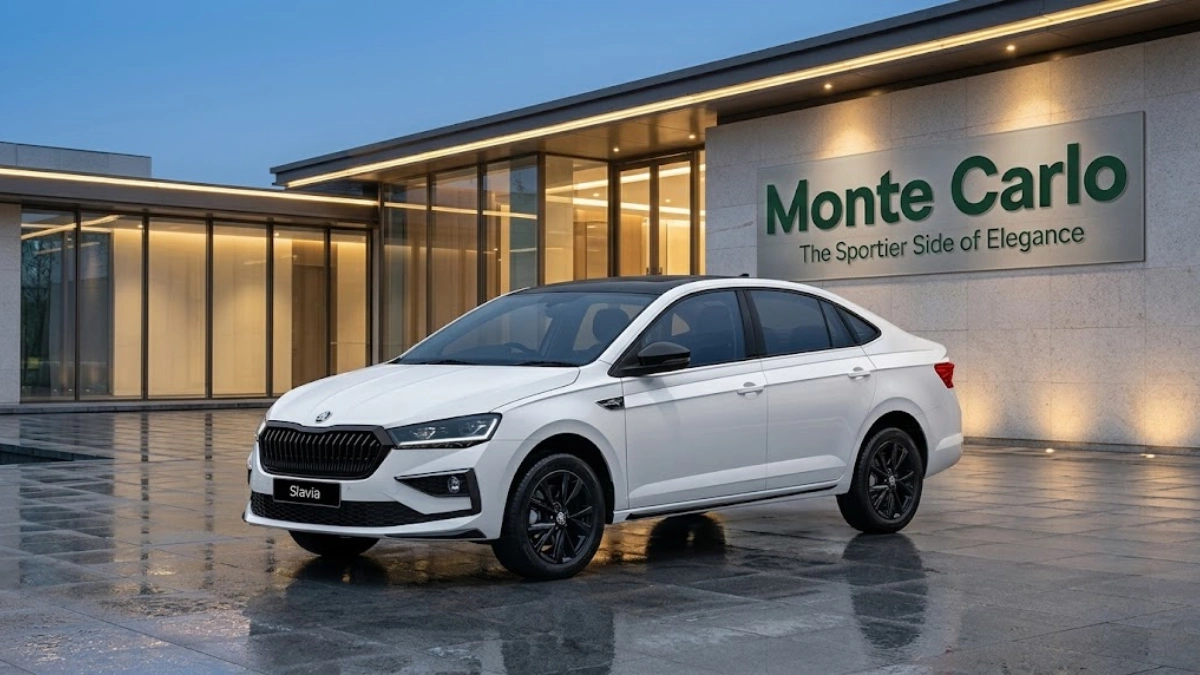
Limited Edition Skoda Slavia Monte Carlo Adds New Colours for 200 Buyers Only
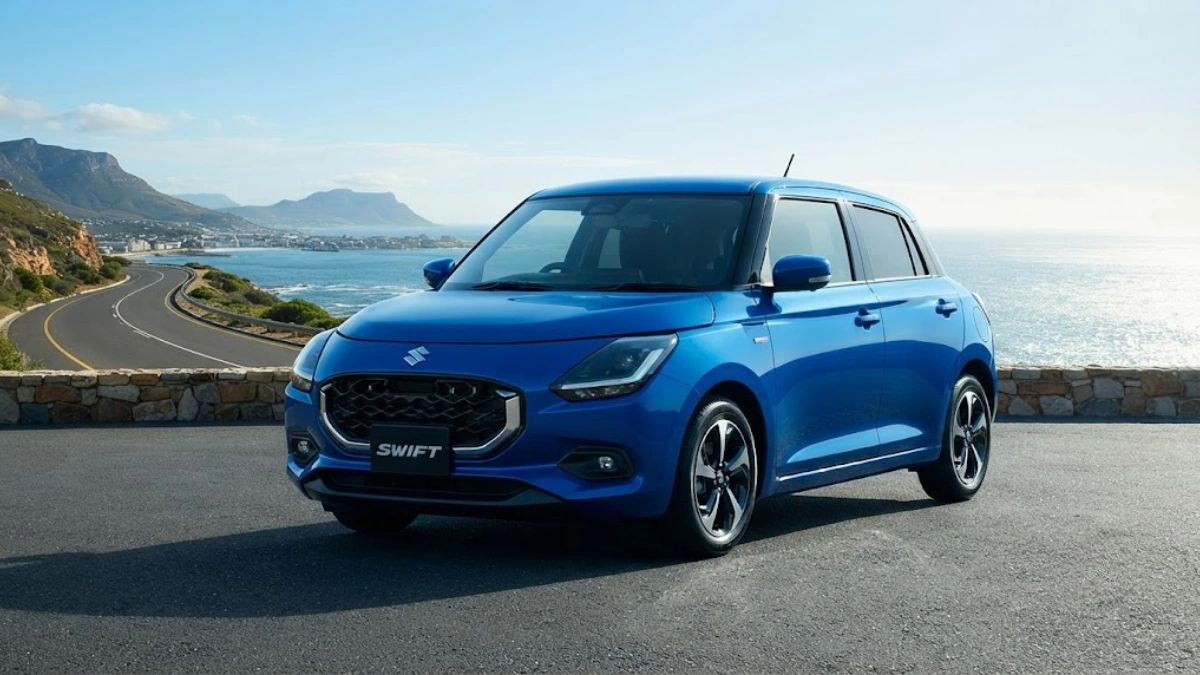
Suzuki Loses India Market Share as Buyers Demand More Features
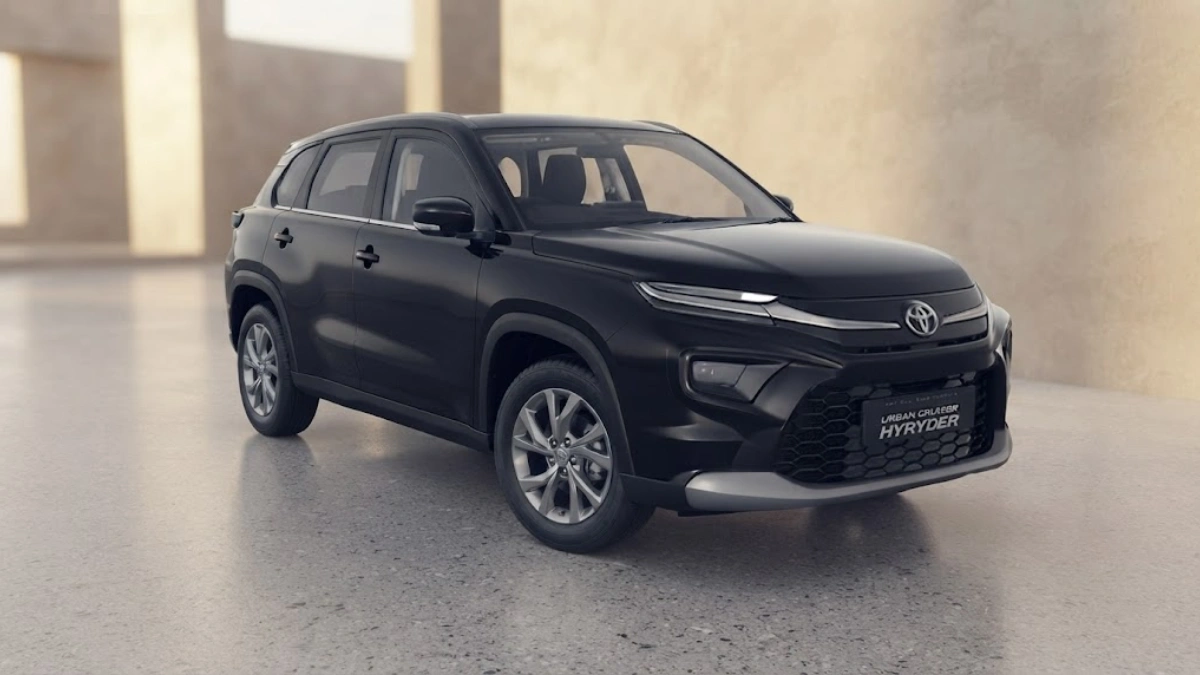
Hybrid Car Sales Decline 8% in June 2026: Complete Analysis
How to Book Maruti Brezza Facelift: Complete Booking Guide
Alto K10 vs Tiago: Which Is Better?
Maruti Brezza Facelift 2026: What's New Compared to the Current Model?
Renault Duster Adventure Edition vs Standard Duster: What's Different?
Skoda Slavia Facelift 2026 vs Volkswagen Virtus: Which Sedan Should You Wait For?
Volkswagen Tayron Life Launched in India at ₹41.99 Lakh
Volkswagen Announces 50% Reduction In Global Car Line-up
Tata Nexon Pure Plus : Know Everything Before Buying in July