
Maruti Baleno Facelift vs Toyota Glanza: Complete Comparision
- Cars
- Published: 24 Aug, 2026
- Updated: 24 Aug, 2026
Book a Test Drive
Free doorstep test drive at your convenience
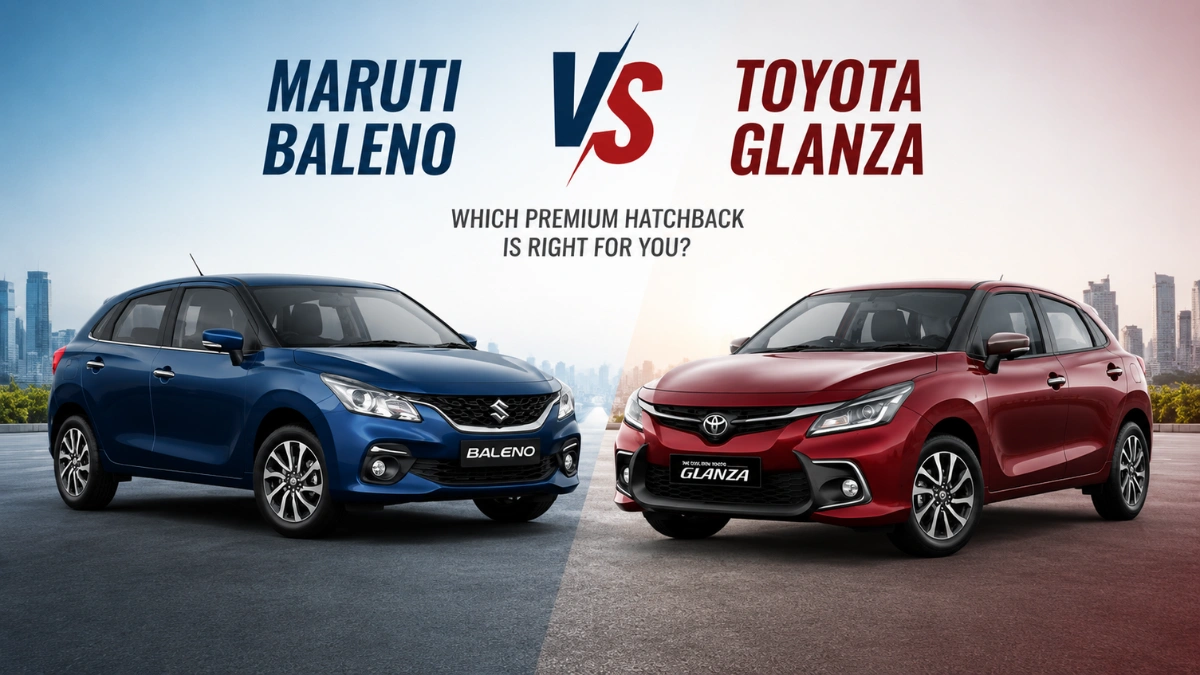
The Baleno and Glanza have been badge-engineered siblings since 2022, sharing the same platform, engine, and most mechanical bits while wearing different faces. That changes slightly this year — Maruti Suzuki is bringing a mid-cycle facelift to the Baleno, expected to launch around September 5–6, 2026, with a mildly updated front and rear fascia, new alloy wheels, and possibly a few extra features. Since the facelift hasn't officially launched as of this writing, this comparison uses confirmed current-generation Glanza data alongside the latest spy-shot and industry-reported expectations for the Baleno facelift, clearly marked wherever figures are still "expected" rather than confirmed.
Maruti Baleno Facelift vs Toyota Glanza: Quick Comparison
| Parameter | Maruti Baleno Facelift (Expected) | Toyota Glanza |
| Launch status | Expected Sept 5–6, 2026 | Already on sale |
| Price range | ₹6.00 – ₹10.00 lakh (est., ex-showroom) | ₹6.73 – ₹9.99 lakh (ex-showroom) |
| Engine | 1.2L petrol (carried over), CNG option likely | 1.2L NA petrol, CNG option |
| Power | ~89-90 bhp (expected, unchanged) | 89-90 bhp |
| Transmission | 5MT / 5AMT | 5MT / 5AMT |
| Mileage (ARAI) | Likely unchanged: ~22.35–22.94 kmpl | 22.35 kmpl (MT), 22.94 kmpl (AMT), 30.61 km/kg (CNG) |
| Safety | 6 airbags, possible added ADAS/360 camera | 6 airbags standard, ABS+EBD, ESC |
| Boot space | Expected similar to outgoing Baleno | 318 litres |
| Warranty | Standard Maruti coverage | 3 years / 1,00,000 km |
Maruti Baleno Facelift vs Toyota Glanza: Price Comparison
The current (pre-facelift) Baleno is priced from ₹5.99 lakh to ₹9.47 lakh ex-showroom, undercutting the Glanza, which starts at ₹6.73 lakh and tops out near ₹9.99 lakh. With the facelift, most industry reports — CarWale, Autocar India, CarTrade, and ZigWheels among them — expect Maruti to nudge prices up modestly, putting the new Baleno somewhere between ₹6.00 lakh and ₹9.50–10.00 lakh, a hike of roughly ₹15,000–₹20,000 over the outgoing car depending on variant.
Even after this bump, the Baleno facelift is very likely to undercut the Toyota Glanza at the entry level, continuing a pattern Maruti has followed for years: identical mechanicals, slightly lower sticker price. The Glanza's higher pricing has typically been justified by Toyota's reliability reputation and marginally longer warranty coverage, rather than any real hardware difference.
Baleno Facelift vs Glanza: Design & Exterior Differences
The two cars have always looked distinct despite sharing a platform, and that's expected to continue. Spy shots of the Baleno facelift show a redesigned front grille with a horizontal bar linking the headlamps, a revised front bumper, and new alloy wheel designs. The signature boomerang-shaped LED daytime running lights and the existing headlight cluster are expected to carry over unchanged. At the rear, changes are likely limited to a tweaked bumper, with the roof spoiler, rear wiper, and existing tail-lights staying as is.
The Glanza, by contrast, already sports its own front-end identity — a wider, Camry-inspired grille with L-shaped LED DRLs, giving it a bolder, more upright stance than the Baleno's curvier, softer silhouette. Toyota also differentiates the Glanza with unique bumper detailing, badging, and colour options that set it apart on the road even though the body-in-white is shared.
Baleno Facelift vs Glanza: Design & Exterior Differences
Inside, the story is much the same: shared architecture, different dressing. The Baleno facelift's dashboard layout is expected to remain largely unchanged from the current car, though Maruti may introduce fresh upholstery options and possibly a larger touchscreen unit to keep pace with segment rivals. The current Baleno already offers a 9-inch touchscreen, a head-up display, and a 360-degree camera on its top Alpha trim, and these are expected to continue or be enhanced.
The Glanza's cabin uses a black-and-beige dual-tone theme that feels distinctly Toyota, with its own switchgear finish and trim detailing layered over the same basic dashboard structure. Toyota also offers a floating touchscreen, head-up display, and voice-assist features ("Hey Toyota") on higher variants, giving the cabin a slightly different tech personality despite near-identical underlying hardware.
Maruti Baleno Facelift vs Toyota Glanza: Engine & Performance
Mechanically, there's essentially no difference between the two cars today, and that's expected to hold true after the facelift as well. Both are powered by the same 1197cc, 1.2-litre naturally aspirated petrol engine (Suzuki's K-series unit), producing around 89-90 bhp and roughly 113 Nm of torque, paired with either a 5-speed manual gearbox or a 5-speed AMT automatic. A factory-fitted CNG option is available on both, running the same 1.2-litre engine in a de-tuned state for lower emissions and better running costs.
One report has floated the possibility of Maruti introducing a new "Z-Series" petrol engine with the Baleno facelift for improved efficiency and emissions compliance, but this hasn't been officially confirmed by Maruti Suzuki, so it's best treated as speculative for now. Barring that change, expect performance, refinement, and drivability to remain nearly identical between the two cars — smooth around town, adequate on the highway, with the AMT gearbox in both cars showing some hesitation in stop-start traffic.
Baleno Facelift vs Glanza Mileage Comparison
Fuel efficiency is one of the strongest selling points for this platform, and both cars currently return identical ARAI-certified figures:
- Manual petrol: 22.35 kmpl
- AMT petrol: 22.94 kmpl
- CNG: 30.61 km/kg
Real-world testing (CarWale, Autocar) shows in-city mileage closer to 14-17 kmpl with the AC running, and highway mileage climbing toward 20-22 kmpl with a light foot. Since the Baleno facelift is expected to carry over the same engine and gearbox combinations, there's no strong reason to expect a meaningful mileage shift unless Maruti does introduce a genuinely new powertrain — which, as noted, remains unconfirmed. For buyers who cover high monthly distances, the CNG variant on either car remains by far the cheapest way to run it.
Safety Features & Build Comparison
Both cars come with 6 airbags as standard across the range today, along with ABS with EBD, electronic stability control, and hill-hold assist on relevant variants. Neither the Baleno nor the Glanza has been independently crash-tested by Global NCAP under its current protocol, but Bharat NCAP has rated the Baleno (and by extension the same body-in-white Glanza) at 4 stars for adult occupant protection and 3 stars for child occupant protection.
For the facelift, several reports suggest Maruti may add extra driver-assistance features such as a 360-degree camera as standard on more variants, though the full safety kit list won't be confirmed until launch. The Glanza already offers a 360-degree camera, TPMS, and rear parking sensors on its higher trims, alongside a "Toyota Safety Sense-Lite" branding on some variant listings that bundles pre-collision assist and lane-departure warning — though it's worth noting this feature naming varies across sources and should be confirmed at the dealership before assuming it's standard.
Build quality perception has historically favoured Toyota slightly, driven by brand reputation rather than any measurable difference, since both cars roll off largely the same production process.
Maruti Baleno Facelift vs Toyota Glanza: Dimensions & Practicality
The current Baleno and Glanza share near-identical dimensions, and the facelift isn't expected to change this meaningfully — reported figures put the updated Baleno at roughly 3990mm in length, 1745mm in width, and 1500mm in height, with a 2520mm wheelbase, broadly in line with the outgoing car.
Boot space on the Glanza is officially listed at 318 litres with a ground clearance of 170mm, and the Baleno's figures are expected to remain comparable since underlying architecture is unchanged. Cabin space, rear-seat width, and shoulder room have long been strong points for this platform — both cars can comfortably seat three adults in the back row, a rarity in the premium hatchback segment.
Ownership Cost & After-Sales Service
This is where the two cars diverge most, despite sharing hardware. Maruti Suzuki has the largest sales and service network in India by a wide margin, which typically translates to easier availability of spare parts, shorter service wait times, and generally lower labour costs. Maruti also tends to hold stronger resale value in the used-car market simply due to sheer volume and buyer familiarity.
Toyota, meanwhile, offers a standard 3-year/1,00,000km warranty on the Glanza, and the brand's broader reputation for reliability and extended-warranty programs appeals to buyers planning long-term ownership. However, Toyota's service network is comparatively smaller, and out-of-warranty maintenance can run slightly higher due to parts pricing and fewer service touchpoints, especially in smaller towns.
For buyers prioritising the lowest total cost of ownership over 3-5 years, the Baleno facelift is likely to retain an edge on maintenance cost and resale value, purely on account of Maruti's scale — even though the mechanical parts being serviced are the same.
Maruti Baleno Facelift vs Toyota Glanza: Pros & Cons
Maruti Baleno Facelift
Pros: Likely to remain the cheaper option at every trim level; unmatched service network and easy parts availability; strong expected resale value; familiar, spacious cabin with proven reliability record from the current generation.
Cons: Facelift changes are expected to be mild rather than a full redesign; unclear yet whether Maruti will add any genuinely new features over rivals; not yet independently crash-tested under Global NCAP's newer protocol.
Toyota Glanza
Pros: Distinct styling that doesn't scream "rebadged Maruti"; Toyota's brand reputation for reliability and after-sales trust; comprehensive standard warranty; some additional ADAS-style features on top variants.
Cons: Consistently priced higher than the Baleno for essentially identical mechanicals; smaller service network than Maruti, particularly outside major cities; fewer variant choices in some markets.
Baleno Facelift vs Glanza: Which One Should You Buy?
If your priority is minimising running costs — lowest purchase price, cheapest servicing, best resale — the Baleno facelift is the sensible pick, especially once its updated styling closes some of the visual gap with the Glanza. It makes particular sense for buyers in smaller cities and towns where Maruti's service reach is far more extensive than Toyota's.
If you value brand perception, want a slightly different look for the same underlying car, and are comfortable paying a premium for Toyota's warranty and reliability reputation, the Glanza remains a solid, if pricier, alternative. It also suits buyers who've had positive past experiences with Toyota's after-sales process and are willing to trade a smaller service network for that peace of mind.
Neither choice is objectively "wrong" — you're largely paying for badge, styling, and after-sales philosophy rather than any meaningful difference in how the car drives or performs.
Maruti Baleno Facelift vs Toyota Glanza: Final Verdict
Once the Baleno facelift launches in September 2026, expect it to sharpen the Baleno's styling just enough to keep pace with the Glanza's more distinct road presence, while very likely retaining its price advantage. Given that both cars share the same engine, gearbox options, mileage figures, and safety hardware, the decision realistically comes down to three things: upfront price, service network convenience, and personal preference on styling and badge. Buyers should hold off on final judgement on the facelift's exact feature list and pricing until Maruti's official announcement, since several details — particularly around any new engine option — remain unconfirmed as of now.
Book a Test Drive
Free doorstep test drive at your convenience
Popular Brands





Latest Car News
Maruti Baleno Facelift vs Toyota Glanza: Complete Comparision
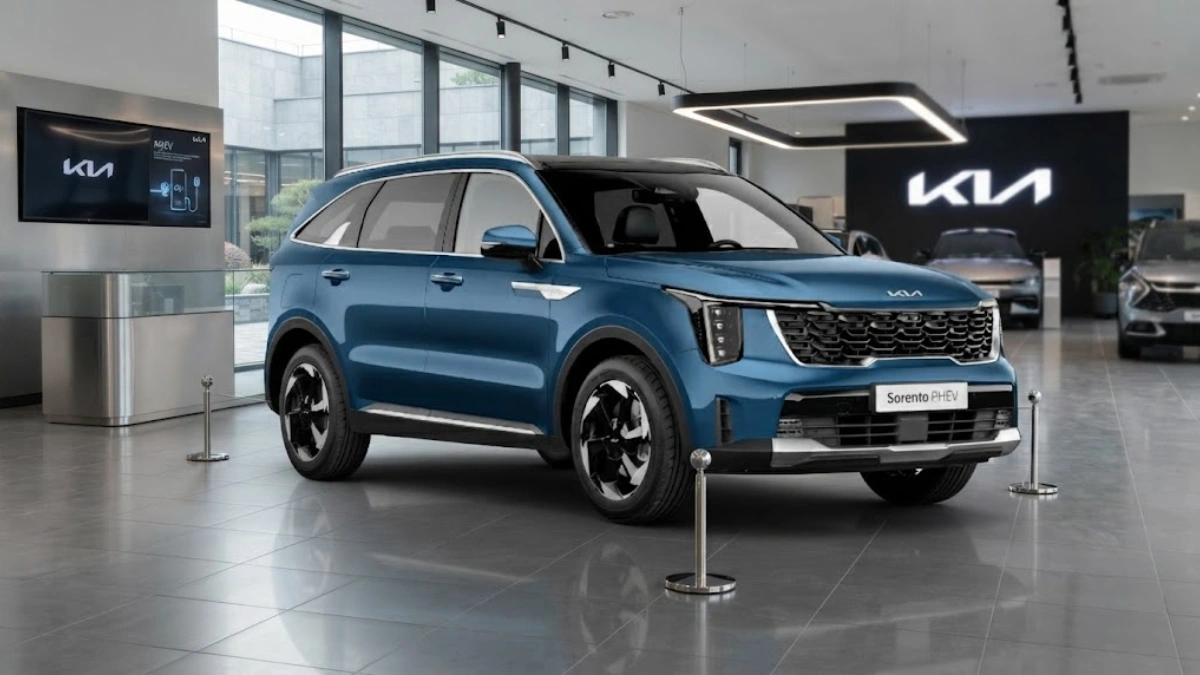
Upcoming Cars in September 2026 in India: New Cars, Launch Dates & Expected Prices
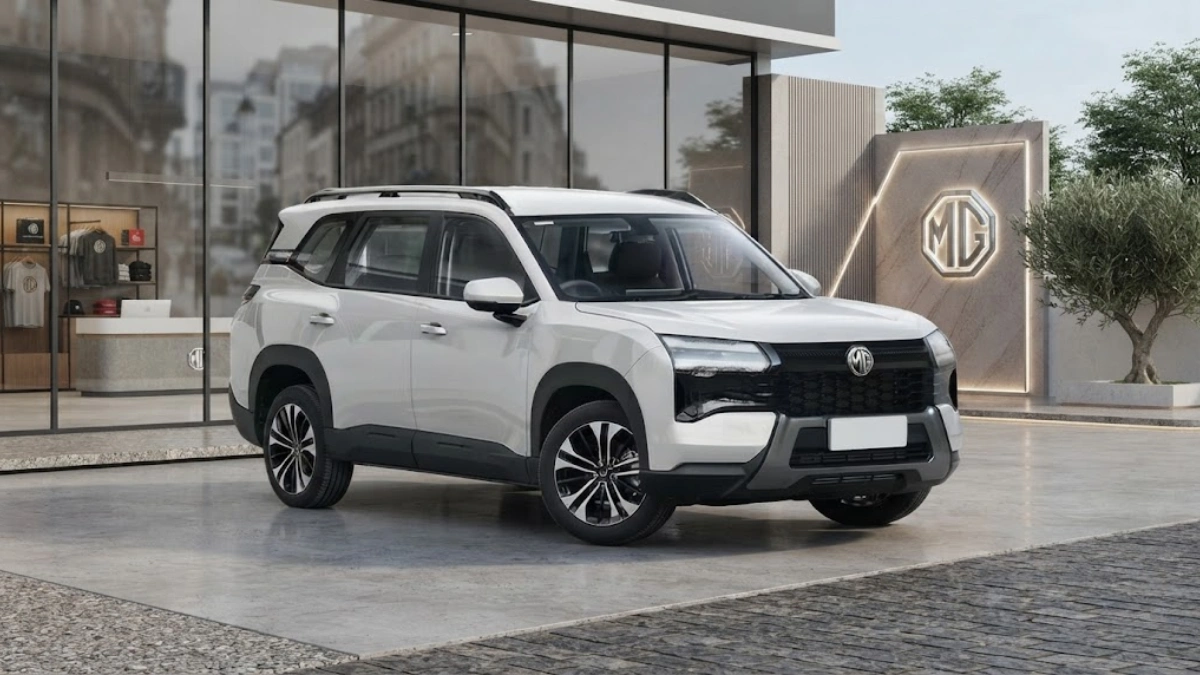
MG Hector Hawk SUV vs Tata Harrier: Expected Price, Features & Key Differences
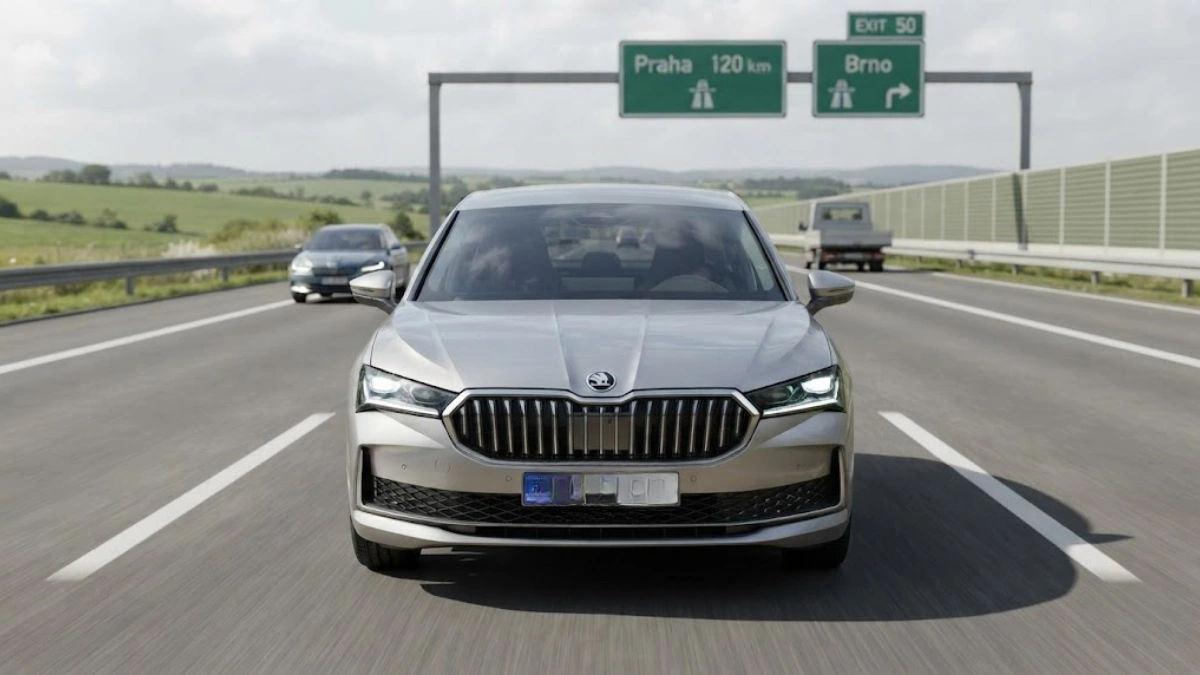
Skoda Superb Diesel in India: Will the Diesel Engine Make a Comeback?
Tata Punch Becomes India's Best-Selling SUV in July 2026 with 21,313 Units Sold
Car Sales Report July 2026: Maruti Remains No.1, Tata, Mahindra & Hyundai Record Strong Growth
Tata Curvv EV Discount August 2026: Save Big with Limited-Time Offers
Kia Sorento Booking in India: Launch Date, Price & Booking Process
Skoda Slavia Facelift Launch Date in India
Hyundai Creta Next Gen Upgrades: Biggest Changes Expected
Limited Edition Skoda Slavia Monte Carlo Adds New Colours for 200 Buyers Only
Suzuki Loses India Market Share as Buyers Demand More Features
Hybrid Car Sales Decline 8% in June 2026: Complete Analysis
How to Book Maruti Brezza Facelift: Complete Booking Guide
Alto K10 vs Tiago: Which Is Better?
Maruti Brezza Facelift 2026: What's New Compared to the Current Model?
Renault Duster Adventure Edition vs Standard Duster: What's Different?
Skoda Slavia Facelift 2026 vs Volkswagen Virtus: Which Sedan Should You Wait For?
Volkswagen Tayron Life Launched in India at ₹41.99 Lakh
Volkswagen Announces 50% Reduction In Global Car Line-up