Should You Buy an Electric Car or Petrol Car in 2026?
- Electric-Cars
- Published: 13 Oct, 2025
Book a Test Drive
Free doorstep test drive at your convenience
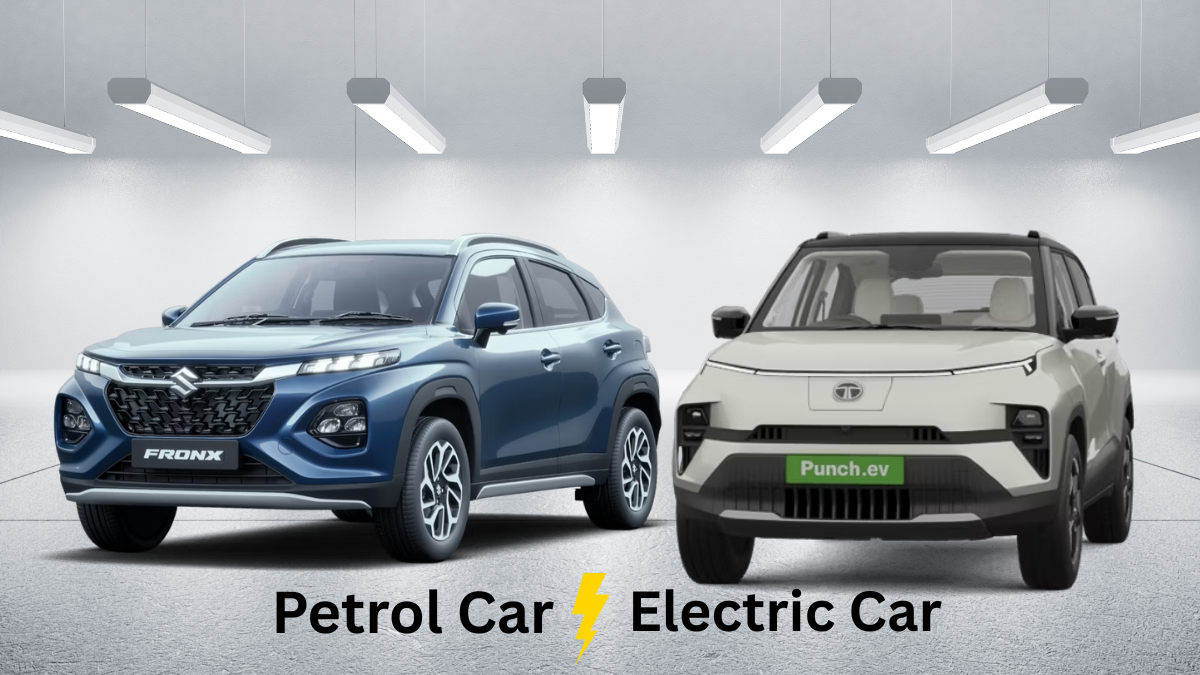
Buying a car in 2026 is no longer just about picking a model, color, or brand. Today, it’s about making a choice that affects your daily life, your wallet, and even the planet. Every time you drive, you’re thinking about fuel costs, maintenance, comfort, convenience, and how your choice contributes to a cleaner environment.
Electric cars are no longer futuristic gadgets — they are becoming practical, stylish, and affordable for everyday use. On the other hand, petrol cars have been the backbone of personal transport for decades, offering reliability, wide availability, and ease of use.
So, the question is real: should you embrace the new era of electric cars, or stick with the tried-and-tested petrol cars?
This isn’t just a question of preference; it’s about lifestyle. If most of your driving is in city traffic, do you want to spend hours in petrol queues, or glide silently through streets with lower running costs? If you frequently travel long distances, do you want to worry about finding charging stations, or refuel in a few minutes and continue your journey?
Let’s explore the pros, cons, and practical realities of both options so you can make a confident choice.
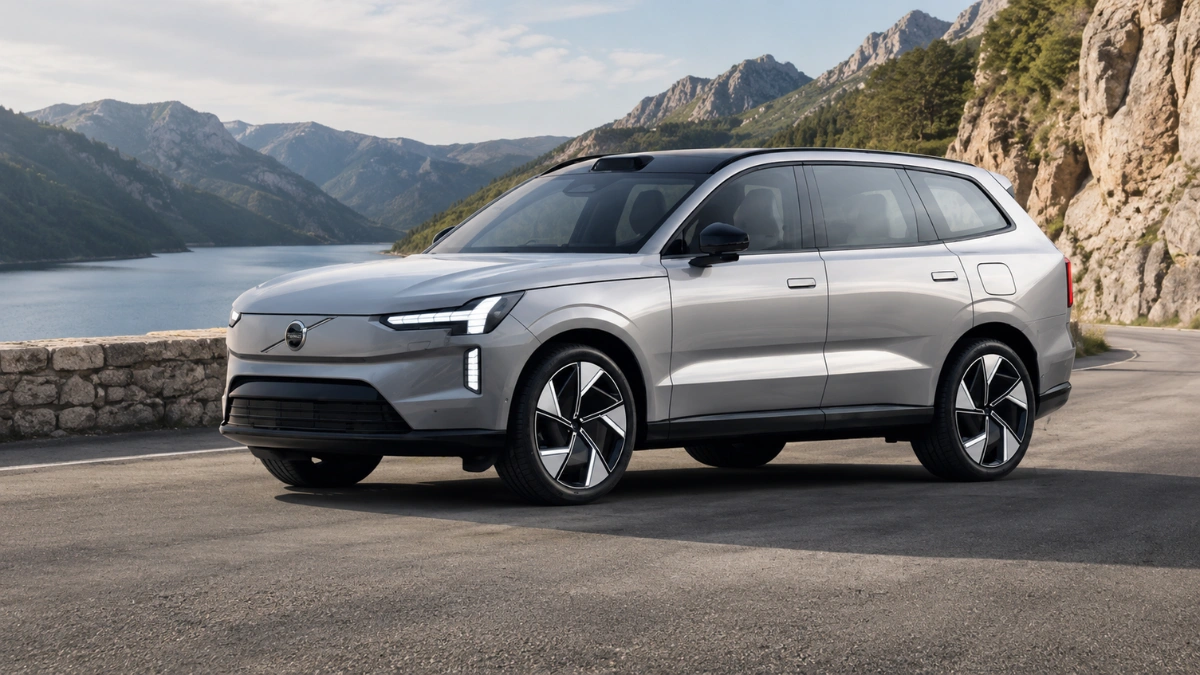
Electric Cars: The Future on Wheels
Electric cars run on batteries instead of petrol. This means:
- Lower running cost: On average, electricity costs 60–70% less than petrol for the same distance.
- Eco-friendly: Electric cars produce zero tailpipe emissions, helping reduce pollution in cities.
- Smooth drive: Electric motors provide instant torque, making acceleration fast and smooth.
- Tech-packed: Many 2026 models have smart infotainment systems, regenerative braking, and advanced driver-assist features.
Things to consider: Charging infrastructure is improving but still limited in rural areas, and long trips require some planning.
Fact: As of 2025, India has over 5,000 fast-charging stations, expected to double by 2026.
Petrol Cars: The Reliable Classic
Petrol cars remain the most common choice in India because:
- Refueling is easy: Petrol pumps are everywhere, so long drives are stress-free.
- More variety: More models, engine sizes, and price options are available.
- Convenience: Quick refueling compared to charging an EV.
- Resale value: Petrol cars still have strong resale demand.
Challenges: Petrol prices are volatile, maintenance is higher, and petrol cars release more emissions.
Fact: In 2025, the average petrol car cost per km in India is around ₹7–₹9, compared to ₹2–₹3 per km for electric cars.
Electric vs Petrol Cars in 2026: Quick Comparison
| Feature | Electric Car (EV) | Petrol Car |
| Fuel/Running Cost | ₹2–₹3 per km | ₹7–₹9 per km |
| Environmental Impact | Zero emissions | Emits CO2 and other pollutants |
| Refueling / Charging | 30 min – 8 hrs depending on charger | 5–10 min at petrol pump |
| Maintenance | Low (no oil changes, fewer moving parts) | Higher (engine, oil changes, exhaust) |
| Long Trip Convenience | Moderate (need charging stations) | Excellent (fuel pumps everywhere) |
| Tech Features | Advanced (smart, connected, some autonomous features) | Moderate, varies by model |
Who Should Buy an Electric Car in 2026?
- Mostly city commuters
- Environment-conscious buyers
- People who want low running and maintenance costs
- Early adopters who love new technology
Pro Tip: With government incentives and subsidies in 2026, buying an EV can save up to ₹1–2 lakh upfront, depending on the state.
Who Should Buy a Petrol Car in 2026?
- Frequent long-distance travelers
- People living in smaller towns with limited EV charging options
Buyers looking for variety and easy resale
Fact: In India, more than 70% of car sales in 2025 were still petrol, showing that petrol cars remain a safe choice for flexibility.
Conclusion
Electric cars are the future-ready choice, especially for city driving, lower running costs, and reducing pollution. Petrol cars are safe, reliable, and convenient for long trips and areas with limited EV infrastructure.
Key Takeaway:
- City driving + future-ready + lower running cost → Go Electric
- Long trips + convenience + flexibility → Stick with Petrol
By 2026, electric cars are no longer just a trend — they are becoming practical and accessible for most Indian buyers. Your choice depends on your lifestyle, travel habits, and priorities.
Book a Test Drive
Free doorstep test drive at your convenience
Popular Brands


Latest Electric Car News
Hyundai EV Compact SUV India Launch: Expected Price, Range & Key Details
Hybrids vs. EVs: Which Is Better for You?
Delhi EV Policy 2026 in Effect from July 1
Upcoming Electric Cars in August 2026 in India
What to Do If Your Car Battery Is Dead
Mercedes-Benz VLE Unveiled: 8-Seater EV with 700+ KM Range
Tata Sierra EV First Look: 600+ KM Range, Triple Screens & More
Top Accessories You Should Buy for Your Tata Harrier EV
Is an EV Car Coming for ₹5 Lakh? A Major Shift in the Indian Auto Market
Top Upcoming SUVs and Electric Cars in April 2026 That Could Change the Market
Bookings Open for the Mercedes-Benz CLA Electric – A New Competitor Enters India’s EV Market
Tata’s New Budget Electric Car Coming in 2026 – Is the Nano EV Making a Comeback?
Hybrid Cars vs Electric Cars in India 2026: Which Is Better?
BYD India New Electric Sedan Launched – Price & Range Revealed
Top 5 Affordable Electric Cars in India 2026 (Best Budget EVs with Long Range)
Tata vs MG EV Comparison – Which One Is Better in 2026?
Tata EV Lineup 2026 REVEALED – Full Price Breakdown
Tesla India Booking Date LEAK – Big Update!
Hyundai Creta EV Launch Leak: Price Shock Incoming?
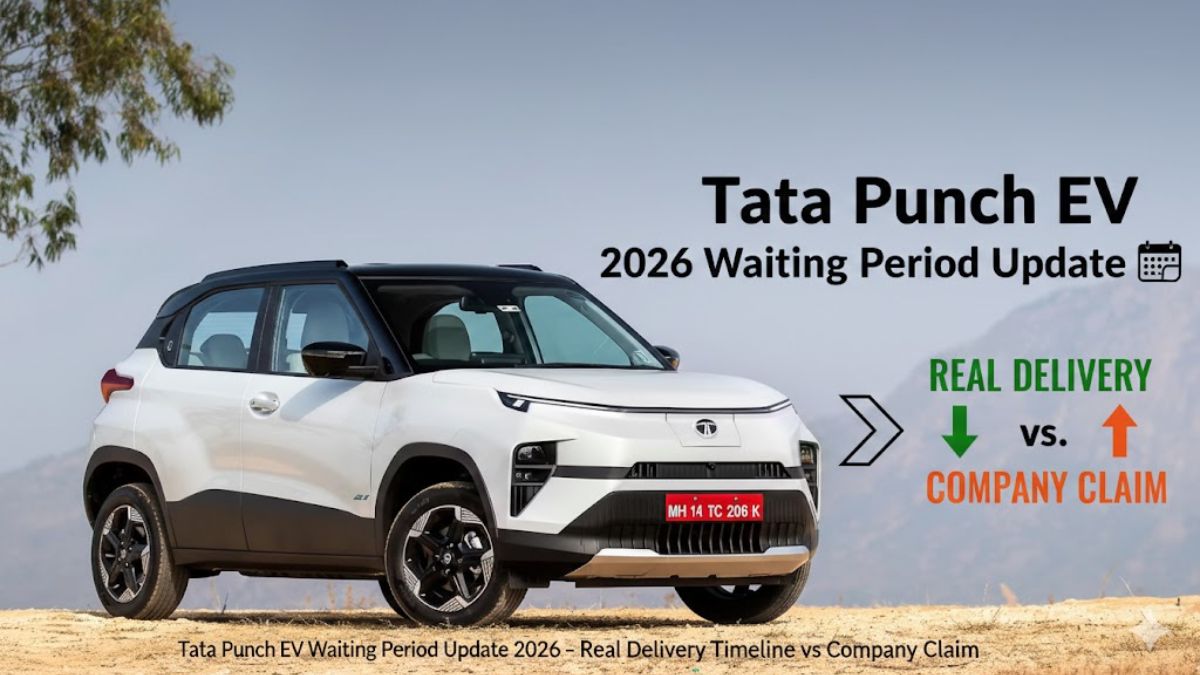
Tata Punch EV Waiting Period Update 2026: Real Delivery Timeline vs. Company Claims