
Latest Cars Under ₹5 Lakh in India in September 2026
- Cars
- Published: 08 Sep, 2026
- Updated: 08 Sep, 2026
Book a Test Drive
Free doorstep test drive at your convenience
Buying your first car is a big milestone, and for lakhs of Indian families, ₹5 lakh remains the magic number where affordability meets practicality. Whether you're upgrading from a two-wheeler or replacing an aging hatchback, this budget segment has quietly become more feature-rich, safer, and more efficient than ever before. Here's your complete, up-to-date guide to every car you can buy under ₹5 lakh this September.
Cars Under ₹5 Lakh in India – September 2026
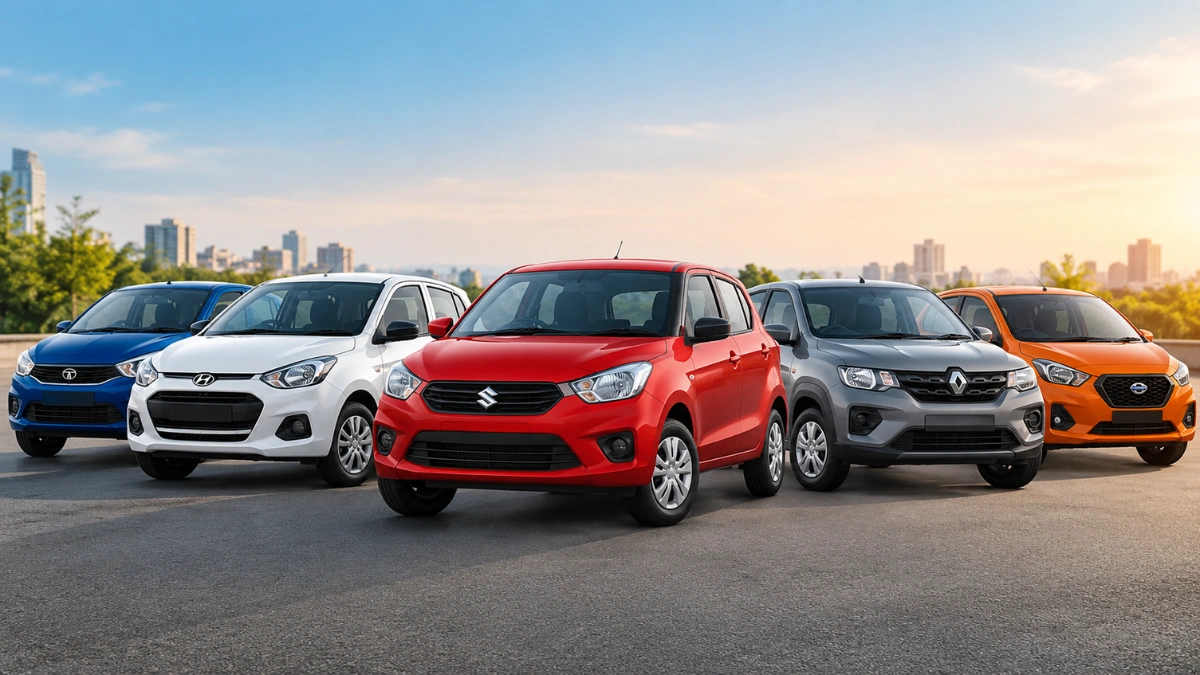
The under-₹5-lakh segment in India is almost entirely dominated by compact hatchbacks, with around 14 cars available under ₹5 lakh, led by the Tata Tiago at roughly ₹4.70 lakh, the Maruti Suzuki Wagon R at ₹4.99 lakh, and the Maruti Suzuki Alto K10 at ₹3.70 lakh. Popular names in this bracket include the Maruti Suzuki Alto K10, S-Presso, Renault Kwid, Celerio, Tata Tiago, Wagon R, and Citroen C3, though only select base variants of some of these models actually fall below ₹5 lakh.
The brands currently playing in this space are Tata, Maruti Suzuki, Renault, Citroen, and newcomer Vayve Mobility. There are no sedans or SUVs available at this price point yet, the segment has zero SUV and zero sedan offerings under ₹5 lakh, so if you're shopping in this range, you're choosing between hatchbacks and a couple of ultra-compact EVs.
Here's a quick snapshot of where prices stand this month:
Note: Prices are ex-showroom Delhi and subject to change with new updates, discounts, or facelifts. Always verify the latest on-road price with your local dealer before booking.
Petrol Cars
Petrol remains the default choice for most first-time buyers in this segment, thanks to easy availability, lower upfront costs than CNG kits, and a mature service network.
- Maruti Suzuki Alto K10 – The most affordable "real" car in India today, starting at ₹3.7 lakh. It's light, easy to park, and one of the few models here that even offers an AMT automatic gearbox option.
- Maruti Suzuki S-Presso – Ideal for first-time owners looking for the most affordable ownership experience, with a tall-boy design that maximises headroom. It also gets a CVT automatic option delivering around 11.2 kmpl.
- Renault Kwid – Recently refreshed, the 2026 Renault Kwid was launched at ₹4.52 lakh with minor tweaks to the entry-level hatch. It's known for its SUV-inspired styling despite the compact footprint.
- Maruti Suzuki Celerio – A mileage champion, delivering a claimed 35.6 kmpl and priced from around ₹4.7 lakh.
- Tata Tiago – A strong pick for buyers who prioritise safety, sturdier build quality, and more planted road manners compared to rivals in this budget. Tata even rolled out a facelifted 2026 Tiago recently with a handful of updates.
- Maruti Suzuki Wagon R – One of the most practical options in the segment thanks to its boxy shape and maximum cabin space, priced close to the ₹5 lakh ceiling.
CNG Cars
If your daily running is high, think delivery riders-turned-car-owners, cab aspirants, or long commuters, factory-fitted CNG is where the real savings are.
CNG running costs work out to roughly ₹2–2.5 per km, which can cut your monthly fuel bill by more than half compared to an equivalent petrol car, and importantly, all factory-fitted CNG cars in this list retain their full manufacturer warranty, a crucial point, since aftermarket CNG kits can void your warranty and are best avoided.
Top CNG picks under ₹5 lakh:
- Maruti Suzuki Alto K10 CNG
- Maruti Suzuki S-Presso CNG
- Maruti Suzuki Celerio CNG – Buyers looking to minimise running costs should specifically consider factory-fitted CNG variants of the Alto K10, S-Presso, and Celerio, whose petrol counterparts are already among the most fuel-efficient in this segment.
- Tata Tiago iCNG
- Maruti Suzuki Wagon R CNG
CNG variants typically cost ₹40,000–₹60,000 more than their petrol counterparts but pay that back within 12–18 months for high-mileage users, especially with CNG prices staying more stable than petrol in most cities.
EV Cars
Electric cars under ₹5 lakh are still a rarity in India, but the segment got its first real entrant recently.
Pune-based startup Vayve Mobility launched the Eva, a solar-powered electric car, priced from ₹3.25 lakh and offering a claimed range of 250 km per charge. It's a compact two-seater available in three battery variants, 9 kWh, 12 kWh, and 18 kWh, with prices going up to ₹5.99 lakh, and it also supports battery subscription plans.
Vayve claims the Eva's running cost at just ₹0.5 per km, compared to roughly ₹5 per km for a conventional petrol hatchback, thanks to its lightweight, compact build. It also features a liquid-cooled battery, a panoramic sunroof, and smartphone connectivity, with a top speed of 70 kmph. Do note that real-world range on such compact EVs is typically lower than the claimed ARAI figure, so treat it as a city runabout rather than a highway cruiser.
Beyond the Eva, most other EVs (like the MG Comet) sit just above the ₹5 lakh mark, so budget-conscious EV shoppers currently have very limited choice.
What Has Changed in Cars Under ₹5 Lakh in September 2026?
A few notable shifts have shaped this segment recently:
- Renault Kwid refresh – The 2026 Renault Kwid was relaunched at ₹4.52 lakh with minor cosmetic and feature tweaks, keeping it competitive against Maruti's lineup.
- Tata Tiago facelift buzz – The 2026 Tata Tiago facelift has been generating attention for its updated design and features, reinforcing Tata's safety-first positioning in this budget.
- Citroen moving upmarket – Citroen has launched the updated C3X range starting at ₹5.25 lakh with 15 new features, effectively pushing the C3 lineup's better-equipped variants just above the ₹5 lakh mark.
- Vayve Eva deliveries ramping up – After its January 2025 launch, deliveries of the solar EV were scheduled for the second half of 2026, meaning genuine stock availability is only now becoming a reality for buyers.
- Feature creep in entry trims – Even sub-₹5-lakh cars increasingly come with ABS, airbags, power steering, and touchscreen infotainment on select trims, a big jump from the barebones hatchbacks of a decade ago.
- Alternative fuel expansion – Maruti has been pushing flex-fuel and CNG options harder across its lineup, though most flex-fuel variants (like the Wagon R Flex Fuel) sit above ₹5 lakh once you factor in the tech premium.
Which Car Under ₹5 Lakh Should You Consider?
Your ideal pick really depends on what you value most:
- Lowest possible price: Go with the Maruti Suzuki Alto K10, starting around ₹3.7 lakh, it's the cheapest genuine four-wheeler you can buy new in India today.
- Best all-round value: The Renault Kwid leads for its all-round ability, balancing style, space, and price.
- Maximum safety and build quality: The Tata Tiago stands out for buyers who prioritise safety, sturdier build, and planted road dynamics.
- Best mileage / lowest running cost: The Maruti Celerio (35.6 kmpl claimed) leads the fuel-efficiency chart, and its CNG variant pushes running costs even lower.
- Most cabin space for families: The Wagon R and Citroen C3 offer the most practical, spacious cabins in this bracket, with the Tiago also offering generous room.
- Automatic gearbox on a budget: The Alto K10 AMT and S-Presso AMT are among the very few automatics available under ₹5 lakh.
- Want to try an EV: The Vayve Mobility Eva is your only real electric option in this price band, best suited for short city commutes rather than long drives.
For most budget buyers who want a good balance of reliability, resale value, and low running costs, the Alto K10 CNG or Tiago CNG tend to strike the sweet spot.
Is ₹5 Lakh Enough to Buy a New Car in India?
Yes, but with realistic expectations. A car in this bracket won't match the highway stability or premium features of cars in higher segments, but for everyday city commuting, the segment remains mechanically simple, light to drive, and cheap to run.
Here's what ₹5 lakh genuinely gets you in September 2026:
- Easy city drivability with light steering, compact bodies, and a short turning radius
- Strong fuel economy, with many cars comfortably exceeding 20 kmpl
- Low cost of ownership, since spares, labour, and consumables are all on the cheaper side
- Simple mechanics with fewer electronics, which generally means better long-term reliability
- Easy parking, which matters a lot in congested Indian cities
- CNG compatibility on several models for maximum fuel savings
Keep in mind that the on-road price will be noticeably higher than the ex-showroom figure once you add RTO registration, insurance, and extended warranty, typically 12–18% more. So a "₹4.70 lakh" Tiago could realistically cost you ₹5.3–5.5 lakh on the road, depending on your city and insurance choices. Budget accordingly, and always ask your dealer for a full on-road price breakup before signing anything.
Our Opinion
If you're a first-time buyer or looking for a genuinely low-maintenance second car, this segment still makes strong sense in 2026, arguably more than ever, given how much safety and feature equipment has trickled down to entry-level trims. Our honest take: skip the absolute base variants (they often lack airbags beyond the driver's side and basic safety kit) and stretch slightly to a mid-variant, even if it nudges you closer to ₹5 lakh. The extra ₹20,000–30,000 for dual airbags, ABS, and a decent stereo is money well spent.
For city-only, low-budget buyers, the Alto K10 or S-Presso in CNG guise are hard to beat on running costs. Families needing more room should lean toward the Wagon R or Tiago. And if you're curious about going electric on a shoestring budget, the Vayve Eva is an interesting experiment worth test-driving, but treat it as a second car for short trips, not your only vehicle.
Book a Test Drive
Free doorstep test drive at your convenience
Popular Brands





Latest Car News
Latest Cars Under ₹5 Lakh in India in September 2026

Maruti Alto K10 September Offers: Get Up to ₹62,500 Savings on Purchase
Tata Tigor Facelift Under ₹6 Lakh: A New Budget Sedan Is Coming
Hyundai Creta August 2026 Sales: With 16,288 Units Becomes India's Best-Selling Mid-Size SUV
Maruti Baleno Facelift Booking Price: Expected Booking Amount, EMI & Loan Calculation

Kia Sorento 6 Seater vs 7 Seater: Which One Should You Choose?

Kia Sorento AI Assistant Explained: Features, Commands, and Indian Language Support
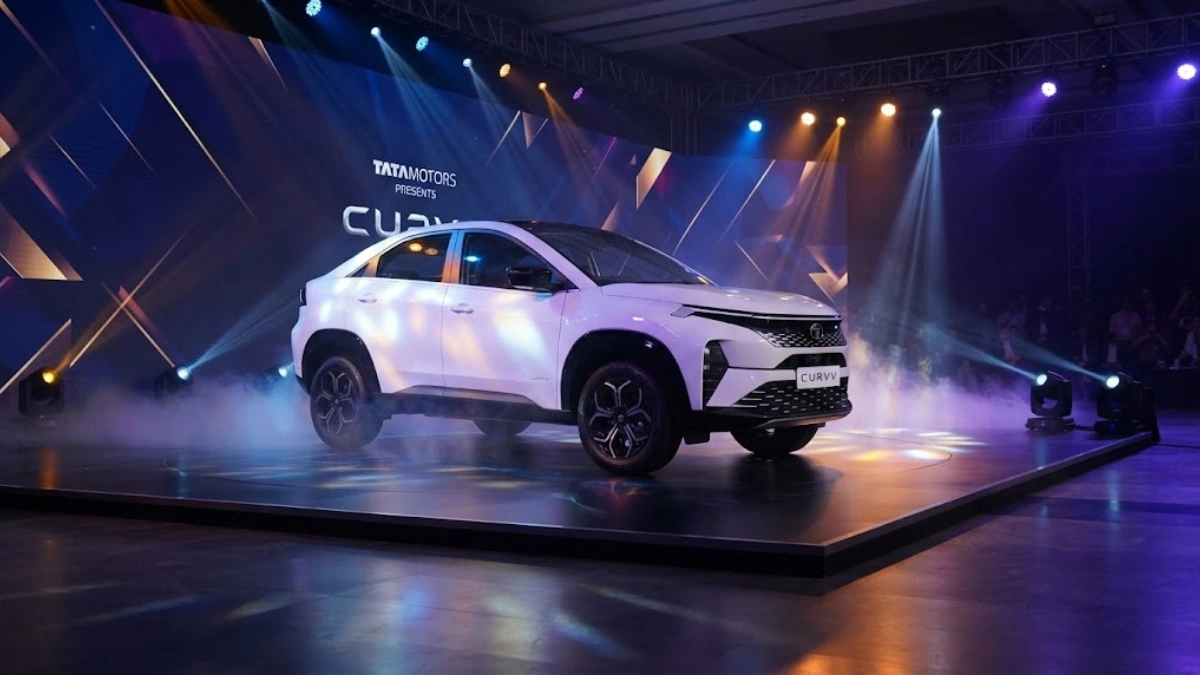
What Is the Difference Between Tata Curvv and New Curvv Series X?
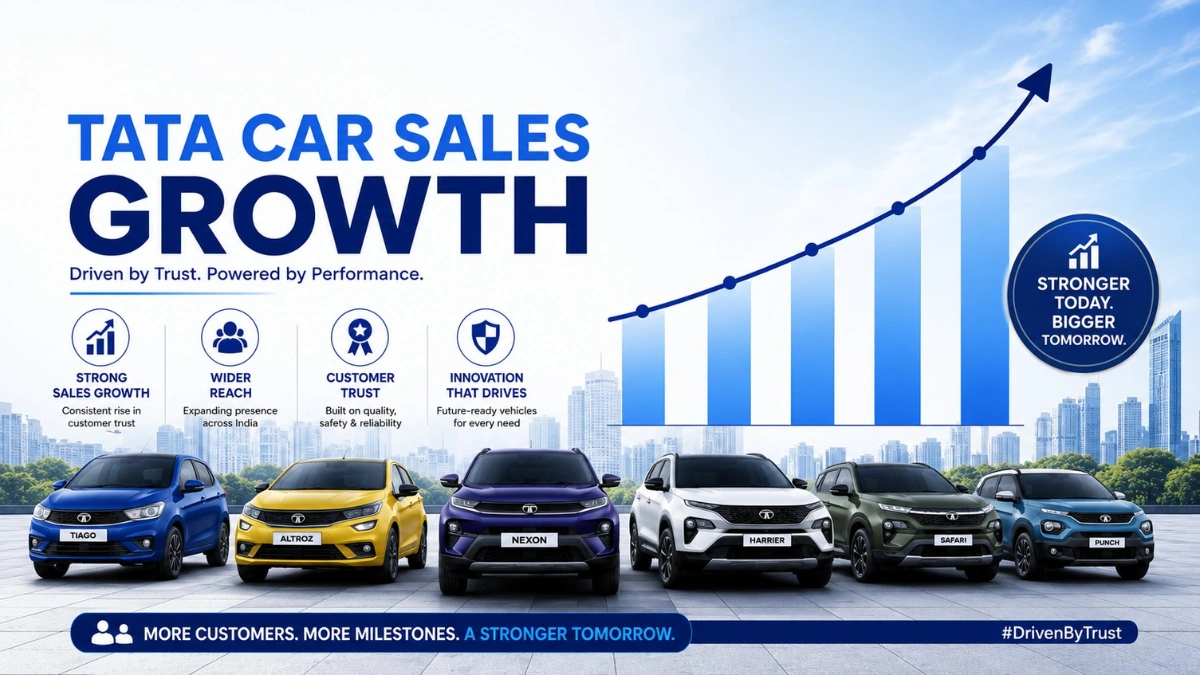
Tata Car Sales August 2026: Model-Wise Sales & Growth Report

Car Sales Report of August 2026: Tata Motors, Maruti, Mahindra Lead Growth
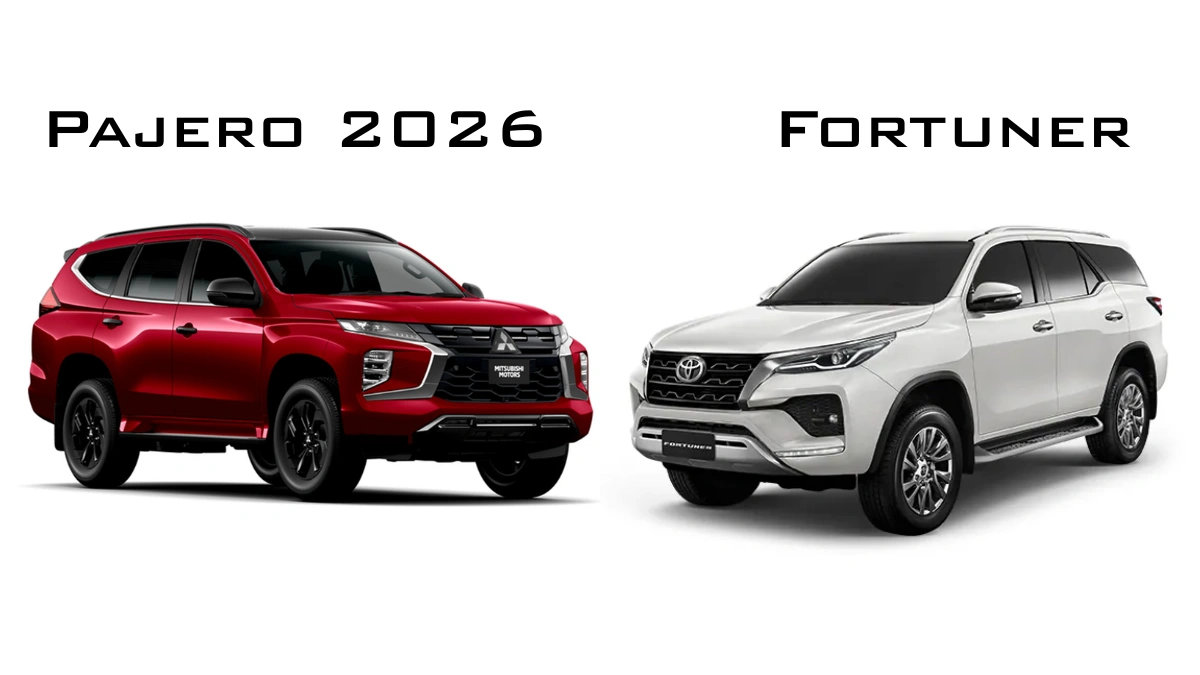
Pajero 2026 vs Fortuner: Which SUV Could Be Better?
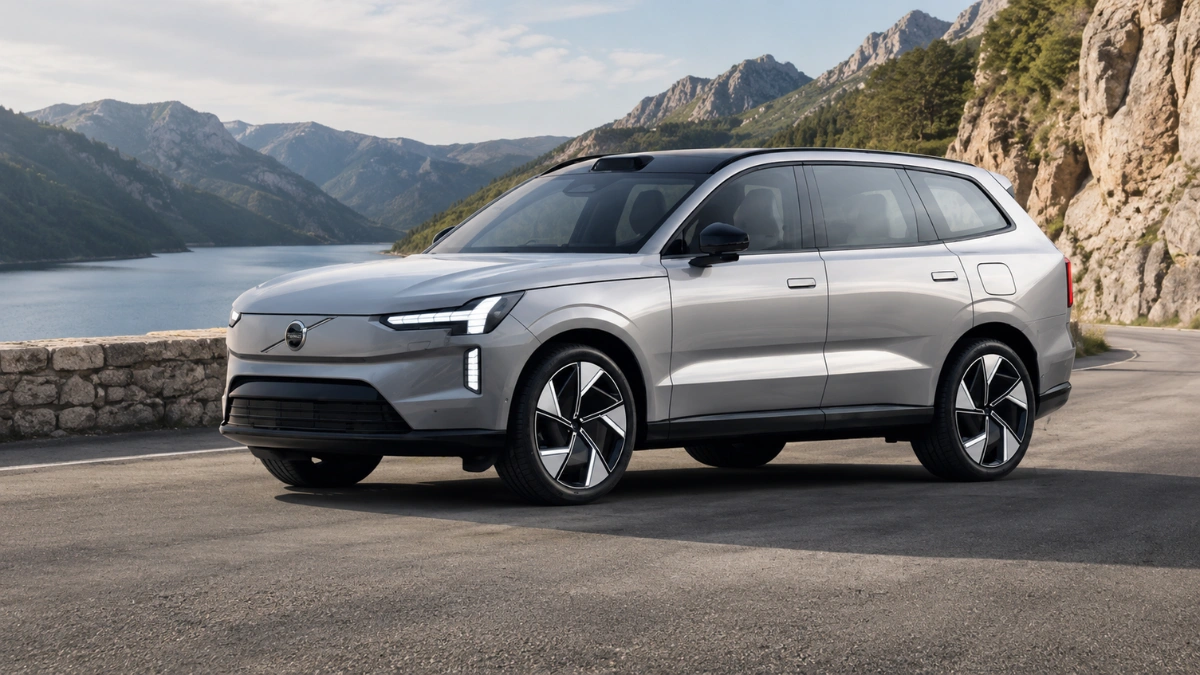
Volvo EX90 Booking Price: Expected Booking Amount, EMI & Loan Calculation
Next Generation Tata Nexon 2027: Expected Launch, Price, Design & Features
MG Hector Tomahawk EV Variant-Wise Price & Features Comparison
Maruti Baleno Facelift vs Toyota Glanza: Complete Comparision
Upcoming Cars in September 2026 in India: New Cars, Launch Dates & Expected Prices
MG Hector Hawk SUV vs Tata Harrier: Expected Price, Features & Key Differences
Skoda Superb Diesel in India: Will the Diesel Engine Make a Comeback?
Tata Punch Becomes India's Best-Selling SUV in July 2026 with 21,313 Units Sold
Car Sales Report July 2026: Maruti Remains No.1, Tata, Mahindra & Hyundai Record Strong Growth