AI-Powered Cars to Dominate 2026: Why Automakers Are Shifting Focus from EVs to Smart Driving
- Electric-Cars
- Published: 06 Jan, 2026

Book a Test Drive
Free doorstep test drive at your convenience
The global auto industry is entering a new era. While electric vehicles (EVs) were once the center of innovation, the spotlight is now shifting toward something even more transformative—AI-powered cars. As 2026 approaches, manufacturers are investing heavily in artificial intelligence to redefine how vehicles think, respond, and drive. This evolution marks a turning point where smart driving is becoming more important than simply switching from petrol to electric.
The Rise of AI-Powered Vehicles
AI-powered cars go beyond basic automation. These vehicles use advanced machine learning, real-time data processing, and predictive algorithms to make driving safer, more efficient, and more personalized. From adaptive cruise control and lane-keeping assistance to self-parking and autonomous navigation, AI is transforming cars into intelligent mobility systems.
By 2026, automakers expect AI to handle most driving tasks in controlled environments such as highways, smart cities, and logistics routes. Sensors like LiDAR, radar, cameras, and onboard neural processors work together to analyze surroundings, predict hazards, and make split-second decisions—often faster than human reflexes.
Why Automakers Are Moving Beyond EVs
Electric vehicles are still important, but the industry has realized that electrification alone does not solve all transportation challenges. Many EV markets are reaching maturity, and competition is intensifying. As battery technology stabilizes, automakers are searching for the next major differentiator. That differentiator is intelligent driving.
AI provides features that customers immediately feel—safer commutes, reduced fatigue, and smarter navigation. A car that can adapt to traffic patterns, detect driver behavior, and anticipate accidents offers value beyond zero emissions. In short, AI adds experience, while EVs primarily change the power source.
Safety Is the Biggest Driver
Road safety is one of the strongest reasons behind the shift. According to global transport studies, over 90% of road accidents occur due to human error. AI-powered systems reduce this risk by maintaining constant attention, monitoring blind spots, recognizing pedestrians, and responding instantly to emergencies.
Advanced Driver Assistance Systems (ADAS) are becoming standard, and by 2026, many vehicles will feature near-autonomous driving in urban and highway environments. Automakers understand that safety sells—and AI is the most powerful tool to achieve it.
Smart Driving Over Sustainable Driving?
This shift does not mean sustainability is being ignored. In fact, AI and EV technology are increasingly merging. AI optimizes battery usage, improves charging efficiency, and predicts maintenance needs, making EVs smarter rather than replacing them.
However, manufacturers now recognize that consumers want more than just electric motors. They want connected dashboards, intelligent navigation, personalized driving modes, voice-controlled systems, and real-time traffic learning. AI turns vehicles into digital companions rather than simple machines.
The Role of Data and Connectivity
Modern cars are becoming data platforms on wheels. AI analyzes massive amounts of data—from road conditions and weather patterns to driver habits and traffic flow. This allows vehicles to continuously improve through software updates.
Cloud integration enables cars to communicate with smart infrastructure, other vehicles, and even city management systems. By 2026, connected AI vehicles will help reduce congestion, improve fuel efficiency, and enhance route planning across entire urban networks.
Challenges Automakers Must Overcome
Despite rapid progress, AI-powered cars face challenges. Regulatory approvals, ethical considerations, cybersecurity risks, and public trust remain critical hurdles. Automakers must ensure that AI systems are transparent, reliable, and resistant to hacking.
Additionally, building AI-centric vehicles requires high investment in software development, semiconductor technology, and data management. Only manufacturers that can integrate hardware and software seamlessly will dominate the next phase of automotive evolution.
Why Choose AI-Powered Cars?
- Enhanced Safety: Real-time monitoring and predictive braking significantly reduce accident risks.
- Smarter Driving Experience: AI learns your driving habits and adapts for comfort and efficiency.
- Time Efficiency: Automated navigation and parking save time in daily commutes.
- Future-Ready Technology: Software updates continuously improve performance without changing the vehicle.
- Eco-Optimized Performance: AI manages energy use more effectively, especially in electric and hybrid vehicles.
Conclusion
AI-Powered Cars to Dominate 2026: Why Automakers Are Shifting Focus from EVs to Smart Driving is not just a prediction—it reflects a fundamental transformation in the automotive industry. While EVs changed how cars are powered, AI is changing how cars think. Safety, personalization, and intelligent connectivity are now the driving forces behind innovation.
By 2026, the most successful automakers will not be defined by battery range alone, but by how smart their vehicles are. The future of mobility is not only electric—it is intelligent.
FAQs
1. Will AI-powered cars replace electric vehicles?
No. AI enhances EVs rather than replacing them. Most AI-powered cars will still use electric or hybrid powertrains.
2. Are AI-powered cars fully autonomous?
Not completely. By 2026, many vehicles will offer semi-autonomous features, especially for highways and traffic-controlled zones.
3. Are AI cars safer than human-driven vehicles?
Yes. AI reduces human error by constantly monitoring surroundings and reacting faster than human drivers.
4. Will AI technology increase vehicle costs?
Initially, yes. However, as technology becomes mainstream, costs are expected to decrease, making AI features accessible to more consumers.
5. How does AI improve daily driving?
AI provides adaptive cruise control, real-time traffic optimization, predictive maintenance, voice commands, and personalized driving settings.
Book a Test Drive
Free doorstep test drive at your convenience
Popular Brands


Latest Electric Car News
Hyundai EV Compact SUV India Launch: Expected Price, Range & Key Details
Hybrids vs. EVs: Which Is Better for You?
Delhi EV Policy 2026 in Effect from July 1
Upcoming Electric Cars in August 2026 in India
What to Do If Your Car Battery Is Dead
Mercedes-Benz VLE Unveiled: 8-Seater EV with 700+ KM Range
Tata Sierra EV First Look: 600+ KM Range, Triple Screens & More
Top Accessories You Should Buy for Your Tata Harrier EV
Is an EV Car Coming for ₹5 Lakh? A Major Shift in the Indian Auto Market
Top Upcoming SUVs and Electric Cars in April 2026 That Could Change the Market
Bookings Open for the Mercedes-Benz CLA Electric – A New Competitor Enters India’s EV Market
Tata’s New Budget Electric Car Coming in 2026 – Is the Nano EV Making a Comeback?
Hybrid Cars vs Electric Cars in India 2026: Which Is Better?
BYD India New Electric Sedan Launched – Price & Range Revealed
Top 5 Affordable Electric Cars in India 2026 (Best Budget EVs with Long Range)
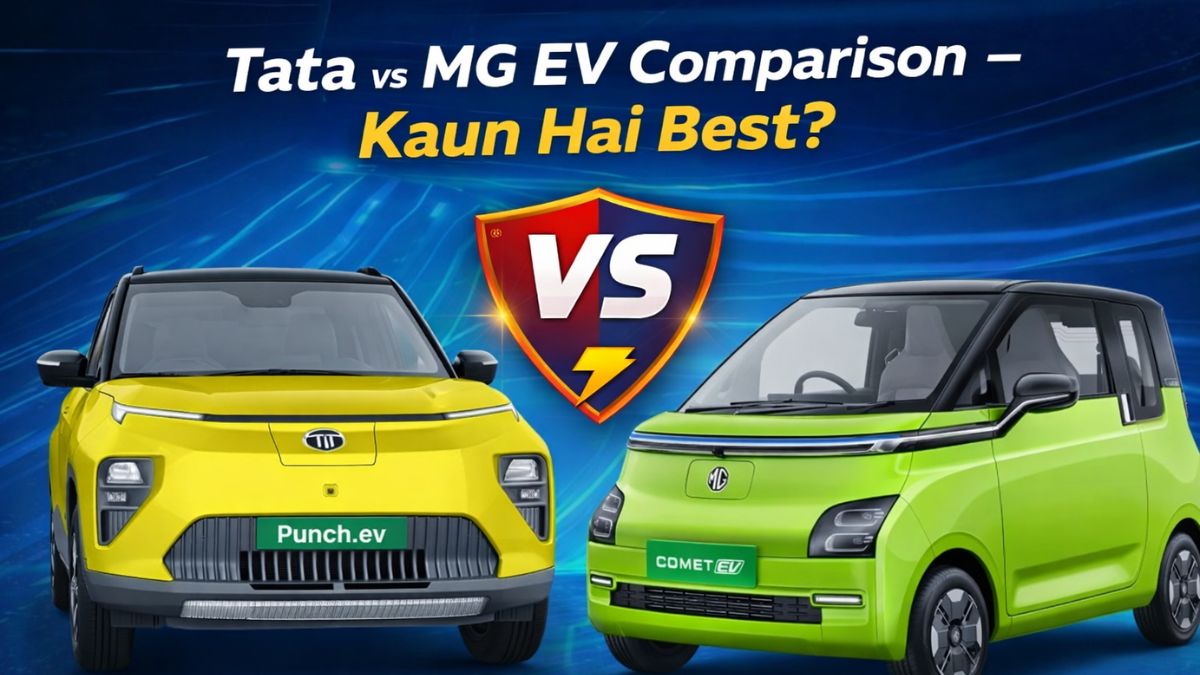
Tata vs MG EV Comparison – Which One Is Better in 2026?
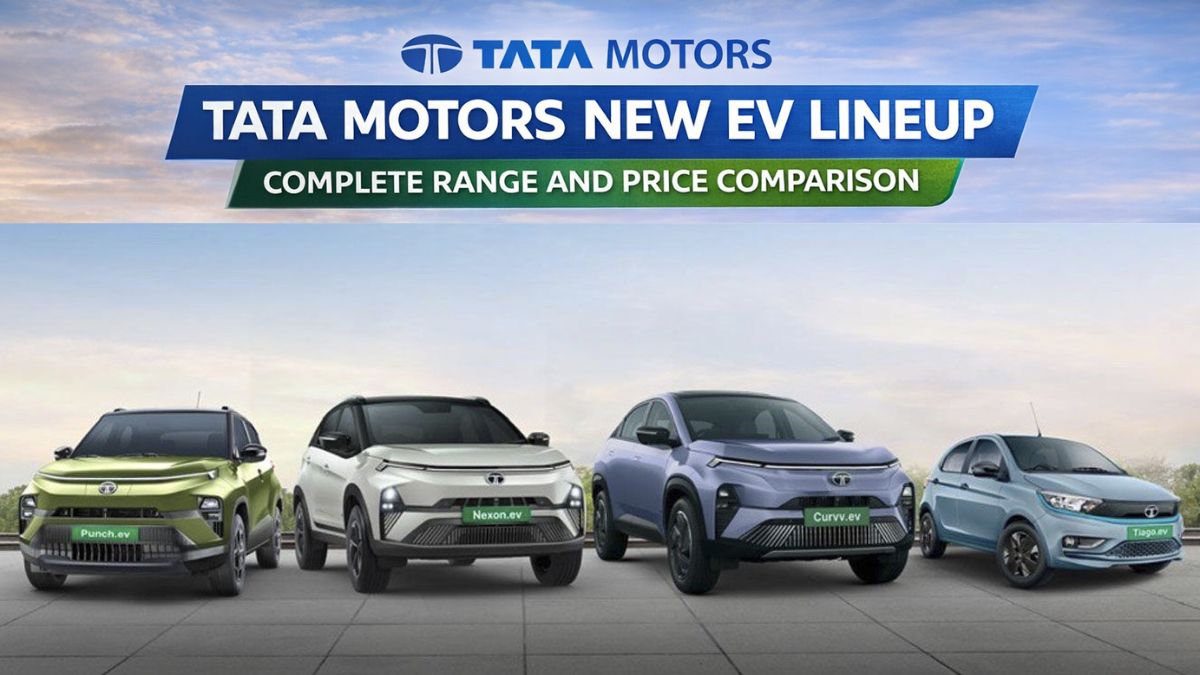
Tata EV Lineup 2026 REVEALED – Full Price Breakdown
Tesla India Booking Date LEAK – Big Update!
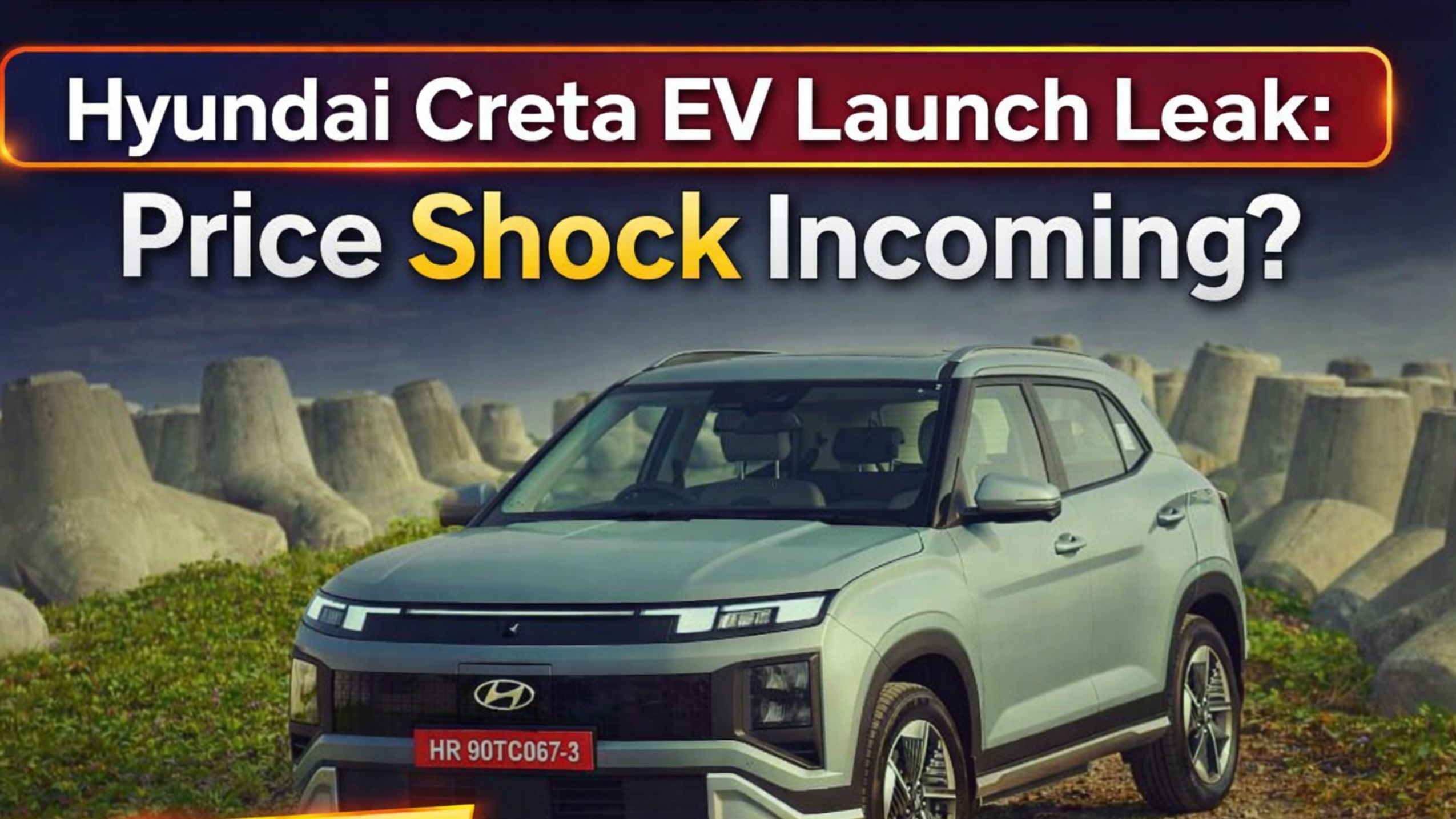
Hyundai Creta EV Launch Leak: Price Shock Incoming?
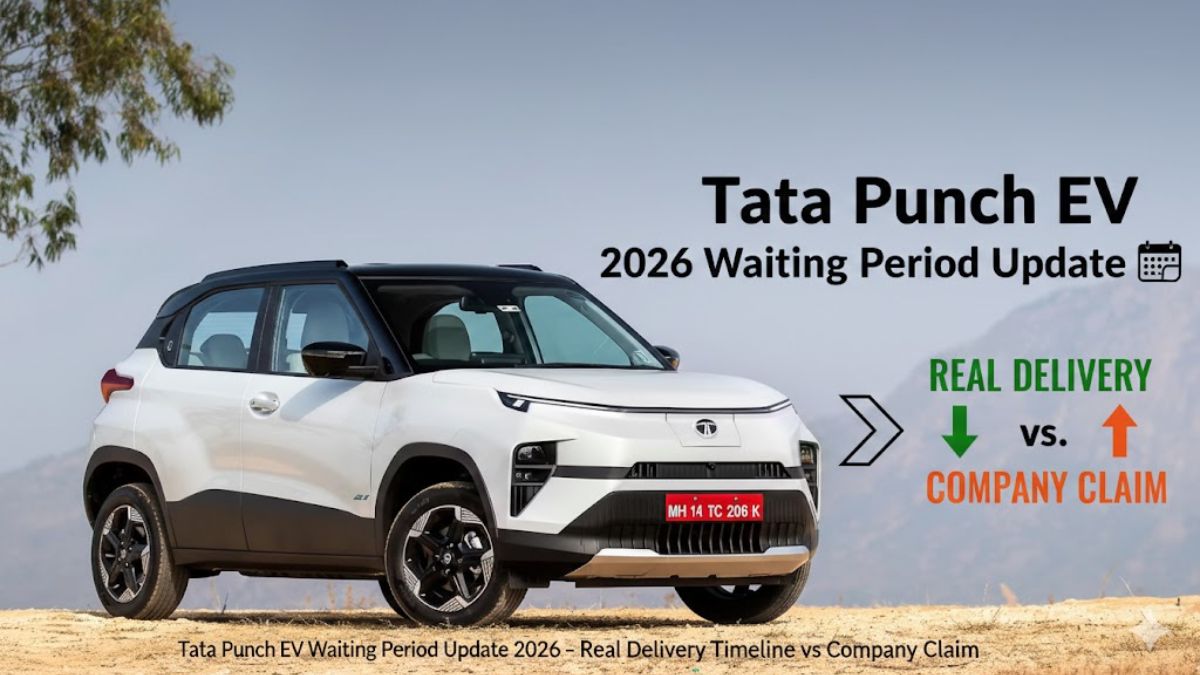
Tata Punch EV Waiting Period Update 2026: Real Delivery Timeline vs. Company Claims