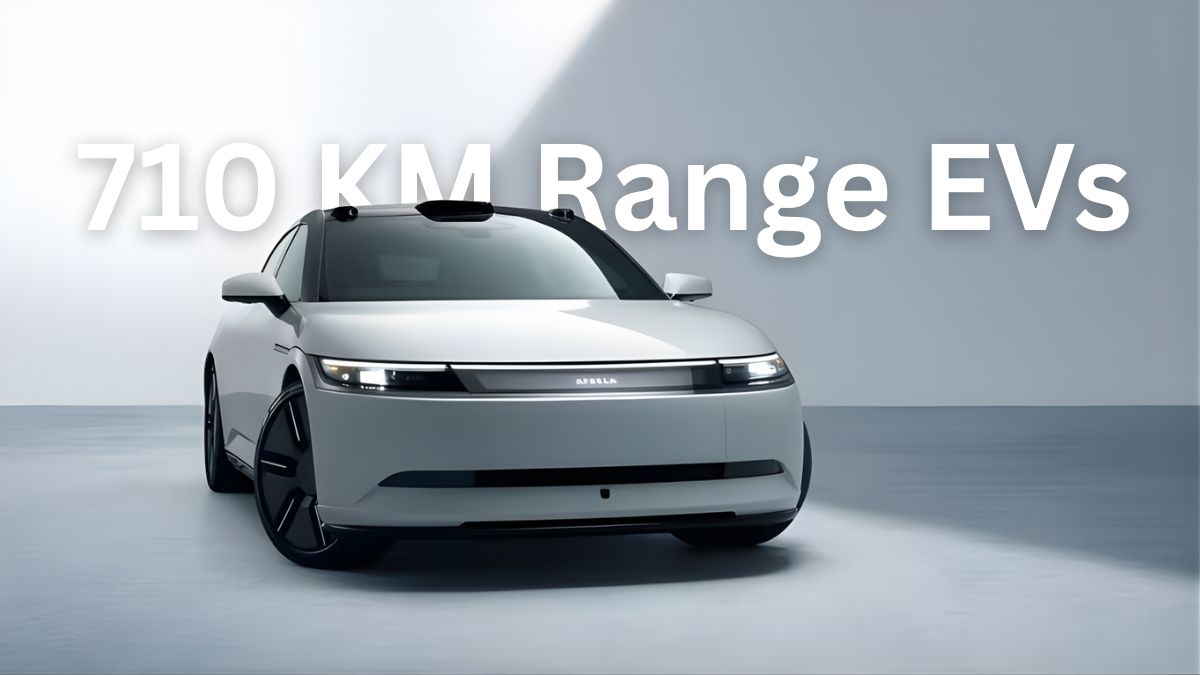
710 KM Range EVs Are Here: How Long-Range Electric Cars Will Change the Market in 2026
- Electric-Cars
- Published: 06 Jan, 2026
Book a Test Drive
Free doorstep test drive at your convenience
Electric vehicles are no longer just an eco-friendly alternative—they are becoming the smartest and most practical choice for modern mobility. The next major milestone in this evolution is range. With 710 KM range EVs now entering the market, the biggest concern of electric car buyers—range anxiety—is rapidly disappearing. By 2026, long-range electric vehicles are expected to transform how people travel, commute, and choose their next car.
This breakthrough is not just about numbers on paper. It represents a shift in technology, infrastructure, and consumer confidence that could redefine the global automobile market.
Why 710 KM Range Is a Game Changer
For years, limited driving range has been one of the main barriers to widespread EV adoption. Most early electric cars offered between 250–400 km per charge, which worked for city use but created uncertainty for long-distance travel.
A 710 KM range EV changes that completely. This range allows drivers to cover intercity distances on a single charge, making electric cars practical for road trips, business travel, and rural driving. It puts EVs on nearly equal footing with petrol and diesel vehicles in terms of usability.
With this leap, electric vehicles are no longer niche—they become mainstream.
How Long-Range EVs Will Change the Market in 2026
1. Mass Adoption Will Accelerate
By 2026, long-range EVs will attract buyers who were previously hesitant. Families, fleet operators, and highway commuters will see electric vehicles as a realistic replacement for internal combustion engine cars. As confidence grows, governments and automakers expect EV adoption rates to rise sharply across both urban and semi-urban markets.
2. Charging Anxiety Will Reduce Significantly
One of the biggest mental barriers for EV users has been the fear of running out of power mid-journey. With a 710 km range, most drivers will only need to charge once every few days under normal use. This dramatically reduces dependency on charging infrastructure and improves user experience, especially in regions where charging networks are still developing.
3. Battery Technology Will Redefine Performance
Achieving a 710 km range requires advanced battery chemistry, improved energy density, and efficient thermal management. Automakers are now using solid-state research, optimized lithium-ion cells, and AI-based energy management systems.
These improvements not only increase range but also enhance safety, charging speed, and battery lifespan. By 2026, battery packs will be lighter, more durable, and more cost-effective, making high-range EVs more accessible.
4. Cost Per Kilometer Will Drop
Although long-range EVs may initially cost more upfront, their operating cost will be significantly lower. Electricity is cheaper than fuel, maintenance is minimal due to fewer moving parts, and regenerative braking reduces wear and tear.
With longer range, drivers will need fewer charging cycles, which also extends battery life. Over time, the total cost of ownership of a 710 km EV will undercut petrol and diesel vehicles.
5. Competition Among Automakers Will Intensify
By 2026, major automotive brands are racing to offer higher-range EVs as a competitive advantage. Range will become a key marketing factor, much like mileage was for traditional cars. This competition will drive faster innovation, better features, and more affordable pricing for consumers.
Impact on Infrastructure and Policy
The rise of long-range EVs will also reshape infrastructure planning. Governments and private companies will focus more on fast-charging corridors along highways rather than dense urban charging stations alone. Policies promoting EV adoption, tax benefits, and sustainability targets will align with this new generation of vehicles.
For logistics, ride-sharing, and commercial fleets, high-range EVs will reduce downtime, making electric mobility viable for large-scale operations.
Why Choose a 710 KM Range EV?
- True Long-Distance Capability: Travel between cities without constant charging stops.
- Lower Running Costs: Electricity is cheaper than fuel, and maintenance requirements are minimal.
- Future-Ready Technology: Advanced batteries, smart energy management, and over-the-air updates keep your car updated.
- Environmental Benefits: Zero tailpipe emissions reduce pollution and carbon footprint.
- High Resale Value: As long-range EVs become the industry standard, demand will remain strong.
Conclusion
710 KM Range EVs Are Here: How Long-Range Electric Cars Will Change the Market in 2026 is more than just a headline—it signals a turning point for the automotive industry. The introduction of long-range electric vehicles removes the last major barrier to EV adoption: practicality.
By 2026, EVs will no longer be seen as city-only cars or secondary vehicles. With 710 km of real-world driving range, they will compete directly with traditional cars in every segment—from daily commuting to cross-country travel. As technology advances and costs continue to fall, long-range electric cars are set to dominate the roads and reshape the future of transportation.
FAQs
1. What does a 710 km range mean in real-world driving?
It means the vehicle can travel up to 710 kilometers on a single full charge under optimal conditions, making long-distance travel practical.
2. Will charging still be necessary for daily use?
Yes, but far less frequently. Most drivers may only need to charge once or twice a week depending on usage.
3. Are 710 km range EVs expensive?
Initially, they may cost more than standard EVs, but long-term fuel and maintenance savings make them cost-effective.
4. Will battery life be affected by such long ranges?
No. Modern battery management systems are designed to optimize performance and extend lifespan even in high-capacity batteries.
5. Are long-range EVs better than petrol cars?
In terms of running cost, emissions, and future readiness, long-range EVs offer significant advantages over petrol and diesel vehicles.
Book a Test Drive
Free doorstep test drive at your convenience
Popular Brands


Latest Electric Car News
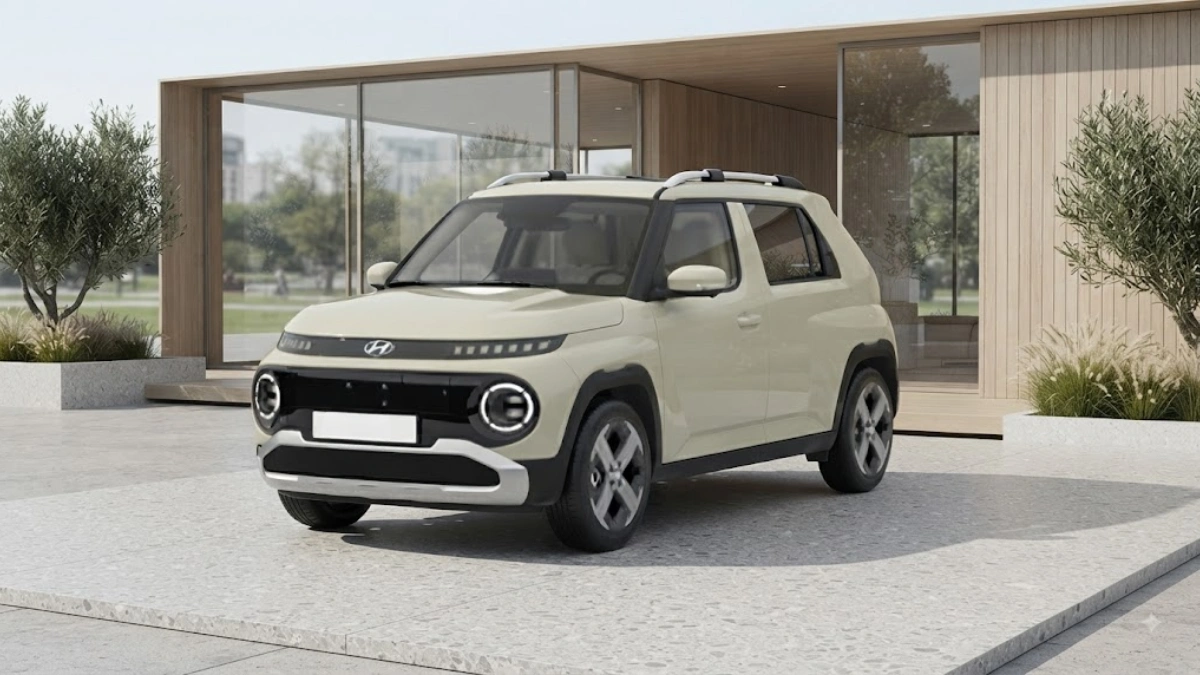
Hyundai EV Compact SUV India Launch: Expected Price, Range & Key Details
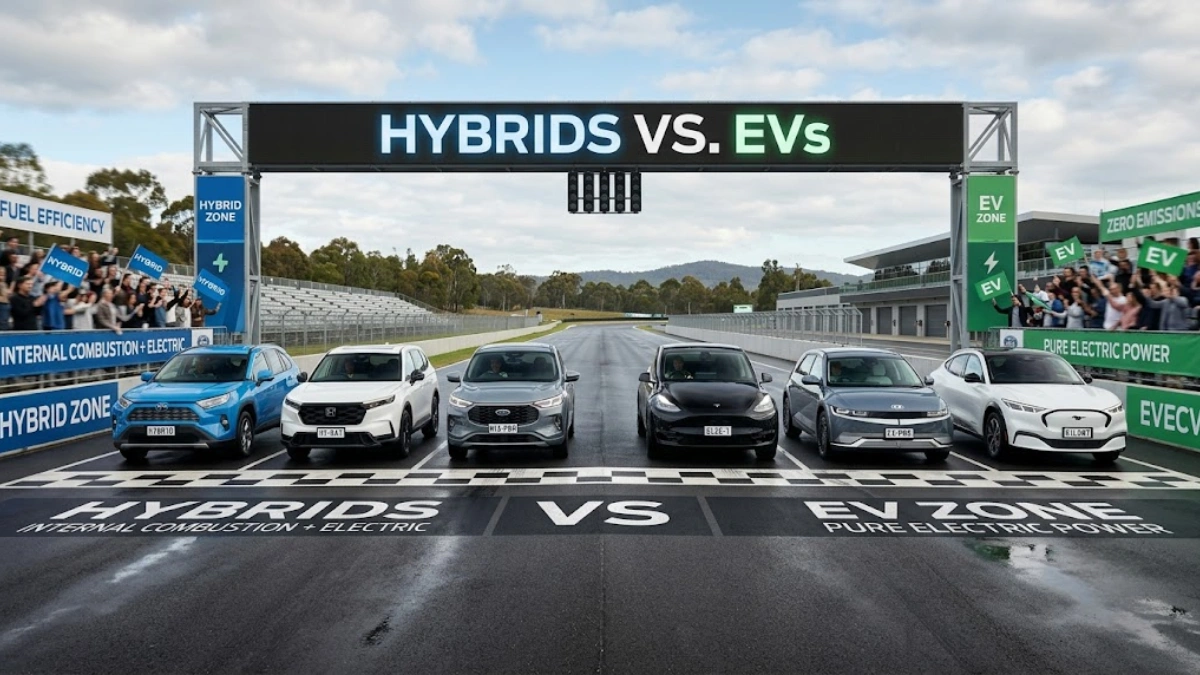
Hybrids vs. EVs: Which Is Better for You?
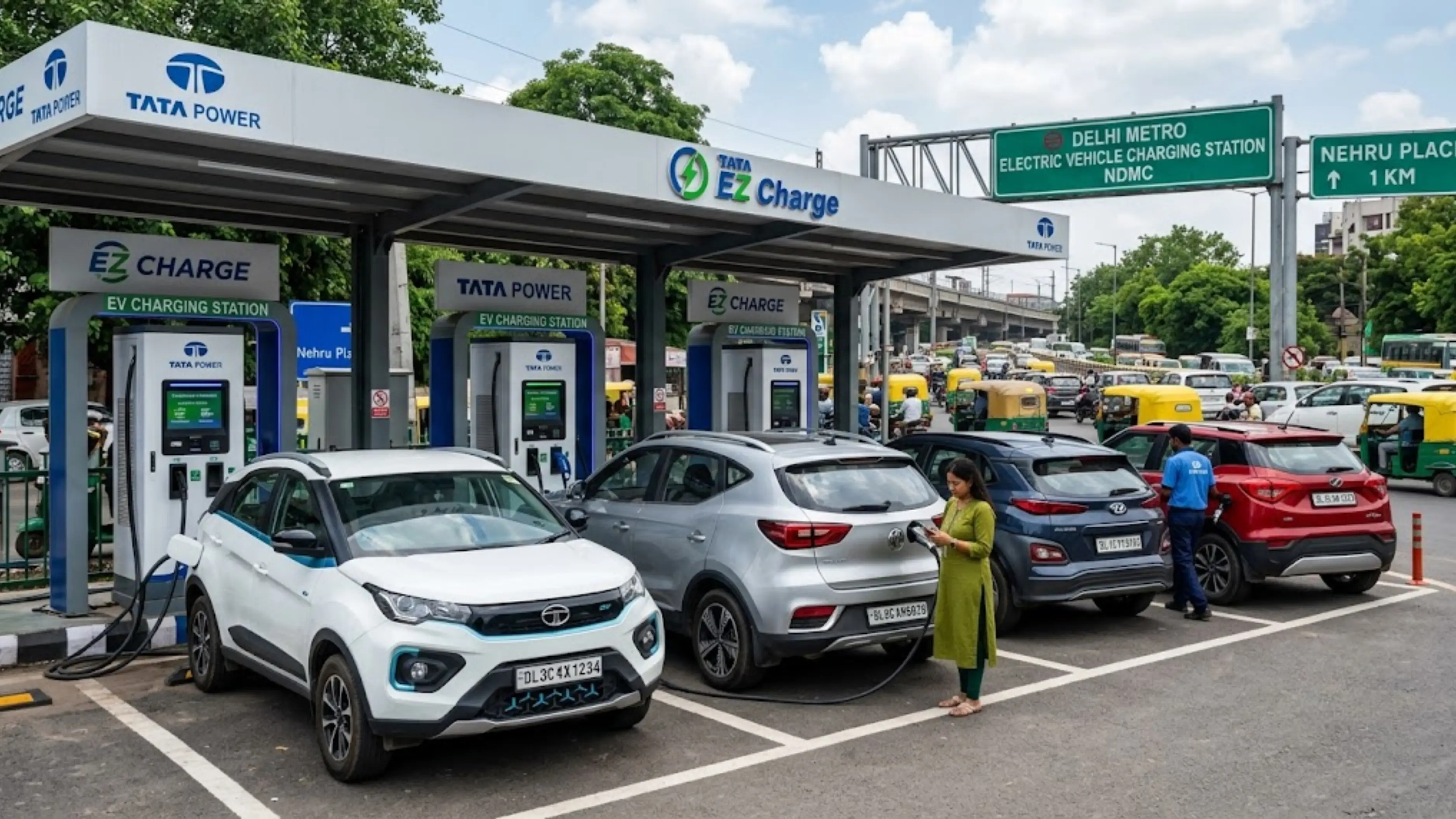
Delhi EV Policy 2026 in Effect from July 1
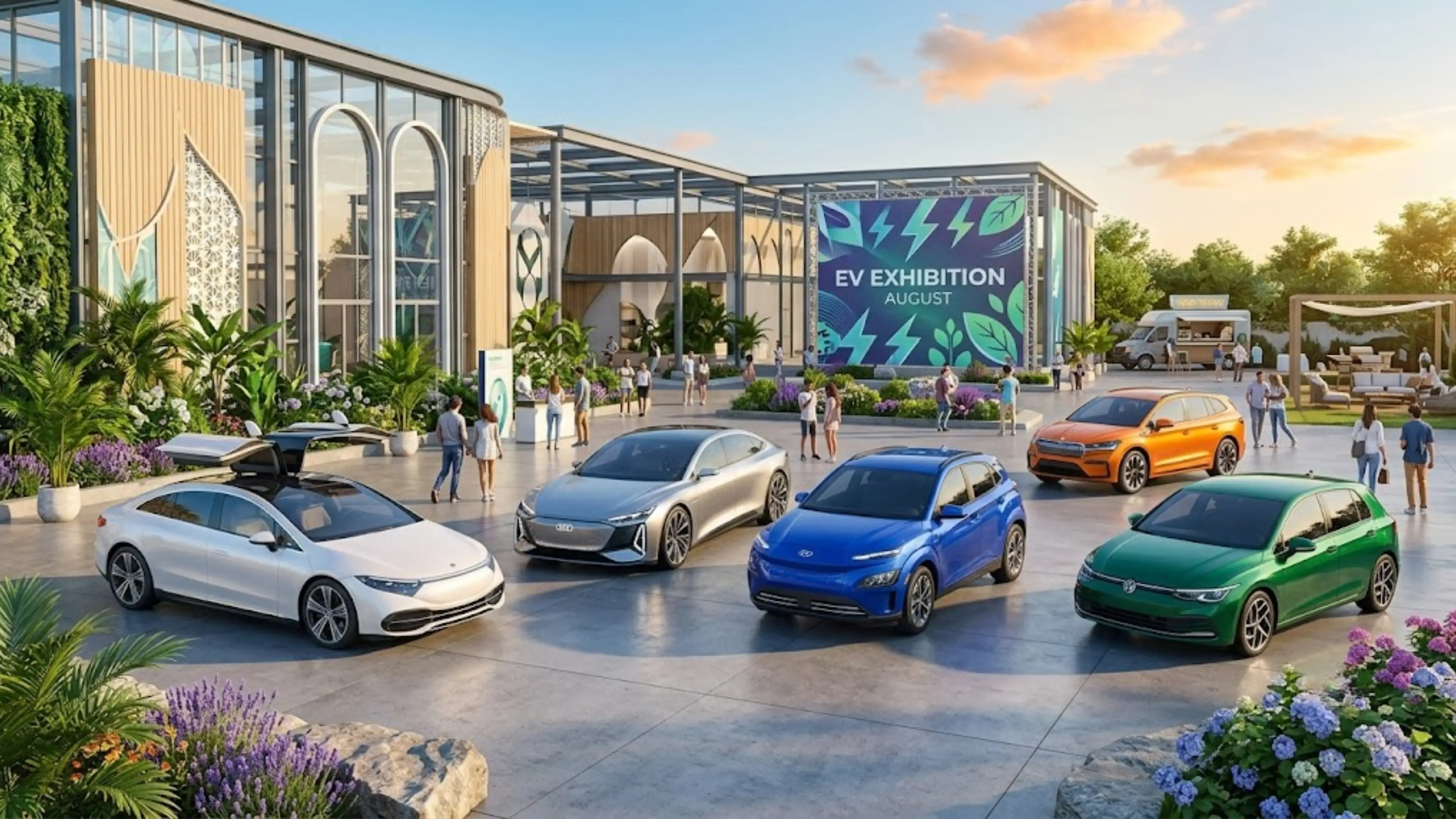
Upcoming Electric Cars in August 2026 in India
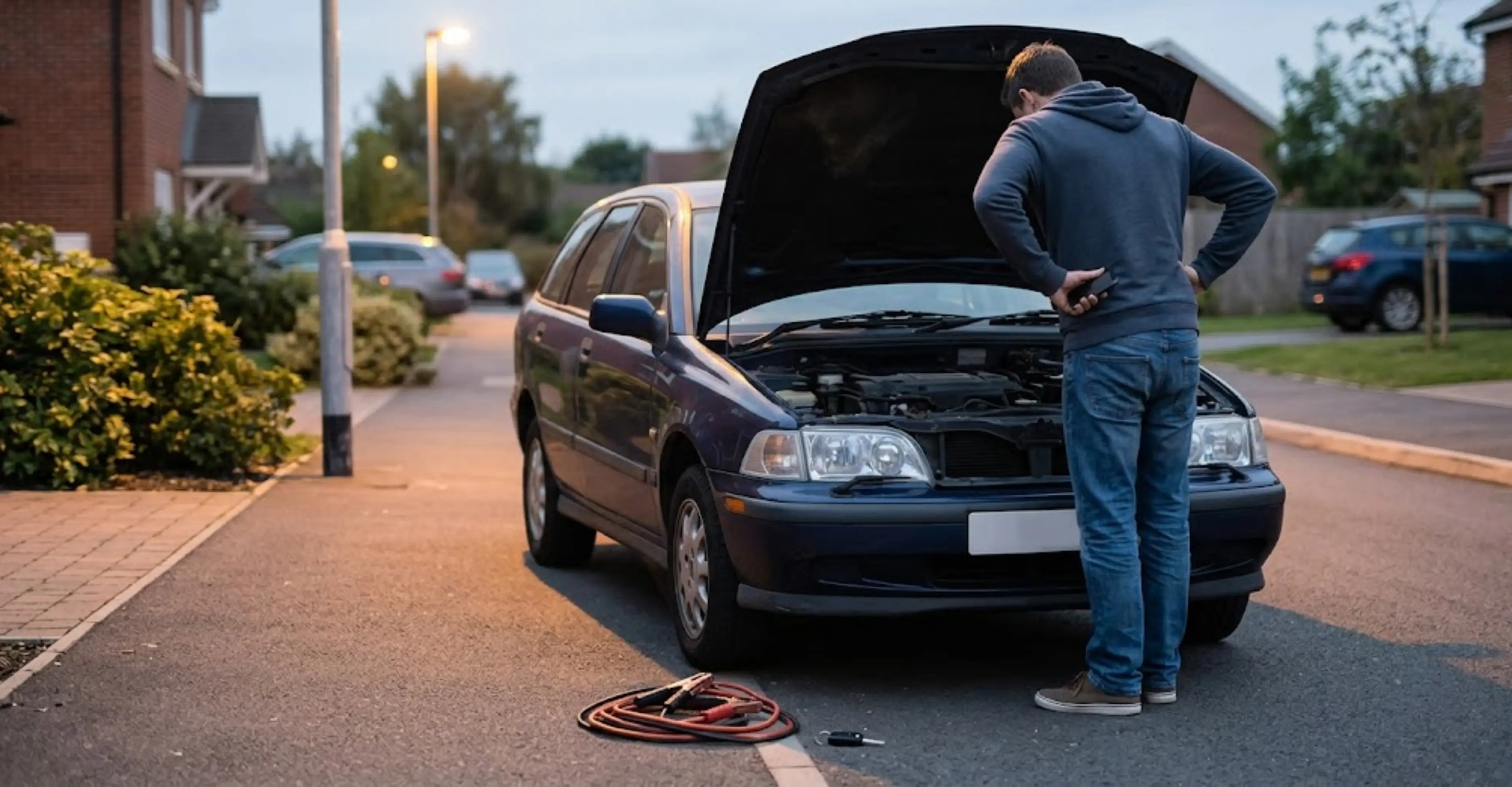
What to Do If Your Car Battery Is Dead
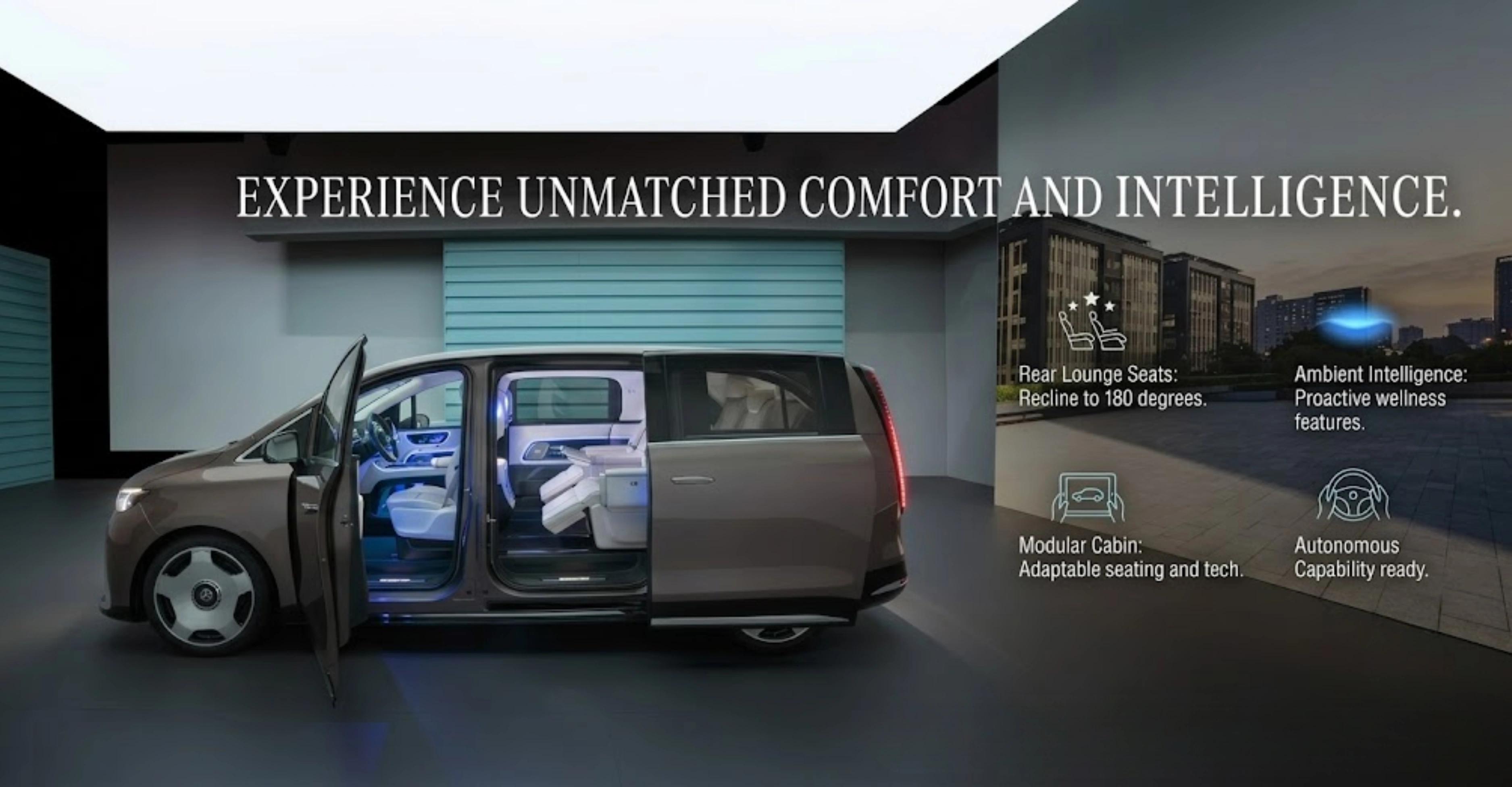
Mercedes-Benz VLE Unveiled: 8-Seater EV with 700+ KM Range
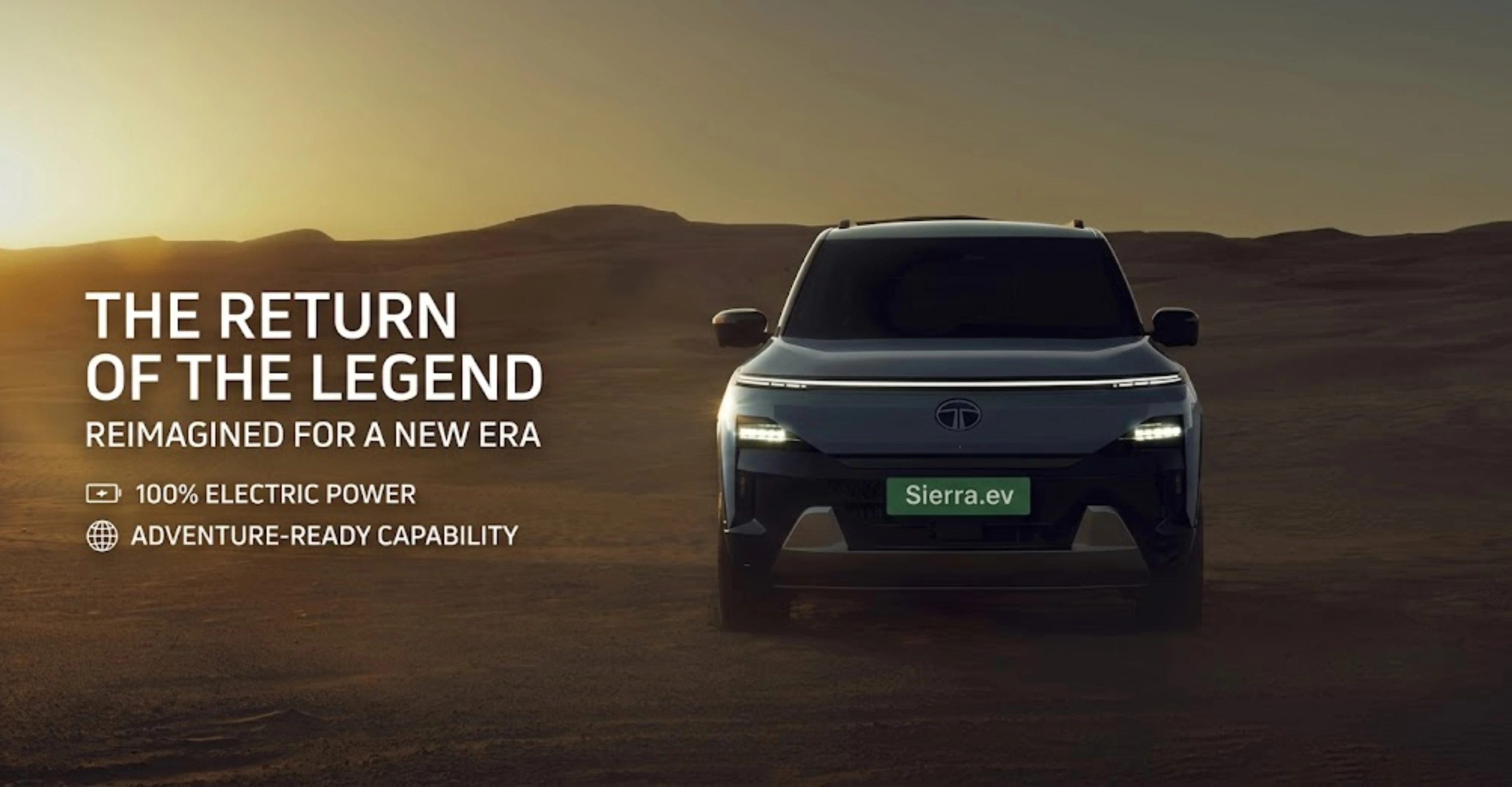
Tata Sierra EV First Look: 600+ KM Range, Triple Screens & More
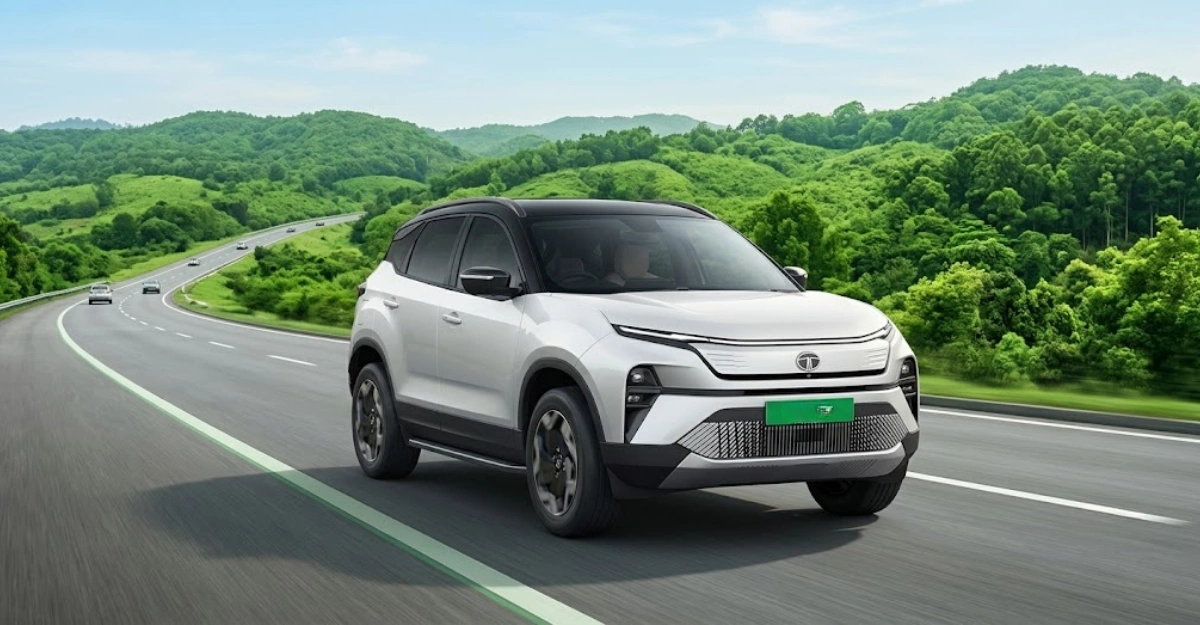
Top Accessories You Should Buy for Your Tata Harrier EV
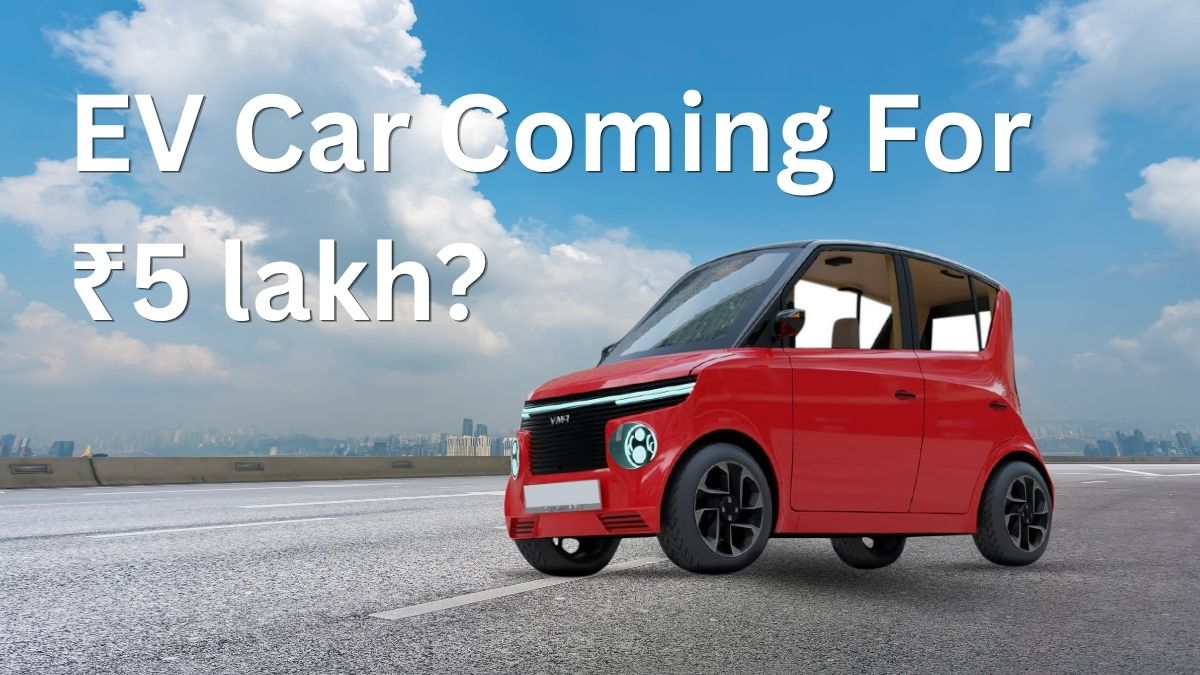
Is an EV Car Coming for ₹5 Lakh? A Major Shift in the Indian Auto Market
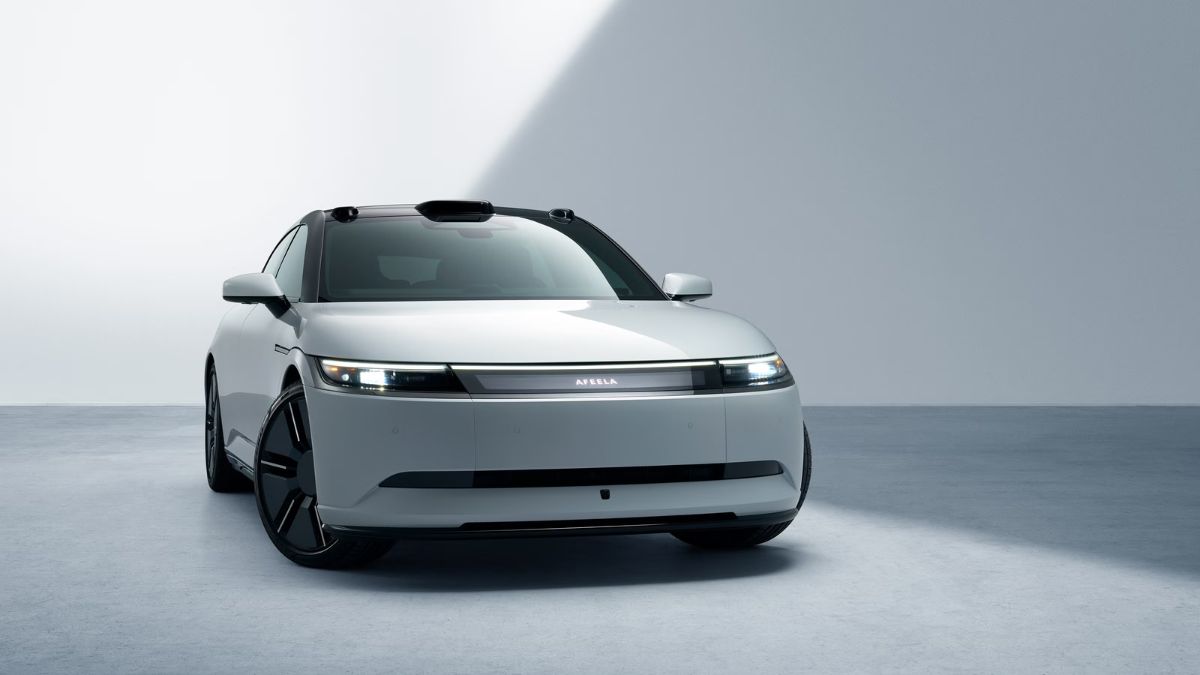
Top Upcoming SUVs and Electric Cars in April 2026 That Could Change the Market
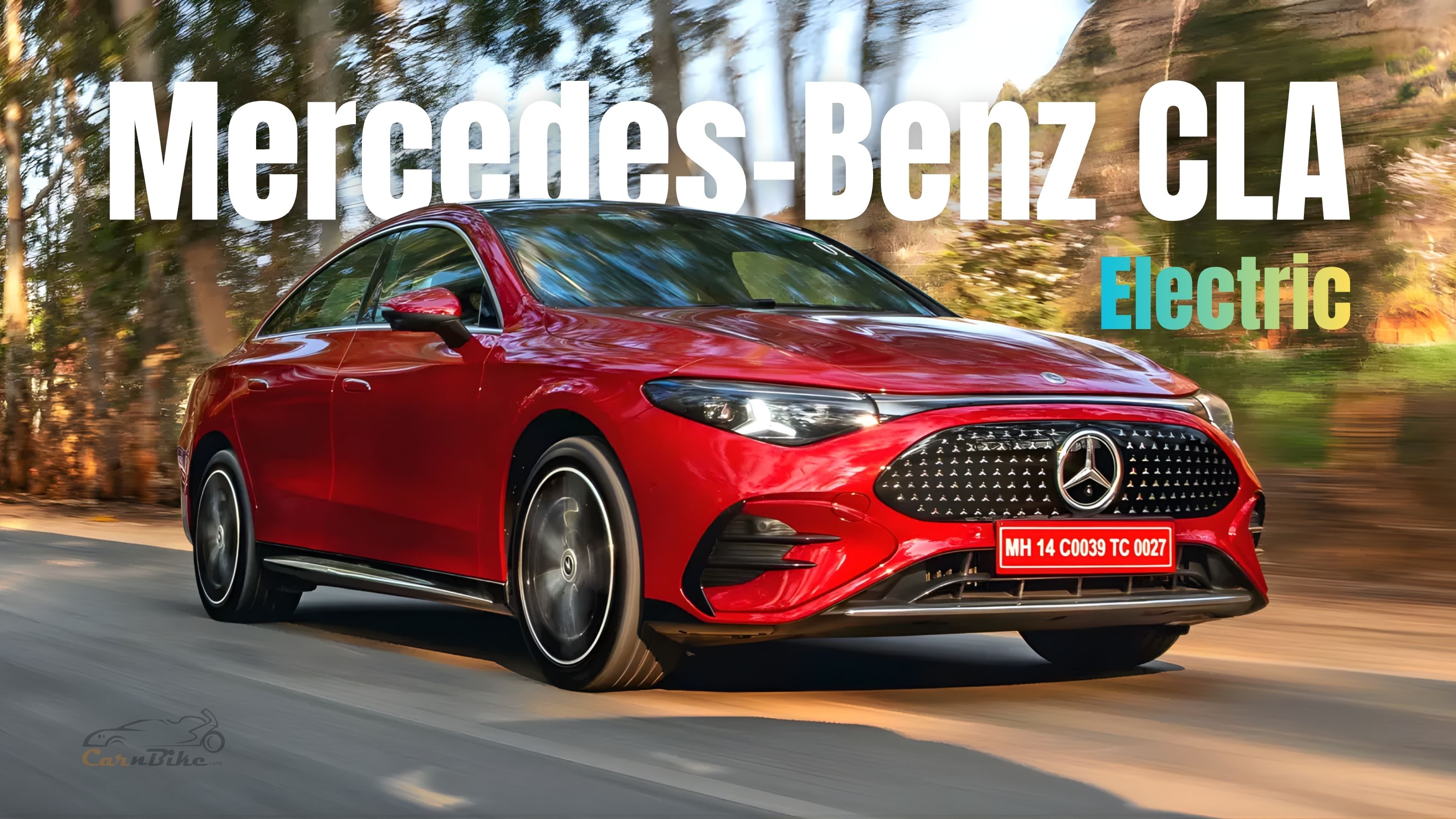
Bookings Open for the Mercedes-Benz CLA Electric – A New Competitor Enters India’s EV Market
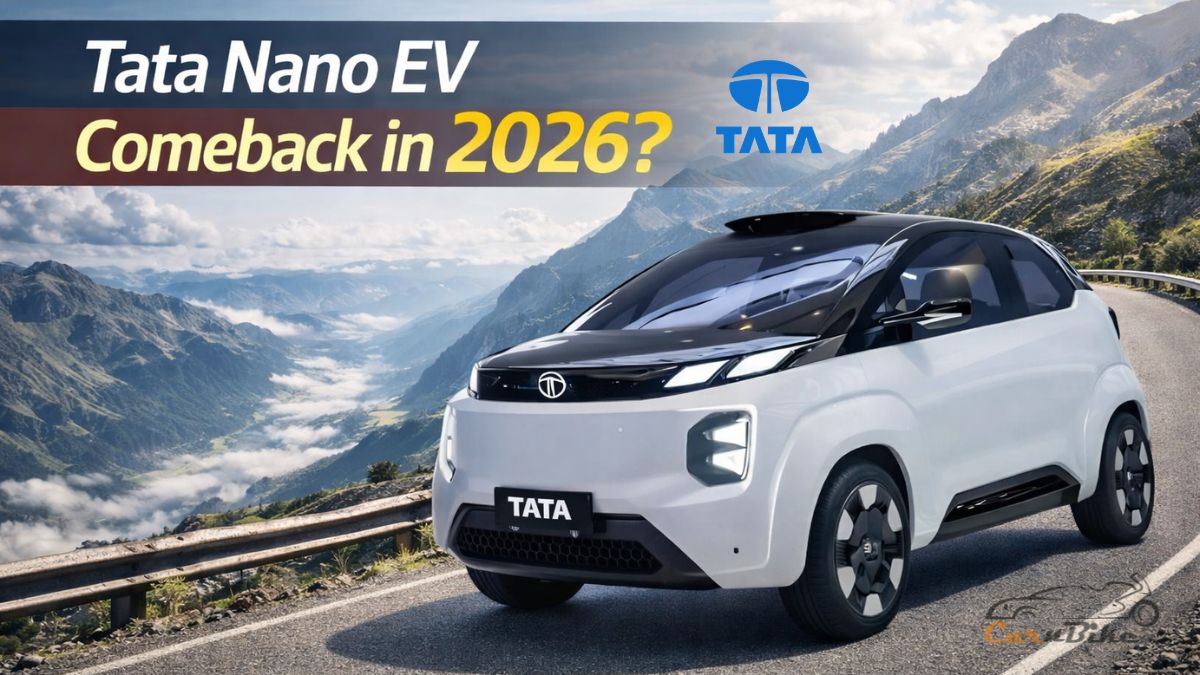
Tata’s New Budget Electric Car Coming in 2026 – Is the Nano EV Making a Comeback?
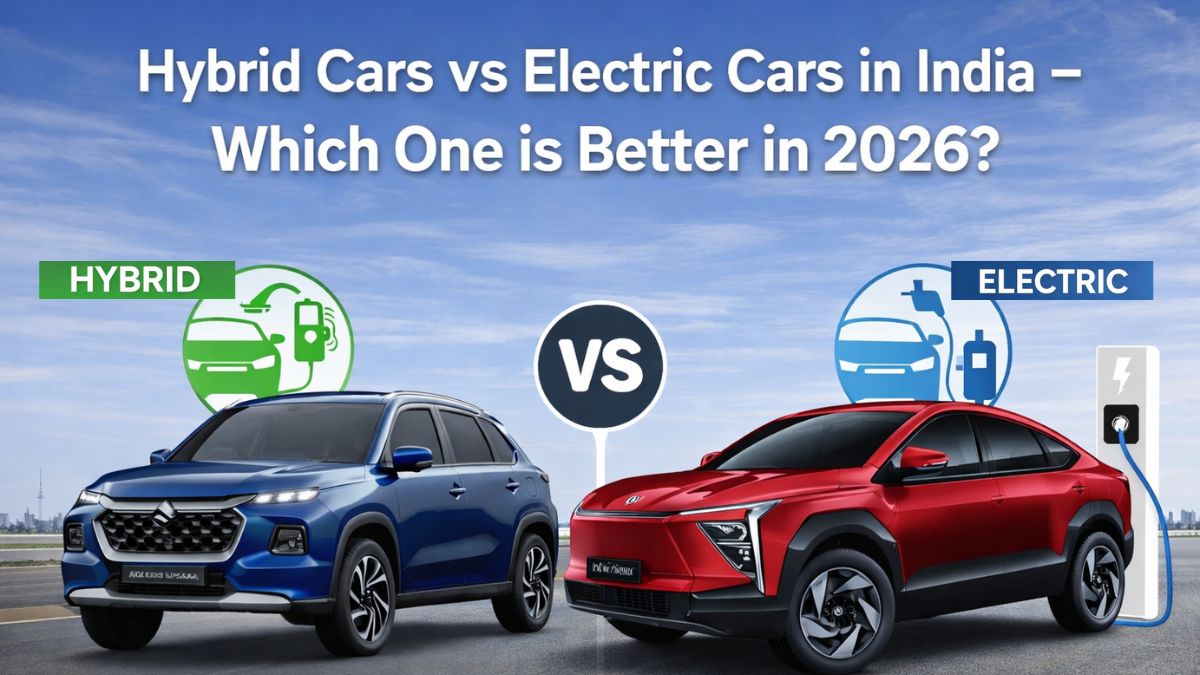
Hybrid Cars vs Electric Cars in India 2026: Which Is Better?
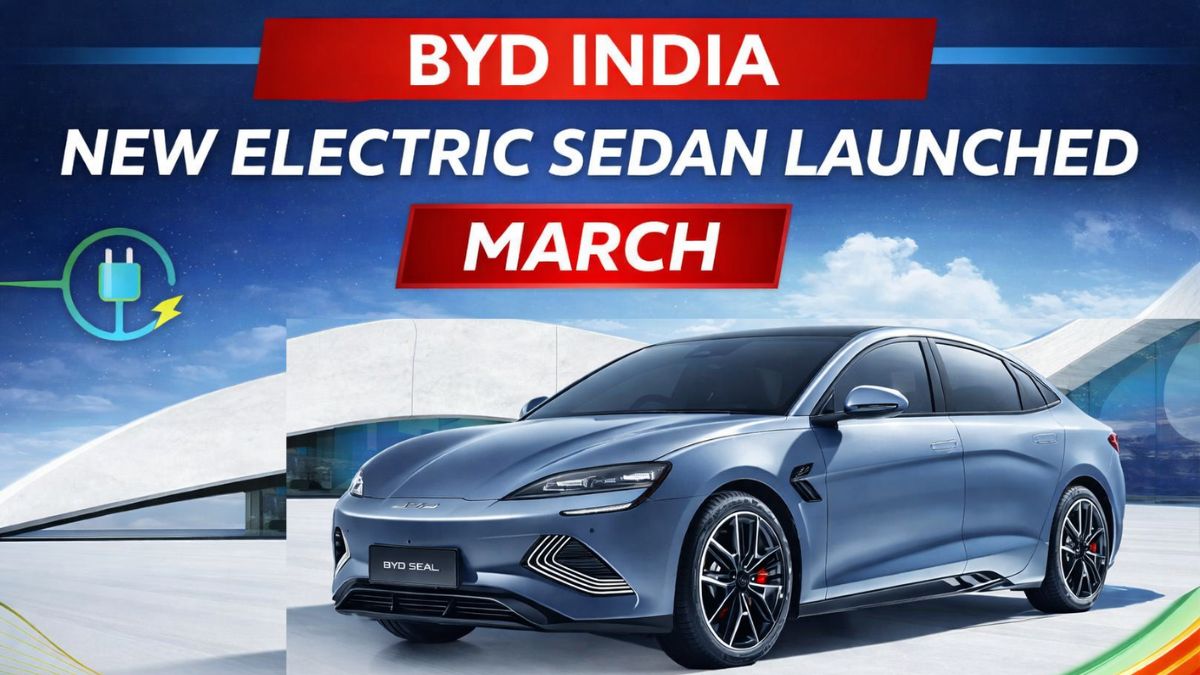
BYD India New Electric Sedan Launched – Price & Range Revealed
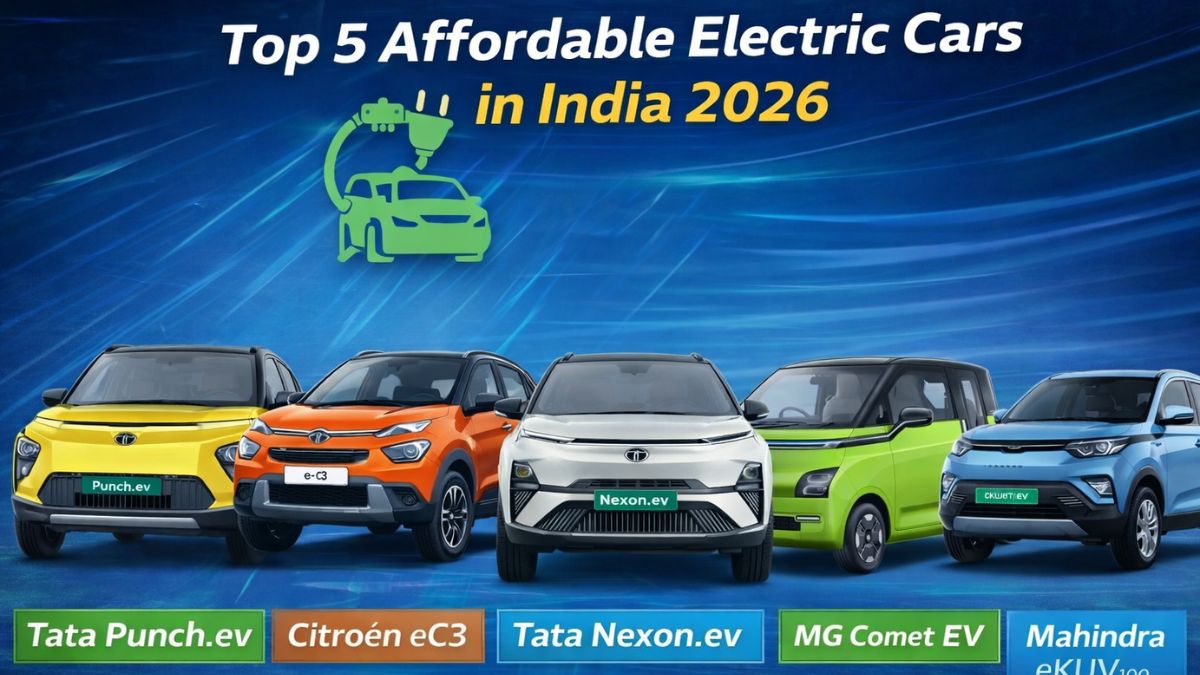
Top 5 Affordable Electric Cars in India 2026 (Best Budget EVs with Long Range)
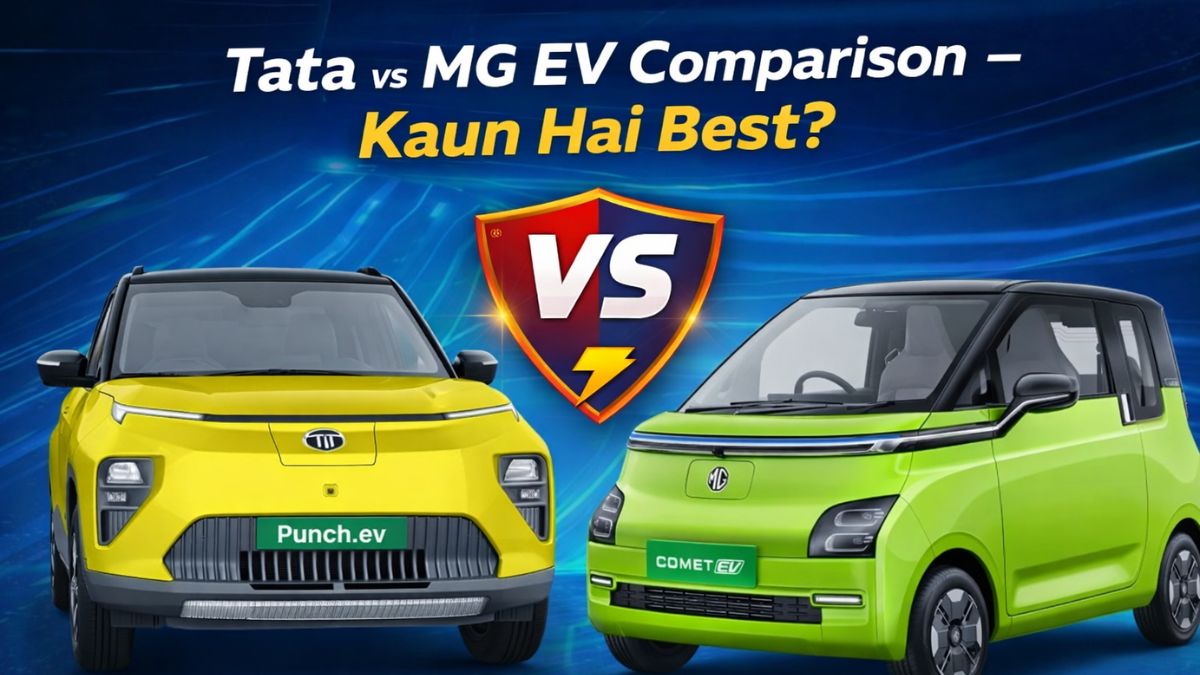
Tata vs MG EV Comparison – Which One Is Better in 2026?
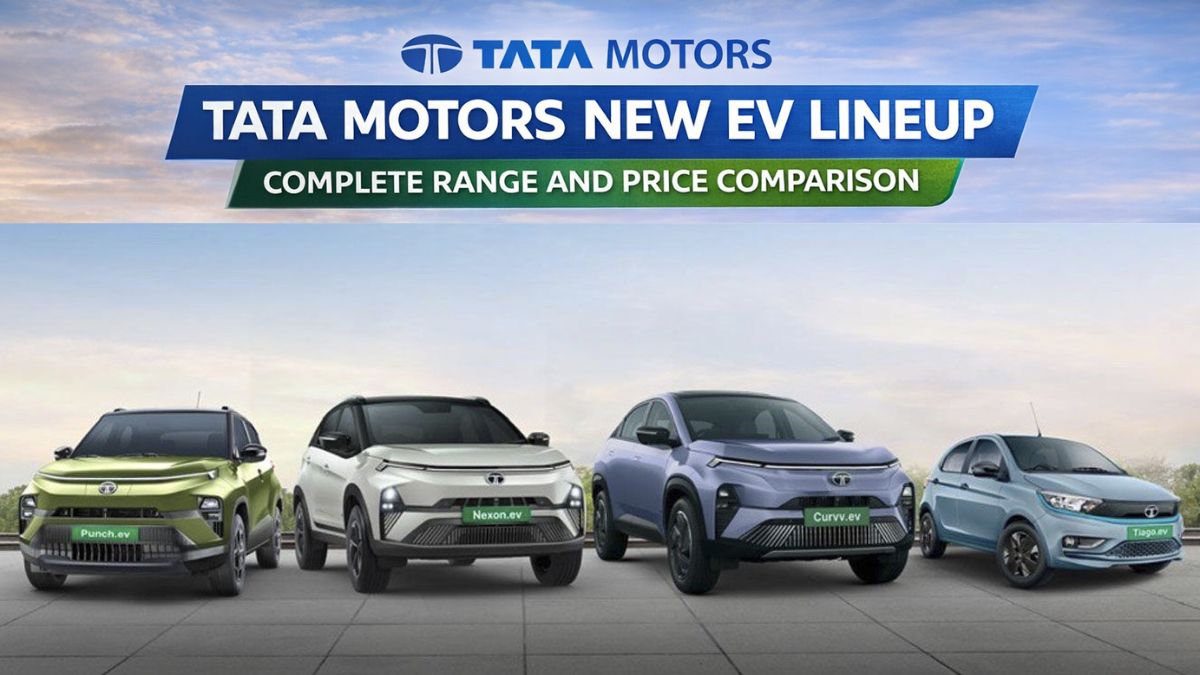
Tata EV Lineup 2026 REVEALED – Full Price Breakdown

Tesla India Booking Date LEAK – Big Update!
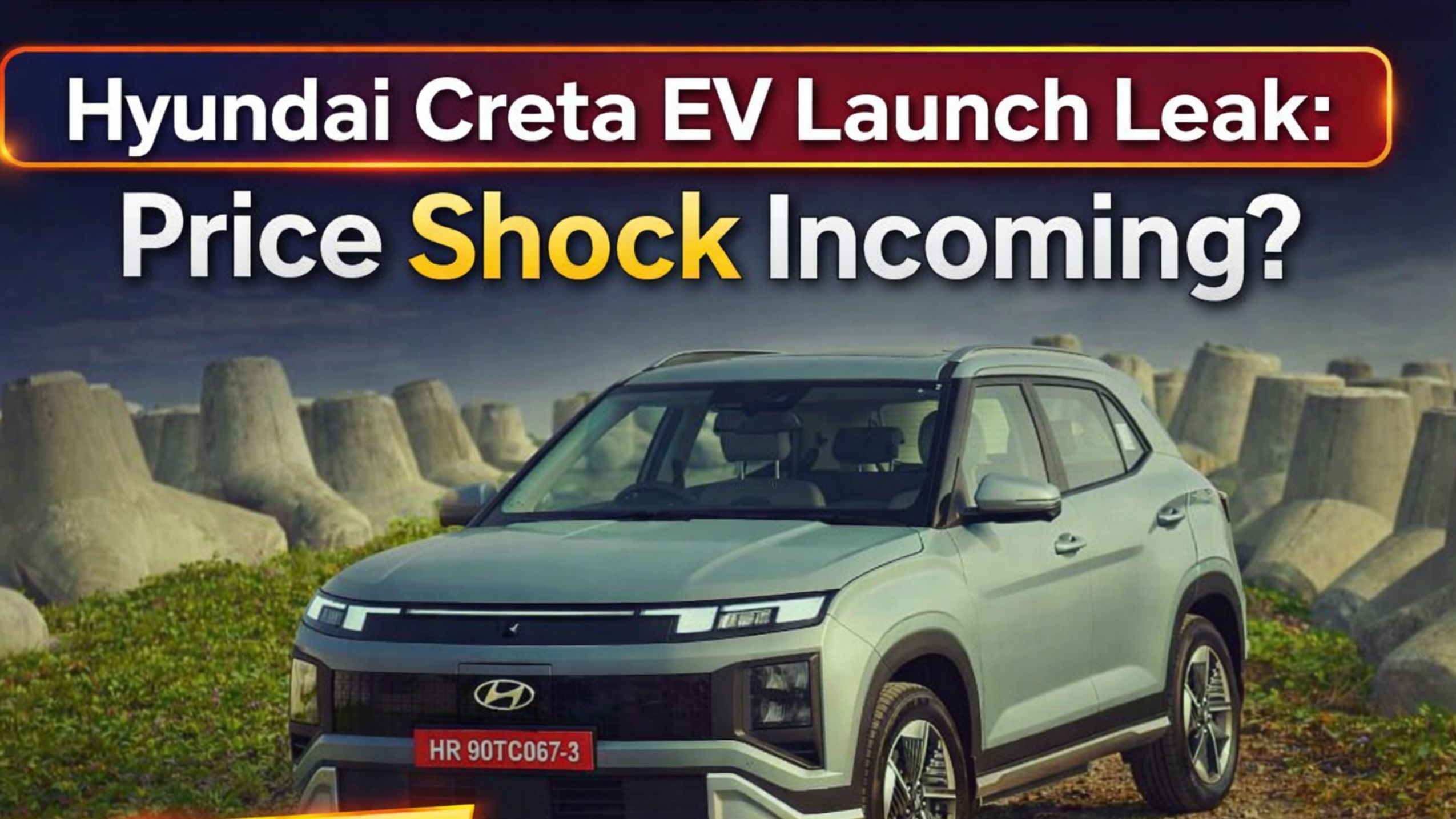
Hyundai Creta EV Launch Leak: Price Shock Incoming?
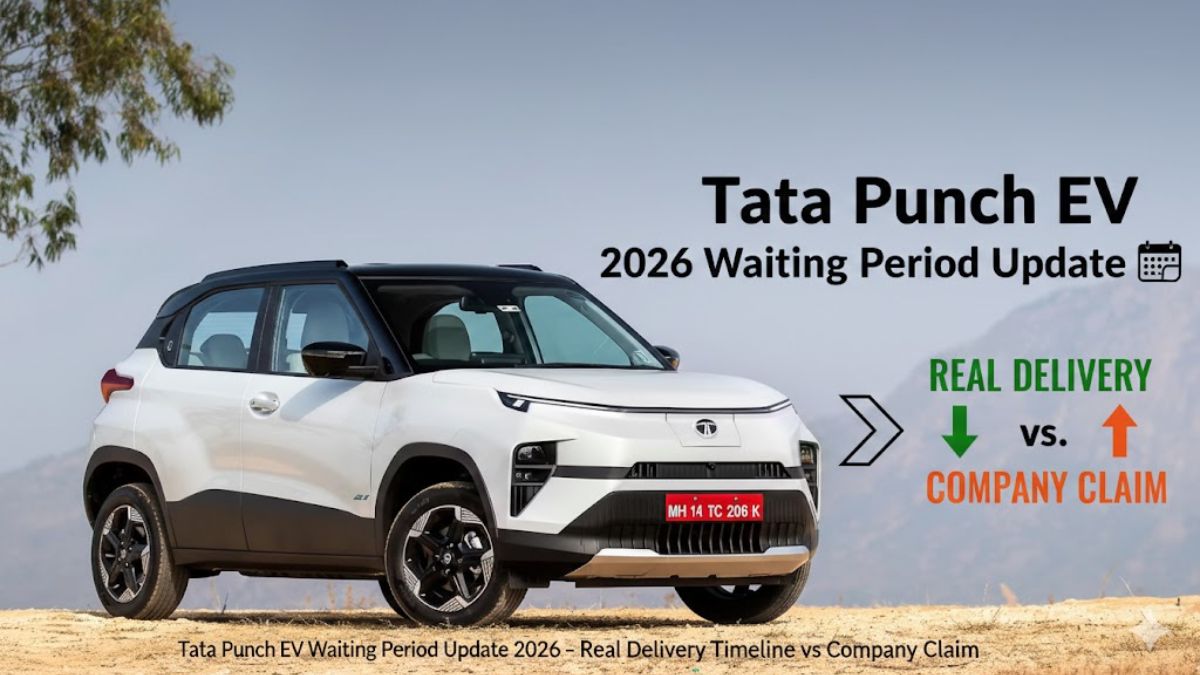
Tata Punch EV Waiting Period Update 2026: Real Delivery Timeline vs. Company Claims