Yamaha R2 vs R15 vs R3: Which Yamaha Sports Bike Should You Buy?
- Bikes
- Published: 26 Aug, 2026
- Updated: 26 Aug, 2026
Book a Test Drive
Free doorstep test drive at your convenience
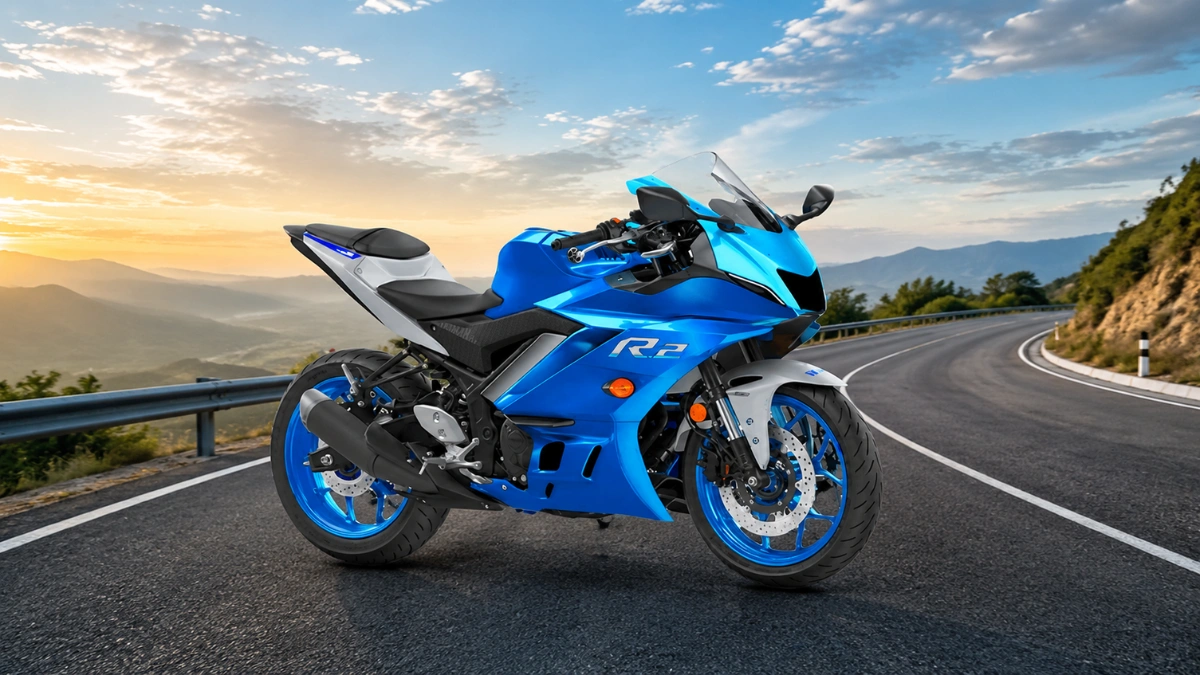
Yamaha's R-World lineup in India is about to get a lot more interesting. The R15 has been the segment benchmark for close to two decades, the R3 has quietly been Yamaha's flagship twin-cylinder offering, and now the Yamaha R2 is stepping in to bridge the gap between the two with its official India launch scheduled for August 27, 2026. Pre-bookings are already open at ₹10,000, and Yamaha has confirmed the R2 will be built in India and sold alongside the R15, not as its replacement.
If you're trying to decide which of these three Yamaha sportbikes deserves your money, this guide breaks down everything, price, engine, features, handling, running costs, and who each bike is actually meant for.
Yamaha R2 vs R15 vs R3: Quick Comparison
| Parameter | Yamaha R15 V4 | Yamaha R2 (Expected) | Yamaha R3 |
| Engine | 155cc, liquid-cooled, single-cylinder | 200cc, liquid-cooled, single-cylinder | 321cc, liquid-cooled, parallel-twin |
| Power | 18.4 PS @ 10,000 rpm | 25 PS (estimated) | 42 PS @ 10,750 rpm |
| Torque | 14.2 Nm @ 7,500 rpm | 20 Nm (estimated) | 29.5 Nm @ 9,000 rpm |
| Gearbox | 6-speed, A&S clutch | 6-speed, A&S clutch (expected) | 6-speed |
| Kerb weight | 141 kg | TBA (expected 145-150 kg) | 169 kg |
| Seat height | 815 mm | TBA | 780 mm |
| Price (ex-showroom) | ₹1.73 lakh onwards | ₹2.00-2.50 lakh (expected) | Currently unavailable in Yamaha India's official lineup |
| Status | On sale | Launching Aug 27, 2026 | Being phased out / limited availability |
Keep in mind the R2's numbers above are pre-launch estimates based on teasers and industry reports, Yamaha hasn't confirmed final specs yet, and we'll update this once the bike is officially unveiled.
Yamaha R2 vs R15 vs R3: Price Comparison
The Yamaha R15 V4 remains the most accessible entry point into the R-series, with ex-showroom pricing starting around ₹1.73 lakh for the standard variant without a quickshifter, and going up to roughly ₹2.01 lakh for the top R15M trim with the quickshifter fitted. On-road prices in most metros land between ₹2 lakh and ₹2.3 lakh depending on your city's RTO and insurance charges.
The Yamaha R2 is expected to slot in right above the R15, with an estimated ex-showroom price band of ₹2.00-2.50 lakh. This would place it almost exactly against the KTM RC 200, which is expected to be its most direct rival in India.
The Yamaha R3, meanwhile, has had a turbulent pricing history in India — it re-entered the market in late 2023 at around ₹4.65 lakh, and various listings through 2026 have shown wildly different figures anywhere from ₹3.39 lakh to over ₹4.6 lakh, largely because the bike currently isn't listed in Yamaha India's official model lineup on its website. If you want a twin-cylinder R3, your safest bet right now is to check directly with a Yamaha dealership for current availability and pricing rather than relying on third-party listings.
Engine & Performance Comparison
On paper, this trio covers three very different power bands. The R15 V4 uses a 155cc, liquid-cooled, SOHC single with Yamaha's Variable Valve Actuation (VVA) system, which switches cam profiles at 7,400 rpm to keep torque usable across the rev range. It makes 18.4 PS and 14.2 Nm, modest numbers, but the engine is famously eager to rev and stays smooth all the way to redline.
The R3 sits at the opposite end with a 321cc parallel-twin, DOHC engine producing 42 PS at 10,750 rpm and 29.5 Nm at 9,000 rpm. It's the only bike here with a twin-cylinder motor, which gives it a fundamentally different character, more midrange punch, a deeper exhaust note, and a genuine ability to sit comfortably at highway speeds without feeling stressed.
The R2 is expected to fill the gap with a larger, single-cylinder engine displacing somewhere around 200cc, reportedly an enlarged version of the R15's 155cc unit. Early estimates put output at roughly 25 PS and 20 Nm, which would make it noticeably stronger than the R15 without approaching R3-level performance. A six-speed gearbox and an assist-and-slipper clutch are expected as standard, with a quickshifter likely offered as an optional extra rather than standard fit.
Engine & Performance Comparison
Beyond the spec-sheet numbers, how these engines actually feel on the road is what matters day to day. The R15's single-cylinder motor is happiest revving hard, it feels flat below 6,000 rpm but comes alive as VVA kicks in, rewarding riders who like to work the gearbox. It's an engaging bike in city traffic and hill roads but runs out of breath on long highway stretches, where sustained triple-digit speeds require constant gear changes.
The R3's twin-cylinder engine is the most relaxed of the three. Peak power arrives high in the rev range, but there's enough midrange torque to overtake without downshifting repeatedly, and the twin's inherent smoothness makes it far less fatiguing on long rides. It's genuinely capable of sustained highway cruising in a way the single-cylinder bikes aren't.
The R2, going by its expected specs, should land right in between more low-end and midrange grunt than the R15 thanks to the larger displacement, while retaining the single-cylinder's revvy, lightweight character rather than the twin's smoothness. Think of it as a "big-bore R15" rather than a "budget R3."
Features & Technology Comparison
The R15 V4 is currently the most tech-loaded bike of the three on paper, which says a lot about how far Yamaha has pushed the smaller bike. It gets a fully digital instrument cluster, Y-Connect Bluetooth connectivity with call/SMS alerts, fuel consumption tracking, maintenance reminders, a traction control system, switchable Street/Track riding modes, dual-channel ABS, an aluminium swingarm, and an up-only quickshifter on select variants genuinely segment-leading kit for a 155cc motorcycle.
The R3, being an older platform, is comparatively basic it relies on an analogue-digital hybrid instrument cluster, doesn't get traction control or riding modes, and misses out on Bluetooth connectivity entirely. Its appeal lies purely in the engine and chassis, not the feature list.
The R2 is expected to borrow heavily from the R15's electronics package, given it's likely built on a stretched version of the same platform. Expect a similar digital cluster, Y-Connect connectivity, traction control, and possibly an optional quickshifter. Whether it gets riding modes and how much of the R15's kit carries over will only be confirmed at launch.
Ride & Handling: Which Yamaha Is Better?
The R15 V4's biggest strength has always been how it handles. Its Deltabox frame, 37mm USD forks, and a wide 140mm radial rear tyre give it a planted, confidence-inspiring feel through corners that punches well above its displacement, it's often cited as the best-handling motorcycle in its price bracket, small and flickable enough for tight city riding yet composed at speed.
The R3, despite being the heaviest of the three at 169 kg, is praised for a near-perfect 50:50 weight distribution that keeps it balanced and predictable when leaned over. Its longer wheelbase (1,380mm) makes it more stable at higher speeds but slightly less flickable than the R15 in slow, technical corners.
The R2 is expected to use a similar Deltabox-based chassis to the R15, likely with a firmer suspension setup and possibly larger brakes to handle the extra performance. Given Yamaha's track record with the R15's chassis tuning, expect the R2 to prioritise the same sharp, confidence-inspiring handling rather than outright stability, positioning it as a sportier alternative to the more relaxed KTM RC 200.
Yamaha R2 vs R15 vs R3: Mileage & Running Costs
Fuel efficiency is one area where the R15 clearly wins. Real-world mileage for the R15 V4 typically falls between 40-45 kmpl in mixed riding conditions, with ARAI-claimed figures around 45 kmpl impressive for a performance-focused motorcycle. Combined with a relatively affordable service network and parts pricing, the R15 remains the cheapest of the three to own and run.
The R3's twin-cylinder engine, despite being more than twice the displacement of the R15, doesn't fall off a cliff on efficiency real-world figures typically land in the 25-30 kmpl range depending on riding style, though it demands pricier servicing and costlier consumables given the more complex twin-cylinder architecture.
The R2, with a displacement roughly 30% larger than the R15, should realistically deliver mileage somewhere in the 35-40 kmpl range once real-world testing begins post-launch — a reasonable middle ground, though this remains an estimate until Yamaha or ARAI publishes official figures.
Yamaha R2 vs R15 vs R3: Which Bike Is Best for You?
- Choose the R15 V4 if you want the most feature-rich, fuel-efficient, and affordable way into Yamaha's R-series, ideal for daily commuting, first-time sportbike owners, and riders who enjoy revving a small engine hard.
- Choose the R2 if you want more performance and highway comfort than the R15 without stepping up to twin-cylinder pricing best suited to riders who've outgrown the R15 but aren't ready for the R3's running costs.
- Choose the R3 if outright performance, a twin-cylinder engine note, and serious highway credentials matter more to you than fuel economy or the latest connectivity features — though you'll need to confirm current availability with a dealer first.
Yamaha R2 vs R15 vs R3: Pros & Cons
Yamaha R15 V4
- Pros: Best-in-class handling, excellent fuel economy, most feature-loaded, most affordable, easiest to live with daily
- Cons: Engine feels flat at low revs, committed riding position isn't ideal for long highway stints, less midrange punch than a twin
Yamaha R2 (expected)
- Pros: More power and torque than the R15, likely retains sharp R15-style handling, fills a genuine gap in Yamaha's India lineup, made-in-India pricing advantage
- Cons: Final specs and pricing unconfirmed until launch, single-cylinder engine still won't match a twin for smoothness, early production/service network may take time to mature
Yamaha R3
- Pros: Only twin-cylinder option here, strongest outright performance and highway comfort, distinctive engine character
- Cons: Currently missing from Yamaha India's official model lineup, inconsistent pricing and availability, fewer electronic features, highest running costs
Should You Buy the Yamaha R15, Wait for the R2 or Buy the R3?
If you need a bike right now and your budget is tight, there's no reason to wait — the R15 V4 is a mature, fully-loaded product with a strong dealer network and proven reliability. It remains one of the best value-for-money sportbikes in India regardless of what the R2 brings.
If your budget stretches slightly beyond the R15 and you're not in a rush, it's worth waiting for the R2's official launch on August 27, 2026, before signing on anything else. Yamaha has explicitly stated the R2 will sit alongside the R15 rather than replace it, so you won't be stuck with an outdated bike — but you will get more performance for a moderate price jump, once real pricing and reviews are out.
The R3 is a trickier recommendation right now simply because of availability. If you can find one at a dealer and the twin-cylinder engine is non-negotiable for you, it's still a great motorcycle — but given its unclear status in Yamaha's current India lineup, it makes sense to call ahead before making the trip.
Yamaha R2 vs R15 vs R3: Final Verdict
There's no single "best" bike here, it genuinely depends on where you are in your riding journey. The R15 V4 remains the smartest all-round buy for most riders, especially first-timers and daily commuters, thanks to its unbeatable value and feature set. The upcoming R2 looks positioned to be the natural next step for R15 owners wanting more performance without jumping to a twin-cylinder engine and its associated costs. And the R3, when available, still holds appeal for riders who specifically want a twin-cylinder engine and the extra highway comfort that comes with it — but its patchy current availability in India makes it the least straightforward pick of the three right now.
Given the R2 launches within days of this comparison, our advice for anyone sitting on the fence between the R15 and something bigger: hold off just a little longer and see what Yamaha actually reveals on August 27.
Book a Test Drive
Free doorstep test drive at your convenience
Popular Brands




Latest Bike News
Yamaha R2 vs R15 vs R3: Which Yamaha Sports Bike Should You Buy?
Bajaj Pulsar N160 SS Mileage: Real-World Average, City & Highway Figures
Hero June 2026 Sales Report: Splendor, HF Deluxe, Destini & Glamour
War Impact on Two-Wheeler Market: Sales Growth or Slowdown in 2026?
Electric Bikes vs Petrol Bikes During War: Which Is the Smarter Choice?
EV Bikes vs Petrol Bikes: Which One Holds the Future in 2026?
Royal Enfield Hunter 350 Launched in 2026: What’s New in India’s Popular Bike?
Triumph Tracker 400 (350cc) Launched in India: Affordable Premium Bike?
Upcoming Bikes April 2026: 5 Bikes That Can Change the Market
Hero Xtreme 160R 4V Launched in India with Cruise Control: Price, Features and Full Specs
Hero MotoCorp February 2026 Sales Report: No.1 Again?
TVS Holi Finance Scheme 2026 Brings 0% Down Payment
Bajaj Holi Discount 2026: ₹10,000 Off Bikes
Top 5 Best Mileage Bikes in India 2026 Under ₹1 Lakh
Hero Xtreme 125R vs TVS Raider 125 – Best 125cc Bike Comparison
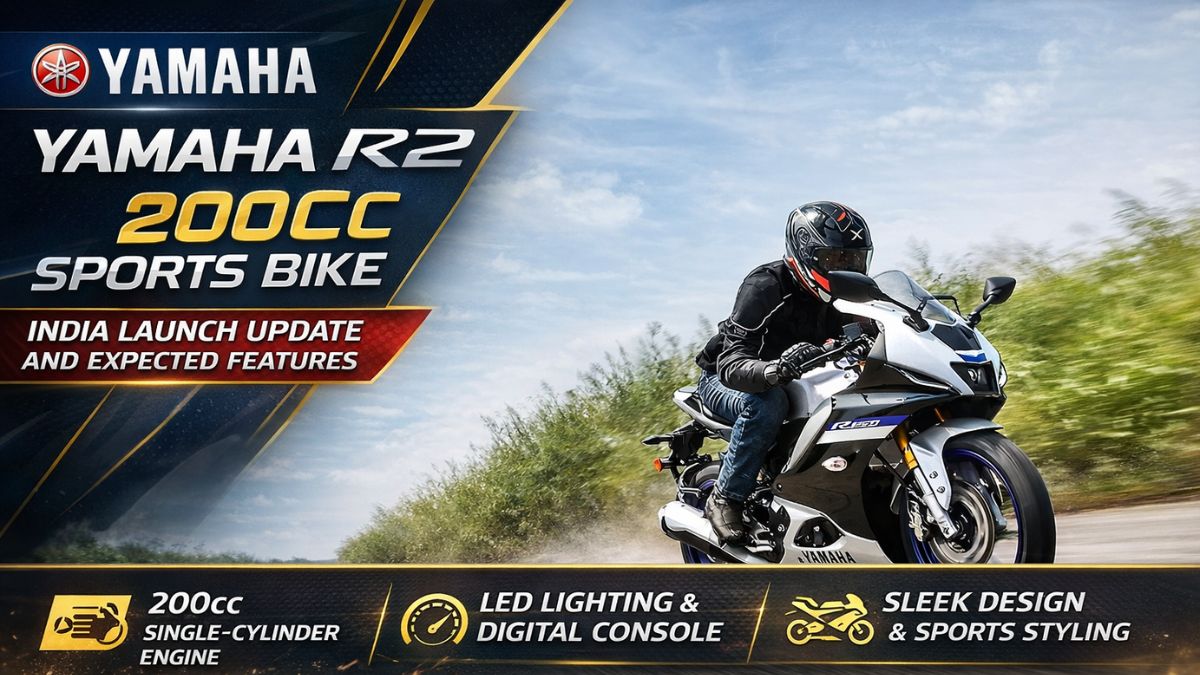
Yamaha R2 200cc Sports Bike – India Launch Update and Expected Features
Bajaj Auto to Launch 8 New Bikes in 2026 – Major Focus on Pulsar Series
Top 10 Lightweight Bikes in India in 2026
Top 10 Budget Bikes Under ₹1 Lakh 2026
Hero Xpulse 200 vs Royal Enfield Himalayan – Off-Road Comparison