Bajaj Pulsar N160 SS Mileage: Real-World Average, City & Highway Figures
- Bikes
- Published: 10 Aug, 2026
- Updated: 10 Aug, 2026
Book a Test Drive
Free doorstep test drive at your convenience
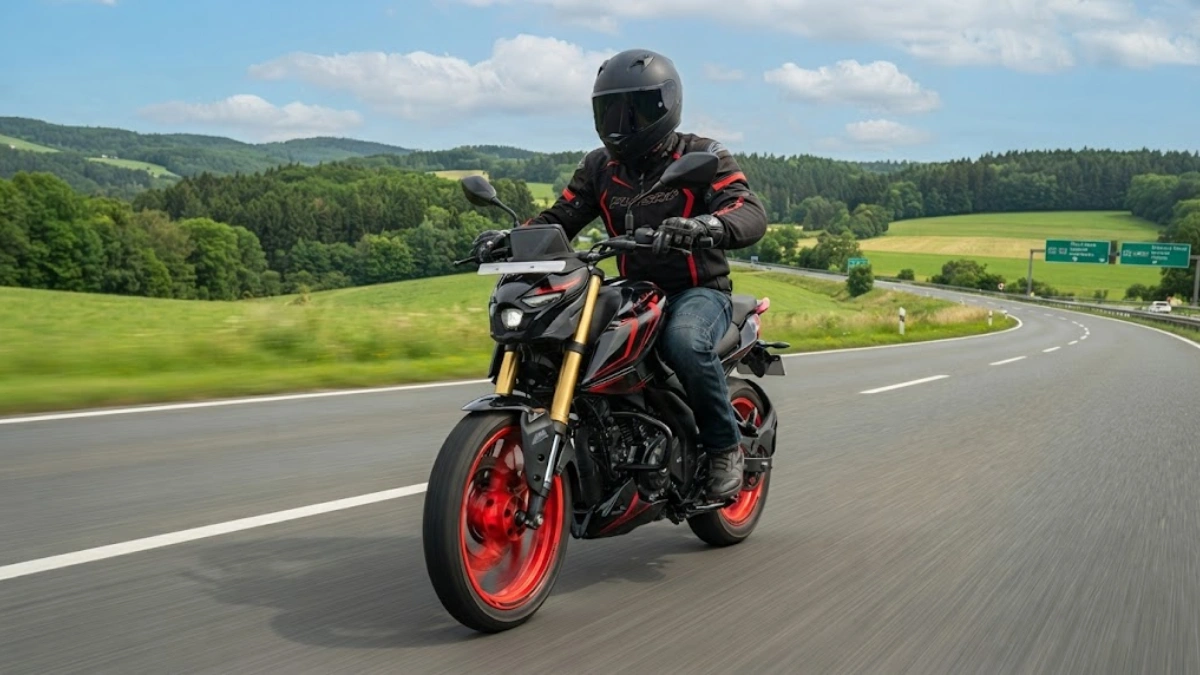
If you're eyeing the Bajaj Pulsar N160 SS, chances are fuel efficiency is right up there with looks and performance on your checklist. It's a fair question — this is Bajaj's most feature-loaded 160cc streetfighter yet, with a brand-new 164.5cc engine, ride modes, traction control, and a TFT screen. More power and more tech usually raise one worry: will it drink more petrol?
This guide breaks down everything you need to know about the Pulsar N160 SS mileage — ARAI claims, real city and highway numbers, what actually affects your fuel economy, and simple tips to squeeze out more kilometres per litre. No jargon, no guesswork — just practical numbers a daily rider can use.
Note: Since the N160 SS is a fresh 2026 launch, large-scale, long-term owner data is still building up. The figures below combine the manufacturer's claimed numbers with the early real-world reports available so far, and we'll flag wherever a number is still an estimate.
Bajaj Pulsar N160 SS Mileage
| Mileage Type | Figure |
|---|---|
| ARAI-claimed mileage (2026 N160 range) | 50–51 kmpl |
| Real-world city mileage | 35–40 kmpl |
| Real-world highway mileage | 42–46 kmpl |
| Combined/mixed real-world average | 38–43 kmpl |
| Fuel tank capacity | 14 litres |
| Estimated range per tank | 530–600 km |
The N160 SS runs a new, more powerful 164.5cc oil-cooled engine (18.24 bhp) compared to the older air-cooled N160 unit (16 PS). Bajaj's own claimed figure for the refreshed 2026 N160 line sits around 50–51 kmpl. That said, ARAI numbers are always tested in laboratory conditions — no traffic signals, no pillion, no AC-shop errands. Once the SS variant hits Indian roads in real traffic, expect the number to settle noticeably lower, typically in the high 30s to low 40s kmpl for most riders, which is still a strong figure for a bike in this power bracket.
For context, the outgoing/standard Pulsar N160 (with the older, less powerful engine) is ARAI-rated around 51–59 kmpl on paper, but owners on platforms like BikeWale and BikeDekho consistently report a real-world average closer to 40–47 kmpl. Since the SS shares the same chassis and a similarly efficient (if slightly more powerful) engine, its real-world figures are expected to land in a similar band, perhaps a touch lower given the extra performance-oriented electronics and features add a bit of weight.
Bajaj Pulsar N160 SS City Mileage
City riding is where mileage takes the biggest hit on any motorcycle, and the N160 SS is no exception. Expect:
- Typical city mileage: 35–40 kmpl
- Can dip to 30–33 kmpl in heavy stop-go traffic (metro cities, peak hours)
- Can touch 40–42 kmpl with light traffic and smooth, steady riding
Why city mileage is lower:
- Constant braking and acceleration burns more fuel than steady cruising
- Idling at signals wastes fuel with zero distance covered
- Lower gears (1st–3rd) are used more often, which are less fuel-efficient
- Frequent clutch use in bumper-to-bumper traffic adds strain on the engine
If your daily commute is mostly inside city limits with traffic signals every few hundred metres, budgeting for 35–38 kmpl is a realistic, honest expectation rather than chasing the ARAI number.
Bajaj Pulsar N160 SS Highway Mileage
Highways are where the N160 SS is expected to shine, thanks to its 5-speed gearbox and relaxed mid-range torque delivery.
- Typical highway mileage: 42–46 kmpl
- Best efficiency usually comes at a steady 55–65 km/h in top gear
- Mileage drops noticeably above 80–90 km/h due to increased wind resistance and higher RPM
On open highways with consistent speed and minimal braking, the engine spends most of its time in an efficient RPM band, which is why highway figures typically beat city figures by 15–20% on most 160cc commuters, and the N160 SS should follow that same pattern.
Bajaj Pulsar N160 SS Real-World Mileage
Real-world mileage is what actually matters once the bike leaves the showroom — it accounts for your riding style, local traffic, road conditions, and how well the bike is maintained.
Based on real-world data reported by owners of the closely related Pulsar N160 (standard) lineup — which shares its platform and riding character with the SS:
- Most owners report a mixed average of 40–47 kmpl
- A few report as low as 30–33 kmpl with aggressive or predominantly urban riding
- A few experienced riders on open highways report 48–51 kmpl
Given the N160 SS has a more powerful, higher-revving engine along with electronic ride modes (which can be used to prioritise efficiency in "Eco" or similar settings), expect the real-world combined mileage to land around 38–43 kmpl for a typical mixed-use rider — city commute on weekdays, occasional highway runs on weekends.
What Affects Bajaj Pulsar N160 SS Mileage?
Mileage isn't a fixed number — it's an outcome of several variables working together. Here's what actually moves the needle:
1. Riding style Hard acceleration, frequent high-RPM revving, and sudden braking are the single biggest mileage killers. Smooth, gradual throttle inputs save noticeably more fuel than aggressive riding.
2. Traffic and road conditions Stop-and-go traffic, potholes, and uneven roads force more gear shifts and lower average speeds, both of which hurt fuel economy.
3. Rider and pillion weight More load means the engine works harder to move the same distance. A daily two-up commute will always return lower mileage than solo riding.
4. Tyre pressure Under-inflated tyres increase rolling resistance, silently costing you 3–5 kmpl. This is one of the easiest and most overlooked fixes.
5. Engine and air filter maintenance A clogged air filter, old engine oil, or a poorly tuned carburettor/fuel injection system reduces combustion efficiency.
6. Gear shifting habits Riding in a lower gear than needed keeps RPM (and fuel consumption) higher than necessary. Shifting up early, once there's enough torque available, helps.
7. Ride mode selection (if equipped) The N160 SS comes with multiple ride modes and an electronic throttle. Using a more relaxed/eco-oriented mode for daily commuting versus a sportier mode for spirited rides can make a real difference over a month.
8. Fuel quality Consistently using fuel from reputed pumps helps avoid combustion inefficiencies caused by adulterated or low-quality petrol.
Bajaj Pulsar N160 SS Fuel Tank Capacity & Estimated Range
The N160 SS carries a 14-litre fuel tank, in line with the rest of the N160 family.
| Mileage Scenario | Estimated Range (14L tank) |
|---|---|
| City riding (35–40 kmpl) | 490–560 km |
| Highway riding (42–46 kmpl) | 588–644 km |
| Mixed/real-world (38–43 kmpl) | 530–600 km |
That's a genuinely useful range — for most riders, this translates to fuel stops roughly once a week, even with a daily commute of 30–40 km each way. It's worth noting that a small portion of the 14-litre tank is typically kept as reserve, so plan your fuel stops with that buffer in mind rather than running the tank bone dry.
Bajaj Pulsar N160 SS Monthly Fuel Cost
Using the current petrol price in Delhi of roughly ₹102 per litre (fuel prices vary by state, so adjust for your city), here's what monthly fuel costs could look like at different usage levels:
| Monthly Riding Distance | Real-World Mileage | Fuel Needed | Approx. Monthly Cost |
|---|---|---|---|
| 600 km (light use) | 38 kmpl | ~15.8 L | ~₹1,610 |
| 1,000 km (average commuter) | 40 kmpl | 25 L | ~₹2,550 |
| 1,500 km (heavy daily use) | 42 kmpl | 35.7 L | ₹3,640 |
| 2,000 km (very high mileage rider) | 43 kmpl | 46.5 L | ₹4,745 |
For most working professionals riding roughly 30–35 km a day (about 900–1,050 km a month), you're looking at a fuel budget of around ₹2,300–₹2,700 per month — a genuinely affordable running cost for a bike in this performance segment.
How to Get Better Mileage From Bajaj Pulsar N160 SS
Small, consistent habits add up to a meaningfully better fuel average over time:
- Ride smoothly — accelerate gently and avoid sudden throttle inputs or hard braking.
- Maintain correct tyre pressure — check it every 2–3 weeks; under-inflation is a quiet mileage killer.
- Shift gears at the right RPM — don't over-rev in lower gears; move up once there's enough torque.
- Use the appropriate ride mode — pick an efficiency-friendly mode for regular commuting.
- Service on schedule — timely oil changes and air filter cleaning keep the engine running efficiently.
- Avoid unnecessary idling — switch off the engine at long signals or while waiting.
- Don't overload the bike — stick to reasonable luggage and pillion loads for daily rides.
- Maintain steady cruising speeds — 55–65 km/h on the highway typically gives the sweet spot for efficiency.
- Fill fuel from trusted pumps — consistent fuel quality helps the engine run cleaner.
Keep the chain lubricated and properly tensioned — a dry or loose chain adds drivetrain friction that quietly eats into mileage.
Bajaj Pulsar N160 SS Engine & Specifications
| Specification | Detail |
|---|---|
| Engine | 164.5cc, single-cylinder, oil-cooled |
| Max Power | 18.24 bhp |
| Max Torque | 14.65 Nm |
| Transmission | 5-speed manual |
| Fuel Tank Capacity | 14 litres |
| Kerb Weight | ~151 kg |
| Braking | Front & rear disc, dual-channel ABS |
| Front Suspension | 37mm USD (upside-down) forks |
| Rear Suspension | Monoshock |
| Seat Height | 795 mm |
| Ground Clearance | 165 mm |
| Notable Features | TFT display with map connectivity, ride modes, traction control |
| Ex-showroom Price (approx.) | ₹1.42–1.43 lakh |
The bump in power over the standard N160 (16 PS) comes from a genuinely new engine, not just a tune-up — which is why the SS's mileage, while strong, is expected to sit slightly below the outgoing model's best-case figures once real-world data settles in.
Bajaj Pulsar N160 SS vs Other 160cc Bikes Mileage
| Motorcycle | ARAI/Claimed Mileage | Real-World Mileage |
|---|---|---|
| Bajaj Pulsar N160 SS | 50–51 kmpl | 38–43 kmpl |
| Bajaj Pulsar N160 (standard) | 51–59 kmpl | 40–47 kmpl |
| Bajaj Pulsar NS160 | 44 kmpl | 38–42 kmpl |
| TVS Apache RTR 160 4V | 45–50 kmpl | 40–45 kmpl |
| Honda Hornet 2.0 | 45 kmpl | 38–42 kmpl |
| Yamaha FZ-S Fi | 45–50 kmpl | 40–45 kmpl |
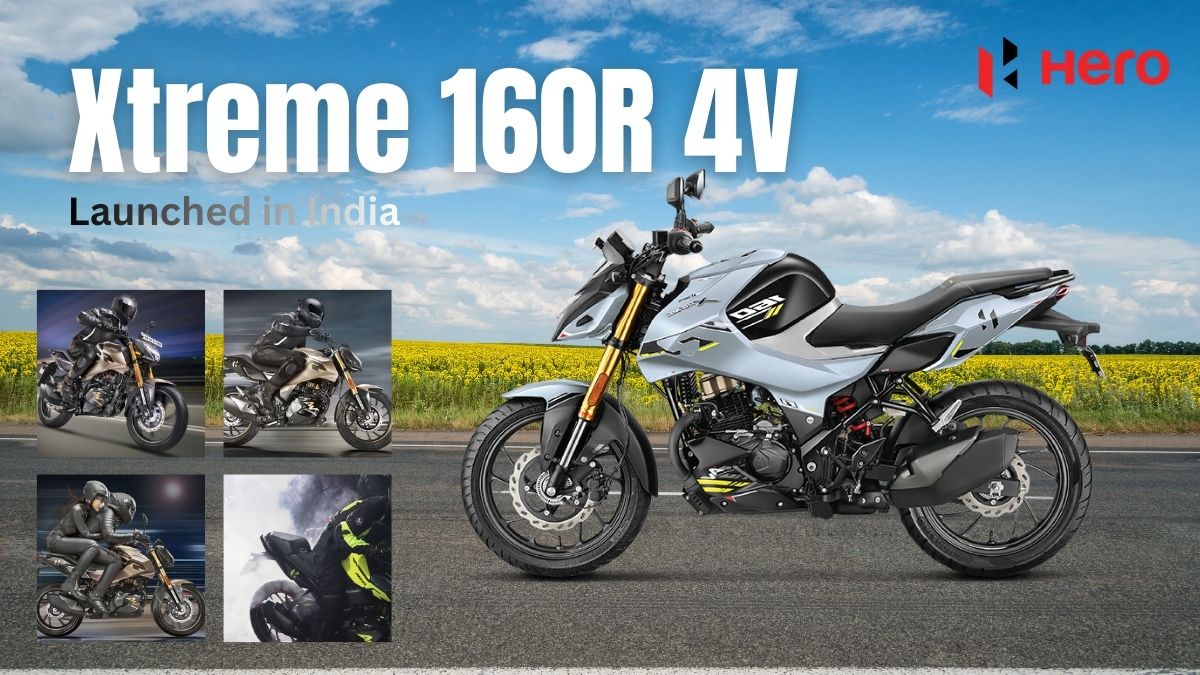
| Hero Xtreme 160R 4V | 45–48 kmpl | 40–44 kmpl |
The N160 SS sits comfortably within the segment norm — not the outright most fuel-efficient bike in its class, but competitive, especially considering it's one of the more feature-rich and powerful options at this price point. If mileage alone is the top priority, the simpler standard N160 or the Apache RTR 160 4V may edge it out slightly. If you want performance, tech, and still-solid efficiency together, the SS makes a strong case.
Is Bajaj Pulsar N160 SS Good for Daily Commuting?
Yes — with a few caveats worth knowing upfront.
Why it works well as a daily commuter:
- A real-world mileage of 38–43 kmpl keeps running costs low
- 14-litre tank means fewer, less frequent fuel stops
- Comfortable 795mm seat height and manageable 151 kg kerb weight suit daily traffic riding
- Dual-channel ABS and disc brakes both ends add confidence in city traffic
- USD forks and a capable chassis handle broken roads and potholes reasonably well
Where it's a slight trade-off:
- It's tuned more toward performance than pure efficiency, so it won't beat dedicated 100–125cc commuter bikes on mileage
- The sportier riding stance may feel a little less relaxed than upright commuter bikes on very long daily rides
- Being a new engine platform, some owners may want to wait for a broader base of long-term reliability data
For someone who wants one bike that handles the daily office commute comfortably during the week and still feels fun and capable on a weekend highway ride, the N160 SS is a genuinely well-rounded choice. For a detailed look at the Bajaj Pulsar N160 SS, watch the complete video review below to explore its design, features, performance, ride quality and overall experience.
Our Opinion
The Bajaj Pulsar N160 SS isn't chasing mileage-topper status — it's built to be the most capable, tech-loaded bike in the Pulsar N160 lineup, and it largely succeeds at that. Its expected real-world mileage of 38–43 kmpl is genuinely good for a bike with this much power and this many features, even if it doesn't quite match the headline ARAI figures of simpler, lighter commuter bikes in the same 160cc class.
For a rider who wants strong daily-commute economy without giving up performance, braking confidence, and modern tech like a TFT display and ride modes, the N160 SS earns its place as one of the more well-rounded options in the segment. As with any motorcycle, your actual mileage will depend heavily on how you ride, how well you maintain it, and where you ride it — so treat the numbers here as a realistic starting benchmark, not a guarantee.
Mileage figures in this article are based on ARAI test data (where published), manufacturer specifications, and real-world figures reported by owners on automotive platforms as of August 2026. Actual mileage will vary based on riding style, traffic, load, maintenance, and road conditions. Always verify the latest specifications and pricing with your nearest authorised Bajaj dealership before purchase.
Source: https://www.bajajauto.com/bikes/ , YouTube Chanel: Yogi Bhaiya
FAQs
Q1. What is the ARAI-claimed mileage of the Bajaj Pulsar N160 SS?
The 2026 N160 range, which includes the SS, carries a claimed mileage of roughly 50–51 kmpl under ARAI test conditions.
Q2. What is the real-world mileage of the Pulsar N160 SS?
Realistically, expect a mixed average of around 38–43 kmpl in daily use, with city riding closer to 35–40 kmpl and highway riding closer to 42–46 kmpl.
Q3. How far can I ride on a full tank?
With a 14-litre tank, expect a range of roughly 530–600 km under typical mixed riding conditions.
Q4. Does the ride mode affect mileage?
Yes. Selecting a more relaxed, efficiency-oriented ride mode for daily commuting (versus a sportier setting) can meaningfully improve your average.
Q5. Is the N160 SS less fuel-efficient than the standard N160?
It's expected to be marginally less efficient on paper, mainly because its new engine produces more power. In real-world mixed riding, the difference for most riders will be modest.
Q6. Does carrying a pillion reduce mileage significantly?
Yes — extra weight always increases engine load, and daily two-up riding can reduce your average by a few kmpl compared to solo commuting.
Book a Test Drive
Free doorstep test drive at your convenience
Popular Brands





Latest Bike News
Bajaj Pulsar N160 SS Mileage: Real-World Average, City & Highway Figures
Hero June 2026 Sales Report: Splendor, HF Deluxe, Destini & Glamour

War Impact on Two-Wheeler Market: Sales Growth or Slowdown in 2026?
Electric Bikes vs Petrol Bikes During War: Which Is the Smarter Choice?
EV Bikes vs Petrol Bikes: Which One Holds the Future in 2026?

Royal Enfield Hunter 350 Launched in 2026: What’s New in India’s Popular Bike?
Triumph Tracker 400 (350cc) Launched in India: Affordable Premium Bike?
Upcoming Bikes April 2026: 5 Bikes That Can Change the Market
Hero Xtreme 160R 4V Launched in India with Cruise Control: Price, Features and Full Specs
Hero MotoCorp February 2026 Sales Report: No.1 Again?
TVS Holi Finance Scheme 2026 Brings 0% Down Payment
Bajaj Holi Discount 2026: ₹10,000 Off Bikes
Top 5 Best Mileage Bikes in India 2026 Under ₹1 Lakh
Hero Xtreme 125R vs TVS Raider 125 – Best 125cc Bike Comparison
Yamaha R2 200cc Sports Bike – India Launch Update and Expected Features
Bajaj Auto to Launch 8 New Bikes in 2026 – Major Focus on Pulsar Series
Top 10 Lightweight Bikes in India in 2026
Top 10 Budget Bikes Under ₹1 Lakh 2026

Hero Xpulse 200 vs Royal Enfield Himalayan – Off-Road Comparison
Hero Splendor vs Honda Shine – Mileage and Maintenance Comparison