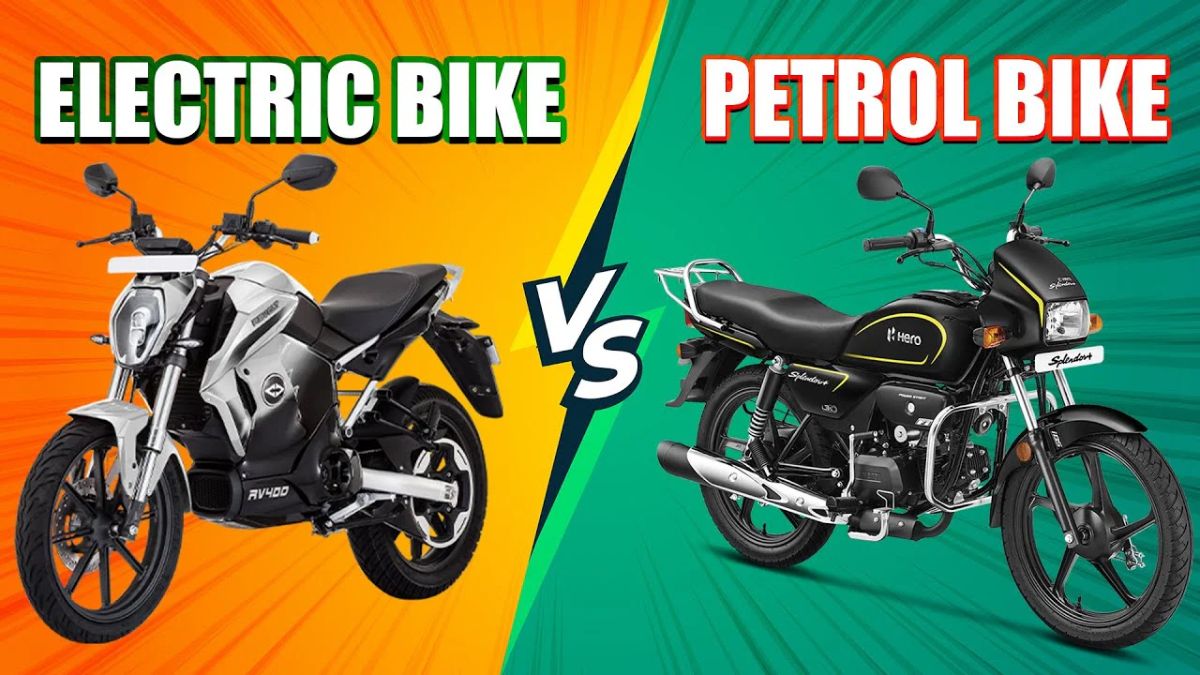
Electric Bikes vs Petrol Bikes During War: Which Is the Smarter Choice?
- Bikes
- Published: 13 Apr, 2026
- Updated: 13 Apr, 2026
Book a Test Drive
Free doorstep test drive at your convenience
In times of peace, choosing between an electric bike and a petrol-powered motorcycle often comes down to cost, convenience, and personal preference. But during war or conflict situations, that choice becomes far more critical—impacting mobility, survival, and even safety.
With fuel shortages, disrupted supply chains, and unpredictable infrastructure damage, the debate between electric and petrol bikes takes on a whole new dimension. So, which one truly stands out when the world around you becomes unstable?
Let’s break it down.
The Case for Electric Bikes
Electric bikes (e-bikes) have surged in popularity in recent years, and for good reason. They’re quiet, efficient, and environmentally friendly. But during wartime, some of their features become even more valuable.
1. Independence from Fuel Supply
One of the biggest advantages of electric bikes is that they don’t rely on petrol or diesel—resources that are often scarce during war. Fuel stations may be shut down, destroyed, or rationed.
With an electric bike, you can charge using:
- Solar panels
- Portable generators
- Home electricity (if still available)
This energy flexibility can be a lifesaver when traditional fuel supply chains collapse.
2. Silent Operation
Electric bikes are nearly silent compared to petrol bikes. In conflict zones, noise can attract unwanted attention.
A quieter vehicle means:
- Reduced detection risk
- Safer movement at night
- Better chances of avoiding hostile situations
In tactical or survival scenarios, silence is a powerful advantage.
3. Low Maintenance
E-bikes have fewer moving parts than petrol bikes. There’s no engine oil, fewer mechanical failures, and less need for constant servicing.
During war, when repair shops and spare parts are hard to find, this simplicity becomes crucial.
4. Cost Efficiency
Electric bikes are cheaper to run. If electricity is accessible—even intermittently—they offer a much lower operating cost compared to petrol vehicles during inflated fuel prices.
The Case for Petrol Bikes
Despite the advantages of electric bikes, petrol-powered motorcycles still have strong arguments in their favor—especially in high-intensity or infrastructure-damaged scenarios.
1. Longer Range and Quick Refueling
Petrol bikes can travel longer distances without stopping. When fuel is available, refueling takes just minutes.
Electric bikes, on the other hand:
- Have limited range per charge
- Require significant time to recharge
In emergency evacuations or long-distance travel, petrol bikes offer a clear advantage.
2. Independence from Power Grid
Electric bikes depend heavily on electricity. But in wartime:
- Power grids may be destroyed
- Blackouts can last for days or weeks
Without reliable electricity, charging an e-bike becomes a serious challenge unless you have alternative energy sources.
Petrol bikes don’t rely on the grid—they just need fuel.
3. Better Performance in Harsh Conditions
Petrol bikes are generally more powerful and rugged. They can:
- Handle rough terrains
- Carry heavier loads
- Perform better in extreme conditions
In war zones where roads are damaged or non-existent, durability matters.
4. Established Infrastructure
Even in conflict zones, fuel black markets often emerge quickly. Petrol is easier to store, transport, and trade compared to electricity.
This underground availability can make petrol bikes more practical in prolonged conflicts.
Key Comparison: Survival Factors
| Factor | Electric Bike ⚡ | Petrol Bike ⛽ |
|---|---|---|
| Fuel Availability | Depends on electricity | Depends on fuel supply |
| Noise Level | Very low (stealthy) | Loud |
| Range | Limited | Long |
| Refueling Time | Slow (hours) | Fast (minutes) |
| Maintenance | Low | Moderate to high |
| Infrastructure Needed | Charging access | Fuel stations/black market |
| Reliability in Blackouts | Low | High |
The Real Answer: It Depends on the Situation
There is no one-size-fits-all answer. The better choice depends on the type of war scenario and your specific needs.
Choose an Electric Bike if:
- You have access to solar or backup electricity
- You need stealth and low noise
- You’re traveling short to medium distances
- You want minimal maintenance
Choose a Petrol Bike if:
- You need long-range mobility
- Electricity is unreliable or unavailable
- You expect rough terrain
- Speed and power are critical
Hybrid Strategy: The Smartest Move?
In reality, the best approach may not be choosing one over the other—but understanding how both can play a role.
Some survival experts suggest:
- Using electric bikes for local, stealthy movement
- Keeping petrol bikes for long-distance travel or emergencies
Diversifying mobility options increases your chances of adapting to rapidly changing conditions.
Future Outlook
As technology evolves, electric bikes are becoming more efficient, with:
- Faster charging times
- Longer battery life
- Portable energy solutions
In future conflicts, especially in urban environments, electric mobility may become increasingly dominant—particularly when paired with renewable energy sources.
However, until energy infrastructure becomes more resilient, petrol bikes will continue to hold a critical advantage in raw reliability.
Final Verdict
If war disrupts fuel supply but electricity remains accessible, electric bikes offer a quiet, efficient, and sustainable solution.
But if the power grid collapses and long-distance travel becomes necessary, petrol bikes are the more dependable choice.
In short:
- Electric bikes win on stealth, efficiency, and independence from fuel
- Petrol bikes win on range, power, and reliability in infrastructure collapse
Choosing wisely could mean the difference between mobility and being stranded.
Book a Test Drive
Free doorstep test drive at your convenience
Popular Brands




Latest Bike News
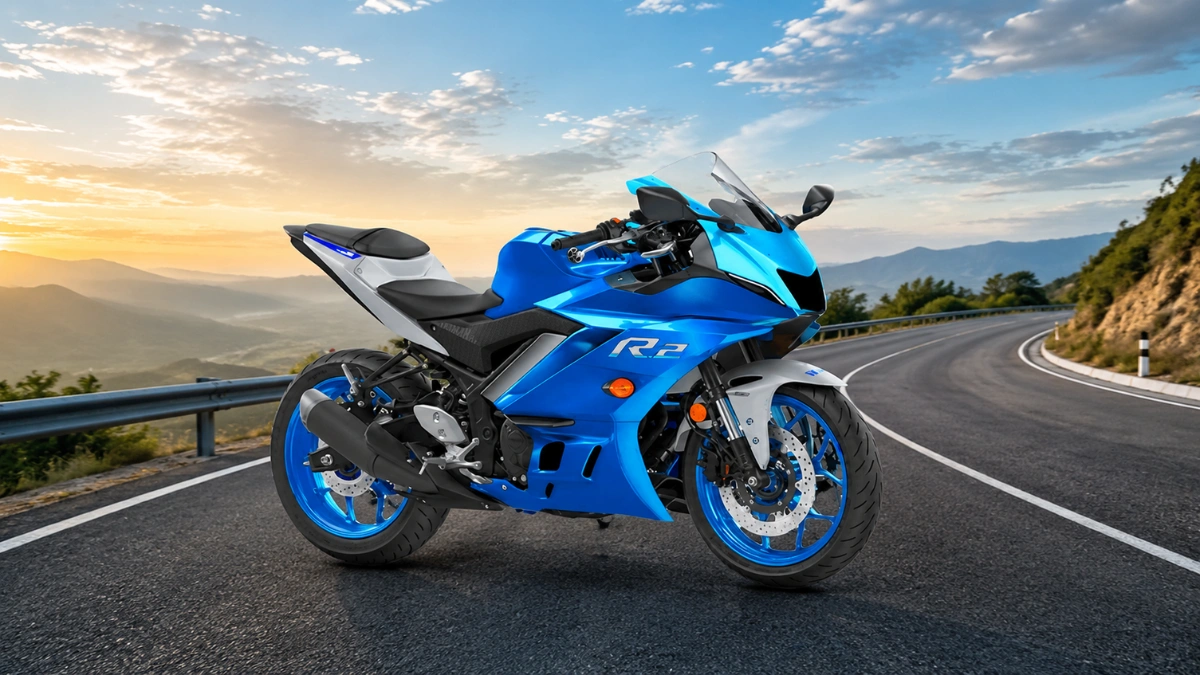
Yamaha R2 vs R15 vs R3: Which Yamaha Sports Bike Should You Buy?
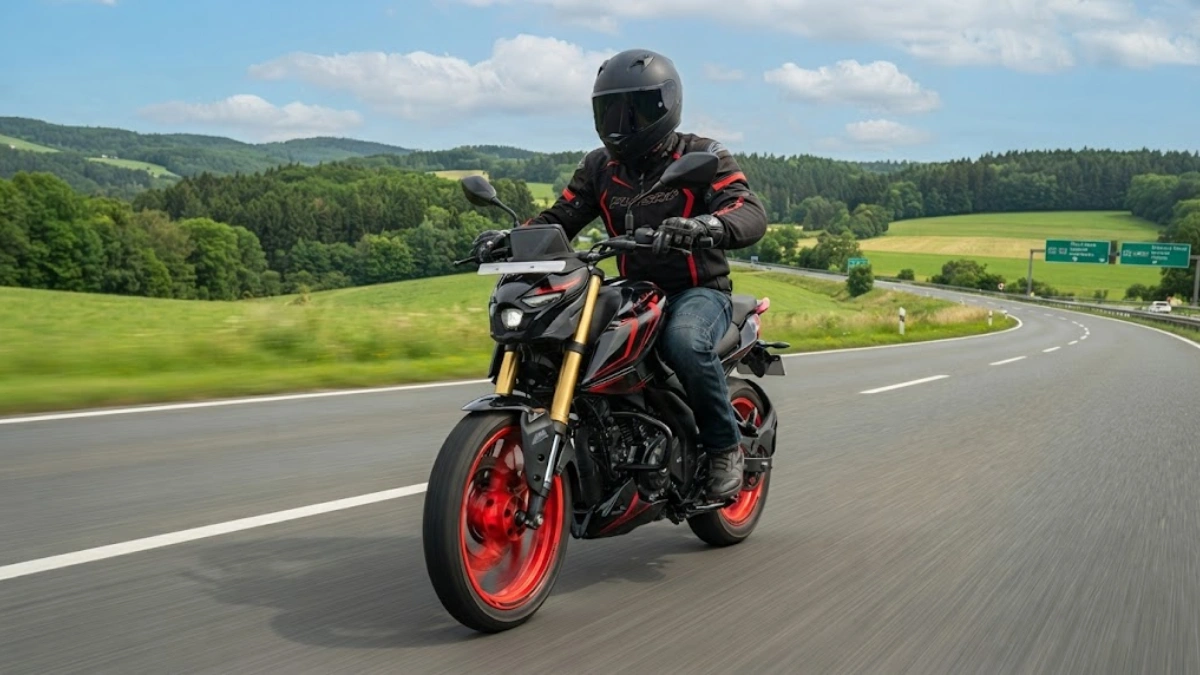
Bajaj Pulsar N160 SS Mileage: Real-World Average, City & Highway Figures
Hero June 2026 Sales Report: Splendor, HF Deluxe, Destini & Glamour
War Impact on Two-Wheeler Market: Sales Growth or Slowdown in 2026?
Electric Bikes vs Petrol Bikes During War: Which Is the Smarter Choice?
EV Bikes vs Petrol Bikes: Which One Holds the Future in 2026?
Royal Enfield Hunter 350 Launched in 2026: What’s New in India’s Popular Bike?
Triumph Tracker 400 (350cc) Launched in India: Affordable Premium Bike?
Upcoming Bikes April 2026: 5 Bikes That Can Change the Market
Hero Xtreme 160R 4V Launched in India with Cruise Control: Price, Features and Full Specs
Hero MotoCorp February 2026 Sales Report: No.1 Again?
TVS Holi Finance Scheme 2026 Brings 0% Down Payment
Bajaj Holi Discount 2026: ₹10,000 Off Bikes
Top 5 Best Mileage Bikes in India 2026 Under ₹1 Lakh
Hero Xtreme 125R vs TVS Raider 125 – Best 125cc Bike Comparison
Yamaha R2 200cc Sports Bike – India Launch Update and Expected Features
Bajaj Auto to Launch 8 New Bikes in 2026 – Major Focus on Pulsar Series
Top 10 Lightweight Bikes in India in 2026
Top 10 Budget Bikes Under ₹1 Lakh 2026

Hero Xpulse 200 vs Royal Enfield Himalayan – Off-Road Comparison