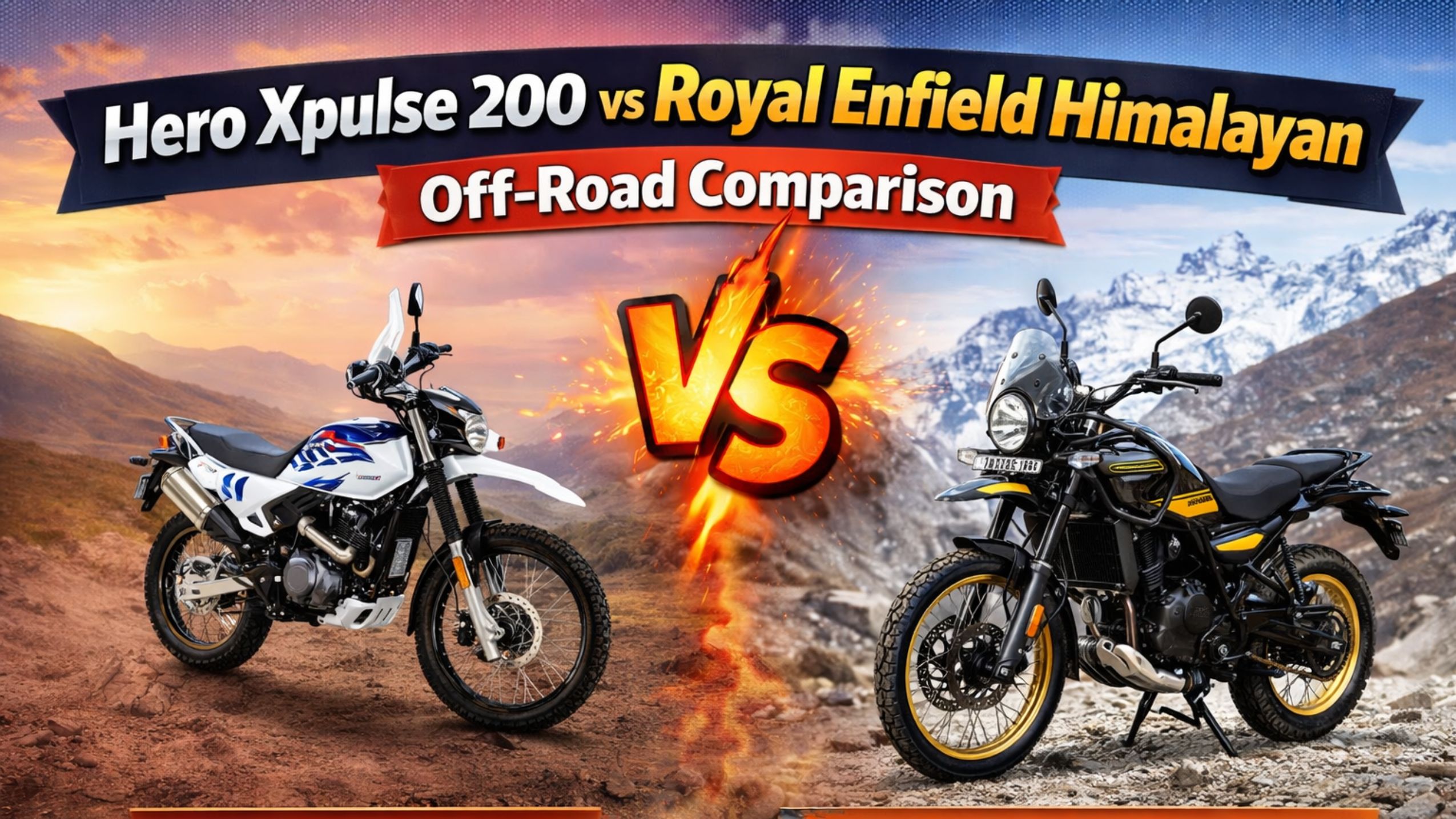
Hero Xpulse 200 vs Royal Enfield Himalayan – Off-Road Comparison
- Bikes
- Published: 21 Jan, 2026
Book a Test Drive
Free doorstep test drive at your convenience
Adventure riding has never been more exciting in India — from weekend trail runs to long-distance touring. Among the most popular choices for off-road and adventure motorcycles are the Hero Xpulse 200 and the Royal Enfield Himalayan. Both bikes are designed to handle rough terrain, yet they cater to different kinds of riders and budgets. In this detailed comparison, we’ll help you decide which one is more suitable for your off-road adventures in 2026.
Overview: Two Very Different Adventure Machines
The Hero Xpulse 200 is a lightweight, budget-friendly adventure bike with a focus on nimble handling and versatility. It’s ideal for riders who want to explore dirt trails, forest roads, and light-to-moderate off-road terrain without spending too much. By contrast, the Royal Enfield Himalayan is a larger, more capable adventure motorcycle designed for serious off-road exploration and longer touring journeys. It offers more power, comfort, and stability — but at a higher price tag.
Engine & Performance
Hero Xpulse 200
- Engine: ~199.6 cc single-cylinder, air-cooled
- Power: About 18.4 PS @ 8000 rpm
- Torque: ~17.1 Nm @ 6500 rpm
- Best For: Quick response in tight trails and technical terrain
- The Xpulse’s lighter engine makes it easier to flick through rough terrain and tight corners, especially when compared to heavier adventure bikes.
Royal Enfield Himalayan
- Engine: ~411 cc single-cylinder, air/oil-cooled
- Power: ~24.8 PS @ 6500 rpm
- Torque: ~32 Nm @ 4250 rpm
- Best For: Touring, long-distance rides, and a comfortable highway cruise
- With almost double the displacement, the Himalayan offers stronger performance for highway cruising and heavy-load off-road sections.
Verdict: If raw power and torque matter for long off-road expeditions or highway stretches, the Himalayan clearly leads. The Xpulse is peppier in slower, tight-technical off-road sections due to its lighter weight.
Off-Road Capability
Both bikes share typical adventure hardware like 21-inch front wheels and long-travel suspension. However, there are key differences:
Suspension & Handling
- Hero Xpulse 200: Narrower setup with a 37 mm front fork and 10-step adjustable rear monoshock. Its lighter chassis (~153-154 kg) makes it easier to control on technical trails.
- Royal Enfield Himalayan: Thicker 41 mm front forks and a more travel-oriented suspension with linkage at the rear provide better stability on uneven terrain, though the bike is heavier (~182-191 kg).
Ground Clearance & Terrain
Both bikes offer ~220 mm of ground clearance, which is ample for obstacles and rough paths. However, the Himalayan’s more robust suspension and higher weight give it an edge on bigger obstacles and sustained off-road riding.
Features & Comfort
Hero Xpulse 200
- Fully digital instrument cluster with Bluetooth turn-by-turn navigation
- USB charging port
- Practical, light seat and upright riding stance
- Optional Rally Kit for major off-road upgrades (bigger tyres, upgraded suspension, etc.)
Royal Enfield Himalayan
- TFT dashboard with ride-by-wire tech and detailed readouts
- Dual-channel switchable ABS
- Adjustable windshield
- Better seat cushioning and larger fuel tank (15 L vs 13 L)
Comfort: For long rides and highway sections, most riders find the Himalayan more comfortable due to its bigger frame, softer suspension, and better touring ergonomics. The Xpulse rides with sharper feedback and is more engaging in twisties and trails.
Fuel Economy & Practicality
The lighter engine of the Xpulse generally returns better fuel efficiency (often ~40 km/l or more), which translates to longer range on a 13 L tank, especially useful when exploring remote areas. The Himalayan’s 15 L tank and torquey engine provide enough range for long tours but with slightly lower overall mileage.
Price & Value
This is where the gap is most noticeable:
- Hero Xpulse 200: Significantly more affordable, often under half or around the lower end of the Himalayan’s price.
- Royal Enfield Himalayan: A mid-range adventure bike with features and performance to match its higher price.
For many riders, the Xpulse strikes the best balance between capability and affordability, especially if you’re a budding adventure rider who mostly wants light trails and weekend trips.
Why Choose One Over the Other?
🏍️ Choose Hero Xpulse 200 If:
✔ You want a budget-friendly adventure bike
✔ You prefer lightweight and agile handling
✔ Your riding is mostly trails, city to dirt roads, and short tours
✔ You like practical features like Bluetooth nav and USB charging
🏔️ Choose Royal Enfield Himalayan If:
✔ You seek real adventure touring capability
✔ Comfort and longer range matter
✔ You ride with a pillion or luggage frequently
✔ Government or GST changes don’t affect pricing significantly
Conclusion
Both the Hero Xpulse 200 and Royal Enfield Himalayan are capable adventure motorcycles with their own strengths. The Xpulse’s lightweight feel and affordability make it a fantastic choice for new riders and those focused on light off-road fun and short tours. The Himalayan, with its larger engine, stronger suspension, and greater comfort, appeals to riders who prioritize long trips, heavy-load touring, and stable off-road confidence.
Ultimately, your choice should match your riding style: fun and nimble trails (Xpulse) or serious adventure touring (Himalayan).
FAQs
Q1. Which bike is better for hardcore off-road riding?
For serious off-road trails, the Himalayan’s bigger engine and suspension provide more capability, but the Xpulse’s agility shines in technical sections.
Q2. Which bike offers better fuel efficiency?
The Hero Xpulse 200 typically gives better mileage due to its smaller engine.
Q3. Is the Himalayan heavier than the Xpulse?
Yes — the Himalayan is noticeably heavier, affecting slow-speed handling but aiding stability at speed.
Q4. Can I tour long distances on the Xpulse 200?
You can; many riders do weekend tours. However, for extended touring with luggage and pillion riders, the Himalayan is more comfortable.
Q5. Which bike is easier to maintain?
The Xpulse 200’s simpler engine and lower overall cost generally make it cheaper to maintain.
Book a Test Drive
Free doorstep test drive at your convenience
Popular Brands



Latest Bike News
Bajaj Pulsar N160 SS Mileage: Real-World Average, City & Highway Figures
Hero June 2026 Sales Report: Splendor, HF Deluxe, Destini & Glamour

War Impact on Two-Wheeler Market: Sales Growth or Slowdown in 2026?
Electric Bikes vs Petrol Bikes During War: Which Is the Smarter Choice?
EV Bikes vs Petrol Bikes: Which One Holds the Future in 2026?
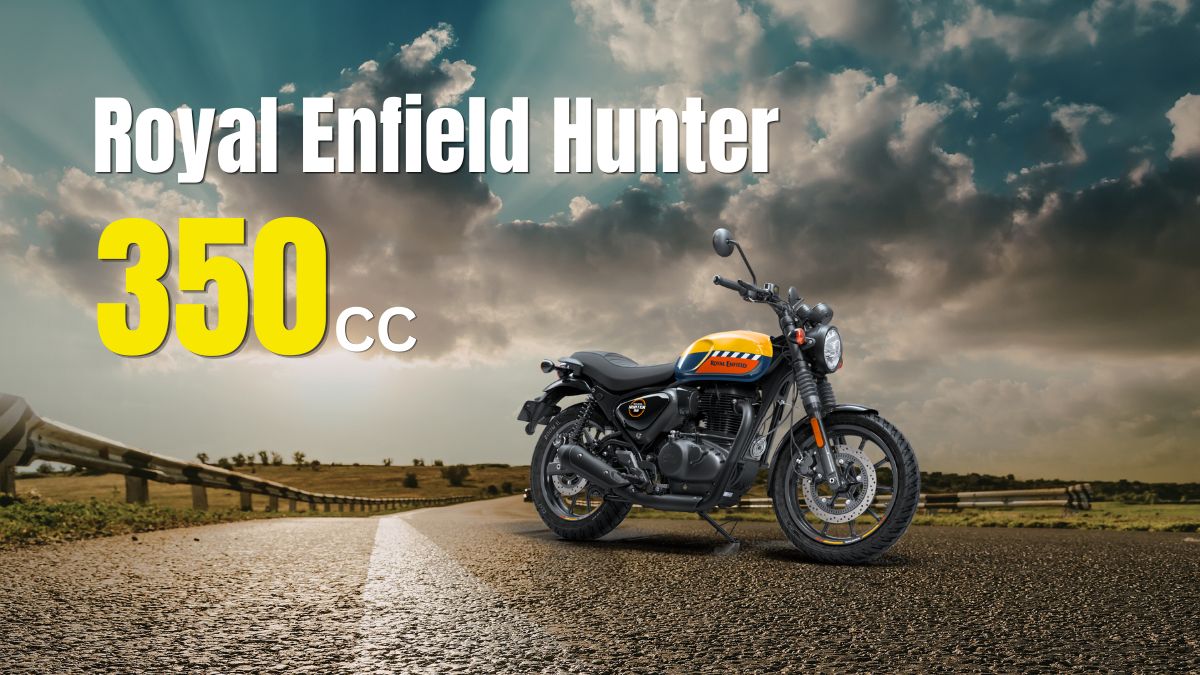
Royal Enfield Hunter 350 Launched in 2026: What’s New in India’s Popular Bike?
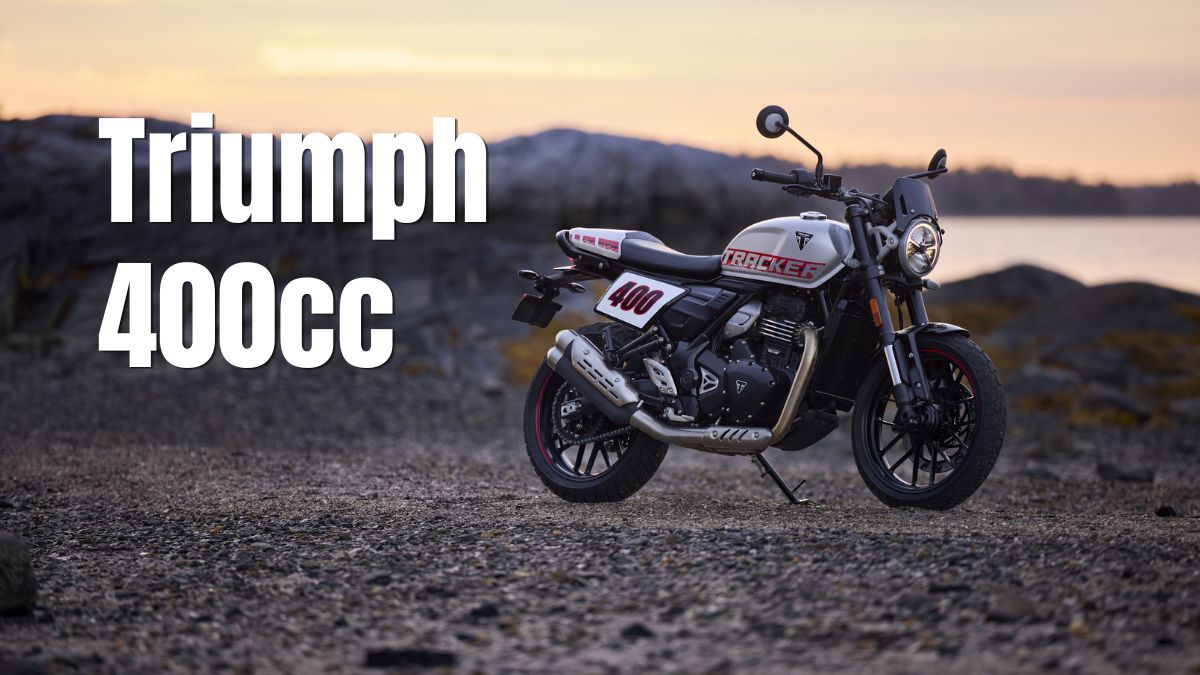
Triumph Tracker 400 (350cc) Launched in India: Affordable Premium Bike?
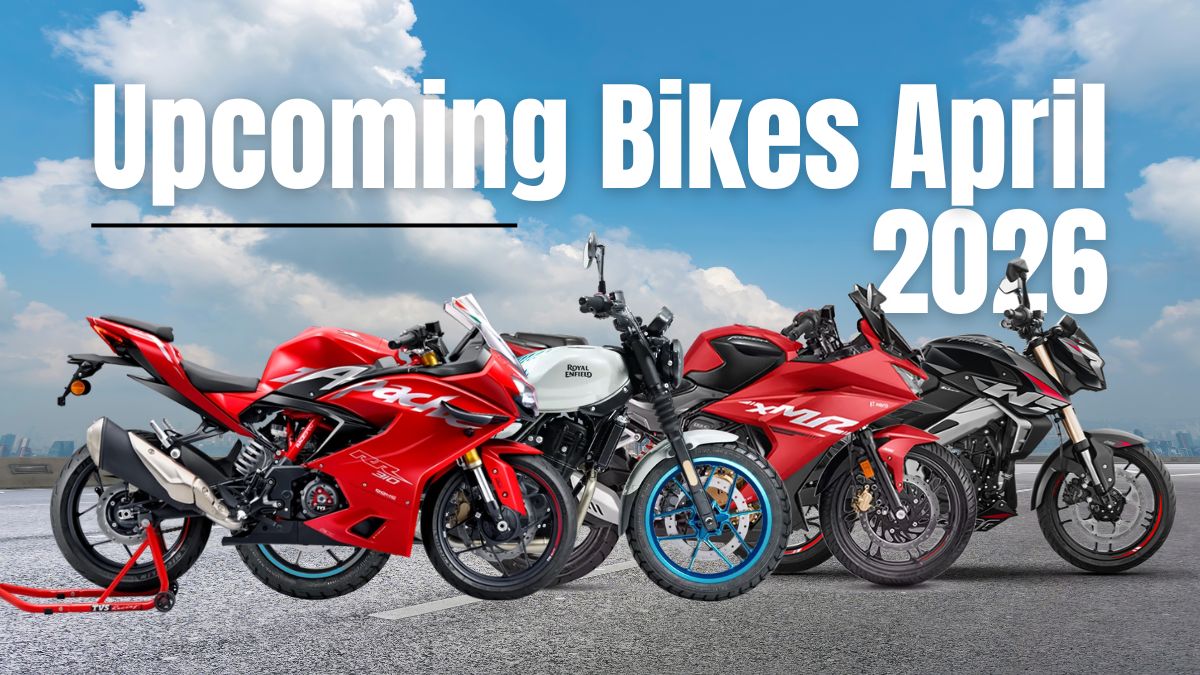
Upcoming Bikes April 2026: 5 Bikes That Can Change the Market
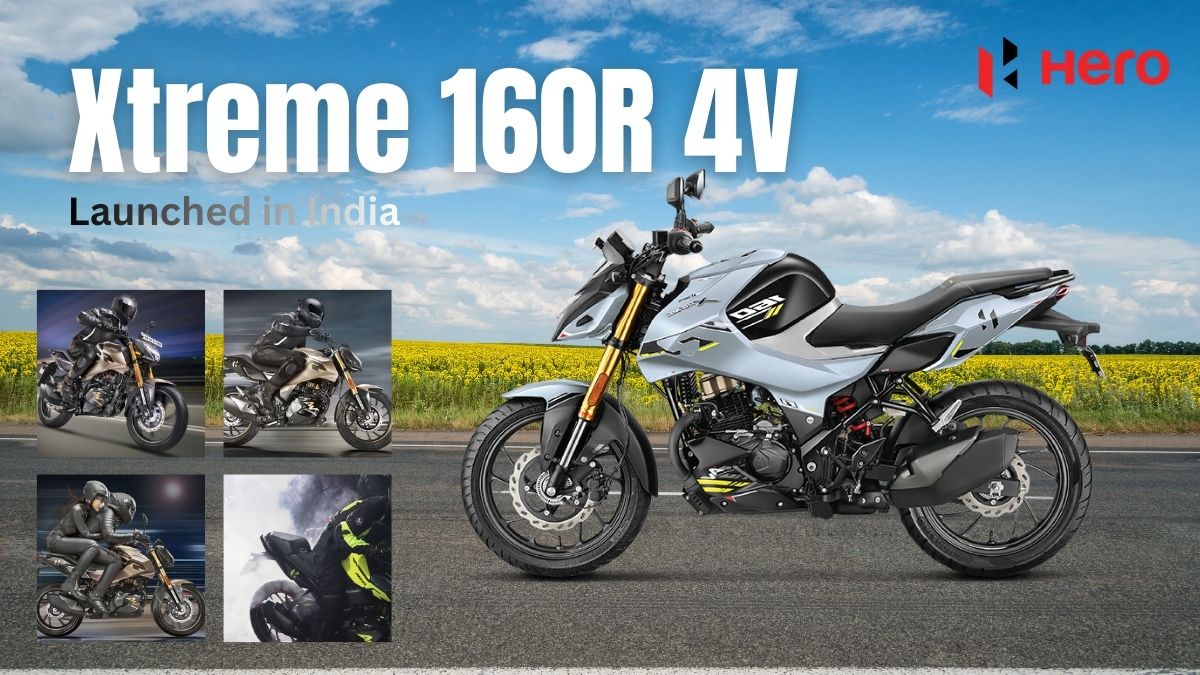
Hero Xtreme 160R 4V Launched in India with Cruise Control: Price, Features and Full Specs
Hero MotoCorp February 2026 Sales Report: No.1 Again?
TVS Holi Finance Scheme 2026 Brings 0% Down Payment
Bajaj Holi Discount 2026: ₹10,000 Off Bikes
Top 5 Best Mileage Bikes in India 2026 Under ₹1 Lakh
Hero Xtreme 125R vs TVS Raider 125 – Best 125cc Bike Comparison
Yamaha R2 200cc Sports Bike – India Launch Update and Expected Features
Bajaj Auto to Launch 8 New Bikes in 2026 – Major Focus on Pulsar Series
Top 10 Lightweight Bikes in India in 2026
Top 10 Budget Bikes Under ₹1 Lakh 2026
Hero Xpulse 200 vs Royal Enfield Himalayan – Off-Road Comparison
Hero Splendor vs Honda Shine – Mileage and Maintenance Comparison