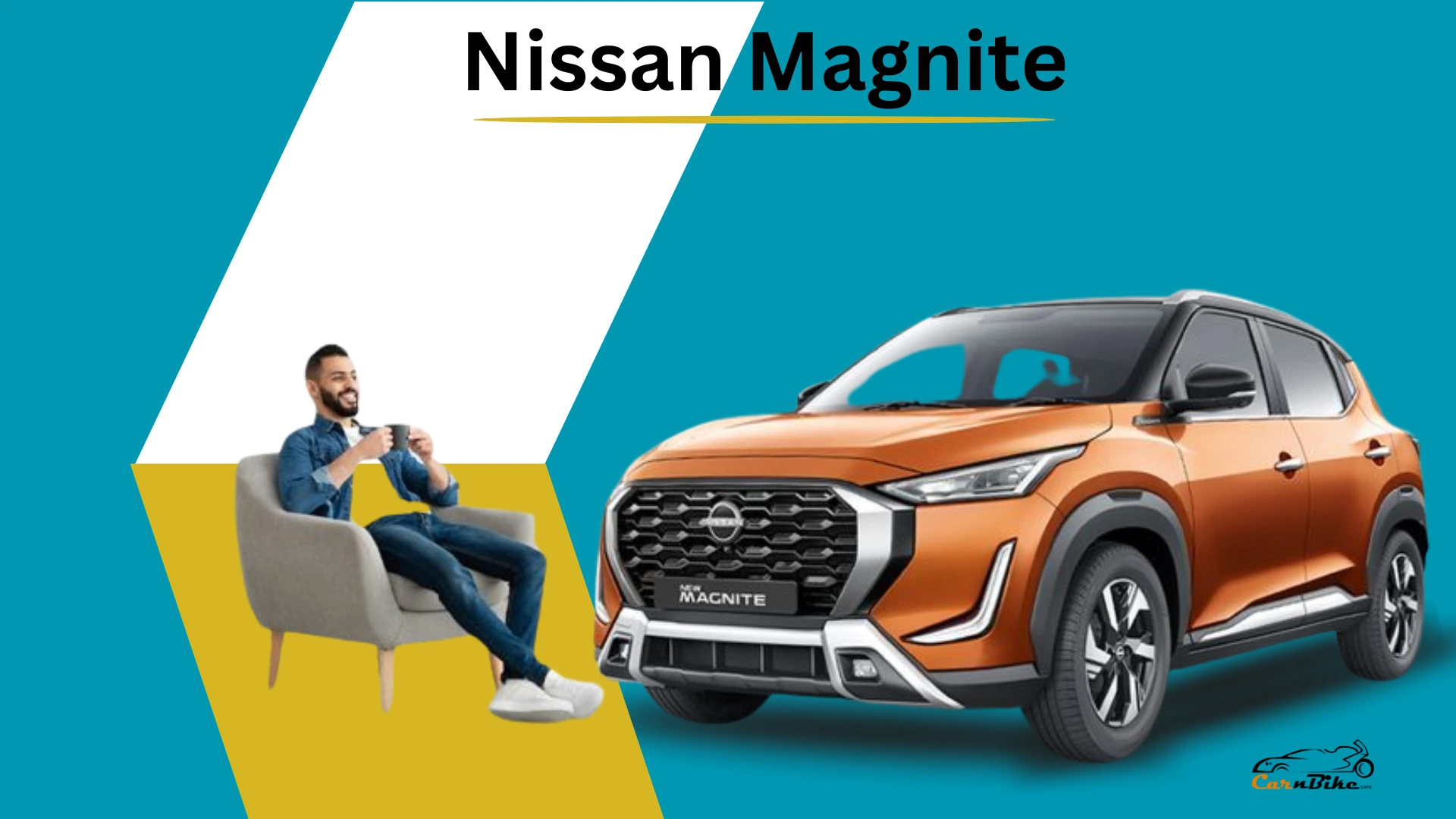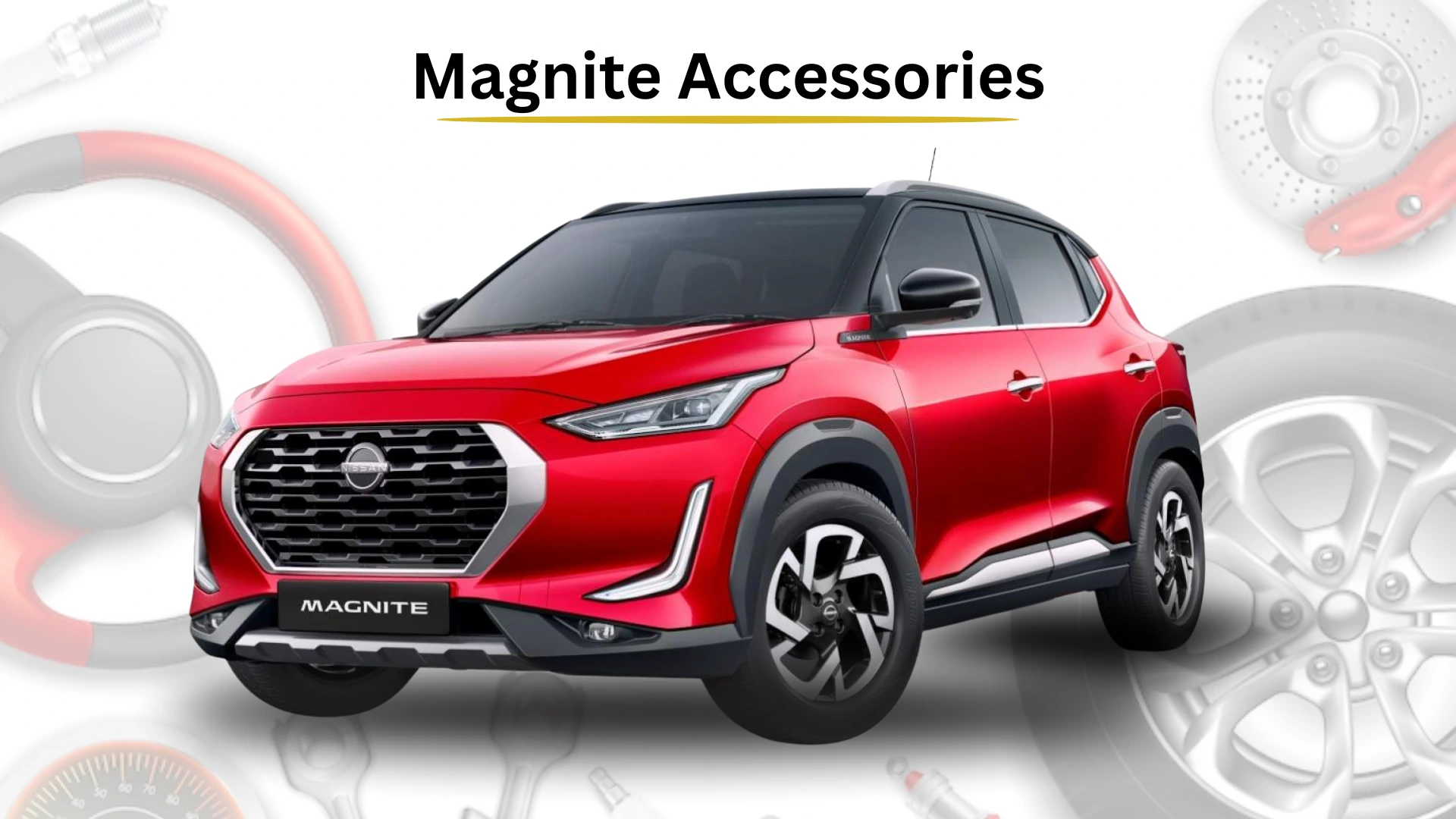
Who Should Buy Nissan Magnite? Common Problems & Issues Reported by Owners
- Cars
- Published: 22 Apr, 2026
- Updated: 22 Apr, 2026
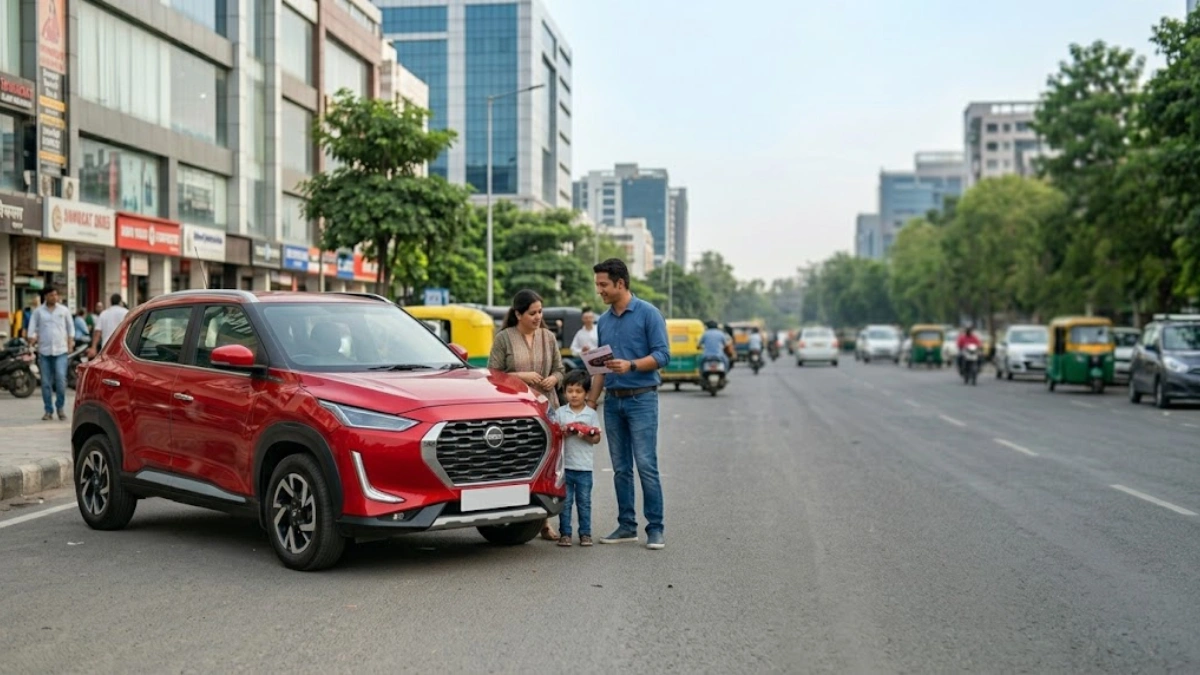
Book a Test Drive
Free doorstep test drive at your convenience
Thinking of buying the Nissan Magnite because it looks like a perfect budget SUV on paper? You’re not alone. With its bold design, feature-loaded variants, and aggressive pricing, the Nissan Magnite has attracted thousands of first-time buyers across India. But here’s the reality—what you see in ads and what you experience after 6–12 months of ownership can be very different.
This blog isn’t going to sell you dreams. Instead, it breaks down a simple, practical question: Is the Magnite actually right for you? Because while some owners are genuinely happy with its value-for-money package, others complain about performance issues, interior quality, and long-term niggles that don’t show up in a test drive.
If you’re confused between “budget SUV excitement” and “real-world ownership truth,” you’re in the right place. Let’s decode who should actually buy the Magnite and more importantly, who should stay away.
Who Should Buy Nissan Magnite?
The Nissan Magnite is ideal for someone who wants maximum value at minimum budget, not someone chasing refinement or premium feel.
If your budget is tight (₹6–10 lakh), and you want an SUV-like stance with features like touchscreen, wireless connectivity, and decent ground clearance, the Magnite makes strong sense. It’s especially suitable for first-time car buyers, small families, or someone upgrading from Alto, WagonR, or Santro-level cars.
City drivers will appreciate it the most. The car’s suspension handles bad roads well, and its compact size makes it easy in traffic. Even after long usage (50,000 km), many owners say it remains comfortable and practical for daily commuting.
However, if you are someone who values smooth engine performance, silent cabin, and premium build quality, you might feel disappointed over time.
Who Should Avoid Nissan Magnite?
This is where most buyers make mistakes. The Magnite looks premium in photos, but it’s fundamentally a cost-cut product.
If you expect Hyundai-level refinement, Maruti-level reliability network, or Tata-level build solidity, you will feel the gaps quickly. The naturally aspirated (non-turbo) engine is especially underpowered, struggling during overtakes or when the car is fully loaded.
Highway drivers, enthusiasts, and people who frequently travel with family + luggage should ideally avoid the base engine. The turbo variant is better, but then pricing goes up—reducing its value advantage.
Also, if you live in a tier-2 or tier-3 city, service and spare parts availability can be a concern due to Nissan’s limited service network.
Real-World Ownership Experience: What Owners Like
Despite its flaws, the Magnite is not a bad car. In fact, it does a few things really well.
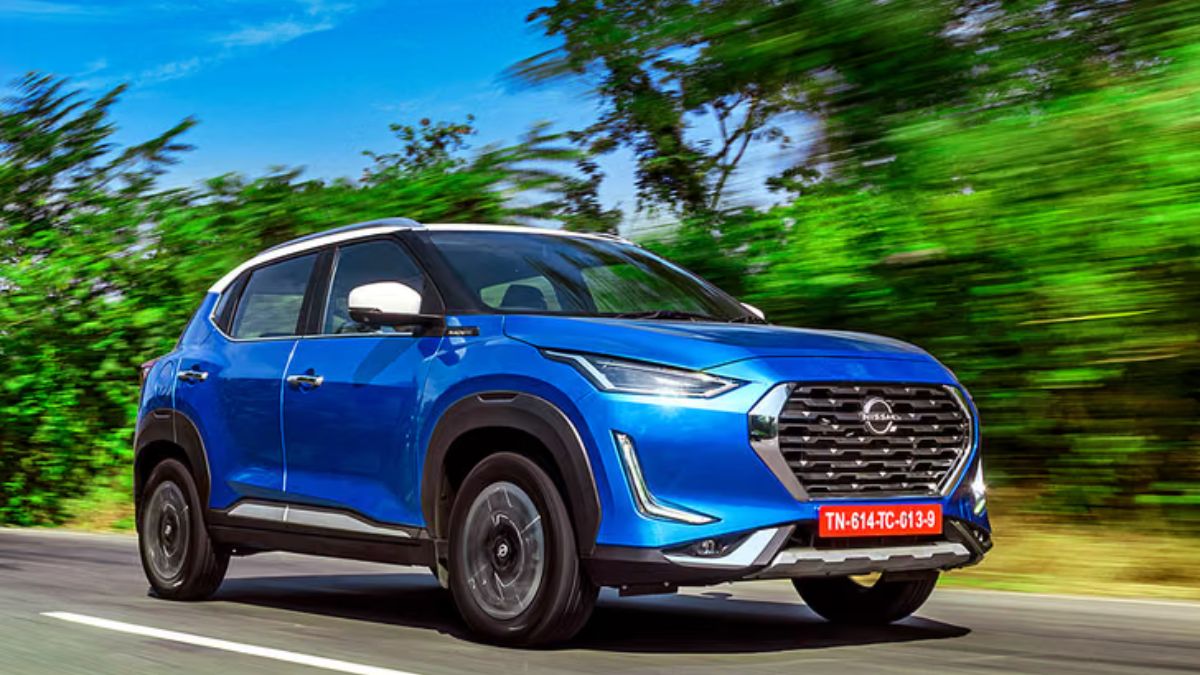
Owners consistently praise its value-for-money proposition. At its price, you get SUV styling, decent features, and good ground clearance (205 mm), which is very useful on Indian roads. Ride quality is another strong point. The suspension absorbs potholes comfortably, making it suitable for rough urban roads. Even after years of use, the ride remains stable and usable.
Fuel efficiency is also acceptable—not class-leading, but practical. Most users report around 12–14 km/l in the city and 16–18 km/l on highways, depending on driving style.
In short, owners who bought it for budget + practicality are generally satisfied.
Common Problems in Nissan Magnite (Real Owner Issues)
Now comes the part most blogs sugarcoat—but this is where you should pay attention.
Engine Performance Issues (Especially NA Variant)
The biggest complaint is the lack of power in the 1.0L naturally aspirated engine.
It feels weak during overtakes, highway driving, or when AC is running with passengers. Many owners say it struggles to maintain speed under load. If you choose Magnite, a turbo engine is almost mandatory unless your usage is strictly city-based.
CVT Gearbox Lag & Driving Hesitation
Some CVT automatic users report lag or hesitation during acceleration, especially when overtaking or climbing. This is not a deal-breaker for city driving, but on highways it can feel unsafe if you expect instant power.
Interior Quality & Rattling Noise
One of the most common complaints across owners is cheap interior quality. Over time, dashboard, doors, and panels develop rattling noises, especially on rough roads.
This doesn’t affect performance, but it reduces the premium feel significantly. If you’re sensitive to cabin noise, this will annoy you.
AC Cooling Issues in Extreme Heat
In peak Indian summers, some owners report that the AC struggles to cool effectively, especially in older cars or poorly maintained units. This is more noticeable in North India heat conditions.
Noise, Vibration & Harshness (NVH)
The Magnite is not a refined car. Engine noise and vibrations are noticeable compared to rivals. Even newer versions still have NVH concerns, meaning more cabin noise at higher speeds. If you’ve driven Hyundai or Honda cars, the difference will be obvious.
Gearbox & Clutch Issues (Manual)
Manual owners sometimes report:
- Hard gear shifts
- Clutch becoming heavy over time
- Slight jerkiness in lower gears
Some cases required clutch replacement around 50–60k km.
Suspension Noise & Minor Wear Issues
While ride quality is good, long-term users mention squeaks from suspension on rough roads. These are usually minor fixes but still something to keep in mind.
Electrical & Feature Glitches
A few users have faced issues like:
- Infotainment glitches (especially wireless connectivity)
- Reverse camera quality drop
- Power window or minor electrical faults
These are not widespread but do appear in ownership reports.
Service & Spare Parts Concerns
This is a major practical issue. Nissan has a limited service network in India, which can lead to:
- Longer waiting time for parts
- Inconsistent service experience
This matters more than the car itself, especially in smaller cities.
Rare but Reported Issues (Not Common but Seen)
Some individual cases reported:
- Fogging in headlamps
- Brake noise or knocking
- Suspension defects in early units
- Cabin parts loosening
These are not universal problems but highlight quality inconsistency in some units.
Final Verdict: Should You Buy the Nissan Magnite?
The Magnite makes sense only when you buy it with the right expectations. It’s not a premium car—it’s a budget-focused SUV that gives you more features for less money.
You should consider buying it if your priority is a low-budget SUV (under ₹10 lakh) that is easy to drive in the city, looks good, and offers decent features for daily use. It works well for office commutes, small families, and occasional highway trips. But you should avoid it if you expect a premium feel, strong performance, or super smooth and silent driving. The naturally aspirated engine feels weak, and overall refinement is not its strong point. Also, if you want a completely stress-free service experience, this might not be the best choice.
In one line:
The Magnite is a “value-for-money car,” not a “no-compromise car.”
If you understand this before buying, you’ll likely be satisfied. If you expect more than what it’s built for, disappointment is almost guaranteed.
Book a Test Drive
Free doorstep test drive at your convenience
Popular Brands





Latest Car News
Tata Altroz vs Maruti Suzuki Brezza: Which One Should You Buy in 2026?
Wagon R vs Swift: Which Is Cheaper to Maintain?
BMW 7 Series Facelift Interior Updates: Know Everything

How to Check Oil Level in Car: Step-by-Step Guide
Latest Cars Under ₹5 Lakh in India in September 2026
Maruti Alto K10 September Offers: Get Up to ₹62,500 Savings on Purchase
Tata Tigor Facelift Under ₹6 Lakh: A New Budget Sedan Is Coming
Hyundai Creta August 2026 Sales: With 16,288 Units Becomes India's Best-Selling Mid-Size SUV
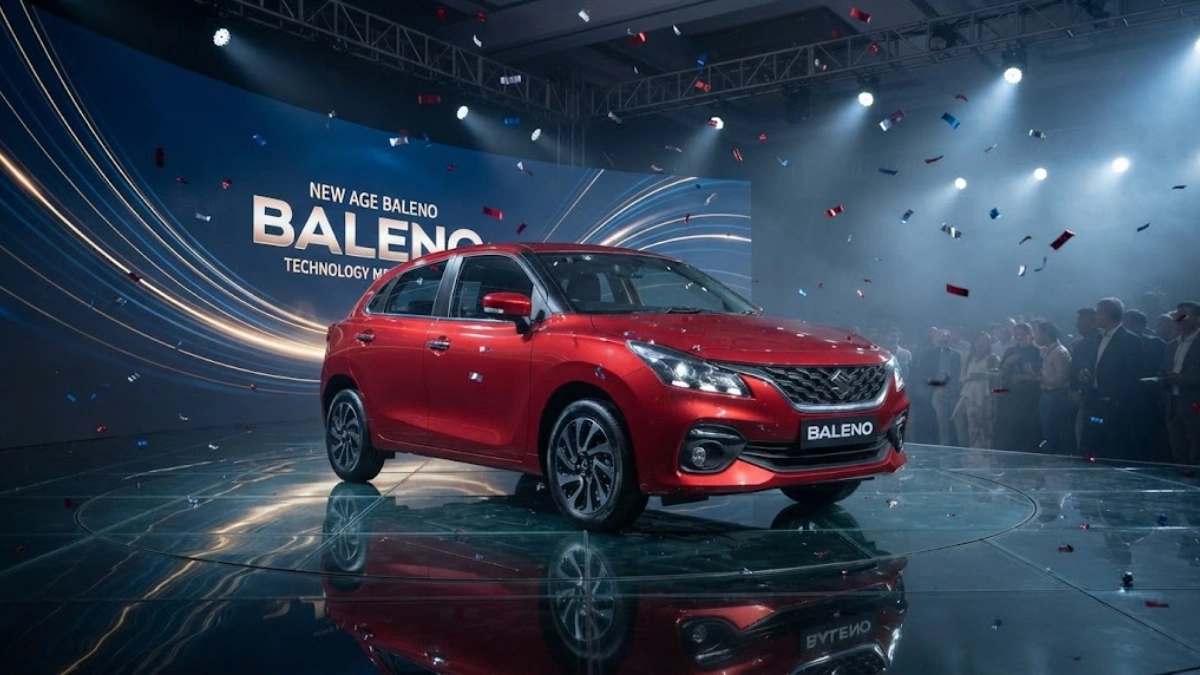
Maruti Baleno Facelift Booking Price: Expected Booking Amount, EMI & Loan Calculation
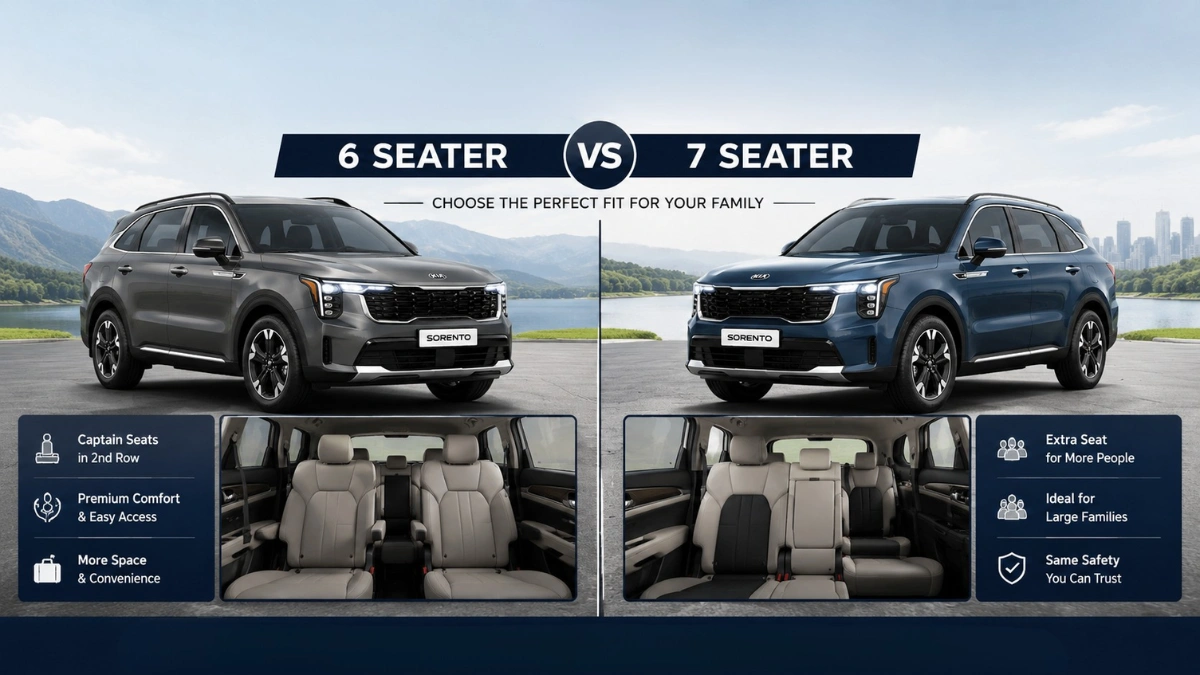
Kia Sorento 6 Seater vs 7 Seater: Which One Should You Choose?
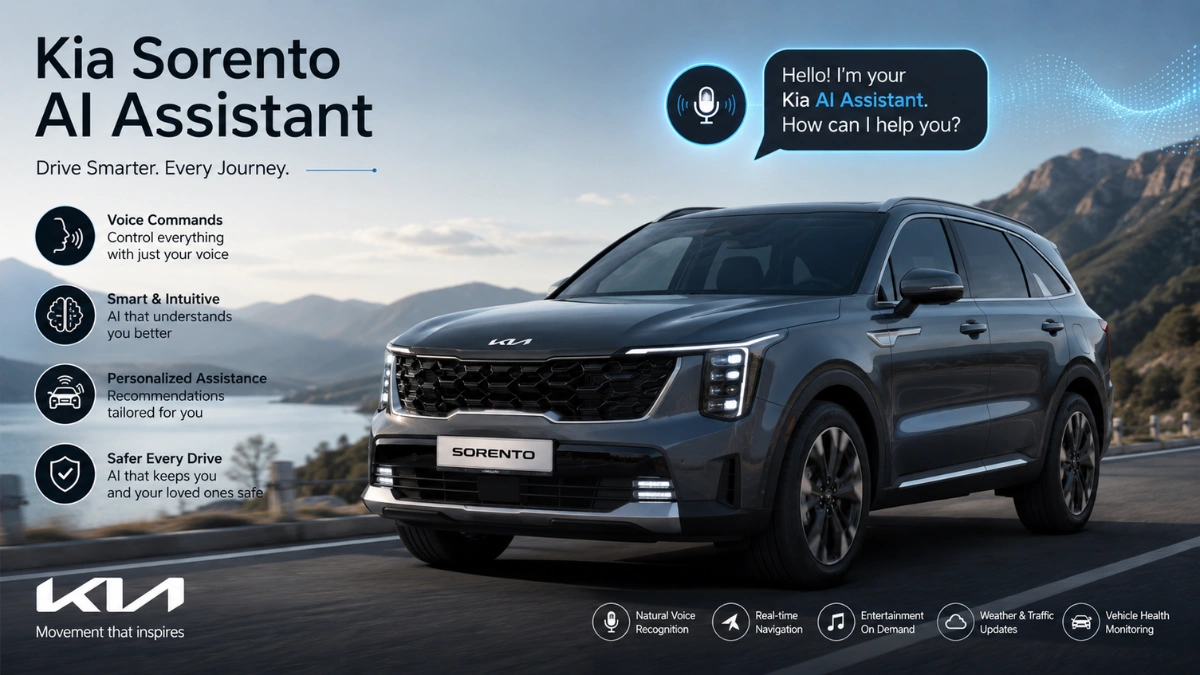
Kia Sorento AI Assistant Explained: Features, Commands, and Indian Language Support
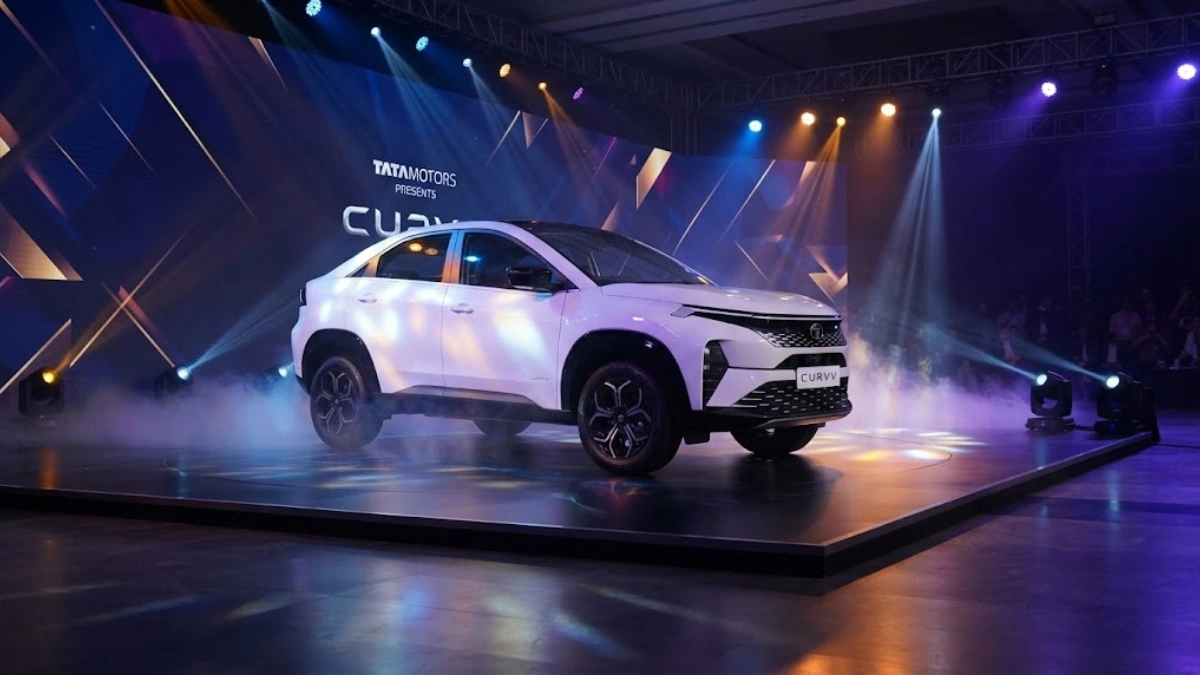
What Is the Difference Between Tata Curvv and New Curvv Series X?
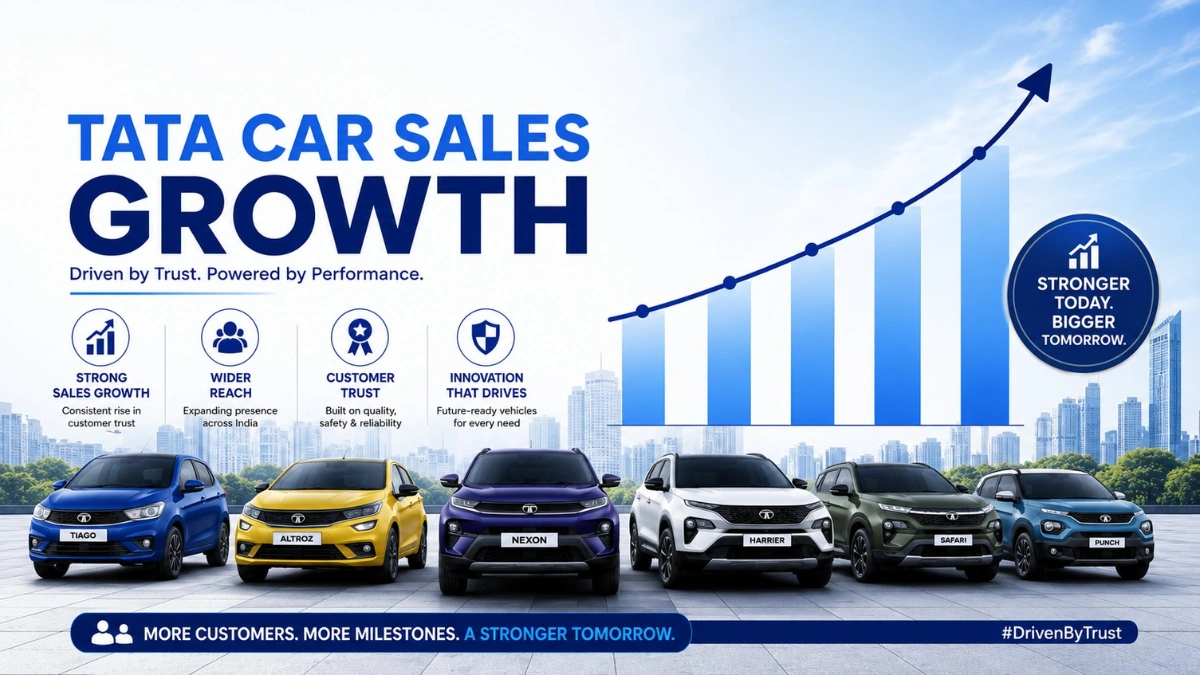
Tata Car Sales August 2026: Model-Wise Sales & Growth Report
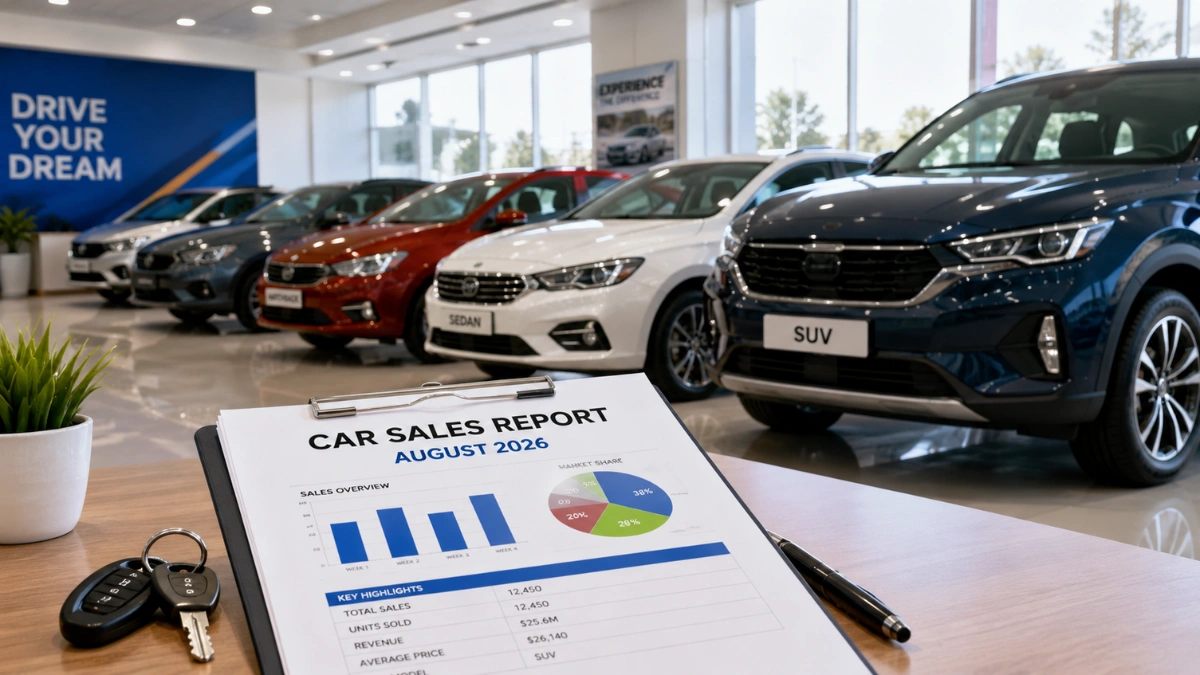
Car Sales Report of August 2026: Tata Motors, Maruti, Mahindra Lead Growth
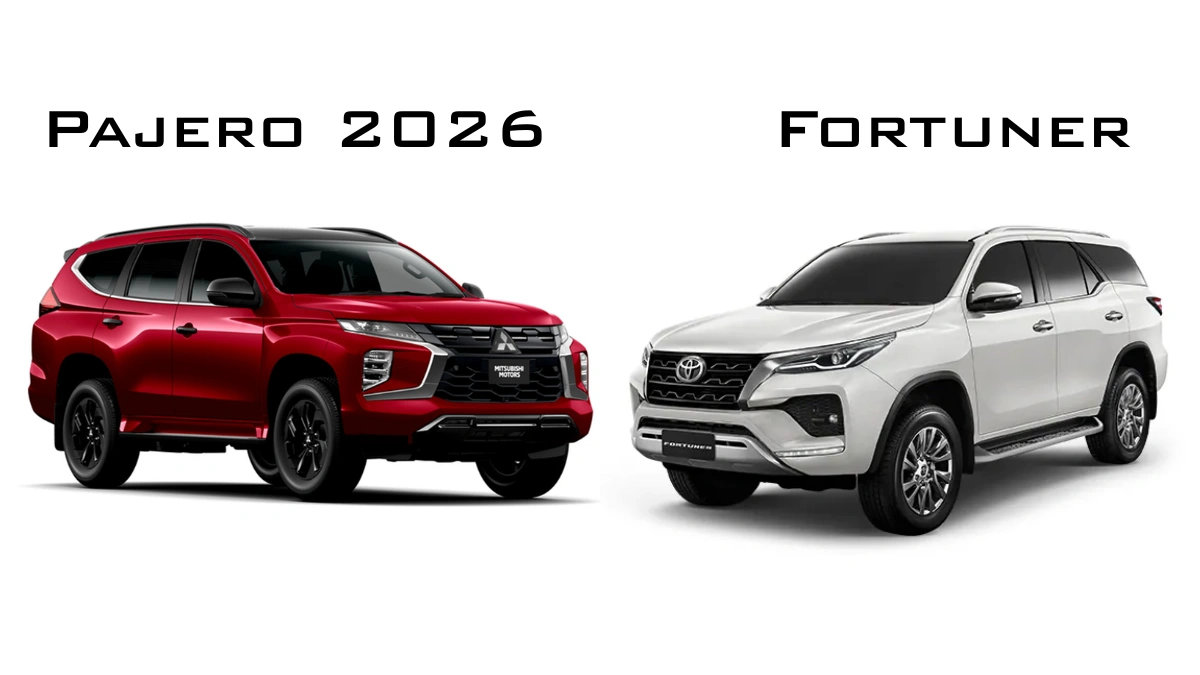
Pajero 2026 vs Fortuner: Which SUV Could Be Better?
Volvo EX90 Booking Price: Expected Booking Amount, EMI & Loan Calculation
Next Generation Tata Nexon 2027: Expected Launch, Price, Design & Features
MG Hector Tomahawk EV Variant-Wise Price & Features Comparison
Maruti Baleno Facelift vs Toyota Glanza: Complete Comparision
Upcoming Cars in September 2026 in India: New Cars, Launch Dates & Expected Prices