





Limited Edition Skoda Slavia Monte Carlo Adds New Colours for 200 Buyers Only
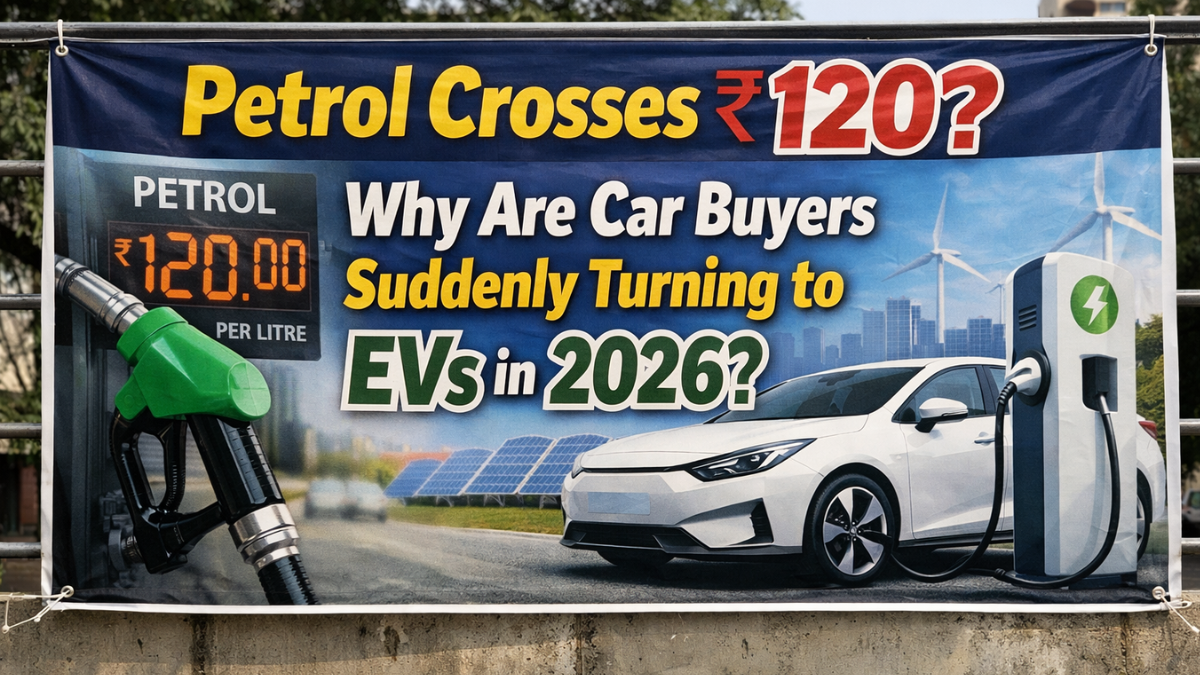
Petrol Crosses ₹120? Why Are Car Buyers Suddenly Turning to EVs in 2026?
- Cars
- Published: 10 Apr, 2026
Book a Test Drive
Free doorstep test drive at your convenience
April 2026 | Auto News India
“Is petrol really crossing ₹120?” — this question is now on every car buyer’s mind in India.
Fuel prices are once again making headlines, and along with that, a major shift is clearly visible in the market:
👉 Car buyers are rapidly moving away from petrol vehicles and choosing EVs (Electric Vehicles).
But is it only because of rising fuel prices? Or is there a bigger change happening in the auto industry?
Let’s break it down.
Petrol Prices Shock: Can ₹120 Become Reality?
Over the past few months, fuel prices have shown high volatility.
Current Situation:
- Global crude oil prices remain unstable
- Geopolitical tensions are affecting supply
- Transportation costs are rising
👉 Experts suggest that if this trend continues, petrol touching ₹120 is not impossible.
And this fear is already influencing buyer decisions.
EV Boom: Demand Rising Rapidly
In 2026, electric vehicles are no longer a future concept—they are becoming mainstream.
What’s Happening in the Market:
- EV bookings are increasing
- Waiting periods are rising for popular models
- Urban demand is growing fast
👉 The simple reason:
People want to escape high fuel costs.
Cost Factor: The Biggest Game Changer
Let’s compare the real cost of running 👇
🔋 EV Running Cost:
- Around ₹1–₹2 per km
⛽ Petrol Car Running Cost:
- Around ₹7–₹10 per km
👉 If you drive 30–40 km daily, you can save ₹5,000–₹10,000 per month with an EV.
This is the biggest reason why middle-class buyers are shifting.
Buyer Mindset Has Changed
Earlier, people focused on:
- Mileage
- Brand
- Design
But now, buyers are thinking differently.
🔥 New Priorities:
- Monthly running cost
- Long-term savings
- Future resale value
👉 EVs clearly have an advantage here.
Government Support Boosting EV Growth
The Indian government is actively promoting EV adoption.
📢 Key Benefits:
- Subsidies on EV purchases
- Lower registration fees
- Tax benefits
- Expansion of charging infrastructure
👉 These incentives are making EVs more affordable.
Charging Infrastructure Improving
One of the biggest concerns was charging availability.
But in 2026:
- Charging stations are increasing in cities
- Fast charging technology is improving
- Home charging is now easier
👉 “Range anxiety” is gradually reducing.
More EV Options Available
Buying an EV is now easier than ever.
Automakers like Tata Motors, Mahindra & Mahindra, and MG Motor are expanding their EV lineup.
🔥 Market Trends:
- Budget EV cars
- Electric SUVs
- Long-range premium models
👉 More options mean more buyers are entering the EV market.
Environmental Awareness Is Rising
Today’s buyers are not just thinking about money—they are also thinking about the environment.
🌱 EV Advantages:
- Zero tailpipe emissions
- Reduced pollution
- Lower carbon footprint
👉 EVs support a cleaner and greener future.
EV vs Petrol Cars: Quick Comparison
| Factor | EV Cars ⚡ | Petrol Cars ⛽ |
|---|---|---|
| Running Cost | Low | High |
| Maintenance | Low | Medium |
| Convenience | Medium | High |
| Environment | Eco-friendly | Polluting |
👉 Conclusion: EVs win in long-term value.
Are EVs for Everyone?
Not necessarily.
❌ EV May Not Be Ideal If:
- You travel long distances frequently
- Charging stations are not available nearby
- You live in remote areas
✅ EV Is Perfect If:
- You drive daily in the city
- You want to reduce fuel expenses
- You prefer a modern, tech-driven car
Future Outlook: Will Petrol Cars Disappear?
📅 Short-Term (2026–2028)
👉 Petrol cars will still dominate
📆 Long-Term (2030+)
👉 EVs are expected to lead the market
👉 The shift is gradual—but inevitable.
Final Verdict
Whether petrol actually crosses ₹120 or not, one thing is clear:
👉 The fear of rising fuel costs has already changed buyer behavior.
And this fear is driving a major trend:
👉 A shift from petrol cars to electric vehicles.
2026 could be the turning point where:
- Buyers focus on savings over style
- EVs become a practical choice, not just an alternative
- The future of mobility starts becoming reality
FAQs
Q1. Can petrol really reach ₹120 in India?
It depends on global oil prices, but the possibility cannot be ruled out.
Q2. Is buying an EV in 2026 a good decision?
Yes, especially for city driving and long-term savings.
Q3. How much can I save with an EV?
You can save around ₹5,000–₹10,000 per month depending on usage.
Q4. Will petrol cars be banned?
No, but EV adoption will continue to grow rapidly.
Book a Test Drive
Free doorstep test drive at your convenience
Popular Brands
Latest Car News
Suzuki Loses India Market Share as Buyers Demand More Features
Hybrid Car Sales Decline 8% in June 2026: Complete Analysis
How to Book Maruti Brezza Facelift: Complete Booking Guide
Alto K10 vs Tiago: Which Is Better?
Maruti Brezza Facelift 2026: What's New Compared to the Current Model?
Renault Duster Adventure Edition vs Standard Duster: What's Different?
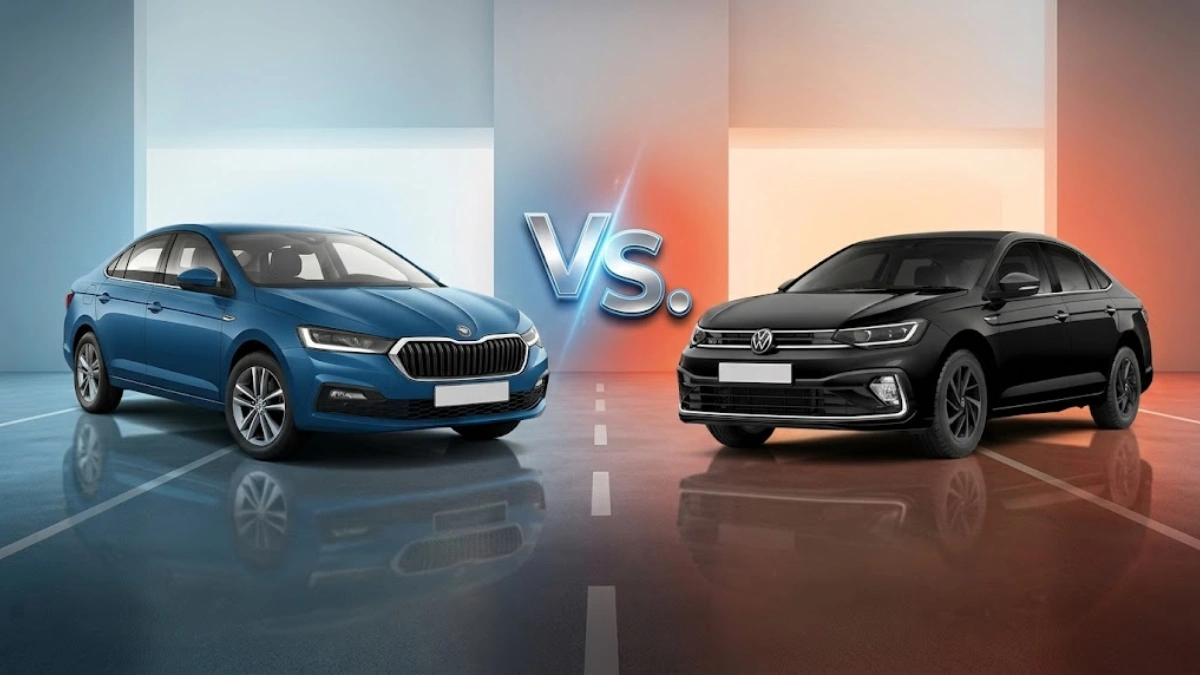
Skoda Slavia Facelift 2026 vs Volkswagen Virtus: Which Sedan Should You Wait For?
Volkswagen Tayron Life Launched in India at ₹41.99 Lakh
Volkswagen Announces 50% Reduction In Global Car Line-up
Tata Nexon Pure Plus : Know Everything Before Buying in July
Best Selling Cars of June 2026 in India
July 2026 Car Offers: Tata, Honda, Kia, MG, Hyundai, Maruti and Other Brands' Discount Offers
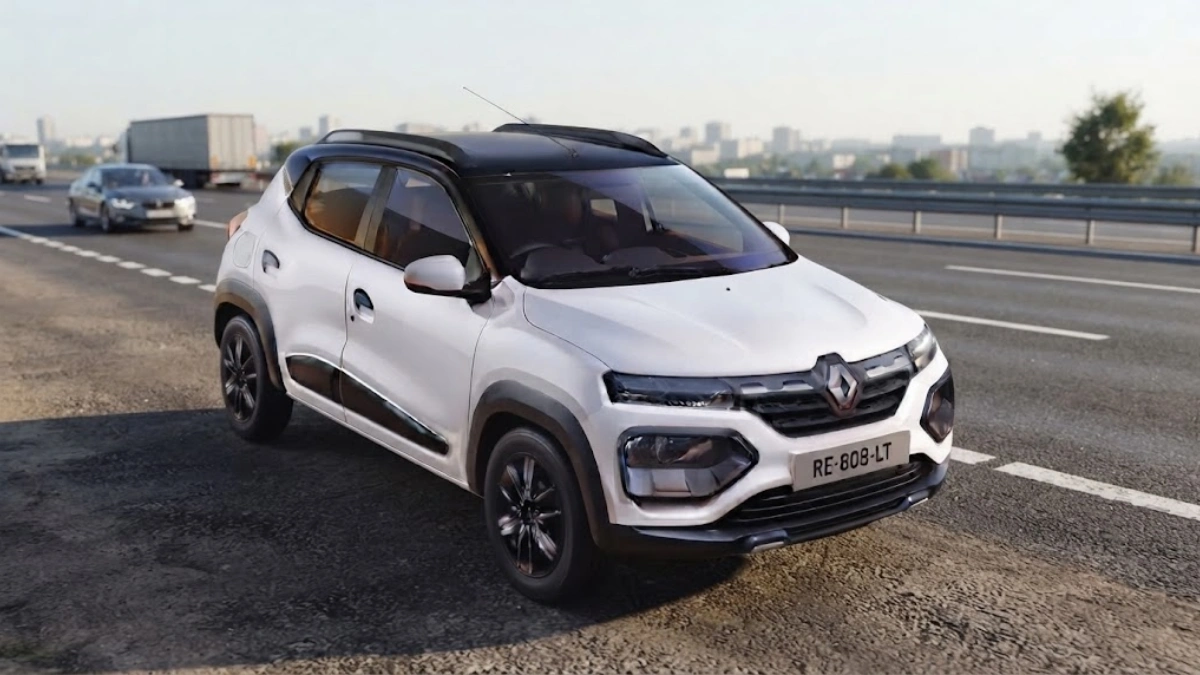
Renault Kwid 2026 Launched at Rs 4.53 Lakh
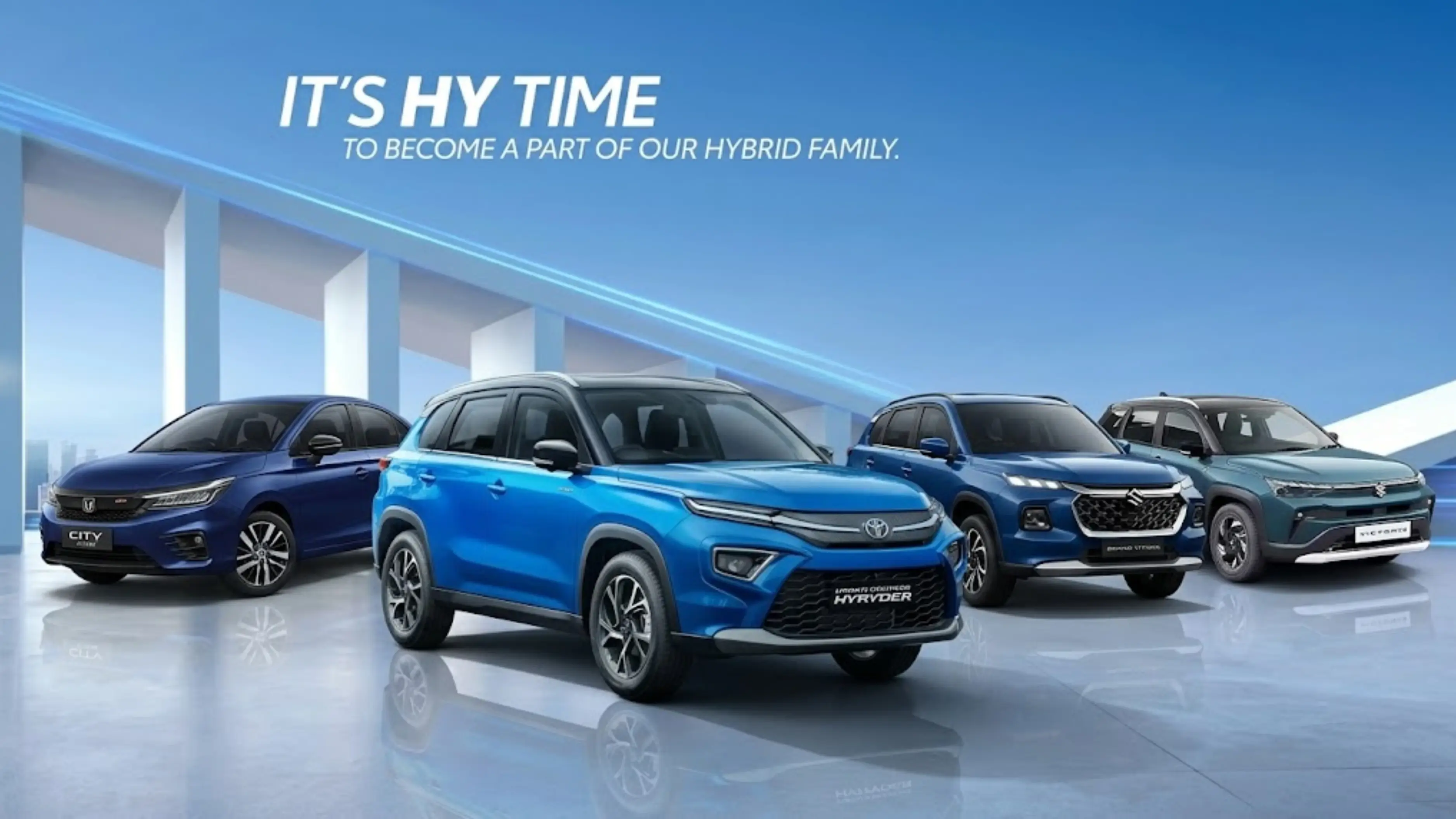
Cheapest Hybrid Cars in India: You Must Know
Tata Sierra Test Drive Booking in Noida: Complete Process Guide
Most Affordable Cars with Ventilated Seats in India
Upcoming Sedan Cars in August 2026 in India
Tata Harrier Test Drive Booking in Delhi: A Complete Guide
Upcoming SUVs in August 2026 in India