
Tata Tiago vs Tata Tiago EV – Which Should You Buy?
- Cars
- Published: 21 Apr, 2026
- Updated: 21 Apr, 2026
Book a Test Drive
Free doorstep test drive at your convenience
Think like, it’s Monday morning, you’re stuck in city traffic, fuel prices are on your mind, and every signal makes you wonder — should I have gone electric? Now fast forward to a weekend highway trip, and suddenly the thought flips — thank God I didn’t pick an EV.
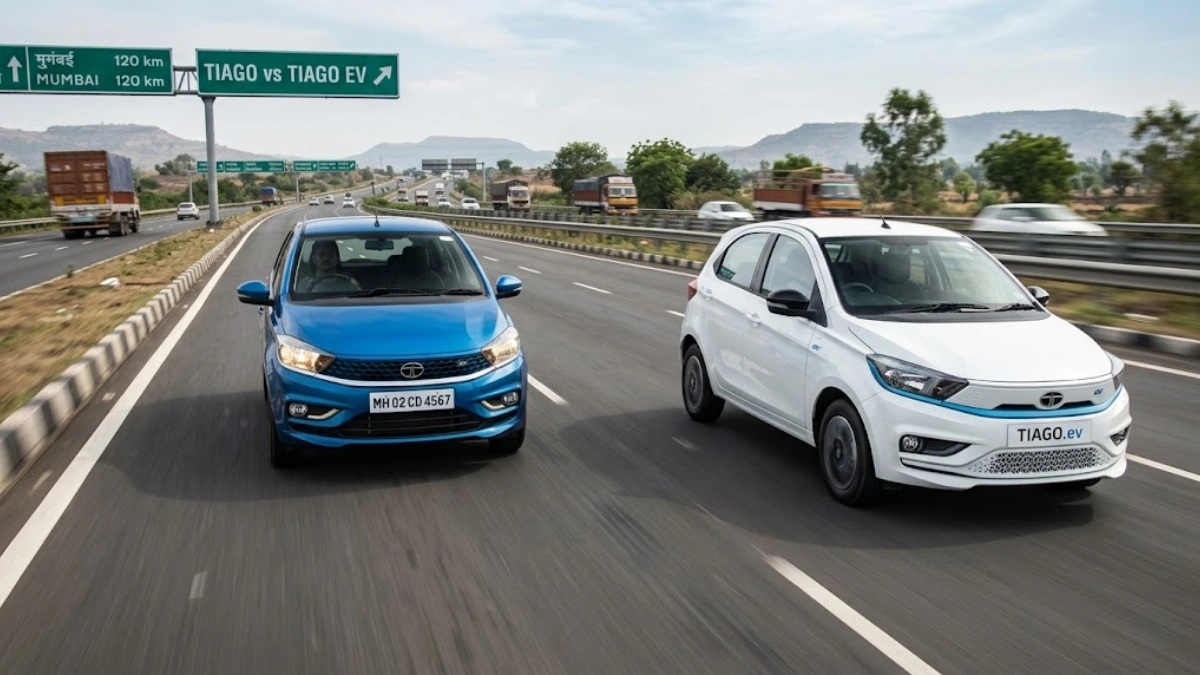
That’s exactly the kind of real-world confusion buyers face when choosing between the Tata Tiago and the Tata Tiago EV. On paper, both look nearly identical. Same body, same brand trust, similar features. But in daily life, they feel completely different.
One runs on petrol — quick to refuel, easy for long drives, and stress-free when plans are unpredictable. The other runs on electricity — silent, smooth, and incredibly cheap to drive in the city, but demands a bit of planning around charging.
This isn’t just a spec-sheet comparison; it’s a lifestyle decision. Your driving habits, city vs highway usage, and even your patience level with charging vs fuel stops will decide which car actually fits your life.
In this blog, we’ll break it down the way real owners experience it — not just numbers, but what it actually feels like to live with each car every day.
Design & Styling – Nearly Identical, Subtle EV Touches
At first glance, both the Tiago and Tiago EV look very similar because they share the same body structure. Tata has retained the familiar hatchback design with compact proportions, making both cars ideal for city driving. However, the Tiago EV gets a few EV-specific cosmetic changes like a closed-off grille, blue accents, and unique badging to differentiate it from the petrol version.
Inside the cabin, both models now get updated interiors with a modern dashboard, digital instrument cluster, and a larger touchscreen infotainment system introduced in the 2025 update. The EV version, however, feels slightly more premium with additional tech features like regenerative braking controls and EV-specific displays.
Engine vs Battery – The Core Difference
The biggest difference lies in what powers these two cars. The Tiago runs on a 1.2-litre petrol engine, which is reliable, easy to maintain, and widely serviceable across India. It is ideal for those who prefer conventional driving with no dependency on charging infrastructure.
On the other hand, the Tiago EV is powered by electric motors paired with battery packs of 19.2 kWh and 24 kWh, offering a claimed range of up to 315 km on a single charge. It produces instant torque, resulting in quicker acceleration in city conditions and a smoother, silent driving experience.
In simple terms, the petrol Tiago is about familiarity and convenience, while the Tiago EV is about modern efficiency and low running costs.
Performance & Driving Experience – Smooth vs Conventional
When it comes to driving experience, the Tiago EV clearly feels more refined. Electric cars deliver instant torque, meaning quicker pickup in city traffic and a more relaxed drive without gear shifts. The Tiago EV can accelerate briskly in urban conditions and feels effortless to drive.
The petrol Tiago, while not as quick, offers predictable performance and is better suited for highway cruising where refueling is quick and easy. If you enjoy traditional driving with engine feedback, the petrol version will feel more engaging.
Running Cost – EV Clearly Wins
Running cost is where the Tiago EV shines the most. Charging an electric car is significantly cheaper compared to petrol expenses. For daily commuters, especially those driving 30–50 km daily, the cost savings over time can be substantial.
In contrast, the petrol Tiago has higher fuel expenses, especially with fluctuating petrol prices. However, it does not require charging time and is easier to manage for long-distance travel.
So, if your usage is mostly within the city and predictable, the EV offers huge savings. If you frequently travel long distances, petrol still makes more sense.
Price Difference – Higher Initial Cost for EV
The Tiago petrol starts at around ₹5 lakh, making it one of the most affordable hatchbacks in India. In comparison, the Tiago EV starts at around ₹7.99 lakh and goes up to ₹11 lakh depending on the variant.
This price gap is important. While the EV saves money in the long run, the upfront cost is significantly higher. Buyers need to evaluate how long they plan to keep the car to recover that extra investment.
Features & Technology – EV Gets Slight Edge
Both versions now share many features like a 10.25-inch touchscreen, wireless connectivity, LED headlights, and improved interiors. However, the Tiago EV offers additional tech like:
- Regenerative braking
- Drive modes (Eco & Sport)
- Connected car features
- Cruise control (in top variants)
This gives the EV a slightly more futuristic and tech-loaded appeal.
Charging vs Refueling – Convenience Matters
Charging is one of the biggest considerations when choosing the Tiago EV. While it supports fast charging (around 58 minutes for 10–80%), home charging can take several hours depending on the setup.
The petrol Tiago, on the other hand, can be refueled in minutes at any fuel station, making it far more convenient for long journeys or unpredictable travel.
Maintenance & Ownership – EV Has Long-Term Advantage
Electric vehicles generally have fewer moving parts, meaning lower maintenance costs over time. The Tiago EV does not require engine oil changes or many traditional service components.
The petrol Tiago, while affordable to maintain, still requires regular servicing and has higher wear-and-tear components. Over a long ownership period, the EV tends to be more economical.
Who Should Buy the Tiago?
You should book the petrol Tiago if your driving includes frequent highway trips, long-distance travel, or if you do not want to depend on charging infrastructure. It is also the better option for buyers with a tight budget looking for a low upfront cost.
Who Should Buy the Tiago EV?
The Tiago EV booking is ideal for city users with predictable daily driving patterns, access to home charging, and a focus on reducing fuel expenses. It is also a great choice for those looking to shift towards electric mobility and enjoy a smoother driving experience.
Final Verdict – Which One is Better?
There is no one-size-fits-all answer here. The better choice depends entirely on your usage pattern.
If your priority is affordability, convenience, and flexibility, the petrol Tiago is the safer and more practical option. But if you are looking for long-term savings, modern technology, and a cleaner driving experience, the Tiago EV is the smarter investment.
In short:
- City + daily commute = Tiago EV
- Highway + budget + flexibility = Tiago petrol
Choose based on how you actually drive, not just what looks better on paper.
Book a Test Drive
Free doorstep test drive at your convenience
Popular Brands





Latest Car News
Limited Edition Skoda Slavia Monte Carlo Adds New Colours for 200 Buyers Only
Suzuki Loses India Market Share as Buyers Demand More Features
Hybrid Car Sales Decline 8% in June 2026: Complete Analysis
How to Book Maruti Brezza Facelift: Complete Booking Guide
Alto K10 vs Tiago: Which Is Better?
Maruti Brezza Facelift 2026: What's New Compared to the Current Model?
Renault Duster Adventure Edition vs Standard Duster: What's Different?
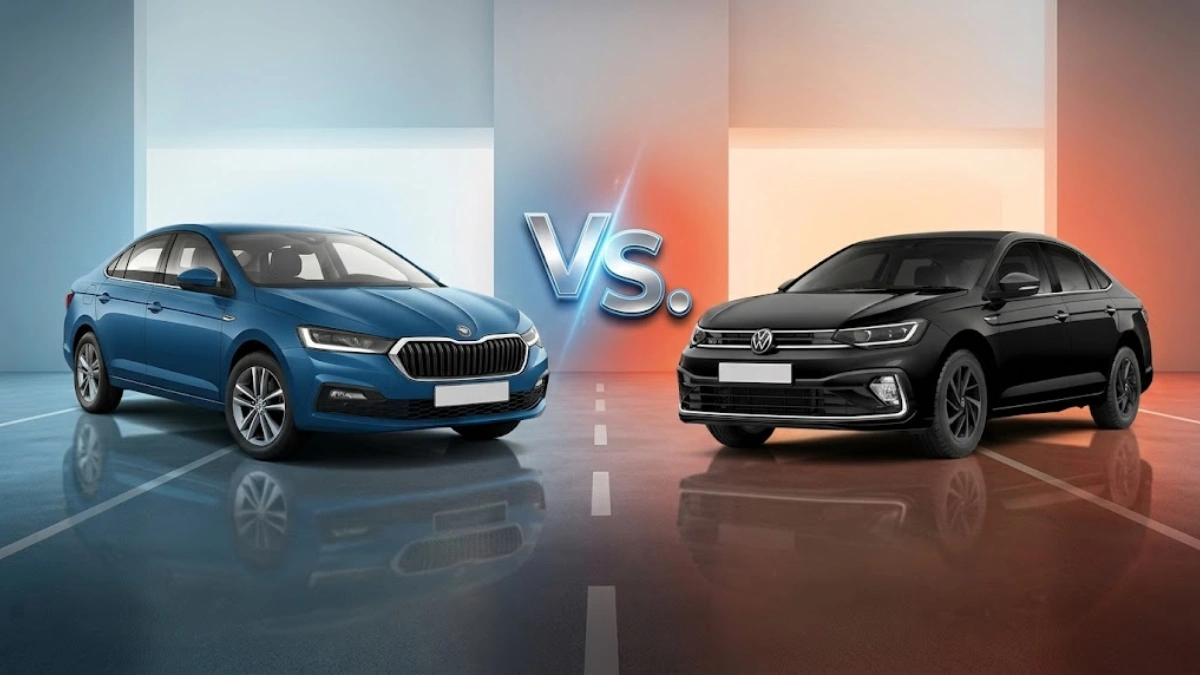
Skoda Slavia Facelift 2026 vs Volkswagen Virtus: Which Sedan Should You Wait For?

Volkswagen Tayron Life Launched in India at ₹41.99 Lakh
Volkswagen Announces 50% Reduction In Global Car Line-up
Tata Nexon Pure Plus : Know Everything Before Buying in July
Best Selling Cars of June 2026 in India
July 2026 Car Offers: Tata, Honda, Kia, MG, Hyundai, Maruti and Other Brands' Discount Offers
Renault Kwid 2026 Launched at Rs 4.53 Lakh
Cheapest Hybrid Cars in India: You Must Know

Tata Sierra Test Drive Booking in Noida: Complete Process Guide
Most Affordable Cars with Ventilated Seats in India
Upcoming Sedan Cars in August 2026 in India

Tata Harrier Test Drive Booking in Delhi: A Complete Guide

Upcoming SUVs in August 2026 in India