Is It the Right Time to Buy a Car in 2026? Experts Issue Serious Warnings
- Cars
- Published: 10 Apr, 2026
Book a Test Drive
Free doorstep test drive at your convenience
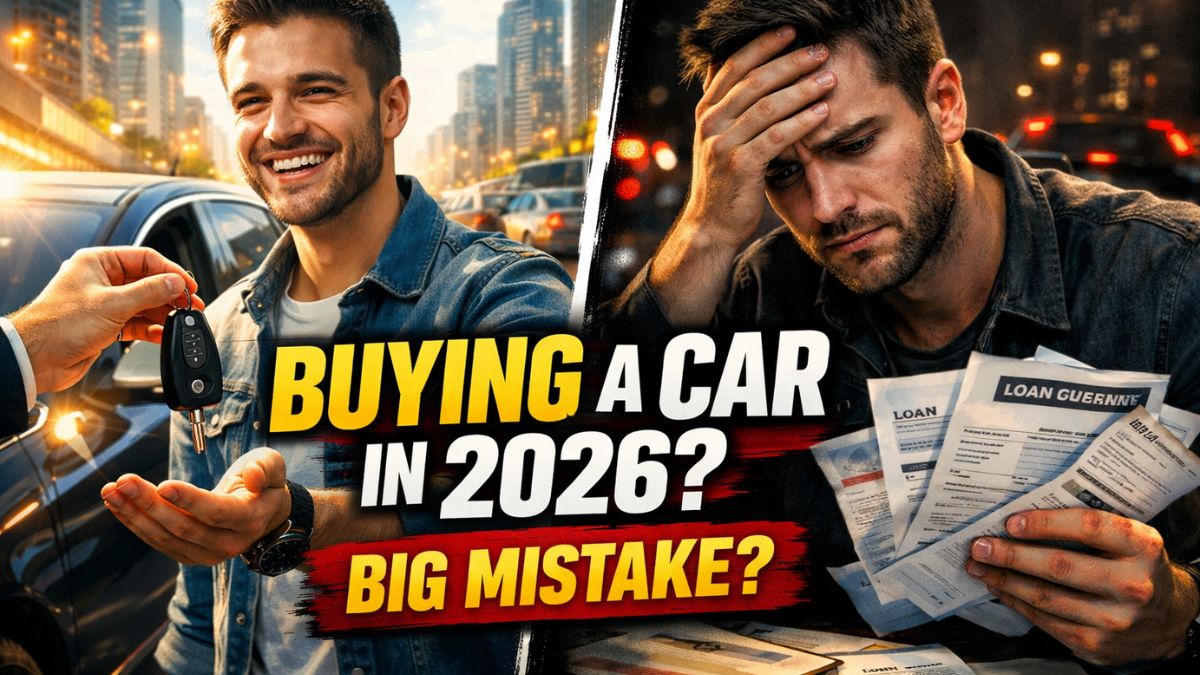
Buying a car has always been a major life decision. But in 2026, that decision has become more complicated than ever. With rising prices, the electric vehicle (EV) boom, and increasing financial pressures, many experts are now warning buyers to think twice before making the purchase.
So, is buying a car in 2026 a smart move—or a costly mistake? Let’s break it down.
Skyrocketing Car Prices
One of the biggest concerns in 2026 is the sharp rise in car prices. Over the past few years, vehicles have become significantly more expensive due to:
- Stricter safety regulations (like mandatory airbags and ADAS)
- Advanced technology integration (touchscreens, connectivity features)
- Higher production costs and global inflation
A car that cost $10,000 a few years ago might now cost $13,000–$15,000. Experts warn that prices are unlikely to drop anytime soon.
👉 Key Insight: Waiting for prices to fall may not work—they could rise even further.
The EV vs Petrol-Diesel Dilemma
The biggest confusion for buyers today is whether to go electric or stick with traditional fuel.
Electric Vehicles (EVs): Pros
- Lower running costs
- Environment-friendly
- Government incentives in some regions
Cons
- Limited charging infrastructure in many areas
- Expensive battery replacement
- Rapidly evolving technology (risk of becoming outdated quickly)
Experts point out that EVs are still in a transition phase. What you buy today might feel outdated in just a few years.
👉 Expert Warning: “EVs are the future—but the present is still uncertain.”
Fuel Prices Are Unpredictable
Fuel costs remain a major concern. Petrol and diesel prices continue to fluctuate due to global factors, making long-term budgeting difficult.
- Daily commuting is becoming more expensive
- Long-distance travel costs are rising
- Monthly fuel expenses are unpredictable
If your daily travel is high, experts suggest carefully evaluating the long-term cost before buying a fuel-based car.
The EMI Trap
Most people don’t buy cars outright—they finance them.
Here’s a common scenario:
- Car price: $15,000
- Down payment: $3,000
- Loan: $12,000
- Tenure: 5–7 years
By the end of the loan period, you could end up paying significantly more due to interest.
👉 Warning: A car is a depreciating asset. Taking a long-term loan can double your financial burden.
Depreciation: The Hidden Loss
Unlike property or investments, cars lose value over time—fast.
- 15–20% value drop in the first year
- Around 50% value lost in 4–5 years
This means your expensive purchase quickly becomes worth much less.
👉 Reality Check: A car is not an investment—it’s an expense.
Better Alternatives Are Growing
In 2026, you don’t necessarily need to own a car to travel comfortably. Options have expanded rapidly:
- Ride-sharing services
- Car subscription models
- Improved public transportation
- Bike taxis in urban areas
For many people, these alternatives can be more cost-effective than owning a car.
Urban Challenges: Traffic & Parking
In major cities, owning a car comes with daily frustrations:
- Heavy traffic congestion
- High parking costs
- Limited parking availability
- Time wasted in jams
Experts say that in urban areas, a car often creates more stress than convenience.
When Buying a Car Still Makes Sense
Despite all the warnings, there are situations where buying a car is absolutely justified:
- You have a large family
- Public transport is unreliable
- You travel frequently
- You value comfort, safety, and privacy
In such cases, a car becomes a necessity rather than a luxury.
Final Verdict: Should You Buy a Car in 2026?
There’s no one-size-fits-all answer. It depends on your financial condition, lifestyle, and daily needs.
✔️ Consider buying if:
- You genuinely need it for daily use
- You can afford it without financial stress
- You plan to use it long-term
❌ Avoid buying if:
- You’re doing it for status or impulse
- Your usage is minimal
- You’re heavily dependent on loans
- You’re unsure about EV vs fuel choice
The Viral Takeaway
Buying a car in 2026 is not just a purchase—it’s a financial commitment.
Experts aren’t saying “don’t buy a car.”
They’re saying: “Don’t buy blindly.”
Bottom Line
“Buying a car is easy. Maintaining it is harder. Justifying it is hardest.”
If you plan carefully and make an informed decision, a car can improve your quality of life. But if you rush into it, it can become a long-term financial burden.
Book a Test Drive
Free doorstep test drive at your convenience
Popular Brands





Latest Car News
Tata Sierra Dark Edition vs Regular Sierra: What Is Different?
Tata Altroz vs Maruti Suzuki Brezza: Which One Should You Buy in 2026?
Wagon R vs Swift: Which Is Cheaper to Maintain?
BMW 7 Series Facelift Interior Updates: Know Everything
How to Check Oil Level in Car: Step-by-Step Guide
Latest Cars Under ₹5 Lakh in India in September 2026
Maruti Alto K10 September Offers: Get Up to ₹62,500 Savings on Purchase
Tata Tigor Facelift Under ₹6 Lakh: A New Budget Sedan Is Coming
Hyundai Creta August 2026 Sales: With 16,288 Units Becomes India's Best-Selling Mid-Size SUV
Maruti Baleno Facelift Booking Price: Expected Booking Amount, EMI & Loan Calculation
Kia Sorento 6 Seater vs 7 Seater: Which One Should You Choose?
Kia Sorento AI Assistant Explained: Features, Commands, and Indian Language Support
What Is the Difference Between Tata Curvv and New Curvv Series X?
Tata Car Sales August 2026: Model-Wise Sales & Growth Report
Car Sales Report of August 2026: Tata Motors, Maruti, Mahindra Lead Growth
Pajero 2026 vs Fortuner: Which SUV Could Be Better?
Volvo EX90 Booking Price: Expected Booking Amount, EMI & Loan Calculation
Next Generation Tata Nexon 2027: Expected Launch, Price, Design & Features
MG Hector Tomahawk EV Variant-Wise Price & Features Comparison
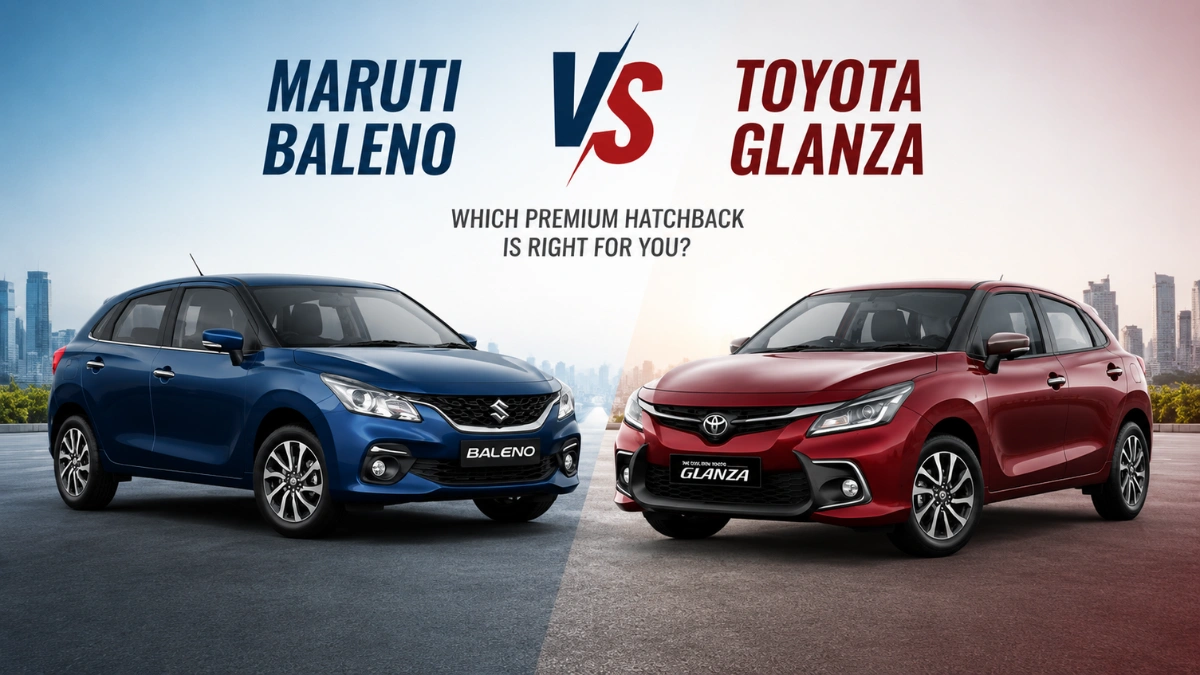
Maruti Baleno Facelift vs Toyota Glanza: Complete Comparision