Can the Skoda Epiq Become India's Next Popular Electric SUV?
- Cars
- Published: 21 May, 2026
Book a Test Drive
Free doorstep test drive at your convenience
The electric vehicle story in India is no longer one of cautious experiments and niche audiences. It is a mainstream race, and every major automaker wants a podium finish. In that context, Skoda's freshly revealed Epiq has arrived at exactly the right moment — and at the same time, walked into one of the most crowded and brutally competitive segments in the Indian auto market. So the question is fair: does the Epiq have what it takes to become India's next popular electric SUV?
What Is the Skoda Epiq, Exactly?
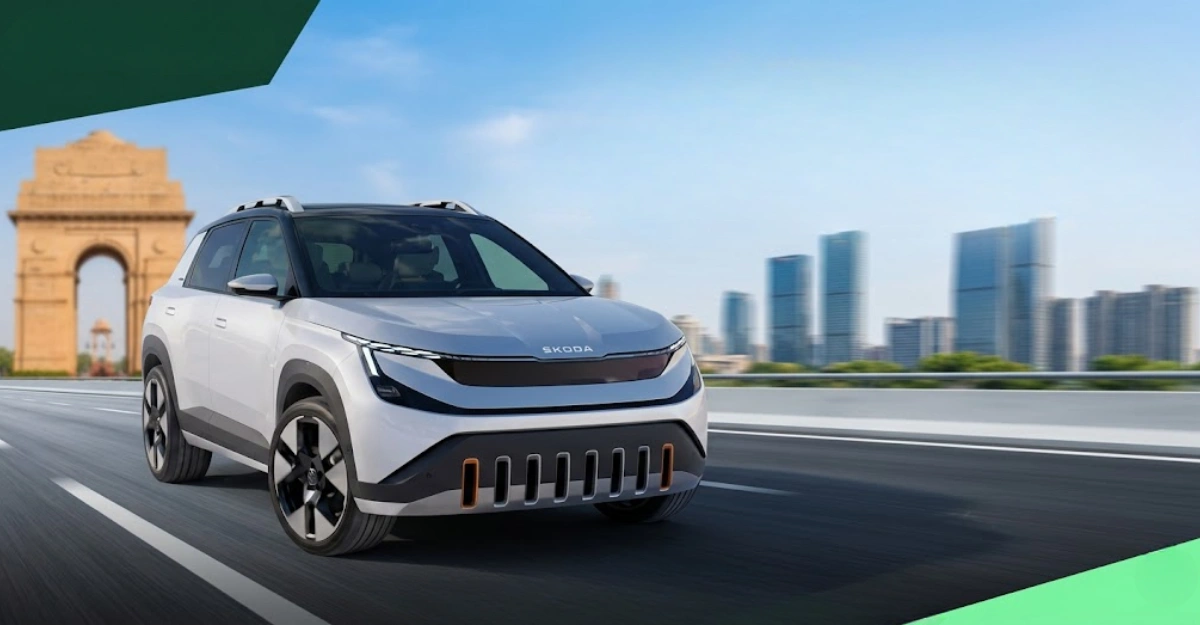
The Skoda Epiq is the Czech manufacturer's smallest and most affordable EV globally, revealed on May 19, 2026. It shares its MEB+ platform — also called MEB Entry — with the Volkswagen ID Polo, and is Skoda's first all-electric model with a front-wheel-drive configuration.
The Epiq is offered with 38.5kWh and 55kWh battery packs, both paired with a front-axle-mounted electric motor, in three power versions: 35, 40, and 55. The 35 version puts out 116hp, the 40 version 135hp, and the 55 version is the most powerful at 211hp. The 35 and 40 versions have a claimed range of around 310km, while the higher-spec 55 version claims around 440km.
The front fascia introduces a "Tech Deck" face adorned with T-shaped LED DRLs that double as turn indicators, flanking cube-shaped projector headlights — all part of Skoda's new "Modern Solid" design language that the Epiq debuts globally.
In terms of practicality, the Epiq offers a boot space of 475 litres, which comfortably beats rivals like the Tata Nexon EV. Safety is not compromised either — the Epiq comes with 7 airbags as standard and an ADAS suite featuring traffic sign recognition, cross-traffic alert, and lane-keep assist.
The India Question: Will It Come Here?
This is where things get interesting. Skoda is yet to officially confirm whether the Epiq will be launched in India. If the brand does plan to bring it to the country, it is likely to happen in 2027.
Globally, the Epiq is targeted to be priced around £25,000 — roughly Rs 26 lakh. If Skoda opts for heavy localization under its India 2.0 strategy, the expected price in India could hover between Rs 21 lakh and Rs 26 lakh, with a mid-to-late 2027 debut being the realistic timeline.
That India 2.0 strategy is an important context. Skoda's parent group, Volkswagen, has been investing significantly in local manufacturing in India — a critical enabler if the Epiq is to be priced competitively rather than imported as a CBU (completely built unit) at a steep premium.
The Market It Would Enter
The Indian EV market that the Epiq would step into by 2027 is not the same gentle pond it was two years ago. In FY2026 (April 2025 to March 2026), India's passenger EV market soared 83.63 percent year-on-year, with retail registrations totalling nearly 2 lakh units.
April 2026 data highlighted how India's EV market is becoming increasingly SUV-driven. Compact and midsize electric SUVs such as the Punch EV, Nexon EV, XEV 9e, and Windsor EV dominated volumes, while premium EVs also started finding stronger acceptance.
Tata Motors continues to dominate. Tata sold 78,811 EVs in FY2026, up nearly 36 percent year-on-year, buoyed by strong demand for the Nexon EV, Punch EV, and Harrier EV. But the most dramatic story belongs to Mahindra. The XEV 9e and BE 6 drove Mahindra's EV market share from 7.8 percent to 21.2 percent in FY2026 — a 172 percent increase, making it the fastest-growing EV brand in India. The BE 6 and XEV 9e together received over 70,000 bookings within the first few months of availability.
Meanwhile, India's EV segment share in total passenger vehicle retail sales stood at 5.8 percent in April 2026, up from 3.7 percent in the year-ago period — showing the market is expanding, but it is still a fraction of overall sales, with room to grow.
The Competition: Formidable But Not Invincible
If the Epiq lands in India at Rs 21–26 lakh, it will directly fight a well-established and growing lineup of electric SUVs. The Tata Nexon EV and Curvv EV lead with aggressive pricing and strong service networks. The Hyundai Creta Electric launched in January 2025 with two battery options and up to 473km of range. Maruti Suzuki's e Vitara is now in its early months, having crossed 2,000 units per month, and the Mahindra BE 6 remains a formidable coupe-SUV with a purpose-built EV platform.
The Epiq's advantages in this fight are real but will need to be translated into value that Indian buyers actually feel. The 55kWh top variant's 440km range and 24-minute fast charge (10–80%) are genuinely compelling numbers. The 475-litre boot is class-leading. The ADAS suite with 7 airbags as standard makes the safety story strong. And the MEB+ platform's architecture — purpose-built for EVs — gives it structural advantages over rivals that are still converting ICE underpinnings.
What Could Hold It Back
Brand equity in the mass EV market is earned slowly. Tata and Mahindra have built their EV reputations over years of service, charging support, and consistent product improvement. Skoda, while well-respected in India's premium segment through the Kushaq, Slavia, and now Kylaq, is yet to establish that EV trust.
Pricing will be everything. At Rs 21 lakh, the Epiq is a serious contender. At Rs 26 lakh, it begins competing with the Mahindra BE 6 and XEV 9e, which are purpose-built EVs that have already built substantial waiting lists and emotional brand capital. The sweet spot will be Rs 22–23 lakh for the base variant, which would put it in genuine consideration for the buyer upgrading from a Nexon EV or Creta Electric.
Charging infrastructure, while improving nationally, remains patchy in Tier 2 and Tier 3 cities — precisely where Skoda's service network has historically been thinner compared to Tata or Maruti.
Conclusion
The Skoda Epiq, on paper, is exactly what the Indian market needs from a European premium brand — a compact, practical, well-specced electric SUV at a price point that does not require a special occasion to justify. Its MEB+ platform is solid, its range numbers are honest, and its design is genuinely fresh.
Whether it becomes India's next popular electric SUV depends on three things Skoda controls entirely: when it arrives (sooner is better), what it costs (below Rs 23 lakh will open doors), and how well it is localised. If Skoda's India 2.0 strategy delivers on its localization promise and the Epiq launches by mid-2027 at a competitive price, it has all the hardware to be a genuine hit. If it arrives late, priced as a premium import, the window will have already closed — because in India's EV market, 2027 is going to be even more crowded than today.
The Epiq has the ingredients. The recipe, however, is still being written.
Book a Test Drive
Free doorstep test drive at your convenience
Popular Brands





Latest Car News
Maruti Baleno Facelift Booking Price: Expected Booking Amount, EMI & Loan Calculation

Kia Sorento 6 Seater vs 7 Seater: Which One Should You Choose?

Kia Sorento AI Assistant Explained: Features, Commands, and Indian Language Support
What Is the Difference Between Tata Curvv and New Curvv Series X?
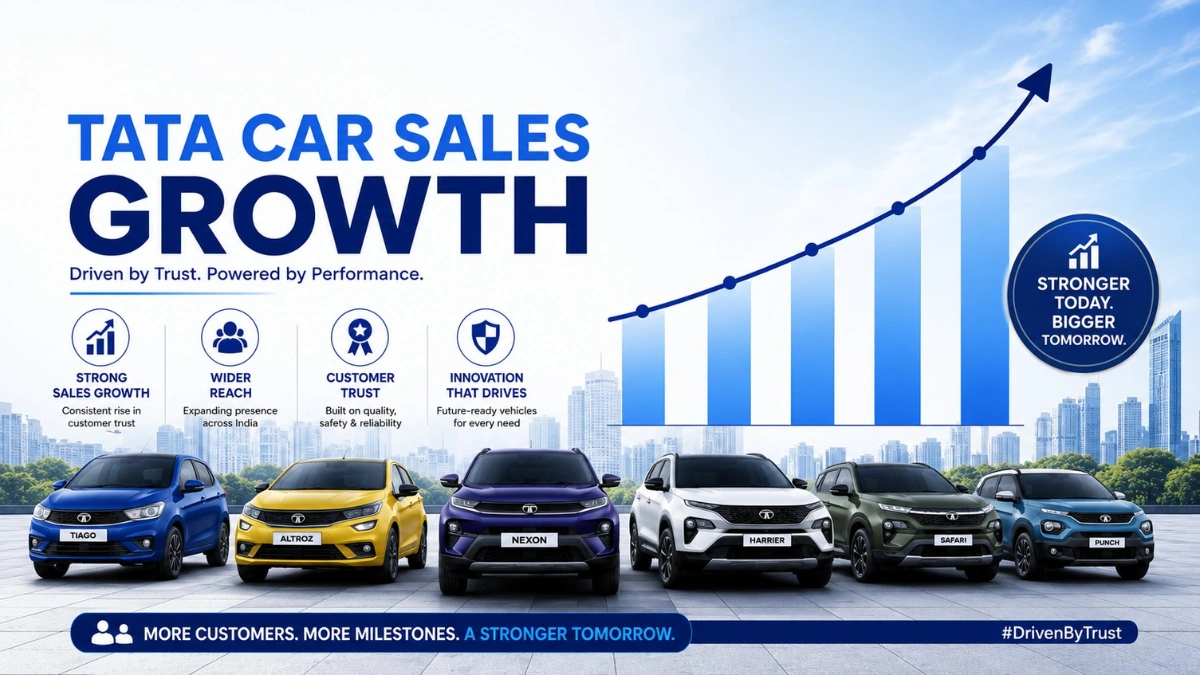
Tata Car Sales August 2026: Model-Wise Sales & Growth Report

Car Sales Report of August 2026: Tata Motors, Maruti, Mahindra Lead Growth
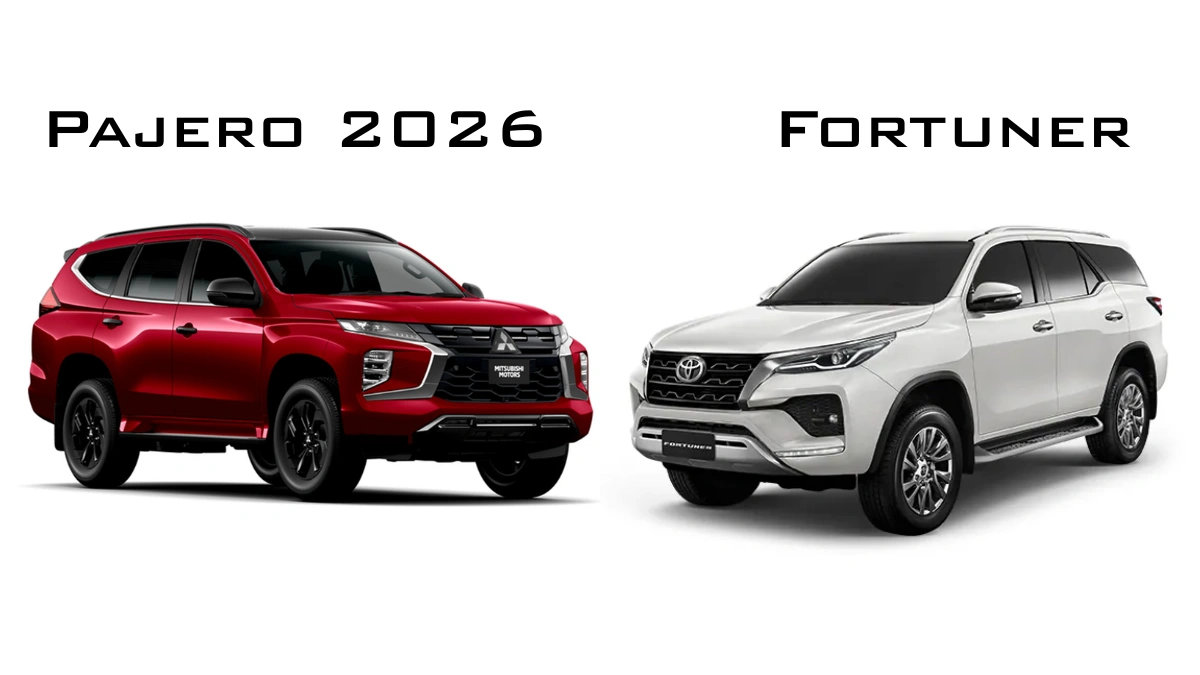
Pajero 2026 vs Fortuner: Which SUV Could Be Better?
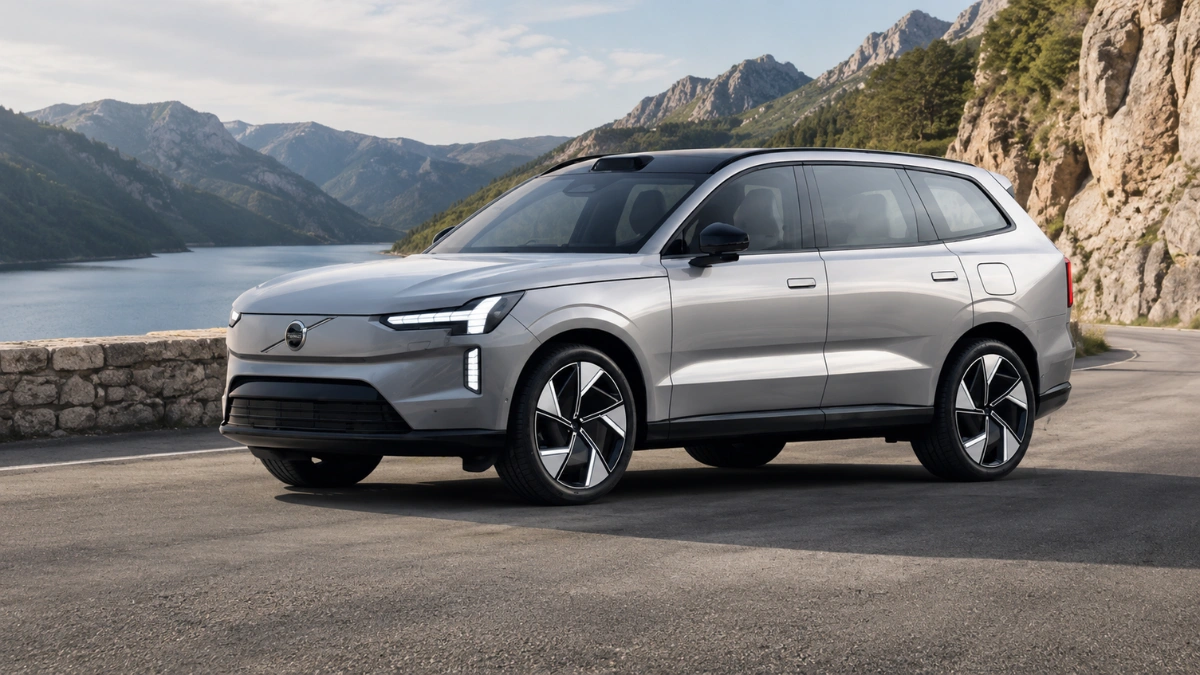
Volvo EX90 Booking Price: Expected Booking Amount, EMI & Loan Calculation
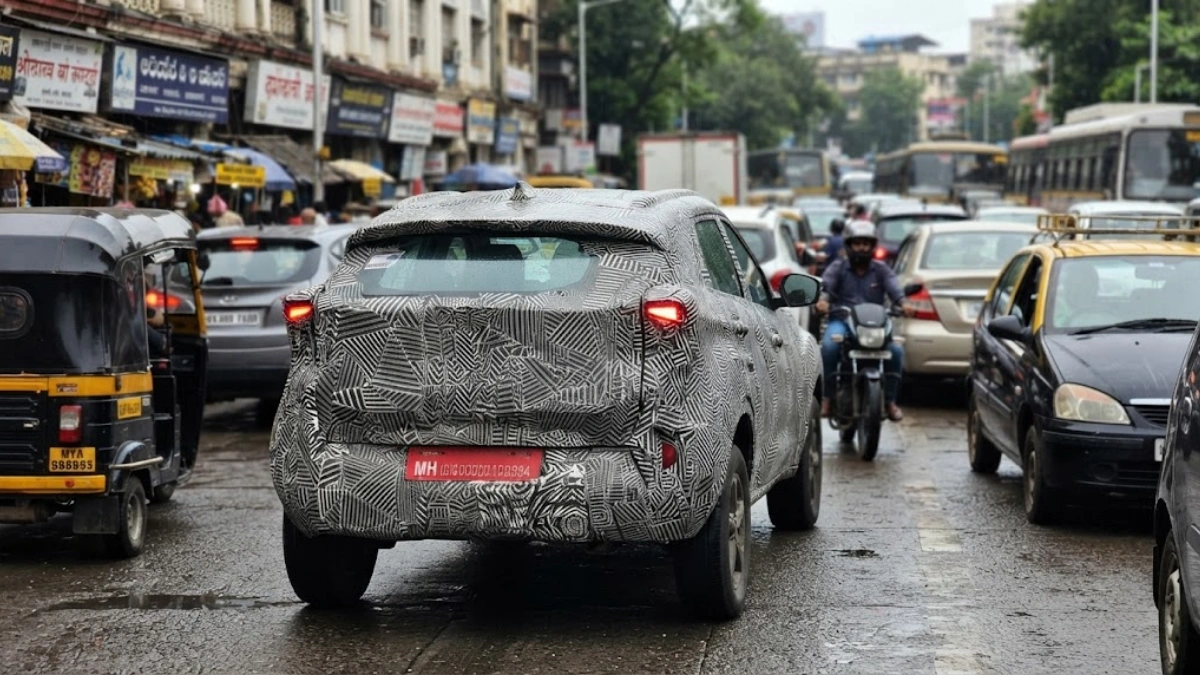
Next Generation Tata Nexon 2027: Expected Launch, Price, Design & Features
MG Hector Tomahawk EV Variant-Wise Price & Features Comparison
Maruti Baleno Facelift vs Toyota Glanza: Complete Comparision
Upcoming Cars in September 2026 in India: New Cars, Launch Dates & Expected Prices
MG Hector Hawk SUV vs Tata Harrier: Expected Price, Features & Key Differences
Skoda Superb Diesel in India: Will the Diesel Engine Make a Comeback?
Tata Punch Becomes India's Best-Selling SUV in July 2026 with 21,313 Units Sold
Car Sales Report July 2026: Maruti Remains No.1, Tata, Mahindra & Hyundai Record Strong Growth
Tata Curvv EV Discount August 2026: Save Big with Limited-Time Offers
Kia Sorento Booking in India: Launch Date, Price & Booking Process

Skoda Slavia Facelift Launch Date in India
Hyundai Creta Next Gen Upgrades: Biggest Changes Expected