Nissan Magnite Maintenance Cost for 5 Years: Expert View
- Cars
- Published: 04 May, 2026

Book a Test Drive
Free doorstep test drive at your convenience
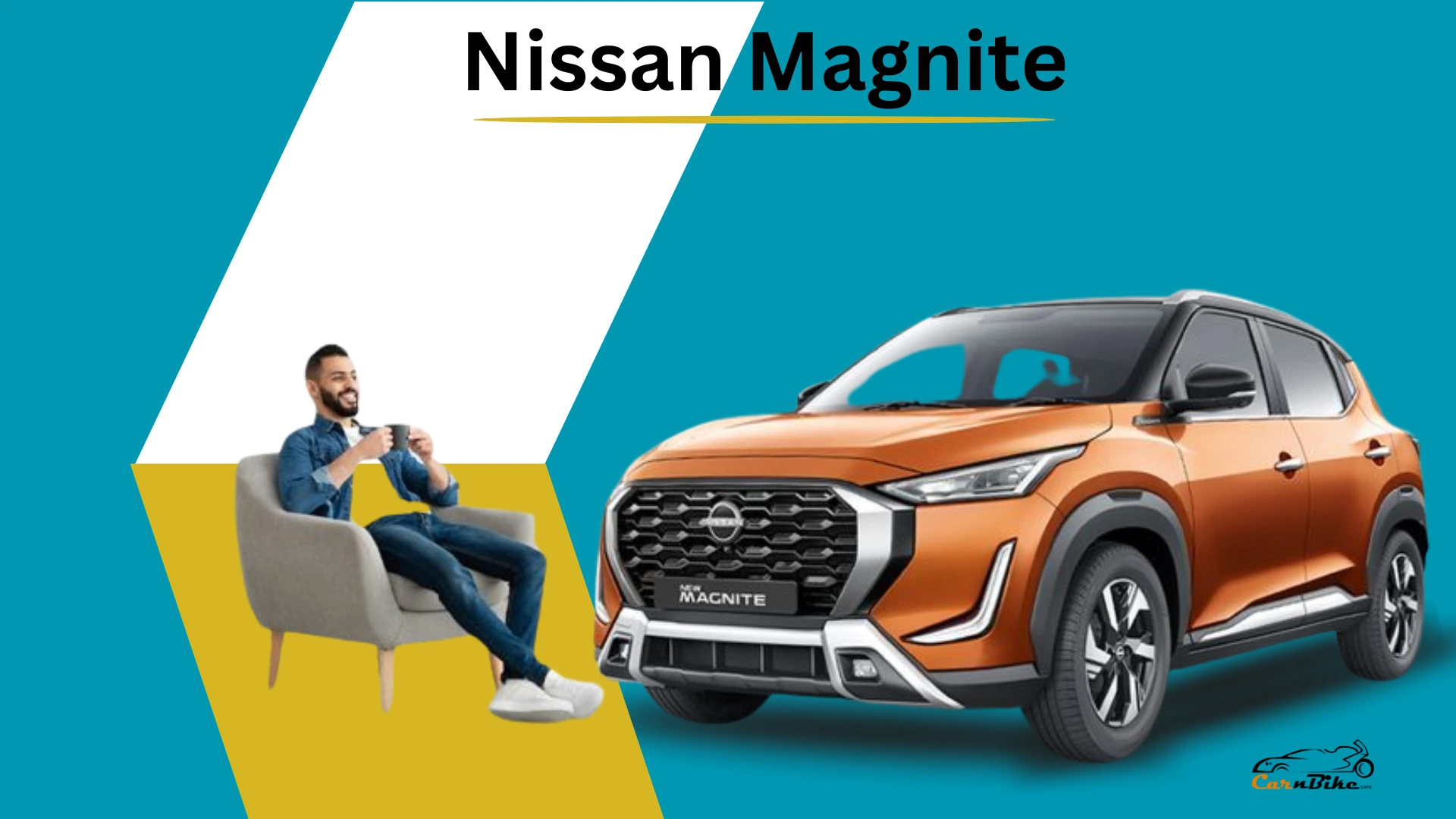
If you are a Nissan Magnite owner or planning to buy one, here is what you need to know upfront. Over five years, maintaining a Nissan Magnite generally costs around ₹15,690 for the naturally aspirated petrol and ₹16,645 for the turbo petrol for routine servicing, which includes five scheduled visits — three complimentary services and two subsequent paid services. That works out to barely ₹3,000–₹3,500 per year for scheduled servicing, making it one of the most affordable compact SUVs to maintain in India. On a per-kilometre basis, Nissan claims the Magnite delivers best-in-class maintenance costs in its segment at just 39 paise per kilometre for 50,000 km. When you look at the numbers plainly, the Magnite is genuinely cheap to service — at least on paper. The reality, as owners will tell you, is a bit more nuanced, and this blog covers everything.
What's Included in Maintenance Cost?
Before diving into the numbers, it's important to understand what "maintenance cost" actually means for a car like the Magnite. The scheduled service cost that Nissan advertises covers the basics: engine oil and filter replacement, air filter check or replacement, brake fluid top-up or change, coolant inspection, cabin air filter, spark plug inspection, and general safety checks like tyre pressure and battery health.
The service typically covers engine oil and filter replacement, air filter replacement, brake fluid replacement, coolant top-ups, and essential inspections.
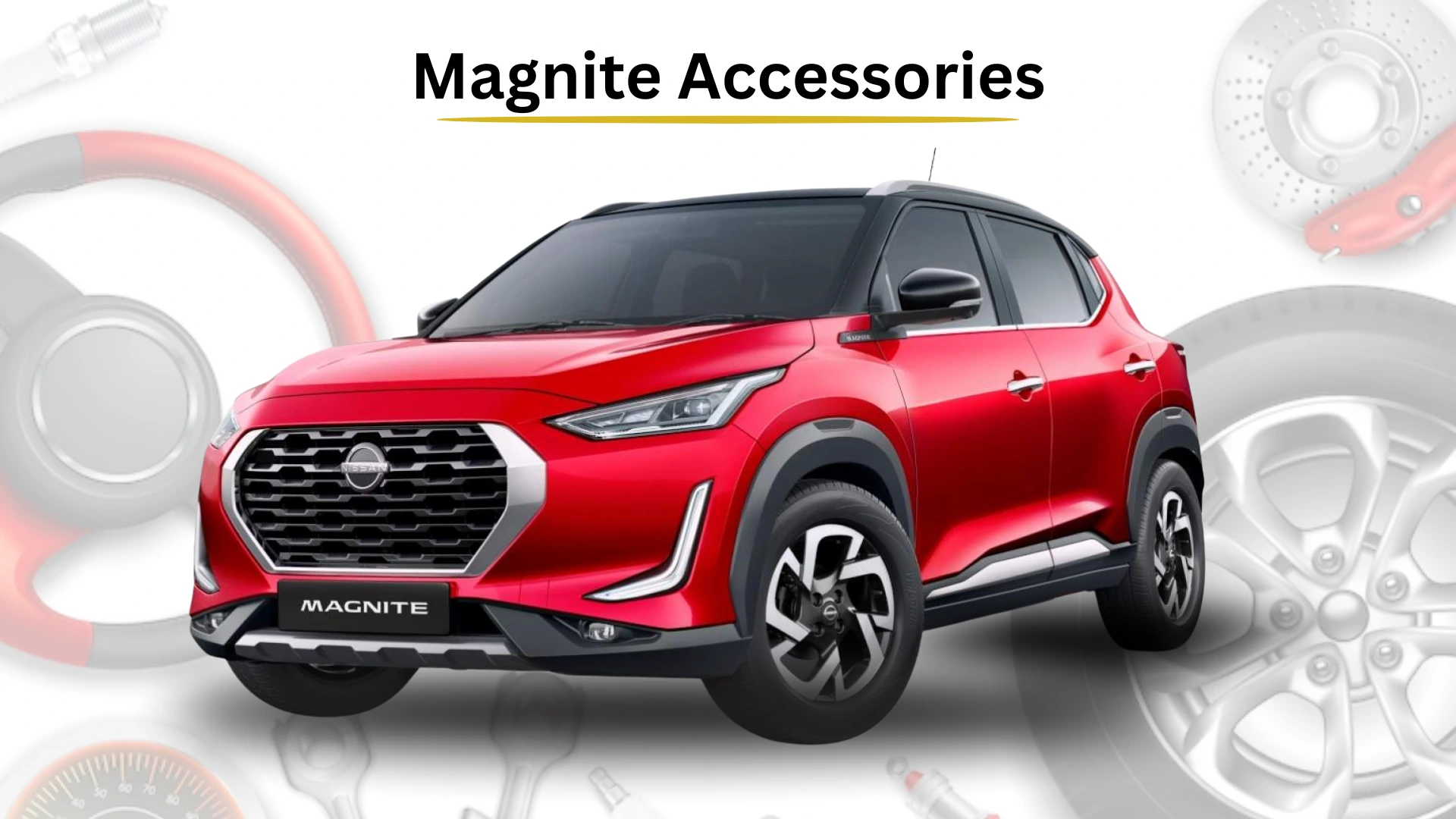
However, the full picture of ownership cost goes beyond just scheduled servicing. It also includes tyres (which need replacement around 40,000–50,000 km depending on driving habits), brake pads and rotors, battery replacement (usually after 3–4 years), miscellaneous wear items like wiper blades and belts, and of course accidental repair or bodywork, which sits outside the standard service bill. Insurance is another significant recurring expense, though the annual premium for the Magnite's petrol variants is around ₹2,094 for third-party cover, making it one of the more cost-effective options in the compact SUV category.
Year-wise Maintenance Breakdown
This is the most important section for anyone trying to budget for Magnite ownership. Here is how the costs typically fall across five years, assuming average running of around 10,000 km per year.
Year 1 (0 to 10,000 km): The first service at 10,000 km is completely free of charge. The first service after 10,000 km, second service after 20,000 km, and third service after 30,000 km is free of cost. So your Year 1 scheduled service cost is essentially ₹0. This is a genuine advantage for the Magnite over rivals where only one or two free services are offered. Your only real cost in Year 1 is fuel and insurance.
Year 2 (10,000 to 20,000 km): The second service at 20,000 km is also free. By the end of Year 2, you've had two services and spent nothing on scheduled maintenance. For many buyers, this genuinely surprises them and makes the overall 5-year ownership feel very affordable.
Year 3 (20,000 to 30,000 km): The third service at 30,000 km is free too. By this point, three full services have been completed without a single rupee spent on scheduled maintenance. This is where the Magnite genuinely stands out against its segment rivals.
Year 4 (30,000 to 40,000 km): This is where paid servicing begins. The 40,000 km service is the first you will pay for, and it typically costs between ₹5,000 and ₹8,000 for the petrol variant depending on location and dealership. Engine oil, oil filter, air filter, and brake fluid are the main replacements here. Labour charges vary city to city, with metros typically being 15–20% more expensive than smaller cities. By Year 4, you should also budget for brake pad inspection and possible replacement (around ₹3,000–₹5,000 for both axles), and a tyre rotation if not done earlier.
Year 5 (40,000 to 50,000 km): The 50,000 km service is the second paid service in the schedule, and it is typically slightly more comprehensive than the 40,000 km one. Expect to spend ₹7,000–₹10,000 here. Spark plugs may need replacement in the naturally aspirated variant, coolant may need a complete flush, and brake fluid should be changed. On top of scheduled servicing, Year 5 is also when tyres often need replacement, adding another ₹12,000–₹18,000 depending on brand (for a set of four 195/65 R15 tyres that the Magnite uses).
In total, the estimated 5-year maintenance cost is approximately ₹15,685 for scheduled services, though this figure excludes GST and any additional labour charges. When you add GST and real-world labour, the actual out-of-pocket figure for scheduled servicing across five years runs closer to ₹18,000–₹22,000. Add tyres, battery, and brake pads, and the realistic 5-year ownership bill (excluding fuel and insurance) is around ₹40,000–₹55,000 for most owners.
Petrol vs Turbo Variant Cost Difference
The Magnite comes with two engine options: a 1.0-litre naturally aspirated (NA) petrol that makes 72 bhp and the 1.0-litre turbo petrol that produces 100 bhp. Both share the same basic engine architecture, but the turbo variant is slightly costlier to maintain.
Five-year servicing costs around ₹15,690 for the naturally aspirated petrol and ₹16,645 for the turbo petrol. The difference is about ₹955 over five years, which is marginal. The turbo variant uses a slightly higher-grade engine oil, and its CVT automatic gearbox requires periodic CVT fluid inspection, which adds a small cost over time — typically ₹2,000–₹3,500 for a CVT fluid change around the 60,000 km mark if you extend beyond the 5-year window.
Interestingly, the service plan cost for the turbo manual and CVT automatic are the same. This means the transmission type (manual vs CVT) does not change the prepaid plan pricing, which is fair given the CVT's generally low-maintenance design. The turbo variant's higher power output does not translate into significantly higher wear on brakes or tyres for typical everyday use, so don't let a small price difference between the two engines discourage you from the turbo if that's the variant you prefer.
Real Owner Insights
Numbers on paper tell only part of the story. What do actual Magnite owners experience?
The feedback from owners is genuinely mixed, which tells you something important about this car. On the positive side, many owners across cities like Hyderabad, Pune, and Delhi report that the service process is simple, billing is transparent, and the first few years of ownership feel genuinely hassle-free. The free service policy for the first three services is widely appreciated.
However, a notable section of owners raise concerns about reliability beyond 30,000 km. Some owners report issues with suspension, bearing noise, and rattling plastic parts after around 30,000 km, and note that spare parts are not as easily available or affordably priced as with Maruti or Hyundai equivalents. Some owners also flag that Nissan's service network is not as widespread, meaning owners in smaller cities may face inconvenience.
This is a genuinely important point. The Magnite is manufactured using the same Renault-Nissan Alliance platform as the Renault Kiger and Triber, and while the basic engine and mechanical components are shared across these vehicles, Nissan's parts ecosystem in India is smaller than Maruti's or Hyundai's. If you live in a tier-2 or tier-3 city, verify that there is an authorised Nissan service centre within a reasonable distance before buying.
That said, owners who stick to authorised Nissan service centres and maintain their cars on schedule generally report a positive and affordable ownership experience for the first 50,000 km.
Hidden Costs You Should Know
Beyond the scheduled service chart, there are several costs that catch Magnite buyers off guard.
The first is tyre replacement. The Magnite uses 195/65 R15 tyres, and a set of four good-quality tyres (MRF, CEAT, or Apollo) will cost ₹12,000–₹18,000. Budget for this around Year 4 or 5 depending on how you drive.
The second is the car battery. Original batteries typically last 3–4 years. Replacement costs ₹5,000–₹7,000 for a 40Ah battery that the Magnite uses.
Third, if your Magnite develops an AC issue, compressor repairs or replacements are expensive for this car. Owners have reported AC compressor replacement bills of ₹18,000–₹25,000 at authorised centres, which is higher than what you would typically pay for a Maruti or Hyundai.
Fourth, the headlight assembly is a known concern. Some owners report that the service centre quoted around ₹38,000 for headlight panel replacement for the older reflector-type headlights, though this is specific to older pre-facelift variants. The 2024 facelift has updated LED DRLs which should be better in this regard.
Fifth, extended warranty is something you should seriously consider. The new Magnite comes with a standard 3-year, 1,00,000 km warranty that can be extended up to 6 years at a minimal additional cost, covering parts, repairs, and other expenses with cashless repairs and unlimited claims at authorised service centres. Given that parts costs can be higher than rivals, buying the extended warranty is genuinely good value for Magnite owners.
Magnite vs Competitors Maintenance Cost
Here is how the Magnite compares with its key rivals in terms of 5-year scheduled service cost.
The Nissan Magnite comes in at approximately ₹15,690–₹16,645 for the petrol and turbo petrol respectively over five years of scheduled services. The Maruti Brezza, despite being from India's most affordable-to-maintain brand, works out more expensive at the service counter. Brezza maintenance can be calculated to about ₹6,000 per year or ₹30,000 for five years, which is nearly double the Magnite's scheduled service figure. However, Maruti's parts are more widely available and cheaper in the open market, which gives it an edge for out-of-warranty repairs.
The Hyundai Venue's scheduled maintenance is also higher than the Magnite, particularly because Hyundai's labour charges from the 30,000 km service onwards add up. The Tata Nexon, while offering excellent safety and build quality, is somewhat more expensive to maintain than the Magnite at authorised centres, particularly for the turbo petrol variants.
The Renault Kiger, which shares the same platform as the Magnite, has a very similar service cost structure since both use the same 1.0-litre engine family.
In short, on pure scheduled service cost, the Magnite and Kiger are the segment leaders. The catch, as discussed, is that unscheduled repairs and parts availability can tilt the scales for owners in cities with limited Nissan service infrastructure.
Is Nissan Magnite Expensive to Maintain?
The short, direct answer is no — for the first 50,000 km, the Magnite is one of the cheapest compact SUVs to maintain in India.
Three free services, low per-km costs, and transparent pricing through Nissan's service calculator make it genuinely easy to budget for. Nissan's growing service network and reasonably priced genuine parts make ownership relatively hassle-free and economical.
However, there are two genuine areas of concern that a buyer must weigh. First, spare parts for the Magnite are not as competitively priced or widely stocked in the aftermarket as parts for Maruti, Hyundai, or even Tata cars. If your car develops an issue that requires out-of-warranty work at a non-authorised workshop, parts sourcing can be a challenge. Second, the Nissan service network in India, while expanding, is still far smaller than Maruti's 3,000+ outlets or Hyundai's extensive presence. Nissan currently offers 24/7 roadside assistance across 1,500 cities, which is decent, but the number of full-service authorised workshops is more limited.
If you live in a major metro or a well-connected city with multiple Nissan dealerships, the Magnite is an excellent value to own. If you are in a smaller city with limited Nissan presence, factor in the occasional inconvenience before deciding.
Tips to Reduce Maintenance Cost
Getting the most out of your Magnite's low service cost requires some simple habits.
Opt for the Nissan Magnite Care prepaid plan when buying the car. The plan comes in two tiers — Gold for comprehensive maintenance and Silver for basic servicing — and can save up to 21 per cent compared to paying for each service individually. Importantly, the plan is transferable to a new owner, which helps maintain the car's resale value. Buying the Gold plan at the time of purchase locks in service costs at today's prices, protecting you from future inflation in labour and parts costs.
Use only Nissan-genuine engine oil. The 1.0-litre NA engine takes 0W-20 grade oil, and the turbo takes 0W-20 or 5W-30 depending on the variant. Using the correct grade prevents premature engine wear and keeps performance consistent. Don't be tempted by cheaper oils at local garages — the engine is small and the tolerances are precise.
Service your car on time, not just on distance. Indian city driving involves a lot of idling, short trips, and stop-and-go traffic. Even if you haven't hit 10,000 km in a year, get the car serviced annually. Oil degrades with time, not just mileage, and neglecting annual service voids warranty claims in some cases.
Keep your tyres properly inflated. This is free and saves fuel. The Magnite's recommended tyre pressure is typically 32 PSI front and rear for most load conditions. Underinflated tyres increase fuel consumption and wear faster.
Use the Nissan Service Cost Calculator on Nissan's website or app before every visit. This tool provides a detailed cost breakdown of labour and parts in advance, so you can plan and budget accordingly and avoid being surprised by unexpected charges at the counter.
Finally, if your warranty has expired and you need minor work done, authorised Nissan service centres are preferred but some reputable multi-brand workshops also carry Renault-Nissan parts since both brands share the same engine platform. This can save 15–25% on labour for non-critical work after the warranty period.
Conclusion
The Nissan Magnite presents a genuinely compelling ownership proposition when it comes to maintenance costs. With five-year servicing for the petrol variants coming in at approximately ₹15,690 to ₹16,645, and fuel efficiency figures of around 10–16 kmpl in real-world city and highway driving, the Magnite keeps everyday running costs manageable for most Indian buyers.
The three complimentary services, the prepaid Nissan Magnite Care plan, the extended warranty up to six years, and the per-km cost that is among the segment's lowest all make for a strong case. If you are a buyer in a metro city who does moderate annual driving, the Magnite's cost of ownership over five years is hard to beat.
The caveats are real but manageable. Parts availability in smaller cities, a service network that is still catching up with larger brands, and some owner feedback on quality of certain components beyond 30,000 km are things to keep in mind. Buy the extended warranty, opt for the Gold AMC plan, and service the car on schedule — do these three things and the Magnite will remain a genuinely affordable car to own for five years and beyond.
FAQ
Q: What is the total 5-year maintenance cost of the Nissan Magnite?
For scheduled services only, the cost is approximately ₹15,690 for the naturally aspirated petrol and ₹16,645 for the turbo petrol variant, excluding GST and additional labour. With realistic additions (tyres, battery, brake pads), total out-of-pocket maintenance over five years typically comes to ₹40,000–₹55,000.
Q: How many free services does the Nissan Magnite get?
The Magnite gets three free services — at 10,000 km, 20,000 km, and 30,000 km. The 2024 facelift model comes with four labour-free services at authorised service centres.
Q: Is the Nissan Magnite turbo more expensive to maintain than the base petrol?
Yes, but only marginally. The turbo variant costs about ₹955 more than the naturally aspirated variant over five years of scheduled servicing.
Q: What is the Nissan Magnite Care plan and is it worth buying?
Nissan Magnite Care is a prepaid maintenance plan available in Silver (basic service) and Gold (comprehensive service) tiers. It saves up to 21% compared to individual service billing, is transferable to new owners, and locks in today's prices for future services. It is widely recommended, especially the Gold plan.
Q: How does the Nissan Magnite compare to the Maruti Brezza in maintenance cost?
On paper, the Magnite's scheduled service cost over five years is roughly half that of the Brezza. However, Maruti's spare parts are cheaper, more widely available, and the service network is far more extensive, which can make the Brezza less stressful for owners in smaller cities.
Q: What is the real-world mileage of the Nissan Magnite?
ARAI figures are 19.4 kmpl for the naturally aspirated petrol manual, 19.7 kmpl for the CVT, and around 20 kmpl for the turbo petrol manual. In real-world city driving, most owners report 10–14 kmpl, while highway runs can yield 15–19 kmpl.
Q: Should I buy the extended warranty for my Nissan Magnite?
Yes, strongly recommended. The standard warranty on the new Magnite is 3 years or 1,00,000 km. The extension to 6 years or 1,50,000 km covers parts and repairs comprehensively and provides cashless repairs. Given that Nissan parts can be costlier than rivals, the peace of mind is well worth the nominal extension cost.
Book a Test Drive
Free doorstep test drive at your convenience
Popular Brands





Latest Car News
Tata Altroz vs Maruti Suzuki Brezza: Which One Should You Buy in 2026?
Wagon R vs Swift: Which Is Cheaper to Maintain?
BMW 7 Series Facelift Interior Updates: Know Everything

How to Check Oil Level in Car: Step-by-Step Guide

Latest Cars Under ₹5 Lakh in India in September 2026
Maruti Alto K10 September Offers: Get Up to ₹62,500 Savings on Purchase

Tata Tigor Facelift Under ₹6 Lakh: A New Budget Sedan Is Coming
Hyundai Creta August 2026 Sales: With 16,288 Units Becomes India's Best-Selling Mid-Size SUV
Maruti Baleno Facelift Booking Price: Expected Booking Amount, EMI & Loan Calculation

Kia Sorento 6 Seater vs 7 Seater: Which One Should You Choose?

Kia Sorento AI Assistant Explained: Features, Commands, and Indian Language Support
What Is the Difference Between Tata Curvv and New Curvv Series X?
Tata Car Sales August 2026: Model-Wise Sales & Growth Report

Car Sales Report of August 2026: Tata Motors, Maruti, Mahindra Lead Growth
Pajero 2026 vs Fortuner: Which SUV Could Be Better?
Volvo EX90 Booking Price: Expected Booking Amount, EMI & Loan Calculation
Next Generation Tata Nexon 2027: Expected Launch, Price, Design & Features
MG Hector Tomahawk EV Variant-Wise Price & Features Comparison
Maruti Baleno Facelift vs Toyota Glanza: Complete Comparision
Upcoming Cars in September 2026 in India: New Cars, Launch Dates & Expected Prices