
Pause Before You Buy a Car! This April 2026 Update Will Shake Your Budget
- Cars
- Published: 15 Apr, 2026
Book a Test Drive
Free doorstep test drive at your convenience
If you’ve been planning to buy a car this year, you might want to hit the brakes—at least for a moment. April 2026 has brought a wave of changes that could significantly impact how much you pay, what you get, and whether it’s even the right time to buy.
From rising prices and new regulations to shifting fuel trends and financing surprises, the car market is going through a transformation that many buyers aren’t fully aware of yet. And if you walk into a dealership without understanding what’s changed, you could end up stretching your budget far more than you intended.
Let’s break down what’s happening—and why waiting, planning, or even rethinking your purchase could save you a lot of money.
Prices Are Quietly Climbing Again
Just when buyers thought car prices had stabilized, April 2026 has introduced fresh price hikes across multiple segments. Manufacturers are adjusting costs due to increased input prices—think raw materials, logistics, and compliance with new emission norms.
Even entry-level cars are no longer “budget-friendly” in the traditional sense. What used to be an affordable upgrade is now becoming a long-term financial commitment. And it’s not just the base price—insurance premiums, registration costs, and add-ons are rising too.
The result? The on-road price you actually pay may shock you.
The EV Shift Is Changing the Game
Electric vehicles (EVs) are no longer a niche option—they’re becoming mainstream. But here’s the twist: the transition isn’t necessarily making things cheaper.
While EVs promise lower running costs, their upfront prices are still significantly higher than petrol or diesel cars. In April 2026, several subsidies have been revised or reduced in certain regions, meaning buyers may not get the same incentives as before.
Charging infrastructure is improving, but it’s still uneven. So buyers are now forced to weigh convenience vs savings more carefully than ever.
Fuel Costs Still Unpredictable
If you’re leaning toward a petrol or diesel vehicle, fuel prices remain a big question mark. While there may be short-term stability, long-term trends suggest volatility isn’t going away anytime soon.
This uncertainty makes calculating your total cost of ownership tricky. A car that feels affordable today might become expensive to maintain over the next 3–5 years.
Loan Interest Rates Are Not Your Friend
Here’s something many buyers overlook: financing.
Car loan interest rates have seen subtle increases in early 2026. Even a small percentage hike can translate into thousands (or lakhs) of extra rupees over the loan tenure.
Banks are also tightening eligibility criteria, meaning:
- Higher down payments may be required
- Loan approvals could take longer
- EMI burdens may increase
That “easy EMI” you were counting on? It may not be so easy anymore.
New Compliance Rules = Higher Costs
April 2026 has also brought updated safety and emission regulations. While these changes are great for the environment and passenger safety, they come at a cost—literally.
Manufacturers are passing the cost of compliance onto consumers. Features that were once optional are now mandatory, pushing up base prices.
So even if you’re buying the same model as last year, you could be paying significantly more.
Resale Value Is Becoming Uncertain
Traditionally, resale value has been a strong consideration for buyers in India. But with rapid shifts toward EVs and stricter regulations on older vehicles, predicting resale value is getting harder.
For example:
- Petrol/diesel cars may depreciate faster in the future
- Older models may face usage restrictions
- EV technology is evolving so quickly that today’s model could feel outdated in a few years
In short, what seems like a safe investment today may not hold its value tomorrow.
Buyers Are Getting Smarter—You Should Too
The biggest shift in 2026 isn’t just in the market—it’s in buyer behavior.
More people are:
- Comparing total ownership costs instead of just price
- Considering used cars or certified pre-owned options
- Delaying purchases to wait for better deals or clearer policies
- Exploring alternatives like car subscriptions or ride-sharing
Impulse buying is fading. Strategic buying is taking over.
So… Should You Buy Now or Wait?
There’s no one-size-fits-all answer—but here’s a smart way to think about it:
Buy now if:
- You genuinely need a car immediately
- You’ve locked in a good loan rate
- You’ve done full cost calculations (not just EMI)
Wait if:
- You’re unsure about EV vs petrol/diesel
- Your budget feels stretched
- You’re expecting policy clarity or better deals later this year
Sometimes, waiting even 3–6 months can make a big difference—not just in price, but in options available.
The Bottom Line
April 2026 isn’t just another month in the auto industry—it’s a turning point.
Buying a car today requires more thought, more research, and more financial planning than ever before. What used to be a straightforward decision is now a complex equation involving fuel trends, technology shifts, policy changes, and long-term costs.
So before you walk into that showroom or click “Book Now,” pause.
Because the smartest car buyers in 2026 aren’t the fastest decision-makers—they’re the most informed ones.
And that pause? It could save you a fortune.
Book a Test Drive
Free doorstep test drive at your convenience
Popular Brands





Latest Car News
Upcoming Cars in September 2026 in India: New Cars, Launch Dates & Expected Prices
MG Hector Hawk SUV vs Tata Harrier: Expected Price, Features & Key Differences
Skoda Superb Diesel in India: Will the Diesel Engine Make a Comeback?
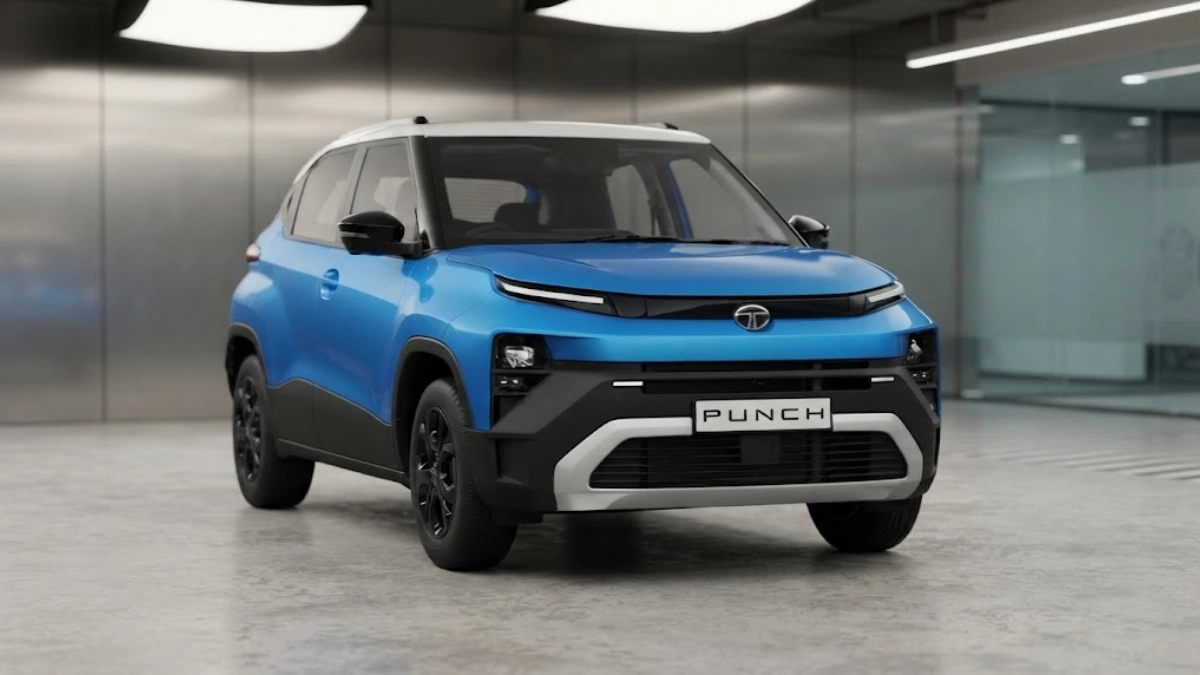
Tata Punch Becomes India's Best-Selling SUV in July 2026 with 21,313 Units Sold
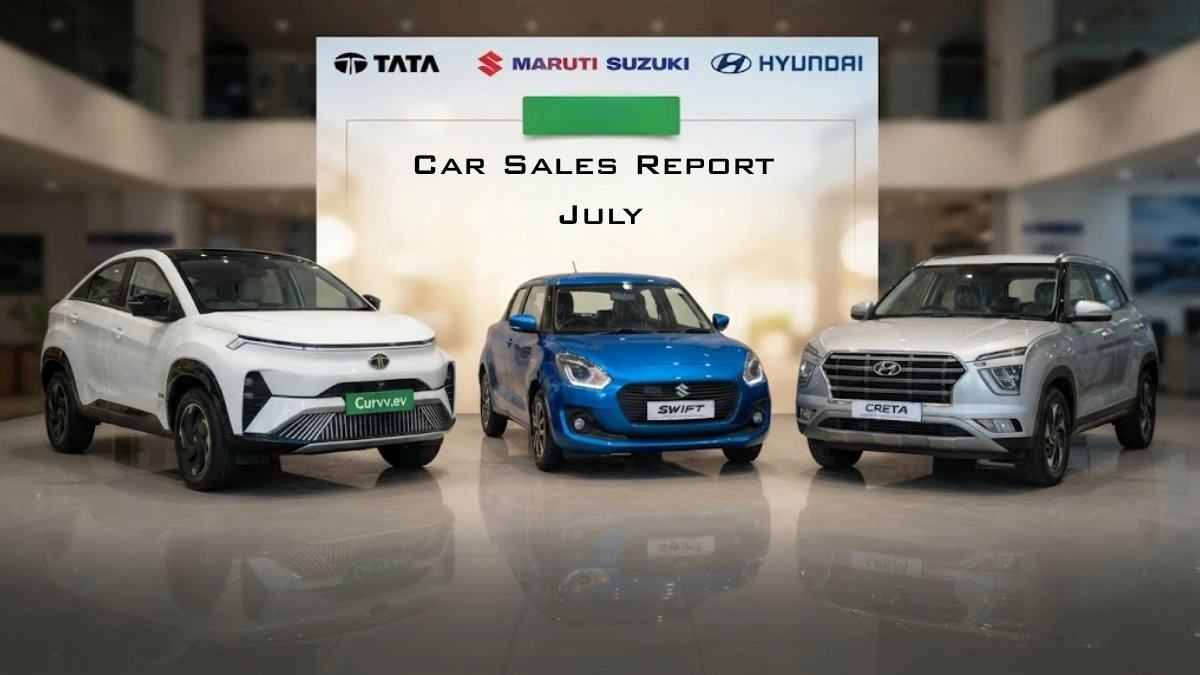
Car Sales Report July 2026: Maruti Remains No.1, Tata, Mahindra & Hyundai Record Strong Growth
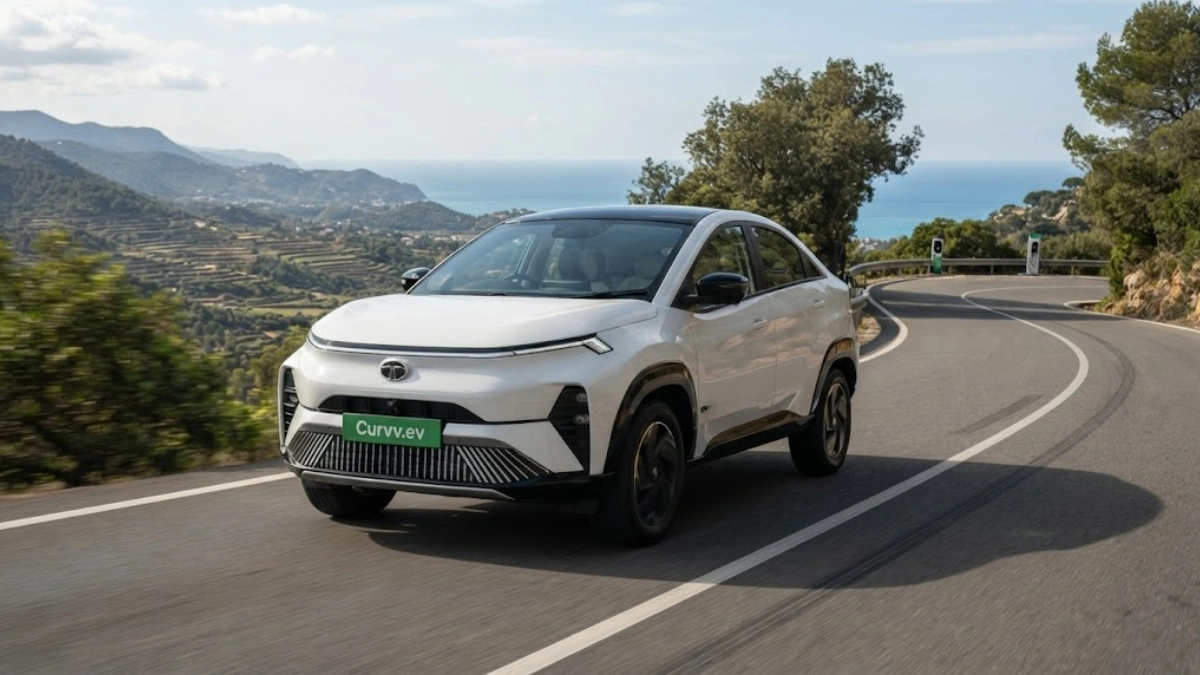
Tata Curvv EV Discount August 2026: Save Big with Limited-Time Offers
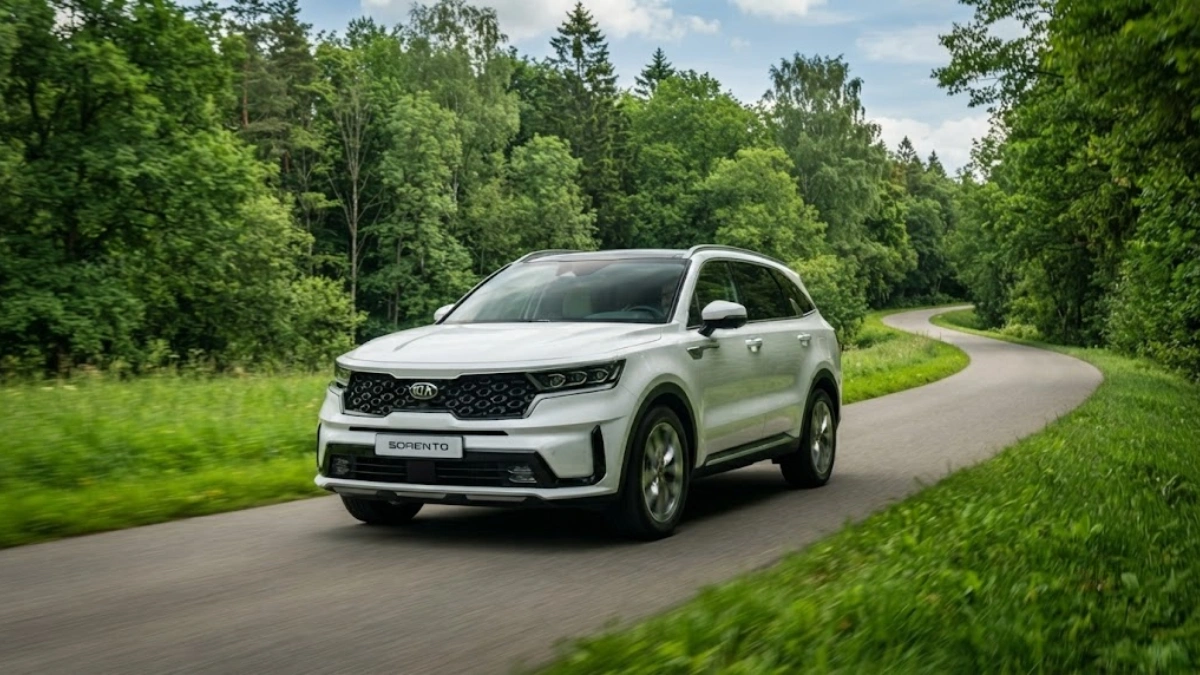
Kia Sorento Booking in India: Launch Date, Price & Booking Process
Skoda Slavia Facelift Launch Date in India
Hyundai Creta Next Gen Upgrades: Biggest Changes Expected
Limited Edition Skoda Slavia Monte Carlo Adds New Colours for 200 Buyers Only
Suzuki Loses India Market Share as Buyers Demand More Features
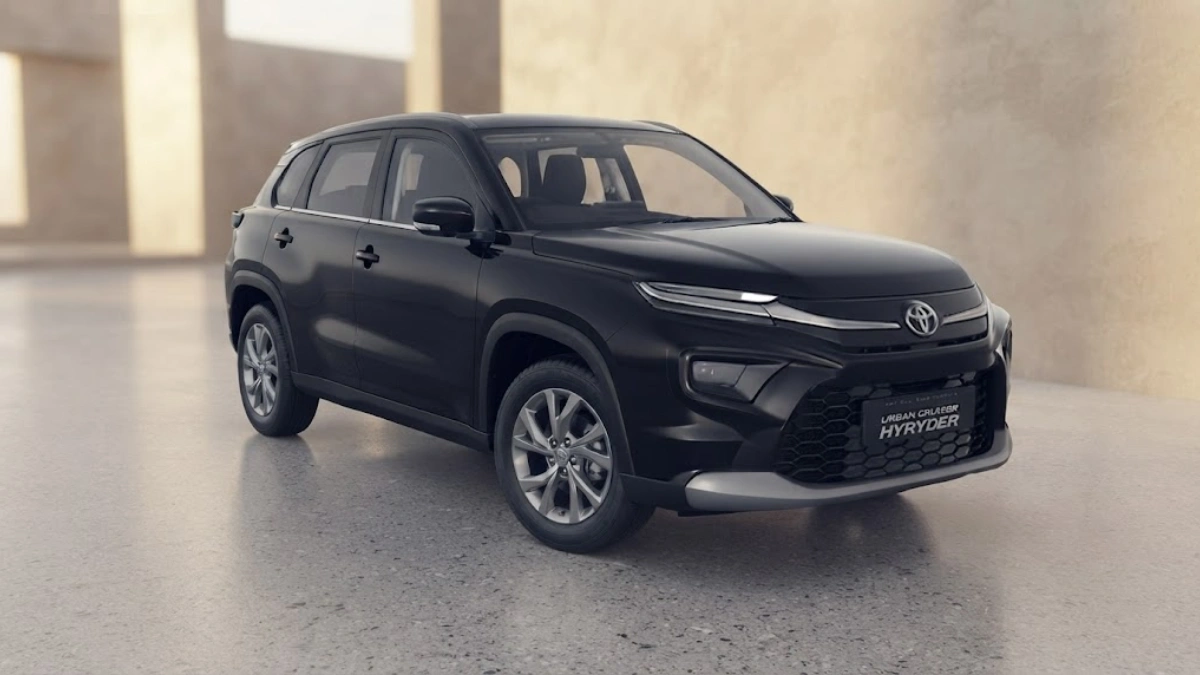
Hybrid Car Sales Decline 8% in June 2026: Complete Analysis
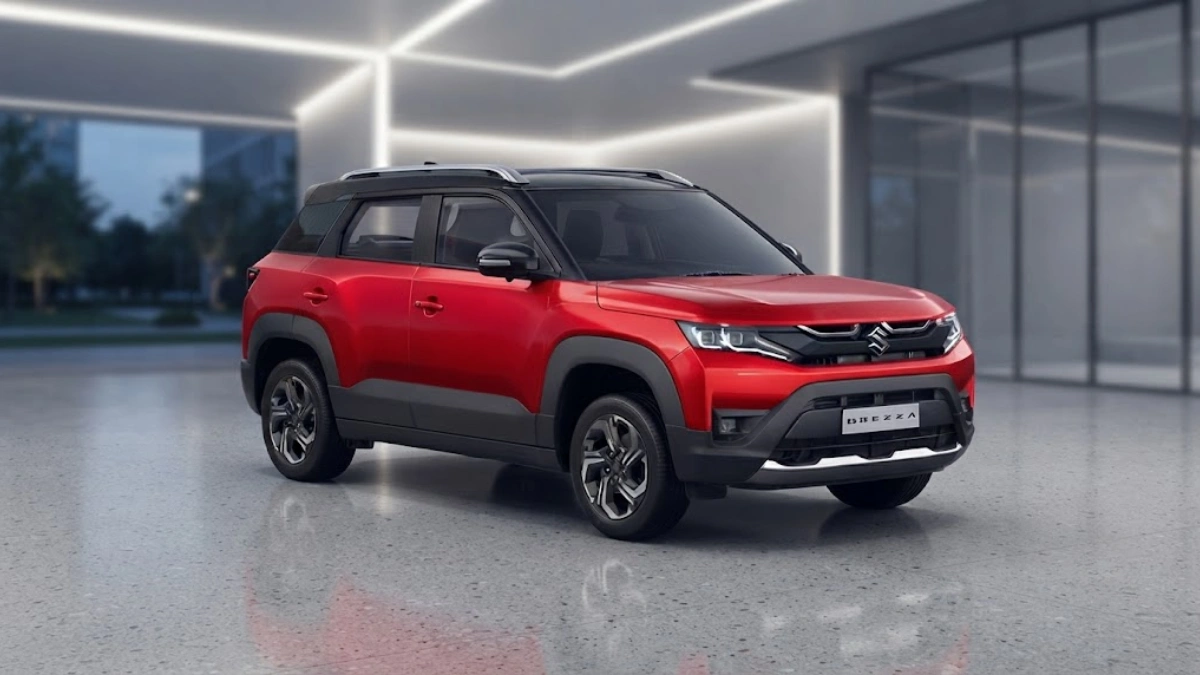
How to Book Maruti Brezza Facelift: Complete Booking Guide
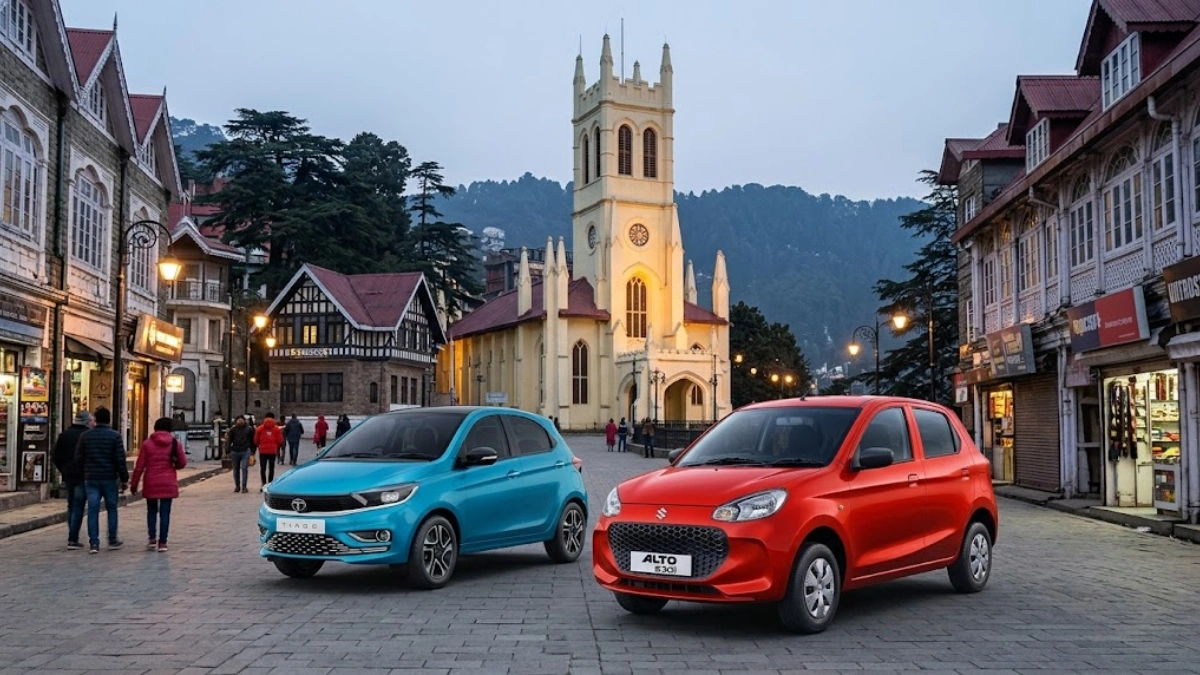
Alto K10 vs Tiago: Which Is Better?
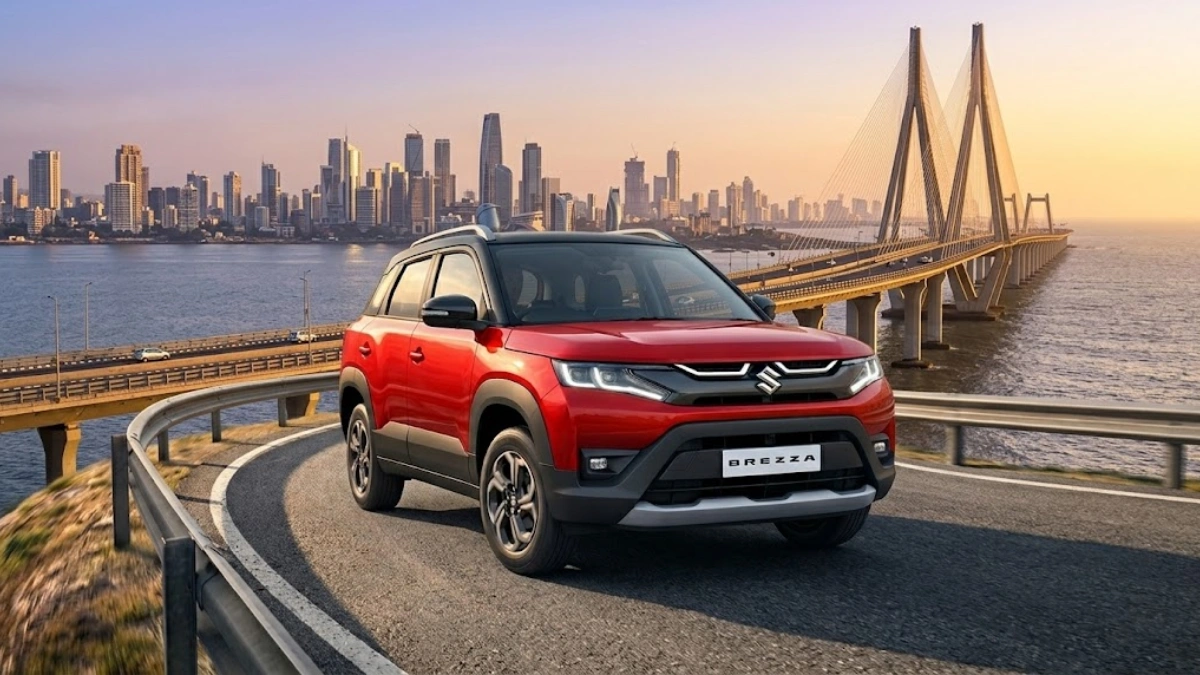
Maruti Brezza Facelift 2026: What's New Compared to the Current Model?
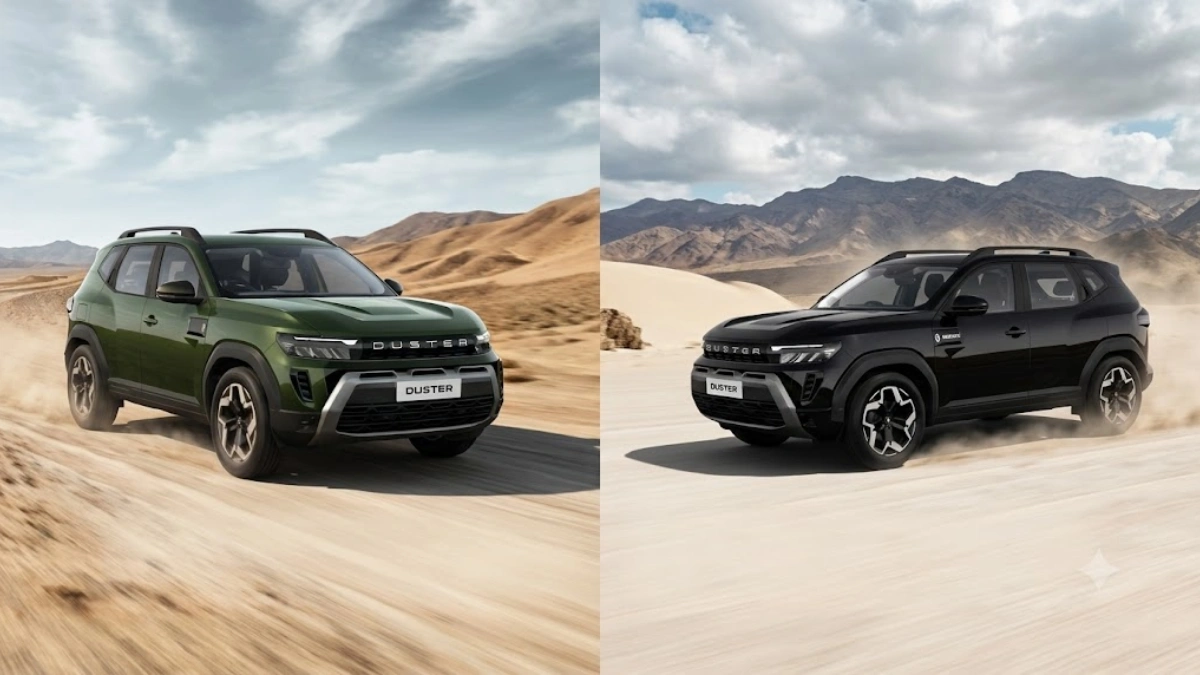
Renault Duster Adventure Edition vs Standard Duster: What's Different?
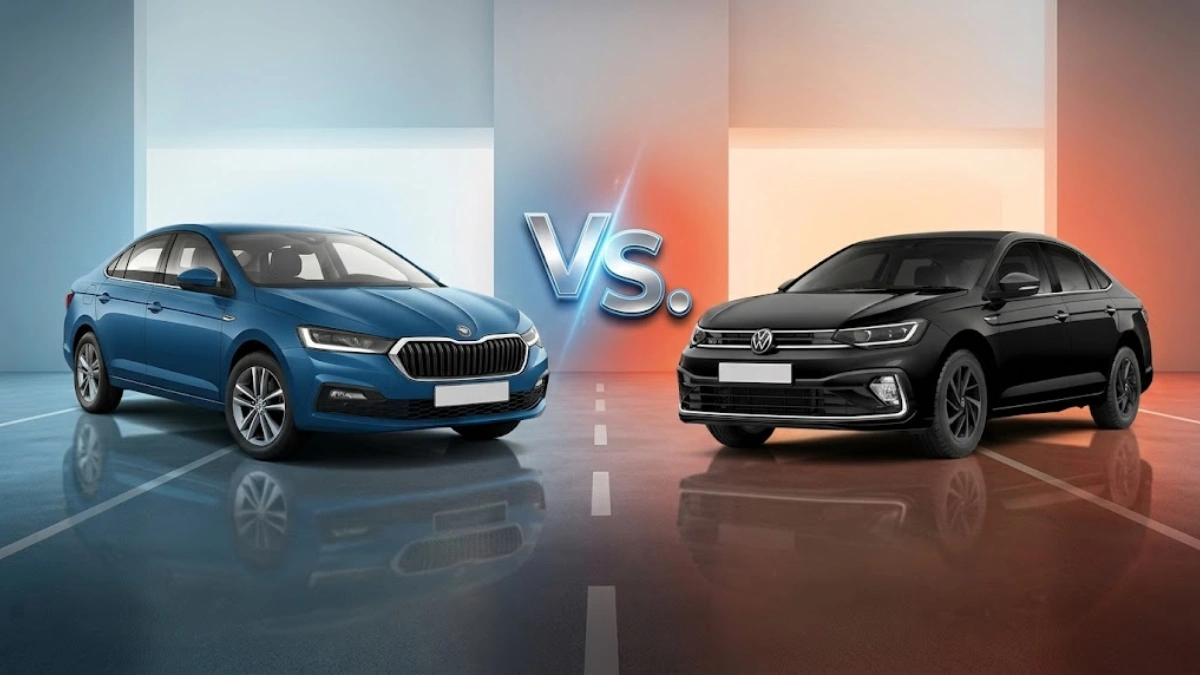
Skoda Slavia Facelift 2026 vs Volkswagen Virtus: Which Sedan Should You Wait For?
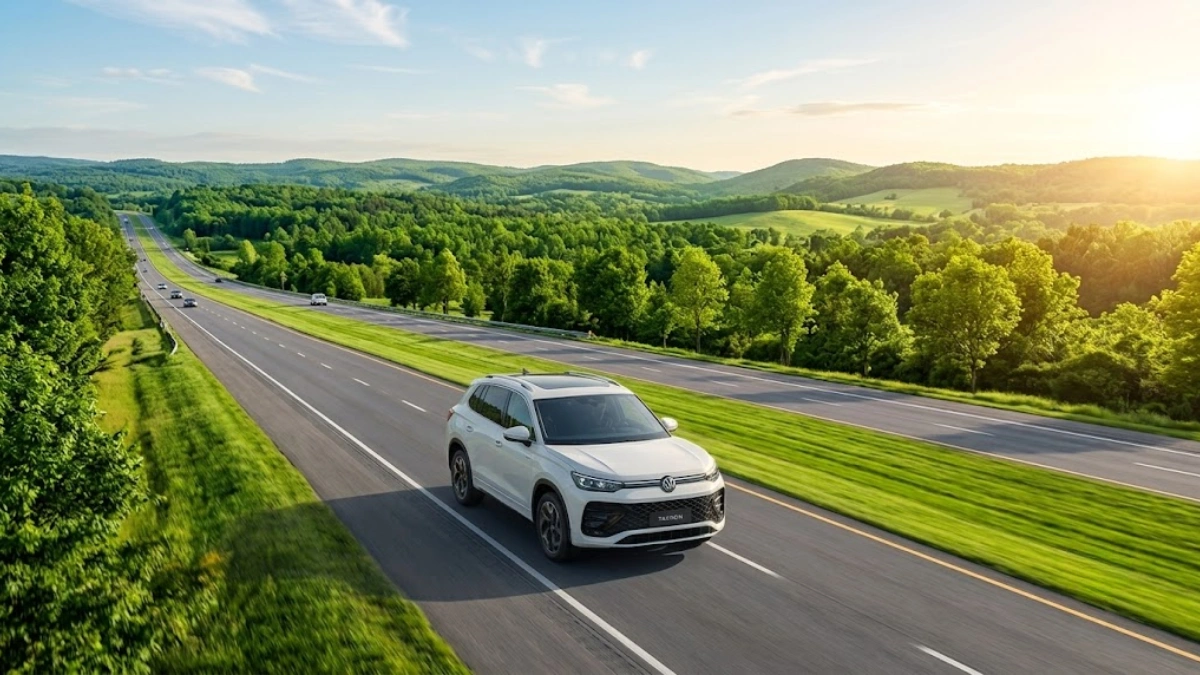
Volkswagen Tayron Life Launched in India at ₹41.99 Lakh
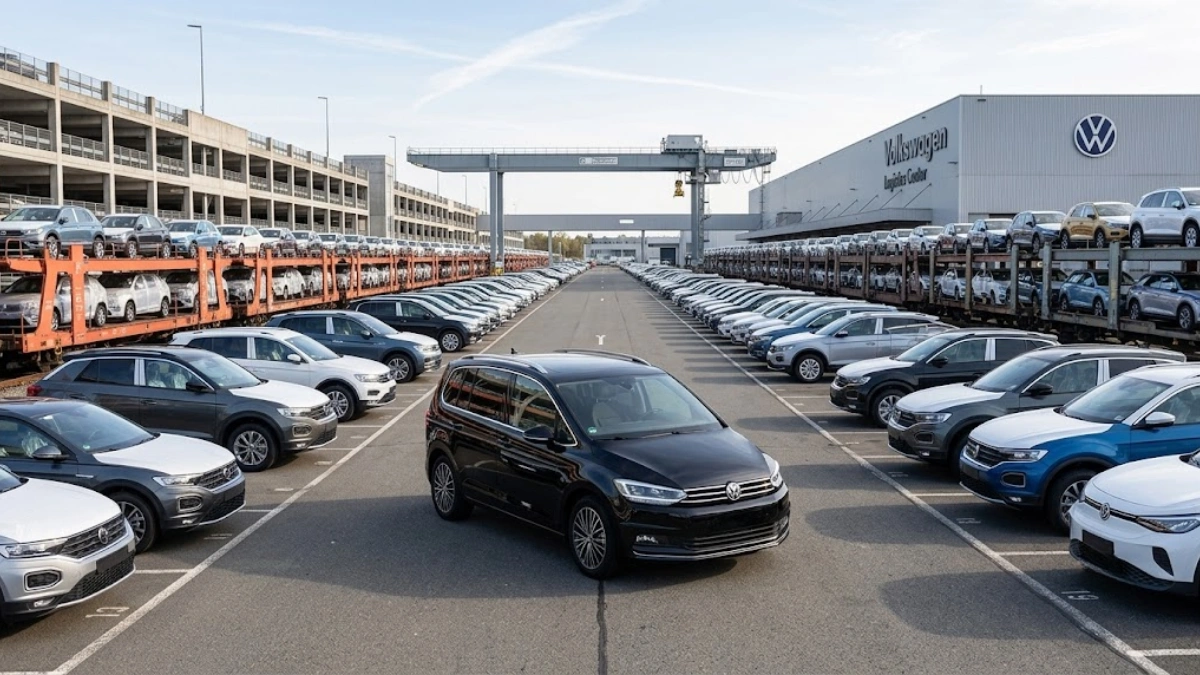
Volkswagen Announces 50% Reduction In Global Car Line-up
Tata Nexon Pure Plus : Know Everything Before Buying in July