Audi A4 vs BMW 3 Series: Which is Better in India?
- Cars
- Published: 17 Apr, 2026
Book a Test Drive
Free doorstep test drive at your convenience
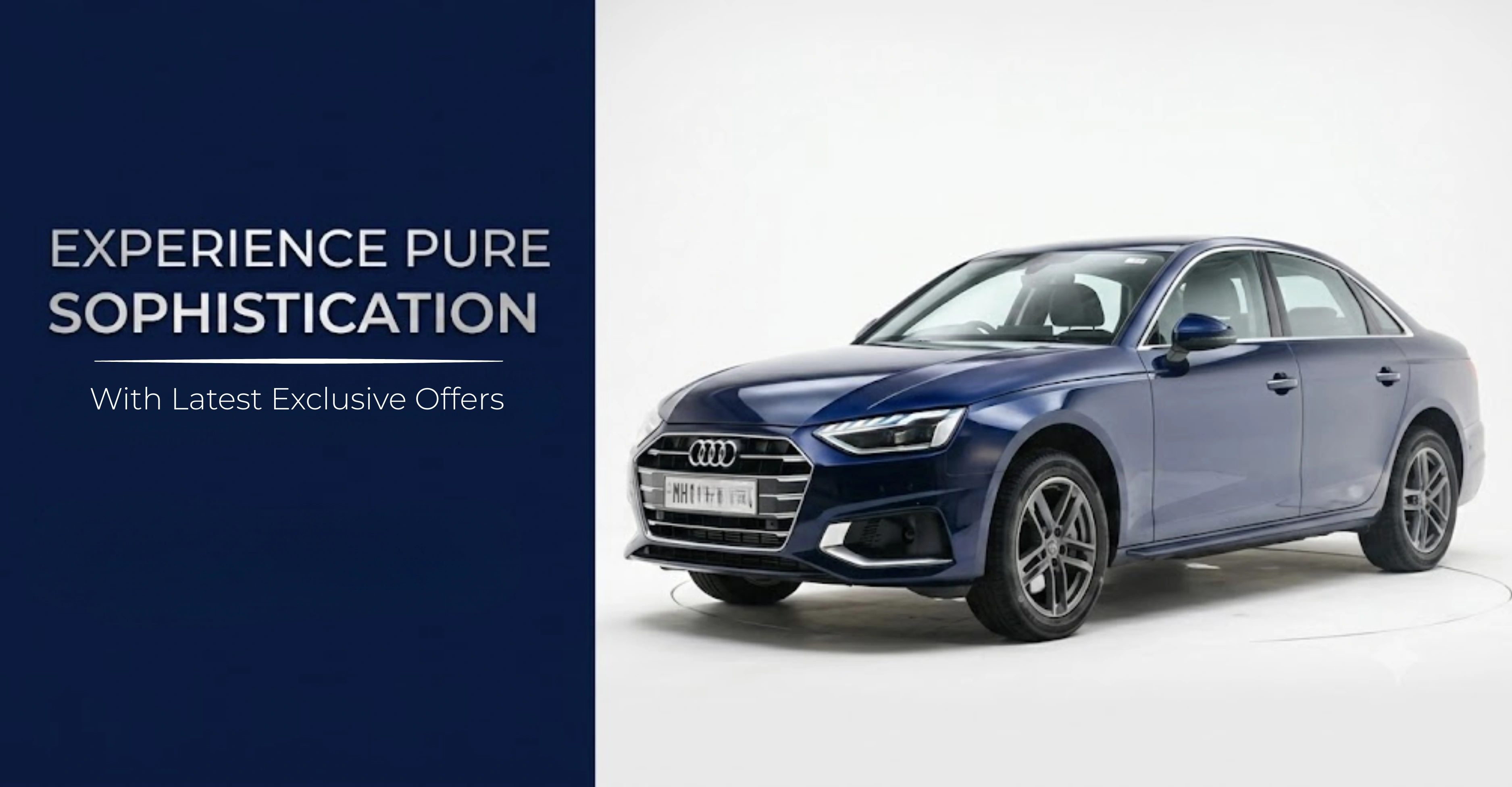
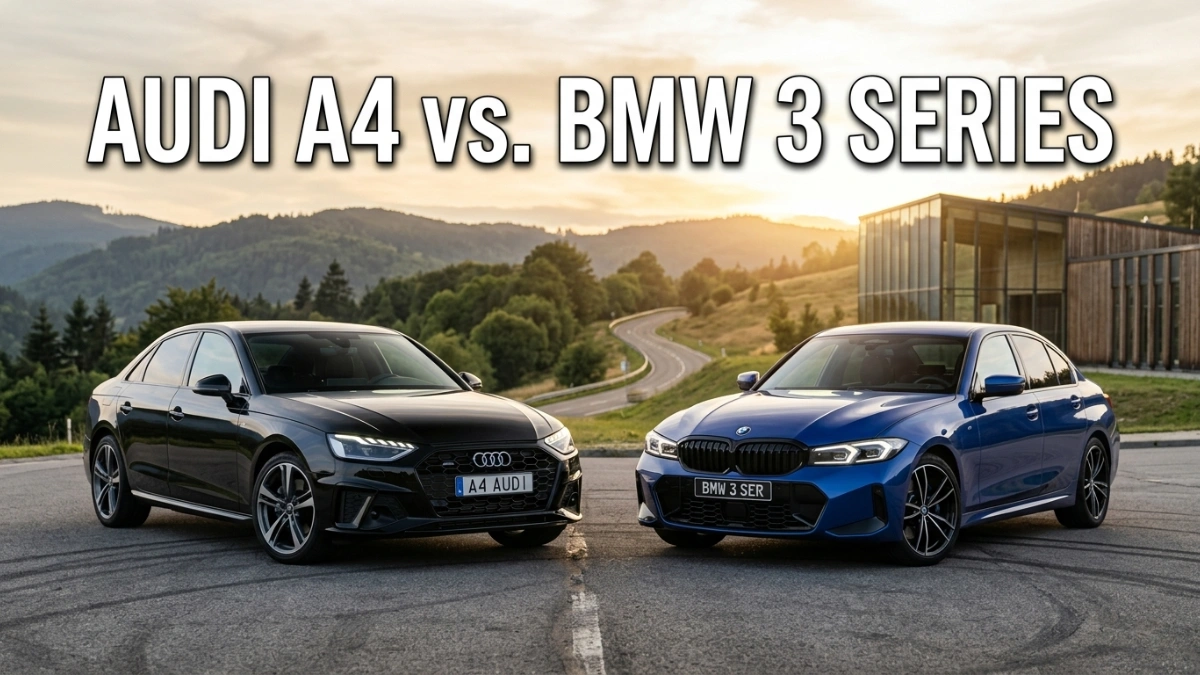
The entry-luxury sedan segment in India isn’t just about badge value anymore—it’s about how intelligently a car balances performance, comfort, technology, and real-world usability. In this space, the Audi A4 and the BMW 3 Series have consistently defined the benchmark, but they approach luxury from two fundamentally different philosophies.
Audi builds cars for people who value effortless sophistication and daily comfort, while BMW engineers machines for those who still believe a sedan should feel alive behind the wheel. The result is not just a spec-sheet rivalry, but a clash of intent—one prioritising refinement, the other driving engagement.
If you're a serious buyer in India, the decision goes far beyond “which is better”—it’s about which one aligns with how you actually use your car.
Price Positioning & Value Perception in India
In the Indian market, pricing is not just about affordability—it signals intent and ownership psychology. The Audi A4 positions itself as a gateway into German luxury, typically priced in the ₹45–55 lakh bracket (ex-showroom). It attracts first-time luxury buyers, corporate professionals, and those upgrading from top-end mass-market sedans.
The BMW 3 Series, especially in its Gran Limousine and performance trims, operates in a higher bracket, stretching into ₹70 lakh+ territory. This positioning is deliberate—it’s not just selling a car, but selling a driving identity.
What’s interesting is the perceived value equation. The A4 feels like a well-rounded package with minimal compromises, whereas the 3 Series often justifies its premium through emotional appeal—performance, badge prestige, and driving pedigree. In India, where many luxury sedans are chauffeur-driven, this difference becomes even more critical.
Engine Character, Performance & Real-World Drive Feel
On paper, both cars may seem comparable in their base petrol offerings, but the way they deliver performance is fundamentally different.
The Audi A4’s 2.0L TFSI engine is tuned for linear power delivery and refinement. It feels smooth, predictable, and stress-free—perfect for city commutes in traffic-heavy conditions like Delhi or Mumbai. The gearbox complements this with seamless shifts, ensuring that the car never feels aggressive or intimidating.
The BMW 3 Series, on the other hand, especially in higher trims, is engineered to remind you that you're driving a BMW every single time you press the accelerator. The throttle response is sharper, the power delivery more urgent, and the rear-wheel-drive layout transforms the driving experience entirely. Even in lower variants, the chassis tuning ensures superior balance and cornering confidence.
Where this difference becomes evident is on highways. The A4 cruises effortlessly at triple-digit speeds with minimal cabin noise, but the 3 Series encourages you to push harder—it feels planted, dynamic, and far more engaging at higher speeds.
In simple terms:
- The A4 is a great car to sit in and relax
- The 3 Series is a great car to drive
Ride Quality vs Handling: The India Reality Check
India’s road conditions play a decisive role in how these cars are perceived post-purchase.
The Audi A4 has a clear advantage when it comes to ride comfort over broken roads. Its suspension setup is tuned to absorb imperfections, making it better suited for daily urban usage and long-distance comfort. Speed breakers, potholes, and uneven surfaces are handled with a sense of maturity.
BMW, staying true to its DNA, keeps the suspension slightly stiffer. This results in better road feedback and handling precision, but at the cost of comfort on poor roads. While the Gran Limousine version improves rear comfort significantly, the core tuning still leans towards performance.
For Indian buyers who deal with unpredictable road conditions daily, this becomes a critical differentiator—Audi feels more forgiving, BMW feels more alive.
Interior Experience: Driver vs Passenger Priority
Step inside both cars, and you immediately notice a philosophical difference.
The Audi A4’s cabin is minimalistic, clean, and ergonomically perfect. Everything is where you expect it to be, and nothing feels overdone. The focus is on reducing fatigue—both visual and physical. The seats are supportive, the cabin insulation is excellent, and the overall experience feels calm and premium.
The BMW 3 Series, particularly the Gran Limousine, shifts focus towards rear-seat luxury and tech-forward appeal. The extended wheelbase gives it a clear advantage in legroom, making it more suitable for chauffeur-driven buyers. At the same time, the dashboard layout, curved displays, and driver-centric cockpit remind you that this is still a performance sedan at heart.
If your usage involves being driven around frequently, BMW’s rear-seat experience may feel more rewarding. But if you’re someone who drives daily and values a stress-free cabin environment, Audi’s simplicity works better in the long run.
Technology & User Experience
Both cars are loaded with technology, but what differentiates them is execution philosophy.
Audi’s interface is designed for intuitive interaction. The Virtual Cockpit remains one of the cleanest digital instrument clusters in the segment, and the infotainment system avoids unnecessary complexity. It’s a system you get used to within minutes.
BMW’s iDrive system is more feature-rich and layered, offering deeper customization, advanced driver assistance features, and a more futuristic interface. However, it comes with a slightly steeper learning curve.
In real-world usage, Audi feels effortless, while BMW feels advanced but slightly demanding.
Ownership Experience & Running Costs in India
Luxury car ownership in India isn’t just about buying—it’s about maintaining the experience.
Audi has traditionally offered more competitive service packages and predictable maintenance costs, making it a safer choice for buyers conscious about long-term ownership expenses. Spare parts and service intervals are relatively easier on the pocket compared to its rivals.
BMW, while offering excellent service quality, tends to be more expensive to maintain, especially for performance-oriented variants. The complexity of engineering and higher performance output translates into higher upkeep costs over time.
For a buyer planning to keep the car beyond 5 years, this difference can become quite significant.
Design Language & Brand Identity
Design is subjective, but brand perception in India is deeply tied to it.
The BMW 3 Series carries a sporty, aggressive stance with its signature kidney grille and strong road presence. It’s a car that announces itself and appeals to buyers who want their vehicle to stand out.
The Audi A4 follows a more understated and timeless design philosophy. It doesn’t shout for attention but commands respect through clean lines and balanced proportions.
This reflects a deeper truth:
- BMW is about expression
- Audi is about subtlety
Final Verdict: Which One Should You Choose in India?
Choosing between the Audi A4 and BMW 3 Series is less about specs and more about self-awareness as a buyer.
If your priorities revolve around daily comfort, lower ownership stress, better ride quality, and a refined driving experience, the Audi A4 emerges as the more sensible and well-rounded choice for Indian conditions.
However, if you are someone who values driving pleasure, sharper dynamics, stronger road presence, and emotional connection with the car, the BMW 3 Series justifies its premium and delivers an experience that the A4 simply cannot replicate.
Expert Take:
For the majority of Indian luxury sedan buyers—especially those entering the segment—the Audi A4 offers better practicality and value retention in real-world usage. But for enthusiasts and performance-focused buyers, the BMW 3 Series remains the benchmark driver’s car in its class.
FAQs
Does the Audi A4 feel underpowered compared to the BMW 3 Series?
Not necessarily. The Audi A4 delivers adequate performance for most driving scenarios in India, including highways. However, compared to higher variants of the BMW 3 Series, it feels less aggressive and more comfort-oriented.
Which car is better for long-distance highway driving?
Both cars perform well on highways, but the Audi A4 excels in comfort and cabin quietness, making it ideal for relaxed long drives. The BMW 3 Series, meanwhile, is better suited for those who enjoy spirited highway driving.
Which has better resale value in India—Audi or BMW?
BMW generally enjoys slightly stronger resale value due to its brand perception as a performance-focused luxury car. However, actual resale also depends heavily on condition, service history, and variant.
Is the Audi A4 a good first luxury car in India?
Yes, the Audi A4 is one of the best entry-level luxury sedans in India. It offers a balanced mix of comfort, technology, brand value, and relatively manageable ownership costs—making it ideal for first-time luxury buyers.
Should I choose Audi A4 or BMW 3 Series in 2026?
If your priority is comfort, practicality, and value, go for the Audi A4. If your priority is performance, driving pleasure, and brand experience, the BMW 3 Series is the better choice.
Book a Test Drive
Free doorstep test drive at your convenience
Popular Brands





Latest Car News
Tata Sierra Dark Edition vs Regular Sierra: What Is Different?
Tata Altroz vs Maruti Suzuki Brezza: Which One Should You Buy in 2026?
Wagon R vs Swift: Which Is Cheaper to Maintain?
BMW 7 Series Facelift Interior Updates: Know Everything

How to Check Oil Level in Car: Step-by-Step Guide

Latest Cars Under ₹5 Lakh in India in September 2026

Maruti Alto K10 September Offers: Get Up to ₹62,500 Savings on Purchase
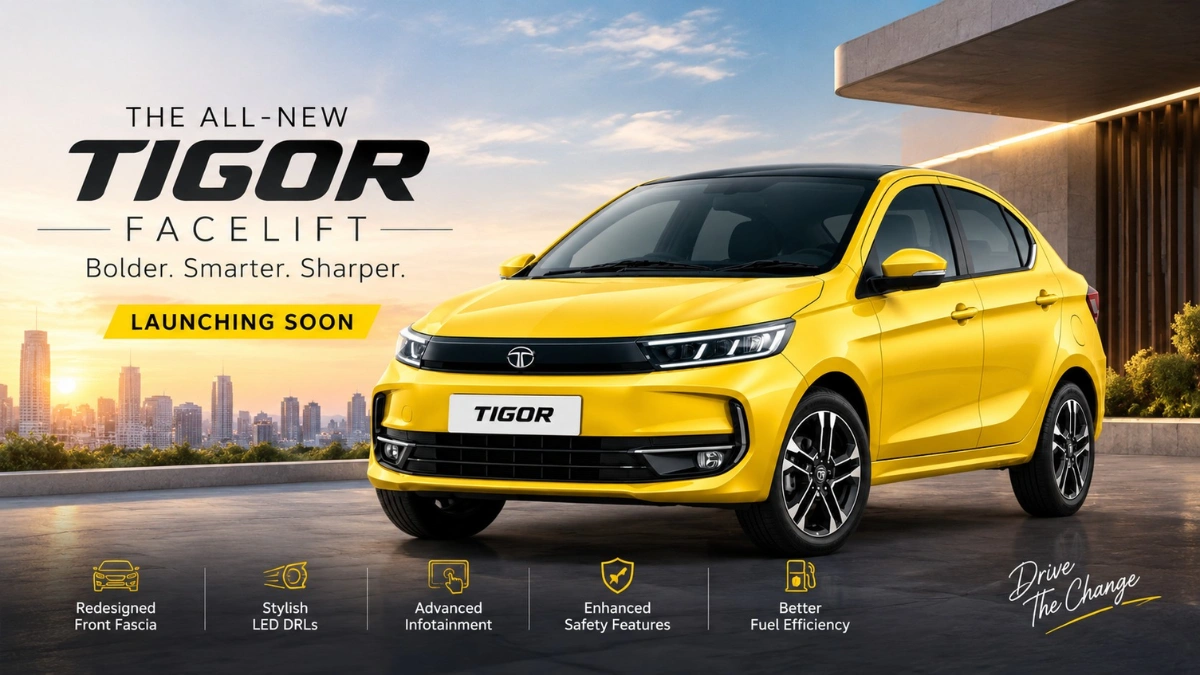
Tata Tigor Facelift Under ₹6 Lakh: A New Budget Sedan Is Coming

Hyundai Creta August 2026 Sales: With 16,288 Units Becomes India's Best-Selling Mid-Size SUV
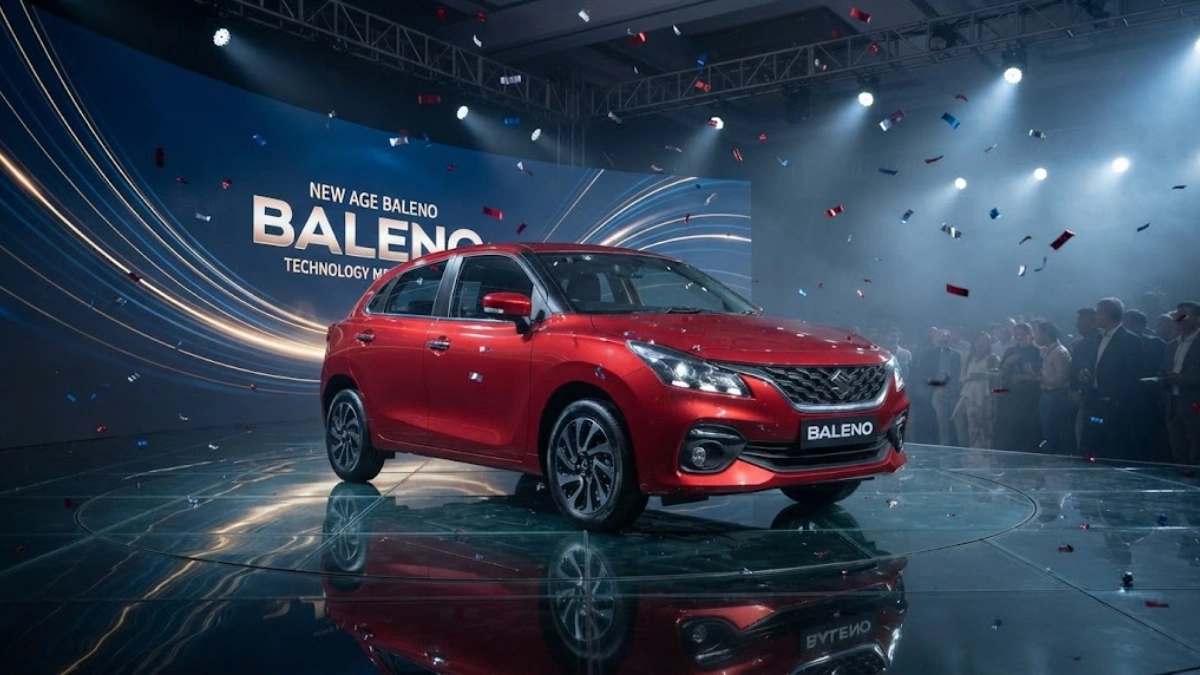
Maruti Baleno Facelift Booking Price: Expected Booking Amount, EMI & Loan Calculation
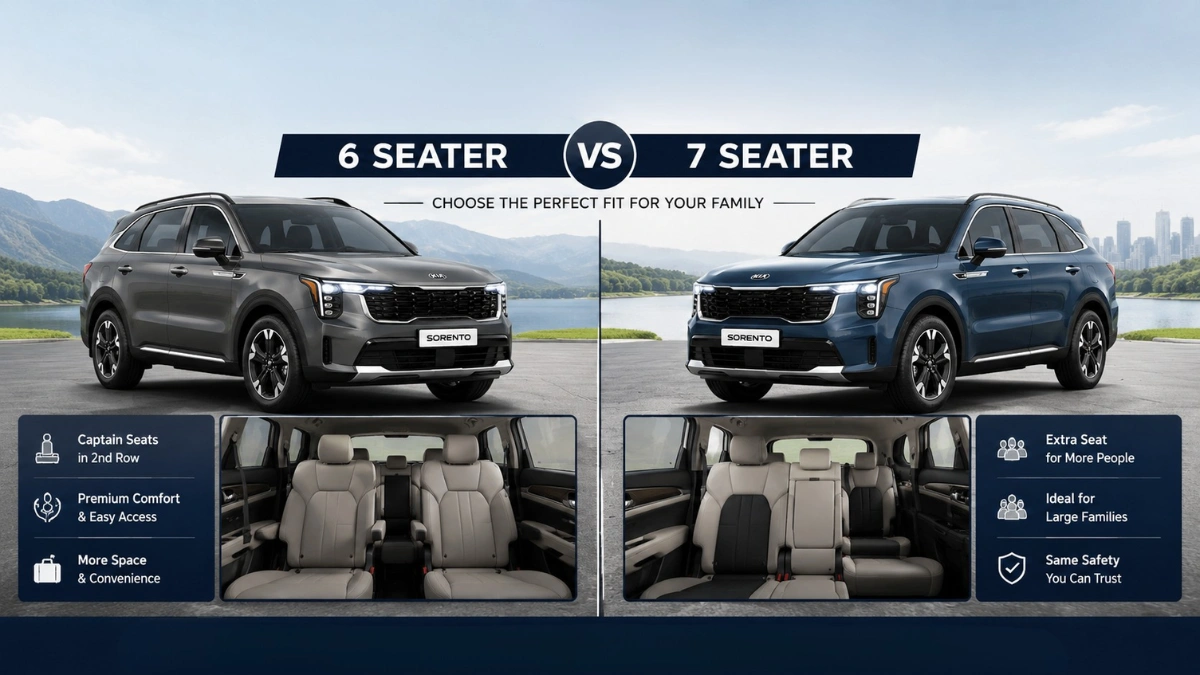
Kia Sorento 6 Seater vs 7 Seater: Which One Should You Choose?
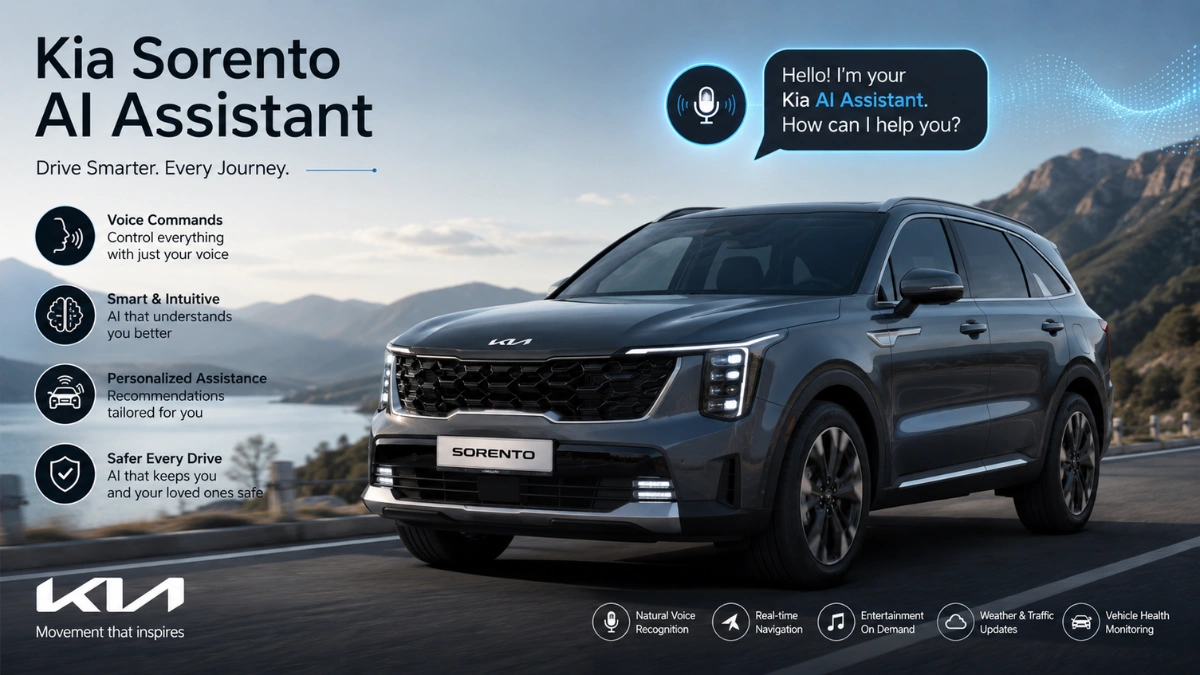
Kia Sorento AI Assistant Explained: Features, Commands, and Indian Language Support
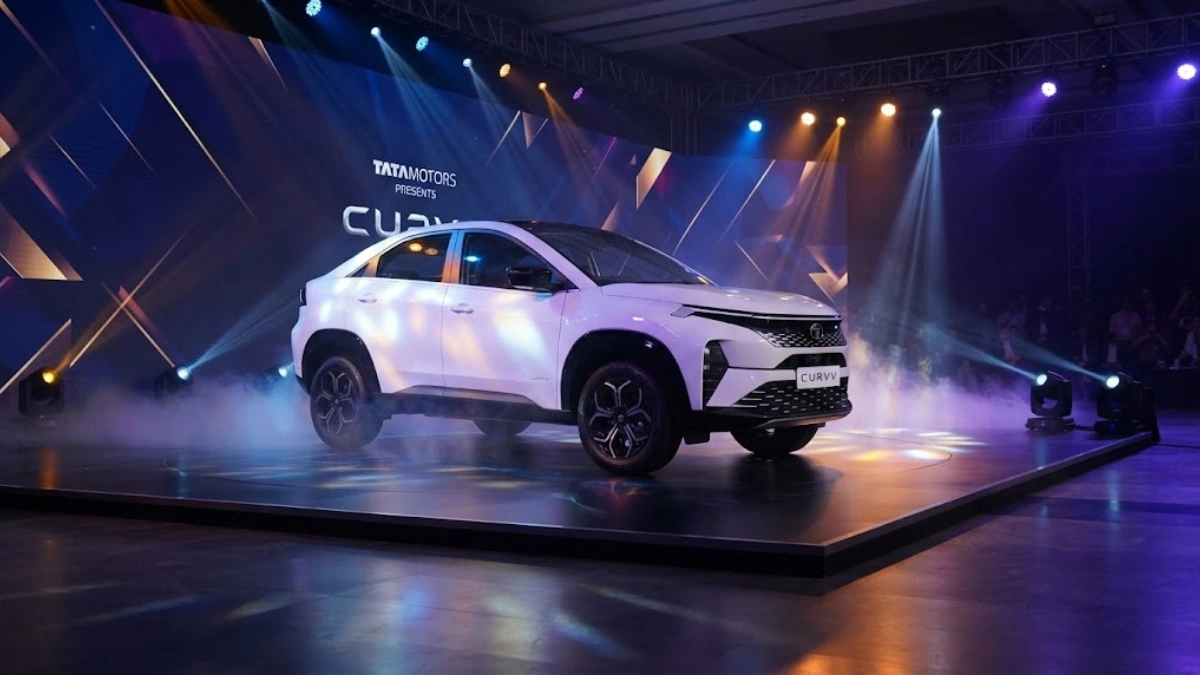
What Is the Difference Between Tata Curvv and New Curvv Series X?
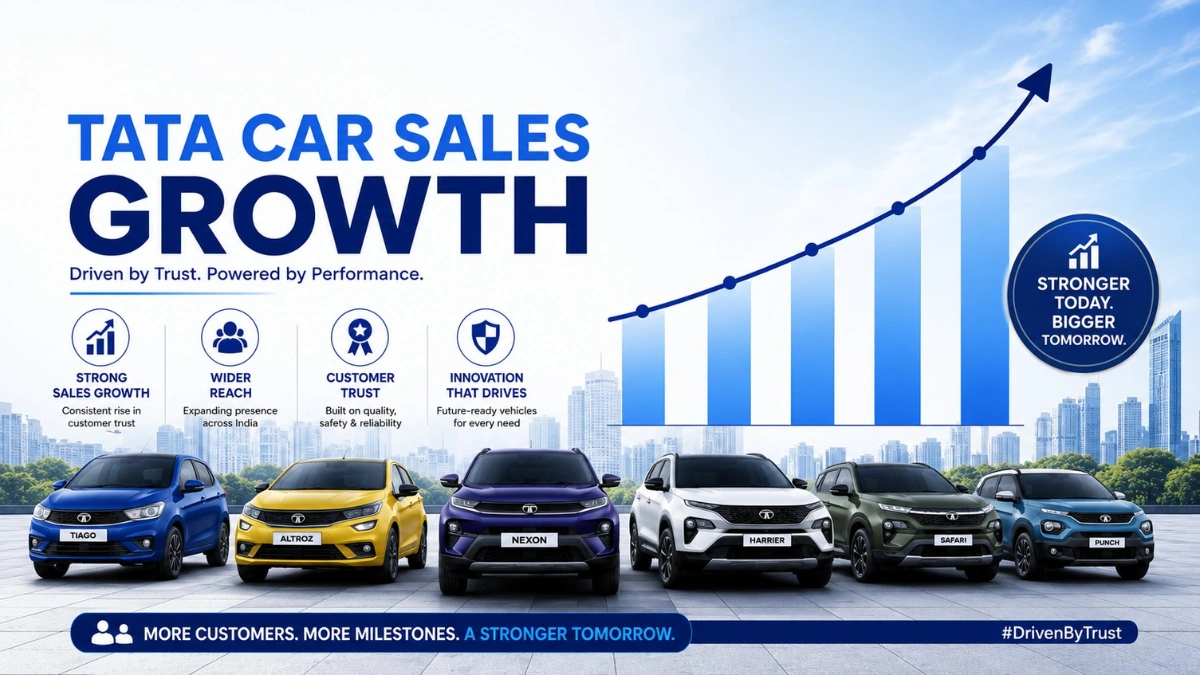
Tata Car Sales August 2026: Model-Wise Sales & Growth Report

Car Sales Report of August 2026: Tata Motors, Maruti, Mahindra Lead Growth
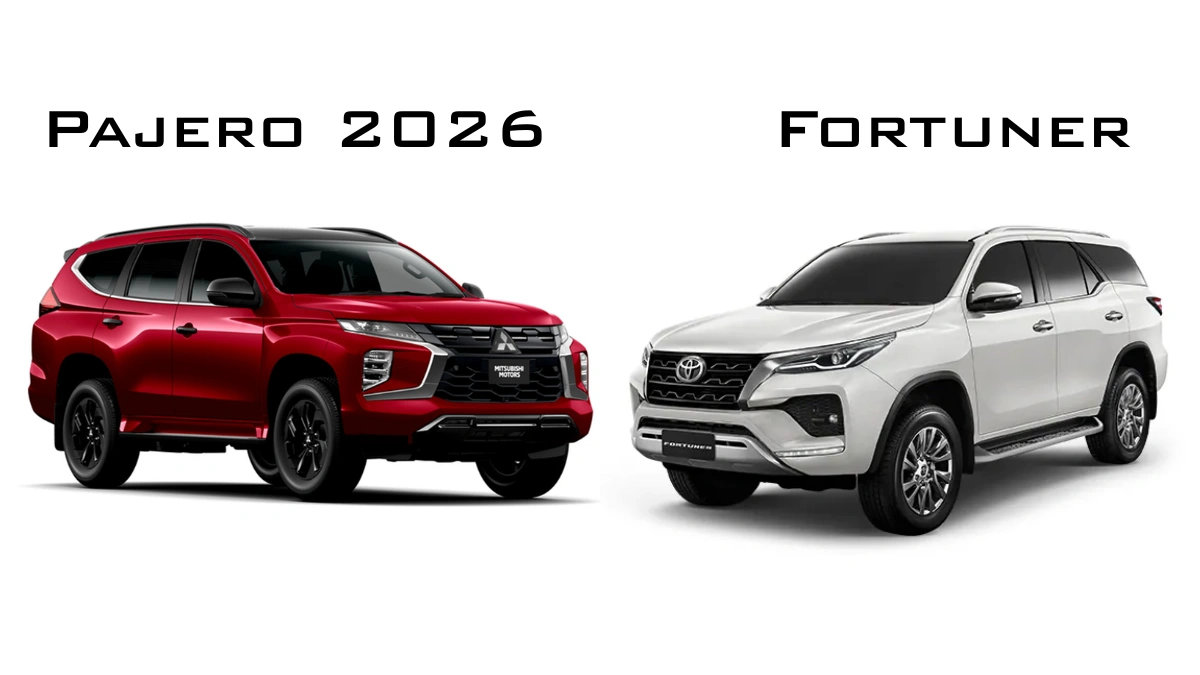
Pajero 2026 vs Fortuner: Which SUV Could Be Better?
Volvo EX90 Booking Price: Expected Booking Amount, EMI & Loan Calculation
Next Generation Tata Nexon 2027: Expected Launch, Price, Design & Features
MG Hector Tomahawk EV Variant-Wise Price & Features Comparison
Maruti Baleno Facelift vs Toyota Glanza: Complete Comparision