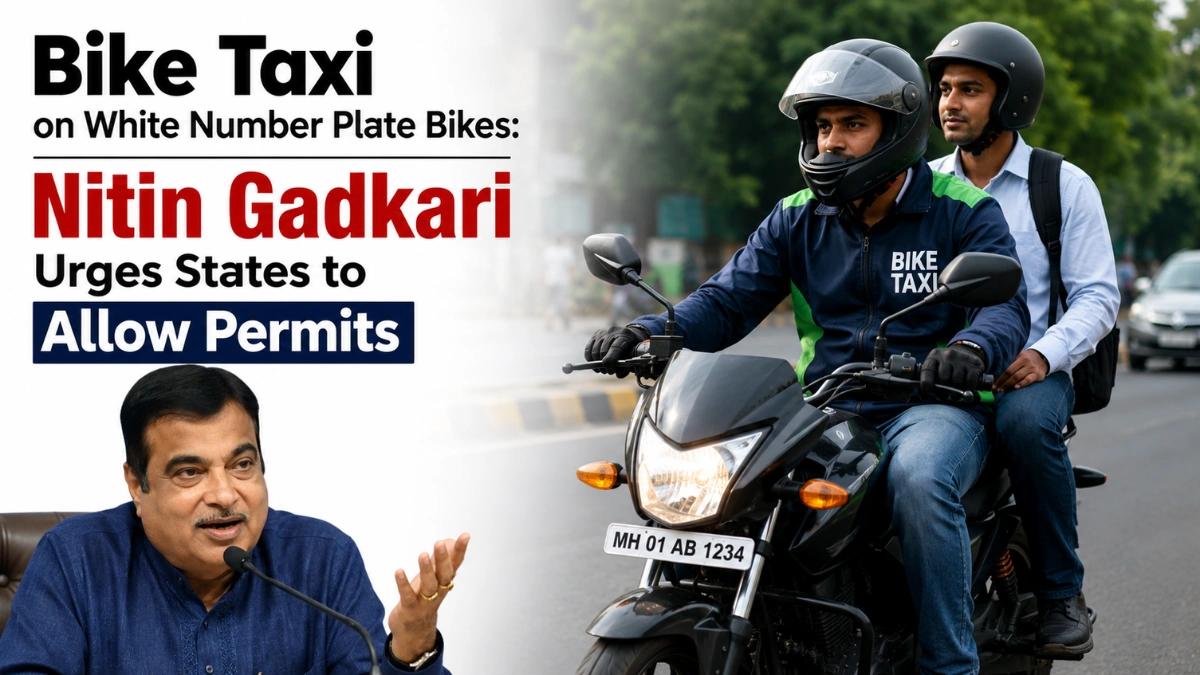
Bike Taxi on White Number Plate Bikes: Nitin Gadkari Urges States to Allow Permits
- Bikes
- Published: 03 Sep, 2026
- Updated: 03 Sep, 2026
Book a Test Drive
Free doorstep test drive at your convenience
Union Road Transport and Highways Minister Nitin Gadkari has once again put the bike taxi debate front and centre. Speaking this week while launching "Suraksha," a pilot programme offering free medical diagnosis and counselling to drivers, construction workers, and other high-risk highway and mining workers in Maharashtra, Gadkari said that private two-wheeler owners should be allowed to operate as bike taxis, and he urged state governments to permit such services in their own territories.
His central argument: since transport is a state subject under India's constitutional framework, the Centre has already cleared the way for two-wheelers, scooters and motorcycles to be used for passenger transport, but several states still haven't followed through with their own approvals. Gadkari estimates that opening up bike taxis nationwide could create livelihood opportunities for roughly eight crore (80 million) people, with the biggest impact expected in rural areas and smaller towns where formal employment options are limited.
Alongside the bike taxi appeal, Gadkari also flagged an upcoming change to the Motor Vehicles Act: a negative-point system for traffic violations, where repeat offenders would accumulate penalty points and eventually risk suspension or cancellation of their driving licence. This is being framed as a road-safety measure, and Gadkari backed it with sobering numbers over 81,780 deaths linked to two-wheeler accidents, more than 34,000 hit-and-run deaths, and over 14,000 deaths tied to people not wearing seatbelts, underlining why the ministry is pushing both economic opportunity and stricter enforcement at the same time.
Why "White Number Plate" Matters So Much
If you ride for Rapido, Uber Moto, or Ola on your personal motorcycle, you already know this fight isn't really about bike taxis existing, it's about the colour of the plate on your bike.
In India, a white number plate signals a private, non-commercial vehicle. Commercial passenger vehicles, taxis, autos, cabs, are supposed to run on yellow plates, carry a transport/commercial registration, hold a permit under the Motor Vehicles Act, and use commercial insurance. Most bike taxi riders, however, are ordinary people using their own personal motorcycle, registered privately with a white plate, to carry paying passengers through an app.
That mismatch is exactly what state transport departments keep objecting to. Officials in several states have argued that a motorcycle registered for personal use legally cannot be hired out for reward, regardless of what an aggregator app allows. This is the technical, legal root of every bike taxi ban you've read about, not safety or congestion concerns, but a straightforward reading of vehicle registration categories.
The Confusing, State-by-State Reality
There is no single national rule for bike taxis today, and that's precisely the problem Gadkari is trying to fix. Here's the patchwork riders are dealing with right now:
States that have allowed or regulated bike taxis: Maharashtra, Goa, Telangana (with caveats, see below), Uttar Pradesh, Rajasthan, Haryana, West Bengal, and Chandigarh have all created some form of legal pathway, though the exact permit process and fee structure differ from state to state.
States where the picture is murky or hostile:
- Karnataka has been the flashpoint. The Karnataka High Court banned bike taxis in June 2025, holding that they couldn't legally operate without the state notifying specific rules for the category. That ban displaced well over a lakh riders almost overnight and visibly worsened Bengaluru's traffic. In January 2026, a Division Bench of the Karnataka High Court reversed course, ruling that the blanket ban was an unreasonable restriction on trade, and allowed appeals filed by Rapido, Uber, and Ola. The state government wasn't satisfied and has since filed a Special Leave Petition in the Supreme Court challenging that reversal, so the final word is still pending.
- Telangana has seen its transport department and worker unions push back hard, insisting white-plate two-wheelers cannot legally be used commercially, even while platforms continue running services in Hyderabad.
- Tamil Nadu and Madhya Pradesh have also either banned or made it very difficult for bike taxis to operate.
- Delhi has flip-flopped repeatedly over the years, permitting bike taxis briefly, banning them, running pilot projects, and banning them again, leaving riders in the capital with no stable legal footing.
This back-and-forth is exactly why Gadkari's latest appeal matters: he's asking every state to pick a lane and formalise the rules, rather than leaving riders to guess whether the job they're doing today will be illegal tomorrow.
What This Means for You as a Bike Taxi Rider
If you currently ride, or are thinking about riding, for a bike taxi platform, here's what to keep in mind:
- Your legal status still depends on your state. Gadkari's statement is an appeal, not a nationwide law. Until your state transport department issues its own notification or permit scheme, the ground reality where you ride is what actually governs you, not a minister's statement made elsewhere.
- Check whether your state requires a permit or badge. In states that have formalised the rules, riders are typically expected to register for a specific bike taxi permit or driver badge through the aggregator or the local RTO, separate from your regular driving licence.
- Commercial insurance is worth asking about. Even where bike taxis are technically tolerated, running passengers on a personal-use insurance policy can leave you and your passenger unprotected in the event of an accident or claim dispute. Ask your platform whether it provides any rider or passenger cover, and consider whether you need to upgrade your own policy.
- A crackdown can happen with little warning. Karnataka and Telangana show how quickly enforcement can shift, from tolerance to sudden bans, often through a court order or a change in the transport minister's stance rather than a public consultation. Keep some financial cushion and don't treat bike taxi income as guaranteed long-term, especially in states without a clear policy yet.
- Watch the Supreme Court case out of Karnataka. Its outcome could set a precedent that other states lean on, one way or the other, so it's worth following if you ride in a state where the legal status is still contested.
- The proposed negative-point licence system will apply to you too. If the Motor Vehicles Act amendment goes through, repeated violations, wrong-side driving, not wearing a helmet, using a phone while riding, drunk driving, could start costing you points that add up toward licence suspension. That's an added reason to keep your record clean if your livelihood depends on being able to drive.
The Bigger Picture
Supporters of formal regulation point out that autos already operate on a permit system, so extending something similar to bike taxis isn't a stretch, it would also let states collect permit fees and GST revenue instead of running an unregulated grey market. Critics of the bans argue that the same riders trusted to deliver food and packages on white-plate bikes shouldn't be treated as a safety risk simply for carrying a passenger instead of a parcel. Worker unions, meanwhile, are split: some back full-fledged regulation and permits, while others are demanding platforms stop deploying private vehicles altogether until the law is unambiguous, arguing that riders are the ones left holding fines and legal risk while platforms keep operating regardless.
For now, the responsible move for any rider is the same one Gadkari's appeal is ultimately pushing states toward: get formal, get permitted, get insured and don't assume today's grey area will still be grey tomorrow.
Book a Test Drive
Free doorstep test drive at your convenience
Popular Brands




Latest Bike News
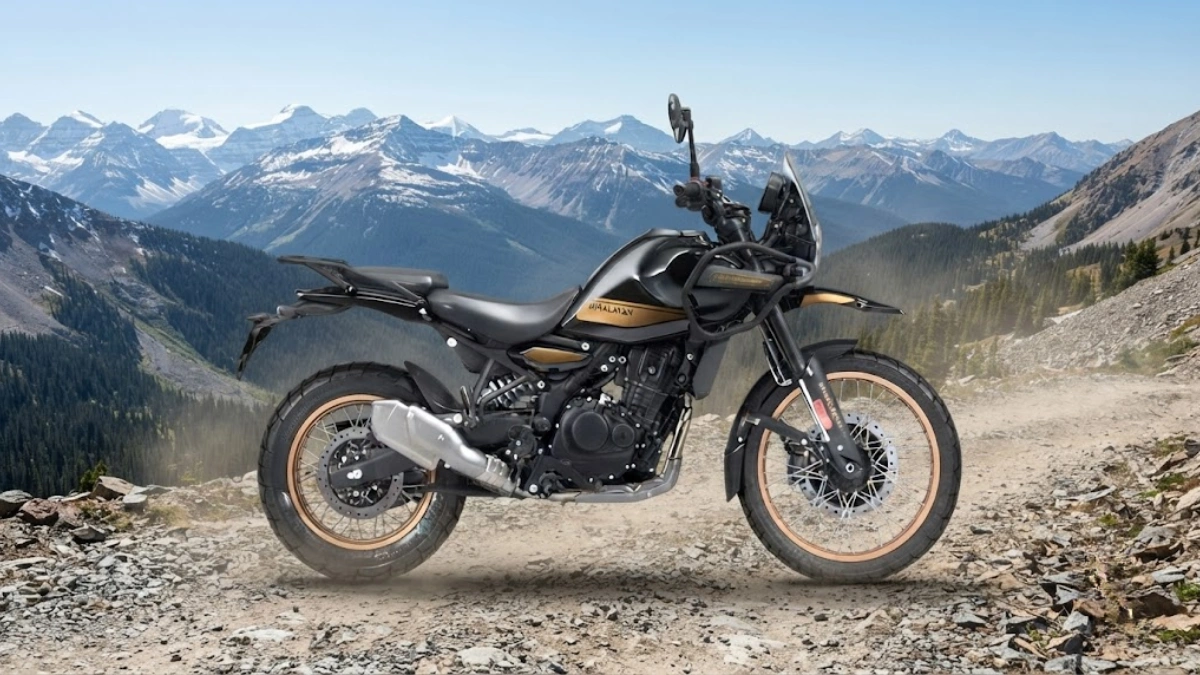
Royal Enfield Himalayan 440 Booking: How to Book, Price & Delivery Date
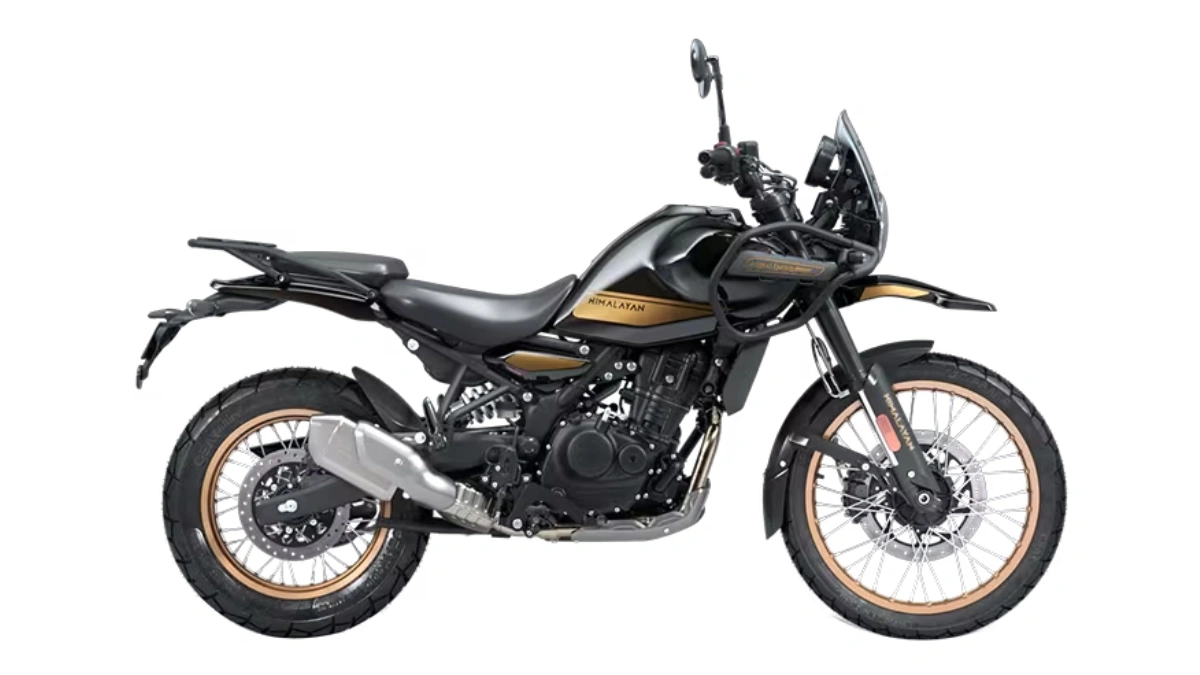
Royal Enfield Himalayan 440 Launch Today: 5 Things to Know Before the Reveal
Bike Taxi on White Number Plate Bikes: Nitin Gadkari Urges States to Allow Permits
Royal Enfield Himalayan 440 Spotted At Dealership Ahead Of 4 September Launch
2027 Kawasaki Ninja 500 vs KTM RC 390 vs Yamaha R3: Complete Comparison
Yamaha R2 vs R15 vs R3: Which Yamaha Sports Bike Should You Buy?
Bajaj Pulsar N160 SS Mileage: Real-World Average, City & Highway Figures
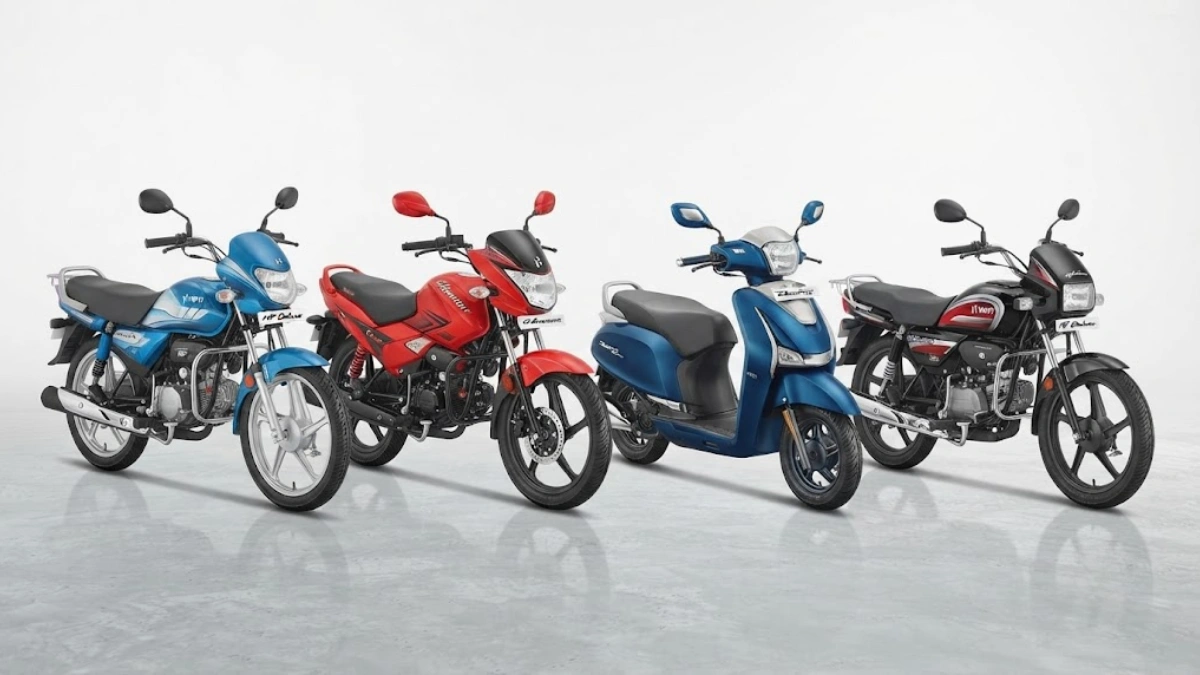
Hero June 2026 Sales Report: Splendor, HF Deluxe, Destini & Glamour
War Impact on Two-Wheeler Market: Sales Growth or Slowdown in 2026?
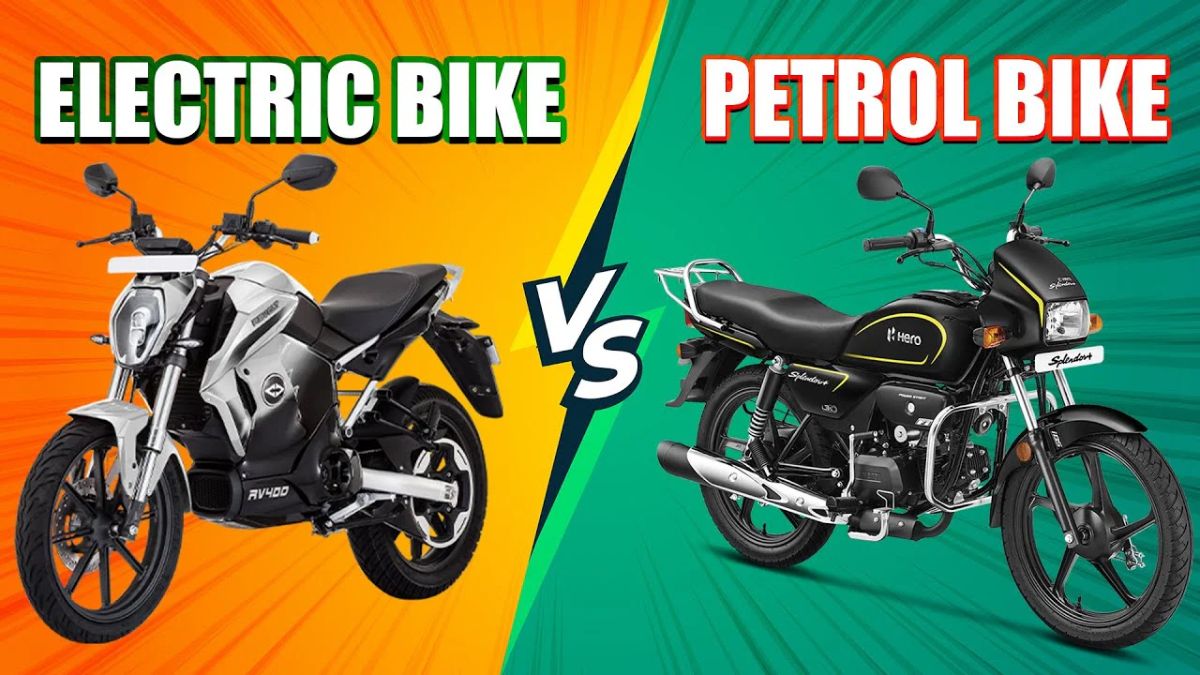
Electric Bikes vs Petrol Bikes During War: Which Is the Smarter Choice?
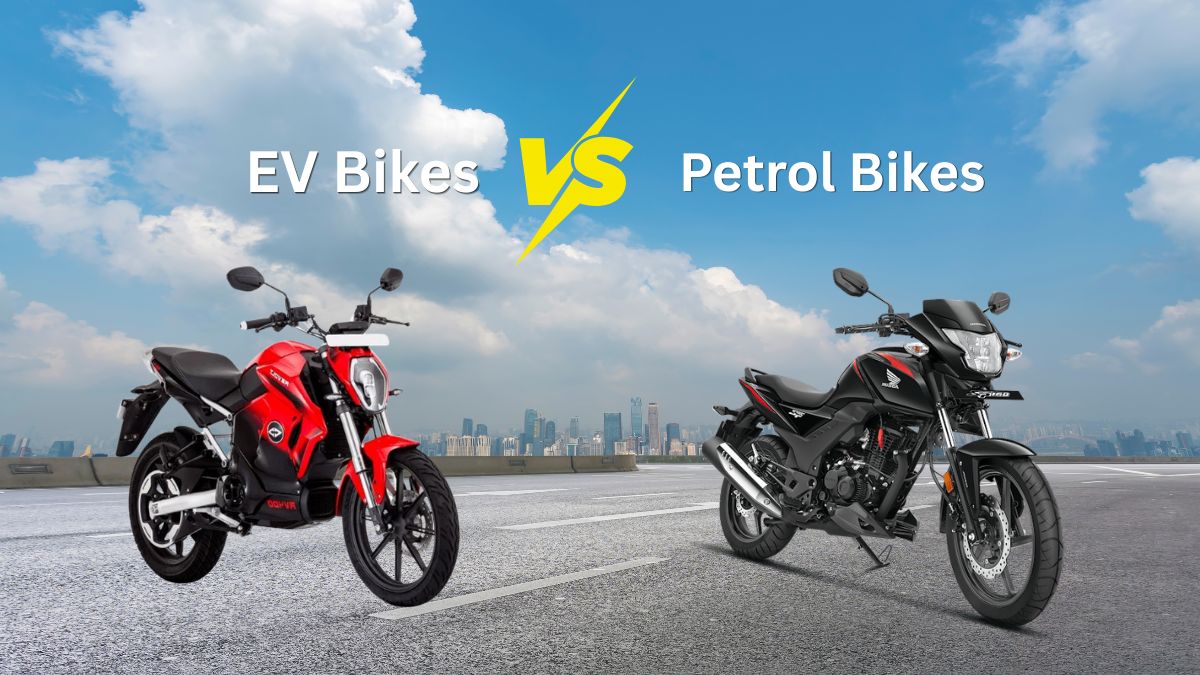
EV Bikes vs Petrol Bikes: Which One Holds the Future in 2026?

Royal Enfield Hunter 350 Launched in 2026: What’s New in India’s Popular Bike?
Triumph Tracker 400 (350cc) Launched in India: Affordable Premium Bike?
Upcoming Bikes April 2026: 5 Bikes That Can Change the Market
Hero Xtreme 160R 4V Launched in India with Cruise Control: Price, Features and Full Specs
Hero MotoCorp February 2026 Sales Report: No.1 Again?
TVS Holi Finance Scheme 2026 Brings 0% Down Payment
Bajaj Holi Discount 2026: ₹10,000 Off Bikes
Top 5 Best Mileage Bikes in India 2026 Under ₹1 Lakh
Hero Xtreme 125R vs TVS Raider 125 – Best 125cc Bike Comparison