
New Year 2026: Is This the End Date for Petrol Cars? Government Plans Revealed
- Cars
- Published: 29 Dec, 2025
Book a Test Drive
Free doorstep test drive at your convenience
As New Year 2026 approaches, one question is being discussed across the automobile industry, government circles, and among everyday car buyers: Is this the end date for petrol cars? With stricter emission norms, rapid EV adoption, and strong government signals, the future of petrol-powered vehicles is clearly changing—but not in the way many people fear.
Let’s break down what government plans really say and what 2026 actually means for petrol cars.
Why 2026 Is Being Seen as a Turning Point
Governments worldwide are under pressure to reduce pollution, oil dependency, and carbon emissions. As a result, 2026 is emerging as a policy milestone, not a sudden ban date.
Key reasons behind this shift include:
- Rising urban air pollution
- Global climate commitments
- Rapid improvement in EV technology
- Falling battery costs
Rather than stopping petrol cars overnight, governments are preparing the ecosystem for a gradual transition.
Government Plans Revealed: What’s Really Changing?
1. No Immediate Ban on Petrol Cars in 2026
Despite viral headlines, 2026 is not the official end date for petrol cars. Existing petrol vehicles will continue to run legally, and new ones will still be sold—especially in developing markets.
However, policies will start favoring cleaner alternatives more aggressively.
2. Stricter Emission Norms After 2026
Governments are expected to introduce:
- Tougher emission standards
- Higher compliance costs for petrol engines
- Increased testing and certification
This will make petrol cars more expensive to produce, pushing manufacturers toward electric and hybrid options.
3. Reduced Incentives for Petrol Vehicles
Fuel subsidies, tax benefits, and manufacturing incentives for petrol cars are likely to be reduced gradually. Instead, governments will support:
- Electric vehicles (EVs)
- Hybrid vehicles
- Hydrogen and alternative fuels
This shift makes petrol cars less attractive economically over time.
4. Strong Push for EV Infrastructure
By 2026, governments plan to:
- Expand charging station networks
- Support battery manufacturing
- Encourage local EV production
As infrastructure improves, range anxiety and charging concerns will reduce, accelerating the decline of petrol car demand.
5. Government Fleets and Public Transport Going Electric
One major move is the electrification of:
- Government vehicles
- Public buses
- Municipal transport
This sends a strong message to the market and boosts confidence in EV adoption.
What This Means for Petrol Car Owners
If you already own a petrol car, there is no need to panic.
Here’s what to expect:
- Petrol cars will remain legal for many years
- Fuel availability will continue
- Resale value may slowly decline, not collapse
- Maintenance costs may increase slightly due to regulations
The transition is designed to be gradual, not disruptive.
Why Choose This Transition Strategy?
Governments are not ending petrol cars suddenly because that would harm consumers and industries. Instead, the phased approach offers clear benefits.
Why this strategy works:
- Protects existing car owners
- Allows time for EV ecosystem growth
- Reduces pollution steadily
- Encourages innovation and investment
- Balances economy with sustainability
This approach ensures stability while moving toward cleaner mobility.
Should You Buy a Petrol Car in 2026?
Buying a petrol car in 2026 will still make sense if:
- You have low annual running
- Charging infrastructure is limited in your area
- You plan short-term ownership
However, for long-term use, EVs or hybrids may offer better value and future security.
Conclusion
So, is New Year 2026 the end date for petrol cars? No—but it is the beginning of the end of petrol dominance. Government plans reveal a clear direction toward electric mobility, stricter norms, and reduced support for fossil fuels.
Petrol cars won’t disappear overnight, but after 2026, they will slowly take a back seat as cleaner, smarter alternatives become the new standard. The future of driving is changing—and it’s arriving step by step, not all at once.
FAQs
Q1. Will petrol cars be banned completely in 2026?
No. There is no official ban on petrol cars starting in 2026.
Q2. Can I use my existing petrol car after 2026?
Yes. Existing petrol cars will remain legal as long as they meet fitness and emission norms.
Q3. Will petrol become expensive after 2026?
Fuel prices may rise gradually due to reduced subsidies and global factors.
Q4. Is it better to switch to an EV before 2026?
If charging infrastructure is available and your usage is high, EVs can be a smart long-term choice.
Q5. Are hybrids a safe option during this transition?
Yes. Hybrids offer fuel efficiency while remaining future-ready.
Book a Test Drive
Free doorstep test drive at your convenience
Popular Brands





Latest Car News
Upcoming Cars in September 2026 in India: New Cars, Launch Dates & Expected Prices
MG Hector Hawk SUV vs Tata Harrier: Expected Price, Features & Key Differences
Skoda Superb Diesel in India: Will the Diesel Engine Make a Comeback?
Tata Punch Becomes India's Best-Selling SUV in July 2026 with 21,313 Units Sold
Car Sales Report July 2026: Maruti Remains No.1, Tata, Mahindra & Hyundai Record Strong Growth
Tata Curvv EV Discount August 2026: Save Big with Limited-Time Offers
Kia Sorento Booking in India: Launch Date, Price & Booking Process
Skoda Slavia Facelift Launch Date in India
Hyundai Creta Next Gen Upgrades: Biggest Changes Expected
Limited Edition Skoda Slavia Monte Carlo Adds New Colours for 200 Buyers Only
Suzuki Loses India Market Share as Buyers Demand More Features
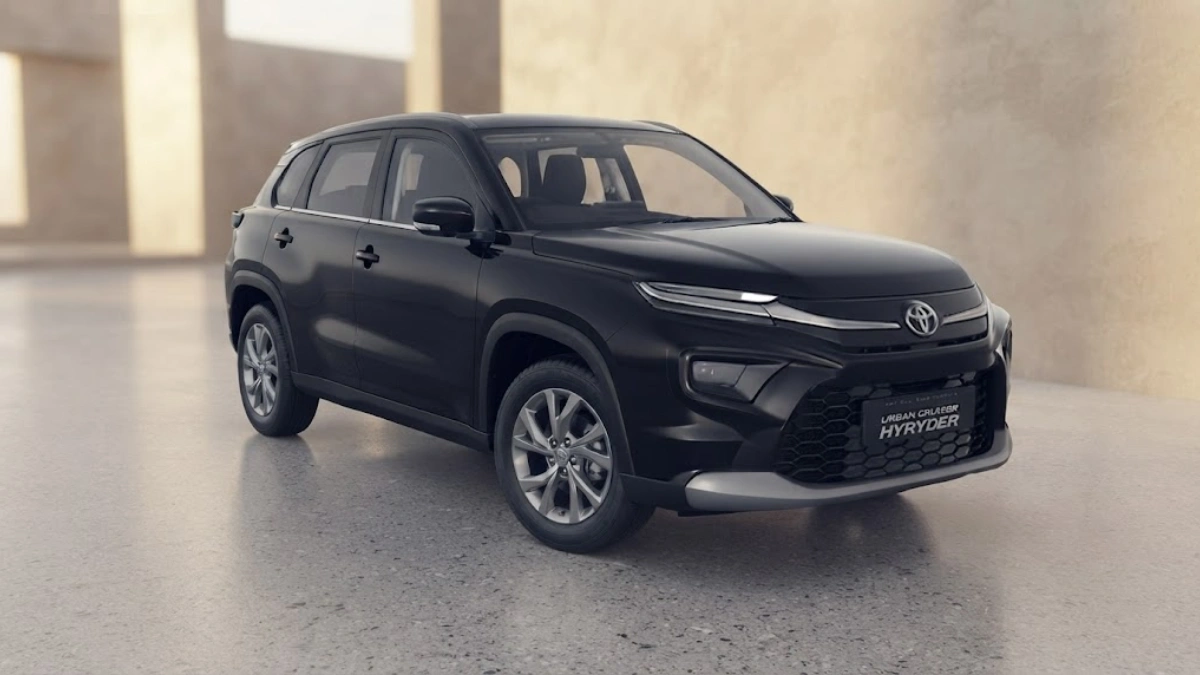
Hybrid Car Sales Decline 8% in June 2026: Complete Analysis
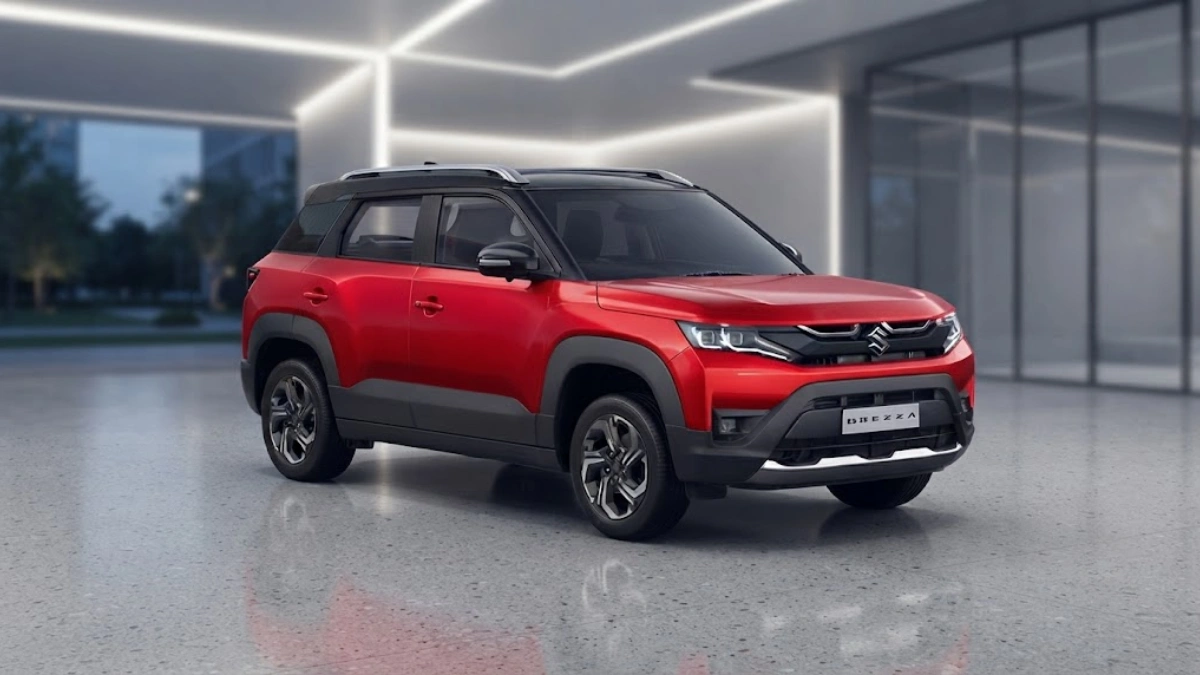
How to Book Maruti Brezza Facelift: Complete Booking Guide
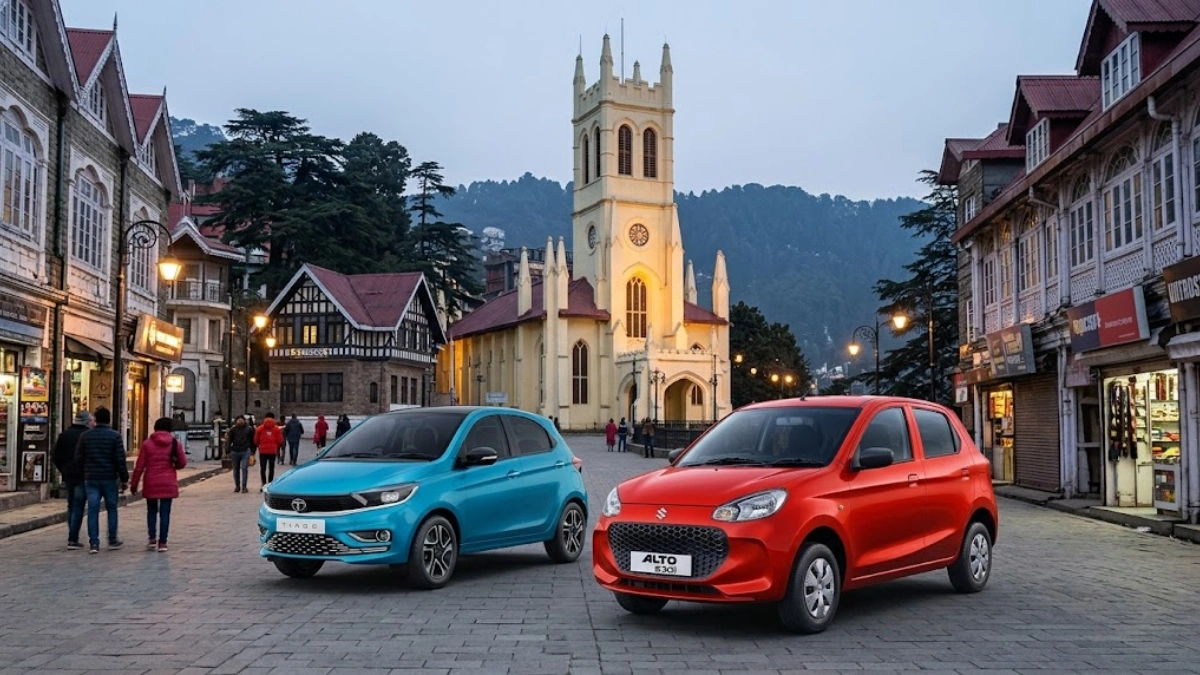
Alto K10 vs Tiago: Which Is Better?
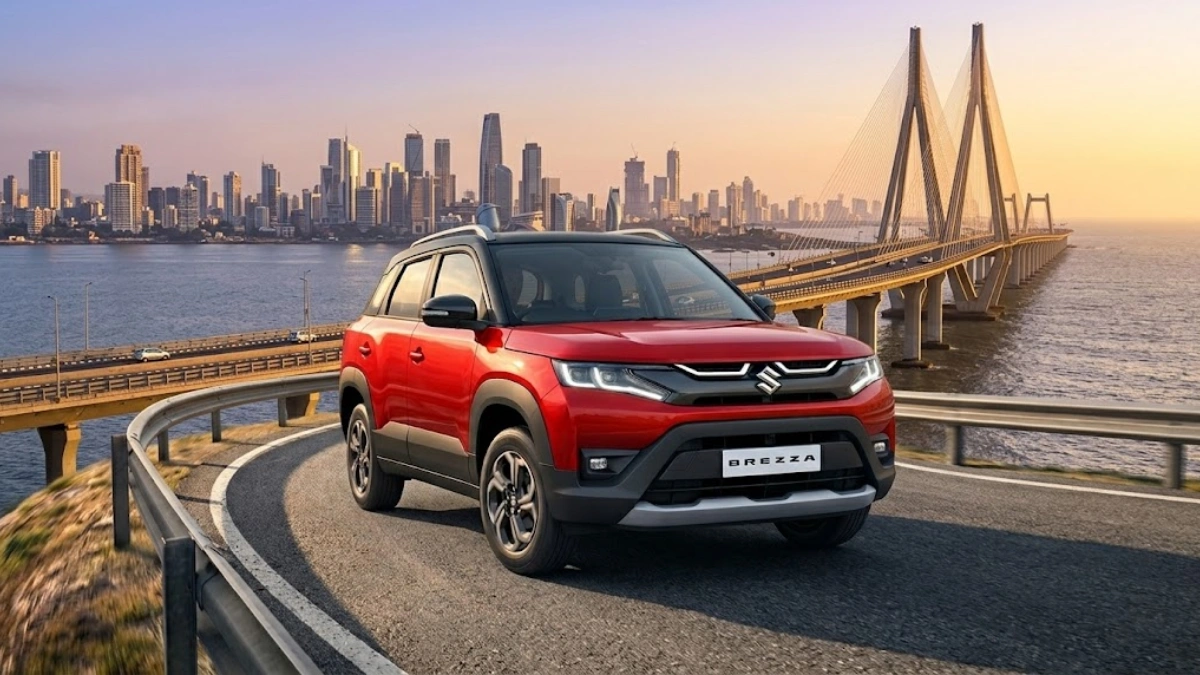
Maruti Brezza Facelift 2026: What's New Compared to the Current Model?
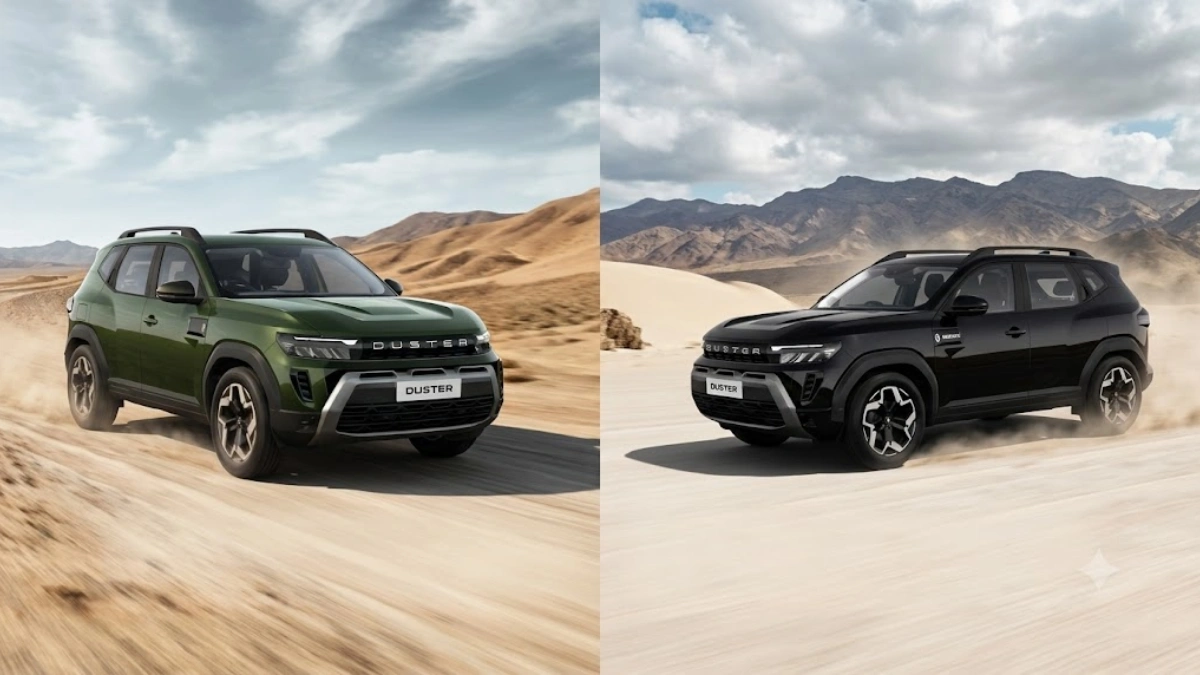
Renault Duster Adventure Edition vs Standard Duster: What's Different?
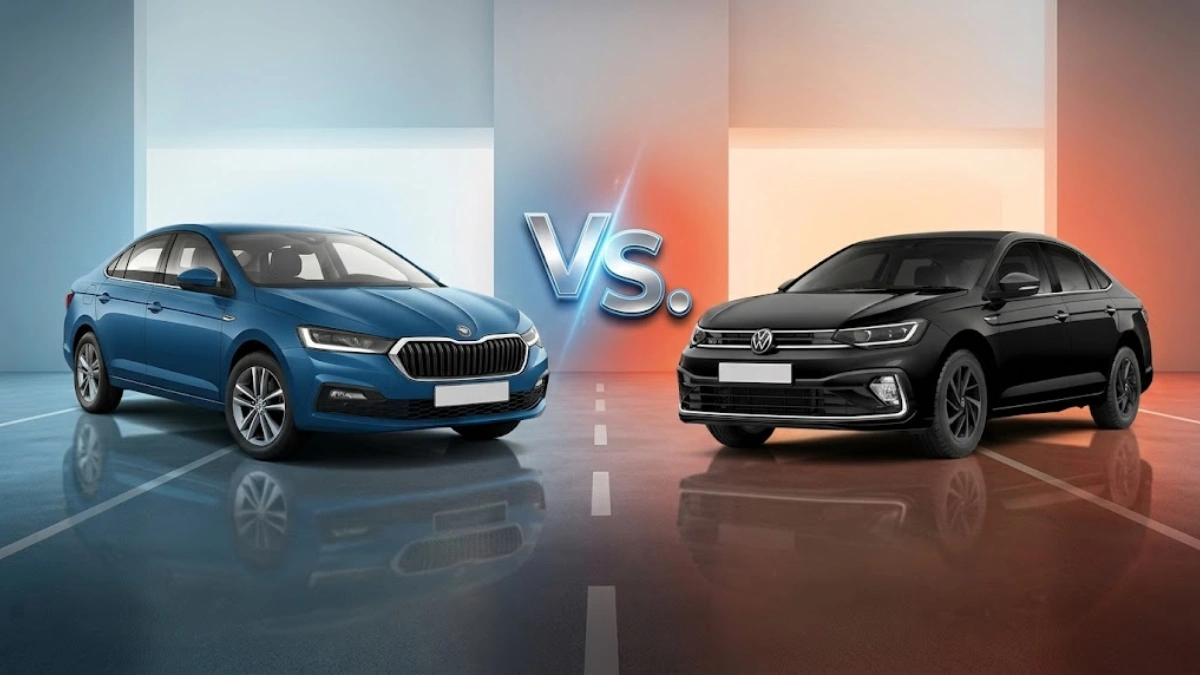
Skoda Slavia Facelift 2026 vs Volkswagen Virtus: Which Sedan Should You Wait For?
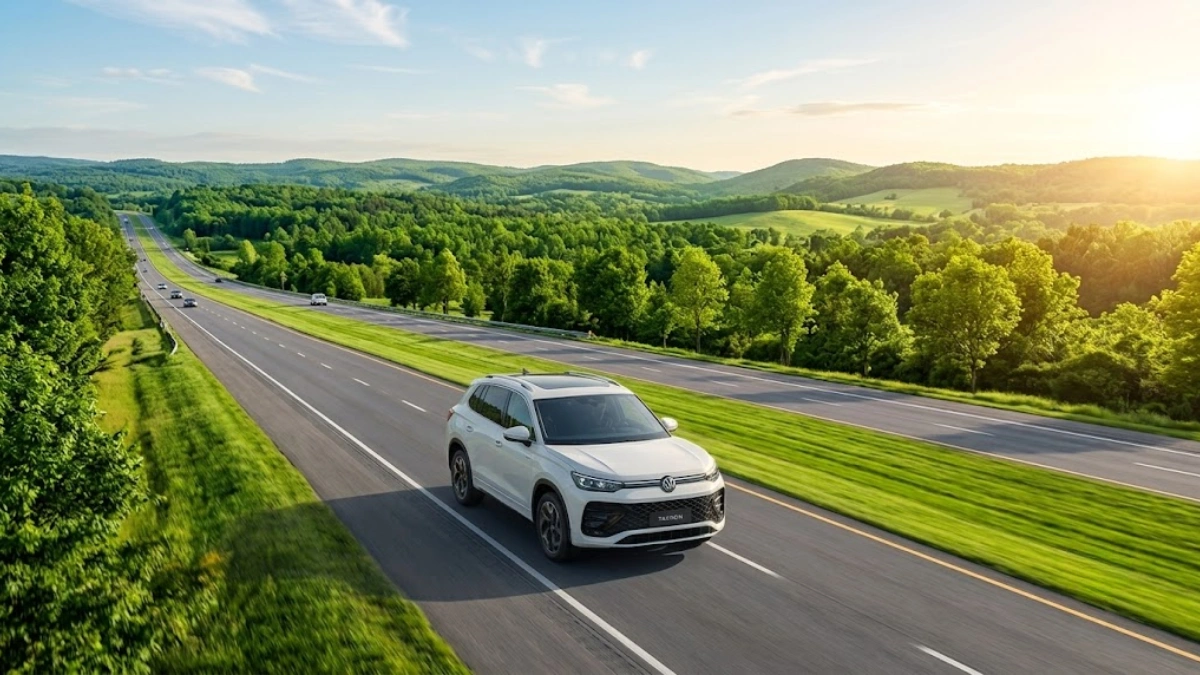
Volkswagen Tayron Life Launched in India at ₹41.99 Lakh
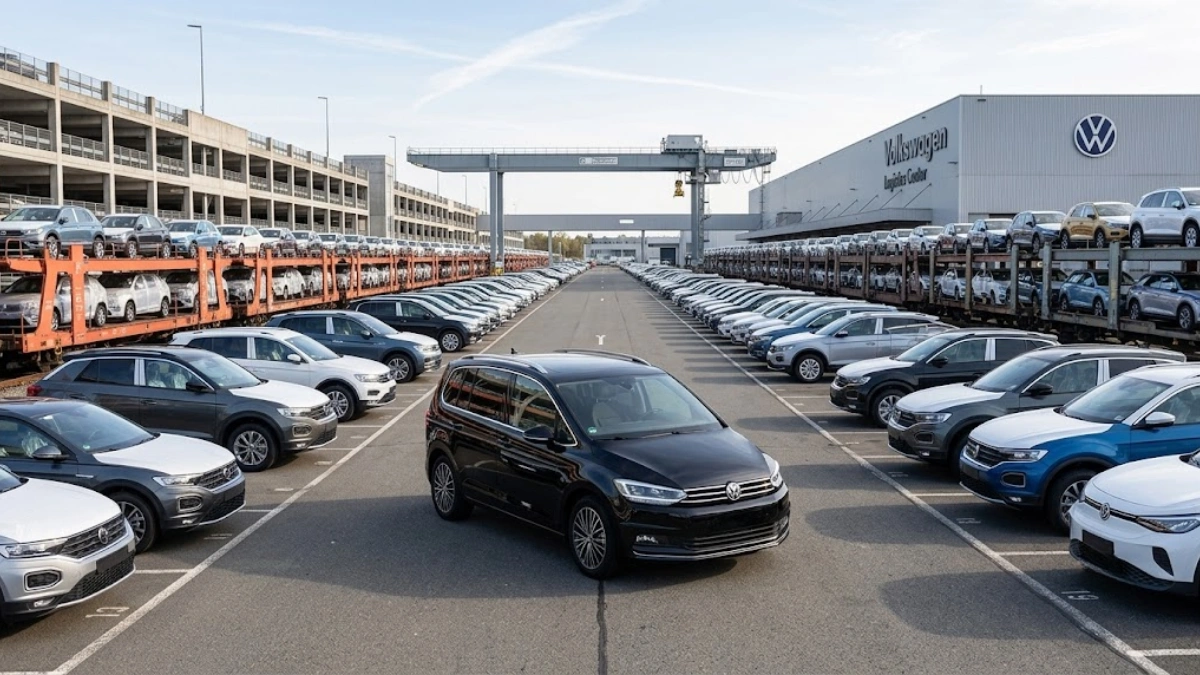
Volkswagen Announces 50% Reduction In Global Car Line-up
Tata Nexon Pure Plus : Know Everything Before Buying in July