
How to Protect Your Car from Heat This Summer | Practical Car Care Tips
- Cars
- Published: 17 Jun, 2026
Book a Test Drive
Free doorstep test drive at your convenience
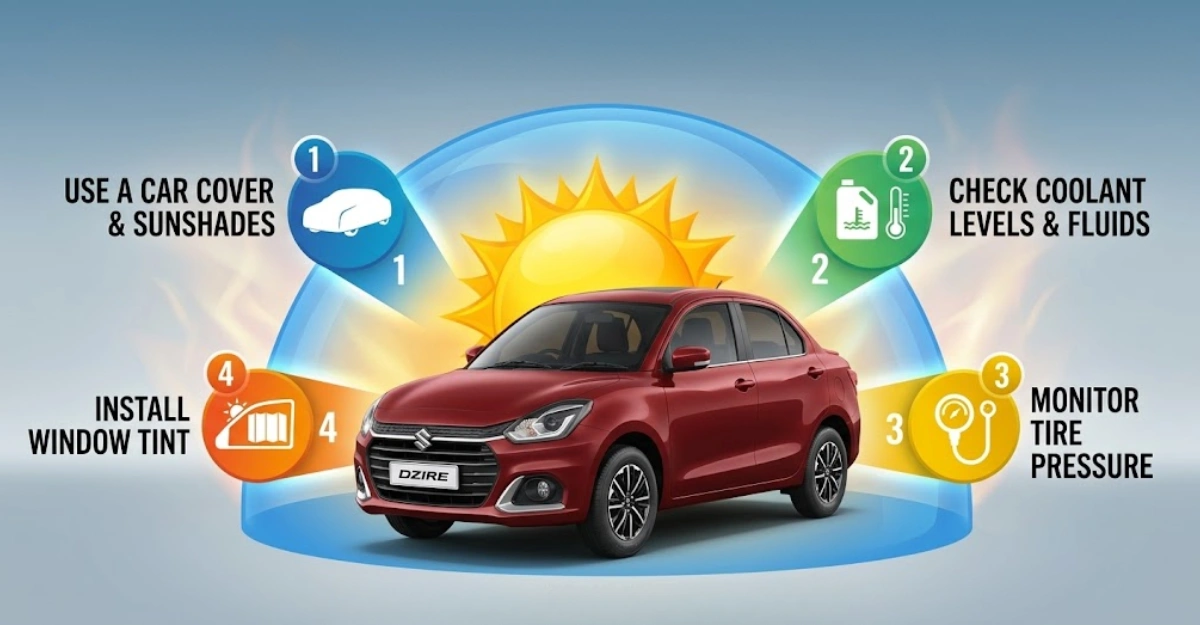
Summer isn't just uncomfortable for drivers—it's one of the toughest seasons for cars too. When temperatures soar above 40°C, a vehicle parked under direct sunlight can quickly turn into an oven. The scorching heat doesn't only make the cabin unbearable; it can also affect your car's paint, battery, tyres, dashboard, air-conditioning system, and overall performance. The good news is that protecting your car from extreme summer heat doesn't require expensive modifications. A few practical precautions and smart habits can keep your vehicle looking good, running efficiently, and staying comfortable throughout the season.
1. Park Smart — Shade Is Your Best Friend
The simplest and most effective thing you can do is park in the shade. A car sitting in direct sunlight can reach interior temperatures of 60–80°C (140–175°F) within minutes. Look for tree cover, building shadows, or covered parking structures whenever possible. If you park on the street, even rotating your car so the sun hits the rear instead of the windshield makes a difference — your dashboard and steering wheel take the worst of it.
2. Use a Windshield Sun Shade — Every Single Time
A reflective sunshade placed behind your windshield can reduce interior temperatures by 15–20°C. This is one of the cheapest investments you'll ever make for your car (₹300–₹800 for a decent one) and it pays off instantly. Go for the accordion-fold type — they're easy to store and durable. If you can find one that covers the rear window too, even better. The dashboard, steering wheel, and gear shifter will thank you.
3. Crack the Windows — Just a Little
Leaving your windows open a centimetre or two creates a convection effect that lets hot air escape and prevents the greenhouse buildup inside. Most modern cars with keyless systems let you do this remotely. Don't open them wide enough for rain or security concerns — a small gap is all you need to dramatically cut down heat accumulation.
4. Use a Steering Wheel Cover or Wrap It in a Cloth
A black leather or synthetic steering wheel left in the sun can hit temperatures of 70°C+, making it genuinely painful to hold. A light-coloured steering wheel cover or simply draping a small towel over it before you leave the car is a zero-cost fix. Same goes for your gear shifter if it's metal or dark plastic.
5. Get Your Windows Tinted (Legally)
Quality automotive window tinting blocks 35–65% of solar heat and up to 99% of UV radiation. This protects your interior from fading, cracking, and warping — and makes the cabin significantly cooler when you return. In India, the legal limit is 70% VLT (Visible Light Transmission) for front windows and 50% for rear. Go to a reputable shop and get ceramic or carbon tint — cheap dyed films bubble and peel within a year.
6. Protect Your Car's Paint with Wax or Ceramic Coating
The sun's UV rays oxidise your car's paint, causing it to fade, chalk, and lose its shine over time. A good paste wax applied every 3 months creates a sacrificial protective layer. If you want something longer-lasting, a ceramic coating (applied professionally or via a DIY kit) bonds to the paint and provides UV protection for 1–3 years. It also makes washing far easier — heat-baked dust and bird droppings come off with minimal effort.
7. Check Your Tyre Pressure Regularly
Heat causes air inside tyres to expand. For every 10°C rise in temperature, tyre pressure increases by roughly 1–2 PSI. If your tyres were already slightly over-inflated, summer heat can push them into the danger zone — increasing blowout risk, especially on hot highways. Check your tyre pressure in the morning when the tyres are cold, and follow the manufacturer's recommended PSI (usually listed inside the driver's door frame). Don't bleed air just because it's high — that's normal thermal expansion.
8. Never Ignore Your Coolant System
The cooling system is what stands between your engine and catastrophic overheating. Before summer sets in, check your coolant level and condition. Old coolant loses its anti-boil and anti-corrosion properties. Flush and replace it if it's been more than 2 years or 40,000 km. Also inspect your radiator hoses for cracks or soft spots — heat accelerates rubber degradation. A ₹500 coolant flush is infinitely cheaper than a blown head gasket.
9. Watch Your Car Battery
Car batteries hate extreme heat even more than extreme cold. Heat accelerates the chemical reactions inside the battery, causing water in the electrolyte to evaporate and internal corrosion to worsen. If your battery is older than 3 years, get it load-tested before summer. Keep the terminals clean of white/blue corrosion buildup (a baking soda + water solution cleans it well). Park in shade whenever possible — a cooler under-bonnet environment directly extends battery life.
10. Condition Your Leather and Dashboard Regularly
UV radiation and heat dry out leather seats, causing them to crack, and they make plastic dashboards fade and become brittle over time. Use a UV-protectant dashboard spray every month during summer. For leather seats, a quality leather conditioner prevents the drying and cracking that summer heat accelerates. Light-coloured seat covers are also worth considering — they reflect heat and keep the seats cooler to sit on.
11. Run the AC Correctly — Don't Just Blast It Cold
When you get into a scorching hot car, don't immediately switch the AC to max cold with windows up. First, open all windows for 30–60 seconds to vent the trapped hot air. Then close windows and set the AC to recirculation mode with moderate cooling. This works far faster and puts less strain on the compressor. Also get your AC serviced before peak summer — check refrigerant levels, clean the cabin air filter, and inspect the compressor belt.
12. Don't Leave These Things in a Hot Car
This is as much a safety tip as a car care one. Never leave these in a parked car during summer: aerosol cans (they can explode), lighters, sunscreen (can combust at high temps), medications (heat degrades them), glasses with thick lenses (can focus sunlight and start fires), and of course, children or pets. Even a phone or laptop left in direct sunlight on a hot seat can overheat, warp, or suffer battery damage.
Final Thought
Protecting your car from summer heat isn't about doing one big thing — it's about stacking several small, consistent habits. A sunshade here, a monthly wax there, tyre pressure checks, and smart parking choices collectively add years to your car's life and thousands to its resale value. The Indian summer is unforgiving — but with the right approach, your car doesn't have to suffer for it.
Book a Test Drive
Free doorstep test drive at your convenience
Popular Brands





Latest Car News
Upcoming Cars in September 2026 in India: New Cars, Launch Dates & Expected Prices
MG Hector Hawk SUV vs Tata Harrier: Expected Price, Features & Key Differences
Skoda Superb Diesel in India: Will the Diesel Engine Make a Comeback?
Tata Punch Becomes India's Best-Selling SUV in July 2026 with 21,313 Units Sold

Car Sales Report July 2026: Maruti Remains No.1, Tata, Mahindra & Hyundai Record Strong Growth
Tata Curvv EV Discount August 2026: Save Big with Limited-Time Offers
Kia Sorento Booking in India: Launch Date, Price & Booking Process
Skoda Slavia Facelift Launch Date in India
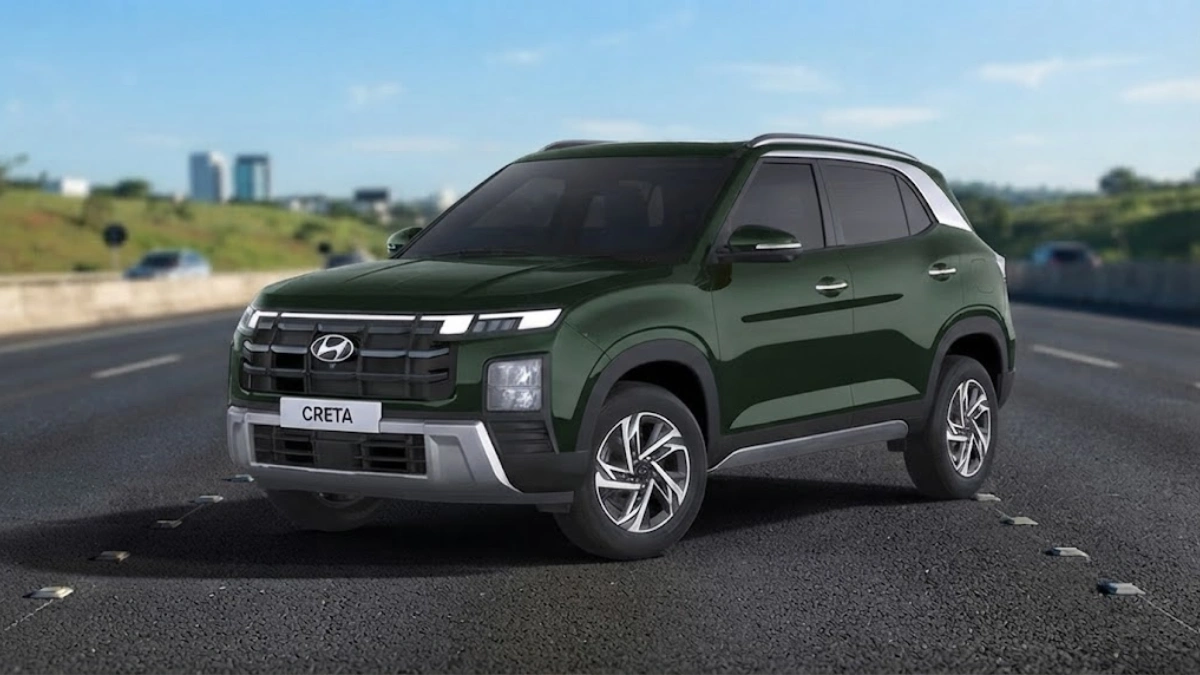
Hyundai Creta Next Gen Upgrades: Biggest Changes Expected
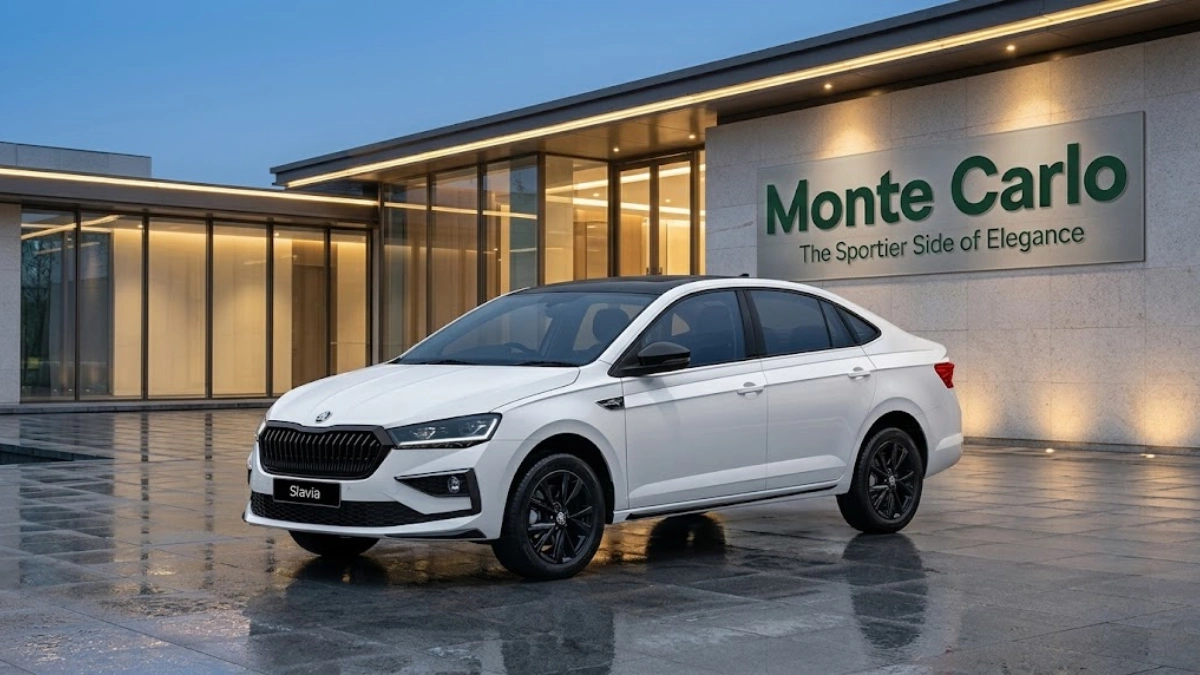
Limited Edition Skoda Slavia Monte Carlo Adds New Colours for 200 Buyers Only
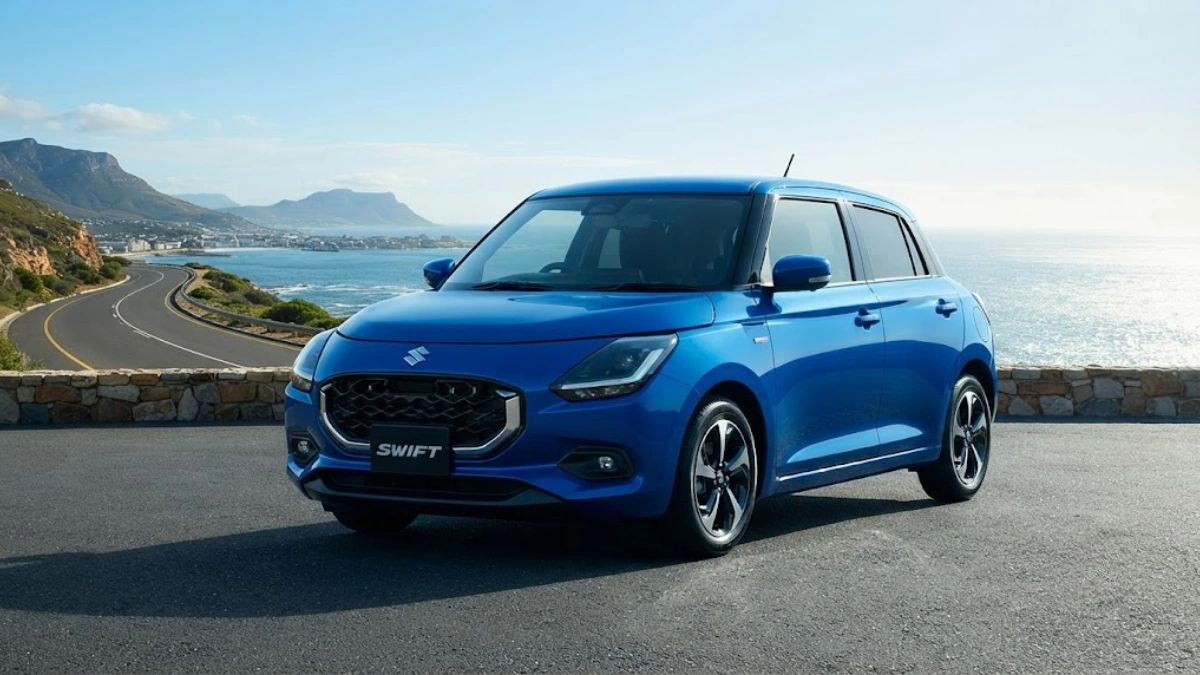
Suzuki Loses India Market Share as Buyers Demand More Features
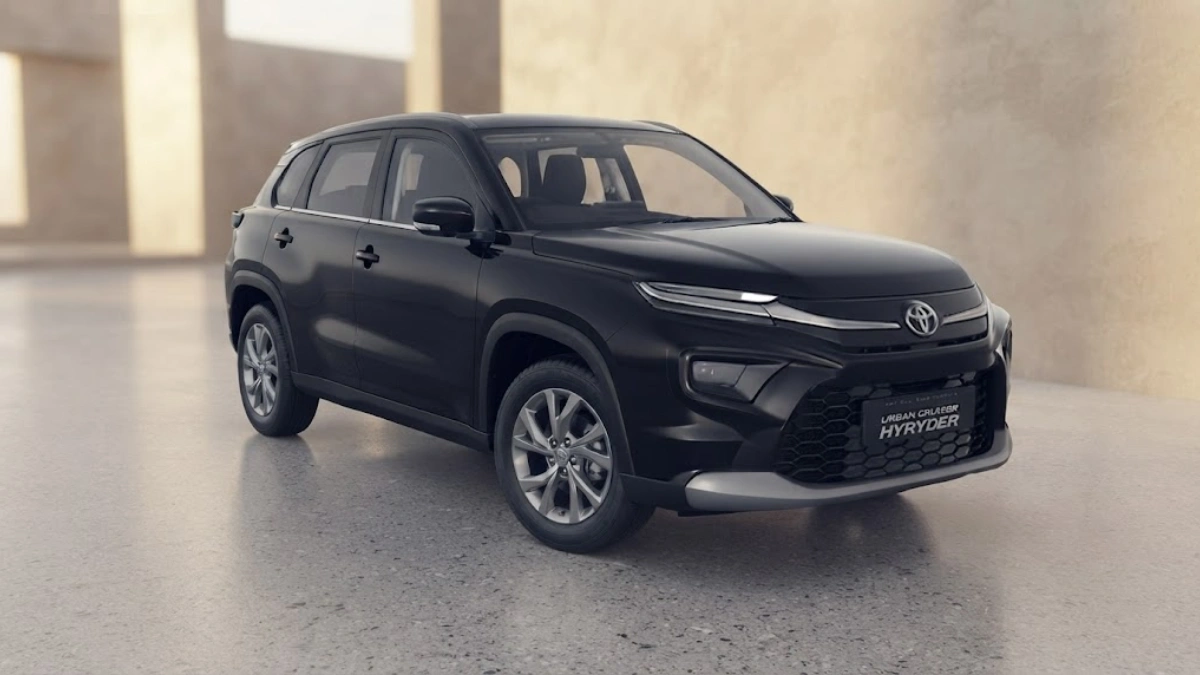
Hybrid Car Sales Decline 8% in June 2026: Complete Analysis
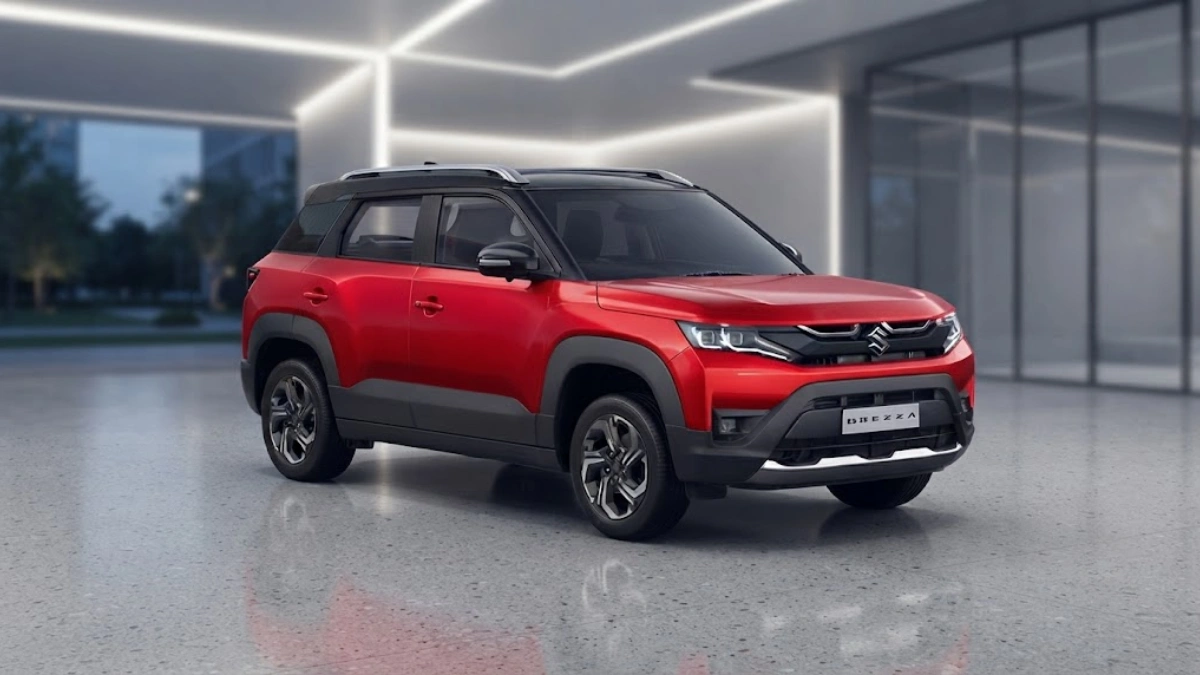
How to Book Maruti Brezza Facelift: Complete Booking Guide
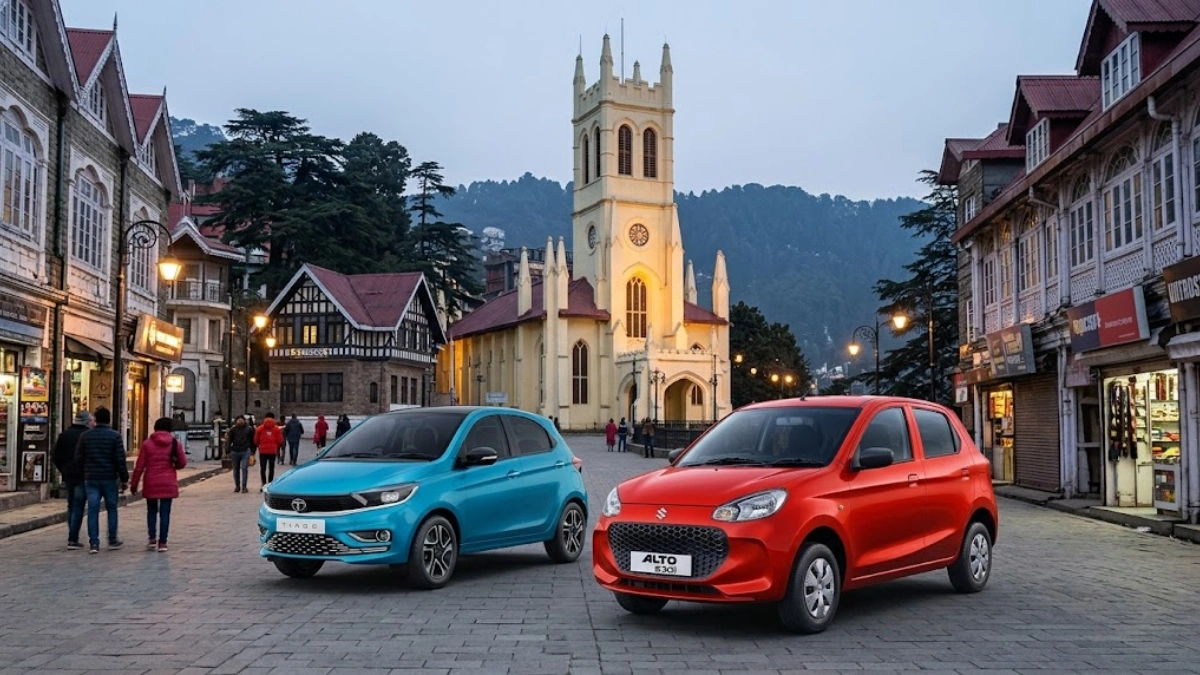
Alto K10 vs Tiago: Which Is Better?
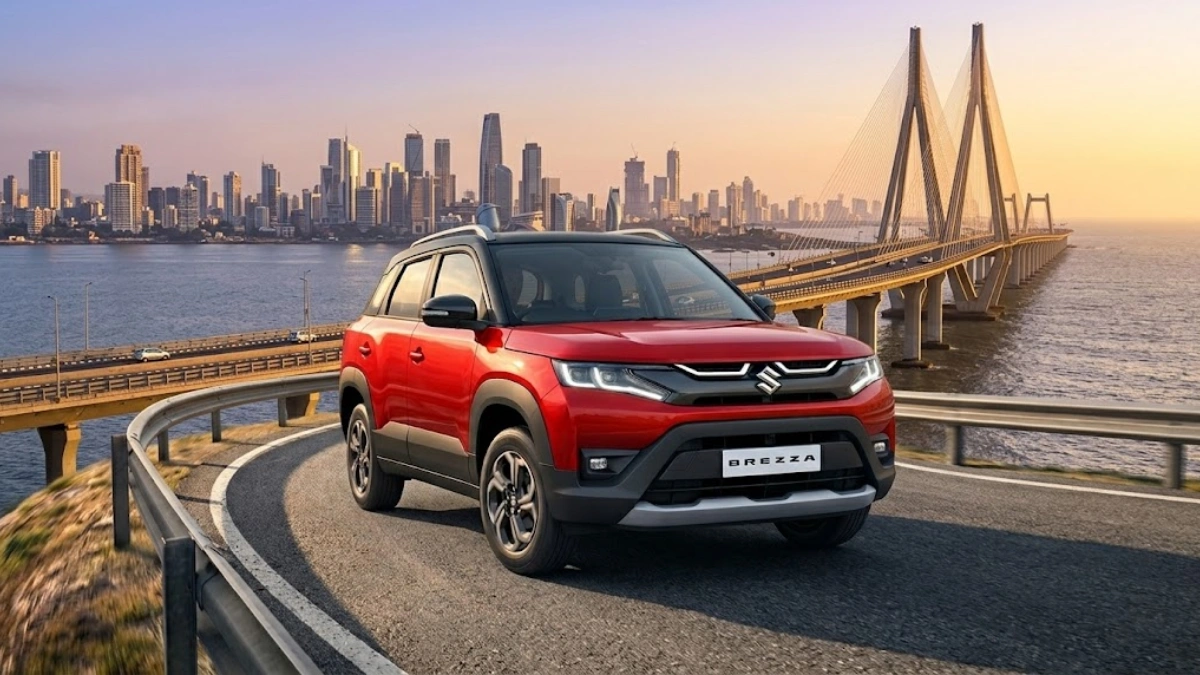
Maruti Brezza Facelift 2026: What's New Compared to the Current Model?
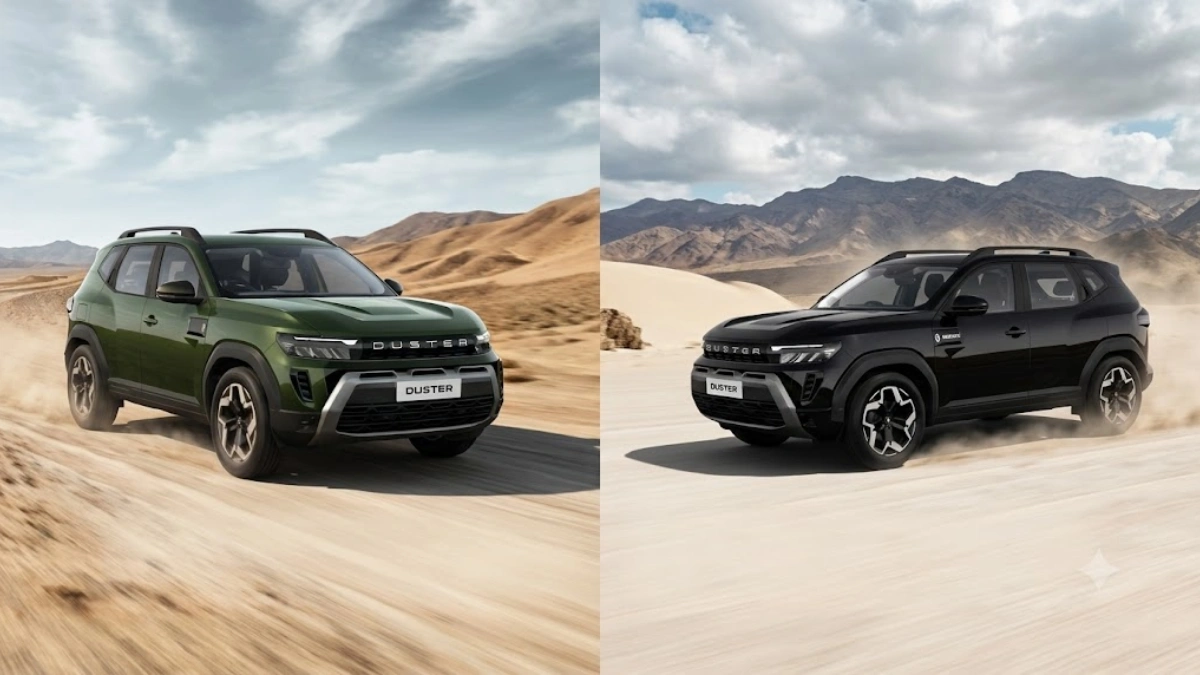
Renault Duster Adventure Edition vs Standard Duster: What's Different?

Skoda Slavia Facelift 2026 vs Volkswagen Virtus: Which Sedan Should You Wait For?
Volkswagen Tayron Life Launched in India at ₹41.99 Lakh
Volkswagen Announces 50% Reduction In Global Car Line-up
Tata Nexon Pure Plus : Know Everything Before Buying in July