Future Cars of India 2026: AR Windscreens, AI Co-Drivers & V2V Communication Arriving Soon!
- Cars
- Published: 10 Dec, 2025
Book a Test Drive
Free doorstep test drive at your convenience
India’s automotive industry is on the brink of a massive transformation. By 2026, cars will no longer be just machines for travel—instead, they will function as smart companions, packed with cutting-edge technologies previously seen only in luxury international models. From AR windshields to AI-powered co-drivers and Vehicle-to-Vehicle (V2V) communication, the future of driving in India is about to become safer, smarter, and significantly more interactive.
Here’s a detailed look at how these futuristic features will redefine mobility in the coming years and what it means for Indian consumers.
1. Augmented Reality Windscreens: The Future of Driving Visibility
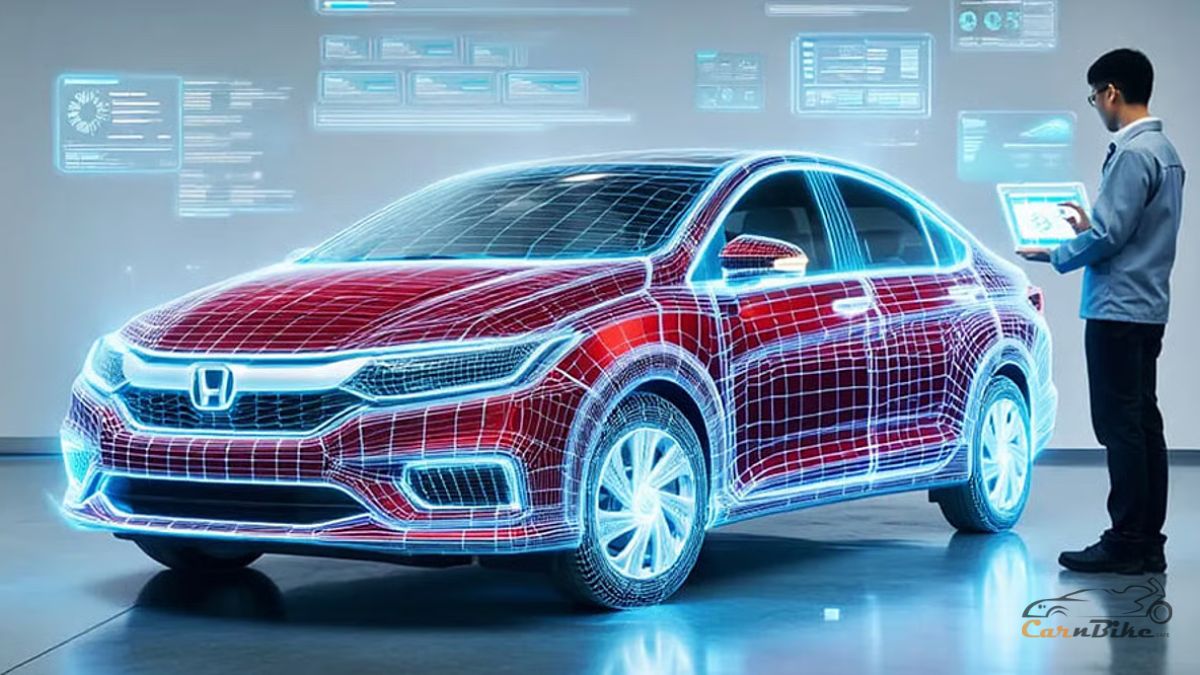
AR windscreens will be one of the biggest changes arriving in Indian cars by 2026. Instead of relying solely on dashboards and screens, drivers will get real-time driving data projected directly onto the windshield.
What AR Windscreens Can Display
- Speed, navigation arrows, and road warnings
- Lane guidance and traffic highlight areas
- Pedestrian or obstacle detection
- Directions overlayed on the road itself
This means no more taking your eyes off the road to check the screen. AR ensures safer, distraction-free driving, especially in crowded Indian cities.
Why It Matters for India
AR displays can help drivers navigate chaotic traffic, unknown terrains, and tricky highways more confidently. It’s expected especially in top models from Tata, Mahindra, Hyundai, and international brands entering India.
2. AI Co-Drivers: Your Smart Assistant Behind the Wheel
By 2026, in-car AI systems will become intelligent enough to function as co-drivers, helping with everything from navigation to safety.
What AI Co-Drivers Will Do
- Predictively warn about traffic, weather, and potential collisions
- Monitor driver fatigue and alert when attention drops
- Auto-adjust cabin comfort using sensors
- Provide voice-based driving suggestions
- Learn your driving pattern to optimize routes
Imagine having a smart assistant that thinks ahead, keeps you safe, and helps you drive better—all in real time.
Impact on Indian Roads
AI co-drivers will be extremely useful during long journeys, late-night drives, and dense city traffic. They reduce human error, making every drive safer.
3. V2V Communication: Cars Talking to Each Other
Vehicle-to-Vehicle (V2V) communication will revolutionize road safety in India. Cars will use wireless signals to exchange information instantly, preventing accidents before they happen.
What V2V Enables
- Real-time alert about sudden braking by vehicles ahead
- Warning about blind spots or fast-approaching vehicles
- Collision avoidance at signals and intersections
- Automatically adjusting speed to traffic flow
Benefits for Indian Drivers
With unpredictable traffic, sudden lane changes, and high accident rates, V2V-enabled cars could significantly reduce crash risks and make highways far safer.
Other Future Features Expected in Indian Cars by 2026
1. Biometric Entry & Start
Fingerprints, face unlock, and retina scans replacing physical keys.
2. Smart Cabin Controls
Gesture-based AC, music, and navigation controls.
3. Solar Roof Charging
Supplementary solar panels to enhance battery life in EVs.
4. Fully Digital Driving Clusters
Customizable dashboards with 3D graphics and live data.
5. Level 2+ and Level 3 ADAS
Advanced autonomous driving features for safer long-distance travel.
Why Choose Future-Ready Cars in 2026?
1. Maximum Safety
AR displays, AI co-drivers, and V2V communication drastically reduce human errors and collisions.
2. Smarter Daily Driving
Navigation becomes easier, long drives become more comfortable, and city traffic becomes more manageable.
3. Higher Resale Value
Cars with future tech hold better resale value because they stay relevant longer.
4. Better Connectivity
Smartphones, apps, sensors, and cloud connect your car seamlessly with your lifestyle.
5. Environment-Friendly Improvements
Improved EV range, solar charging, and AI-based efficiency boost contribute to cleaner mobility.
Conclusion
The year 2026 will mark a turning point for the Indian automotive industry. Cars equipped with AR windscreens, AI co-drivers, and V2V connectivity will shift driving from a mechanical activity to a high-tech experience. These innovations will not only boost safety but also enhance convenience, personalize driving, and create smarter travel ecosystems across India.
As manufacturers upgrade platforms and invest heavily in technology, future-ready cars will soon become the new standard. The road ahead is undeniably exciting—our cars will evolve into intelligent partners, shaping the next era of mobility in India.
FAQ
Q1. What is an AR windscreen in cars?
A: It’s a windshield that displays real-time data like speed, directions, hazards, and navigation directly onto the glass using augmented reality.
Q2. What does an AI co-driver do?
A: It assists the driver by predicting hazards, monitoring fatigue, optimizing routes, and providing smart guidance using artificial intelligence.
Q3. How does V2V communication work?
A: Cars exchange real-time information (speed, direction, braking) using wireless signals to prevent accidents and improve traffic flow.
Q4. Will these features be expensive?
A: Initially, they’ll appear in premium models, but by 2026, many brands will offer them in mid-range vehicles as technology becomes affordable.
Q5. Are these technologies suitable for Indian roads?
A: Yes. They are designed to reduce accidents, enhance navigation, and handle complex traffic scenarios—making them ideal for Indian conditions.
Book a Test Drive
Free doorstep test drive at your convenience
Popular Brands





Latest Car News
Upcoming Cars in September 2026 in India: New Cars, Launch Dates & Expected Prices
MG Hector Hawk SUV vs Tata Harrier: Expected Price, Features & Key Differences
Skoda Superb Diesel in India: Will the Diesel Engine Make a Comeback?
Tata Punch Becomes India's Best-Selling SUV in July 2026 with 21,313 Units Sold
Car Sales Report July 2026: Maruti Remains No.1, Tata, Mahindra & Hyundai Record Strong Growth
Tata Curvv EV Discount August 2026: Save Big with Limited-Time Offers
Kia Sorento Booking in India: Launch Date, Price & Booking Process
Skoda Slavia Facelift Launch Date in India
Hyundai Creta Next Gen Upgrades: Biggest Changes Expected
Limited Edition Skoda Slavia Monte Carlo Adds New Colours for 200 Buyers Only
Suzuki Loses India Market Share as Buyers Demand More Features
Hybrid Car Sales Decline 8% in June 2026: Complete Analysis
How to Book Maruti Brezza Facelift: Complete Booking Guide
Alto K10 vs Tiago: Which Is Better?
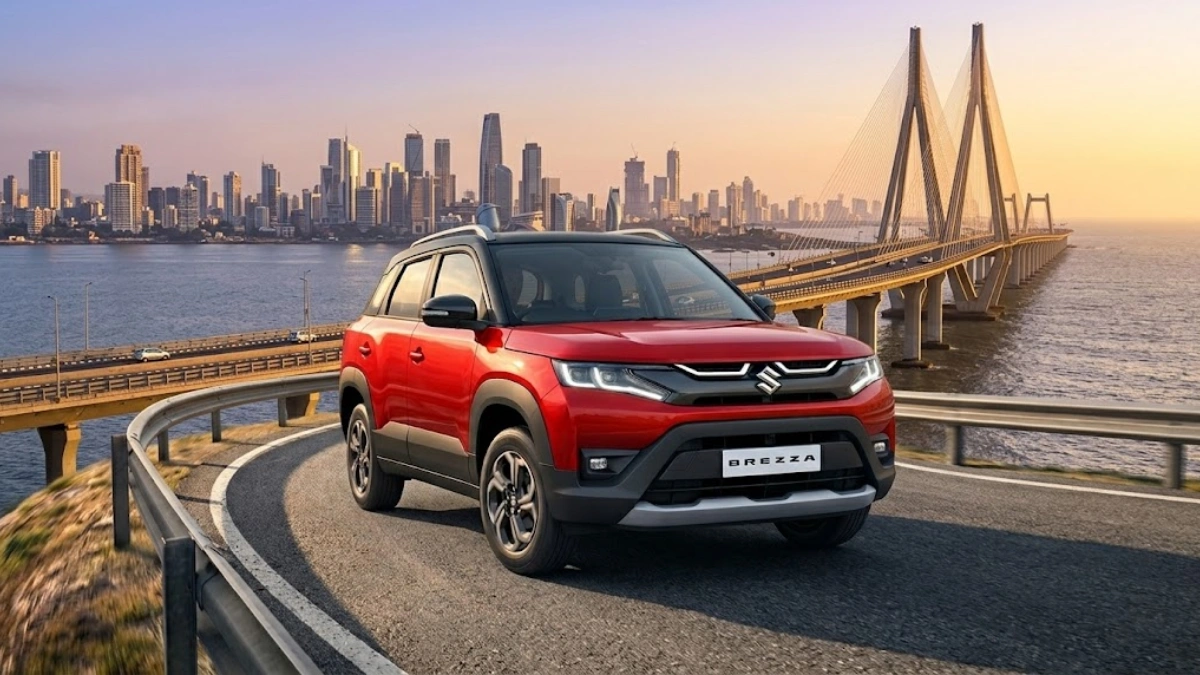
Maruti Brezza Facelift 2026: What's New Compared to the Current Model?
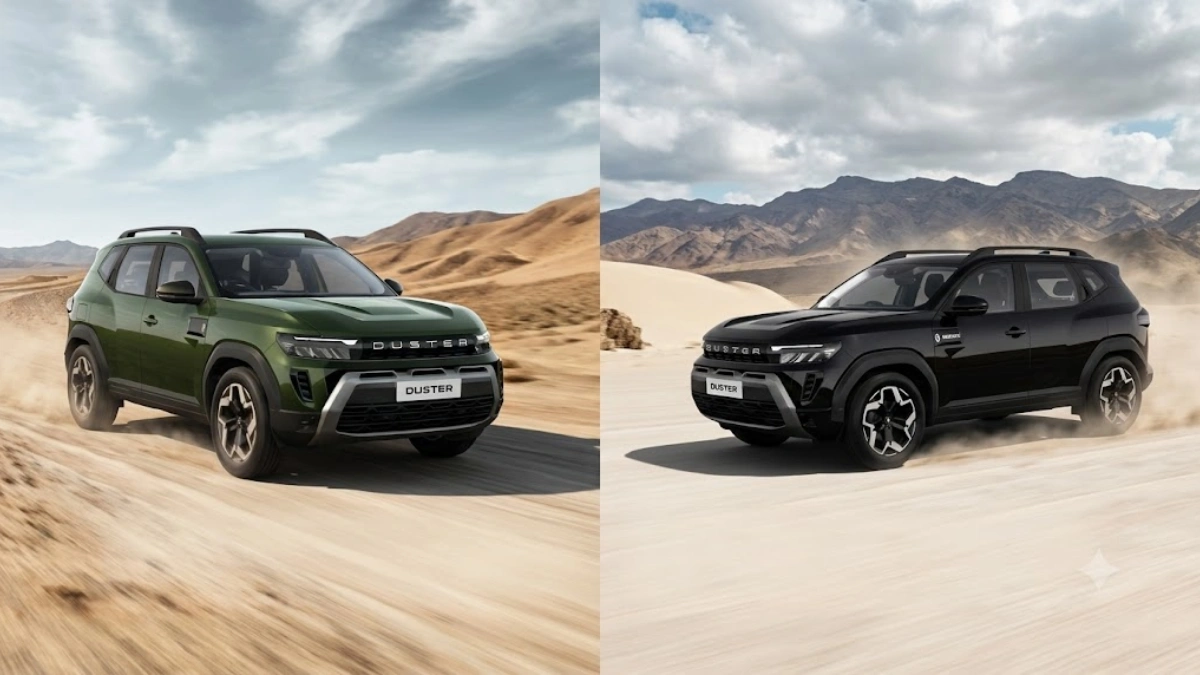
Renault Duster Adventure Edition vs Standard Duster: What's Different?
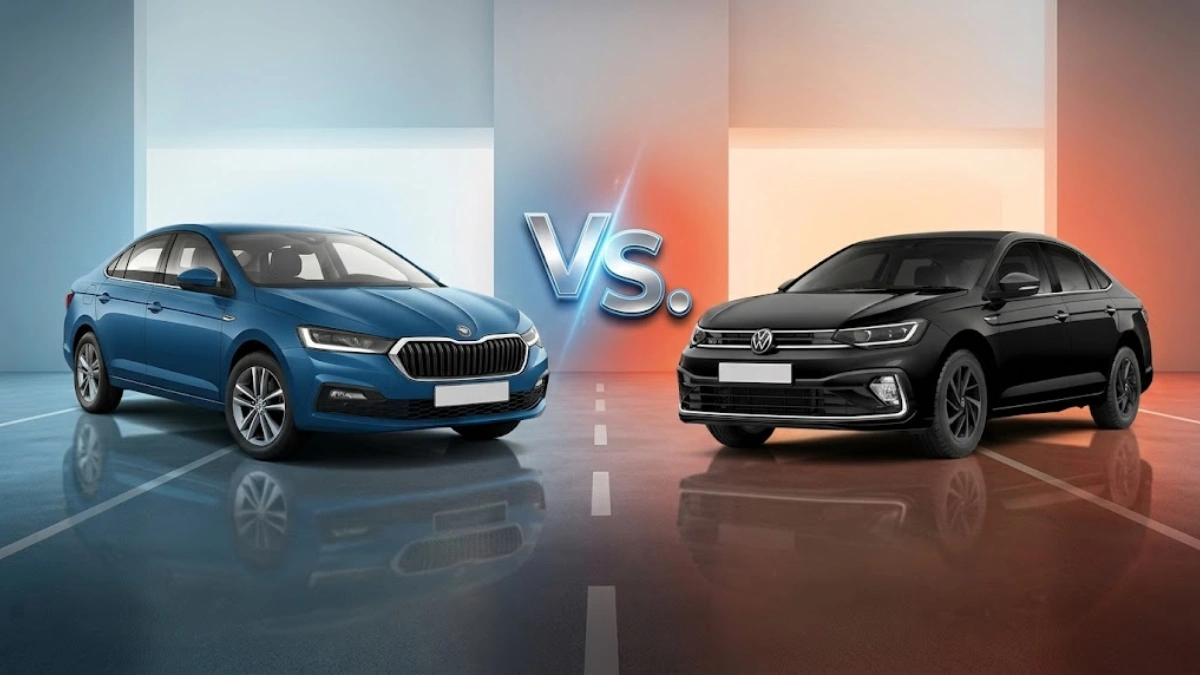
Skoda Slavia Facelift 2026 vs Volkswagen Virtus: Which Sedan Should You Wait For?
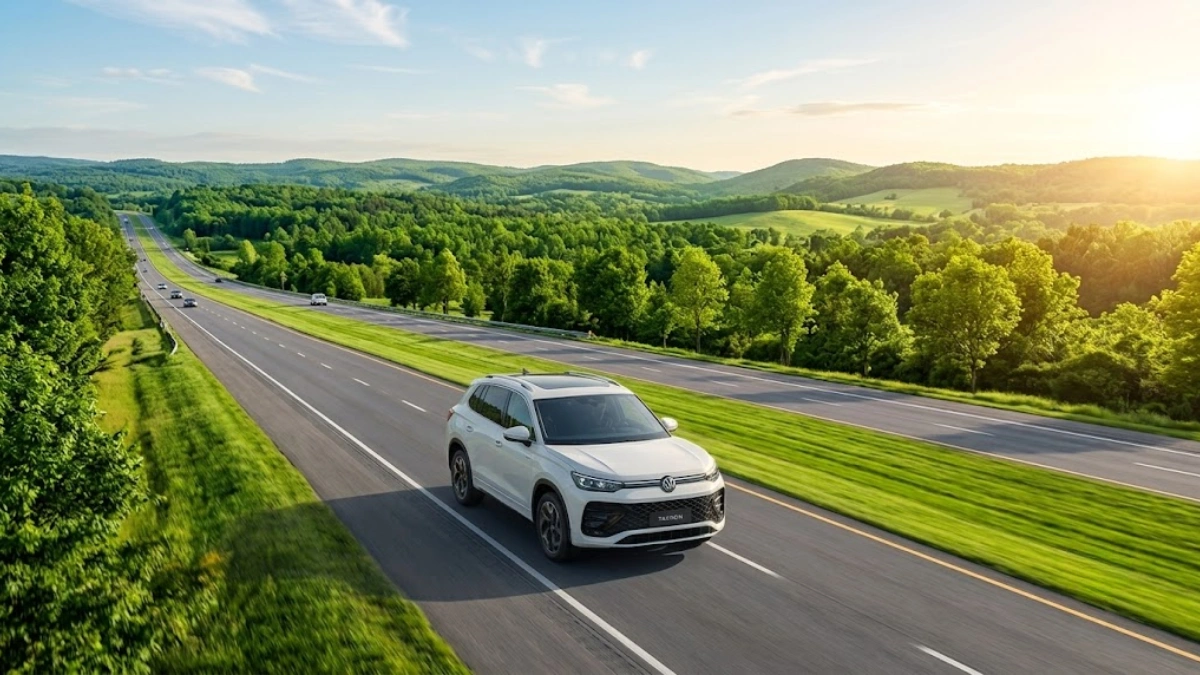
Volkswagen Tayron Life Launched in India at ₹41.99 Lakh
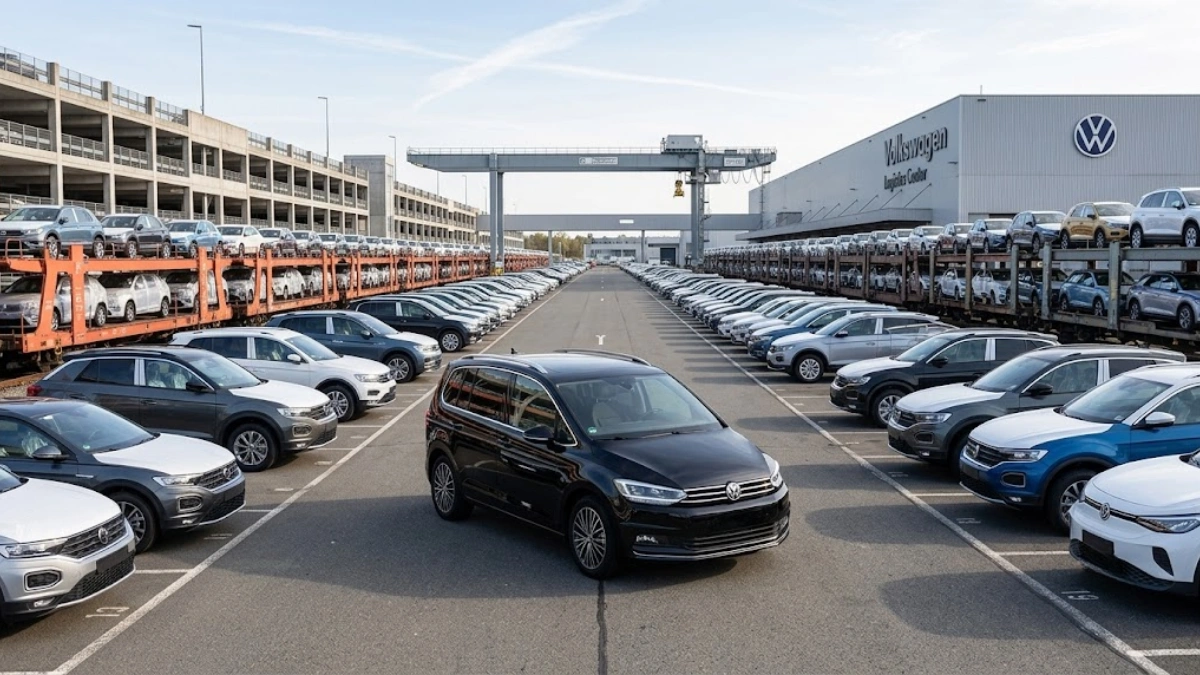
Volkswagen Announces 50% Reduction In Global Car Line-up
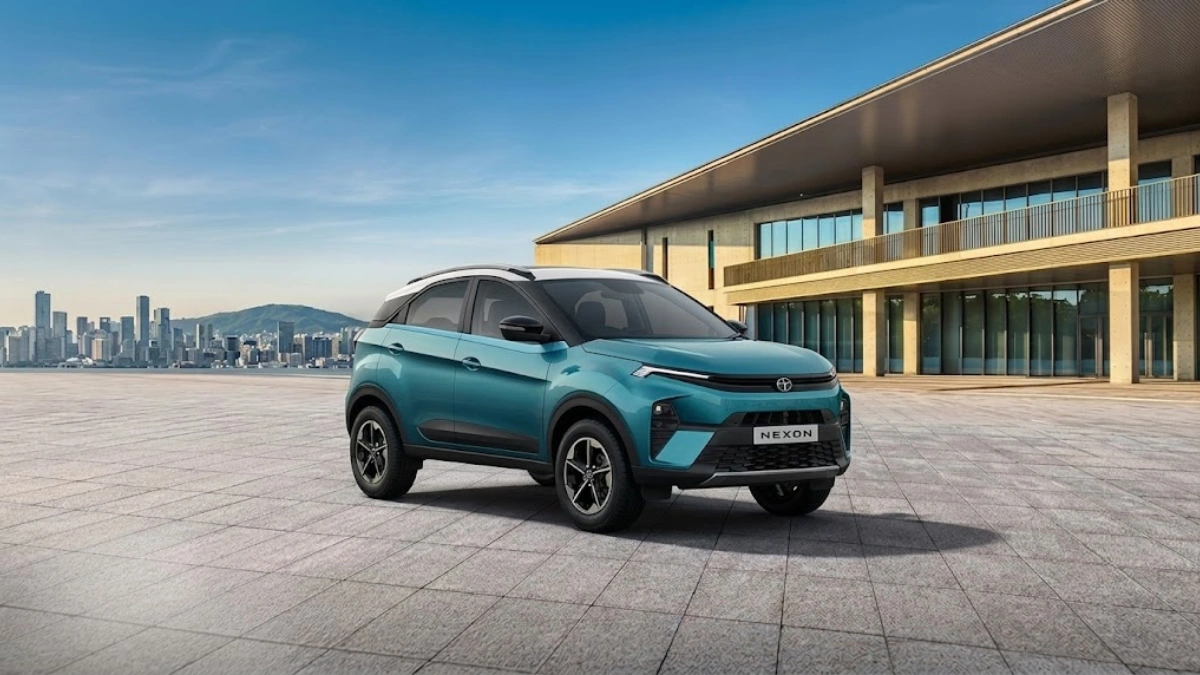
Tata Nexon Pure Plus : Know Everything Before Buying in July