Before 2026, the Way We Drive Cars Will Change Forever: 5 Features Never Seen in Any Car Before
- Cars
- Published: 29 Dec, 2025
Book a Test Drive
Free doorstep test drive at your convenience
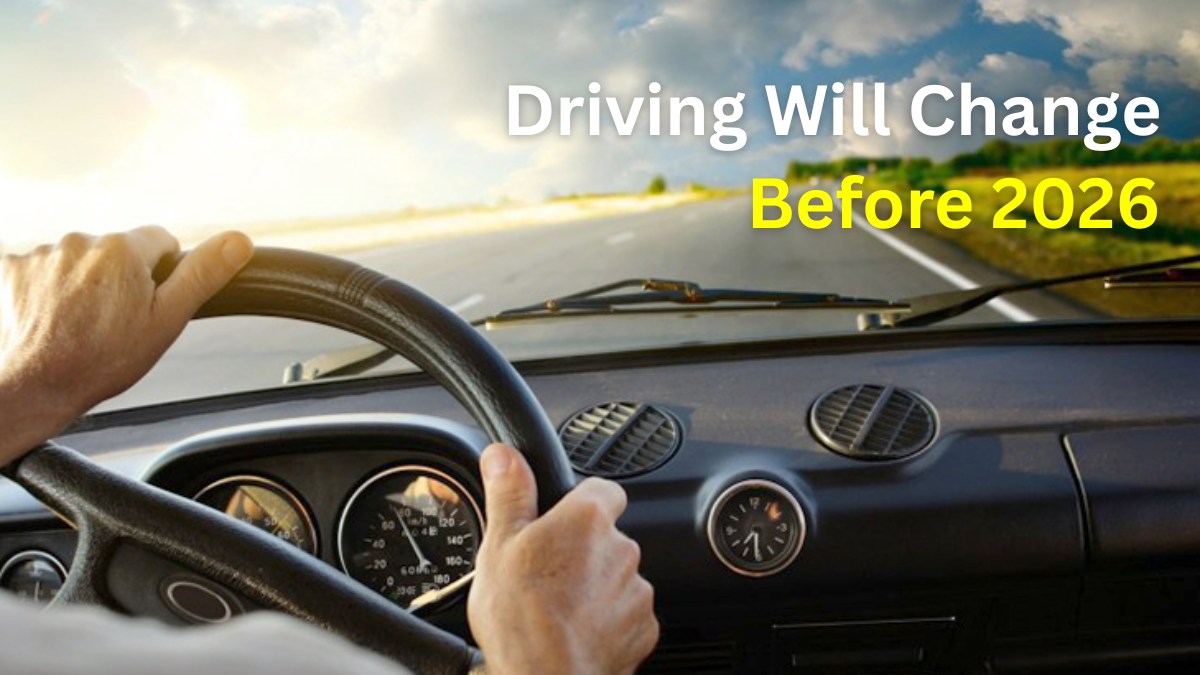
The automotive industry is standing at the edge of its biggest transformation ever. Before 2026, the way we drive cars will change forever, not because of one innovation, but because of several groundbreaking features working together. Cars will no longer be just machines that take us from one place to another—they will think, adapt, and even communicate with us like never before.
Let’s explore five revolutionary car features that are set to redefine driving and have never truly existed in cars before.
1. Emotion-Sensing AI That Understands the Driver
Future cars will not just respond to commands—they will read your emotions. Advanced sensors, cameras, and AI algorithms will analyze facial expressions, voice tone, eye movement, and even heart rate.
If the system detects stress or anger, it may:
- Adjust cabin lighting
- Play calming music
- Suggest a break or activate assisted driving modes
This emotional intelligence will make driving safer by reducing road rage and fatigue-related accidents.
2. Shape-Shifting Interiors
By 2026, car interiors will no longer be fixed. Using flexible materials and modular designs, seats, dashboards, and consoles will physically change shape based on driving mode.
For example:
- Commute mode: upright seating and productivity layout
- Relax mode: reclined seats and ambient lighting
- Autonomous mode: lounge-style cabin
This feature will transform cars into mobile living spaces rather than simple vehicles.
3. Predictive Navigation That Plans Your Life, Not Just Routes
Navigation systems will go far beyond maps. These next-gen systems will connect with your calendar, habits, traffic history, and weather forecasts to predict where you need to go before you ask.
Your car may:
- Suggest leaving early due to traffic
- Automatically reroute based on your mood or urgency
- Reserve parking or charging slots in advance
Driving will become proactive instead of reactive.
4. Cars That Heal Themselves
One of the most futuristic changes is self-healing vehicle technology. Using advanced polymers and nanomaterials, future cars will repair minor scratches, dents, and paint damage on their own.
Sensors will detect damage and activate:
- Heat-responsive paint
- Shape-memory materials
- Micro-repair chemical reactions
This will drastically reduce maintenance costs and keep cars looking new for years.
5. Seamless Human-Car Communication (No Screens Required)
Before 2026, physical screens will start disappearing. Cars will use augmented reality, voice AI, and gesture recognition to communicate.
Features include:
- AR navigation projected directly onto the windshield
- Hand gestures to control music or calls
- Natural conversations instead of rigid commands
Driving will feel intuitive, immersive, and distraction-free.
Why Choose These Future-Ready Cars?
Choosing a car with next-generation features is not just about luxury—it’s about safety, efficiency, and lifestyle upgrade.
Key benefits include:
- Reduced accident risks through AI assistance
- Better mental well-being with emotion-aware systems
- Lower maintenance costs due to self-healing materials
- Time savings through predictive navigation
- More comfort and personalization than ever before
These innovations are designed to make driving smarter, safer, and more human.
Conclusion
Before 2026, the way we drive cars will change forever. Vehicles will no longer be passive machines—they will become intelligent companions that understand us, protect us, and adapt to our needs. From emotion-sensing AI to self-healing bodies and shape-shifting interiors, these features will redefine mobility as we know it.
The future of driving isn’t coming—it’s almost here. And when it arrives, cars will no longer just move us forward; they will move with us.
FAQs
Q1. Will these features be available in affordable cars?
Initially, they may appear in premium models, but as technology matures, mass-market vehicles will adopt them too.
Q2. Are these features safe to rely on?
Yes. They are being developed with strict safety testing, redundancy systems, and AI learning safeguards.
Q3. Will traditional driving still be possible?
Absolutely. Drivers will always have manual control, with advanced features acting as support systems.
Q4. Do these technologies require constant internet connectivity?
Some features use cloud data, but most critical functions will work offline for safety.
Q5. When will these cars be available in India?
Several features are expected to reach Indian roads between 2025 and 2026, starting with EVs and premium segments.
Book a Test Drive
Free doorstep test drive at your convenience
Popular Brands





Latest Car News
Upcoming Cars in September 2026 in India: New Cars, Launch Dates & Expected Prices
MG Hector Hawk SUV vs Tata Harrier: Expected Price, Features & Key Differences
Skoda Superb Diesel in India: Will the Diesel Engine Make a Comeback?
Tata Punch Becomes India's Best-Selling SUV in July 2026 with 21,313 Units Sold
Car Sales Report July 2026: Maruti Remains No.1, Tata, Mahindra & Hyundai Record Strong Growth
Tata Curvv EV Discount August 2026: Save Big with Limited-Time Offers
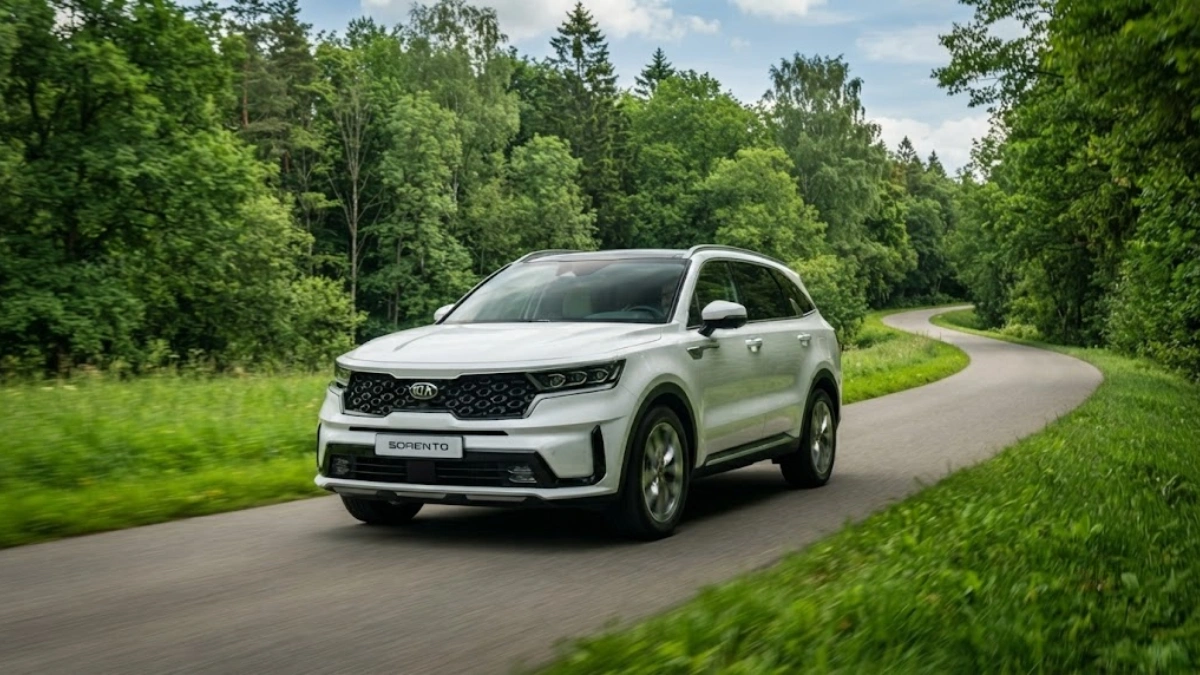
Kia Sorento Booking in India: Launch Date, Price & Booking Process
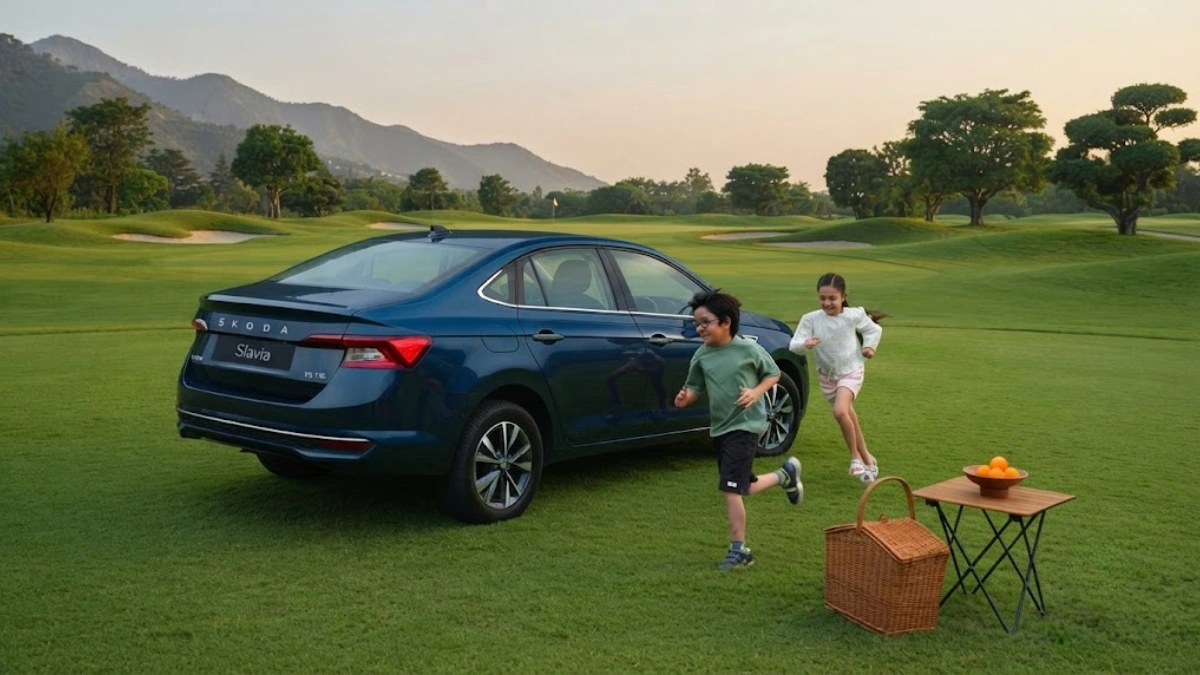
Skoda Slavia Facelift Launch Date in India
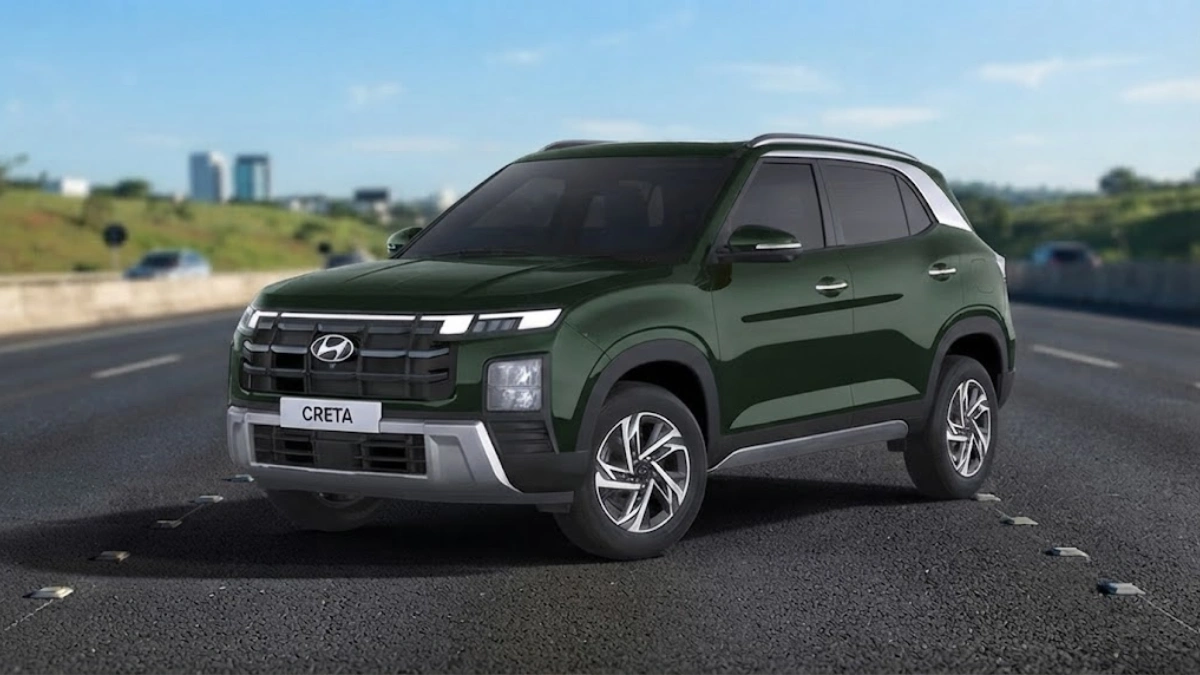
Hyundai Creta Next Gen Upgrades: Biggest Changes Expected
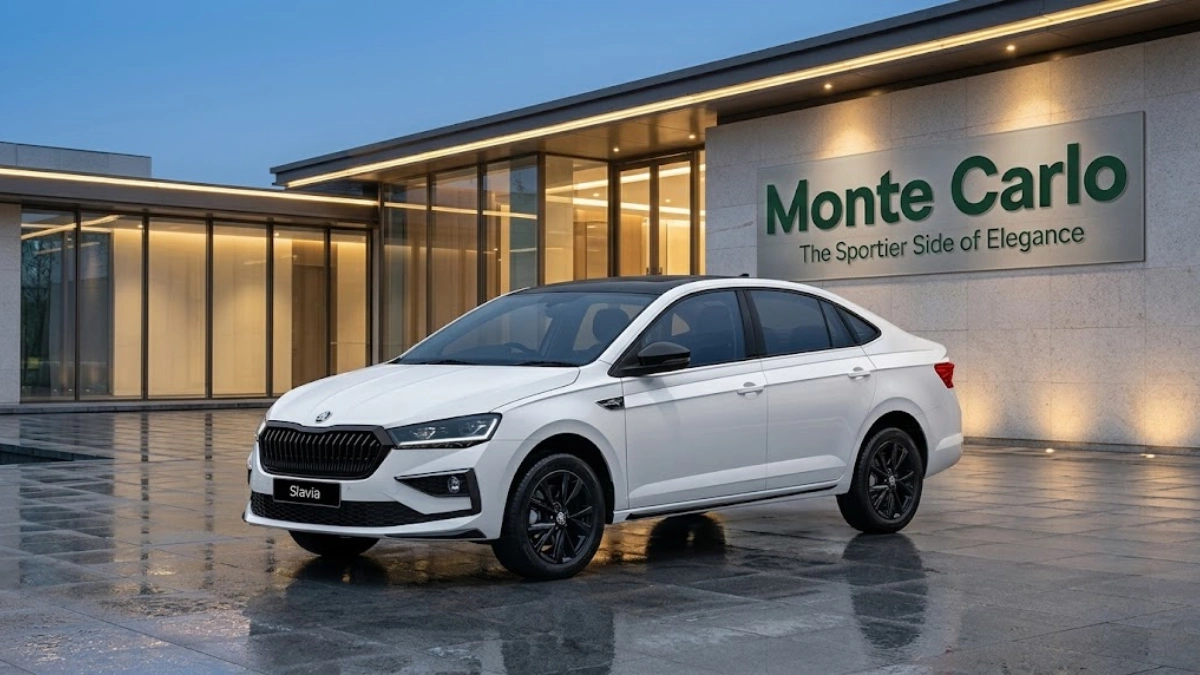
Limited Edition Skoda Slavia Monte Carlo Adds New Colours for 200 Buyers Only
Suzuki Loses India Market Share as Buyers Demand More Features
Hybrid Car Sales Decline 8% in June 2026: Complete Analysis
How to Book Maruti Brezza Facelift: Complete Booking Guide
Alto K10 vs Tiago: Which Is Better?
Maruti Brezza Facelift 2026: What's New Compared to the Current Model?
Renault Duster Adventure Edition vs Standard Duster: What's Different?
Skoda Slavia Facelift 2026 vs Volkswagen Virtus: Which Sedan Should You Wait For?
Volkswagen Tayron Life Launched in India at ₹41.99 Lakh
Volkswagen Announces 50% Reduction In Global Car Line-up
Tata Nexon Pure Plus : Know Everything Before Buying in July