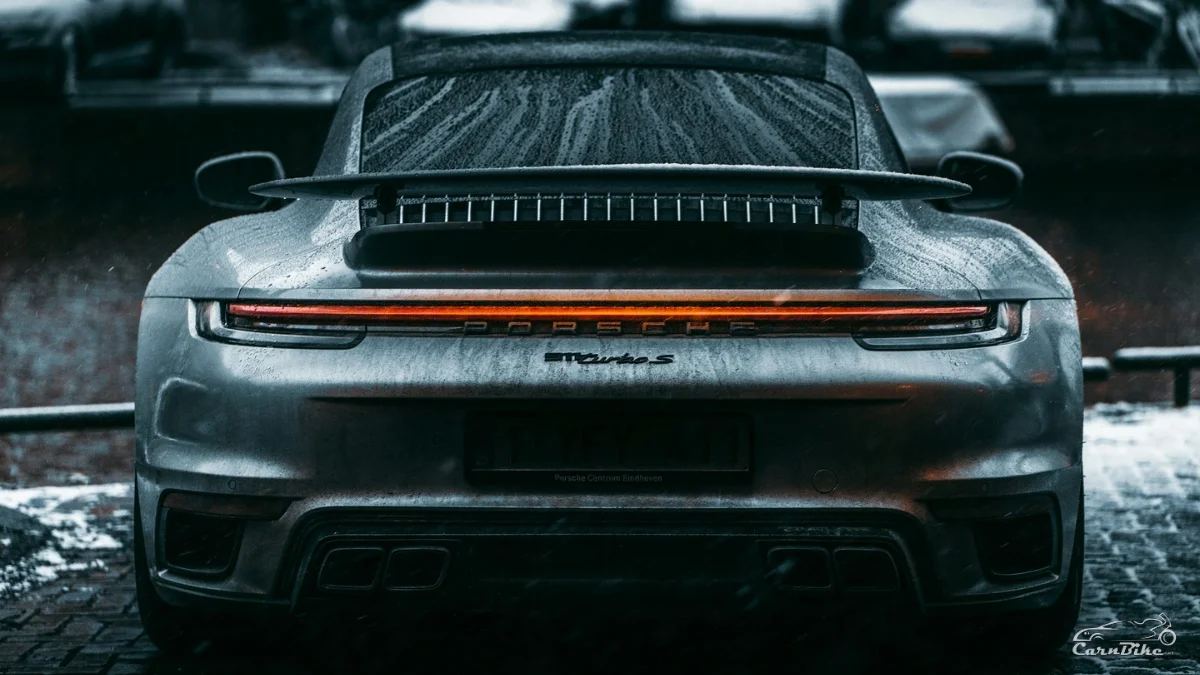
Porsche Shifts Gears, Bets Big on Combustion Engines Amid EV Struggles
- Cars
- Published: 25 Feb, 2025
- Updated: 30 Apr, 2025
Book a Test Drive
Free doorstep test drive at your convenience
Despite the global shift towards electric vehicles (EVs), Porsche is doubling down on its combustion engine models, citing market challenges and evolving consumer demands. While many automakers are aggressively pursuing full electrification, Porsche believes that a diversified approach, combining EVs with high-performance gasoline engines, is the way forward.
Challenges in the EV Market
Porsche has encountered multiple hurdles in the EV space, including:
- Battery Supply Constraints: The demand for lithium and other essential minerals has skyrocketed, causing supply chain disruptions and cost escalations.
- Charging Infrastructure Gaps: Many markets, including Porsche’s key luxury segments, lack a widespread charging network, making EV adoption slower than anticipated.
- Consumer Preferences: Traditional Porsche enthusiasts still favor the raw power, sound, and engagement of internal combustion engine (ICE) models over EVs.
Porsche’s Balanced Strategy
While Porsche remains committed to its EV lineup, including the Taycan and future electric Macan, it is also investing heavily in advanced combustion engines. This includes:
- Synthetic Fuels (E-Fuels): Porsche has been researching and developing carbon-neutral synthetic fuels, allowing combustion engines to operate with minimal environmental impact.
- High-Performance ICE Models: The company is continuing to develop and refine powerful gasoline engines, particularly in its 911 and Cayenne series.
- Hybrid Technologies: Porsche plans to expand its lineup of hybrid sports cars, offering a mix of efficiency and exhilarating performance.
You May Read Also: Audi RS Q8 Set to Launch on February 17: Performance SUV Arriving in India
Market Response & Industry Implications
Porsche’s decision to maintain a strong presence in the combustion engine sector has received mixed reactions:
- Support from Driving Purists: Many enthusiasts and long-time Porsche customers welcome the move, as they prefer the visceral experience of a high-revving gasoline engine.
- Skepticism from EV Advocates: Critics argue that doubling down on combustion technology could slow Porsche’s progress in full electrification and sustainability goals.
- Competitive Advantage: By keeping both EV and ICE options, Porsche is hedging its bets against an uncertain market, ensuring it remains relevant across different consumer segments.
The Road Ahead
Porsche’s multi-fuel strategy showcases a pragmatic approach to the evolving automotive landscape. With synthetic fuels, hybrid innovations, and an ongoing commitment to electrification, Porsche is ensuring that its legendary performance heritage remains intact—whether powered by batteries or gasoline.
As the industry navigates the complexities of transitioning to a sustainable future, Porsche’s approach highlights the need for flexibility, innovation, and consumer-driven solutions. Whether this strategy will pay off remains to be seen, but one thing is certain—Porsche is not abandoning the thrill of the combustion engine anytime soon.
Book a Test Drive
Free doorstep test drive at your convenience
Popular Brands





Latest Car News
BMW 7 Series Facelift Interior Updates: Know Everything

How to Check Oil Level in Car: Step-by-Step Guide
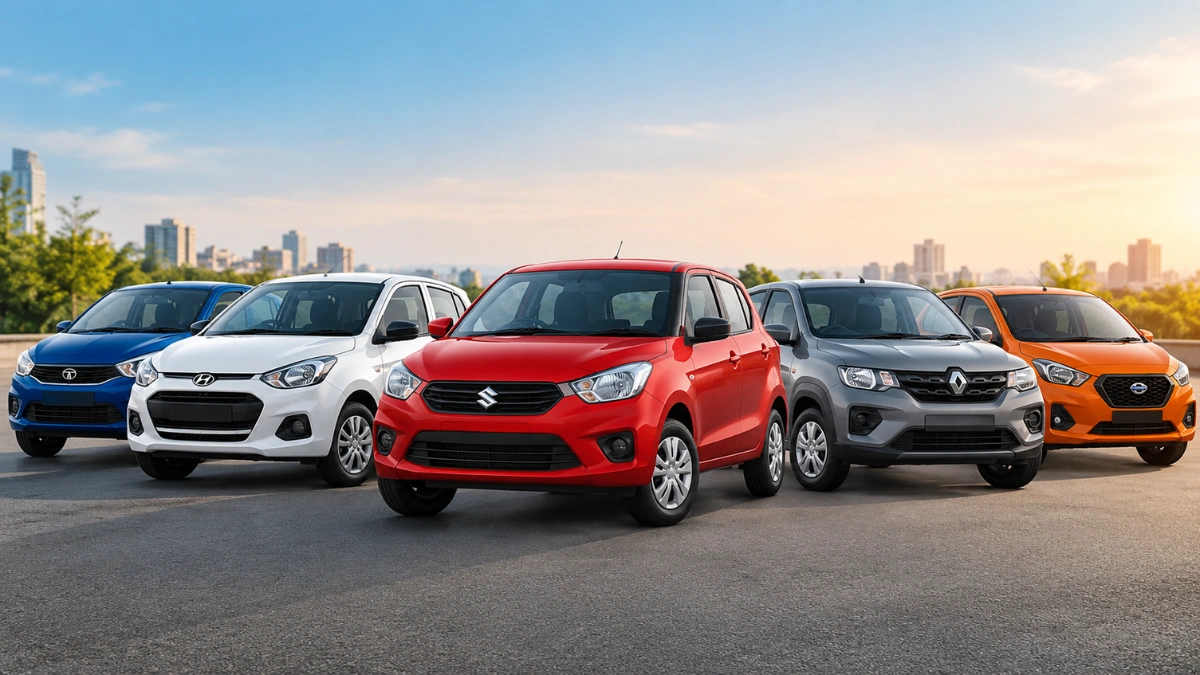
Latest Cars Under ₹5 Lakh in India in September 2026
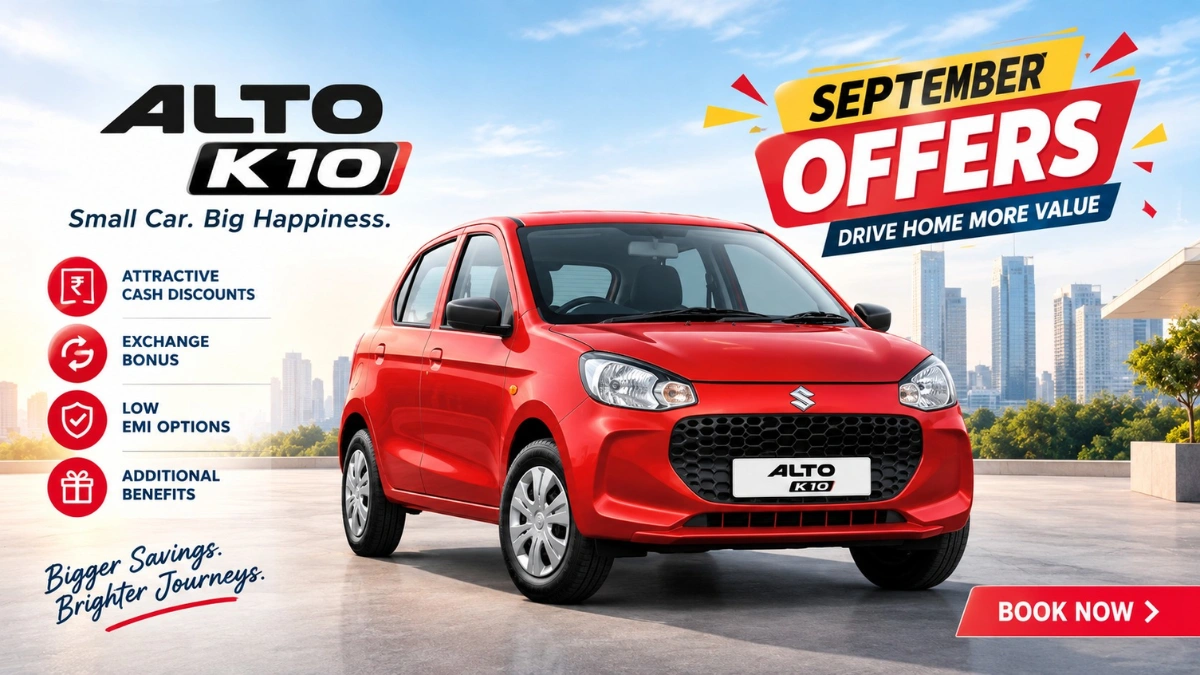
Maruti Alto K10 September Offers: Get Up to ₹62,500 Savings on Purchase
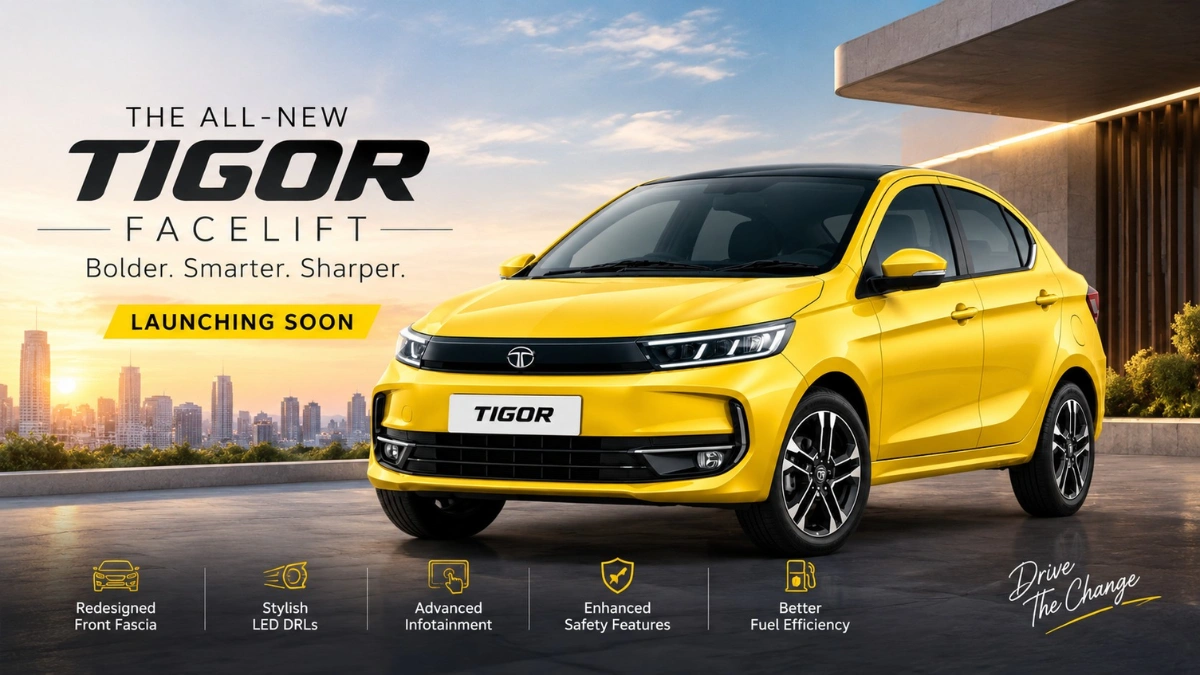
Tata Tigor Facelift Under ₹6 Lakh: A New Budget Sedan Is Coming
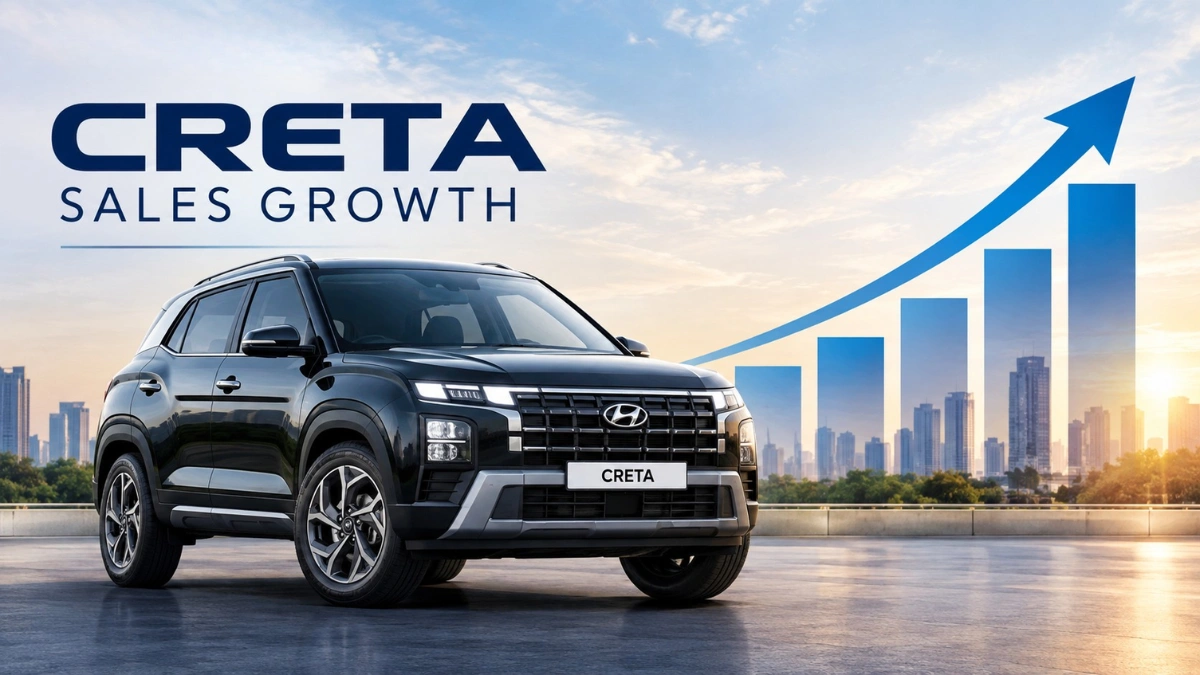
Hyundai Creta August 2026 Sales: With 16,288 Units Becomes India's Best-Selling Mid-Size SUV
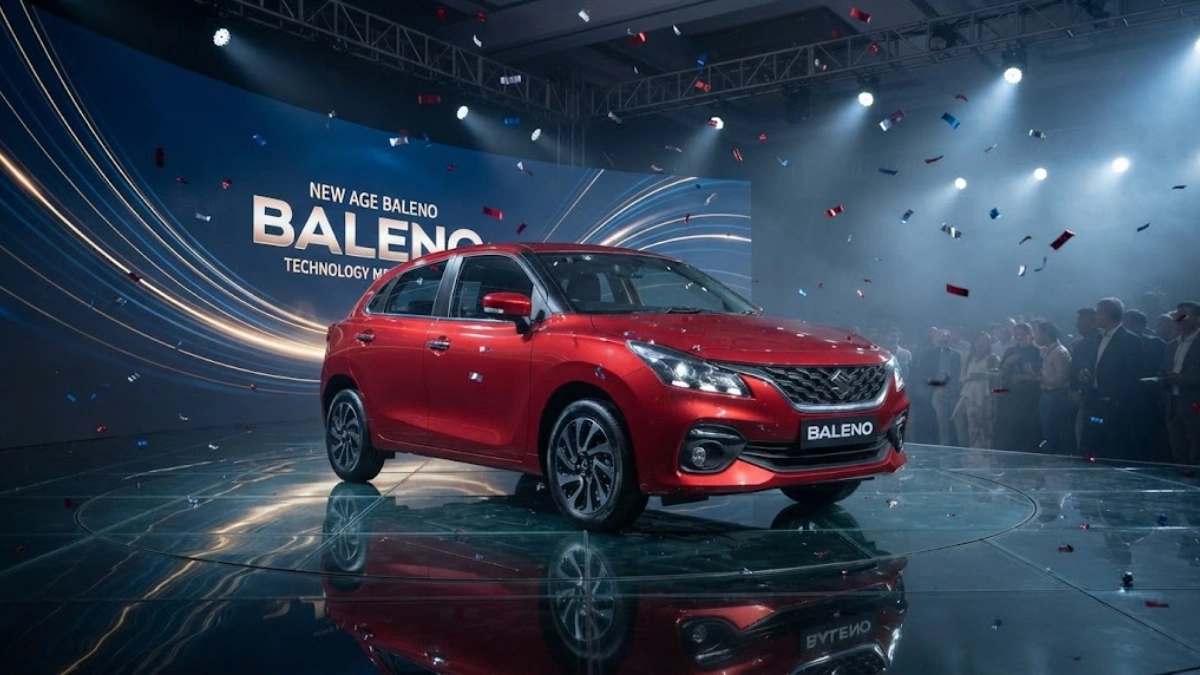
Maruti Baleno Facelift Booking Price: Expected Booking Amount, EMI & Loan Calculation
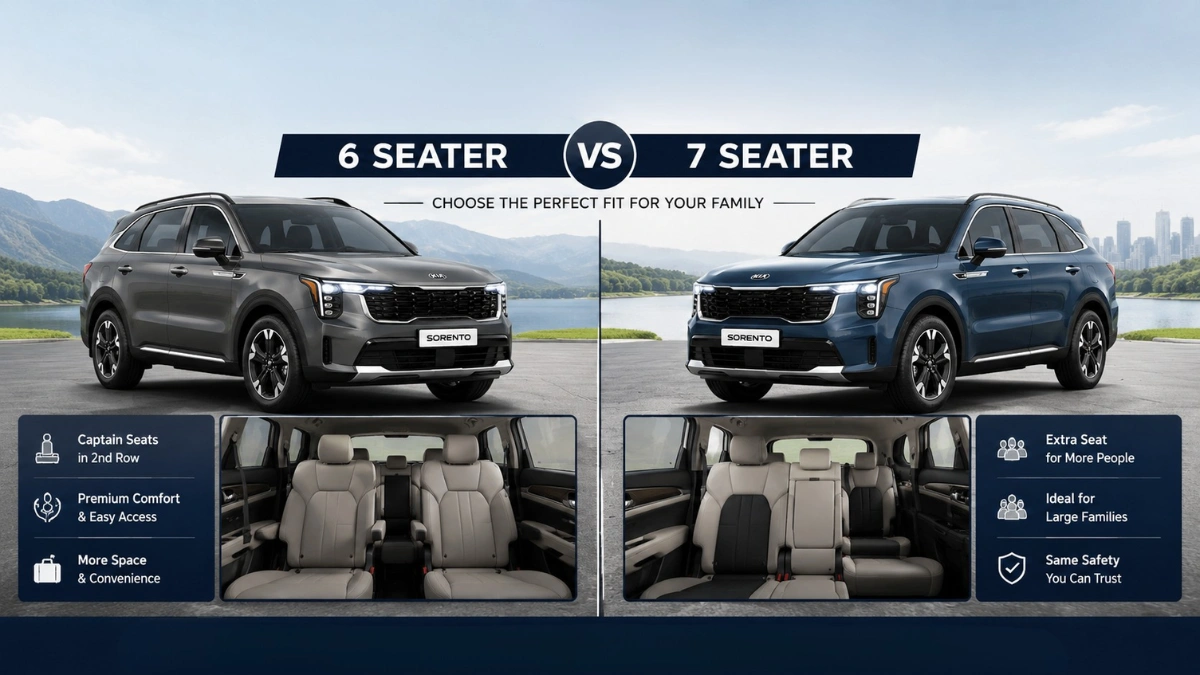
Kia Sorento 6 Seater vs 7 Seater: Which One Should You Choose?
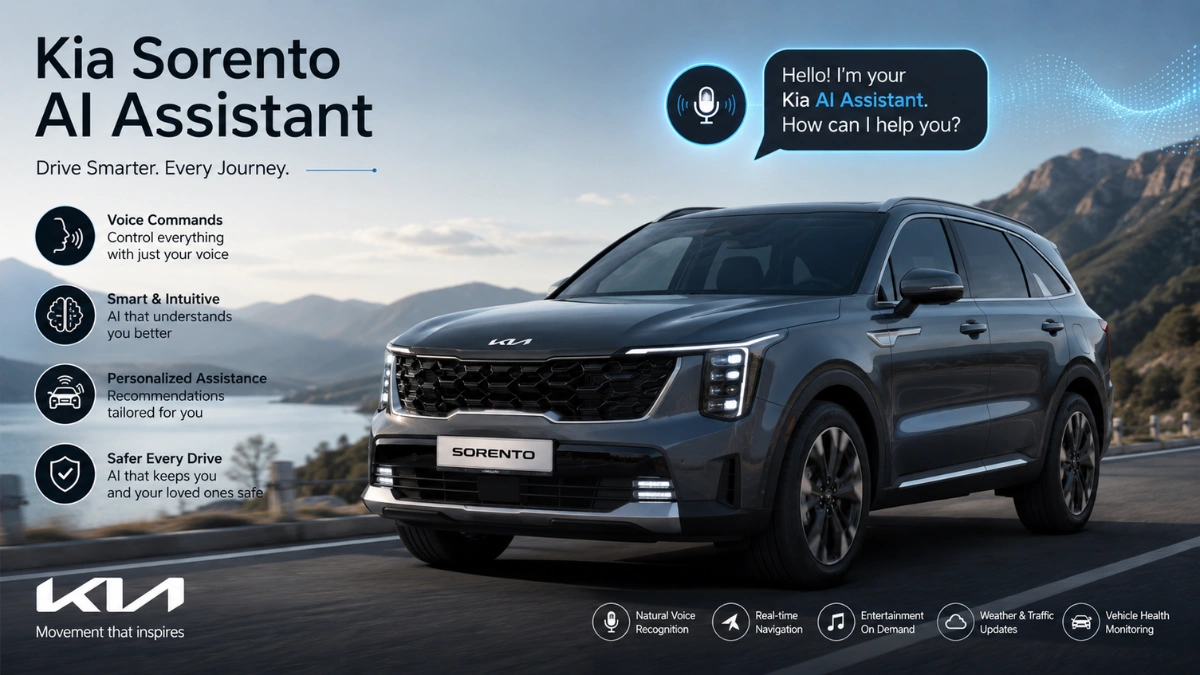
Kia Sorento AI Assistant Explained: Features, Commands, and Indian Language Support
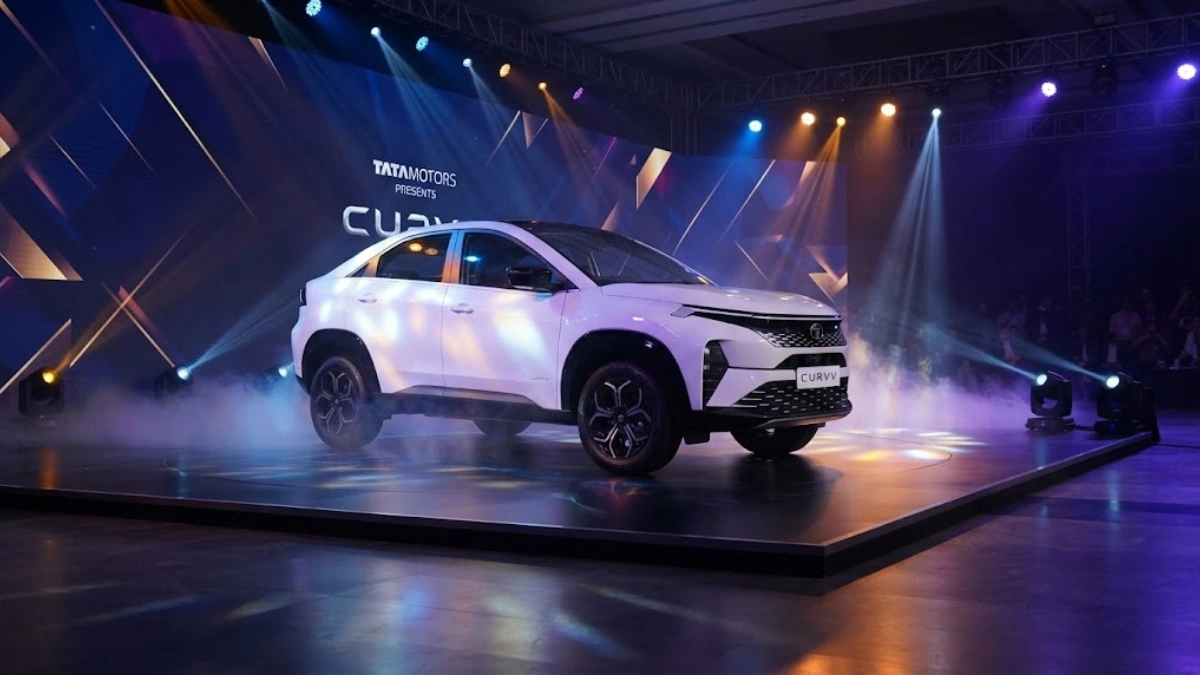
What Is the Difference Between Tata Curvv and New Curvv Series X?
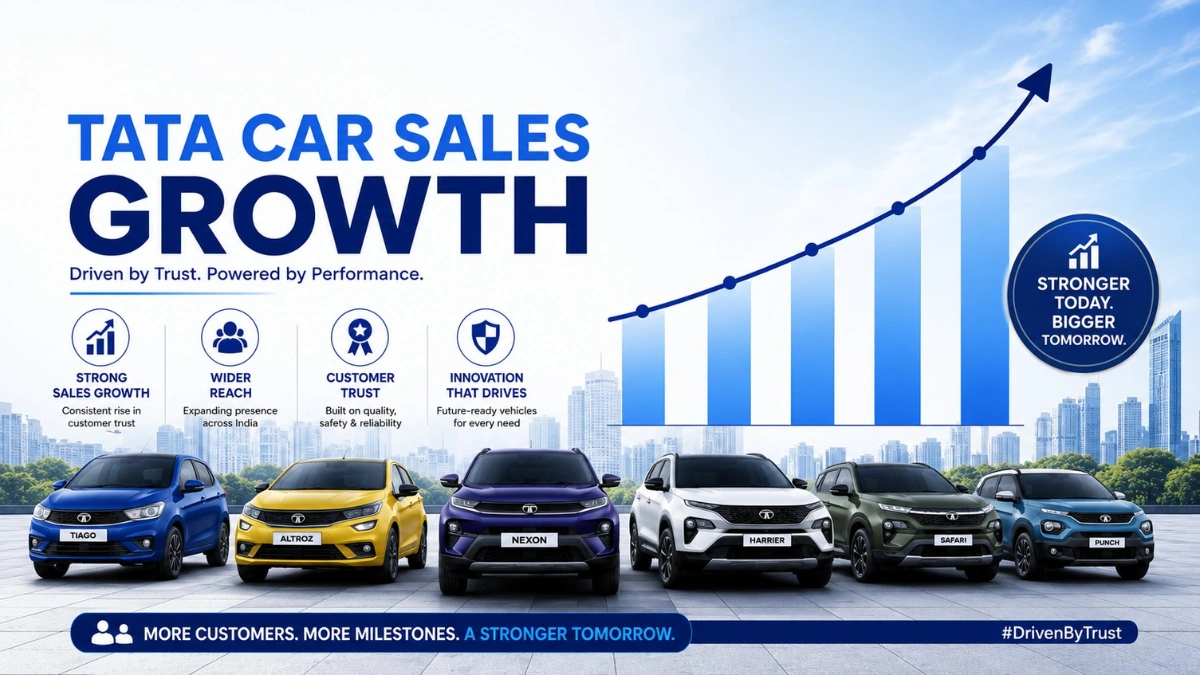
Tata Car Sales August 2026: Model-Wise Sales & Growth Report
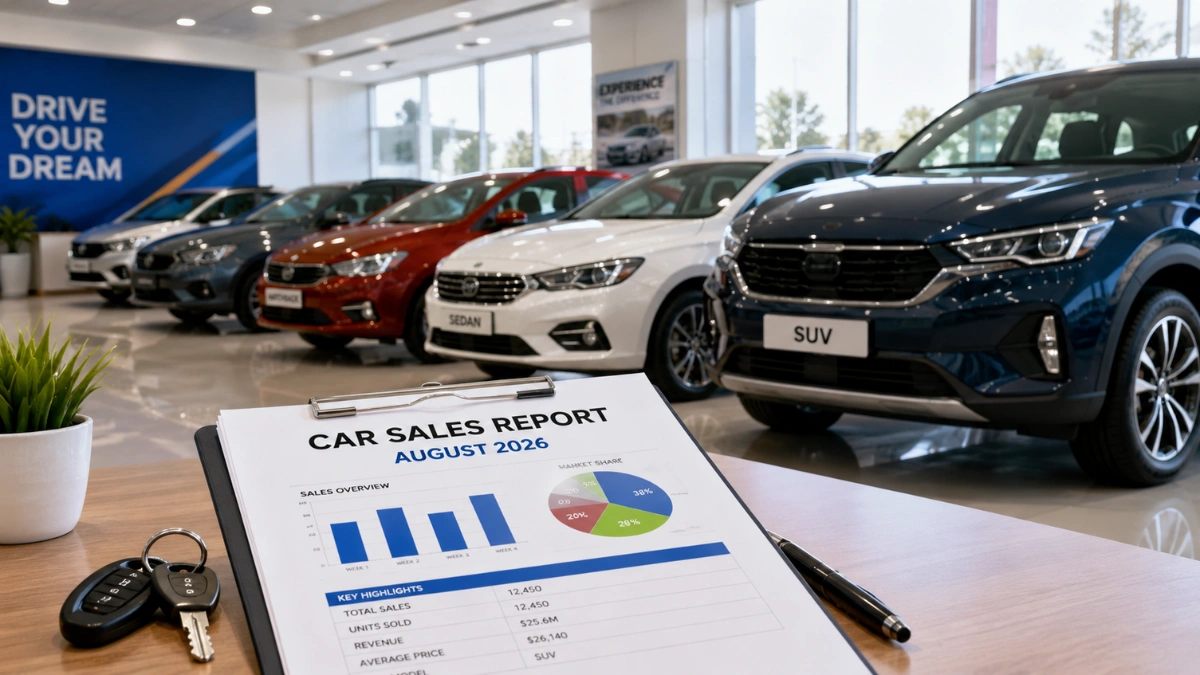
Car Sales Report of August 2026: Tata Motors, Maruti, Mahindra Lead Growth
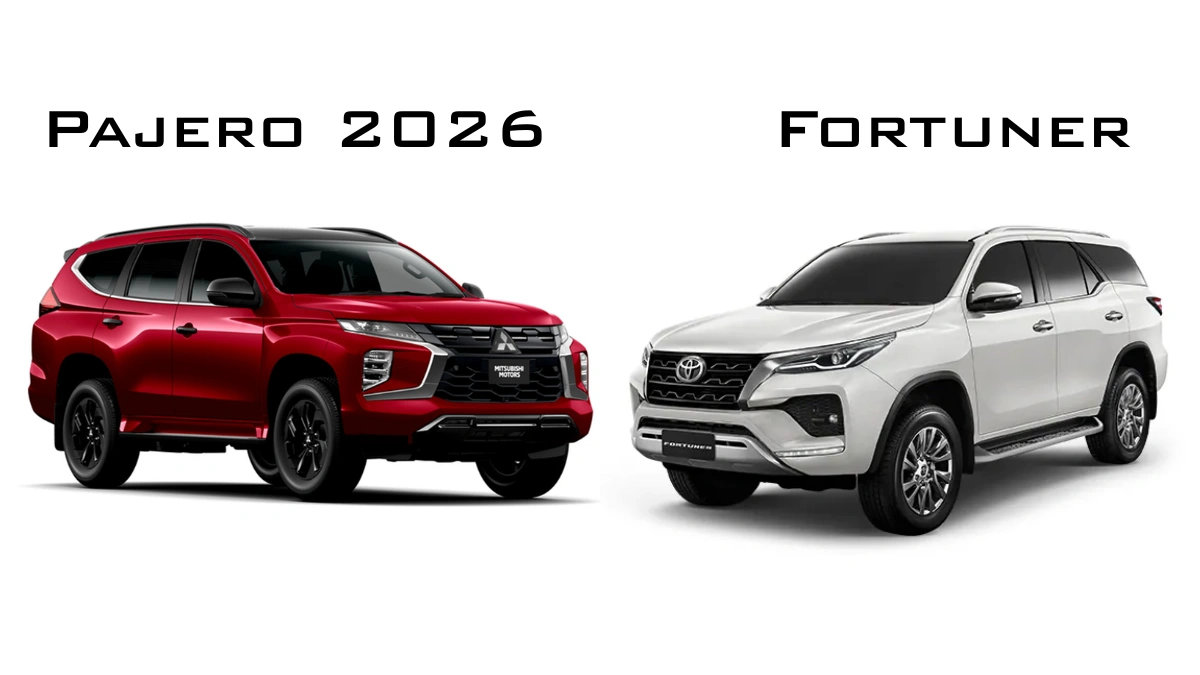
Pajero 2026 vs Fortuner: Which SUV Could Be Better?
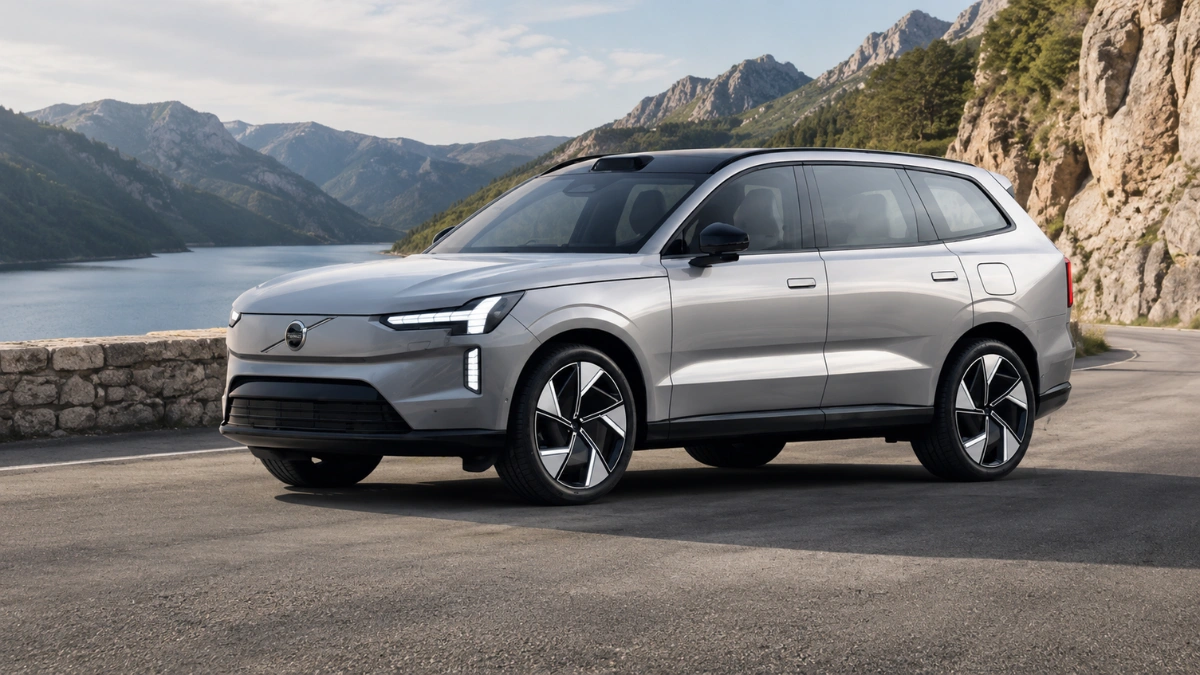
Volvo EX90 Booking Price: Expected Booking Amount, EMI & Loan Calculation
Next Generation Tata Nexon 2027: Expected Launch, Price, Design & Features
MG Hector Tomahawk EV Variant-Wise Price & Features Comparison
Maruti Baleno Facelift vs Toyota Glanza: Complete Comparision
Upcoming Cars in September 2026 in India: New Cars, Launch Dates & Expected Prices
MG Hector Hawk SUV vs Tata Harrier: Expected Price, Features & Key Differences
Skoda Superb Diesel in India: Will the Diesel Engine Make a Comeback?