Hyundai Motor India to Hike Car Prices by up to 3% from April Amid Rising Input Costs
- Cars
- Published: 21 Mar, 2025
- Updated: 30 Apr, 2025
Book a Test Drive
Free doorstep test drive at your convenience
Hyundai Motor India, the country’s one of the largest carmaker, has announced a price hike of up to 3% across its model range, effective from April 1, 2025. The decision, the company said, is driven by increasing input costs and rising inflationary pressures in the automotive sector.
Inflationary Pressures and Rising Costs
The automaker cited multiple factors behind the decision, including escalating raw material prices, fluctuating foreign exchange rates, and higher logistics costs. Steel, aluminium, and precious metals such as palladium and rhodium—key components in automobile manufacturing—have seen a sharp uptick in prices over the past few quarters, putting immense pressure on production costs.
"We have been absorbing the rising input costs for a while now, but in order to ensure the sustainability of our operations and maintain product quality, we find it necessary to pass on a part of the burden to our customers," a Hyundai Motor India spokesperson said.
Extent of the Hike and Affected Models
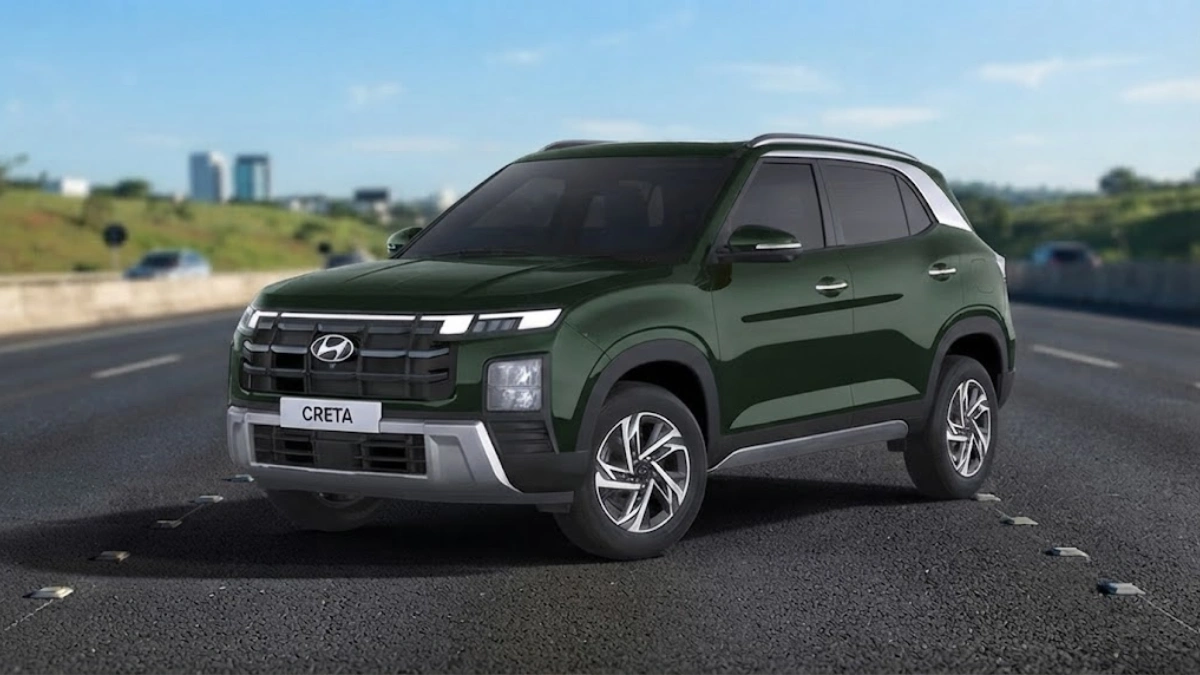
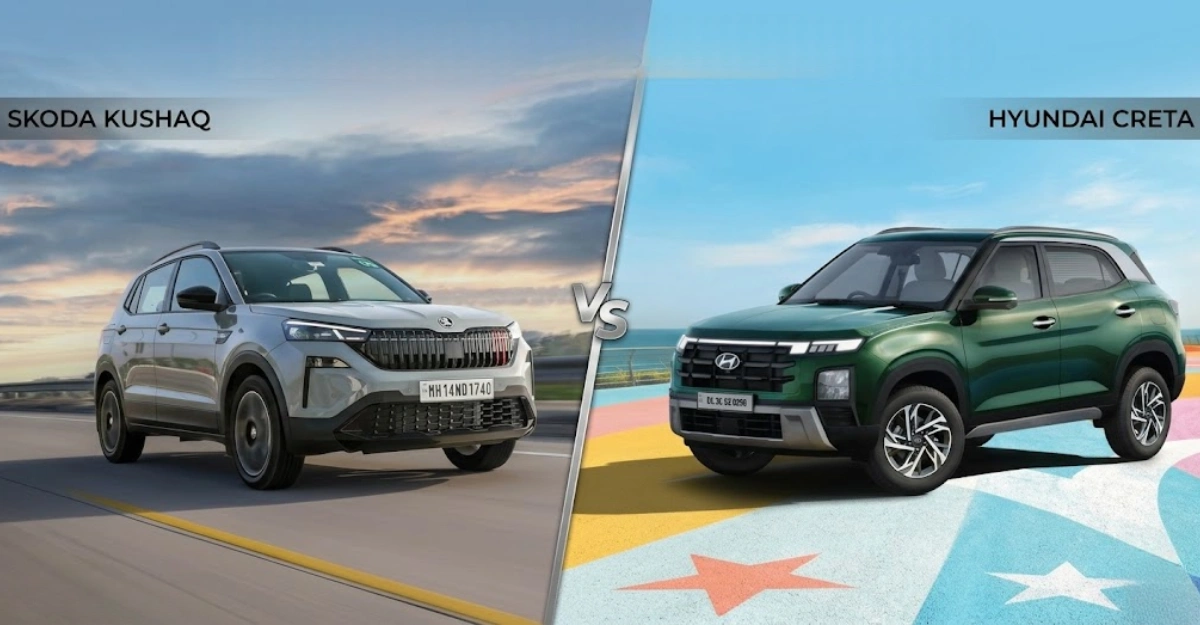
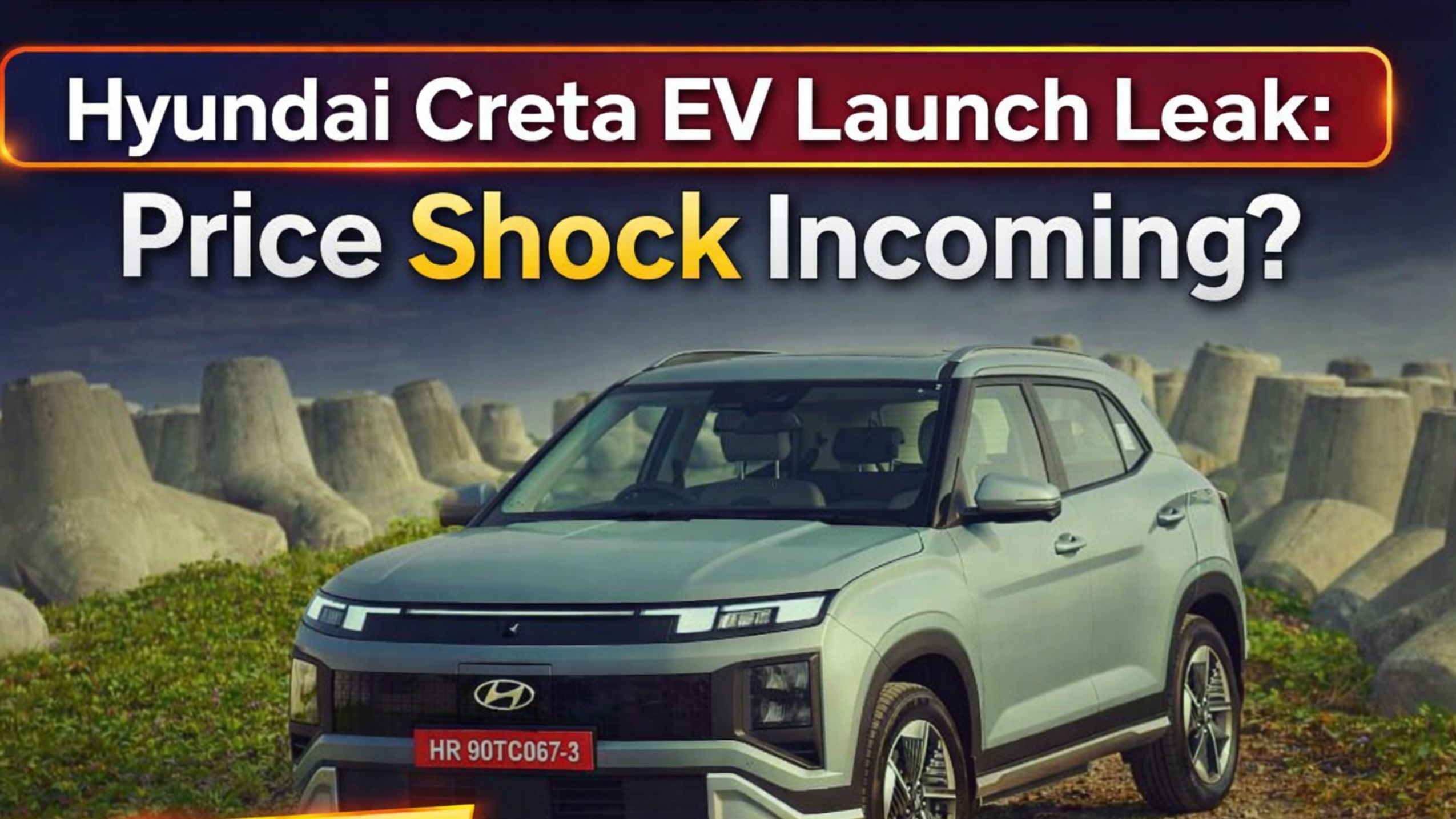
The price revision will impact Hyundai’s entire product portfolio, including popular models such as the Grand i10 Nios, i20, Venue, Creta, and Tucson. While the exact quantum of the increase will vary depending on the model and variant, the overall hike will be capped at 3%.
For instance, the Hyundai Creta, a mid-size SUV that currently starts at ₹10.99 lakh (ex-showroom), could see an increase of up to ₹33,000 in its price. Similarly, the Venue, which is among Hyundai’s best-selling compact SUVs, could become dearer by approximately ₹20,000 to ₹25,000, depending on the variant.
You May Read Also: 5 Top Selling Maruti cars in India
Industry-Wide Impact and Competitive Landscape
Hyundai’s announcement follows similar price hikes by other automakers in recent months, as the industry grapples with inflationary pressures and supply chain disruptions. Maruti Suzuki, Tata Motors, and Mahindra & Mahindra have also increased vehicle prices over the past year, citing similar reasons.
The move comes at a time when the Indian automobile industry is witnessing a surge in demand, particularly in the SUV segment, despite inflationary concerns. Hyundai’s Creta and Venue continue to dominate their respective segments, and the company is keen on maintaining its market share in the face of stiff competition from rivals such as Tata Motors, Mahindra, and newly emerging players like MG Motor and Kia.
Potential Impact on Consumer Sentiment
While a price hike may not significantly deter demand for Hyundai’s best-selling models, industry analysts believe it could influence buyers at the entry-level segment, where price sensitivity is higher. First-time car buyers looking at models such as the Grand i10 Nios or the Exter might reconsider their purchase decision or opt for lower variants to stay within their budget.
"Given the improving economic environment and strong consumer sentiment in the SUV segment, Hyundai is unlikely to witness a substantial drop in sales. However, the entry-level market could see some hesitation from buyers, especially those facing financial constraints," said an industry expert.
Long-Term Strategy and Market Positioning
Hyundai Motor India, which currently holds around a 15% market share in the domestic passenger vehicle market, remains focused on expanding its portfolio with new launches and electrification strategies. The company is set to introduce multiple electric and hybrid vehicles in the coming years, aligning with India’s growing push for green mobility.
The price hike, according to analysts, is part of Hyundai’s long-term strategy to balance profitability while maintaining its premium positioning in the Indian market. "Hyundai has built a strong brand presence in India, and customers have shown a willingness to pay a premium for its products. While this price hike is unavoidable given cost escalations, Hyundai's brand loyalty and strong product lineup will likely cushion the impact," said an automobile sector analyst.
With the latest price revision, Hyundai joins a long list of carmakers adjusting their pricing strategies in response to macroeconomic pressures. The increase, though marginal in percentage terms, comes at a crucial time when the industry is navigating high input costs, supply chain challenges, and shifting consumer expectations.
For prospective buyers, the window to purchase a Hyundai vehicle at current prices remains open until the end of March. Industry experts advise consumers looking to lock in the best deals to finalize their purchases before the hike comes into effect. As the Indian auto industry continues to evolve, price revisions such as these are likely to become a regular feature, reflecting the broader economic trends shaping the global automotive landscape.
Book a Test Drive
Free doorstep test drive at your convenience
Popular Brands





Latest Car News
BMW 7 Series Facelift Interior Updates: Know Everything

How to Check Oil Level in Car: Step-by-Step Guide
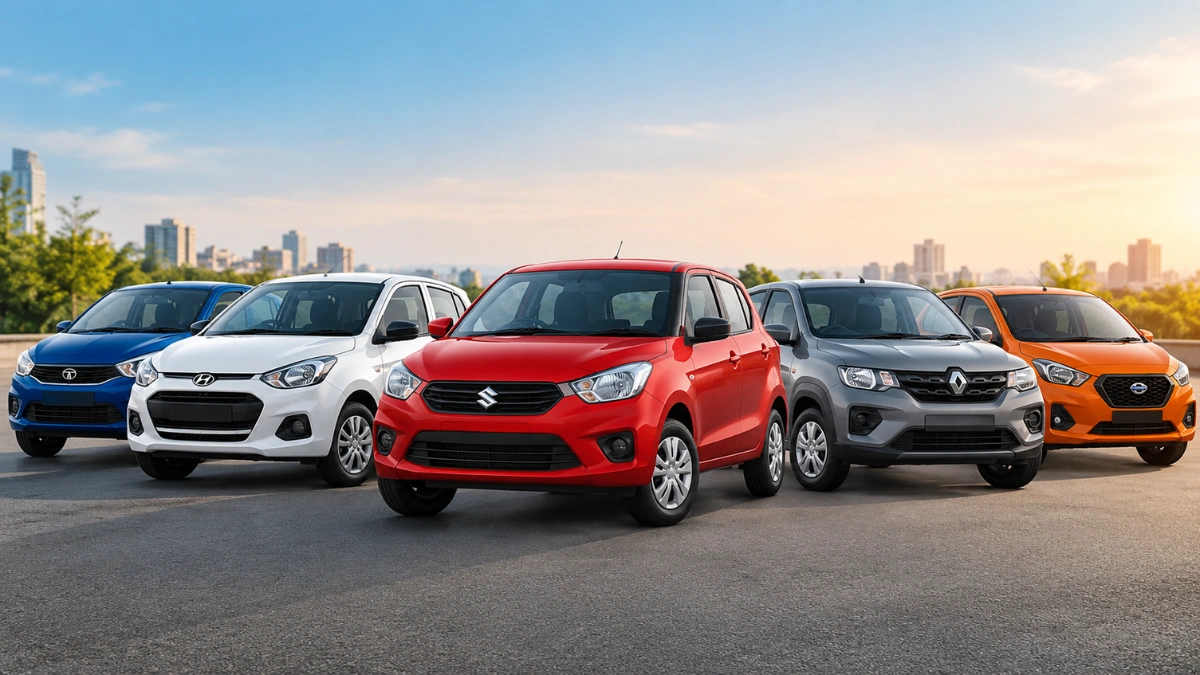
Latest Cars Under ₹5 Lakh in India in September 2026

Maruti Alto K10 September Offers: Get Up to ₹62,500 Savings on Purchase

Tata Tigor Facelift Under ₹6 Lakh: A New Budget Sedan Is Coming
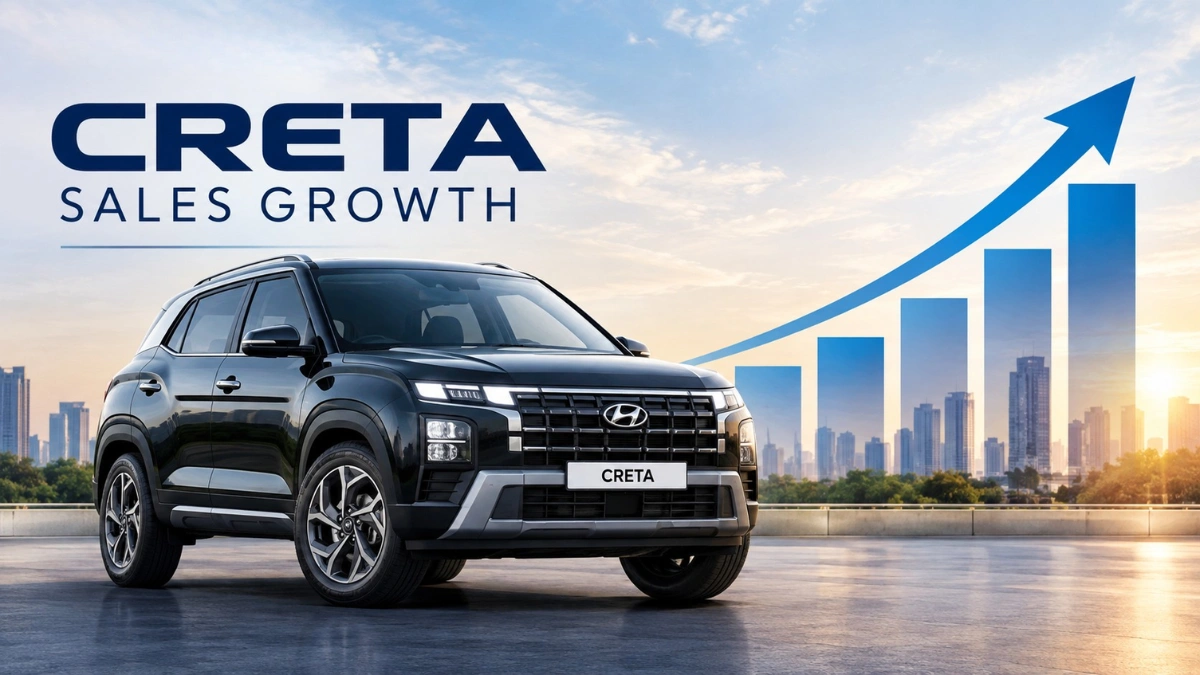
Hyundai Creta August 2026 Sales: With 16,288 Units Becomes India's Best-Selling Mid-Size SUV
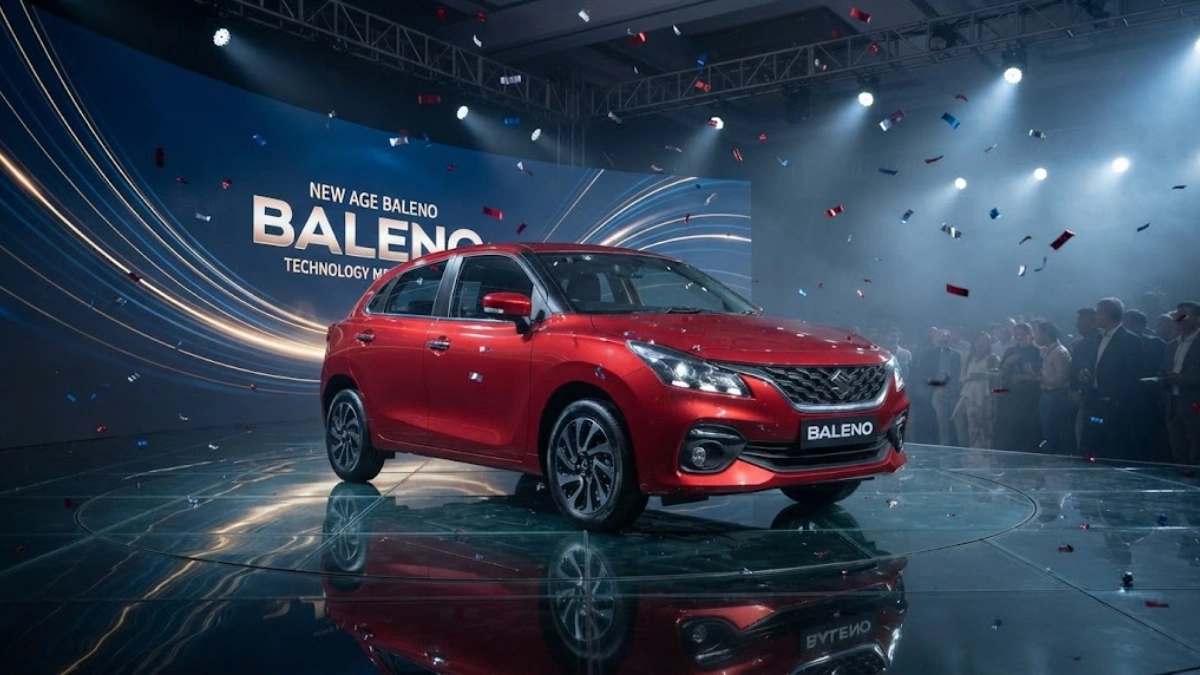
Maruti Baleno Facelift Booking Price: Expected Booking Amount, EMI & Loan Calculation

Kia Sorento 6 Seater vs 7 Seater: Which One Should You Choose?

Kia Sorento AI Assistant Explained: Features, Commands, and Indian Language Support
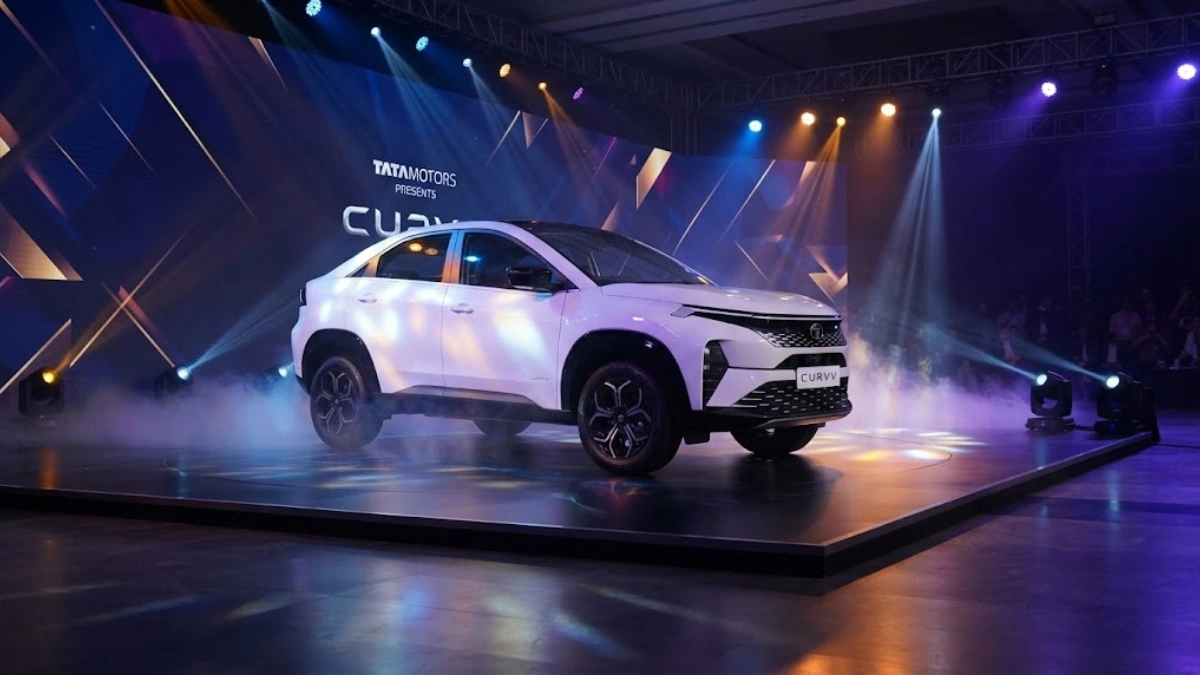
What Is the Difference Between Tata Curvv and New Curvv Series X?
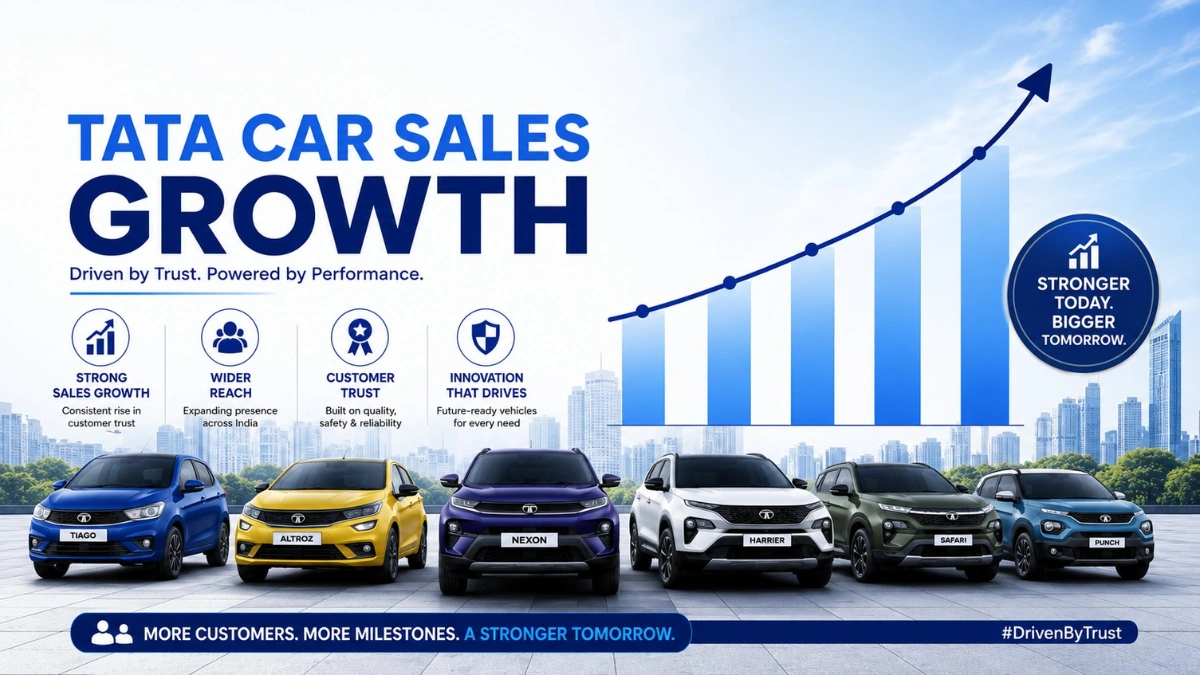
Tata Car Sales August 2026: Model-Wise Sales & Growth Report
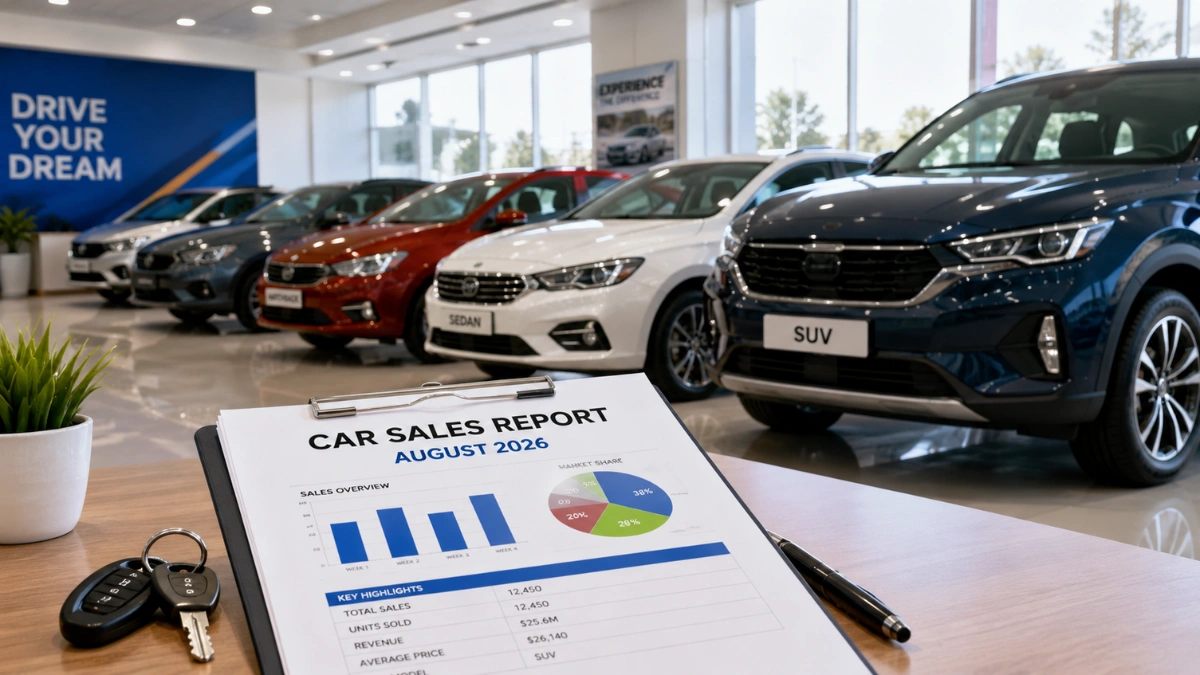
Car Sales Report of August 2026: Tata Motors, Maruti, Mahindra Lead Growth
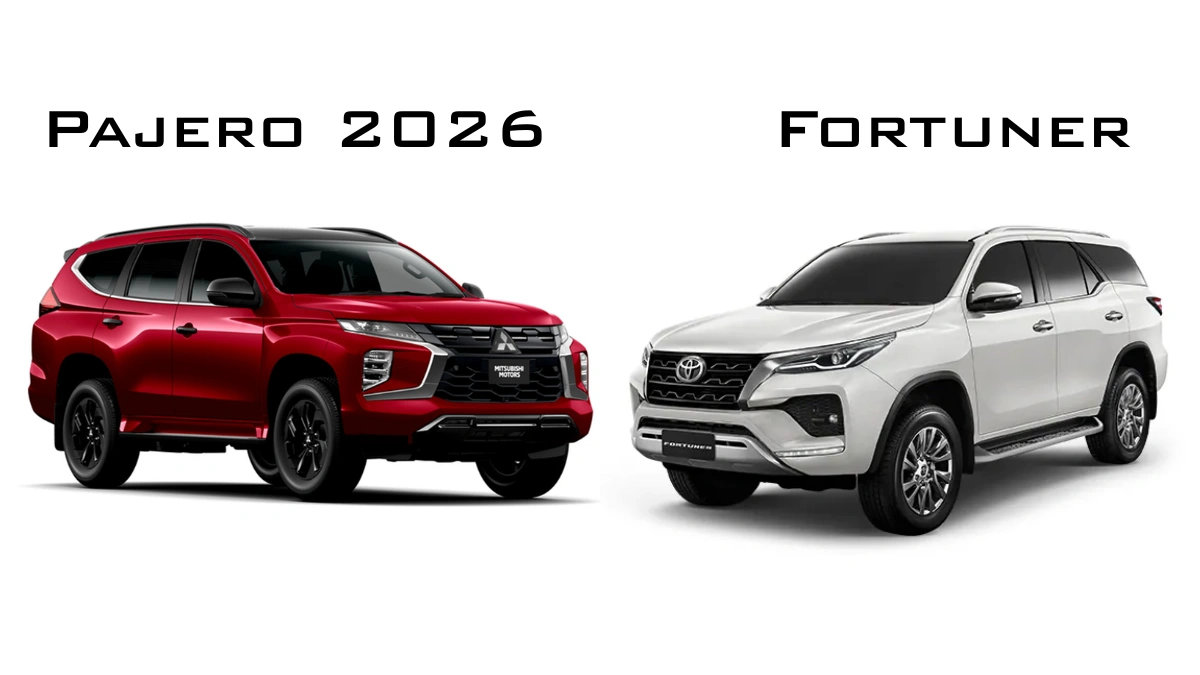
Pajero 2026 vs Fortuner: Which SUV Could Be Better?
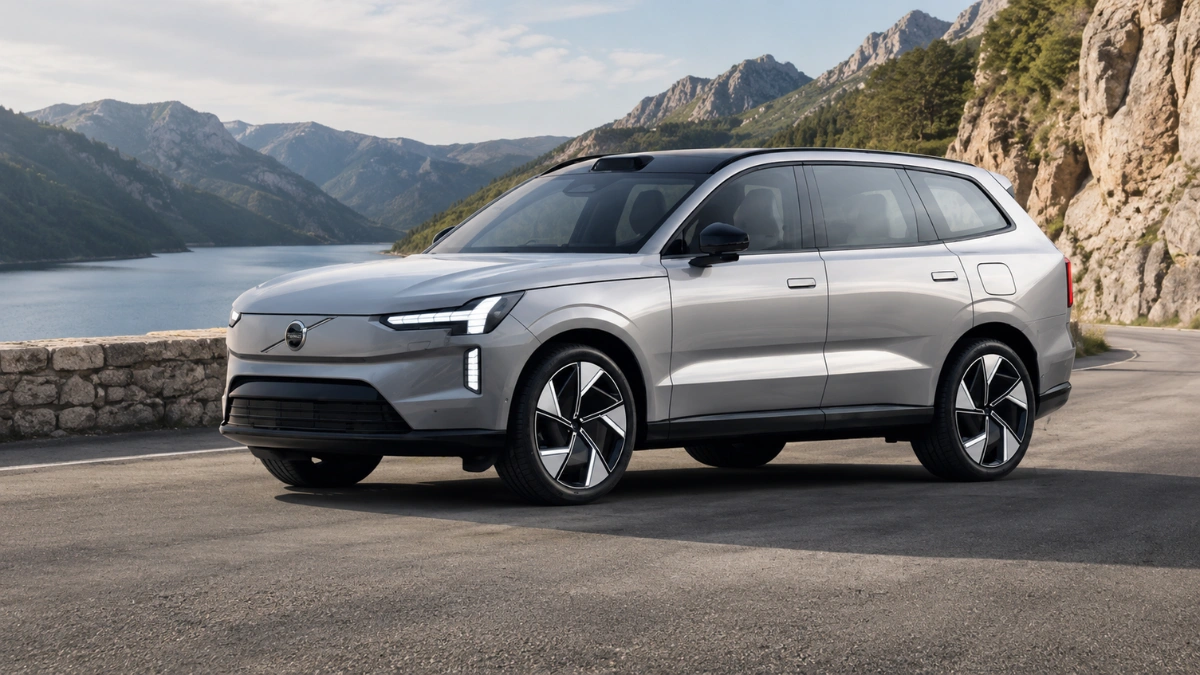
Volvo EX90 Booking Price: Expected Booking Amount, EMI & Loan Calculation
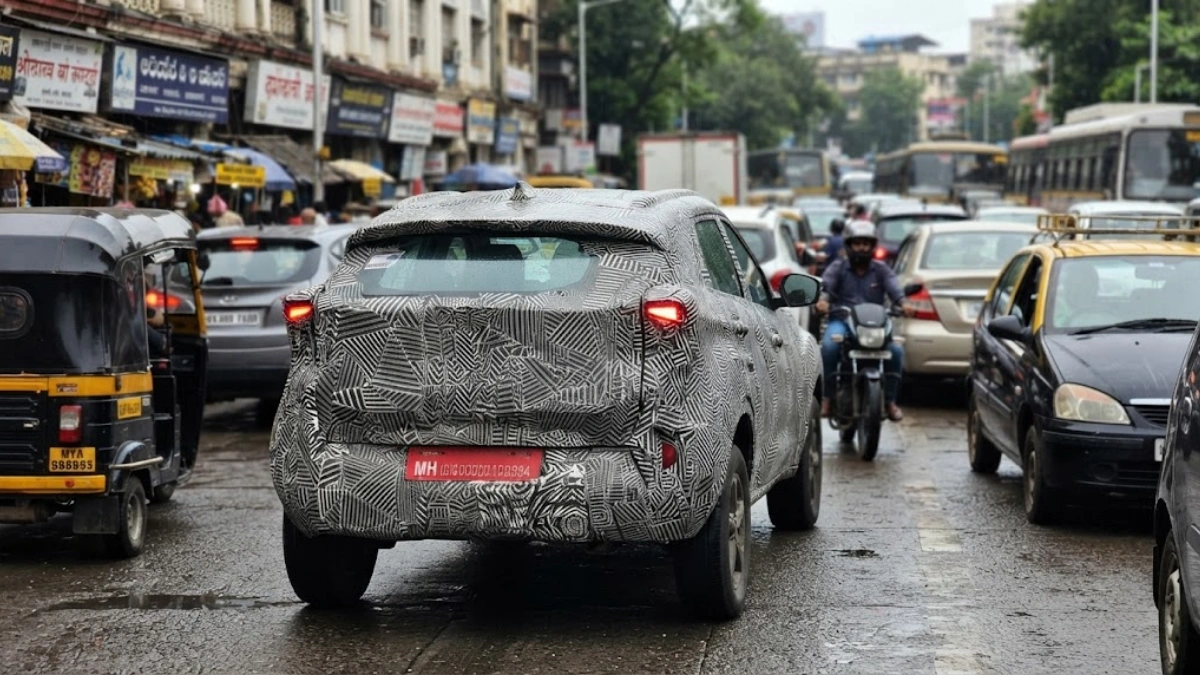
Next Generation Tata Nexon 2027: Expected Launch, Price, Design & Features
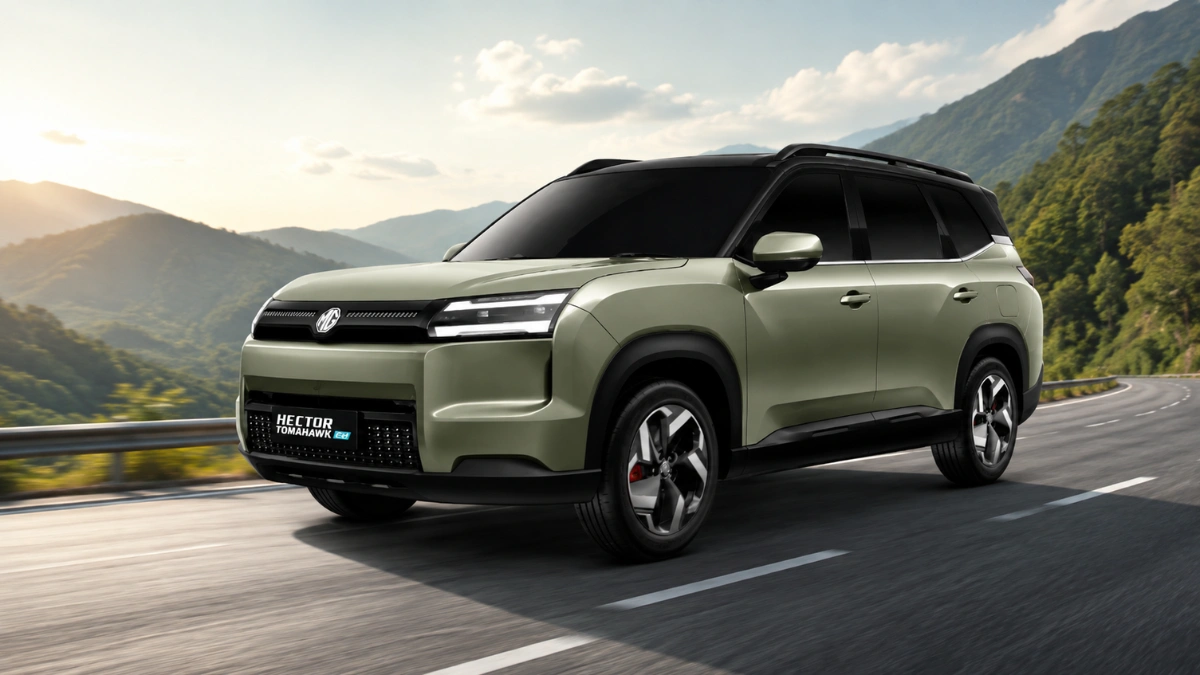
MG Hector Tomahawk EV Variant-Wise Price & Features Comparison
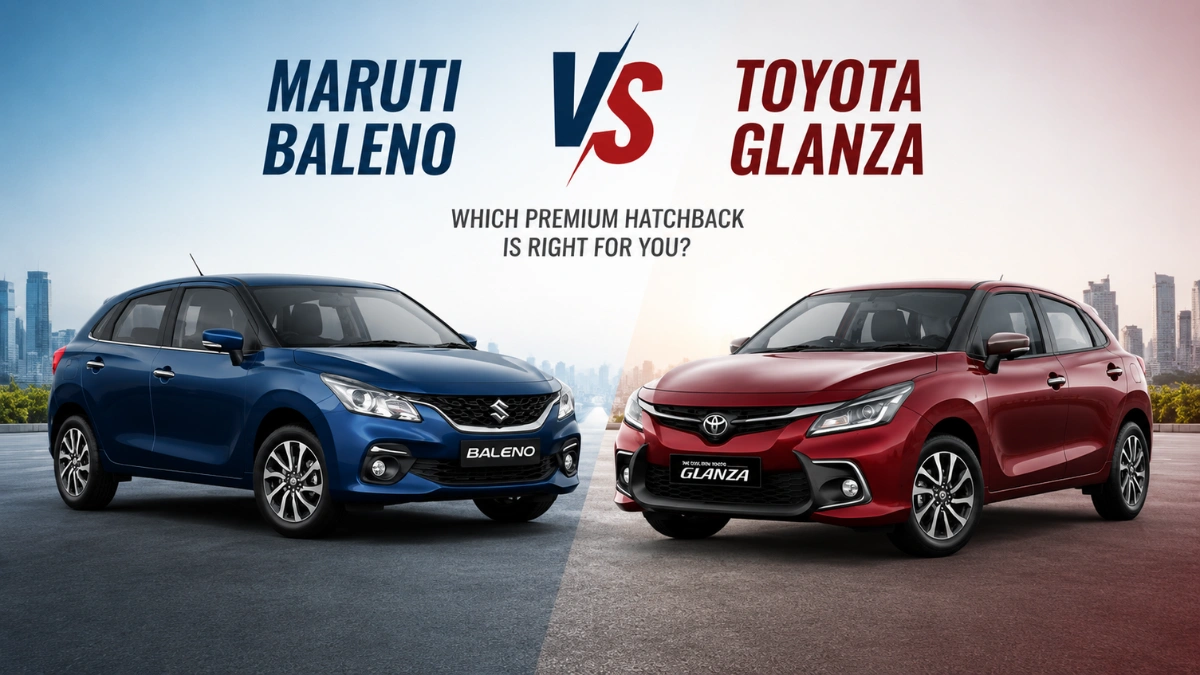
Maruti Baleno Facelift vs Toyota Glanza: Complete Comparision
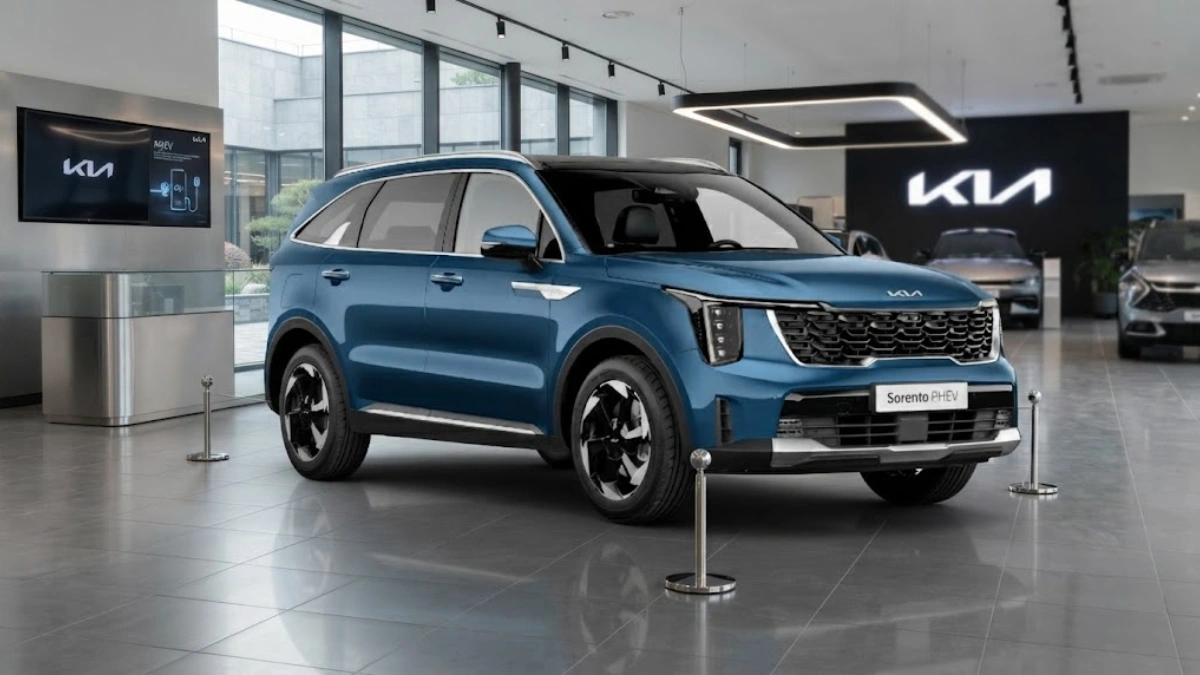
Upcoming Cars in September 2026 in India: New Cars, Launch Dates & Expected Prices
MG Hector Hawk SUV vs Tata Harrier: Expected Price, Features & Key Differences
Skoda Superb Diesel in India: Will the Diesel Engine Make a Comeback?