Hyundai Bayon Launched at Rs 10 Lakh: Price, Variants, Specs and Mileage
- Cars
- Published: 30 Oct, 2026
- Updated: 30 Oct, 2026
Book a Test Drive
Free doorstep test drive at your convenience
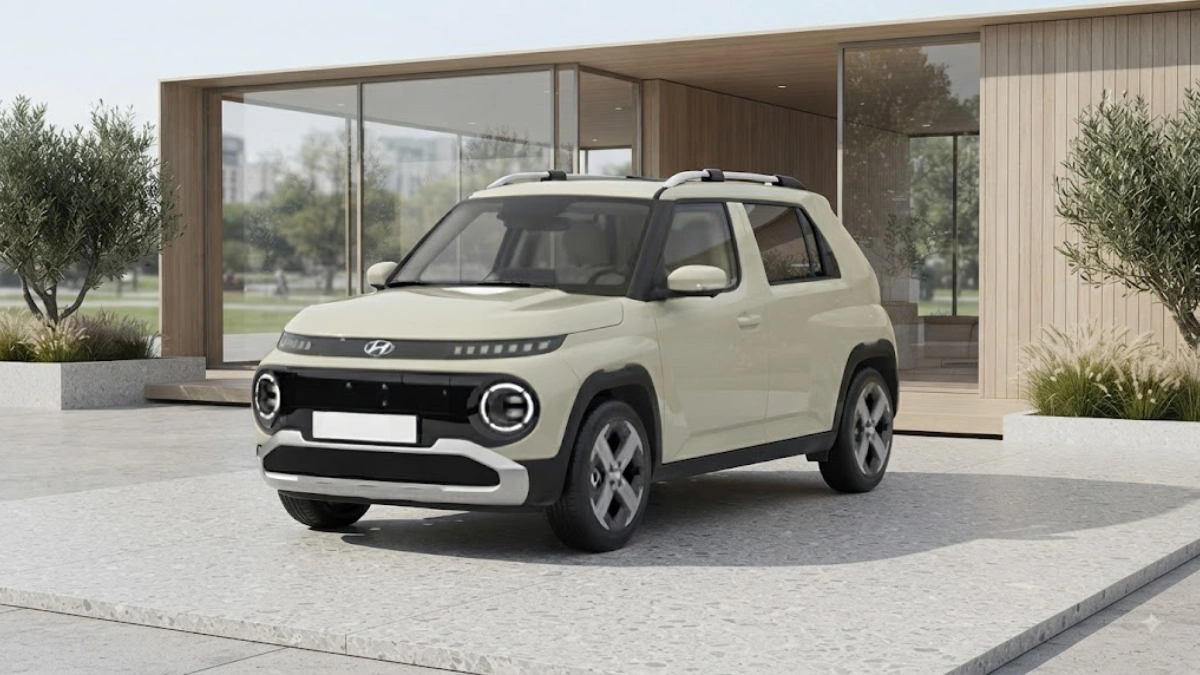
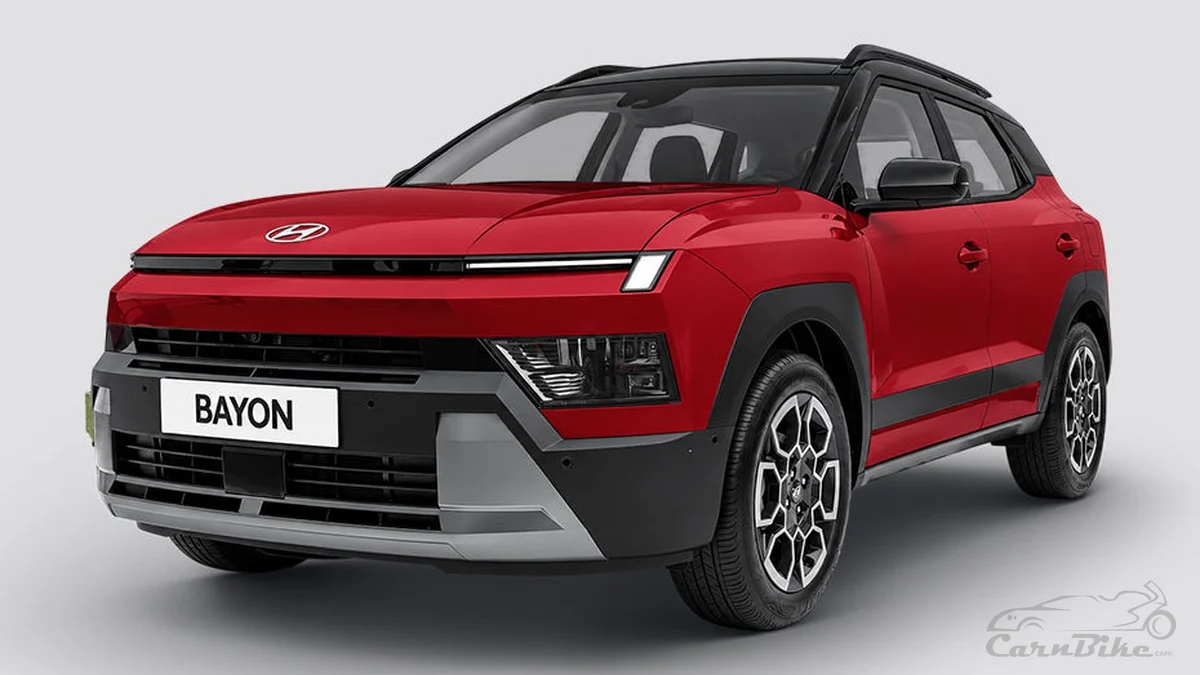
Hyundai has finally given India the Bayon, and the number that matters is ₹10 lakh. That is where the range opens, and it runs up to ₹18.15 lakh ex-showroom across 19 variants. The launch happened on 26 October 2026, right at the end of a month that has been unusually crowded with new cars.
The Bayon slots into the gap between the Venue and the Creta. Hyundai has been selling in that gap for years using stretched Venue variants and discounted Creta trims, and the Bayon is the proper answer to it.
What you pay
Nineteen variants is a lot for a car in this class, and the trim ladder runs from HX 2 at the bottom to HX 10 at the top. Everything is petrol. There is no diesel, no CNG at launch and no hybrid.
| Trim level | Transmission | Ex-showroom price |
|---|---|---|
| HX 2 (base) | 6-speed manual | ₹10.00 lakh |
| Mid trims | Manual / CVT | ₹11 lakh – ₹16 lakh |
| HX 10 (top) | CVT | ₹18.15 lakh |
Eleven of the 19 variants are manual and eight are CVT. Prices are ex-showroom Delhi and will move once you add registration, insurance and whatever the dealer adds on top, so budget roughly 10 to 12 per cent above the sticker for the on-road figure. You can work out what that means for a monthly payment on our EMI calculator.
One engine, and it is the familiar one
There is a single engine: the 1,497cc naturally aspirated petrol that already does duty elsewhere in the Hyundai range. It makes 113.18 bhp at 6,300 rpm and 143.8 Nm at 4,500 rpm, paired with either a six-speed manual or a CVT.
Hyundai claims 18.6 kmpl, and the figure is the same whether you pick the manual or the automatic. That is unusual and worth reading carefully, because CVTs normally claim a little more than the manual on the ARAI cycle.
Naturally aspirated and 113 bhp in a car that can cost ₹18 lakh at the top will not please everyone. There is no turbo-petrol option announced, which is the one thing buyers coming from a Venue N Line or a Seltos turbo will notice immediately. Expect the Bayon to feel adequate rather than quick, particularly with four people and luggage on a climb.
The numbers that actually affect daily use
The Bayon is 4,245 mm long with 205 mm of unladen ground clearance and a 505-litre boot. The boot figure is the standout one. For reference, most cars in this bracket sit between 350 and 450 litres, so the Bayon is genuinely more useful on a family trip than the class average.
The 205 mm ground clearance is the other number that matters in Indian conditions. It is enough to clear the sort of speed breakers and broken approaches that catch out lower cars.
Safety and equipment
Six airbags are standard across the range, and Hyundai offers Level 2 ADAS along with electronic stability control, hill-start assist and tyre pressure monitoring. Hyundai says the Bayon has been engineered to a five-star crash rating, though that is the company's own statement — no independent Bharat NCAP or Global NCAP result has been published yet. Treat the claim as a design target until a test score appears.
A panoramic sunroof features on the higher trims, which in this segment is less a luxury than an expectation.
Who it is really fighting
Hyundai is positioning the Bayon against the Kia Seltos, the Maruti Suzuki Grand Vitara and the Tata Sierra. That is an ambitious list. The Seltos and Grand Vitara both offer engine options the Bayon does not — a turbo-petrol in the Seltos, a strong hybrid in the Grand Vitara — and both have been on sale long enough to have settled resale values.
Where the Bayon has a case is the entry price. Starting at ₹10 lakh puts the base car below where the Seltos and Grand Vitara begin, and for a buyer who wants the size and the boot without needing the performance, that is a real argument.
Should you wait?
If you are shopping right now, the honest answer is that it is worth seeing one in person before committing. A launch-month booking on a brand-new nameplate means you are buying before the first owners have reported back on build quality, service experience and real-world fuel economy. None of that is a reason to avoid the car, but it is a reason not to rush.
If you want a turbo-petrol or an automatic that is not a CVT, the Bayon as launched does not have an answer for you, and nothing has been announced. That is a clearer reason to look elsewhere.
In short
The Bayon arrives with a sensible opening price, a genuinely big boot, standard six airbags and one modest engine. It is a practical car rather than an exciting one, and Hyundai has priced the entry variant to make that point. Whether ₹18.15 lakh for the top CVT trim holds up against a turbo-petrol rival is the question each buyer will have to answer at the showroom.
Prices quoted are ex-showroom and were current at the time of writing. Confirm the final on-road figure with your nearest authorised Hyundai dealer before booking, since state taxes, insurance and dealer-level charges vary.
Free doorstep test drive
Thinking about a Hyundai?
Drive it from your own doorstep before you decide. We pass your request to an authorised Hyundai dealer — no charge, one call back, no spam.
Pick a model
Book a Test Drive
Free doorstep test drive at your convenience
Popular Brands





Latest Car News
Every Car Launched in India in October 2026: Prices, Dates and What They Mean
Toyota Glanza Facelift at Rs 6.99 Lakh: Six Airbags Standard, Four CNG Variants
2026 Skoda Slavia Facelift: Full Variant Price List and What Actually Changed
Hyundai Bayon Launched at Rs 10 Lakh: Price, Variants, Specs and Mileage

Tata Car Sales in September 2026: Sales Increase by 15%

Auto Sales Report of September 2026

Buying a Skoda in October? Here's What Changes From October 1, 2026

New CAFE-3 Norms Explained: What Changes for Small Cars, SUVs and EVs
Tata Aeris Petrol vs CNG: Which One Should You Buy for Daily Use?
Tata Sierra Dark Edition vs Regular Sierra: What Is Different?
Tata Altroz vs Maruti Suzuki Brezza: Which One Should You Buy in 2026?
Wagon R vs Swift: Which Is Cheaper to Maintain?
BMW 7 Series Facelift Interior Updates: Know Everything

How to Check Oil Level in Car: Step-by-Step Guide

Latest Cars Under ₹5 Lakh in India in September 2026

Maruti Alto K10 September Offers: Get Up to ₹62,500 Savings on Purchase

Tata Tigor Facelift Under ₹6 Lakh: A New Budget Sedan Is Coming
Hyundai Creta August 2026 Sales: With 16,288 Units Becomes India's Best-Selling Mid-Size SUV
Maruti Baleno Facelift Booking Price: Expected Booking Amount, EMI & Loan Calculation

Kia Sorento 6 Seater vs 7 Seater: Which One Should You Choose?