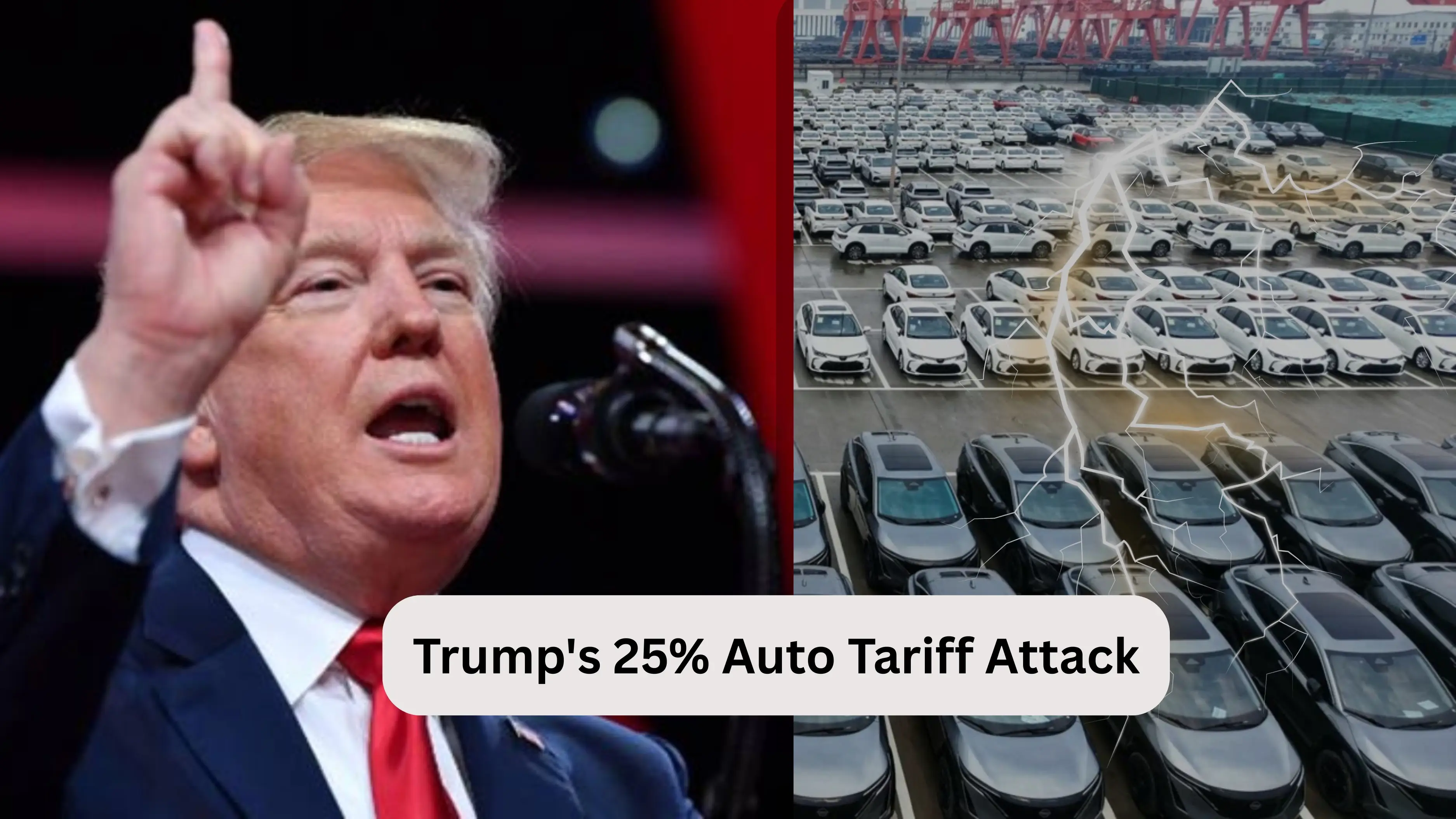
Trump's 25% auto tariff creates uncertainty over India's component exports
- Cars
- Published: 01 Apr, 2025
- Updated: 30 Apr, 2025
Book a Test Drive
Free doorstep test drive at your convenience
U.S. President Donald Trump’s proposed 25% tariff on auto imports is creating significant uncertainty for India’s automobile component exports, which heavily rely on the U.S. market. If implemented, this sweeping tariff on imported vehicles and automotive parts could disrupt India’s $20 billion auto component export industry.
Impact on India’s Auto Component Industry
India has emerged as a key player in the global auto supply chain, supplying crucial parts to U.S. automakers such as General Motors, Ford, and Tesla. The proposed tariff would significantly raise the cost of Indian exports, making them less competitive against domestic U.S. manufacturers and alternative suppliers from countries with favorable trade agreements.
According to the Automotive Component Manufacturers Association of India (ACMA), nearly 30% of India’s auto exports are destined for North America. Industry experts fear that a 25% tariff could lead to a decline in orders, force companies to absorb higher costs, or push them to explore alternative markets.
Supply Chain Disruptions and Strategic Shifts
With the U.S. being a top export destination, Indian manufacturers might have to rethink their supply chains. Companies may consider setting up local manufacturing units in the U.S. to circumvent the tariffs. Sunil Sinha, an automotive analyst at Fitch Ratings, notes, “If the tariffs are imposed, Indian suppliers will have to explore nearshoring options in Mexico or Canada, which have trade agreements with the U.S. under the USMCA (United States-Mexico-Canada Agreement).”
You May Read Also: New Scrappage Policy to be Implemented in Delhi from April 1
Reaction from Indian Auto Industry and Government
The Indian government and industry leaders have expressed concern over the potential economic impact of the tariff. The Ministry of Commerce and Industry is expected to engage in trade talks with U.S. officials to mitigate potential disruptions. Some industry experts suggest that India could negotiate a tariff exemption or preferential trade terms, given its growing importance as a global manufacturing hub.
Speaking on the issue, Deepak Jain, former President of ACMA, emphasized, “India’s auto component industry has built strong trade ties with the U.S. over the years. A sudden tariff hike could push manufacturers to shift focus towards Europe and ASEAN markets, where demand for Indian auto parts is also strong.”
Global Ramifications and Industry Outlook
If imposed, Trump’s protectionist policy could not only affect India but also disrupt global auto supply chains, impacting Germany, Japan, and South Korea, which are among the largest exporters of vehicles and auto parts to the U.S. Automakers operating in the U.S. might face higher input costs, which could lead to increased vehicle prices for American consumers.
Analysts predict that Indian manufacturers will have to diversify their export strategy, potentially focusing more on electric vehicle (EV) components, an area where India is rapidly expanding. The impact of the tariff, however, will depend on how the global trade landscape evolves in the coming years.
As uncertainty surrounds Trump’s proposed 25% auto tariff, Indian auto component exporters are on edge. While the industry is exploring countermeasures such as strategic relocations and market diversification, the potential policy shift could reshape India’s trade relations with the U.S. and influence global supply chain dynamics.
For now, stakeholders across the Indian and U.S. automotive industries await further clarity on trade policies that could redefine their business strategies in the years to come.
Book a Test Drive
Free doorstep test drive at your convenience
Popular Brands





Latest Car News
BMW 7 Series Facelift Interior Updates: Know Everything

How to Check Oil Level in Car: Step-by-Step Guide

Latest Cars Under ₹5 Lakh in India in September 2026

Maruti Alto K10 September Offers: Get Up to ₹62,500 Savings on Purchase

Tata Tigor Facelift Under ₹6 Lakh: A New Budget Sedan Is Coming
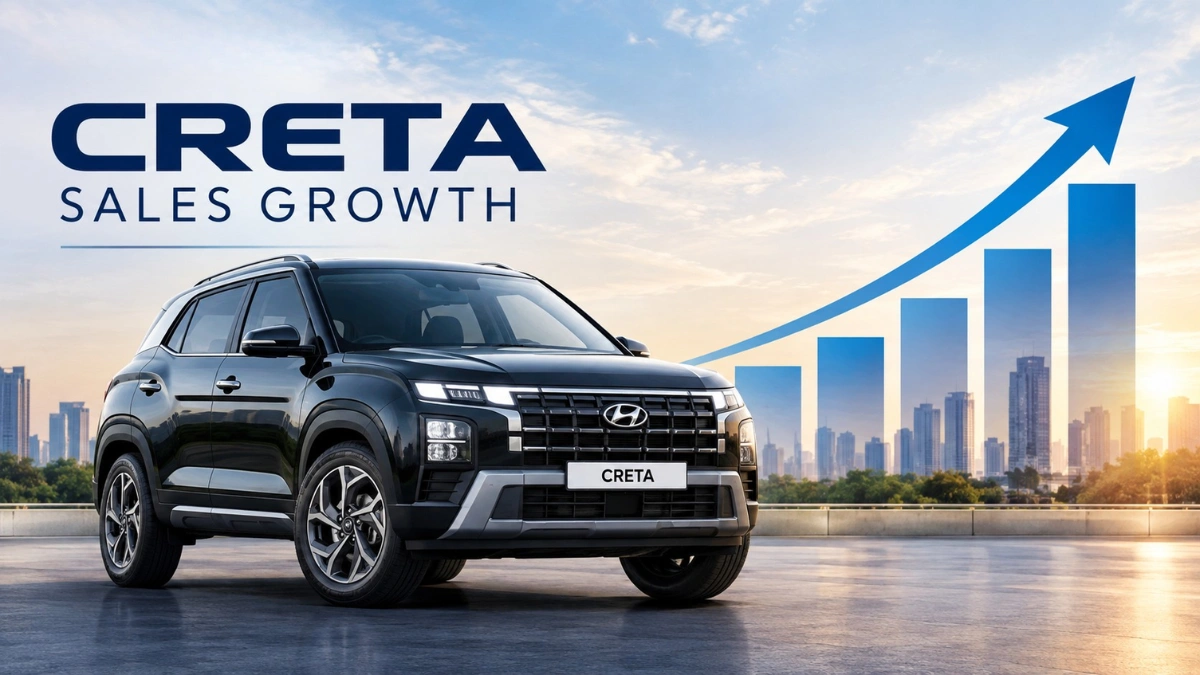
Hyundai Creta August 2026 Sales: With 16,288 Units Becomes India's Best-Selling Mid-Size SUV
Maruti Baleno Facelift Booking Price: Expected Booking Amount, EMI & Loan Calculation

Kia Sorento 6 Seater vs 7 Seater: Which One Should You Choose?

Kia Sorento AI Assistant Explained: Features, Commands, and Indian Language Support
What Is the Difference Between Tata Curvv and New Curvv Series X?
Tata Car Sales August 2026: Model-Wise Sales & Growth Report

Car Sales Report of August 2026: Tata Motors, Maruti, Mahindra Lead Growth
Pajero 2026 vs Fortuner: Which SUV Could Be Better?
Volvo EX90 Booking Price: Expected Booking Amount, EMI & Loan Calculation
Next Generation Tata Nexon 2027: Expected Launch, Price, Design & Features
MG Hector Tomahawk EV Variant-Wise Price & Features Comparison

Maruti Baleno Facelift vs Toyota Glanza: Complete Comparision
Upcoming Cars in September 2026 in India: New Cars, Launch Dates & Expected Prices
MG Hector Hawk SUV vs Tata Harrier: Expected Price, Features & Key Differences
Skoda Superb Diesel in India: Will the Diesel Engine Make a Comeback?