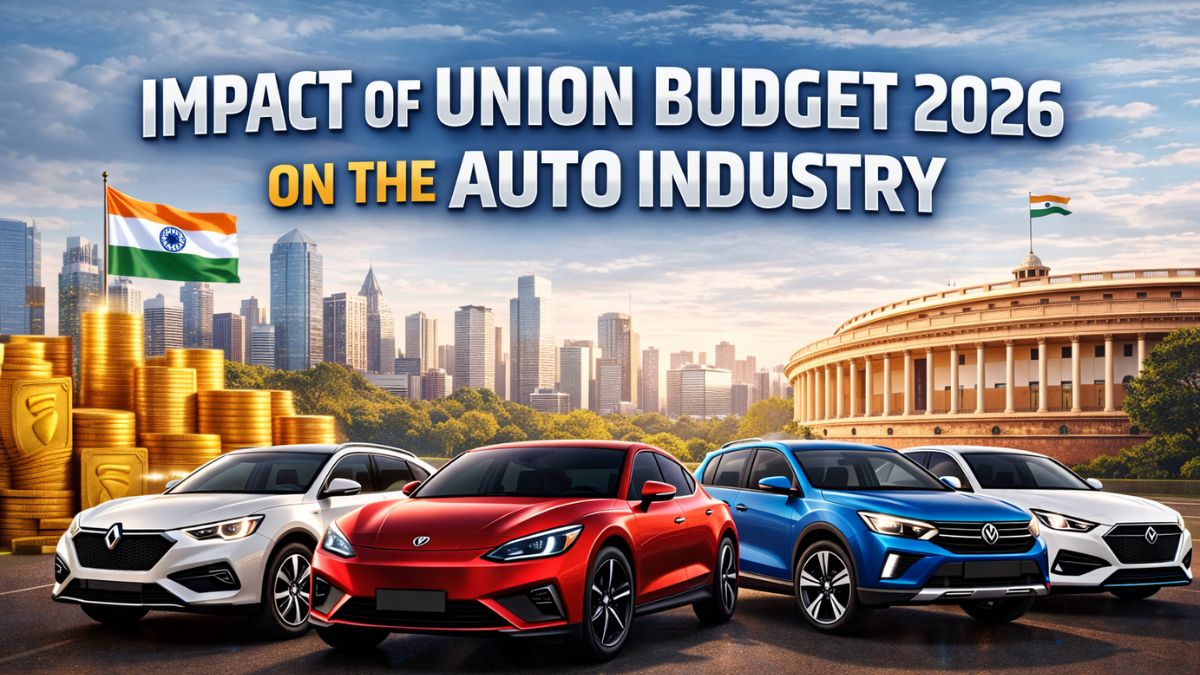
Impact of Union Budget 2026 on the Auto Industry
- Cars
- Published: 28 Jan, 2026
Book a Test Drive
Free doorstep test drive at your convenience
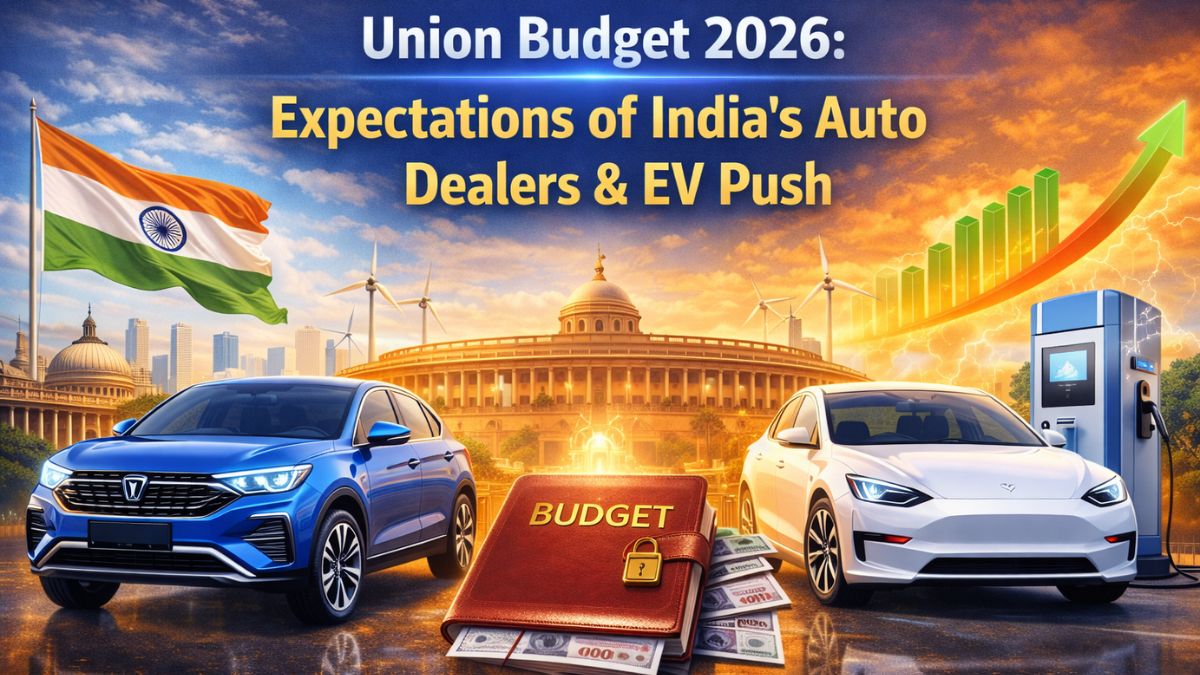
The Union Budget 2026 is expected to play a crucial role in shaping the future of India’s automobile industry. As one of the country’s largest contributors to GDP, employment, and manufacturing output, the auto sector closely watches every budget announcement. From taxation policies and infrastructure spending to electric vehicle (EV) incentives and manufacturing support, the Union Budget has a direct and indirect influence on how the automotive industry evolves.
With rising demand for electric mobility, stricter emission norms, and increasing focus on domestic manufacturing, the impact of Union Budget 2026 on the auto industry is expected to be significant across passenger vehicles, two-wheelers, commercial vehicles, and auto components.
Government Spending and Infrastructure Push
One of the most important budget-linked factors for the auto industry is infrastructure development. Increased allocation for highways, expressways, rural roads, and urban mobility projects generally leads to higher demand for vehicles.
In Union Budget 2026, a continued push towards:
- National highway expansion
- Smart city development
- Logistics and freight corridors
can boost sales of commercial vehicles, construction equipment, and utility vehicles. Better road connectivity also encourages personal vehicle ownership in semi-urban and rural regions, supporting passenger car and two-wheeler sales.
Impact on Electric Vehicles (EVs)
Electric mobility remains a priority area for policymakers. The Union Budget 2026 is expected to further support the EV ecosystem through:
- Incentives for EV manufacturing
- Reduced import duty on EV components
- Support for battery production and recycling
- Expansion of charging infrastructure
Any extension or restructuring of EV-related schemes can lower vehicle costs and improve adoption. This will benefit manufacturers focusing on electric cars, electric scooters, and electric commercial vehicles, while also encouraging new investments in battery technology and clean mobility startups.
Taxation, GST, and Consumer Sentiment
Tax policies announced in the Union Budget have a direct effect on vehicle affordability. While GST rates on automobiles are generally decided by the GST Council, budget announcements around:
- Income tax relief
- Fuel taxation
- Scrappage incentives
can influence buying decisions.
If Union Budget 2026 focuses on increasing disposable income, especially for the middle class, it can improve consumer confidence and lead to higher vehicle sales. On the other hand, any increase in compliance costs or indirect taxes could raise vehicle prices, impacting demand in price-sensitive segments.
Boost to Domestic Manufacturing and “Make in India”
The Indian auto industry heavily depends on domestic manufacturing and exports. The Union Budget 2026 is expected to strengthen the Make in India and Atmanirbhar Bharat initiatives through:
- Production-linked incentives (PLI)
- Support for auto component manufacturers
- Encouragement for advanced technology manufacturing
These measures can reduce import dependency, improve supply chain stability, and help Indian manufacturers compete globally. Increased export incentives can also position India as a global auto manufacturing hub.
Impact on Auto Component and MSME Sector
The auto component industry and MSMEs form the backbone of vehicle manufacturing. Budget measures focused on:
- Easier access to credit
- Lower interest rates
- Technology upgradation support
can significantly benefit small and medium suppliers. A healthier component ecosystem ensures cost control, innovation, and uninterrupted production for vehicle manufacturers.
Union Budget 2026 may also promote local sourcing and digitization, helping component makers adapt to new technologies like EVs, ADAS, and connected vehicles.
Sustainability and Emission Norms
Sustainability is becoming central to automotive policymaking. Budgetary support for:
- Green manufacturing
- Biofuels and alternative fuels
- Low-emission technologies
can push automakers to invest in cleaner engines and sustainable practices. This transition may initially increase costs but will create long-term benefits for both manufacturers and consumers.
Why Choose the Auto Sector After Union Budget 2026?
1. Strong Long-Term Growth Potential
India’s growing population, rising income levels, and urbanization ensure sustained demand for vehicles across segments.
2. Policy Support for Innovation
Government backing for EVs, alternative fuels, and advanced manufacturing creates opportunities for innovation and new business models.
3. Improved Infrastructure
Better roads and logistics networks reduce operating costs and improve vehicle usability, boosting overall demand.
4. Export Opportunities
Budget support for exports strengthens India’s position in global automotive supply chains.
Conclusion
The impact of Union Budget 2026 on the auto industry is expected to be multifaceted, influencing demand, manufacturing, innovation, and sustainability. While short-term market reactions may vary, the long-term outlook remains positive if the budget continues to focus on infrastructure development, electric mobility, domestic manufacturing, and consumer affordability.
For automakers, suppliers, and buyers alike, Union Budget 2026 will serve as a roadmap for the future direction of India’s automotive sector. A balanced approach between growth and sustainability can help the industry adapt to changing market dynamics and global trends.
FAQs
Q1. How does the Union Budget affect the auto industry?
The Union Budget impacts the auto industry through infrastructure spending, tax policies, EV incentives, manufacturing support, and consumer income levels.
Q2. Will Union Budget 2026 support electric vehicles?
Union Budget 2026 is expected to continue supporting EV adoption through incentives, charging infrastructure development, and battery manufacturing support.
Q3. Does the budget influence car prices?
Yes, budget announcements related to taxes, duties, and compliance costs can indirectly affect vehicle prices.
Q4. Which segment benefits most from budget announcements?
Commercial vehicles, electric vehicles, and domestically manufactured cars usually benefit the most from infrastructure and policy support.
Book a Test Drive
Free doorstep test drive at your convenience
Popular Brands





Latest Car News
BMW 7 Series Facelift Interior Updates: Know Everything

How to Check Oil Level in Car: Step-by-Step Guide

Latest Cars Under ₹5 Lakh in India in September 2026

Maruti Alto K10 September Offers: Get Up to ₹62,500 Savings on Purchase

Tata Tigor Facelift Under ₹6 Lakh: A New Budget Sedan Is Coming

Hyundai Creta August 2026 Sales: With 16,288 Units Becomes India's Best-Selling Mid-Size SUV
Maruti Baleno Facelift Booking Price: Expected Booking Amount, EMI & Loan Calculation

Kia Sorento 6 Seater vs 7 Seater: Which One Should You Choose?

Kia Sorento AI Assistant Explained: Features, Commands, and Indian Language Support

What Is the Difference Between Tata Curvv and New Curvv Series X?

Tata Car Sales August 2026: Model-Wise Sales & Growth Report

Car Sales Report of August 2026: Tata Motors, Maruti, Mahindra Lead Growth
Pajero 2026 vs Fortuner: Which SUV Could Be Better?
Volvo EX90 Booking Price: Expected Booking Amount, EMI & Loan Calculation
Next Generation Tata Nexon 2027: Expected Launch, Price, Design & Features
MG Hector Tomahawk EV Variant-Wise Price & Features Comparison

Maruti Baleno Facelift vs Toyota Glanza: Complete Comparision
Upcoming Cars in September 2026 in India: New Cars, Launch Dates & Expected Prices
MG Hector Hawk SUV vs Tata Harrier: Expected Price, Features & Key Differences
Skoda Superb Diesel in India: Will the Diesel Engine Make a Comeback?