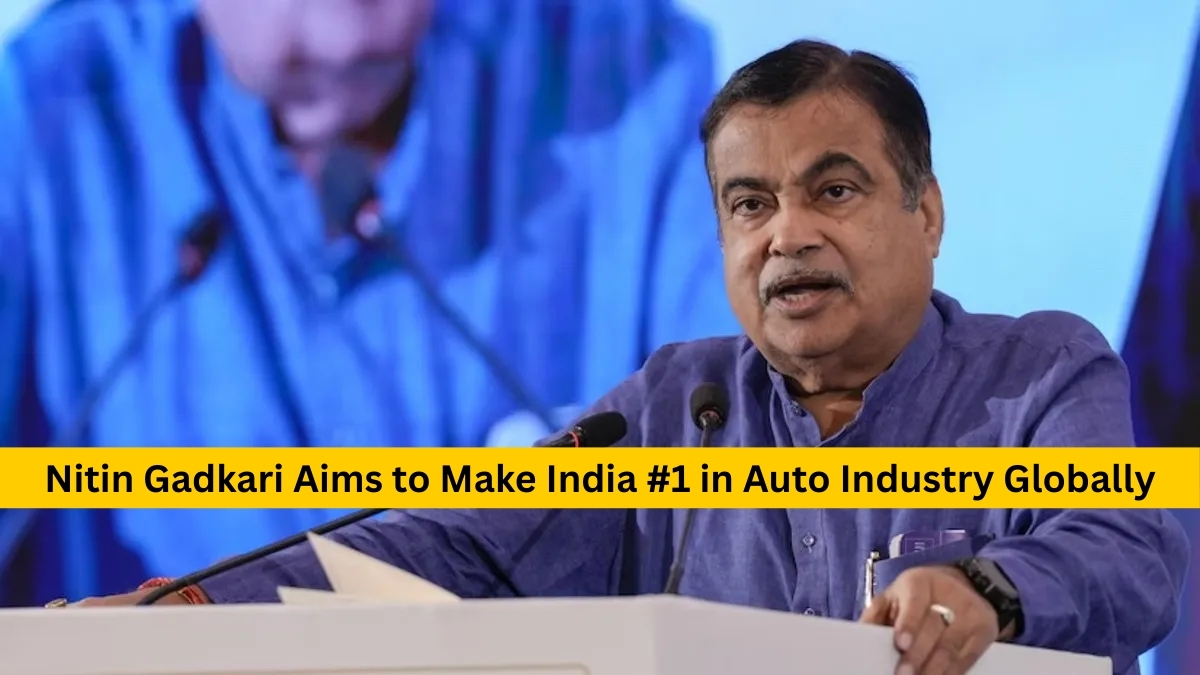
Nitin Gadkari Aims to Make India #1 in Auto Industry Globally
- Cars
- Published: 20 Aug, 2025
Book a Test Drive
Free doorstep test drive at your convenience
Union Minister for Road Transport and Highways, Nitin Gadkari, has once again reiterated his ambitious vision of making India the number one auto industry in the world. Speaking at a recent industry event, Gadkari emphasized India’s strong potential to overtake global leaders like Japan, Germany, and even China in automobile manufacturing, exports, and innovation.
India’s Auto Industry at a Glance
The Indian automobile sector is already the third-largest in the world, valued at over $100 billion. It contributes nearly 7% to India’s GDP and provides direct and indirect employment to over 3 crore people. In recent years, the country has emerged as a hub for two-wheelers, compact cars, and affordable SUVs, while also seeing rapid growth in electric vehicles (EVs) and green mobility solutions.
Gadkari’s Roadmap for Global Leadership
Nitin Gadkari laid out a clear roadmap to achieve the target of making India the world’s top auto market:
- Electric Vehicle Push: With India targeting EV adoption of 30% by 2030, Gadkari highlighted the need for faster EV manufacturing, battery localization, and charging infrastructure.
- Green Fuel Initiatives: Strong focus on ethanol, hydrogen, and biofuels to reduce dependence on fossil fuels and bring down pollution levels.
- Infrastructure Expansion: Record-breaking highway construction and smart road projects will enable faster logistics, reducing costs for auto manufacturers.
- Export Potential: Encouraging companies like Tata Motors, Mahindra, Hyundai India, and Maruti Suzuki to expand exports to Europe, Africa, and Latin America.
Why This Matters
If India achieves Gadkari’s vision, the country could:
- Become a global hub for affordable EVs.
- Increase auto exports exponentially, boosting the economy.
- Generate millions of jobs across the supply chain.
- Reduce oil imports by promoting alternative fuels.
Industry Reactions
Automobile companies have welcomed Gadkari’s statement but also stressed the importance of government support, R&D investments, and consistent policies. Industry experts believe that while India has a strong chance of becoming a leader in small cars and two-wheelers, achieving global dominance in luxury cars and high-end EVs will require more technological advancements.
Why Choose India’s Auto Industry?
- Affordability & Innovation: India is known for manufacturing cost-effective yet high-quality vehicles.
- Green Mobility Drive: Strong government backing for EVs and biofuels.
- Large Market Size: India’s massive domestic demand fuels growth.
- Export Readiness: Indian automakers are increasingly competitive in global markets.
Conclusion
Nitin Gadkari’s bold vision of making India the number one auto industry globally is ambitious but achievable with the right mix of policy reforms, industry innovation, and sustainable practices. With strong demand, rapid EV adoption, and government-backed infrastructure, India is well on its way to becoming a global auto powerhouse.
FAQs
Q1: What is Nitin Gadkari’s goal for India’s auto sector?
A1: He aims to make India the world’s number one auto industry.
Q2: How is India promoting EV adoption?
A2: Through incentives, charging infrastructure, and local battery production.
Q3: Which fuels are being promoted apart from EVs?
A3: Ethanol, hydrogen, and biofuels are key focus areas.
Q4: What benefits will India gain if it becomes the top auto industry?
A4: Economic growth, job creation, increased exports, and reduced oil dependency.
Book a Test Drive
Free doorstep test drive at your convenience
Popular Brands





Latest Car News
BMW 7 Series Facelift Interior Updates: Know Everything

How to Check Oil Level in Car: Step-by-Step Guide
Latest Cars Under ₹5 Lakh in India in September 2026

Maruti Alto K10 September Offers: Get Up to ₹62,500 Savings on Purchase
Tata Tigor Facelift Under ₹6 Lakh: A New Budget Sedan Is Coming
Hyundai Creta August 2026 Sales: With 16,288 Units Becomes India's Best-Selling Mid-Size SUV
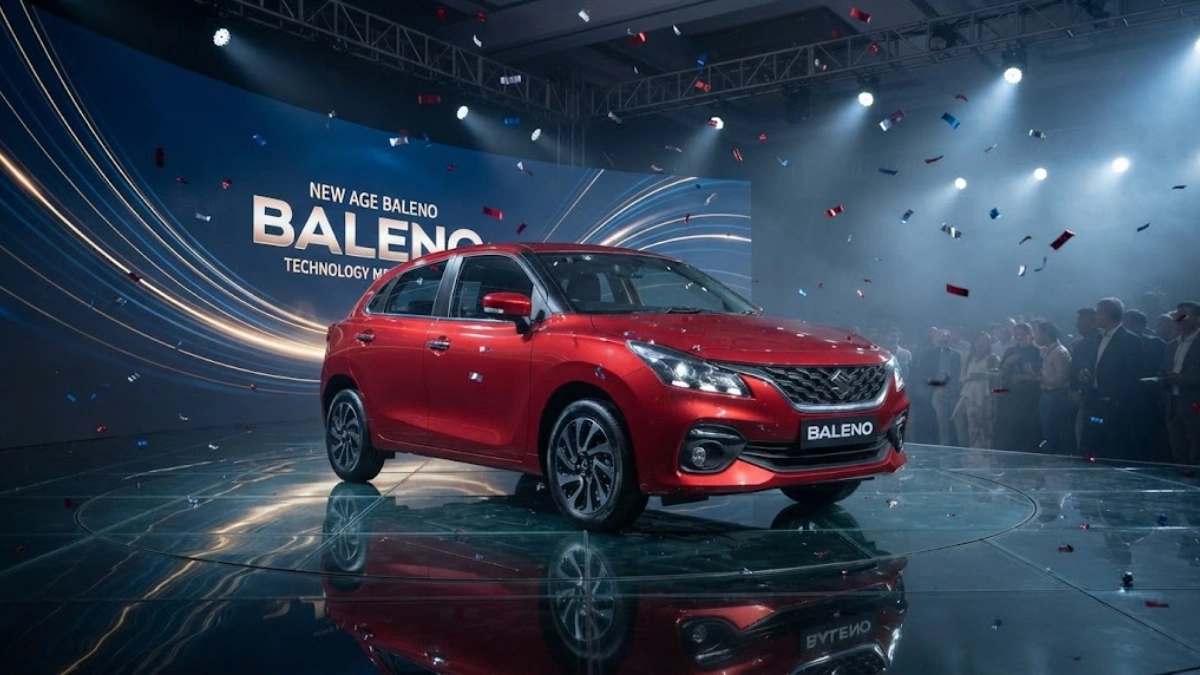
Maruti Baleno Facelift Booking Price: Expected Booking Amount, EMI & Loan Calculation
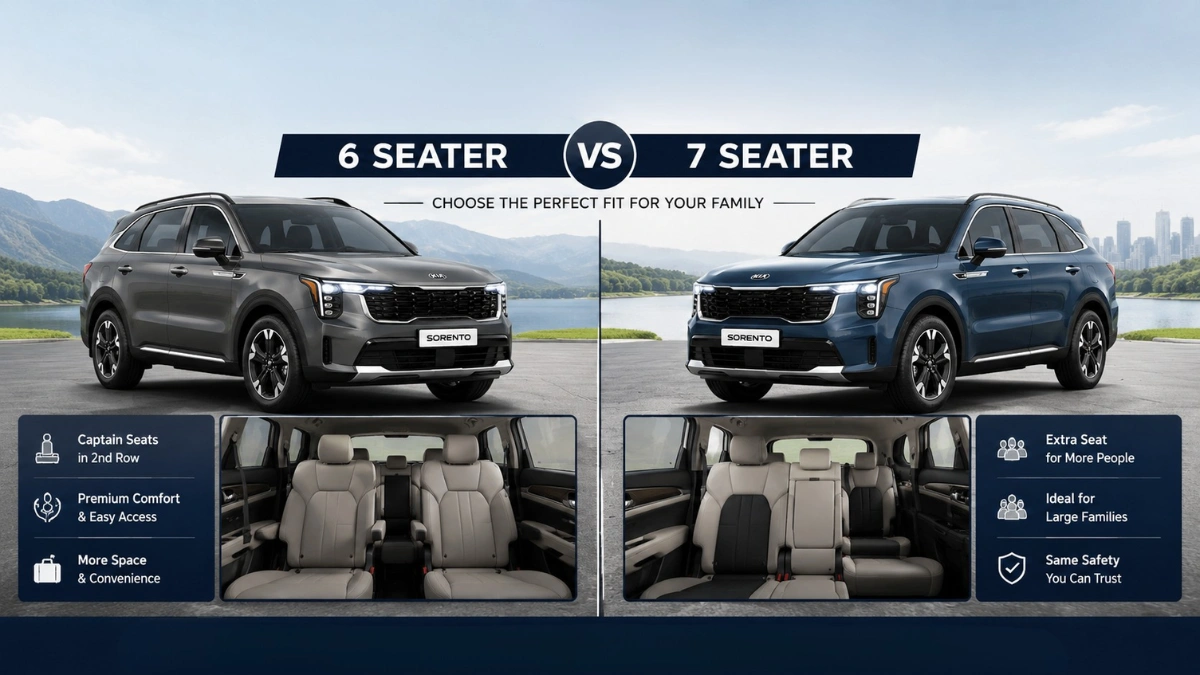
Kia Sorento 6 Seater vs 7 Seater: Which One Should You Choose?

Kia Sorento AI Assistant Explained: Features, Commands, and Indian Language Support
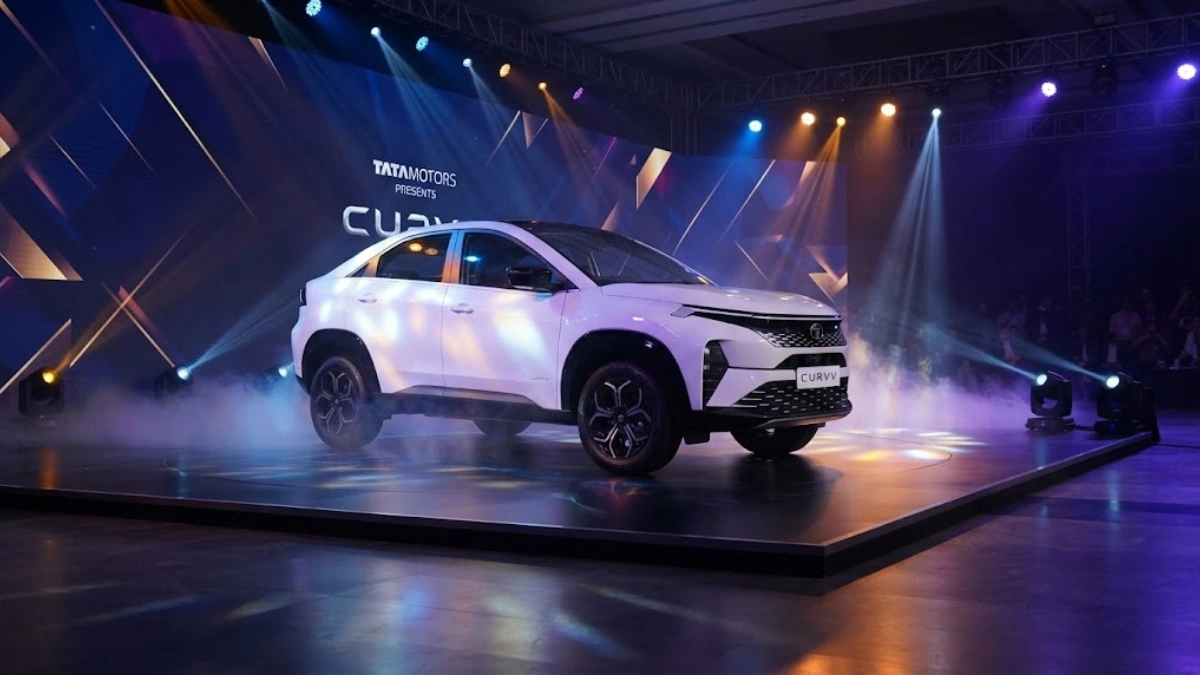
What Is the Difference Between Tata Curvv and New Curvv Series X?
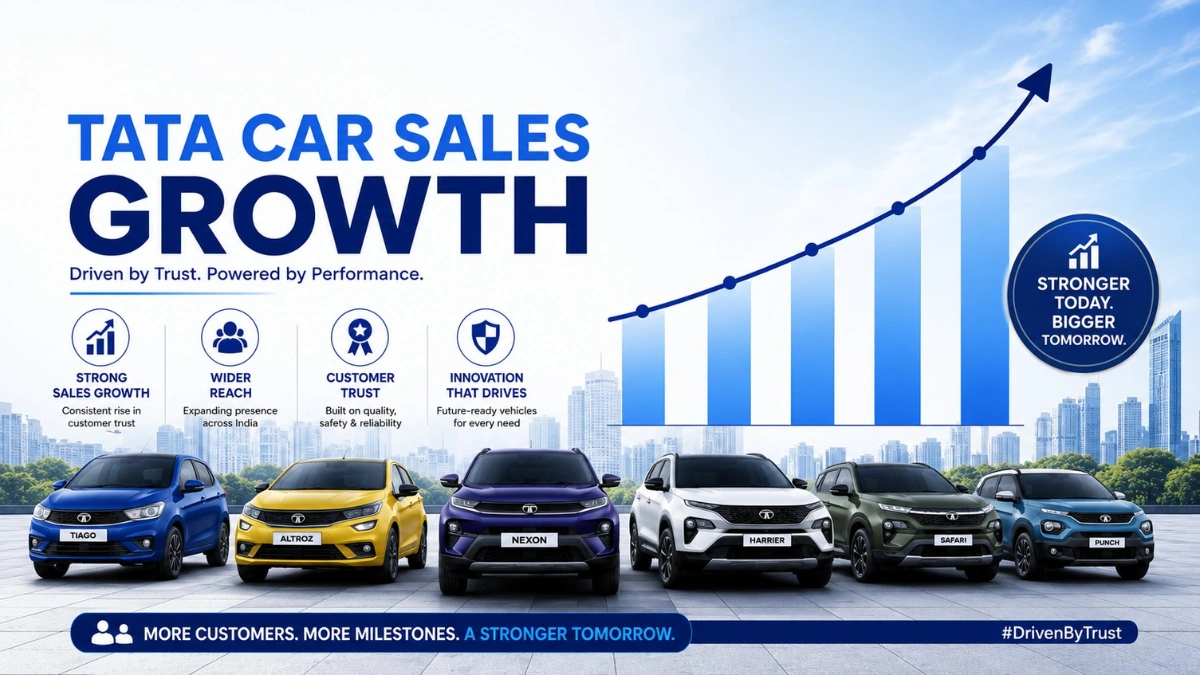
Tata Car Sales August 2026: Model-Wise Sales & Growth Report
Car Sales Report of August 2026: Tata Motors, Maruti, Mahindra Lead Growth
Pajero 2026 vs Fortuner: Which SUV Could Be Better?
Volvo EX90 Booking Price: Expected Booking Amount, EMI & Loan Calculation
Next Generation Tata Nexon 2027: Expected Launch, Price, Design & Features
MG Hector Tomahawk EV Variant-Wise Price & Features Comparison
Maruti Baleno Facelift vs Toyota Glanza: Complete Comparision
Upcoming Cars in September 2026 in India: New Cars, Launch Dates & Expected Prices
MG Hector Hawk SUV vs Tata Harrier: Expected Price, Features & Key Differences
Skoda Superb Diesel in India: Will the Diesel Engine Make a Comeback?