September–October 2025 Car Sales Report: GST 2.0 + Festive Season ka Impact
- Cars
- Published: 03 Nov, 2025
Book a Test Drive
Free doorstep test drive at your convenience
The Indian automobile industry witnessed a major transformation in the second half of 2025. With the rollout of GST 2.0 reforms and the onset of the festive season, car sales in September and October 2025 reached record levels. Buyers thronged showrooms, automakers introduced irresistible discounts, and the new tax structure gave a much-needed boost to the market.
Let’s take a detailed look at how GST 2.0 and the festive season together shaped the car sales landscape across India.
Overall Car Sales Overview: September–October 2025
The combined sales during these two months crossed 6.5 lakh units, marking a 12% year-on-year growth compared to the same period in 2024.
- September 2025: The introduction of GST 2.0, which rationalized vehicle taxation, encouraged early festive buying.
- October 2025: Traditional festive demand from Navratri to Diwali pushed sales to record highs, making it one of the strongest months ever for the auto sector.
Major carmakers like Maruti Suzuki, Tata Motors, Hyundai, Mahindra, and Kia saw double-digit growth in both months.
Impact of GST 2.0 on Car Prices and Demand
The government’s GST 2.0 reforms, implemented in early September 2025, simplified the tax structure for automobiles. The key highlights included:
- Reduced GST slab: The tax rate on passenger vehicles was reduced from 28% to 24% for small and mid-size cars.
- EV incentives: GST on electric vehicles dropped from 5% to 3%, making EVs more affordable.
- Streamlined Input Credits: Manufacturers benefited from simplified tax credit systems, helping them offer better retail discounts.
As a result, several popular models saw price cuts between ₹25,000 to ₹75,000, depending on the segment. This immediately sparked buyer interest and advanced festive bookings.
Festive Season Fueling Record Sales
The festive period between Navratri and Diwali 2025 traditionally drives big auto sales, and this year was no exception. With improved affordability post-GST reform, buyers rushed to take advantage of attractive deals.
Top automakers reported their highest-ever monthly dispatches in October 2025:
- Maruti Suzuki: 2.2 lakh units (record-breaking month)
- Tata Motors: 52,800 units (10% YoY growth)
- Hyundai: 50,200 units
- Mahindra: 43,000 units
- Kia: 25,000 units
SUVs and electric vehicles led the surge, with models like Tata Nexon, Hyundai Creta, Maruti Brezza, and Mahindra Scorpio-N topping charts.
Segment-Wise Performance
- Hatchbacks: Affordable models like WagonR, Swift, and Tiago continued to dominate entry-level sales due to GST price benefits and low maintenance.
- SUVs: The SUV wave stayed strong. Almost 45% of total cars sold belonged to this segment, led by Nexon, Creta, and Punch.
- Sedans: Although smaller in volume, sedans like Dzire and Verna performed well among premium buyers.
- EVs: Electric cars saw a 30% YoY growth, driven by Tata Nexon EV, Tiago EV, and new entries from Hyundai and MG.
Regional Trends
- North India: Delhi, Punjab, and Uttar Pradesh saw huge festive demand, boosted by Diwali purchases.
- West India: Maharashtra and Gujarat led EV adoption post-GST 2.0 incentives.
- South India: Bengaluru, Chennai, and Hyderabad showed strong demand for compact SUVs and tech-rich EVs.
These trends highlight a balanced national recovery, with urban and semi-urban markets both contributing significantly.
Why Choose Cars During the Festive Season (Post-GST 2.0)?
- 💰 Lower Prices: GST 2.0 tax cuts reduced on-road prices, making vehicles more affordable.
- 🎁 Best Offers & Discounts: Automakers offered cash discounts, exchange bonuses, and festive finance schemes.
- ⚡ EV Benefits: Additional GST reduction on EVs made them cheaper and more accessible.
- 🧾 Easy Financing: Lower interest rates and flexible EMIs attracted first-time buyers.
- 🏆 High Resale Value: Buying during festive season ensures latest model year registration, boosting long-term resale value.
Market Outlook for November–December 2025
Experts predict a steady momentum even after Diwali. Automakers are expected to maintain production levels, though demand may normalize post-festive season. The EV market is set to expand further, with more models from Tata, Hyundai, and Mahindra expected by year-end.
With GST 2.0 stabilizing the tax ecosystem, 2026 could see sustained growth, especially in the mid-size SUV and EV segments.
Conclusion
The September–October 2025 car sales report proves that India’s auto sector is entering a new growth phase powered by policy reform and consumer enthusiasm. GST 2.0 made vehicles more affordable, while the festive season acted as a sales catalyst.
Together, they created the perfect environment for record-breaking sales and renewed optimism in the automobile market. With more launches and government incentives ahead, the road to 2026 looks promising for both manufacturers and buyers.
FAQs
1. What was the total car sales figure for September–October 2025?
Combined sales crossed 6.5 lakh units, marking a 12% increase from 2024.
2. How did GST 2.0 impact car prices?
GST 2.0 reduced taxes on small and mid-size cars, cutting prices by ₹25,000–₹75,000 on average.
3. Which car brands benefited the most?
Maruti Suzuki, Tata Motors, and Hyundai saw the largest growth due to strong SUV and hatchback sales.
4. Did EV sales increase after GST 2.0?
Yes, EV sales jumped 30% YoY, thanks to lower GST and better affordability.
5. What can we expect in the next quarter?
Stable growth with continued interest in SUVs and EVs, supported by strong after-sales offers and upcoming new launches.
Book a Test Drive
Free doorstep test drive at your convenience
Popular Brands





Latest Car News
BMW 7 Series Facelift Interior Updates: Know Everything

How to Check Oil Level in Car: Step-by-Step Guide

Latest Cars Under ₹5 Lakh in India in September 2026

Maruti Alto K10 September Offers: Get Up to ₹62,500 Savings on Purchase

Tata Tigor Facelift Under ₹6 Lakh: A New Budget Sedan Is Coming
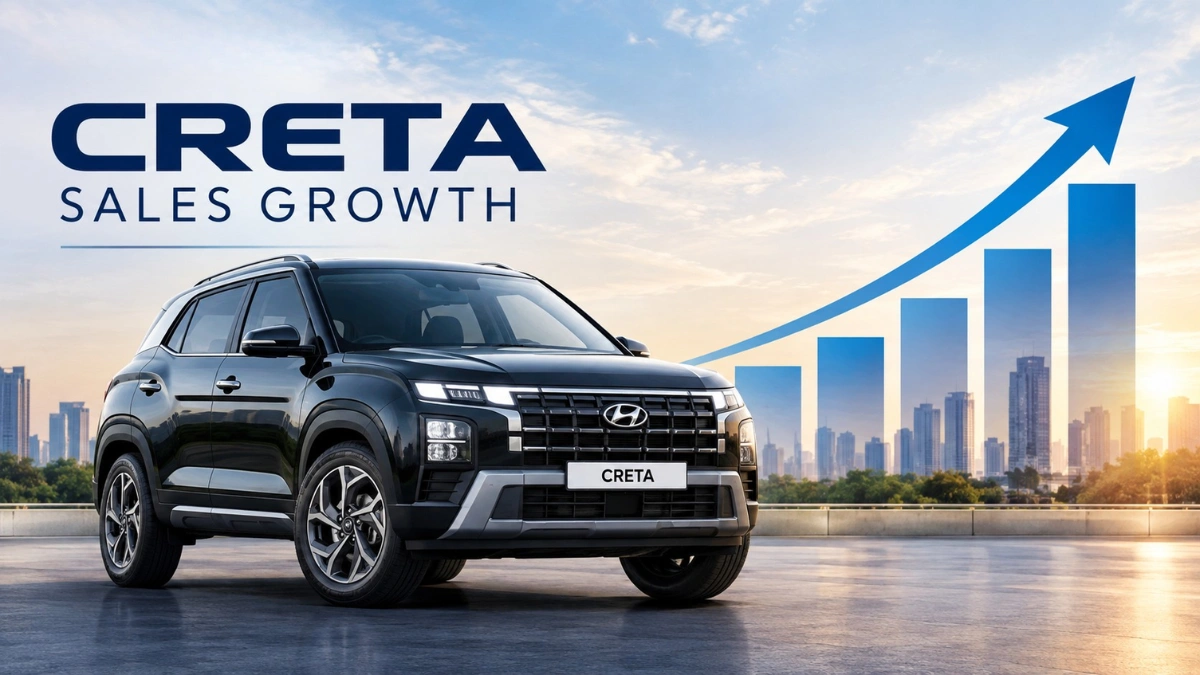
Hyundai Creta August 2026 Sales: With 16,288 Units Becomes India's Best-Selling Mid-Size SUV
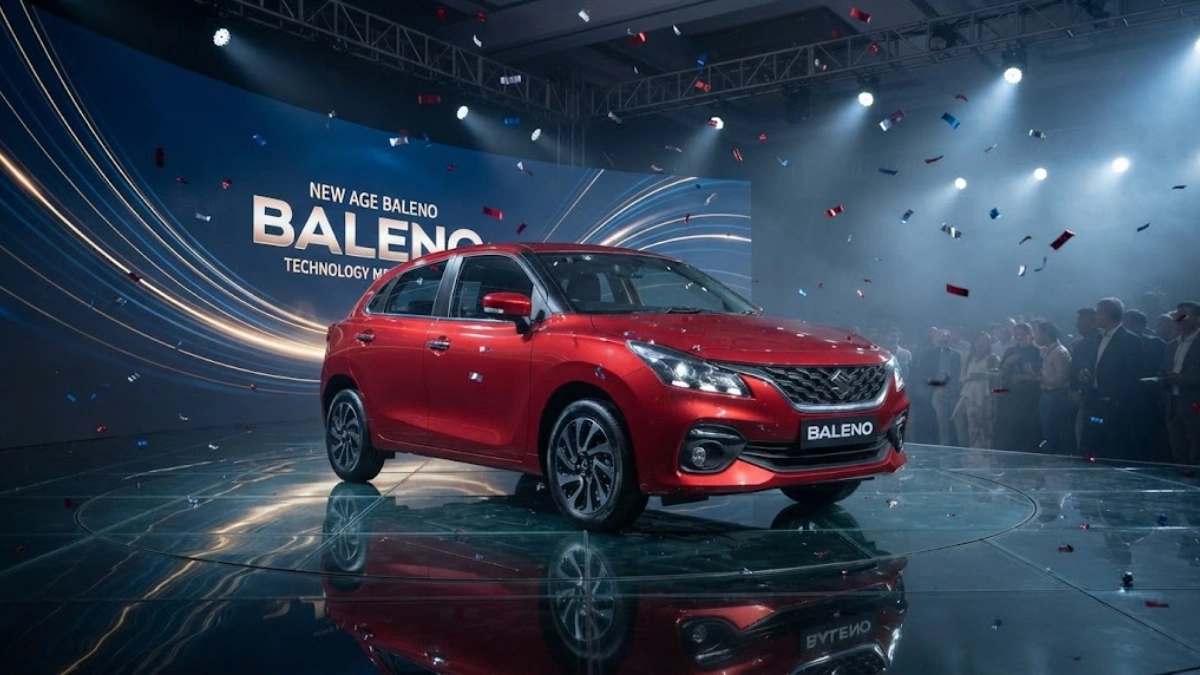
Maruti Baleno Facelift Booking Price: Expected Booking Amount, EMI & Loan Calculation

Kia Sorento 6 Seater vs 7 Seater: Which One Should You Choose?

Kia Sorento AI Assistant Explained: Features, Commands, and Indian Language Support
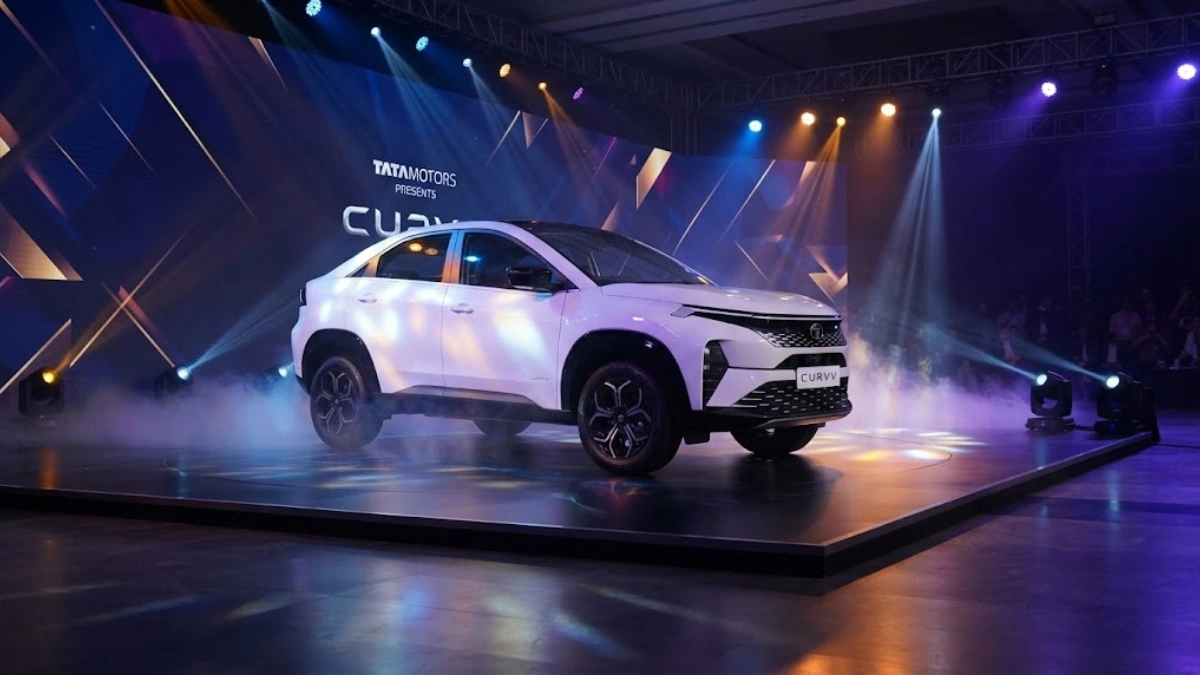
What Is the Difference Between Tata Curvv and New Curvv Series X?
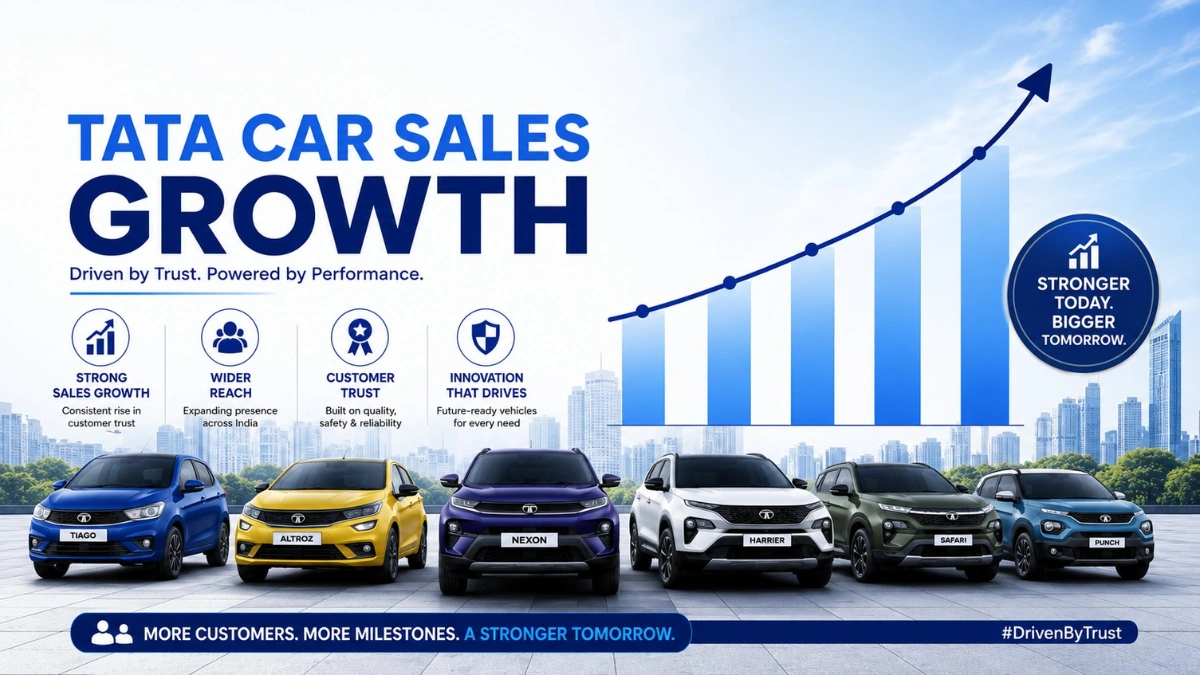
Tata Car Sales August 2026: Model-Wise Sales & Growth Report
Car Sales Report of August 2026: Tata Motors, Maruti, Mahindra Lead Growth
Pajero 2026 vs Fortuner: Which SUV Could Be Better?
Volvo EX90 Booking Price: Expected Booking Amount, EMI & Loan Calculation
Next Generation Tata Nexon 2027: Expected Launch, Price, Design & Features
MG Hector Tomahawk EV Variant-Wise Price & Features Comparison
Maruti Baleno Facelift vs Toyota Glanza: Complete Comparision
Upcoming Cars in September 2026 in India: New Cars, Launch Dates & Expected Prices
MG Hector Hawk SUV vs Tata Harrier: Expected Price, Features & Key Differences
Skoda Superb Diesel in India: Will the Diesel Engine Make a Comeback?