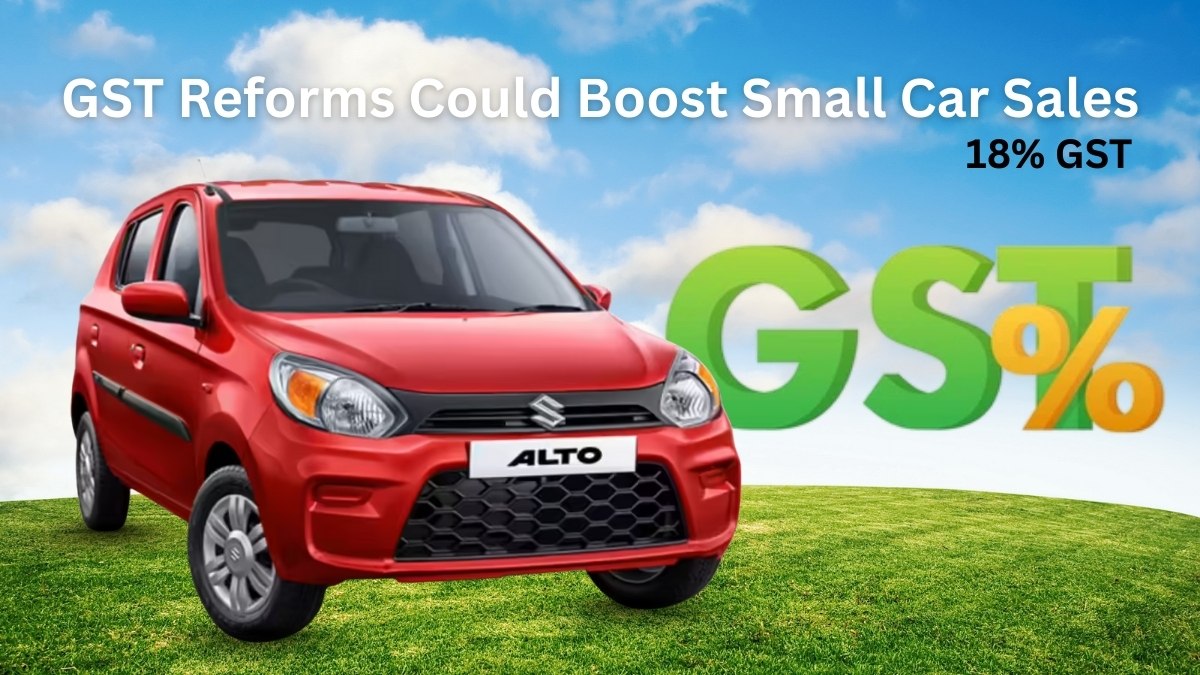
GST Reforms Could Boost Small Car Sales
- Cars
- Published: 29 Aug, 2025
Book a Test Drive
Free doorstep test drive at your convenience
The Indian automobile industry has long been considered a backbone of the nation’s economy. With millions of vehicles sold annually, the sector not only supports employment but also contributes significantly to GDP and tax revenues. However, rising costs, high interest rates, and increasing fuel prices have slowed growth in the small car segment — once the most affordable and popular choice among middle-class families.
Now, GST reforms could boost small car sales, offering fresh hope for buyers and automakers alike.
What Are the Proposed GST Reforms?
Currently, cars in India attract GST rates between 28% to 50%, depending on the size and type of vehicle. Small cars — typically under 4 meters in length and with engines up to 1200cc (petrol) or 1500cc (diesel) — fall under the 28% GST bracket plus cess. This makes them costlier for buyers, despite being considered entry-level vehicles.
The government is reportedly considering reducing GST on small cars to make them more affordable for the mass market. If approved, this reform could cut down car prices by 5–10%, directly benefiting millions of first-time buyers.
Why Small Cars Matter in India
Small cars are not just vehicles; they are the stepping stone for India’s expanding middle class. Models like the Maruti Alto, WagonR, Hyundai i10, and Tata Tiago dominate the roads because of their compact size, fuel efficiency, and affordability.
With two-wheelers still being the most common choice for mobility, affordable small cars provide safer and more convenient family transportation. A tax cut through GST reforms would likely encourage two-wheeler owners to upgrade to cars sooner.
Industry Reactions
Automakers have welcomed the possibility of GST reforms. Companies like Maruti Suzuki, Hyundai, and Tata Motors believe that reduced taxation could help revive sales volumes in the small car category, which has seen a slowdown due to rising input costs and stricter emission norms.
Industry analysts also argue that affordable cars could help India achieve its vision of higher motorization rates, improved road safety, and faster transition to cleaner vehicles, including small EVs.
Potential Impact on Buyers
For buyers, the biggest advantage of GST reforms would be reduced car prices. A price cut of ₹30,000–₹50,000 could make small cars more accessible, especially in Tier-2 and Tier-3 cities.
This move could also boost financing options, as lower car prices would reduce the overall loan burden. It might also encourage young professionals and nuclear families to choose four-wheelers earlier than planned.
Why Choose a Small Car After GST Reforms?
- Affordability – Lower GST means cheaper cars, making them easier to purchase.
- Fuel Efficiency – Small cars generally offer better mileage, reducing running costs.
- Compact Size – Easier to drive and park in congested Indian cities.
- Lower Insurance & Maintenance – Affordable ownership compared to SUVs and sedans.
- Upgrade Path – Perfect stepping stone before moving to premium cars or EVs.
Conclusion
The possibility of GST reforms could boost small car sales and revitalize the struggling entry-level car segment in India. For automakers, this reform would mean higher sales volumes and better utilization of production capacity. For consumers, it would mean more affordable options, easier financing, and greater access to safe mobility.
As India moves towards becoming a $5 trillion economy, supporting the small car market through tax reforms could be a win-win for both industry and buyers.
FAQs
Q1. What is the current GST on small cars in India?
Currently, small cars attract 28% GST plus cess, making them relatively expensive.
Q2. How much can buyers save if GST reforms are implemented?
Buyers could save ₹30,000 to ₹50,000, depending on the car model and variant.
Q3. Which cars will benefit the most from GST cuts?
Popular models like Maruti Alto, WagonR, Hyundai i10, Tata Tiago, and Renault Kwid are expected to benefit.
Q4. When will GST reforms be implemented?
The government is still in discussion, and the timeline will depend on policy decisions.
Q5. Will GST reforms also apply to electric cars?
Currently, EVs already enjoy 5% GST, so reforms will mainly target petrol and diesel small cars.
Book a Test Drive
Free doorstep test drive at your convenience
Popular Brands





Latest Car News
BMW 7 Series Facelift Interior Updates: Know Everything

How to Check Oil Level in Car: Step-by-Step Guide

Latest Cars Under ₹5 Lakh in India in September 2026

Maruti Alto K10 September Offers: Get Up to ₹62,500 Savings on Purchase

Tata Tigor Facelift Under ₹6 Lakh: A New Budget Sedan Is Coming
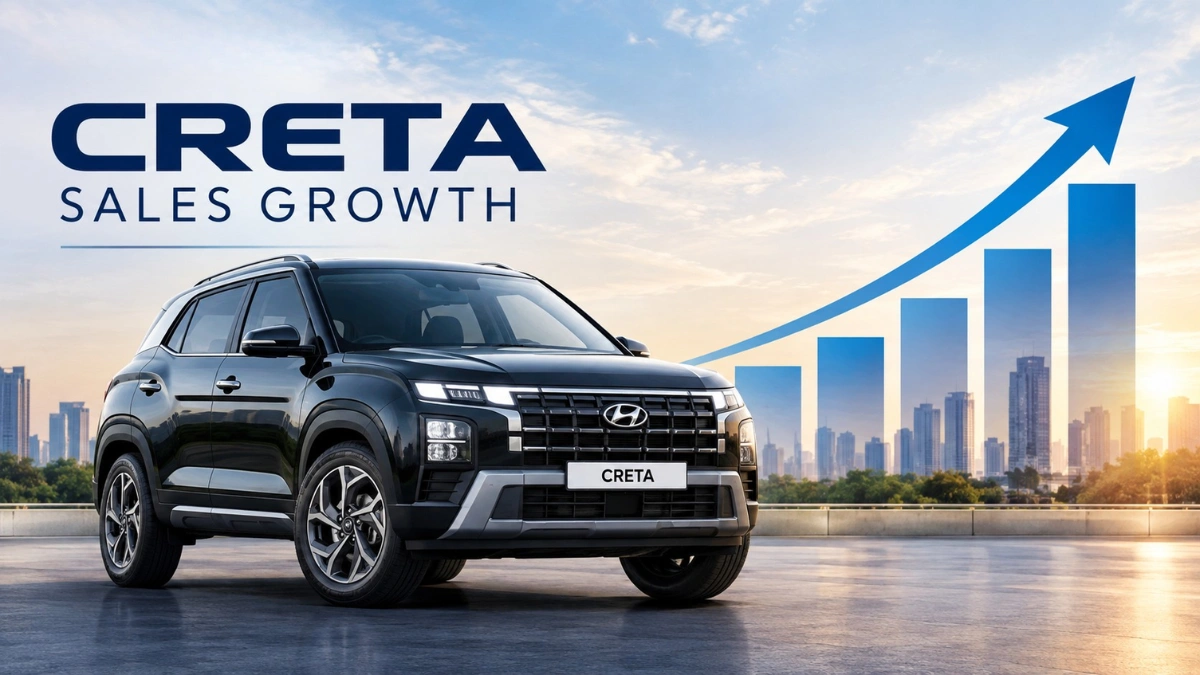
Hyundai Creta August 2026 Sales: With 16,288 Units Becomes India's Best-Selling Mid-Size SUV
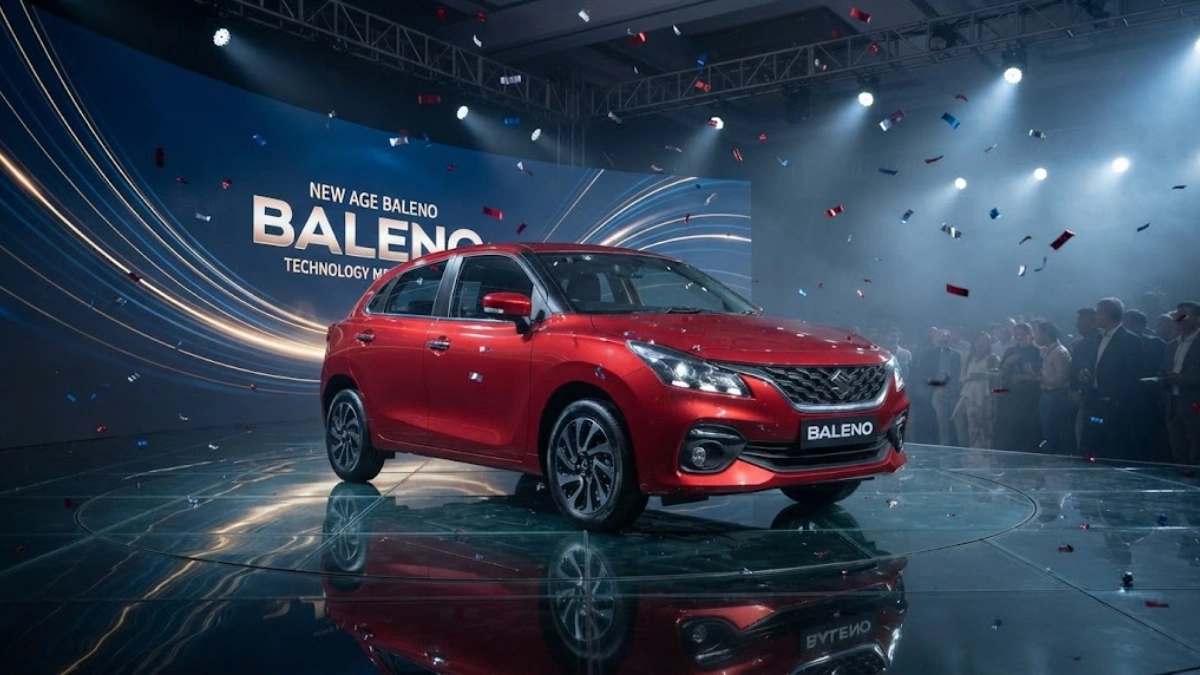
Maruti Baleno Facelift Booking Price: Expected Booking Amount, EMI & Loan Calculation

Kia Sorento 6 Seater vs 7 Seater: Which One Should You Choose?

Kia Sorento AI Assistant Explained: Features, Commands, and Indian Language Support
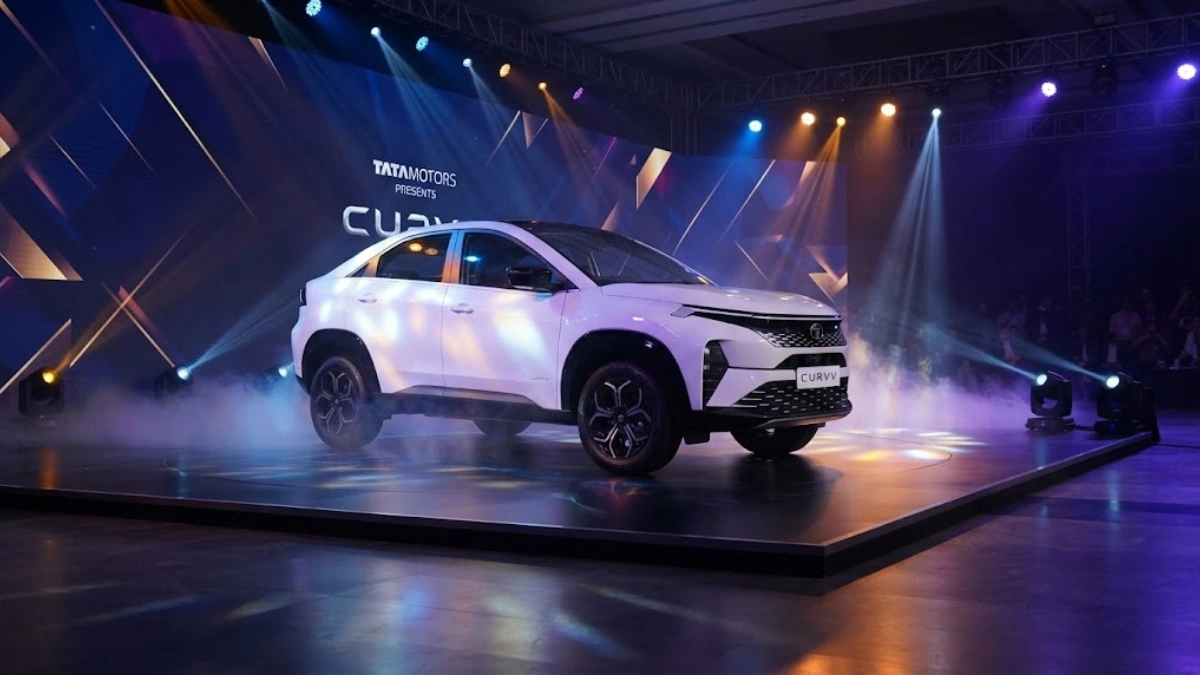
What Is the Difference Between Tata Curvv and New Curvv Series X?
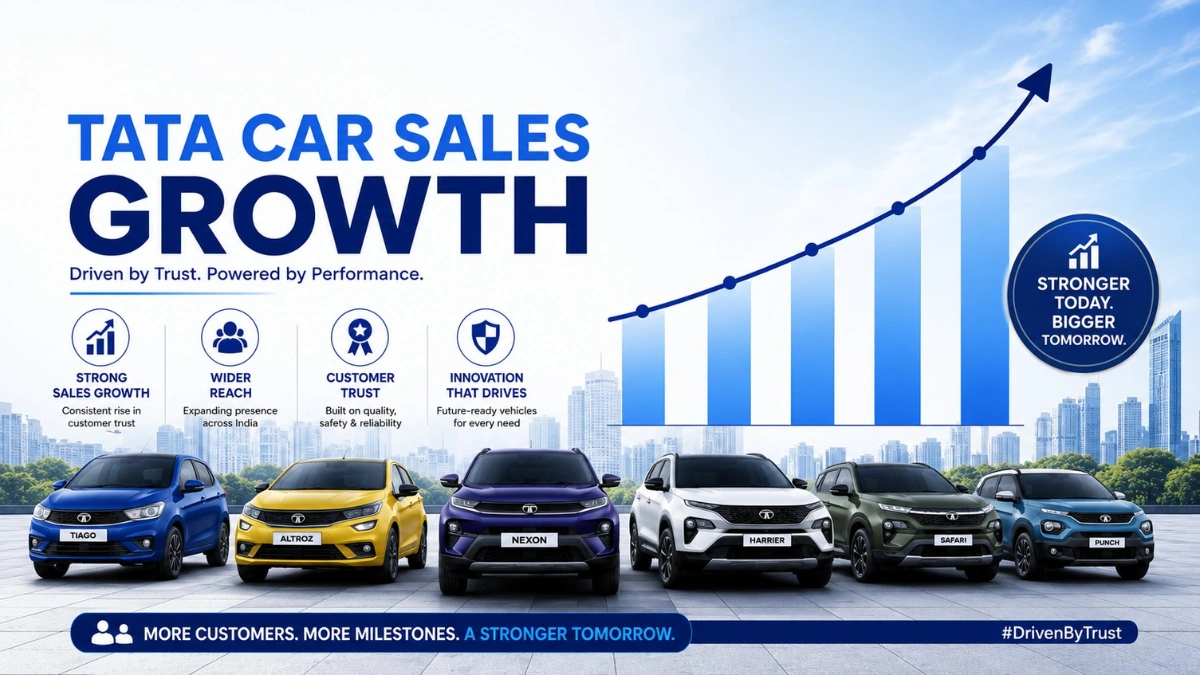
Tata Car Sales August 2026: Model-Wise Sales & Growth Report

Car Sales Report of August 2026: Tata Motors, Maruti, Mahindra Lead Growth
Pajero 2026 vs Fortuner: Which SUV Could Be Better?
Volvo EX90 Booking Price: Expected Booking Amount, EMI & Loan Calculation
Next Generation Tata Nexon 2027: Expected Launch, Price, Design & Features
MG Hector Tomahawk EV Variant-Wise Price & Features Comparison
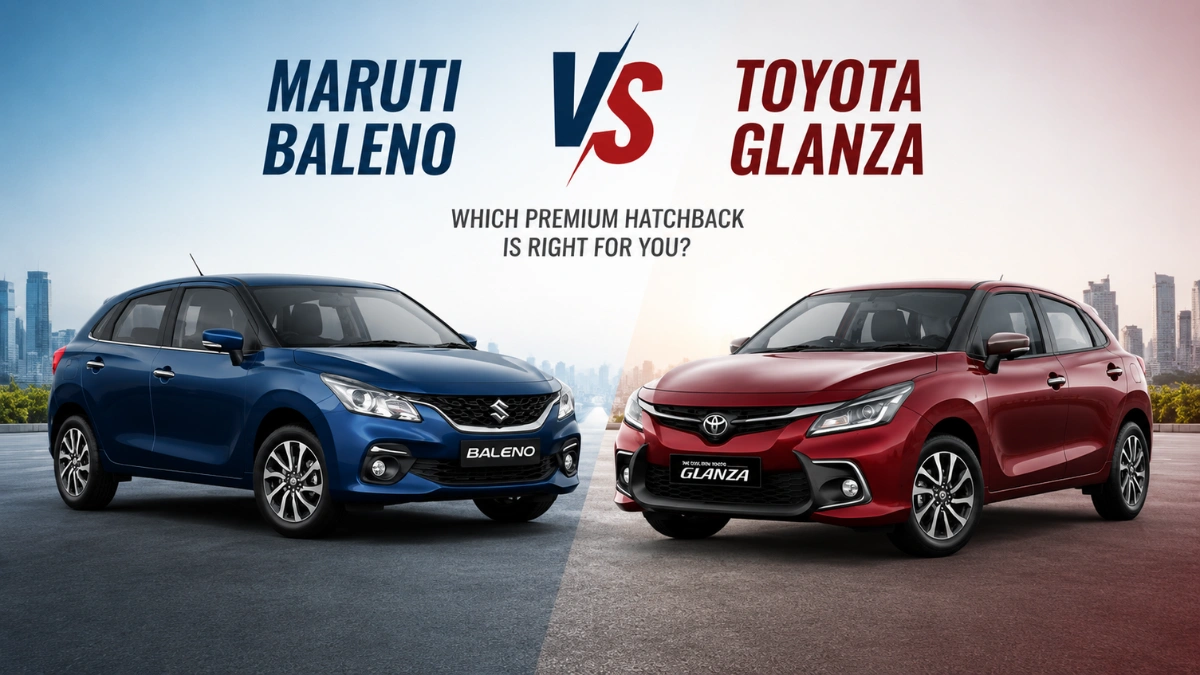
Maruti Baleno Facelift vs Toyota Glanza: Complete Comparision
Upcoming Cars in September 2026 in India: New Cars, Launch Dates & Expected Prices
MG Hector Hawk SUV vs Tata Harrier: Expected Price, Features & Key Differences
Skoda Superb Diesel in India: Will the Diesel Engine Make a Comeback?