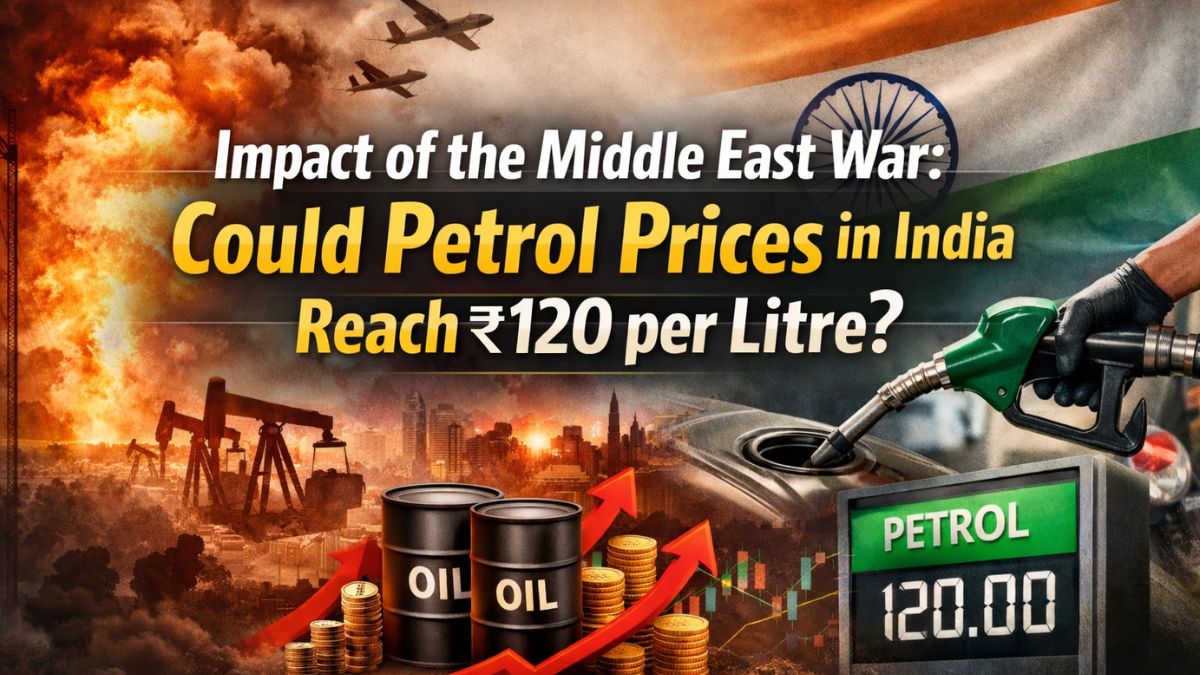
Impact of the Middle East War: Could Petrol Prices in India Reach ₹120 per Litre?
- Other
- Published: 11 Mar, 2026
Book a Test Drive
Free doorstep test drive at your convenience
Rising tensions and ongoing conflict in the Middle East have once again placed global oil markets under pressure. As the region plays a critical role in the world’s crude oil supply, any disruption can quickly trigger price volatility. In recent days, crude oil prices have started climbing amid fears of supply disruptions caused by escalating conflict.
For India, which imports a large portion of its crude oil, the situation could directly affect fuel prices at the pump. Many analysts are now asking an important question: Could petrol prices in India rise to ₹120 per litre if the conflict continues?
The possibility may sound extreme, but history shows that geopolitical instability in oil-producing regions often leads to significant spikes in fuel costs worldwide.
Key Highlights
- Rising Middle East tensions have pushed global crude oil prices upward.
- India imports more than 80% of its crude oil, making it vulnerable to global price shocks.
- Petrol prices could increase if crude oil crosses key price levels.
- Experts warn petrol could approach ₹110–₹120 per litre in extreme scenarios.
- Higher fuel costs may influence automobile buying trends in India.
Why the Middle East Conflict Affects Global Oil Prices
The Middle East is home to some of the world’s largest oil producers, including Saudi Arabia, Iraq, Iran, and the United Arab Emirates. These countries collectively supply a large portion of the global crude oil demand.
A major concern during conflicts in this region is the Strait of Hormuz, one of the world’s most important oil shipping routes. Nearly 20% of the global oil supply passes through this narrow waterway.
If military tensions disrupt shipping routes or reduce oil production, the global oil supply tightens. When supply becomes uncertain, crude oil prices usually rise sharply.
Even speculation about disruptions can push traders to increase prices in anticipation of shortages.
Could Petrol Prices in India Reach ₹120 per Litre?
Fuel prices in India are closely linked to global crude oil rates. Oil marketing companies adjust petrol and diesel prices based on international market trends, taxes, and exchange rates.
Currently, petrol prices in major Indian cities range between ₹95 and ₹105 per litre. If crude oil prices climb significantly due to prolonged conflict in the Middle East, fuel prices could rise further.
Industry analysts suggest that if Brent crude crosses $100–$110 per barrel, petrol prices in India could potentially reach ₹110 or more per litre.
In a worst-case scenario where oil prices surge beyond $120 per barrel, petrol prices could move closer to ₹120 per litre in some cities.
However, government interventions such as tax adjustments may help control the increase.
Impact on Daily Commuters and Transportation
A rise in petrol and diesel prices affects not just car owners but the entire transportation ecosystem.
Higher fuel costs can increase expenses for:
- Daily commuters
- Taxi and ride-sharing drivers
- Logistics companies
- Delivery services
When transportation costs rise, the price of goods and services may also increase. This creates inflationary pressure across multiple sectors of the economy.
How Rising Fuel Prices Could Affect the Automobile Industry
Fuel price fluctuations have historically influenced vehicle buying patterns in India. When petrol prices rise sharply, consumers start prioritizing vehicles that offer better fuel efficiency.
Demand for High-Mileage Cars
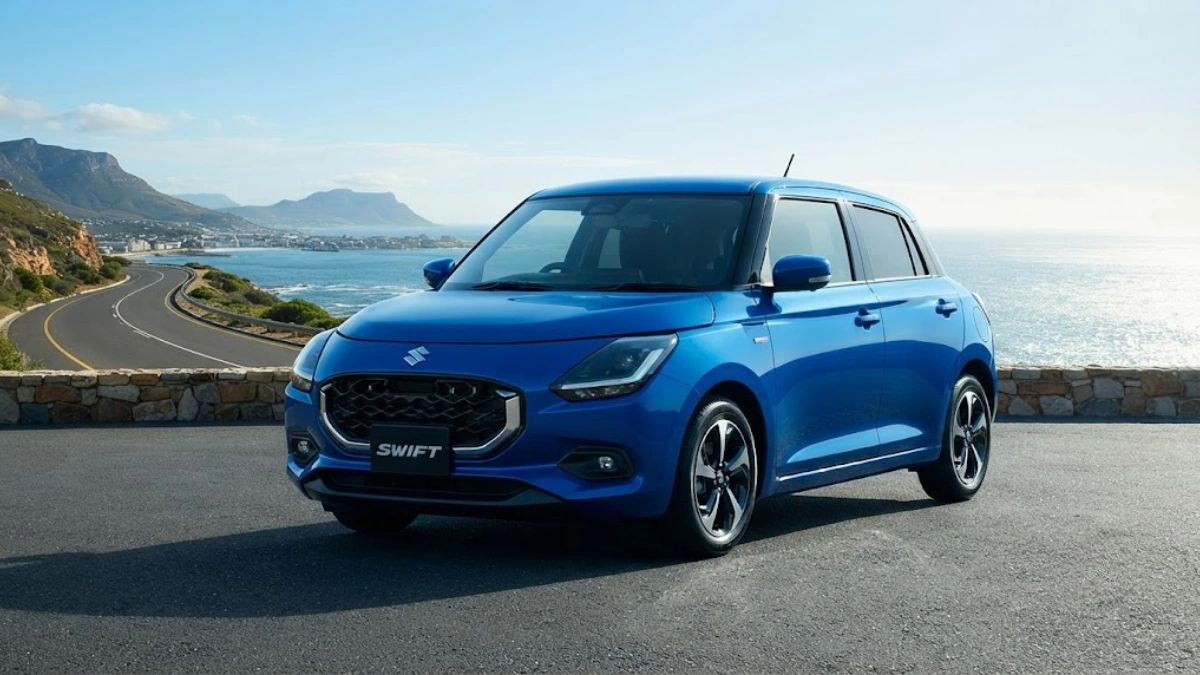
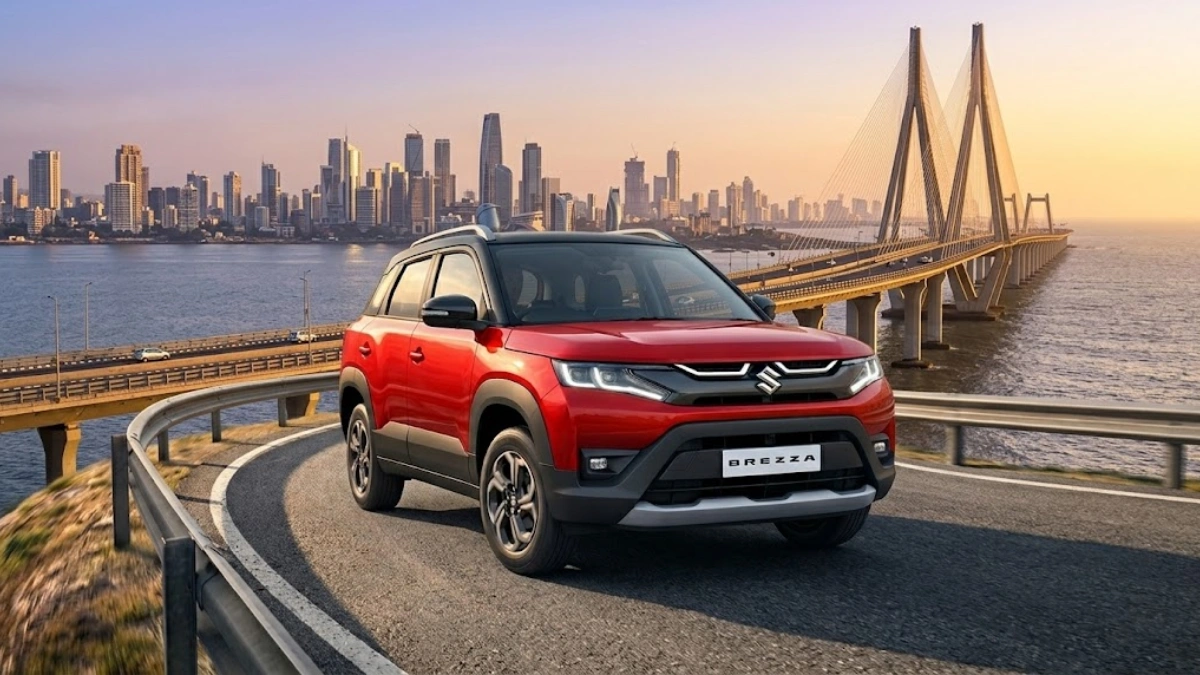
During periods of high fuel prices, compact cars and mileage-focused vehicles tend to perform better in the market. Buyers become more cautious about long-term running costs.
Manufacturers often highlight fuel efficiency figures to attract cost-conscious consumers.
Electric Vehicles May Gain More Attention
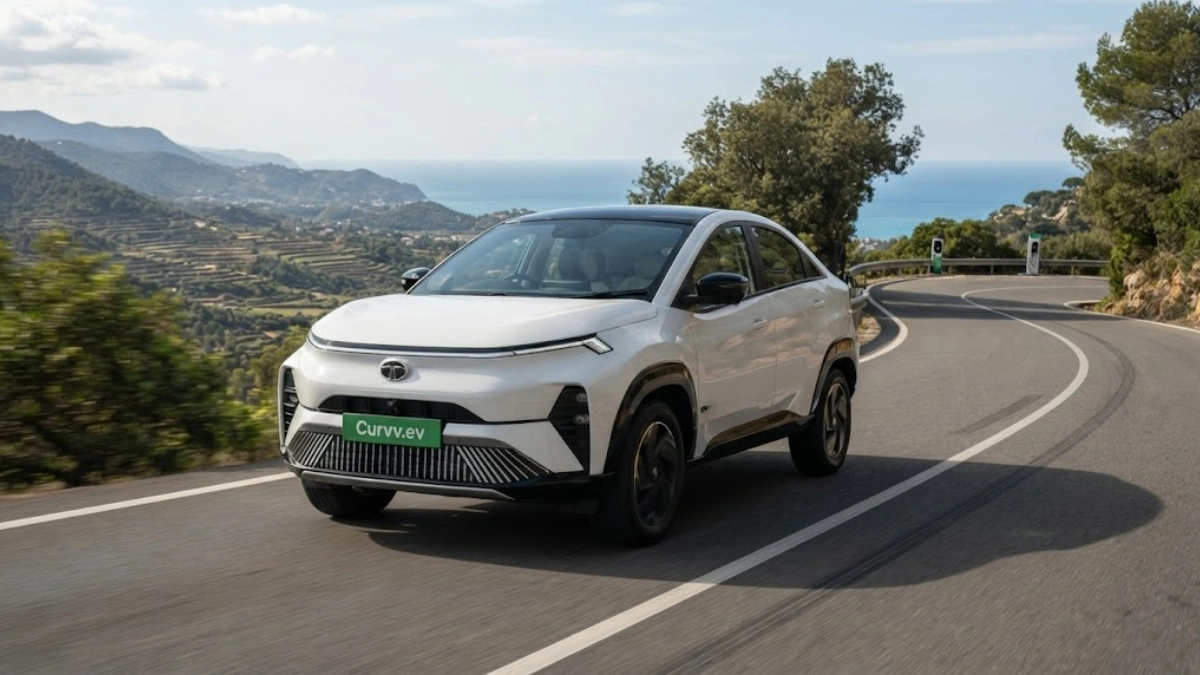
Electric vehicles (EVs) could benefit from rising petrol prices. Since EVs run on electricity instead of petrol or diesel, their running costs are significantly lower.
As fuel prices increase, more consumers may consider switching to electric cars or scooters.
Automakers are already expanding their EV portfolios in India, and higher petrol prices could accelerate the adoption of electric mobility.
Two-Wheeler Market Shifts
Two-wheelers are the most common form of transportation in India. If petrol prices continue to rise, buyers may shift toward:
- Fuel-efficient commuter motorcycles
- Hybrid scooters
- Electric scooters and bikes
This shift could reshape demand patterns in the two-wheeler segment.
Impact on Logistics and Business Costs
India’s logistics industry relies heavily on diesel-powered trucks. If diesel prices rise due to increasing crude oil costs, transportation expenses will also increase.
This may lead to:
- Higher shipping costs
- Increased product prices
- Rising inflation
Industries such as retail, e-commerce, agriculture, and manufacturing could feel the ripple effects of higher fuel costs.
Government Measures That Could Control Fuel Prices
The Indian government has several options to control the impact of rising crude oil prices.
Authorities can reduce excise duties on petrol and diesel, which can help lower prices at the pump.
India may also diversify its oil imports by sourcing crude from alternative suppliers to stabilize supply and reduce dependency on specific regions.
Strategic petroleum reserves can also help cushion short-term supply disruptions.
Conclusion
The ongoing conflict in the Middle East has once again highlighted how sensitive global oil markets are to geopolitical tensions. Since India depends heavily on imported crude oil, any major disruption in global supply can quickly impact domestic fuel prices.
While petrol reaching ₹120 per litre is not guaranteed, it remains a possibility if crude oil prices surge dramatically. The coming weeks will be crucial in determining how global oil markets react to the evolving situation.
For consumers, rising fuel prices could influence vehicle choices, commuting habits, and overall transportation costs. For the automobile industry, it may accelerate interest in fuel-efficient vehicles and electric mobility.
FAQs
1. Why does the Middle East war affect petrol prices in India?
The Middle East produces a large share of the world’s oil. Any conflict in the region can disrupt supply and increase global crude oil prices, which affects petrol prices in India.
2. Can petrol prices really reach ₹120 per litre in India?
If global crude oil prices surge beyond $120 per barrel, petrol prices in some Indian cities could potentially approach ₹120 per litre.
3. How much crude oil does India import?
India imports more than 80% of its crude oil requirements, making the country sensitive to international oil price fluctuations.
4. Will electric vehicles become more popular if petrol prices rise?
Yes. Higher petrol prices make electric vehicles more attractive because they have lower operating costs.
5. Can the government stop petrol prices from rising?
The government can reduce fuel taxes or use strategic oil reserves to control price increases, but global crude oil trends still play a major role.
Book a Test Drive
Free doorstep test drive at your convenience