Iran War Pushes Petrol Prices Higher – What Will Be the Impact on India?
- Other
- Published: 11 Mar, 2026
Book a Test Drive
Free doorstep test drive at your convenience
Rising geopolitical tensions in the Middle East are once again shaking global energy markets. As the conflict involving Iran intensifies, crude oil prices have started climbing rapidly. For a country like India, which imports more than 80% of its crude oil requirement, this development could have significant consequences — especially for petrol and diesel prices.
For Indian consumers already dealing with fluctuating fuel costs, the Iran-related geopolitical situation could potentially push petrol prices toward new highs. If global oil supply gets disrupted or transportation routes are affected, Indian fuel prices may see a noticeable spike in the coming weeks.
Introduction: Why the Iran Conflict Matters for Fuel Prices
Iran plays a crucial role in the global oil supply chain. It sits near the Strait of Hormuz, one of the world’s most important oil shipping routes. Nearly 20% of global oil trade passes through this narrow passage. Any military tension or disruption in this region can instantly affect crude oil prices worldwide.
Recent developments in the conflict have raised fears of supply disruptions, leading to a surge in international crude oil prices. Brent crude, the global oil benchmark, has already shown signs of volatility as traders react to the possibility of reduced supply.
For India, this is particularly concerning because the country depends heavily on imports to meet its fuel needs.
Key Highlights
- Rising tensions involving Iran have pushed global crude oil prices higher.
- India imports over 80% of its crude oil, making it vulnerable to price shocks.
- Petrol and diesel prices could increase if crude oil crosses major price levels.
- Transportation, logistics, and automobile running costs may rise.
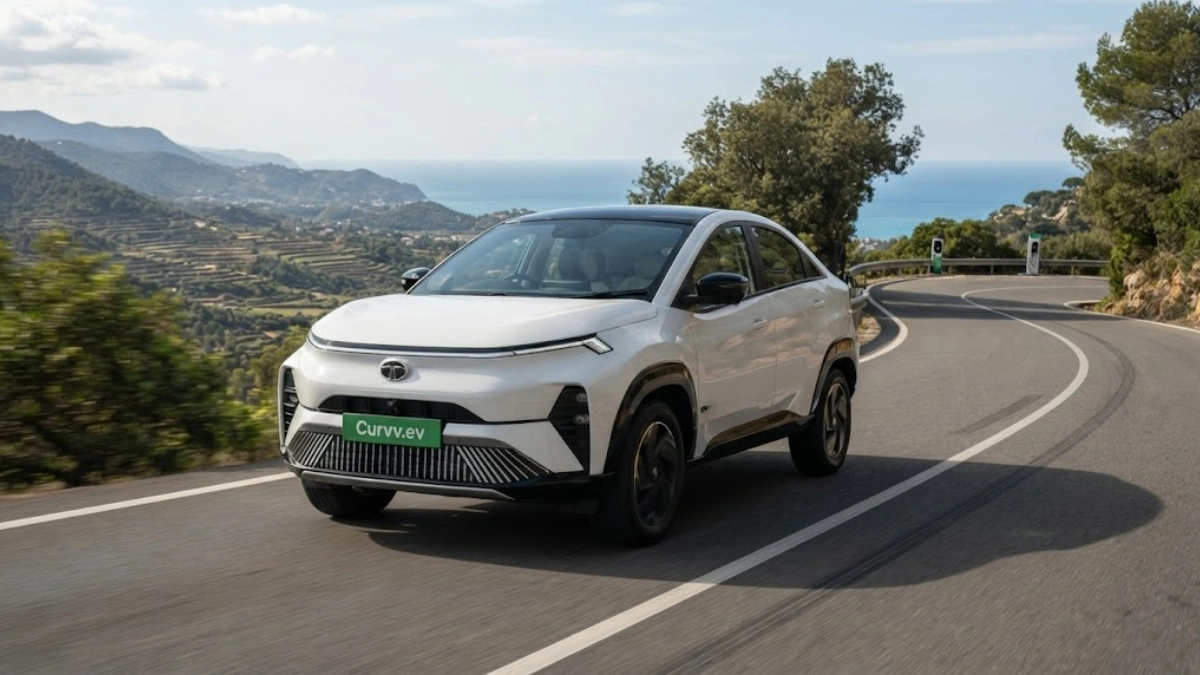
- Electric vehicles and fuel-efficient cars could become more attractive to buyers.
How the Iran Conflict Can Affect Global Oil Supply
The biggest concern in the current situation is the Strait of Hormuz. This strategic route connects the Persian Gulf to the global oil market. If tensions escalate and shipping is disrupted, the supply of oil from major producers like Saudi Arabia, Iraq, Kuwait, and the UAE could be affected.
Whenever markets sense a supply risk, oil prices usually jump. Even rumors of disruptions can push traders to drive prices upward.
In the past, geopolitical tensions in the Middle East have caused crude oil prices to surge by 10–20% within a short period.
If a similar situation unfolds now, Brent crude could potentially climb above $100 per barrel, which would almost certainly push petrol prices higher in India.
Impact on Petrol Prices in India
Fuel prices in India depend heavily on international crude oil rates. When crude becomes expensive, oil marketing companies such as Indian Oil, Bharat Petroleum, and Hindustan Petroleum usually pass some of the cost to consumers.
Currently, petrol prices in major Indian cities are already close to ₹95–₹105 per litre. If crude oil continues to rise due to the Iran conflict, experts believe petrol prices could increase by ₹5–₹15 per litre, depending on government tax adjustments.
In a worst-case scenario where crude prices cross $110 per barrel, petrol in some Indian cities could even approach ₹115–₹120 per litre.
Such an increase would affect daily commuters, logistics companies, and businesses that rely heavily on transportation.
Impact on the Indian Automobile Market
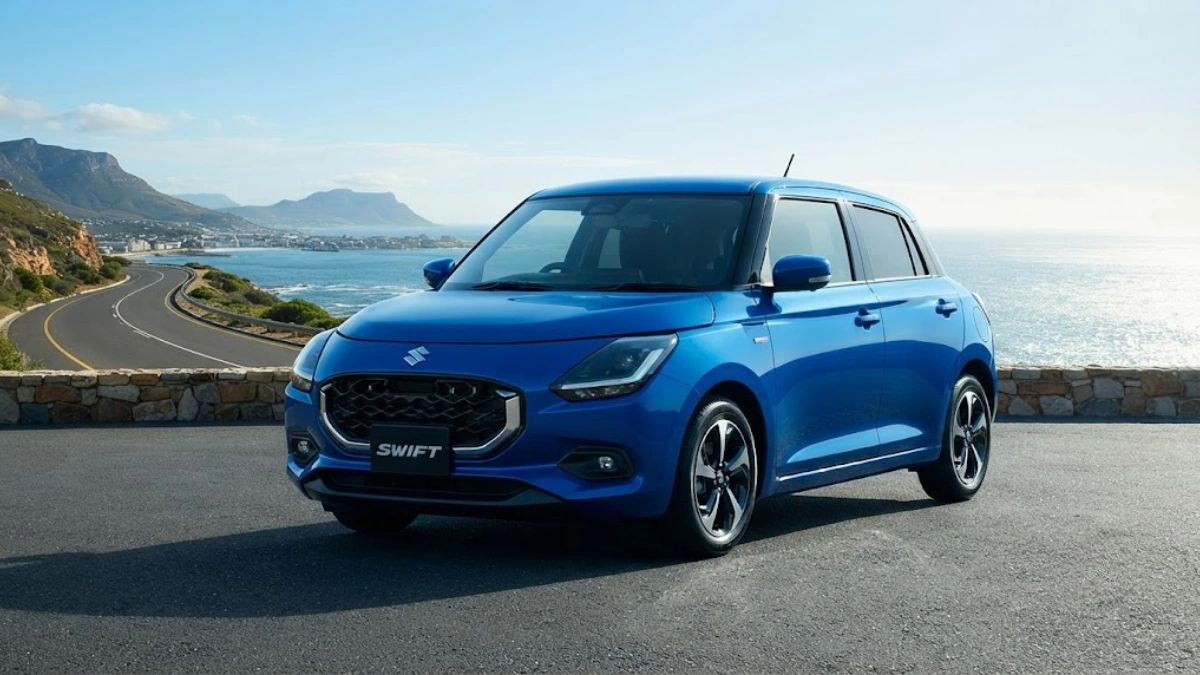
Rising fuel prices often influence consumer behavior in the automobile industry. When petrol and diesel become expensive, buyers usually shift their focus toward vehicles with better fuel efficiency or alternative powertrains.
Growing Interest in Fuel-Efficient Cars
Car buyers may start prioritizing vehicles that offer high mileage. Compact hatchbacks and hybrid vehicles typically see stronger demand during periods of high fuel prices.
Manufacturers may also highlight mileage figures more aggressively in their marketing campaigns.
Electric Vehicles Could Gain Momentum
Higher petrol prices often accelerate the adoption of electric vehicles. When the cost of running petrol cars increases, EVs become more appealing due to their lower operating costs.
Several automakers in India are already investing heavily in EV technology, and rising fuel prices could further boost this transition.
Impact on Two-Wheeler Market
Two-wheelers dominate daily commuting in India. If petrol prices increase significantly, consumers may:
- Switch to mileage-focused commuter bikes
- Consider electric scooters
- Reduce long-distance travel
Brands that offer high fuel efficiency could see increased demand.
Effect on Transportation and Logistics
The consequences of rising fuel prices extend far beyond personal vehicles. India’s logistics industry relies heavily on diesel-powered trucks.
If diesel prices rise due to expensive crude oil, it can trigger a chain reaction:
- Higher transportation costs
- Increased product prices
- Inflationary pressure across multiple sectors
From groceries to electronics, the cost of goods could increase due to higher logistics expenses.
Government’s Possible Response
The Indian government has several tools to manage fuel price shocks. Authorities may reduce excise duties on petrol and diesel to soften the impact on consumers.
India could also increase oil imports from alternative suppliers such as Russia, the United States, or other Middle Eastern countries to stabilize supply.
However, government decisions often depend on global market conditions and fiscal considerations.
Conclusion
The Iran conflict is once again reminding the world how sensitive global oil markets are to geopolitical tensions. For India, which relies heavily on imported crude oil, any disruption in supply routes or production can quickly translate into higher fuel prices.
If tensions escalate and crude oil prices continue rising, Indian consumers may soon feel the impact at petrol pumps. The situation could also reshape buying trends in the automobile industry, with fuel-efficient vehicles and electric cars gaining more attention.
While government intervention may help control the impact to some extent, the coming weeks will be crucial in determining how the global oil market responds to the evolving situation.
FAQs
1. Why does the Iran conflict affect petrol prices in India?
Iran is located near the Strait of Hormuz, a key oil shipping route. Any disruption in this region can reduce global oil supply and push crude oil prices higher, which affects petrol prices in India.
2. Could petrol prices in India reach ₹120 per litre?
If global crude oil prices cross $110–$120 per barrel due to geopolitical tensions, petrol prices in some Indian cities could potentially approach ₹120 per litre.
3. How much crude oil does India import?
India imports more than 80% of its crude oil requirements, making it highly sensitive to international oil price fluctuations.
4. Will electric vehicles benefit from rising petrol prices?
Yes. When petrol becomes expensive, electric vehicles become more attractive because they have significantly lower running costs.
5. Can the government control petrol price increases?
The government can reduce fuel taxes or adjust import strategies to manage price increases, but global crude oil prices still play a major role in determining fuel costs.
Book a Test Drive
Free doorstep test drive at your convenience