Will the Iran War Increase Petrol and Diesel Prices for Car Owners?
- Other
- Published: 12 Mar, 2026
Book a Test Drive
Free doorstep test drive at your convenience
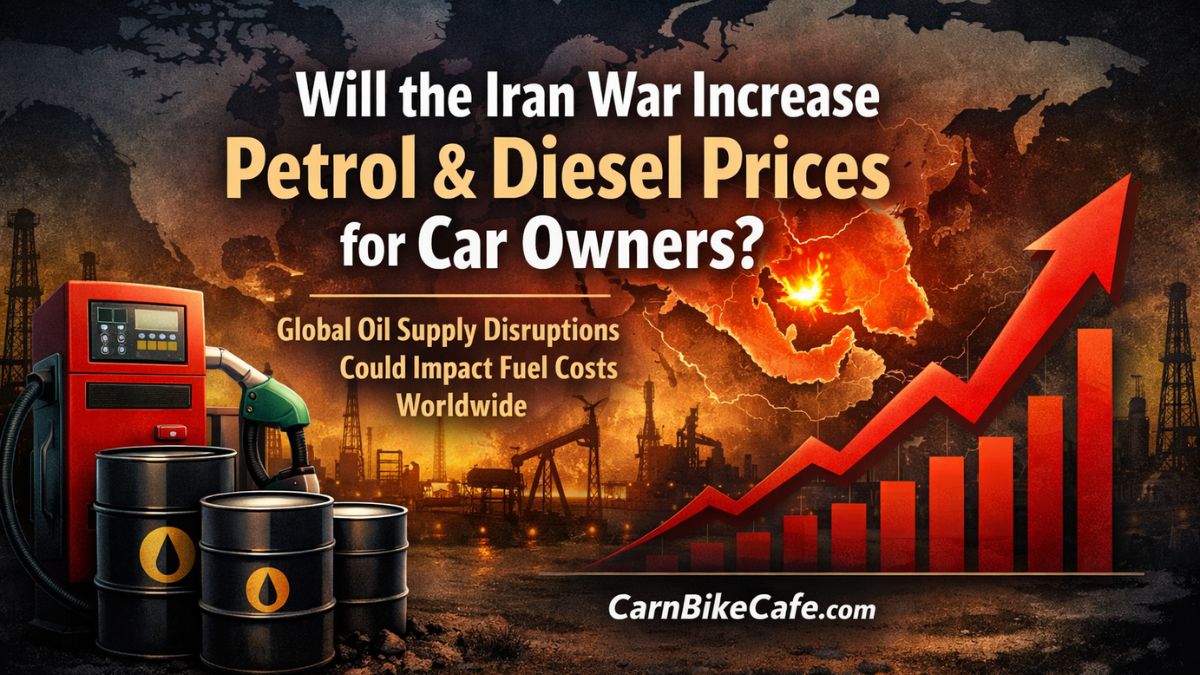
Global conflicts often affect more than just politics—they also impact everyday expenses like fuel. The ongoing tensions and war involving Iran have raised concerns about rising petrol and diesel prices worldwide. For car owners, this situation could mean higher fuel costs, increased travel expenses, and a ripple effect on the overall cost of living.
In this blog, we’ll explain why the Iran war can influence petrol and diesel prices, how it impacts car owners, and what might happen in the coming months.
Why the Iran War Affects Global Oil Prices
Iran is one of the important countries in the global oil market and is located near the Strait of Hormuz, a key shipping route through which a large share of the world’s oil supply passes. When a conflict occurs in this region, oil production and transportation can be disrupted.
If oil tankers face risk or shipping routes become unsafe, the global oil supply may decrease. When supply drops but demand remains the same, crude oil prices usually rise.
Economists warn that geopolitical tensions in the Middle East could push oil prices above $80–$100 per barrel if the conflict escalates.
Because petrol and diesel are refined from crude oil, higher crude prices generally lead to higher fuel prices for consumers.
Impact on Petrol and Diesel Prices
When crude oil becomes more expensive, oil companies and governments often pass some of that cost on to consumers. This means petrol and diesel prices at fuel stations can increase.
In fact, experts estimate that every $1 increase in crude oil prices can add about ₹0.52 per litre to diesel and ₹0.55 per litre to petrol if the increase is passed on to consumers.
However, the price increase does not always happen immediately. Governments sometimes intervene by adjusting taxes or subsidies to prevent sudden spikes in fuel prices.
What Could Happen in India?
India is one of the world’s largest importers of crude oil. This means global oil price changes directly influence the country’s fuel costs.
Currently, petrol and diesel prices in many Indian cities have remained relatively stable for some time because the government and oil companies have tried to absorb some of the cost fluctuations.
However, if the Iran conflict continues for a long period and global crude prices remain high, India may eventually have to increase fuel prices. The government might also reduce taxes temporarily to keep prices under control.
How Car Owners May Be Affected
For car owners, rising petrol and diesel prices can have several consequences:
1. Higher Daily Travel Costs
People who drive regularly—especially commuters—may spend more money on fuel every month.
2. Expensive Road Trips
Long drives and road trips may become more expensive due to increased fuel costs.
3. Higher Transportation Costs
When diesel prices rise, transport and logistics companies also face higher costs. This can indirectly increase the prices of goods and services.
4. Impact on Household Budgets
Fuel price increases often lead to higher inflation, affecting groceries, travel, and delivery services.
Global Examples of Fuel Price Impact
Countries around the world have already seen fuel price increases linked to the Middle East conflict. For example, Pakistan recently raised petrol and diesel prices significantly after disruptions in global oil supply caused by the Iran conflict.
This shows how quickly geopolitical tensions can affect fuel prices in different countries.
Will Fuel Prices Continue to Rise?
Whether petrol and diesel prices continue rising depends on several factors:
- Duration of the Iran war
- Stability of oil supply routes
- Decisions by oil-producing countries
- Government policies and taxes
If the conflict is resolved quickly, oil prices may stabilize and fue prices could remain steady. But if the war escalates or disrupts global oil supply significantly, fuel prices may increase worldwide.
Tips for Car Owners if Fuel Prices Rise
If petrol and diesel prices increase, car owners can take some steps to manage expenses:
- Drive less whenever possible
- Use carpooling or public transportation
- Maintain proper tire pressure to improve fuel efficiency
- Plan trips efficiently to avoid unnecessary driving
- Consider fuel-efficient or hybrid vehicles in the future
Small changes can help reduce fuel consumption and save money over time.
Conclusion
The Iran war has the potential to influence global crude oil markets, which can eventually affect petrol and diesel prices. Since India relies heavily on imported oil, car owners may experience higher fuel costs if global prices remain elevated.
However, government policies, subsidies, and market conditions can delay or soften the impact. While immediate price hikes are not guaranteed, prolonged geopolitical tensions could make fuel more expensive in the future.
For car owners, staying informed about global events and managing fuel consumption wisely can help minimize the financial impact.
FAQs
1. Will the Iran war immediately increase petrol and diesel prices?
Not necessarily. Fuel prices depend on global crude oil rates and government policies. Even if oil prices rise, governments may delay passing the cost to consumers.
2. Why does a war in the Middle East affect fuel prices worldwide?
The Middle East produces a large portion of the world’s oil. Any conflict in this region can disrupt supply and push global oil prices higher.
3. Is India directly importing oil from Iran?
India imports oil from many countries. Even if imports from Iran are limited, global oil price increases still affect India.
4. Can the government control petrol and diesel prices?
Yes. Governments can reduce taxes, provide subsidies, or ask oil companies to absorb some costs to keep fuel prices stable.
5. How can car owners save fuel if prices increase?
Driving efficiently, maintaining vehicles properly, using public transport, and carpooling can help reduce fuel consumption and save money.
Book a Test Drive
Free doorstep test drive at your convenience