How the Iran Conflict Is Disrupting the Global Automotive Supply Chain
- Other
- Published: 12 Mar, 2026
Book a Test Drive
Free doorstep test drive at your convenience
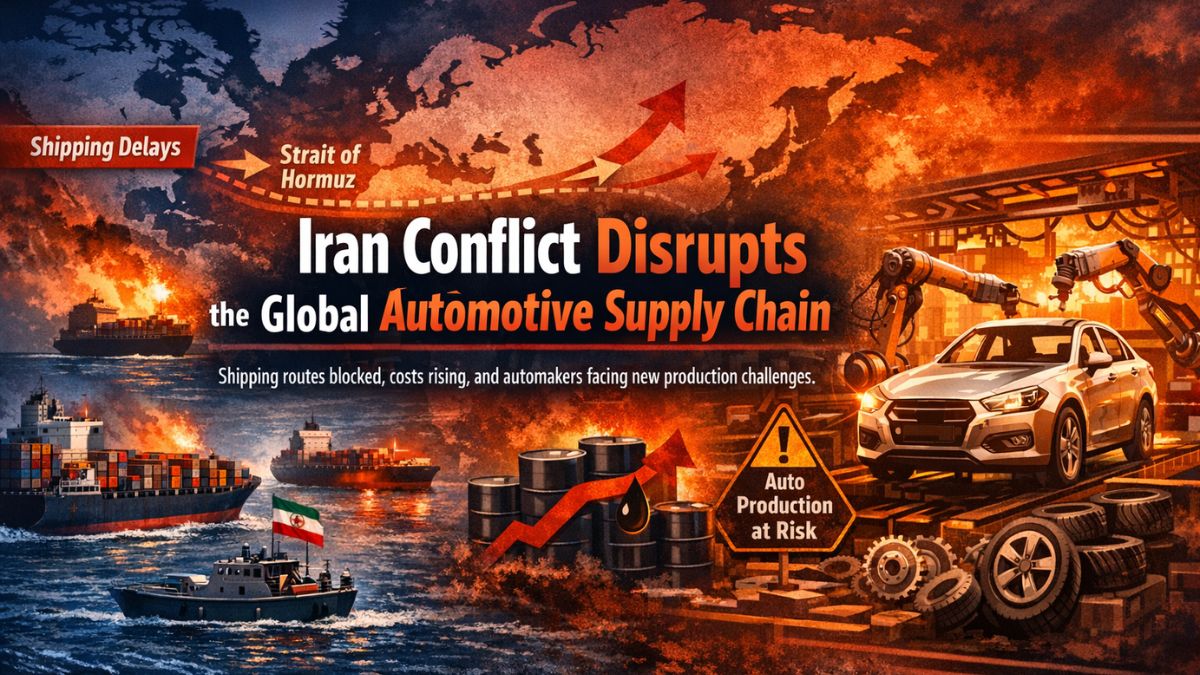
The growing geopolitical tensions involving Iran are beginning to ripple through industries far beyond the Middle East. One sector already feeling the pressure is the global automotive industry. From vehicle manufacturing to parts logistics and fuel prices, the ongoing conflict risks creating serious disruptions in the global automotive supply chain.
Automakers depend on a complex web of suppliers, shipping routes, and raw materials that span multiple continents. When geopolitical instability hits a key region involved in energy production and trade routes, the impact can be immediate and widespread.
Industry analysts warn that if tensions escalate further, car manufacturers around the world—from Toyota and Volkswagen to Tesla and Hyundai—could face higher production costs, shipping delays, and potential shortages of essential components.
Key Highlights
- Rising geopolitical tensions involving Iran are affecting global shipping routes and energy supply.
- Automotive manufacturers rely heavily on stable oil markets and uninterrupted logistics.
- Vehicle production costs may increase due to higher fuel and raw material prices.
- Shipping delays through the Strait of Hormuz could impact parts deliveries worldwide.
- Electric vehicle manufacturers may also face challenges due to battery material supply risks.
Why the Automotive Industry Is Vulnerable
Heavy Dependence on Global Supply Chains
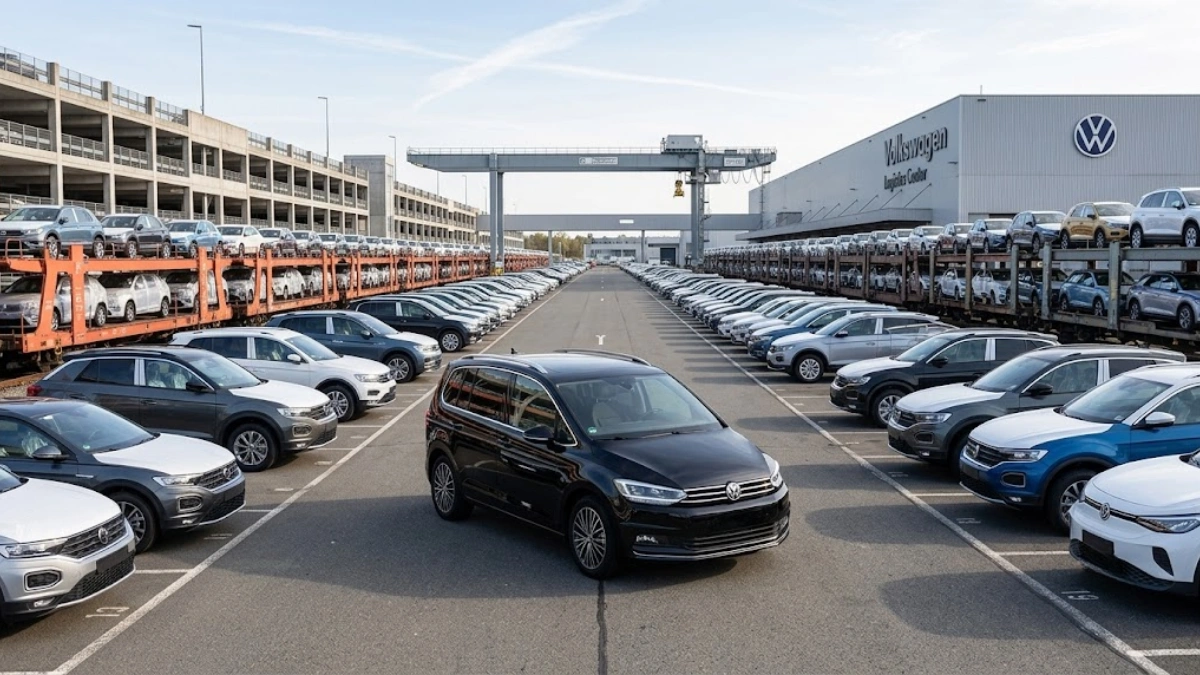
Modern vehicles contain thousands of components sourced from dozens of countries. Critical parts such as semiconductors, wiring harnesses, sensors, and battery materials move through global shipping routes before reaching assembly plants.
One of the most important maritime chokepoints in global trade is the Strait of Hormuz, which sits close to Iran. Around one-fifth of the world’s oil supply passes through this narrow waterway every day. Any disruption here could lead to significant delays in shipping and logistics.
For car manufacturers, even a small delay in parts delivery can halt entire production lines.
Rising Oil Prices and Manufacturing Costs
Fuel plays a crucial role in both manufacturing and transportation within the automotive industry. With tensions involving Iran threatening oil supply stability, global crude prices are already showing signs of volatility.
Higher oil prices affect automakers in several ways:
- Increased transportation costs for shipping vehicles and parts
- Higher manufacturing expenses due to energy costs
- Rising prices for plastics and synthetic materials used in car interiors and components
Companies like Ford Motor Company and General Motors rely heavily on global logistics networks. If shipping costs increase significantly, those costs may eventually be passed on to consumers.
Parts Shortages Could Return
The automotive industry has only recently recovered from the semiconductor shortage that followed the pandemic. However, geopolitical instability could trigger a new wave of supply disruptions.
Several automotive components depend on materials transported through Middle Eastern trade routes. If shipping routes become restricted or risky due to military tensions, manufacturers may struggle to secure parts on time.
This could affect production at major global plants operated by brands like BMW and Mercedes-Benz.
Even a delay of a few weeks in key components such as chips, electronic modules, or battery cells could lead to production slowdowns.
Electric Vehicles Are Not Immune
While electric vehicles (EVs) reduce dependence on gasoline, they still rely heavily on global supply chains for materials such as lithium, nickel, and cobalt.
Companies including Tesla and BYD Company require stable global logistics to transport battery materials and components.
If oil prices rise and shipping routes become unstable, transportation costs for these materials could increase significantly. That could raise EV production costs, slowing the momentum of the global transition to electric mobility.
Impact on Global Car Markets
The ripple effects of the Iran conflict could influence car markets worldwide.
Potential Market Impacts
1. Higher Vehicle Prices
Automakers may increase prices to offset rising logistics and material costs.
2. Longer Delivery Times
Consumers could face longer waiting periods for new cars due to production slowdowns.
3. Reduced Production Output
Manufacturers might scale back production targets if supply disruptions worsen.
4. Increased Used Car Demand
When new vehicles become expensive or scarce, used car markets often see a surge in demand.
Countries with large automotive markets such as United States, Germany, Japan, and India could all experience these effects if the situation escalates.
How Automakers Are Responding
Automotive companies are already working to reduce supply chain risks by diversifying suppliers and creating regional manufacturing hubs.
Many manufacturers are shifting toward a “near-shoring” strategy, which means producing parts closer to assembly plants to reduce dependency on long international shipping routes.
Some automakers are also increasing inventory buffers—stockpiling critical components to avoid sudden shortages.
However, restructuring global supply chains takes time, and the industry remains vulnerable to geopolitical shocks.
Conclusion
The conflict involving Iran highlights how deeply interconnected the modern automotive industry has become. What begins as a regional geopolitical issue can quickly disrupt production lines thousands of miles away.
With global automakers relying on stable energy markets and complex international logistics, any prolonged instability in the Middle East could create significant challenges for the automotive sector.
For consumers, this could mean higher car prices, longer delivery times, and limited availability of certain models in the months ahead.
While automakers are trying to strengthen supply chains and diversify production networks, the situation remains fluid—and the global automotive industry will be watching developments closely.
Frequently Asked Questions (FAQs)
1. How does the Iran conflict affect car manufacturing?
The conflict can disrupt oil supply and shipping routes, increasing costs and delaying the delivery of automotive parts needed for vehicle production.
2. Why is the Strait of Hormuz important for the automotive industry?
The Strait of Hormuz is a major global oil shipping route. Any disruption there can raise fuel prices and transportation costs for automakers.
3. Will car prices increase because of this conflict?
If oil prices and logistics costs rise significantly, automakers may increase vehicle prices to maintain profitability.
4. Are electric vehicle manufacturers affected too?
Yes. EV manufacturers still rely on global shipping for battery materials and components, making them vulnerable to supply chain disruptions.
5. Could this cause vehicle shortages like during the semiconductor crisis?
If supply chains are severely disrupted, production delays and parts shortages could occur again, potentially leading to limited vehicle availability in some markets.
Book a Test Drive
Free doorstep test drive at your convenience