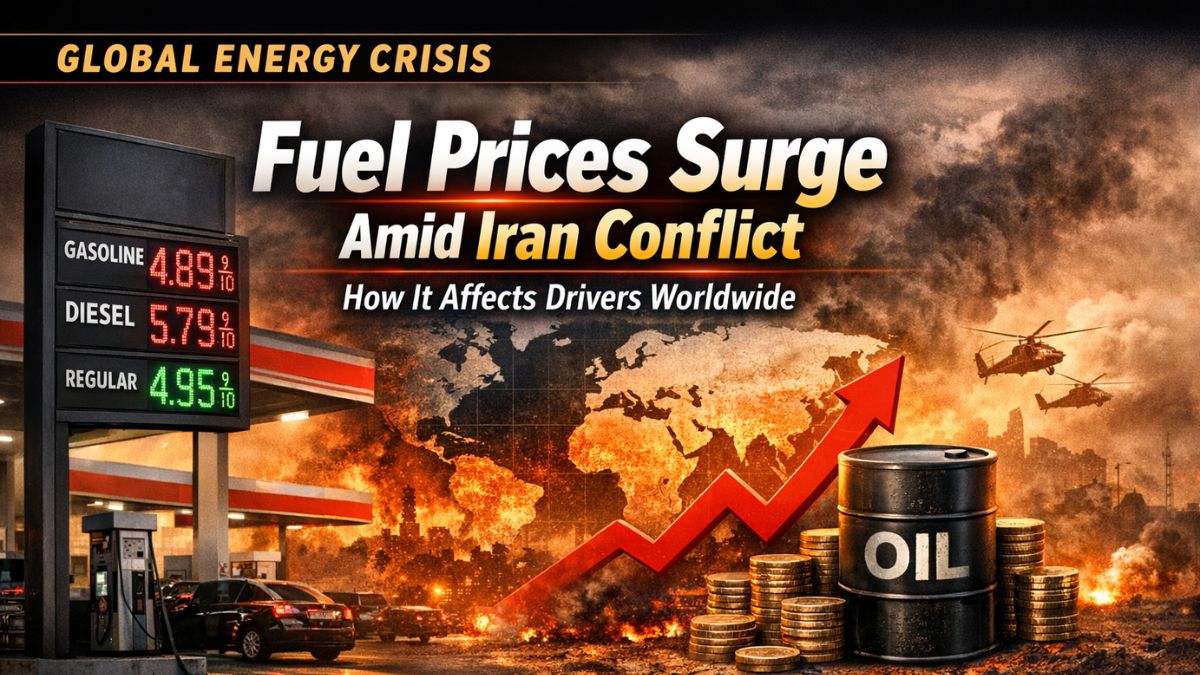
Fuel Prices Surge Amid Iran Conflict – How It Affects Drivers Worldwide
- Other
- Published: 12 Mar, 2026
Book a Test Drive
Free doorstep test drive at your convenience
The world is once again facing a major surge in fuel prices, and the reason lies thousands of miles away in the Middle East. The ongoing conflict involving Iran and its regional rivals has disrupted global oil markets, sending shockwaves through economies and directly affecting drivers around the world.
From higher petrol prices at local gas stations to increased transportation costs, the ripple effects of this geopolitical tension are being felt globally. For everyday drivers, the impact is immediate and unavoidable.
Why Fuel Prices Are Rising
The main reason behind the sudden spike in fuel prices is the disruption of global oil supply. Oil markets are extremely sensitive to geopolitical tensions, especially when they occur in regions that produce large amounts of energy.
In recent weeks, global crude oil prices have surged past $100 per barrel, reaching their highest level in years due to fears that the conflict could interrupt production and shipping routes.
One of the biggest concerns is the Strait of Hormuz, a narrow waterway through which about 20% of the world’s oil supply normally passes. Any disruption in this route can quickly affect the entire global fuel market.
When oil prices rise, petrol and diesel prices soon follow. This happens because crude oil is the primary ingredient used to produce fuel. As supply fears increase, markets react instantly, pushing prices higher.
Immediate Impact on Drivers
Drivers are among the first people to feel the effects of rising fuel costs. Within days of the conflict escalating, gas prices began climbing in several countries.
Reports indicate that average gasoline prices in some markets have jumped significantly within a week as oil prices surged.
For everyday drivers, this means:
- Paying more at the pump
- Increased commuting costs
- Higher expenses for road trips and travel
Even a small increase per liter can add up quickly over the course of a month.
For example, analysts predict that drivers in parts of Europe could spend around €220 more per year on fuel if high oil prices continue.
Rising Costs Beyond the Gas Pump
The effects of higher fuel prices go far beyond personal vehicles. Fuel is essential for transporting goods, running logistics networks, and powering industries.
When diesel prices rise, it increases the cost of:
- Truck transportation
- Shipping and logistics
- Airline operations
- Food distribution
Experts warn that rising diesel prices could heavily impact trucking and farming sectors, which rely heavily on fuel for operations.
This means consumers may soon see higher prices in supermarkets and online stores as transportation costs increase.
Global Economic Ripple Effects
Fuel prices play a critical role in the global economy. When energy costs rise sharply, they often trigger inflation across multiple industries.
Economists warn that prolonged oil price spikes can slow economic growth, increase living costs, and even raise the risk of recession.
Countries that import large amounts of oil—such as India, Japan, and many European nations—are particularly vulnerable.
Higher fuel prices can lead to:
- Increased public transportation costs
- Higher airline ticket prices
- Rising electricity bills
- Expensive goods and services
In short, nearly every part of the economy becomes more expensive when oil prices climb.
Why the Middle East Matters for Oil Markets
The Middle East has long been the heart of the global oil industry. Several of the world’s largest oil producers are located in this region, including Saudi Arabia, Iran, Iraq, and the United Arab Emirates.
Any instability in this region can quickly disrupt energy markets.
Recent attacks on energy infrastructure and shipping disruptions have further increased fears of supply shortages, pushing oil prices higher.
Because global oil markets are interconnected, even countries that do not directly import oil from the region still feel the impact through global pricing.
Could Fuel Prices Rise Even Higher?
Energy analysts warn that the situation could worsen if the conflict continues or expands. If shipping routes remain disrupted or production facilities are damaged, oil prices could climb even further.
Some analysts believe oil prices could potentially reach $150 or even $200 per barrel in extreme scenarios if the crisis escalates.
If that happens, drivers worldwide could face some of the highest fuel prices seen in years.
However, governments and international organizations may attempt to stabilize markets by releasing strategic oil reserves or increasing production in other regions.
How Drivers Can Reduce the Impact
While global oil markets are beyond individual control, drivers can take several steps to reduce the financial impact of rising fuel prices.
Some practical strategies include:
- Driving more efficiently and avoiding aggressive acceleration
- Carpooling with coworkers or friends
- Using public transportation when possible
- Planning trips to reduce unnecessary driving
Even small changes in driving habits can help reduce fuel consumption and save money over time.
The Road Ahead
The surge in fuel prices caused by the Iran conflict is a reminder of how interconnected the global economy has become. A geopolitical event in one region can quickly influence the cost of living across the world.
For drivers, the coming months may bring continued volatility at the fuel pump. Whether prices stabilize or continue rising will largely depend on how the conflict evolves and how global oil supply chains respond.
One thing is certain: energy markets are watching the situation closely, and drivers worldwide are already feeling the impact.
Book a Test Drive
Free doorstep test drive at your convenience