Why Car Prices Are Increasing in 2026: War Impact Explained
- Other
- Published: 26 Mar, 2026
Book a Test Drive
Free doorstep test drive at your convenience
New Delhi, 2026:
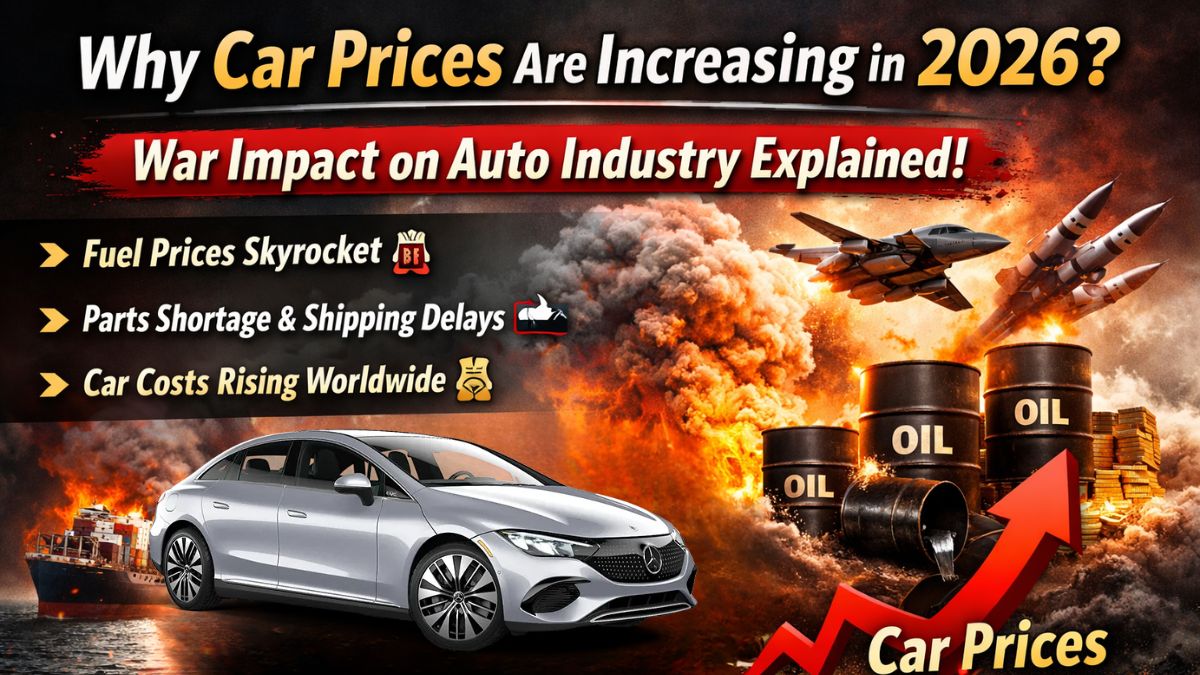
If you’re planning to buy a car this year, you might want to rethink your budget. Across India and globally, car prices have been steadily rising—and one of the biggest reasons behind this surge is the ongoing geopolitical tensions and war-like situations affecting global supply chains.
From higher fuel costs to shortages of key raw materials, the auto industry is facing a ripple effect that is directly impacting buyers. Here’s a detailed breakdown of why car prices are increasing in 2026 and what it means for you.
Global Conflict and Its Direct Impact on the Auto Industry
The auto industry is deeply connected to global trade. When conflicts or war situations arise, supply chains get disrupted. Countries that supply essential raw materials or components face production and export issues, leading to delays worldwide.
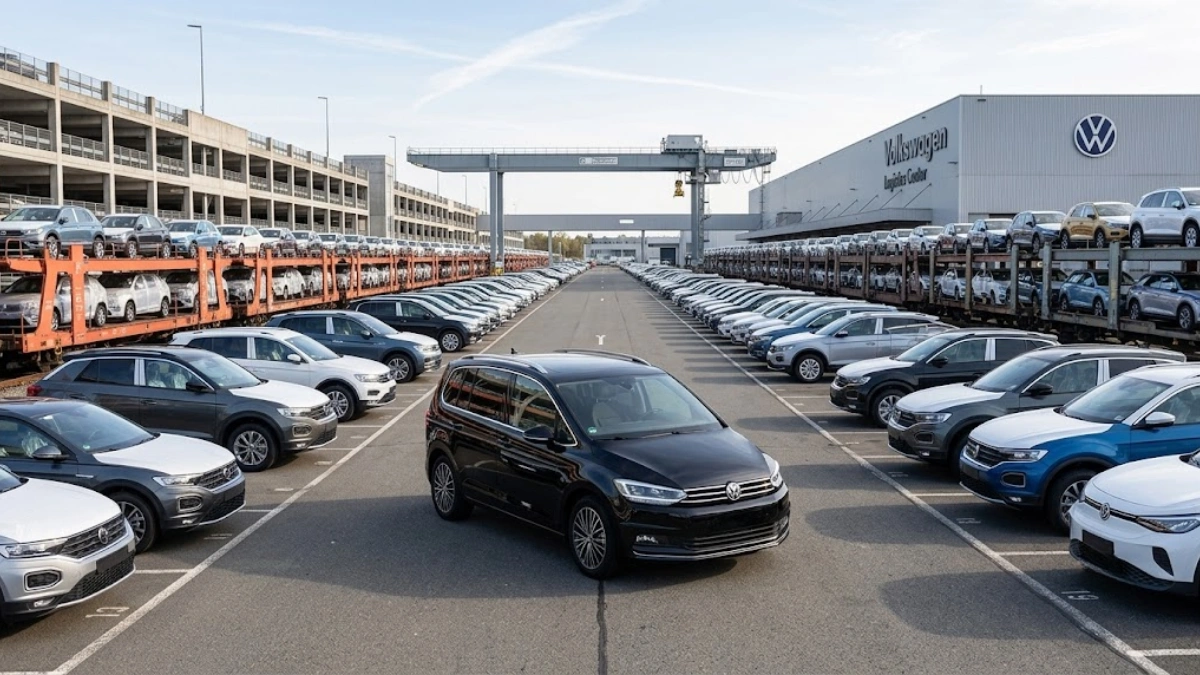
Major car manufacturers like Toyota Motor Corporation, Volkswagen Group, and Hyundai Motor Company rely on a network of international suppliers. Any disruption in one region can slow down the entire production process.
As a result, fewer cars are produced, and demand begins to exceed supply—leading to higher prices.
Rising Fuel Prices Increasing Overall Costs
One of the most visible impacts of global tensions is the rise in fuel prices. Crude oil supply often gets affected during conflicts, causing petrol and diesel prices to surge.
This has a double impact on the auto sector:
- Manufacturing costs increase due to higher transportation expenses
- Delivery and logistics become more expensive
- Consumers shift their preferences, impacting demand patterns
For buyers, this means not only higher car prices but also increased running costs, making car ownership more expensive overall.
Raw Material Shortage Driving Prices Up
Modern cars require a wide range of raw materials such as steel, aluminum, copper, and lithium (for EV batteries). War situations often disrupt mining and export activities in resource-rich regions.
Key impacts include:
- Steel and aluminum prices rising due to limited supply
- Lithium shortages affecting electric vehicle production
- Semiconductor chip shortages continuing due to disrupted supply chains
This directly increases the cost of manufacturing each vehicle, which is then passed on to the customer.
Shipping and Logistics Crisis
Global shipping routes are often affected during conflicts, especially in sensitive regions. This leads to:
- Delayed delivery of auto parts
- Increased shipping costs
- Longer waiting periods for car buyers
In India, many car models already have waiting periods of several weeks or even months. Due to these disruptions, waiting times are getting longer, and dealerships are less likely to offer discounts.
Demand vs Supply Imbalance
When production slows down and demand remains high, prices naturally increase. This is exactly what’s happening in 2026.
Even though prices are rising, demand for cars—especially SUVs—remains strong in India. Buyers are still willing to pay a premium to get their preferred models faster.
This demand-supply gap is one of the biggest reasons why car prices are not coming down anytime soon.
EV Market Also Feeling the Heat
While electric vehicles (EVs) are often seen as a solution to rising fuel costs, they are not completely immune to global disruptions.
EVs depend heavily on lithium-ion batteries, and lithium supply is affected by geopolitical tensions. As a result:
- EV battery costs are increasing
- Prices of electric cars are also rising
- Launch timelines of new EV models may get delayed
This means buyers looking to switch to EVs may also have to pay more than expected.
Impact on Indian Car Buyers
For Indian consumers, the impact is very real:
- Entry-level cars are becoming more expensive
- SUV prices are increasing across segments
- Waiting periods are getting longer
- Discounts and offers are reducing
Popular segments like compact SUVs and mid-size SUVs are seeing the highest price hikes due to strong demand and limited supply.
Shift in Consumer Behavior
Interestingly, the ongoing situation is also changing how people buy cars:
- Many buyers are preferring EVs or hybrids to save on fuel costs
- Some are delaying purchases, expecting prices to stabilize
- Others are opting for used cars as new car prices rise
This shift is slowly reshaping the Indian auto market.
Expert Opinion
Industry experts believe that the current situation is not temporary.
“Global tensions are creating long-term challenges for the auto industry. Prices may continue to rise unless supply chains stabilize,” say market analysts.
Automakers are also trying to adapt by localizing production and reducing dependency on imports, but these changes will take time.
What Can Buyers Expect in the Future?
Looking ahead, here’s what car buyers can expect:
- Prices may continue to rise in the short term
- EV adoption may increase despite higher costs
- More focus on local manufacturing in India
- Limited discounts and longer waiting periods
Conclusion
The rise in car prices in 2026 is not just a random trend—it is the result of a complex chain reaction triggered by global conflicts and supply chain disruptions.
From fuel prices to raw materials and logistics, every aspect of the auto industry is being affected. For buyers, this means higher costs and tougher decisions.
If you are planning to buy a car, it’s important to stay informed, compare options carefully, and make a decision based on both current prices and future trends.
Book a Test Drive
Free doorstep test drive at your convenience