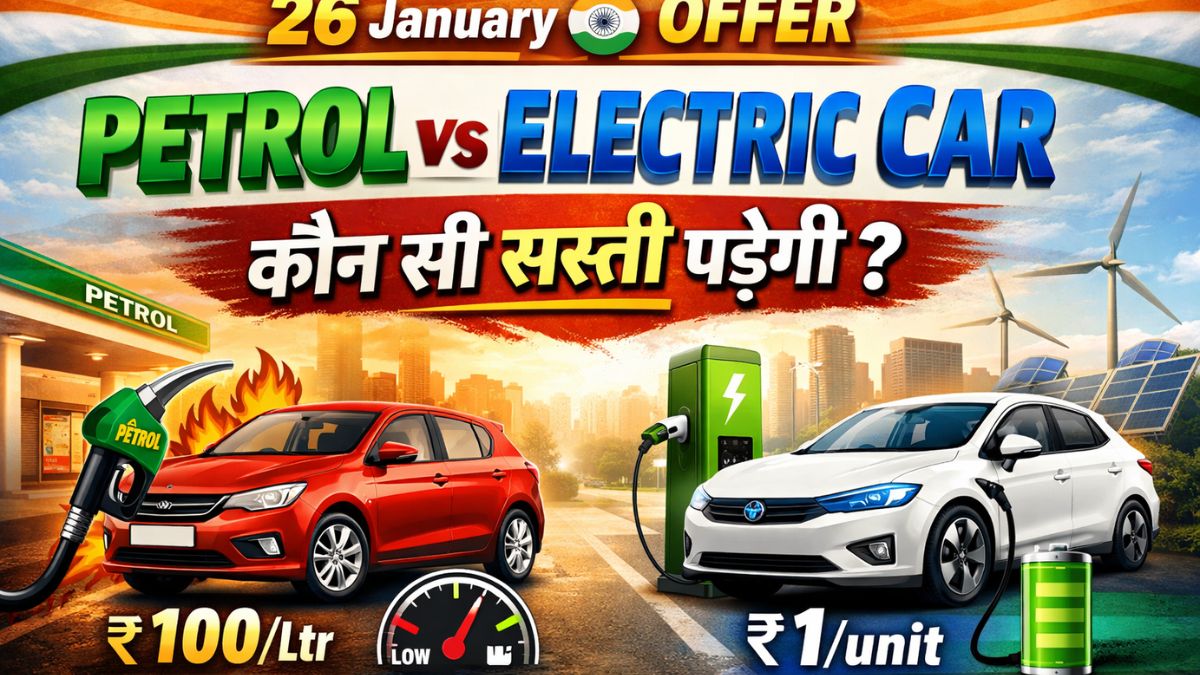
26 January 2026 Offer: Petrol vs Electric Cars – Which One Is Cheaper to Buy?
- Electric-Cars
- Published: 08 Jan, 2026
Book a Test Drive
Free doorstep test drive at your convenience
Republic Day is one of the biggest car-buying seasons in India. Every year, manufacturers and dealers announce heavy discounts, exchange bonuses, zero-EMI schemes, and free insurance offers. In 2026, buyers are not only looking for festive savings but also trying to answer a bigger question: 26 January 2026 Offer: Petrol vs Electric Cars – Which One Is Cheaper to Buy?
With rising fuel prices, expanding charging infrastructure, and aggressive EV incentives, the decision between petrol and electric cars has become more practical than ever. Let’s break down the real costs—purchase price, offers, running expenses, and long-term savings—to see which option truly offers better value this Republic Day.
Upfront Cost: Petrol vs Electric in 2026
Traditionally, petrol cars have been cheaper to buy than electric vehicles. Entry-level petrol hatchbacks and compact SUVs start at lower ex-showroom prices compared to EVs. Even in 2026, most electric cars still carry a premium because of battery technology.
However, Republic Day offers significantly narrow this gap.
🚗 Petrol Cars on 26 January 2026
- Festive cash discounts
- Free insurance packages
- Exchange bonuses
- Zero EMI schemes on select models
These offers can reduce the on-road price by ₹30,000 to ₹1 lakh, depending on the segment.
⚡ Electric Cars on 26 January 2026
- Special “green bonuses”
- Government incentives and state subsidies
- Dealer-level discounts
- Free home charger installation
- Free or discounted public charging
When these benefits are added, EV buyers can save ₹50,000 to ₹2 lakh or more, making electric cars far more competitive than in previous years.
So, in terms of initial purchase price during Republic Day 2026, petrol cars may still appear slightly cheaper, but the difference is now much smaller.
Running Cost: The Real Game Changer
This is where the comparison strongly tilts in favor of EVs.
⛽ Petrol Running Cost
With fuel prices remaining high, the average cost of driving a petrol car in 2026 is approximately:
- ₹6–₹8 per km (depending on mileage and city fuel rates)
🔌 Electric Running Cost
Charging an EV at home or at affordable public stations typically costs:
- ₹1–₹2 per km
Over 10,000 km per year, this results in:
- Petrol: ₹60,000–₹80,000 annually
- Electric: ₹10,000–₹20,000 annually
That’s a yearly saving of ₹40,000–₹60,000 in favor of electric cars. Within 3–4 years, these savings can easily offset the higher initial price of an EV.
Maintenance & Ownership Costs
🛠 Petrol Cars
Petrol vehicles require regular oil changes, engine servicing, filters, and exhaust system maintenance. Over time, these costs add up, especially after the warranty period.
🔧 Electric Cars
EVs have fewer moving parts. There is:
- No engine oil
- No clutch
- No exhaust system
Maintenance costs for electric cars are typically 30–50% lower than petrol cars. Many EV manufacturers also offer extended battery warranties, reducing long-term ownership risk.
Why Choose Petrol or Electric This Republic Day?
✔ Why Choose a Petrol Car?
- Lower entry-level pricing in small segments
- No dependency on charging infrastructure
- Faster refueling compared to charging
- Better choice for long-distance highway users in areas with limited chargers
If you drive occasionally and want the lowest possible upfront cost, petrol still makes sense.
✔ Why Choose an Electric Car?
- Massive savings on fuel and maintenance
- Attractive Republic Day “green” discounts
- Free insurance, charger installation, and exchange bonuses
- Silent, smooth, and eco-friendly driving
- Future-proof against rising fuel costs and stricter emission norms
For daily commuters, city users, and environmentally conscious buyers, EVs offer better long-term value.
Which Is Cheaper to Buy in 2026?
So, when we ask “26 January 2026 Offer: Petrol vs Electric Cars – Which One Is Cheaper to Buy?”, the answer depends on how you define “cheaper.”
- Short-term (Purchase Price):
Petrol cars may still be slightly cheaper on the invoice, especially in entry-level segments. - Long-term (Total Cost of Ownership):
Electric cars are clearly cheaper. Lower fuel costs, minimal maintenance, and festive EV incentives make them more economical within a few years of ownership.
For most urban buyers, an EV purchased during Republic Day offers can become more cost-effective than a petrol car within 3–5 years.
Conclusion
Republic Day 2026 brings exceptional deals on both petrol and electric cars, but the balance is shifting. While petrol vehicles may still have a small advantage in initial price, electric cars are rapidly becoming the cheaper option in the long run. With government support, manufacturer incentives, free insurance, and reduced running costs, EVs are no longer just an eco-friendly choice—they are also a financially smart one.
If your driving is mostly urban and predictable, choosing an electric car this Republic Day could save you lakhs over the lifetime of the vehicle. However, for buyers needing long-range convenience without charging concerns, petrol cars still offer practicality.
FAQs
Q1. Are electric cars really cheaper than petrol cars in 2026?
A: Upfront, petrol cars can still be cheaper. But over time, lower running and maintenance costs make EVs more economical.
Q2. Do Republic Day offers apply to both petrol and electric cars?
A: Yes. Petrol cars get festive discounts and free insurance, while EVs often receive additional green bonuses, charger benefits, and subsidies.
Q3. How much can I save annually with an electric car?
A: On average, EV owners can save ₹40,000–₹60,000 per year on fuel and servicing compared to petrol cars.
Q4. Is charging still a concern in India?
A: Charging infrastructure has expanded rapidly in major cities and highways, making EV ownership more practical in 2026.
Q5. Which is better for resale value—petrol or electric?
A: Petrol cars still enjoy wider resale acceptance, but as EV adoption increases, electric cars are steadily improving in resale value.
Book a Test Drive
Free doorstep test drive at your convenience
Popular Brands


Latest Electric Car News
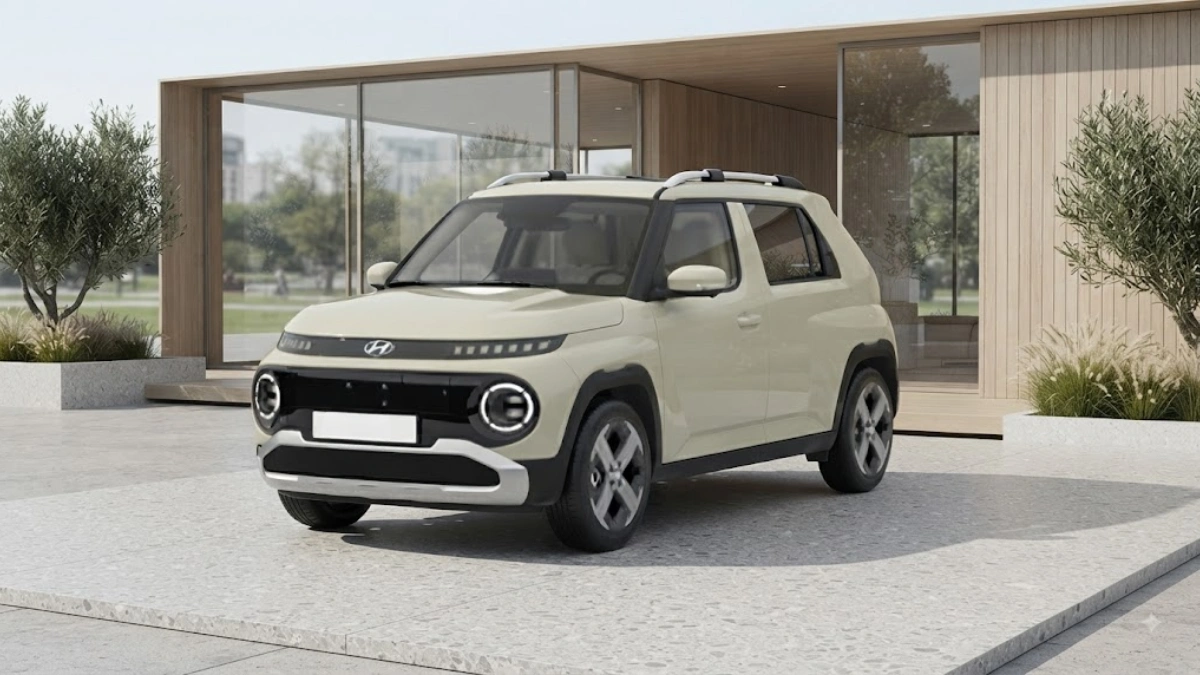
Hyundai EV Compact SUV India Launch: Expected Price, Range & Key Details
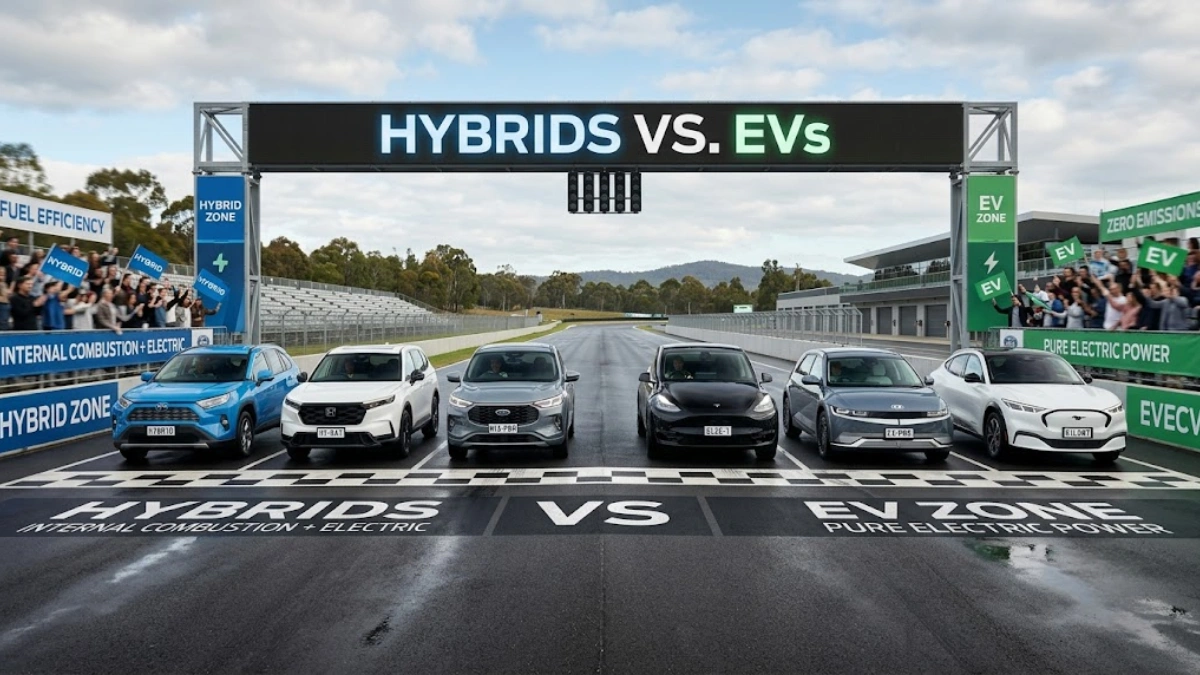
Hybrids vs. EVs: Which Is Better for You?
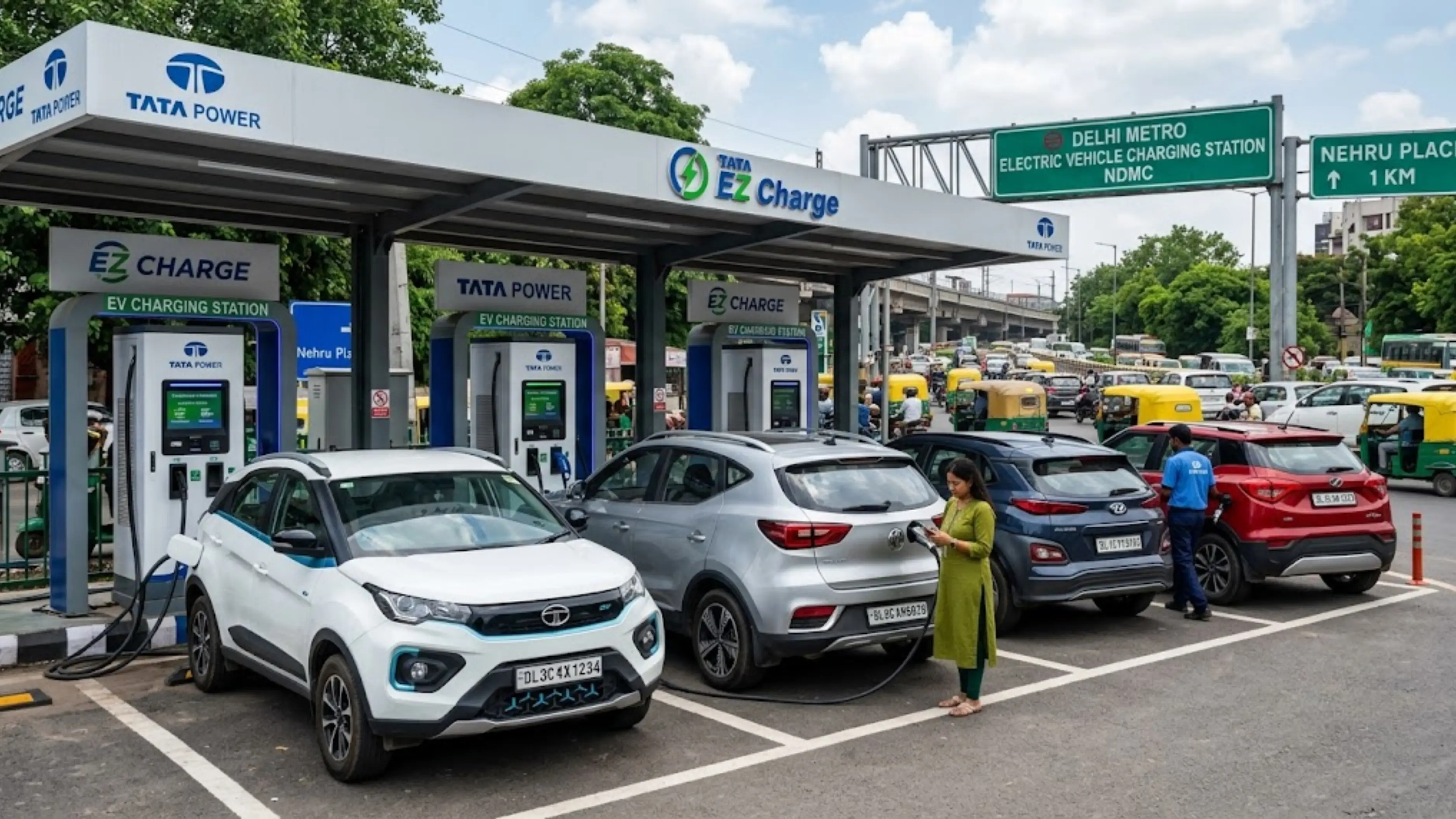
Delhi EV Policy 2026 in Effect from July 1
Upcoming Electric Cars in August 2026 in India
What to Do If Your Car Battery Is Dead
Mercedes-Benz VLE Unveiled: 8-Seater EV with 700+ KM Range
Tata Sierra EV First Look: 600+ KM Range, Triple Screens & More
Top Accessories You Should Buy for Your Tata Harrier EV
Is an EV Car Coming for ₹5 Lakh? A Major Shift in the Indian Auto Market
Top Upcoming SUVs and Electric Cars in April 2026 That Could Change the Market
Bookings Open for the Mercedes-Benz CLA Electric – A New Competitor Enters India’s EV Market
Tata’s New Budget Electric Car Coming in 2026 – Is the Nano EV Making a Comeback?
Hybrid Cars vs Electric Cars in India 2026: Which Is Better?
BYD India New Electric Sedan Launched – Price & Range Revealed
Top 5 Affordable Electric Cars in India 2026 (Best Budget EVs with Long Range)
Tata vs MG EV Comparison – Which One Is Better in 2026?
Tata EV Lineup 2026 REVEALED – Full Price Breakdown
Tesla India Booking Date LEAK – Big Update!
Hyundai Creta EV Launch Leak: Price Shock Incoming?
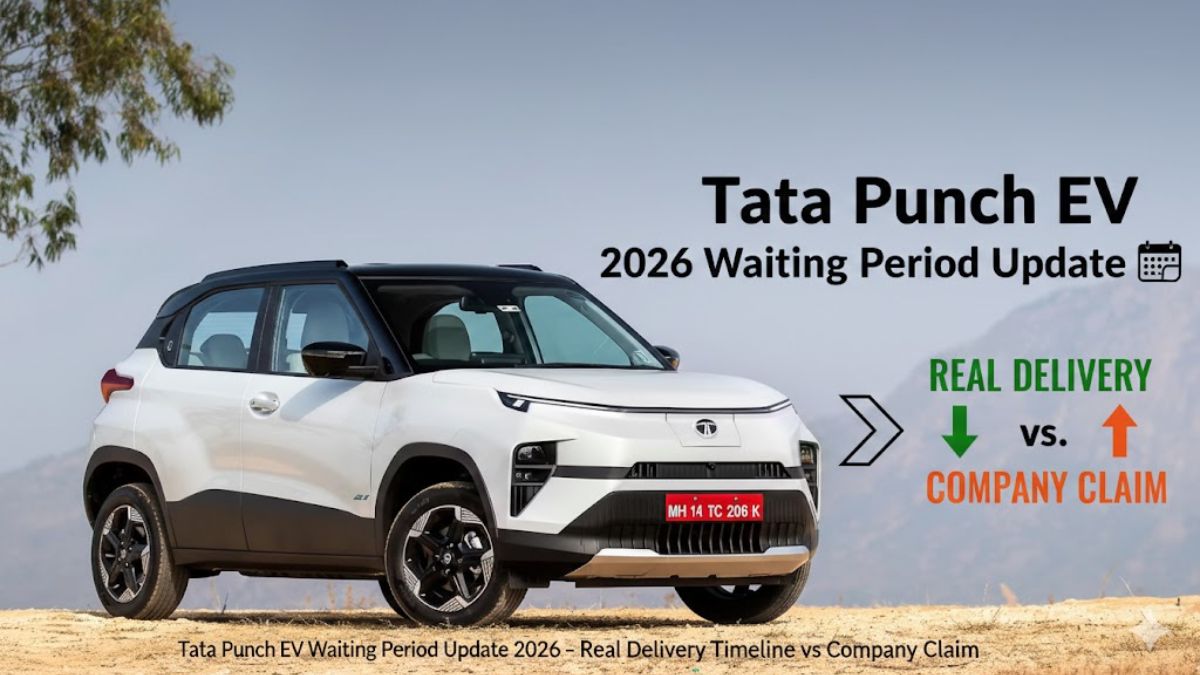
Tata Punch EV Waiting Period Update 2026: Real Delivery Timeline vs. Company Claims