





Limited Edition Skoda Slavia Monte Carlo Adds New Colours for 200 Buyers Only
Why do car manufacturers change body style every year?
- Cars
- Published: 21 Jan, 2025
- Updated: 05 May, 2025
Book a Test Drive
Free doorstep test drive at your convenience
Car manufacturers frequently update the body styles of their vehicles, a practice that has become a hallmark of the automotive industry. This isn’t just about aesthetics; it’s a calculated approach that balances consumer preferences, technological advancements, safety regulations, and market competitiveness. These changes ensure that vehicles remain relevant in a rapidly evolving market, meeting the expectations of both modern buyers and industry standards.
Whether it’s improving aerodynamics for better performance, incorporating the latest safety technologies, or creating excitement around a brand, these updates reflect the constant innovation driving the industry forward. Understanding the reasons behind these design changes reveals the meticulous planning and strategic foresight that go into creating the cars we drive today.
Here’s a deeper dive into why manufacturers feel the need to refresh body styles so often.
Keeping Up With Market Trends
Consumer preferences evolve rapidly, and manufacturers must adapt to stay competitive. Changing the body style helps automakers appeal to shifting tastes, whether it’s for sleeker designs, sportier aesthetics, or rugged SUV-inspired looks.
For instance:
- Sedans have seen a decline in demand due to the rising popularity of SUVs, prompting manufacturers to adjust designs.
- A sporty coupe-inspired design on SUVs, such as the BMW X6, is now trending to attract younger buyers.
Enhancing Aerodynamics
Modern vehicles are designed with fuel efficiency and performance in mind. Refining the body style every year helps improve aerodynamics, reducing drag and enhancing fuel efficiency or electric range.
For example:
- EVs (Electric Vehicles) often feature sleeker designs to optimize battery usage.
- Cars like the Tesla Model S have evolved their body styles to achieve minimal drag coefficients.
You May Read Also: Evolution of Indian-Made Cars: A Journey of Innovation and Growth
Incorporating New Safety Standards
Governments worldwide frequently update automotive safety regulations. To comply, manufacturers must redesign body structures and styles to integrate advanced safety features.
Key examples:
- Crumple Zones: Redesigned front and rear sections help absorb impact in collisions.
- Pedestrian Safety: Hood and bumper designs are adjusted to minimize injury in case of an accident.
Leveraging Technological Advancements
As technology advances, car designs must adapt to accommodate new features like larger touchscreens, sensors for autonomous driving, and advanced driver-assistance systems (ADAS).
For instance:
- Larger infotainment systems require redesigned dashboards and center consoles.
- Sensor placements for ADAS influence the shape of bumpers and mirrors.
Differentiating From Competitors
In a crowded automotive market, staying distinctive is critical. Updating the body style every year allows manufacturers to offer something fresh and unique, giving them a competitive edge.
Examples include:
- Toyota Fortuner’s regular facelifts to maintain its dominance in the SUV segment.
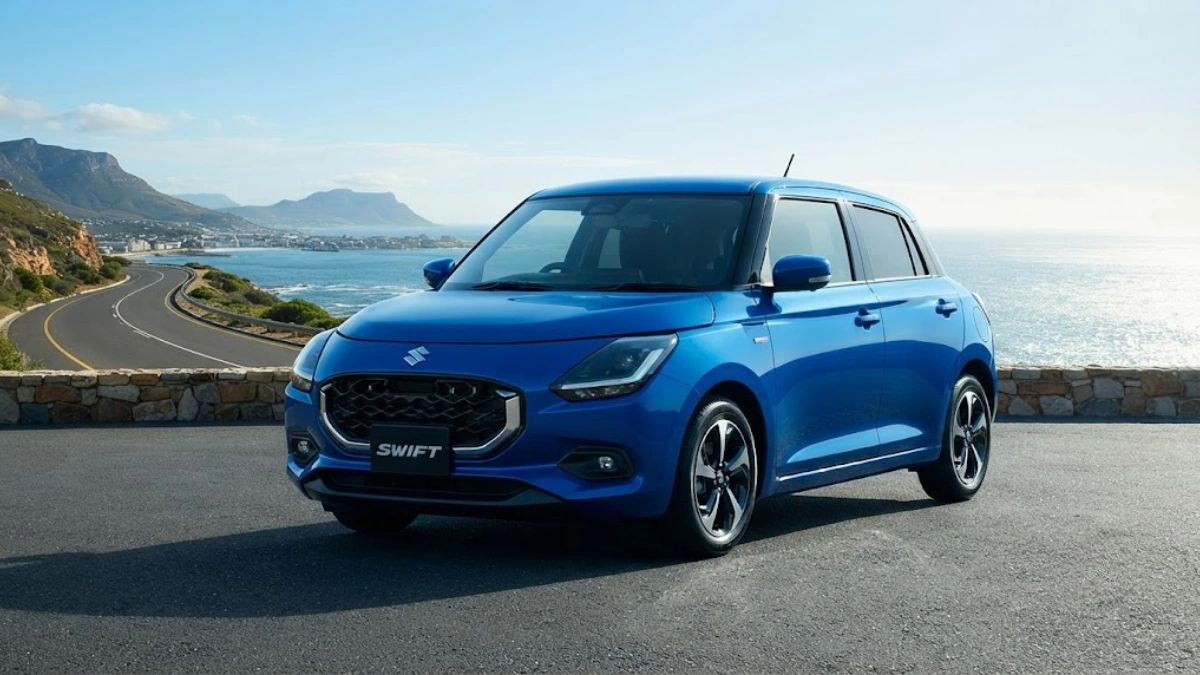
- Maruti Suzuki’s Swift, which undergoes design tweaks to stay relevant against rivals.
Meeting Sustainability Goals
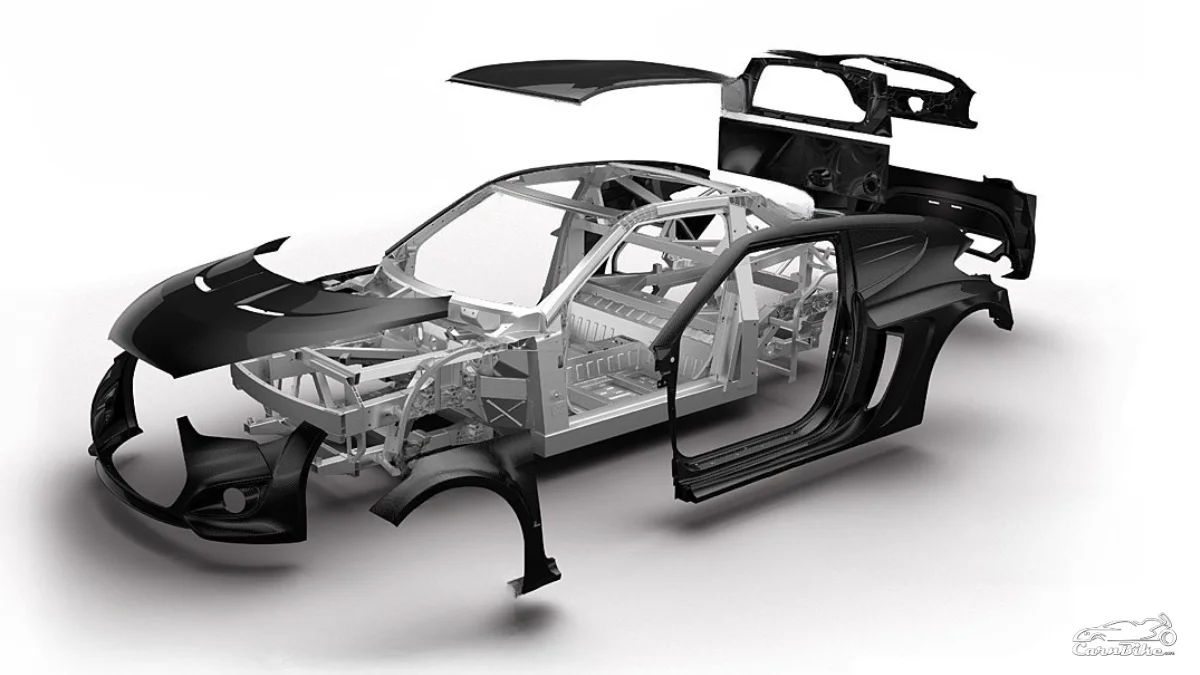
Environmental concerns have pushed manufacturers to adopt lighter and more sustainable materials in their vehicles. These changes often necessitate a redesign of the body style to incorporate new materials without compromising structural integrity.
- Aluminum and carbon-fiber components influence the overall shape and weight distribution of cars.
- Electric cars, like the Hyundai Ioniq 5, use eco-friendly materials, resulting in unique designs.
Boosting Sales Through Novelty
The automotive industry thrives on innovation and excitement. A fresh design generates buzz and attracts new buyers, ensuring steady sales. Even minor updates like new grille designs or updated headlamps can renew interest in a model.
Aligning With Brand Identity
Manufacturers often tweak body styles to reinforce their brand’s evolving image. For instance:
- BMW’s iconic kidney grille has grown larger and bolder over the years to align with its luxury positioning.
- Jeep retains its rugged design language while refining body styles for modern appeal.
Car manufacturers change body styles annually for a combination of reasons—meeting consumer demand, integrating advanced technologies, adhering to regulations, and maintaining a competitive edge. While these updates may seem frequent, they are essential for the evolution of the automotive industry, ensuring that vehicles remain relevant, efficient, and exciting for buyers worldwide.
Book a Test Drive
Free doorstep test drive at your convenience
Popular Brands
Latest Car News
Suzuki Loses India Market Share as Buyers Demand More Features
Hybrid Car Sales Decline 8% in June 2026: Complete Analysis
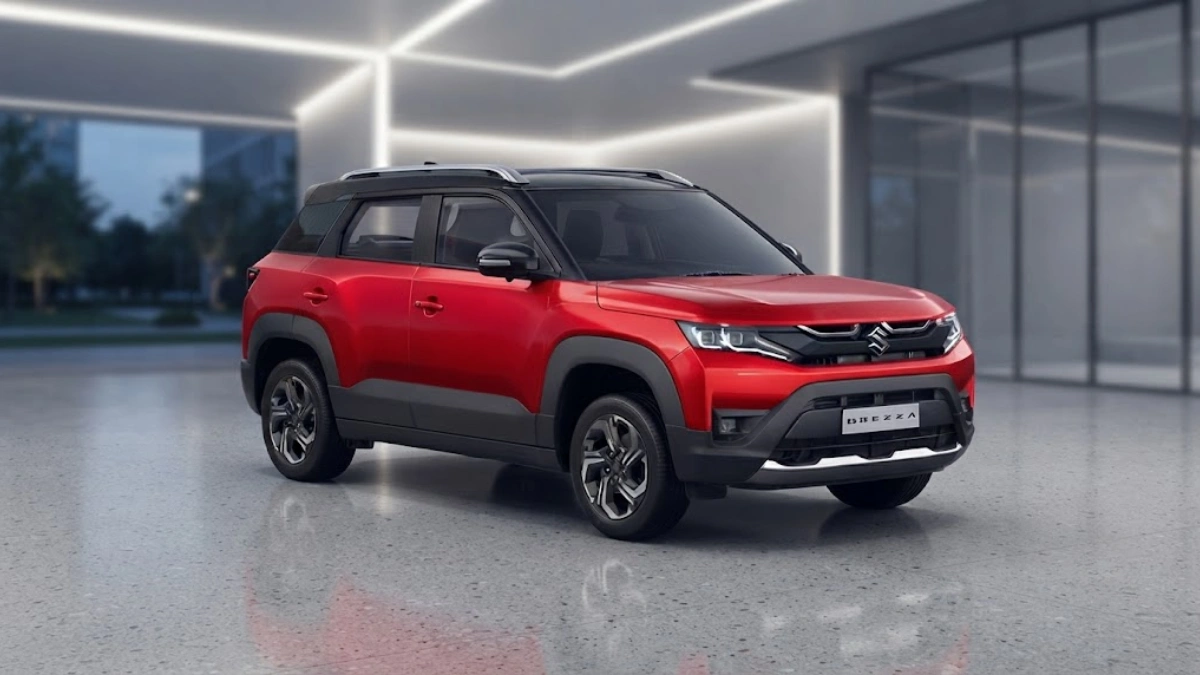
How to Book Maruti Brezza Facelift: Complete Booking Guide
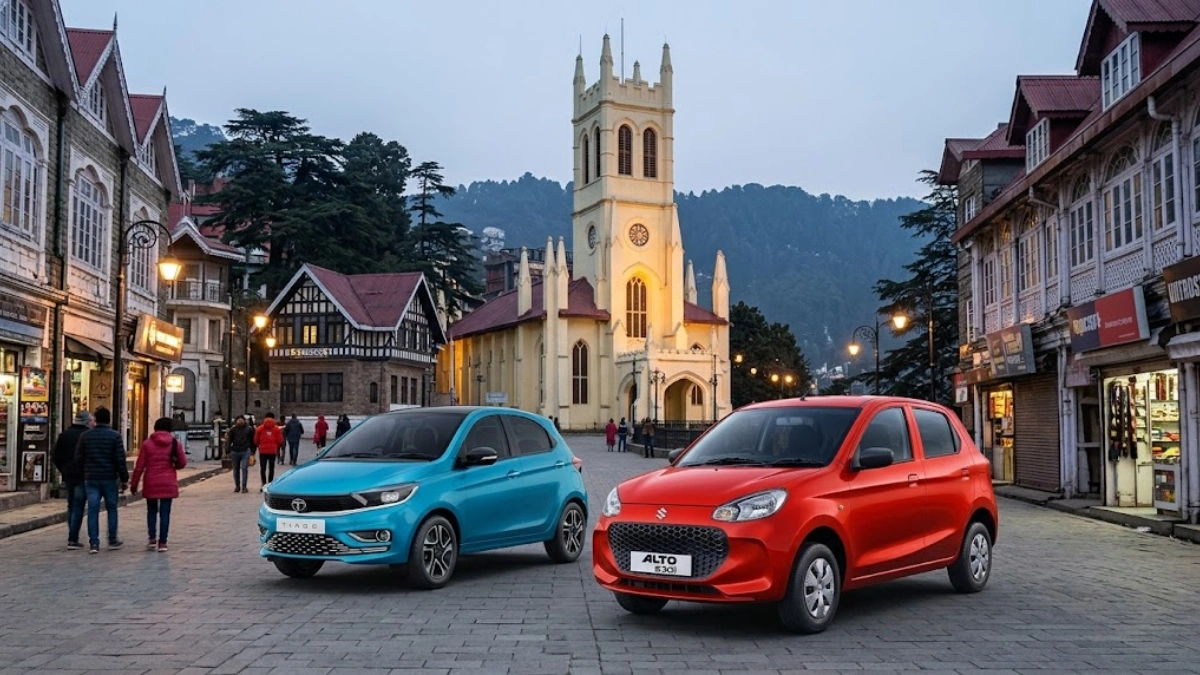
Alto K10 vs Tiago: Which Is Better?
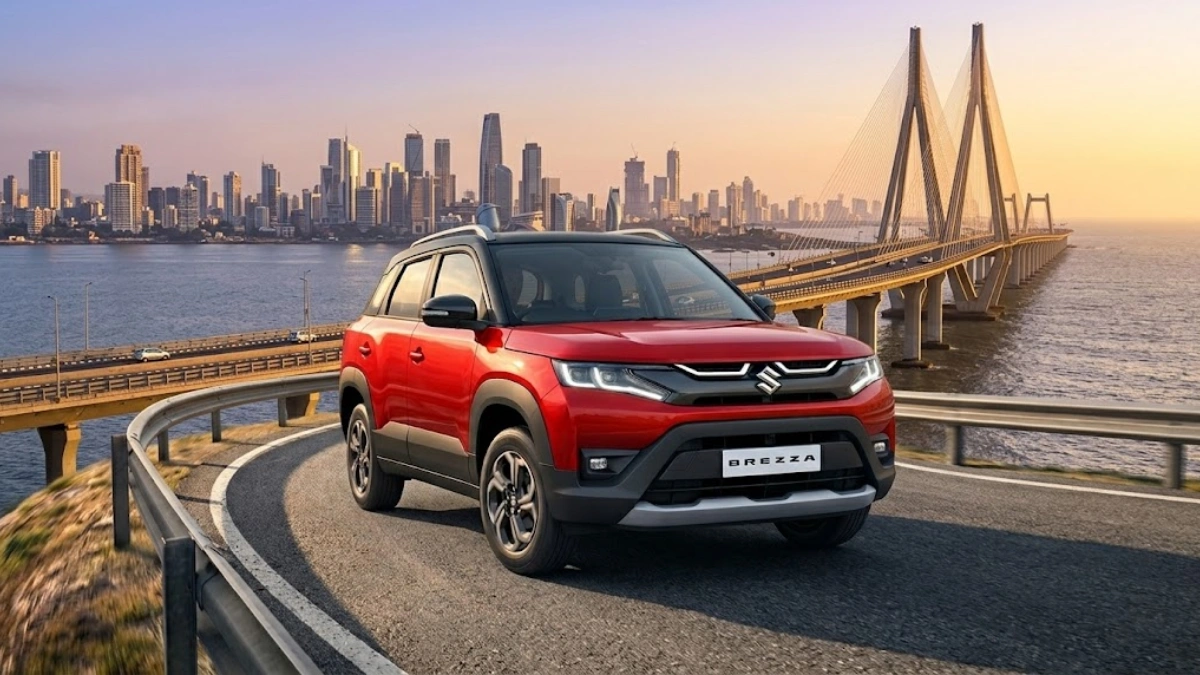
Maruti Brezza Facelift 2026: What's New Compared to the Current Model?
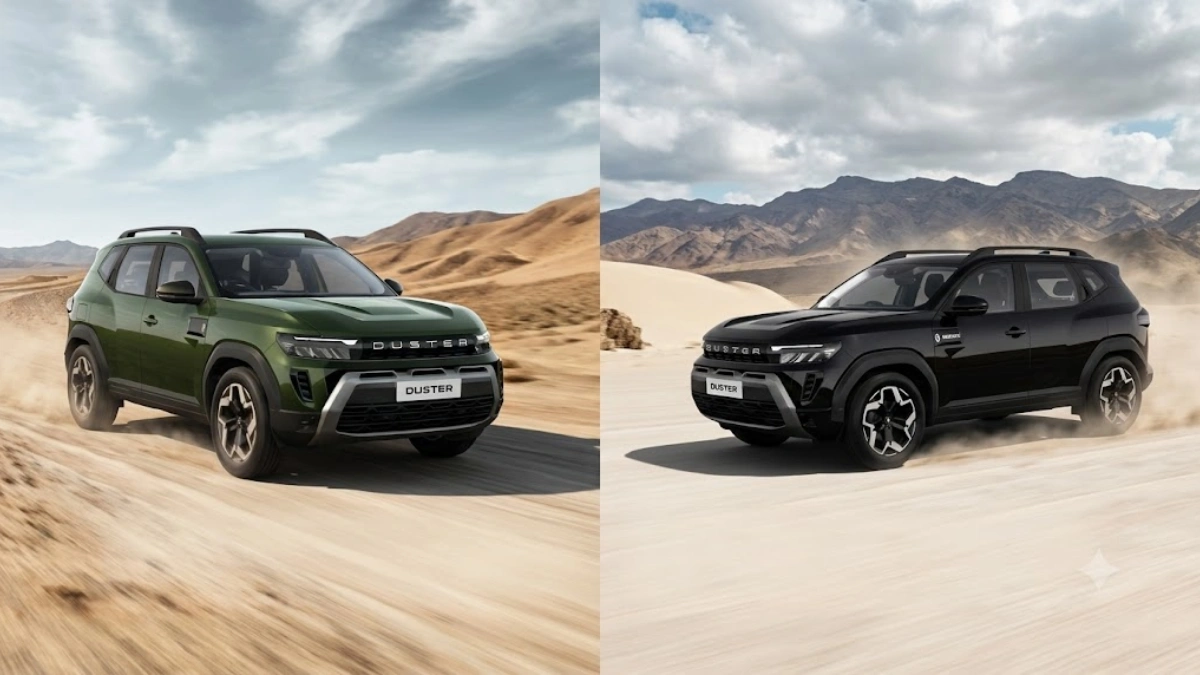
Renault Duster Adventure Edition vs Standard Duster: What's Different?
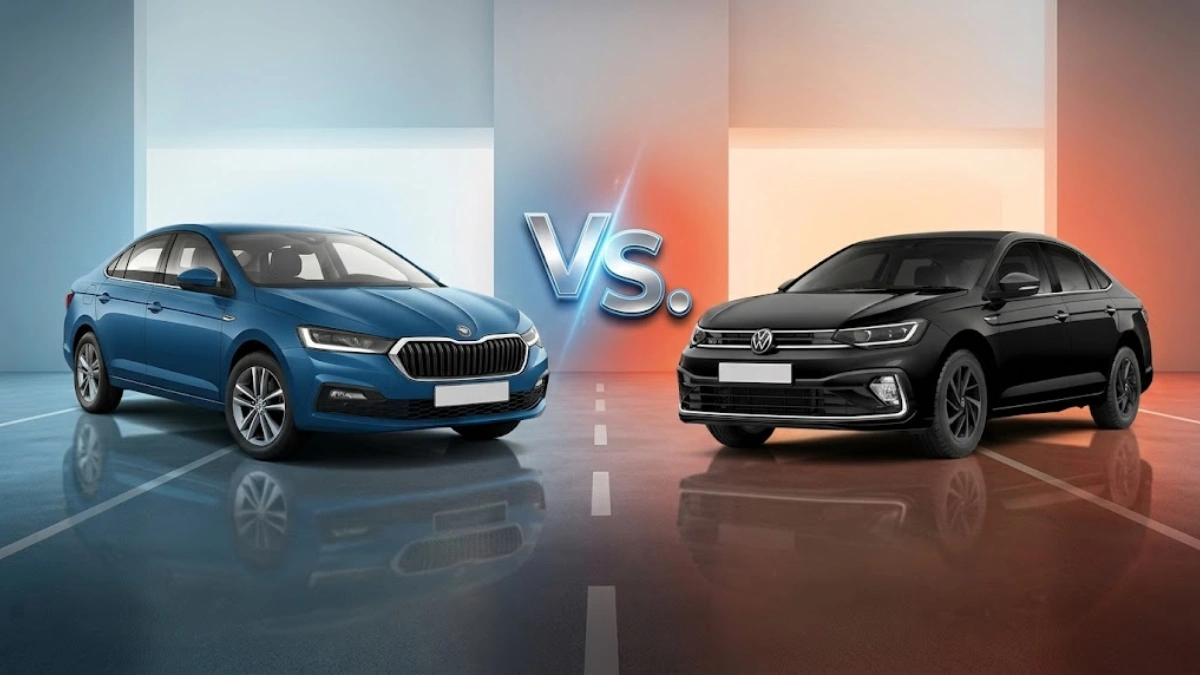
Skoda Slavia Facelift 2026 vs Volkswagen Virtus: Which Sedan Should You Wait For?

Volkswagen Tayron Life Launched in India at ₹41.99 Lakh
Volkswagen Announces 50% Reduction In Global Car Line-up
Tata Nexon Pure Plus : Know Everything Before Buying in July
Best Selling Cars of June 2026 in India
July 2026 Car Offers: Tata, Honda, Kia, MG, Hyundai, Maruti and Other Brands' Discount Offers
Renault Kwid 2026 Launched at Rs 4.53 Lakh

Cheapest Hybrid Cars in India: You Must Know
Tata Sierra Test Drive Booking in Noida: Complete Process Guide

Most Affordable Cars with Ventilated Seats in India

Upcoming Sedan Cars in August 2026 in India
Tata Harrier Test Drive Booking in Delhi: A Complete Guide

Upcoming SUVs in August 2026 in India