Why 2026 Is Set to Be the Biggest Year Ever for Middle-Class Car Buyers
- Cars
- Published: 29 Dec, 2025

Book a Test Drive
Free doorstep test drive at your convenience
For middle-class families, buying a car has always been a carefully planned decision—balancing budget, mileage, safety, and long-term value. As 2026 approaches, something remarkable is happening in the automobile market. Experts agree that 2026 is set to be the biggest year ever for middle-class car buyers, thanks to a perfect mix of affordability, technology, and government support.
Let’s explore why 2026 could become a golden year for first-time and upgrading car buyers.
1. More Features at Lower Prices Than Ever Before
One of the biggest reasons 2026 stands out is value for money. Features that were once limited to luxury cars are now entering budget and mid-range segments.
Middle-class buyers can expect:
- Advanced safety systems like multiple airbags and ADAS-lite
- Touchscreen infotainment with connected tech
- Better build quality and comfort
Manufacturers are focusing heavily on competitive pricing, making premium features affordable.
2. Affordable Electric and Hybrid Options
By 2026, electric cars will no longer be expensive experiments. Several affordable EVs and strong hybrid cars are expected to enter the market at prices close to petrol models.
Why this matters:
- Lower running costs
- Reduced maintenance expenses
- Government incentives and tax benefits
For middle-class families concerned about fuel prices, EVs and hybrids offer long-term savings without compromising usability.
3. Improved Mileage and Fuel Efficiency
Even for petrol and diesel cars, 2026 models will deliver better mileage due to improved engine technology and lighter platforms.
Benefits include:
- Lower monthly fuel expenses
- More eco-friendly performance
- Compliance with stricter emission norms
Better efficiency means fewer compromises for daily commuters and family users.
4. Flexible Financing and Easier Ownership
Another major factor making 2026 buyer-friendly is simplified car financing. Banks and manufacturers are offering:
- Lower down payments
- Longer loan tenures
- Attractive interest rates
Subscription-based ownership and buy-back guarantees will also reduce financial stress for middle-class buyers.
5. Strong Focus on Safety as Standard
Safety is no longer optional. By 2026, government regulations and consumer demand will ensure that essential safety features come standard.
Expected safety upgrades:
- Six airbags in most segments
- Electronic Stability Control (ESC)
- Stronger crash-tested structures
Middle-class buyers will finally get peace of mind without paying extra.
6. Wider Choice Across All Segments
From compact hatchbacks to family SUVs, 2026 will offer more choices than ever. Buyers can select vehicles based on:
- Budget
- Usage pattern
- Fuel type
- City or highway driving
This variety ensures that every middle-class household finds a car that fits its needs perfectly.
Why Choose to Buy a Car in 2026?
Buying a car in 2026 isn’t just about getting a new model—it’s about making a smart, future-ready decision.
Why 2026 is the right time:
- Best balance between price and technology
- Multiple fuel options available
- Lower cost of ownership
- Improved resale planning
- Long-term compliance with regulations
For middle-class families, this combination has never been better.
How 2026 Changes the Buying Mindset
Earlier, car buying meant compromise. In 2026, it means choice without sacrifice. Buyers won’t have to choose between mileage and safety or technology and affordability. The market is finally aligned with real consumer needs.
Conclusion
There’s a strong reason why 2026 is set to be the biggest year ever for middle-class car buyers. Affordable pricing, smarter technology, safer cars, and flexible ownership options are coming together at the perfect time. Whether you’re buying your first car or upgrading your family vehicle, 2026 offers unmatched value and confidence.
For the middle class, the wait might just be worth it.
FAQs
Q1. Is 2026 a good year to buy a first car?
Yes. Affordable prices, better safety, and flexible financing make 2026 ideal for first-time buyers.
Q2. Will electric cars be suitable for middle-class families by 2026?
Yes. Improved range, lower prices, and better charging infrastructure will make EVs practical.
Q3. Are petrol cars still worth buying in 2026?
Yes, especially for short-term ownership and areas with limited EV infrastructure.
Q4. Will car loans be cheaper in 2026?
Many banks and manufacturers are expected to offer competitive financing options.
Q5. Which car segment will benefit most in 2026?
Compact SUVs and affordable EVs are likely to see the biggest growth.
Book a Test Drive
Free doorstep test drive at your convenience
Popular Brands





Latest Car News
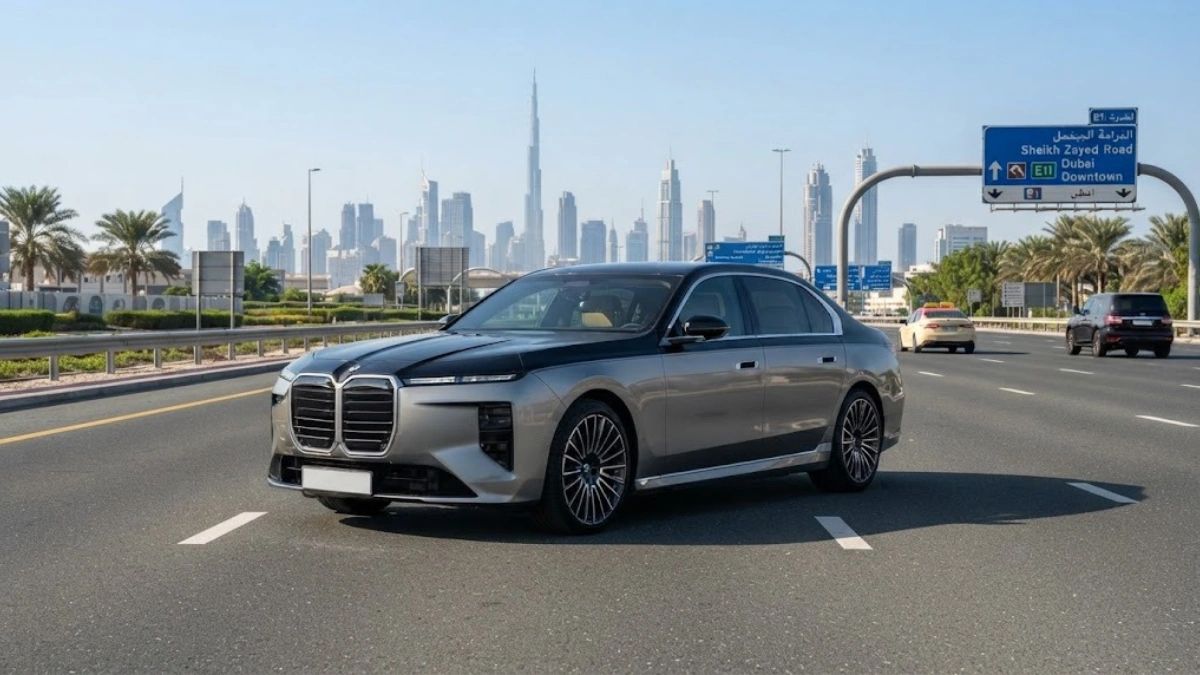
BMW 7 Series Facelift Interior Updates: Know Everything

How to Check Oil Level in Car: Step-by-Step Guide
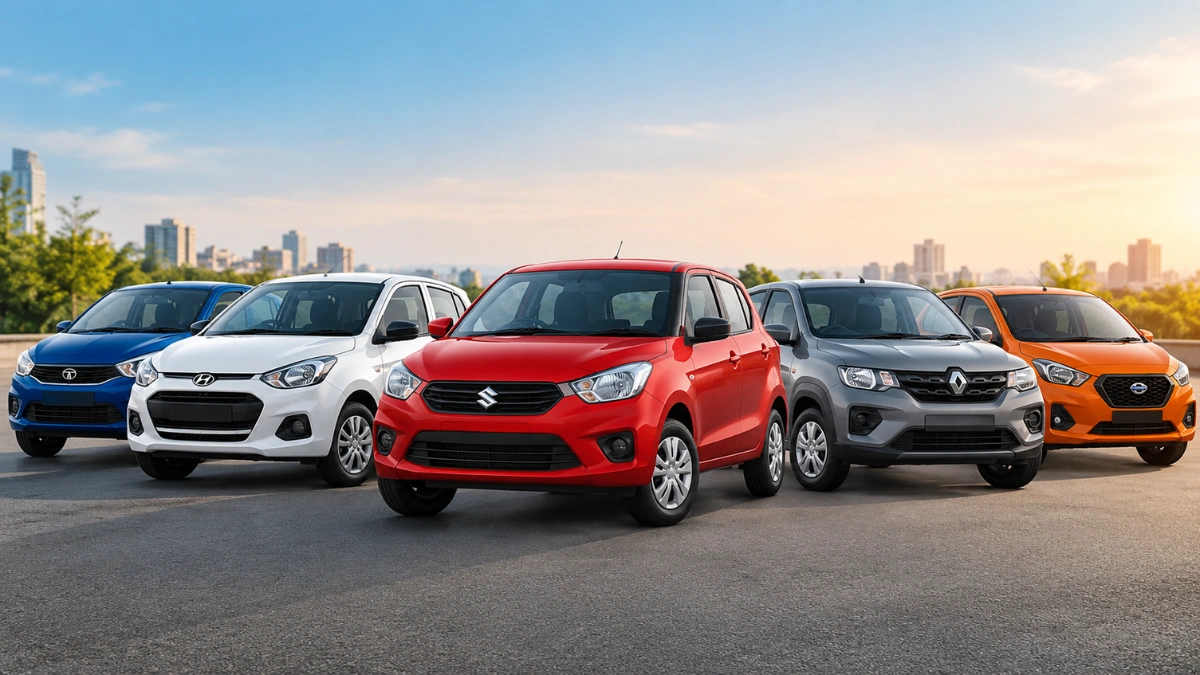
Latest Cars Under ₹5 Lakh in India in September 2026
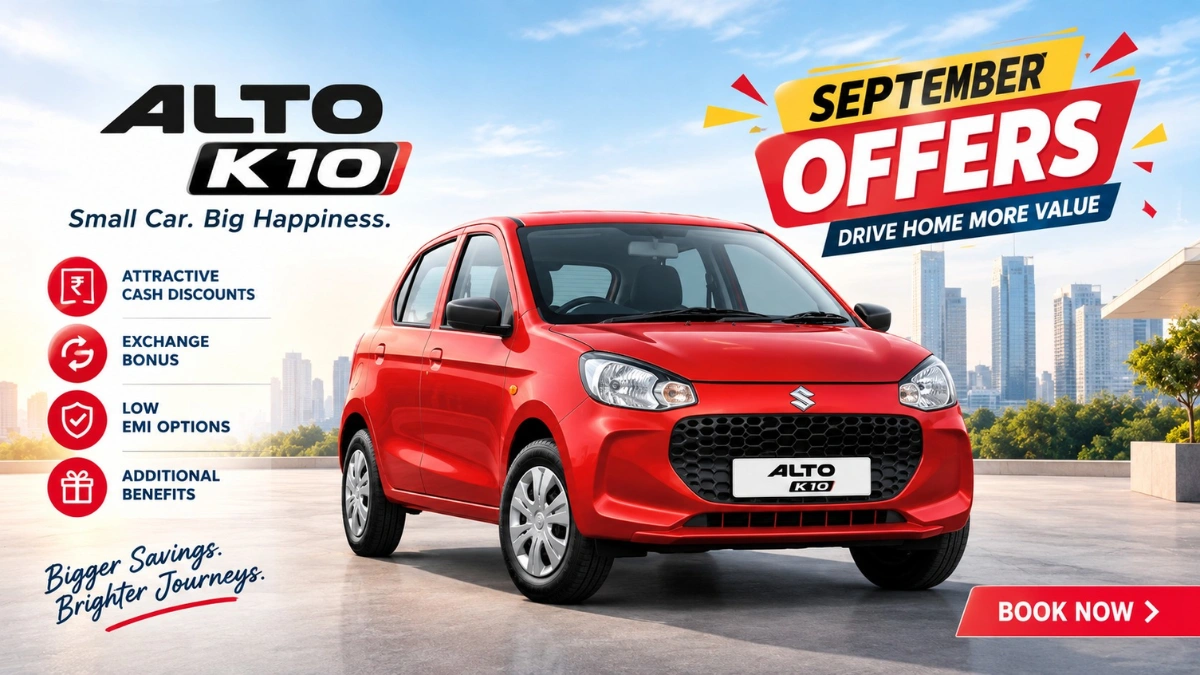
Maruti Alto K10 September Offers: Get Up to ₹62,500 Savings on Purchase
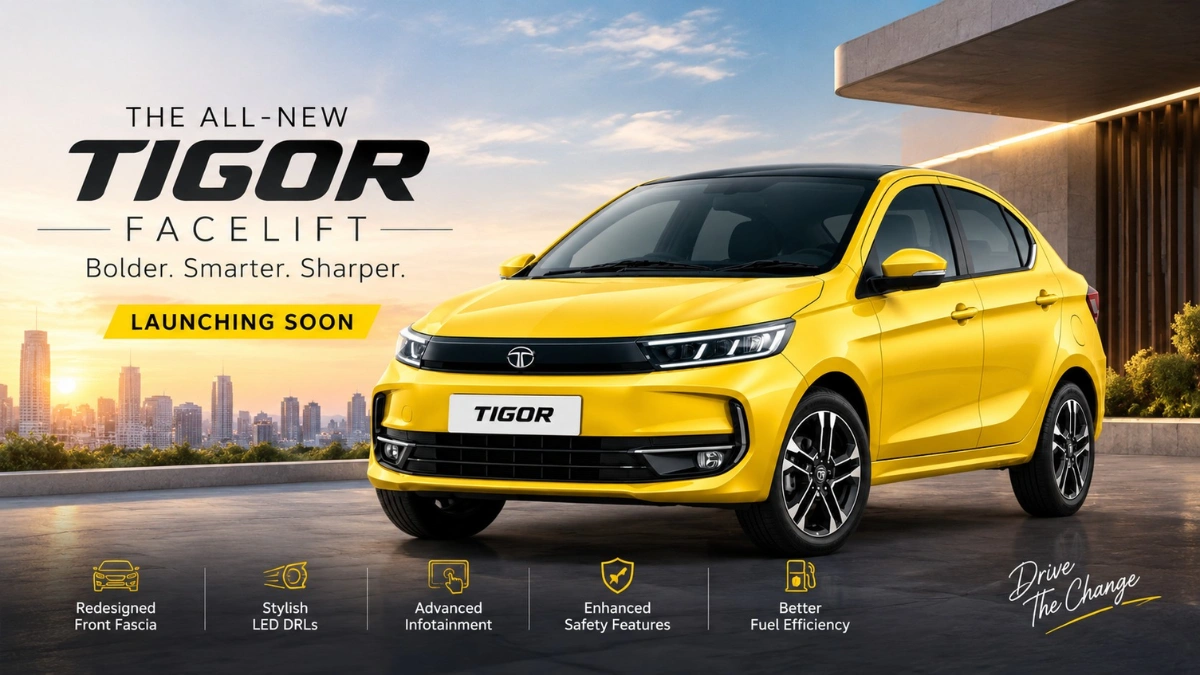
Tata Tigor Facelift Under ₹6 Lakh: A New Budget Sedan Is Coming
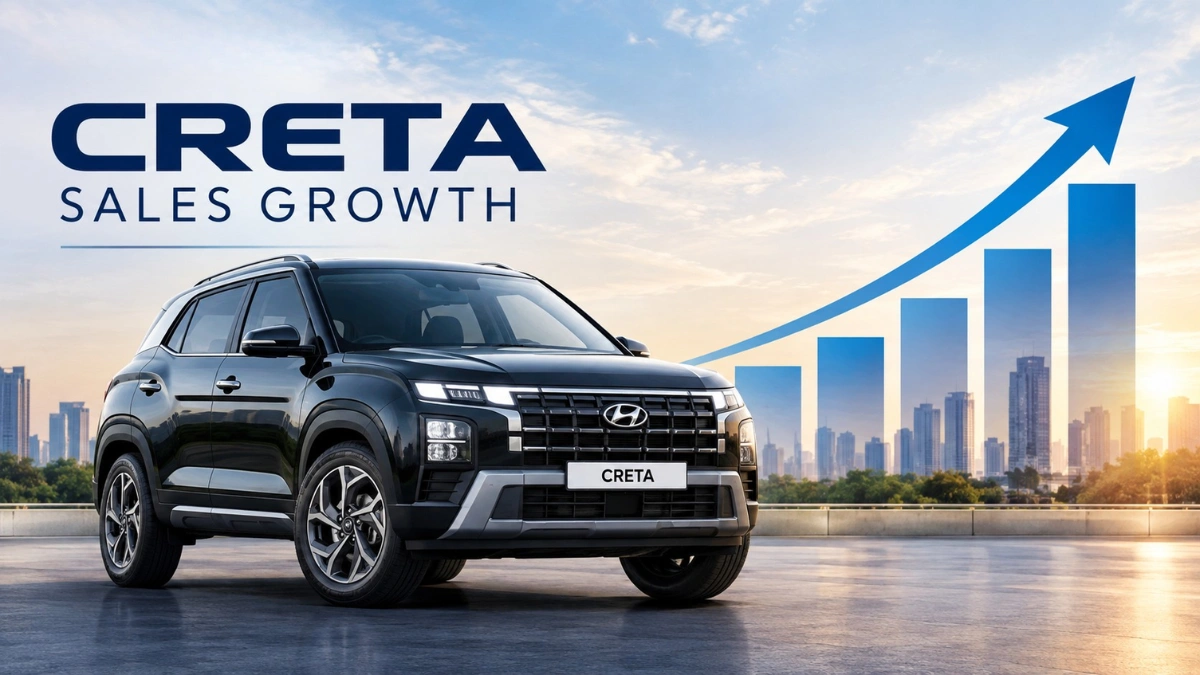
Hyundai Creta August 2026 Sales: With 16,288 Units Becomes India's Best-Selling Mid-Size SUV
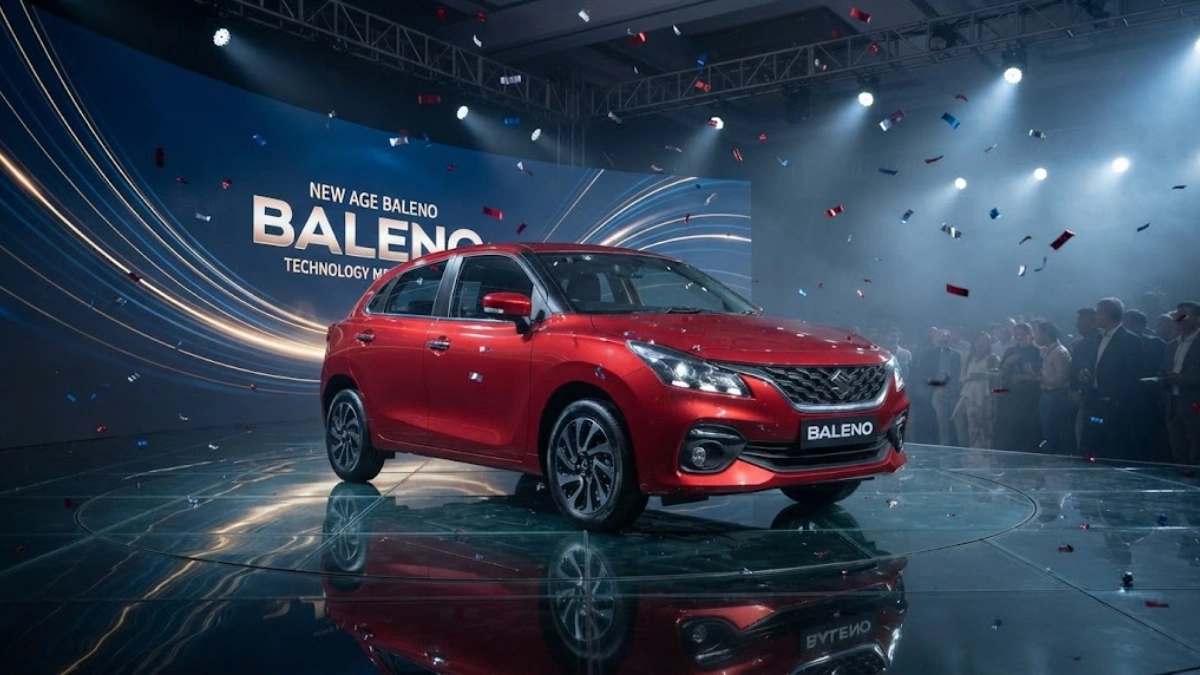
Maruti Baleno Facelift Booking Price: Expected Booking Amount, EMI & Loan Calculation
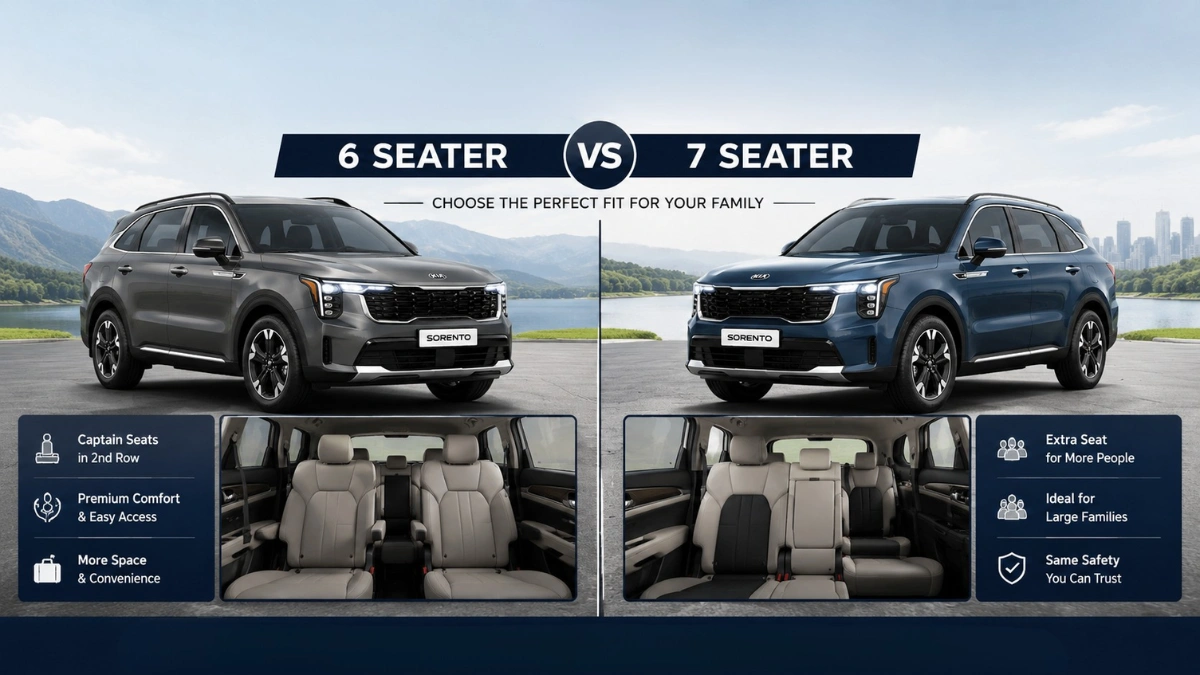
Kia Sorento 6 Seater vs 7 Seater: Which One Should You Choose?

Kia Sorento AI Assistant Explained: Features, Commands, and Indian Language Support
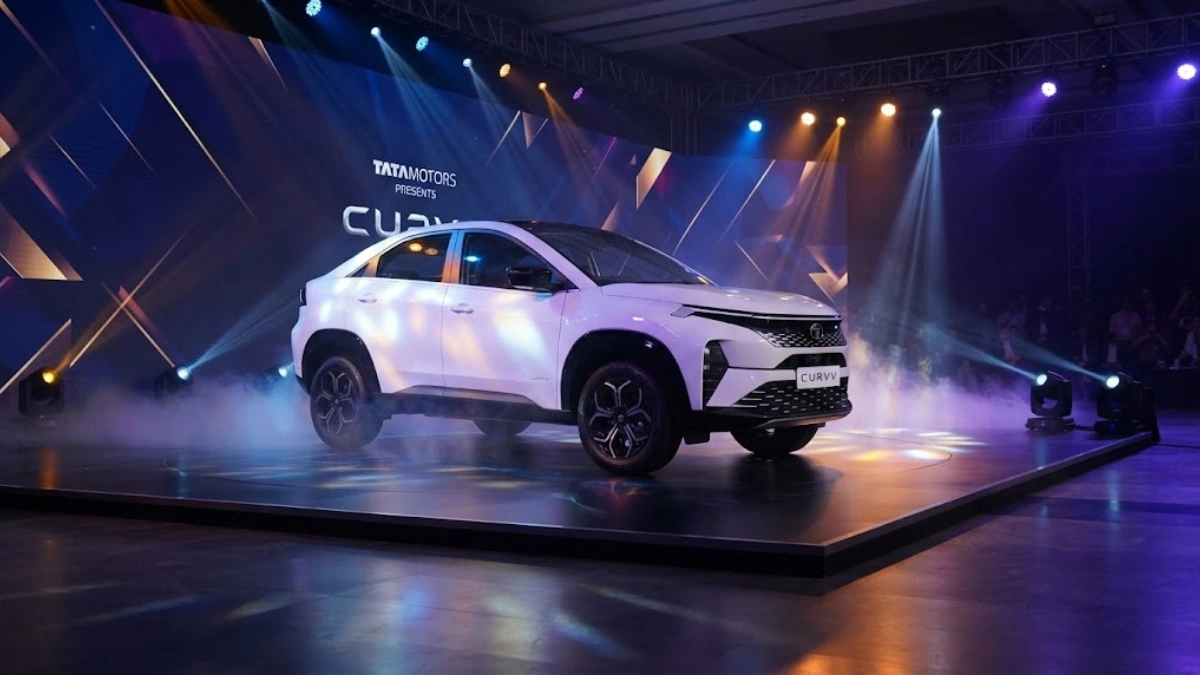
What Is the Difference Between Tata Curvv and New Curvv Series X?
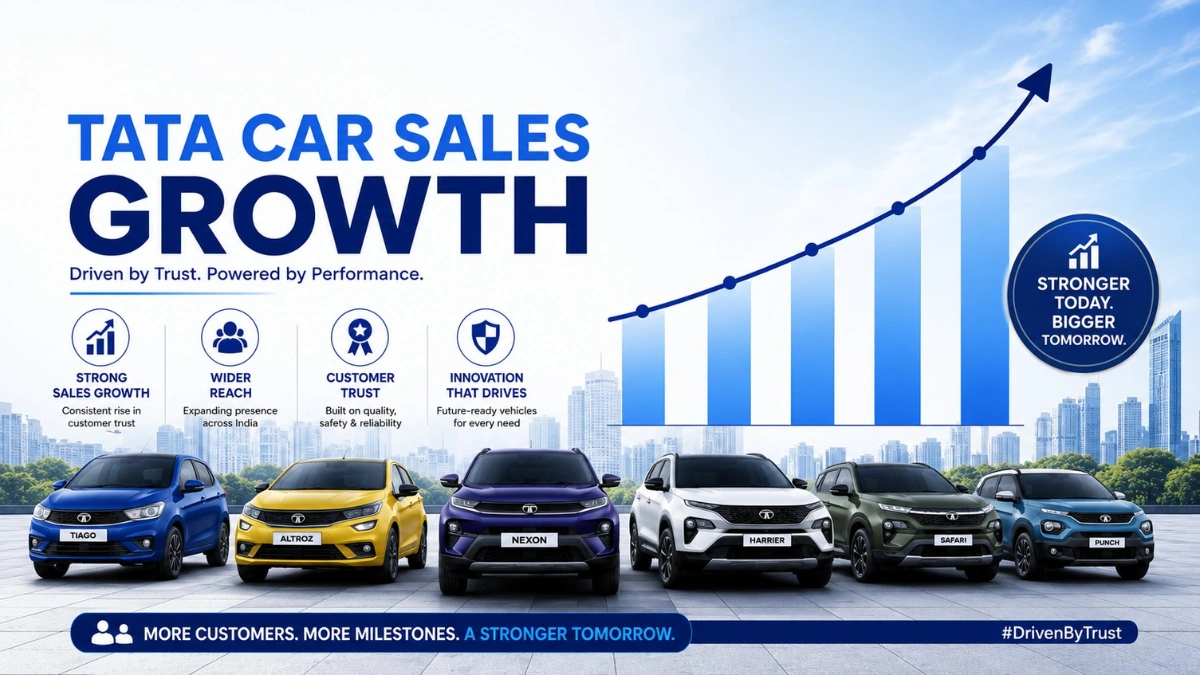
Tata Car Sales August 2026: Model-Wise Sales & Growth Report
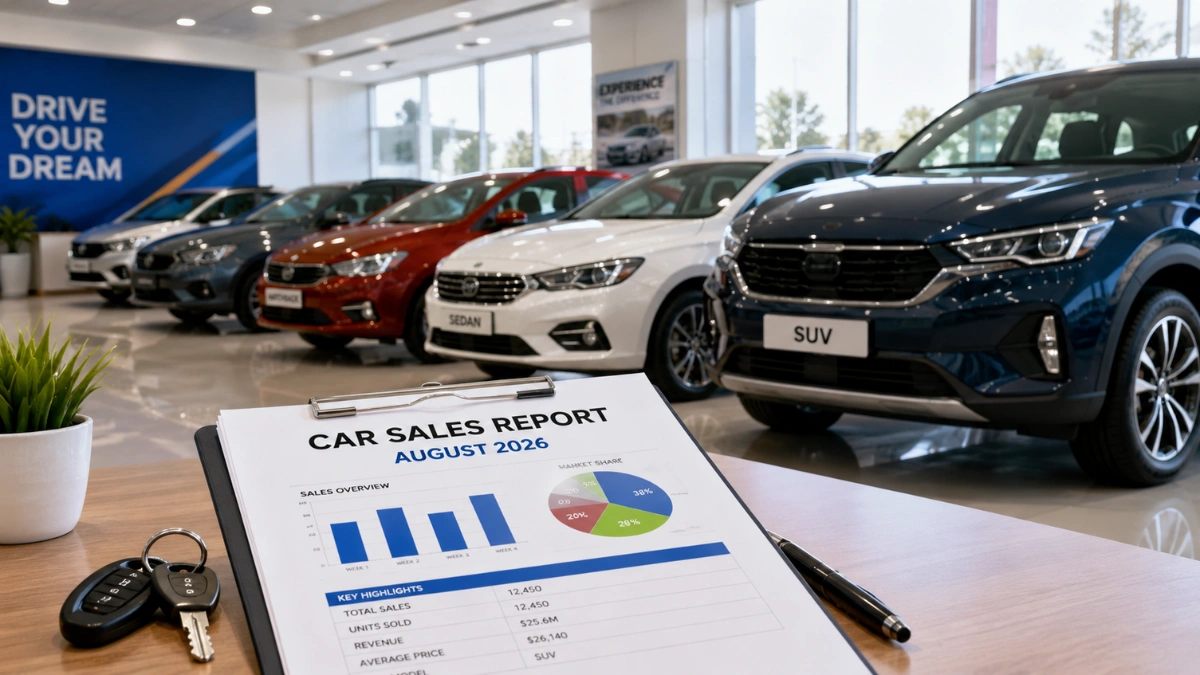
Car Sales Report of August 2026: Tata Motors, Maruti, Mahindra Lead Growth
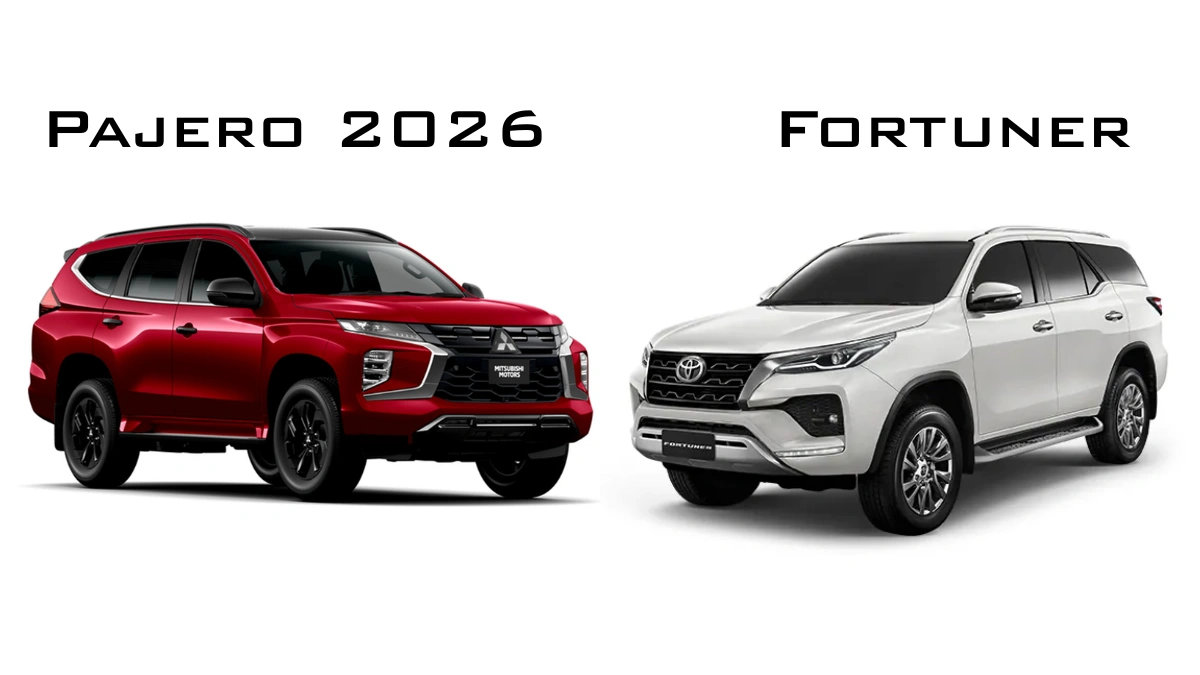
Pajero 2026 vs Fortuner: Which SUV Could Be Better?
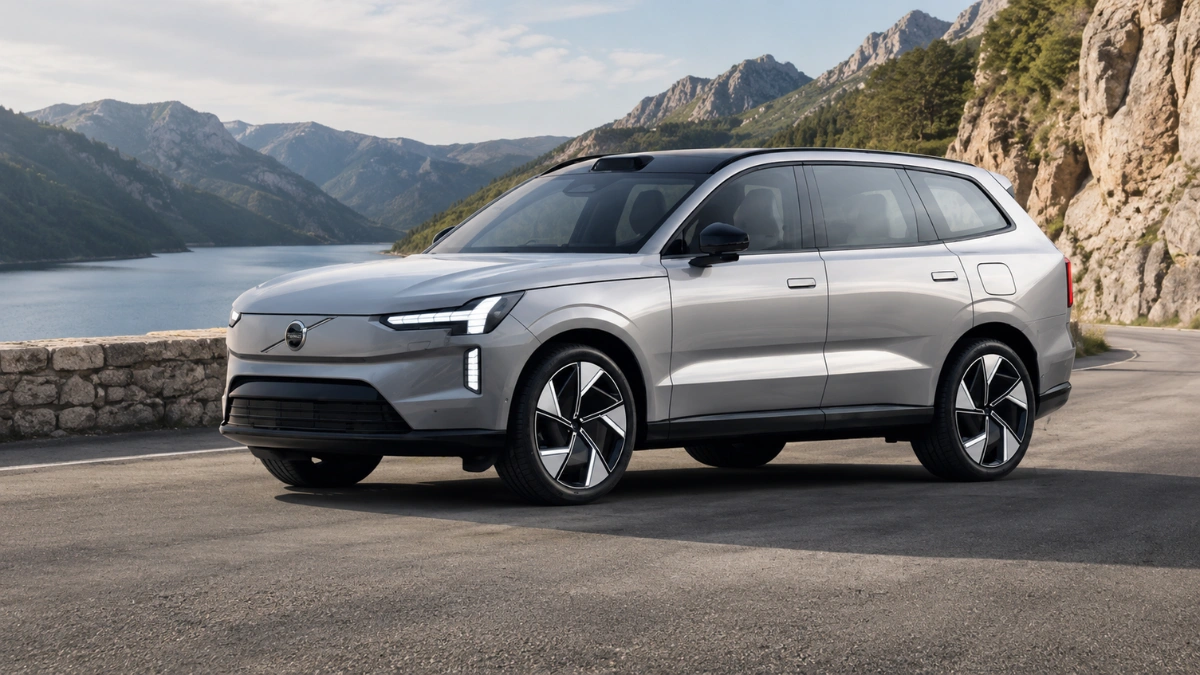
Volvo EX90 Booking Price: Expected Booking Amount, EMI & Loan Calculation
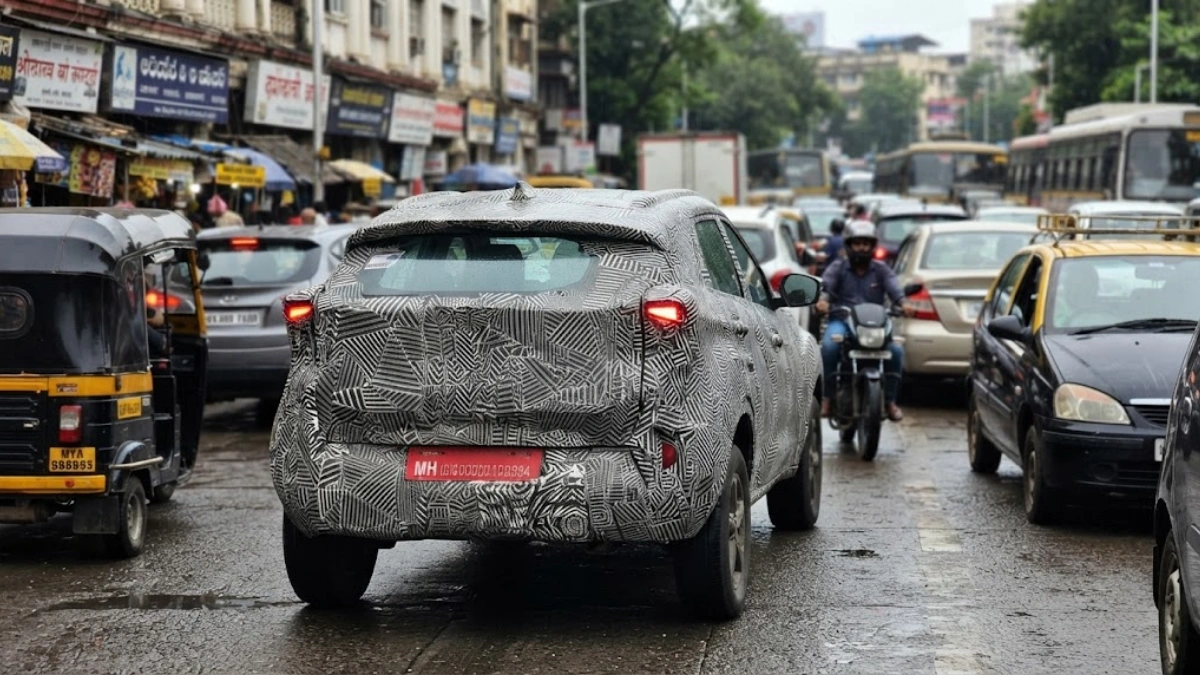
Next Generation Tata Nexon 2027: Expected Launch, Price, Design & Features
MG Hector Tomahawk EV Variant-Wise Price & Features Comparison
Maruti Baleno Facelift vs Toyota Glanza: Complete Comparision
Upcoming Cars in September 2026 in India: New Cars, Launch Dates & Expected Prices
MG Hector Hawk SUV vs Tata Harrier: Expected Price, Features & Key Differences
Skoda Superb Diesel in India: Will the Diesel Engine Make a Comeback?